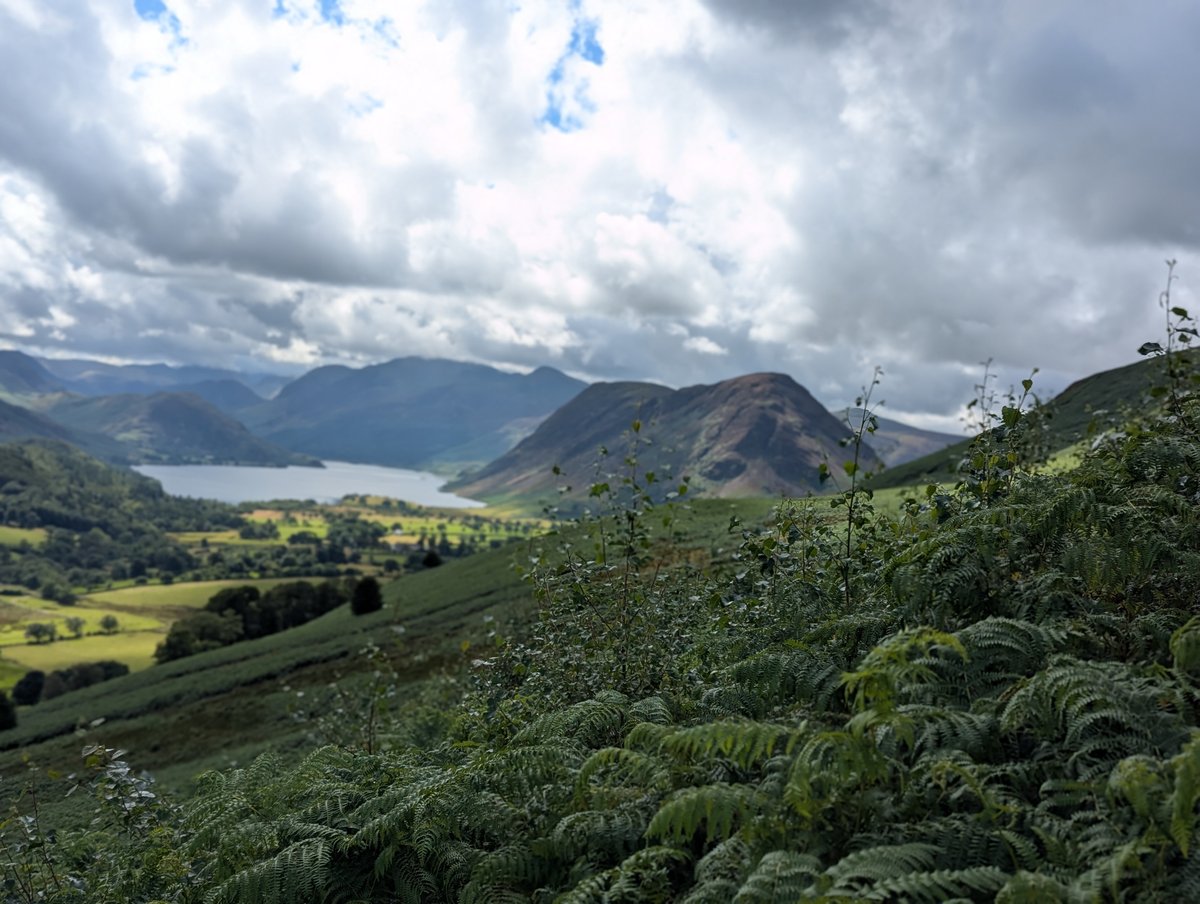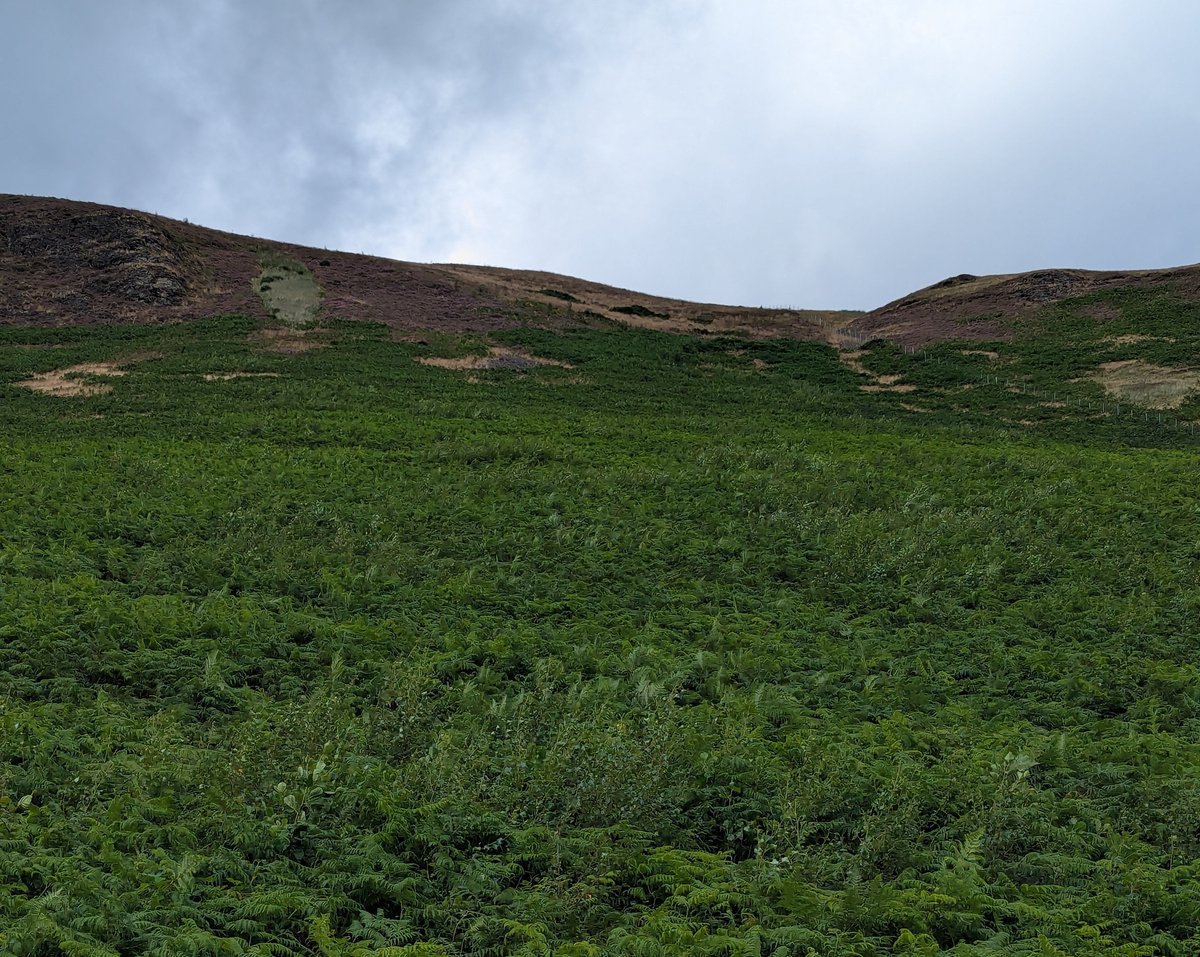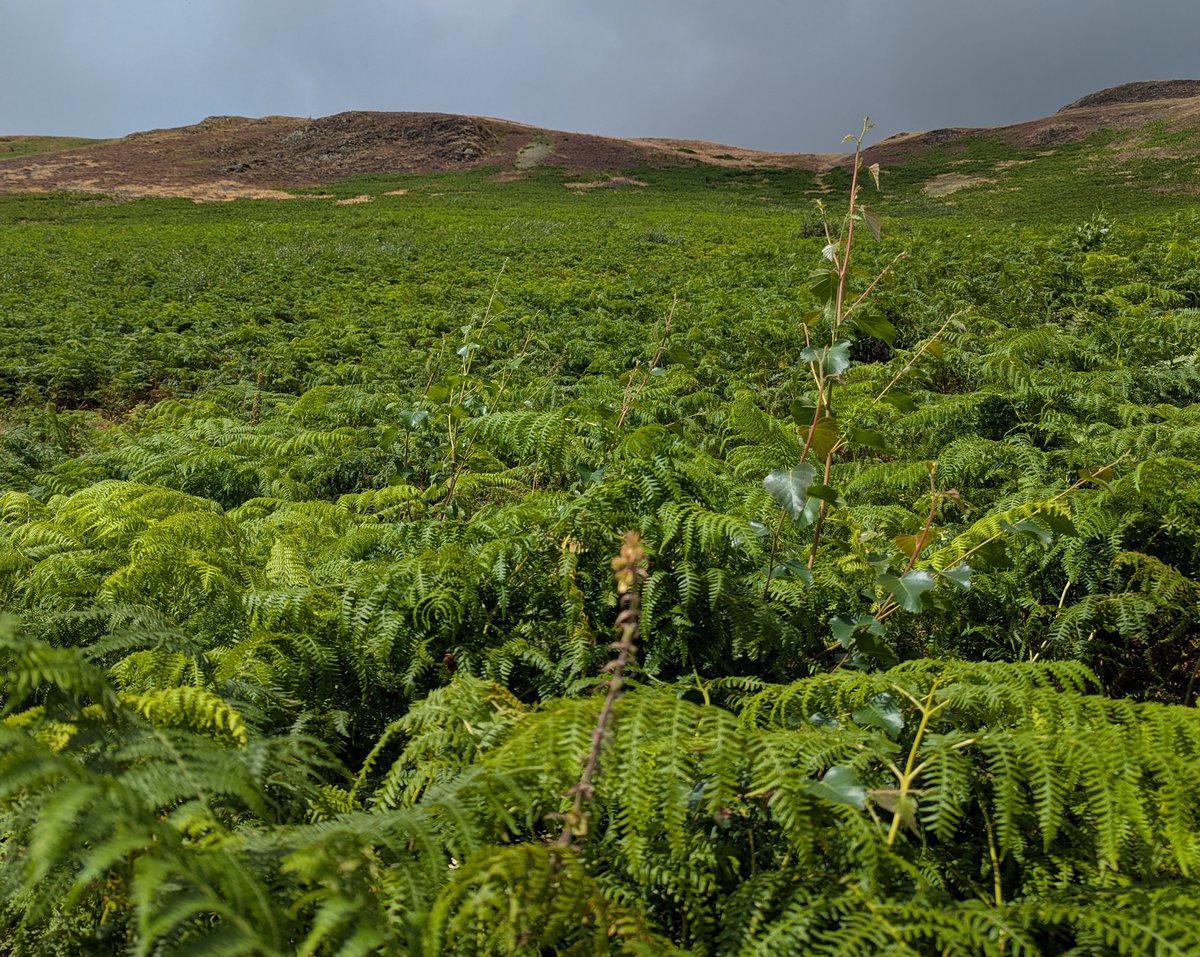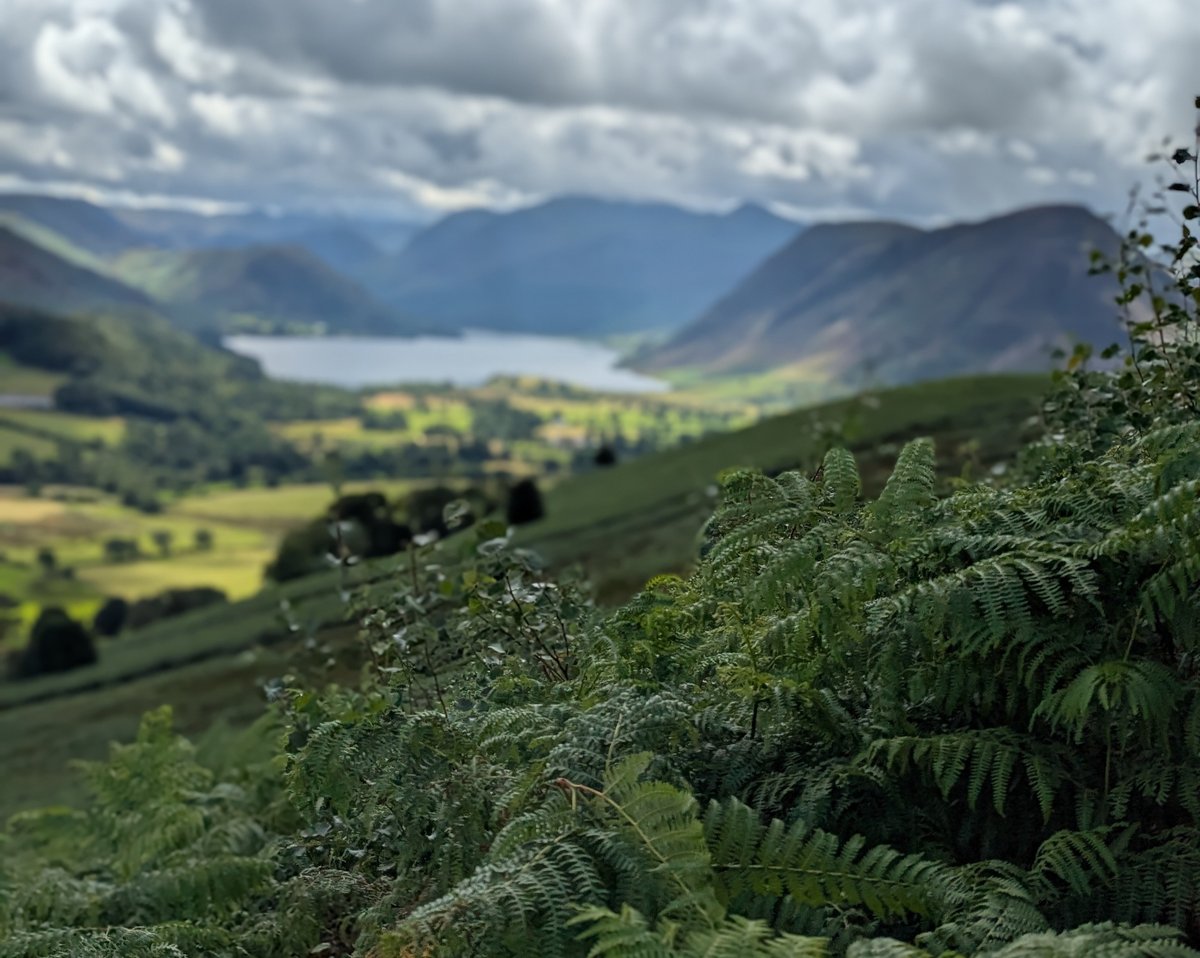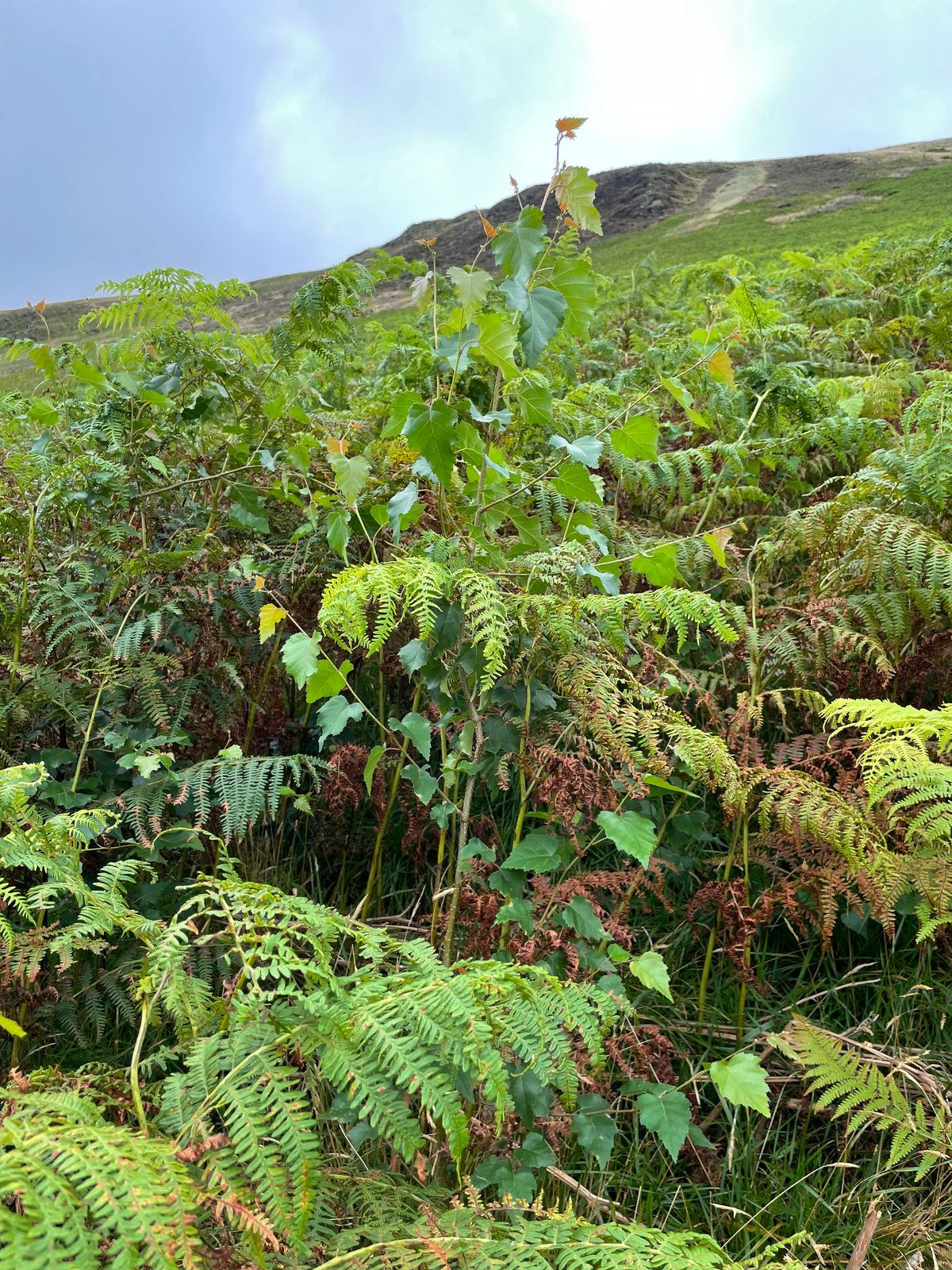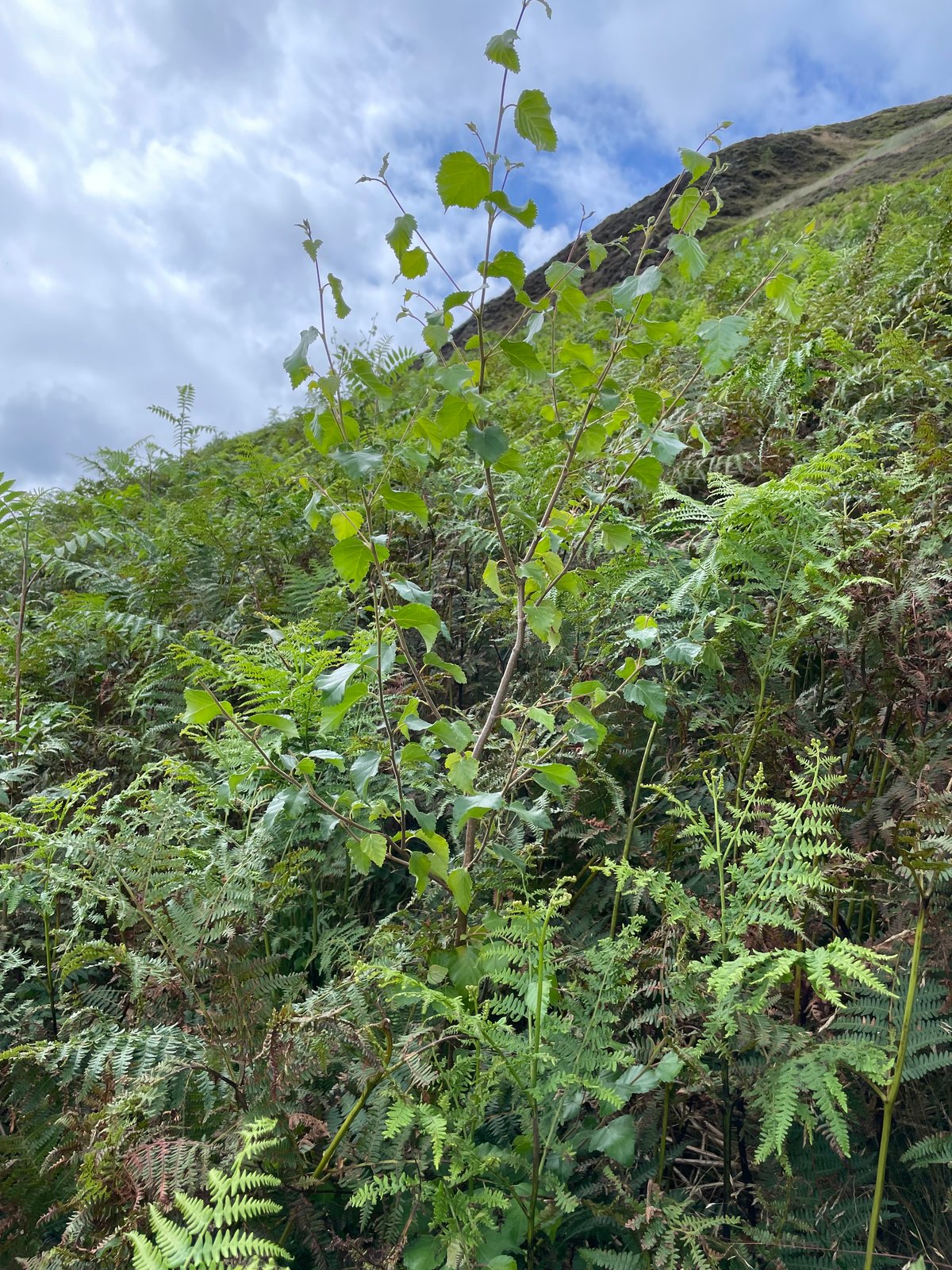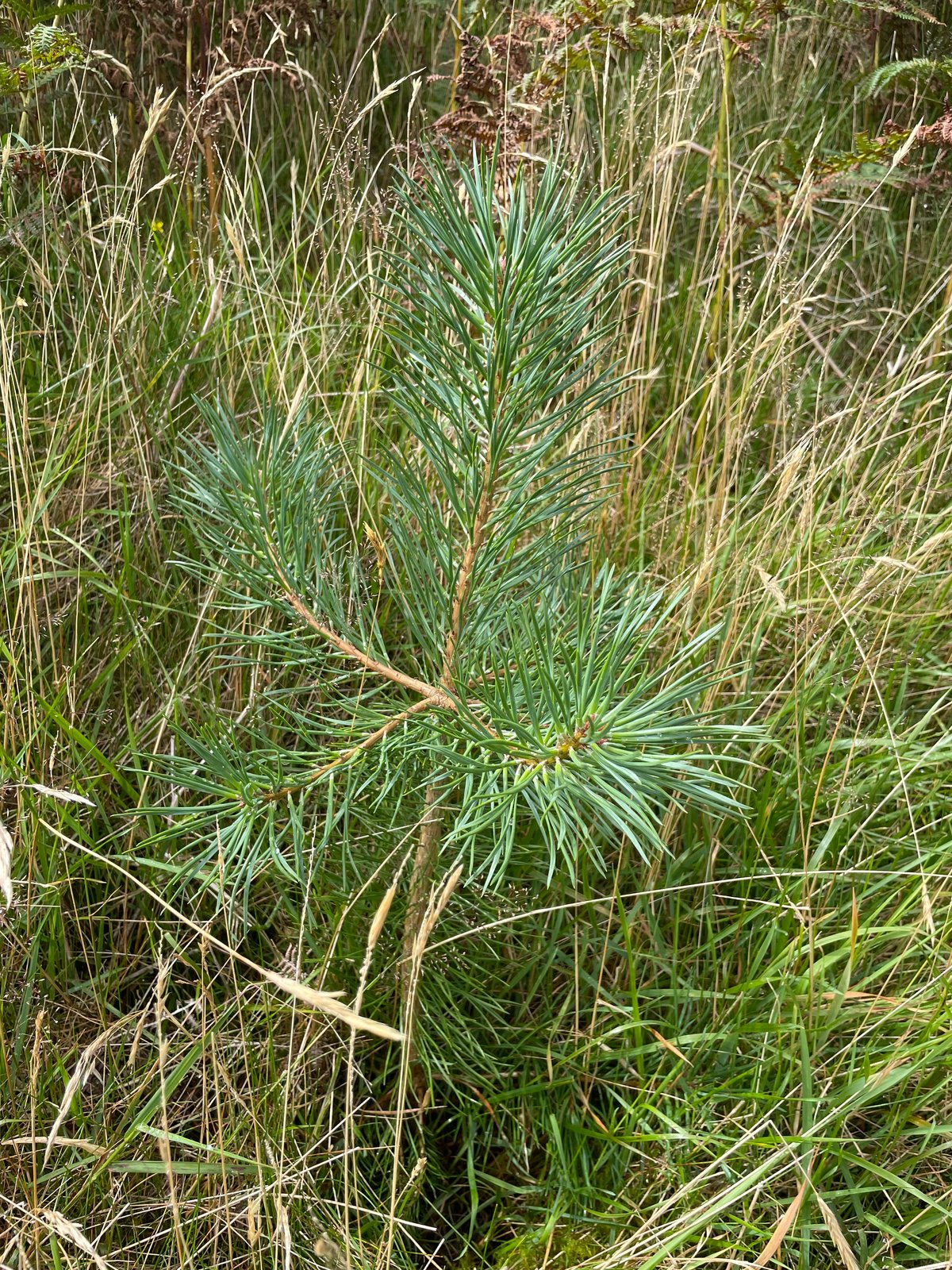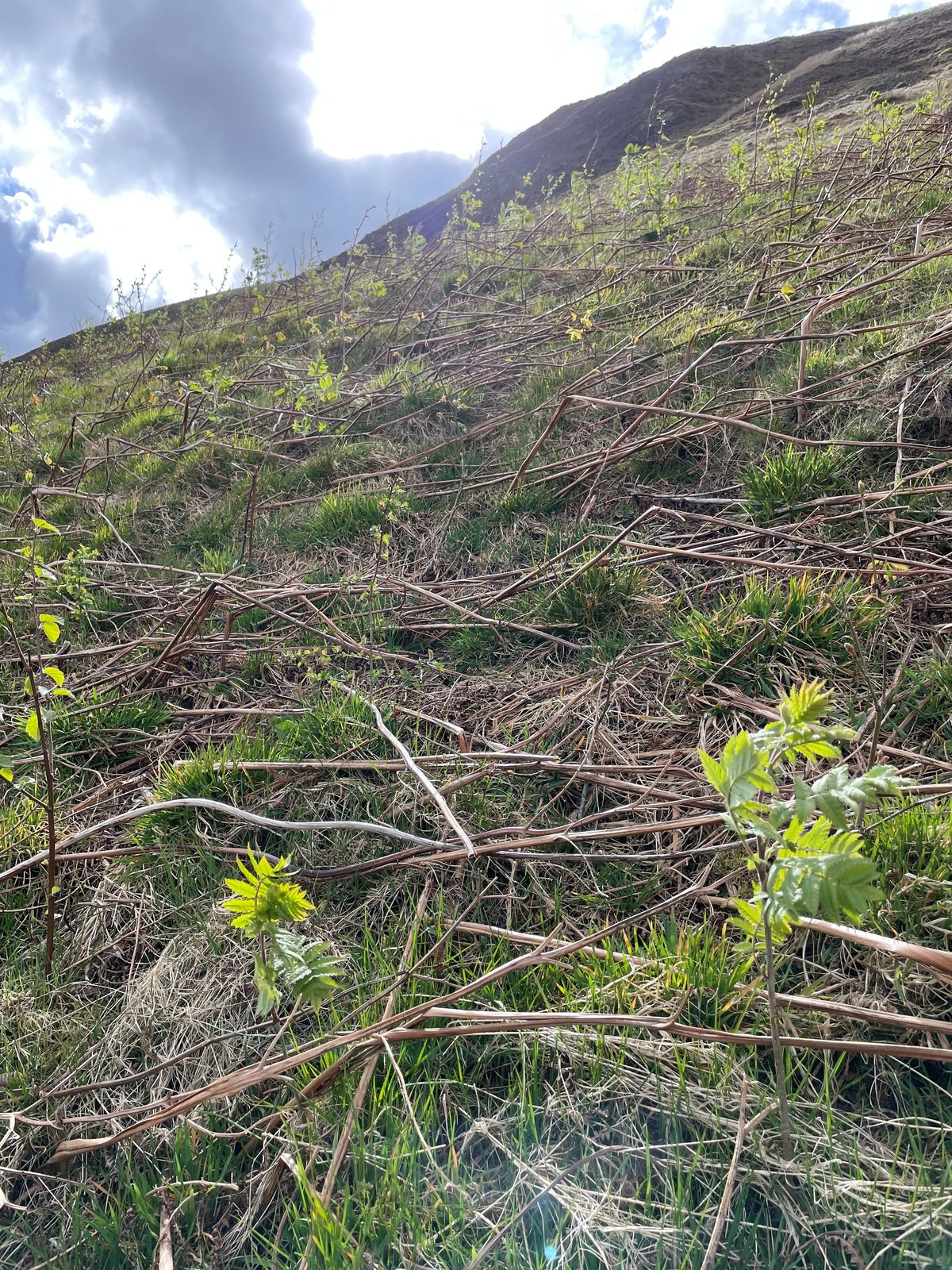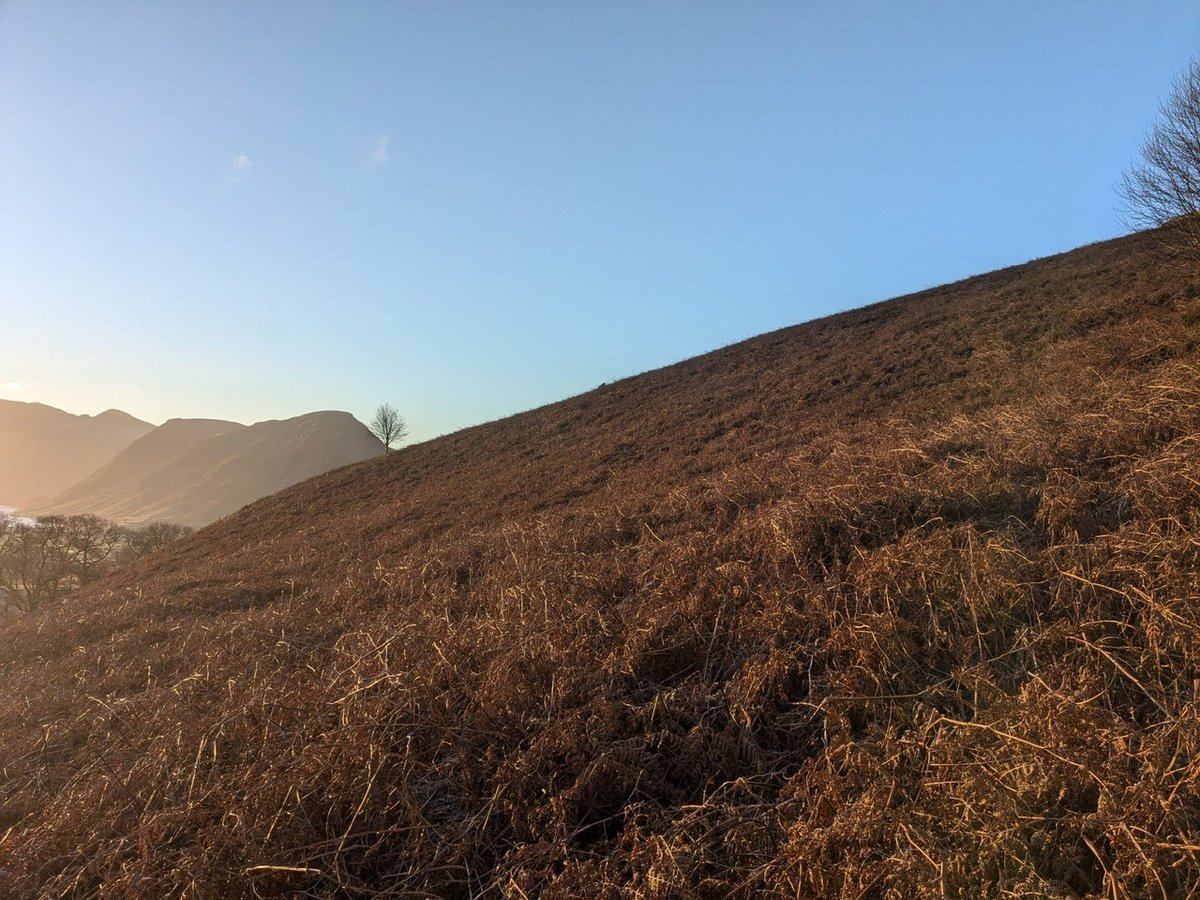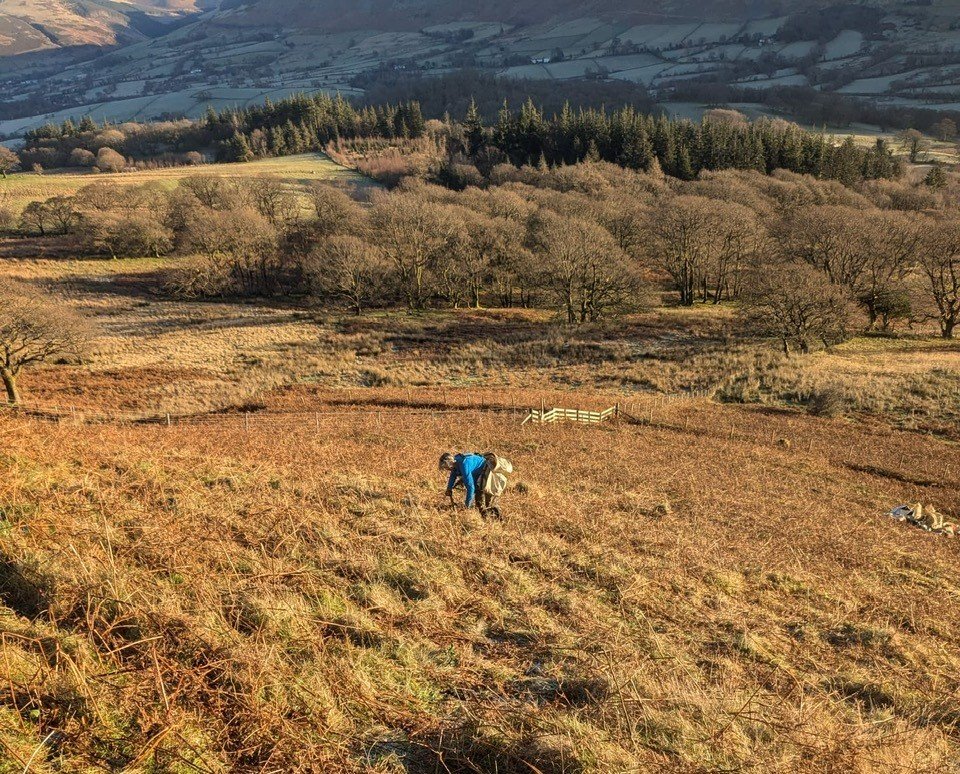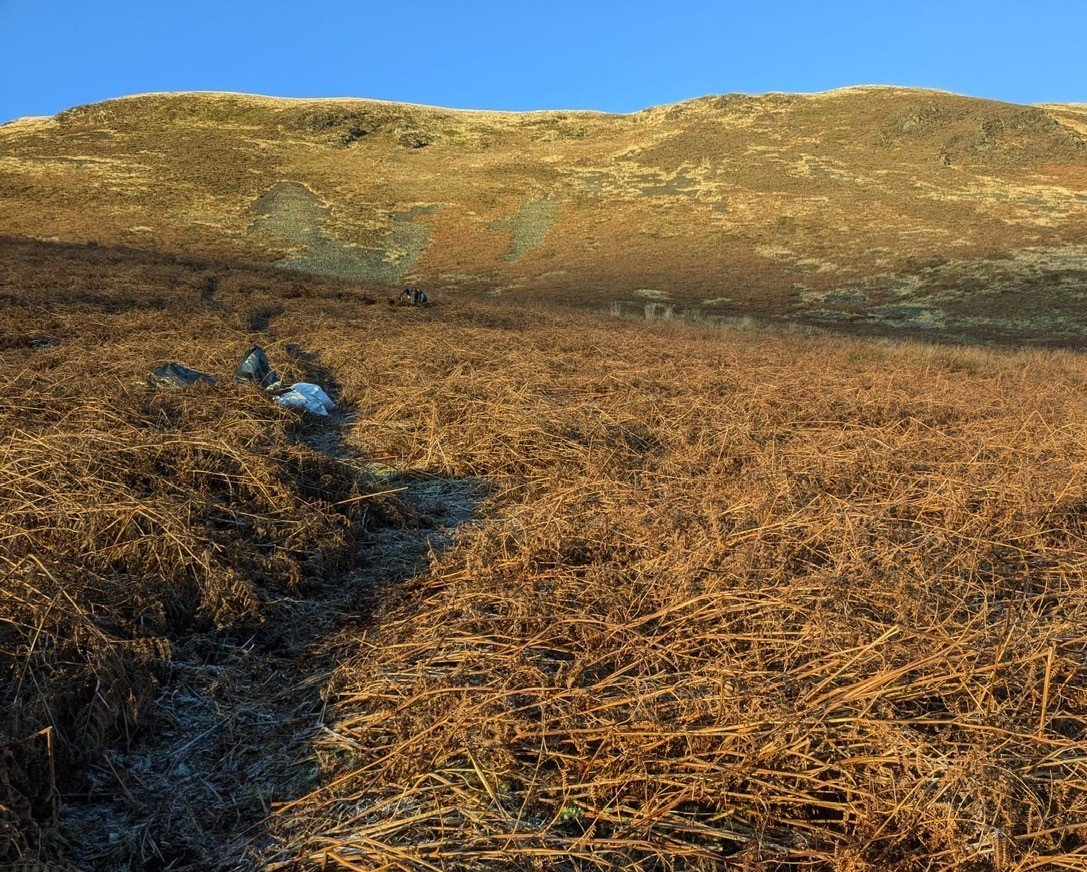

It was a good 10-minute walk from the nearest layby, through narrow paths and ascending into the bracken before we reached the first area of planted land. Standing and looking over the ascending fell, an area where 150,000 trees were planted (10,000 of which were Protect Earth), the enormity of the project became clear.
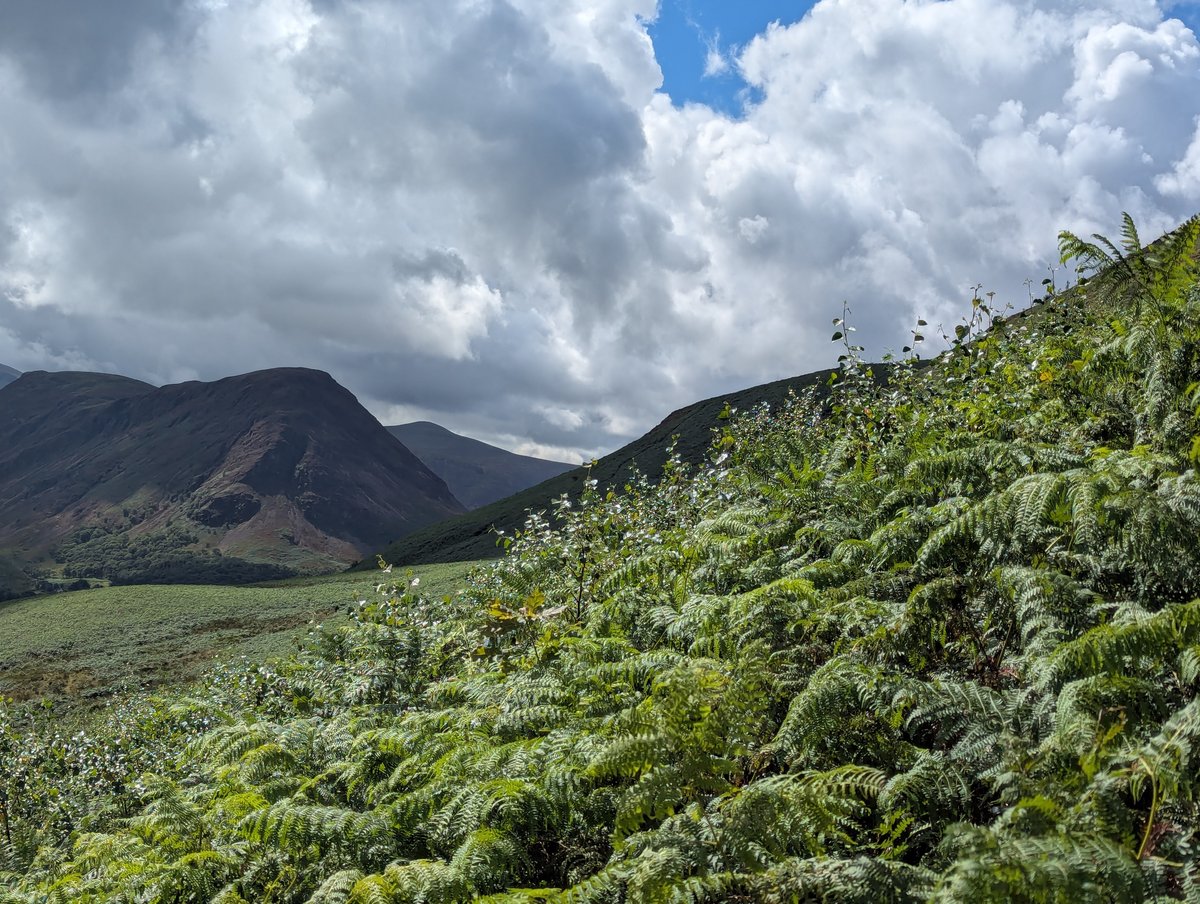
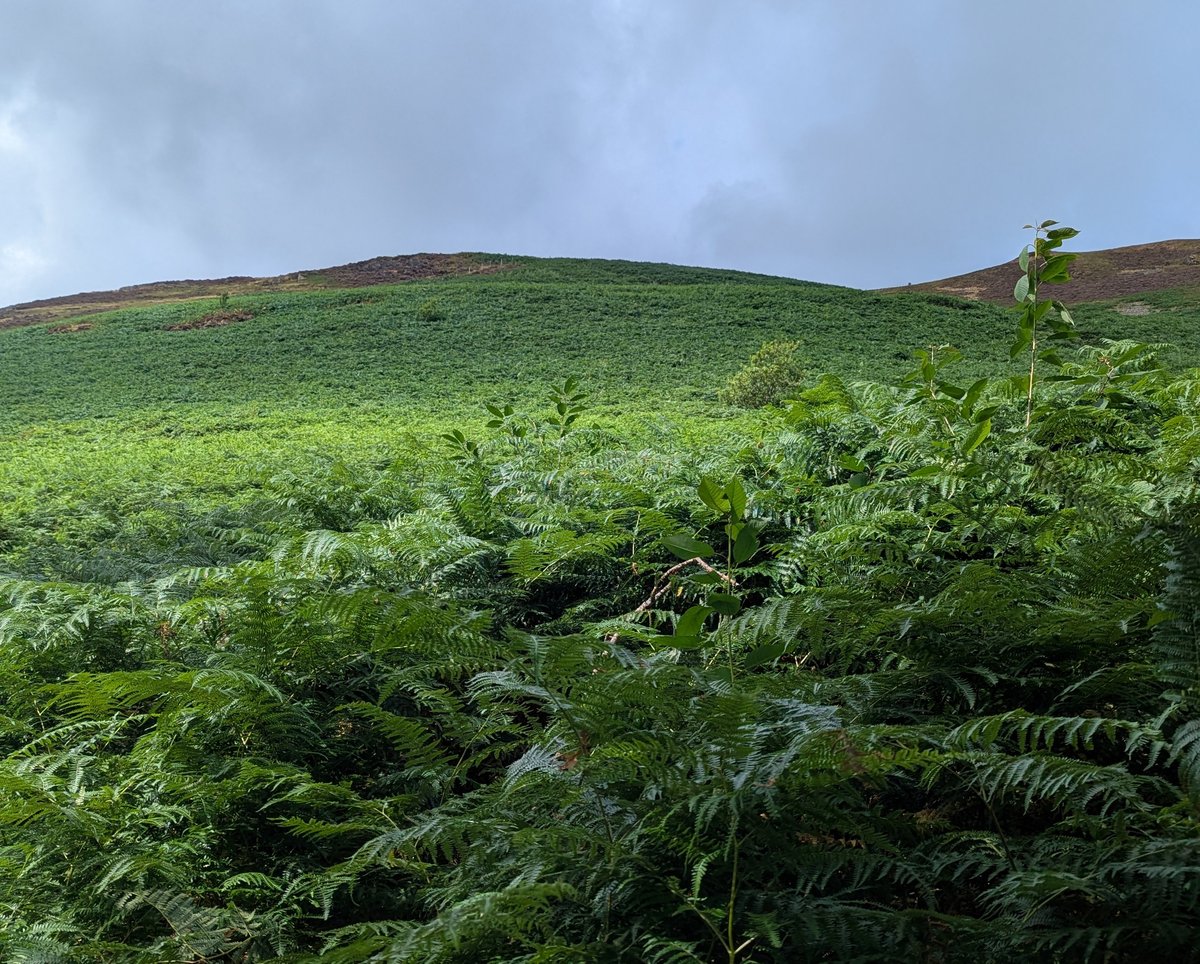
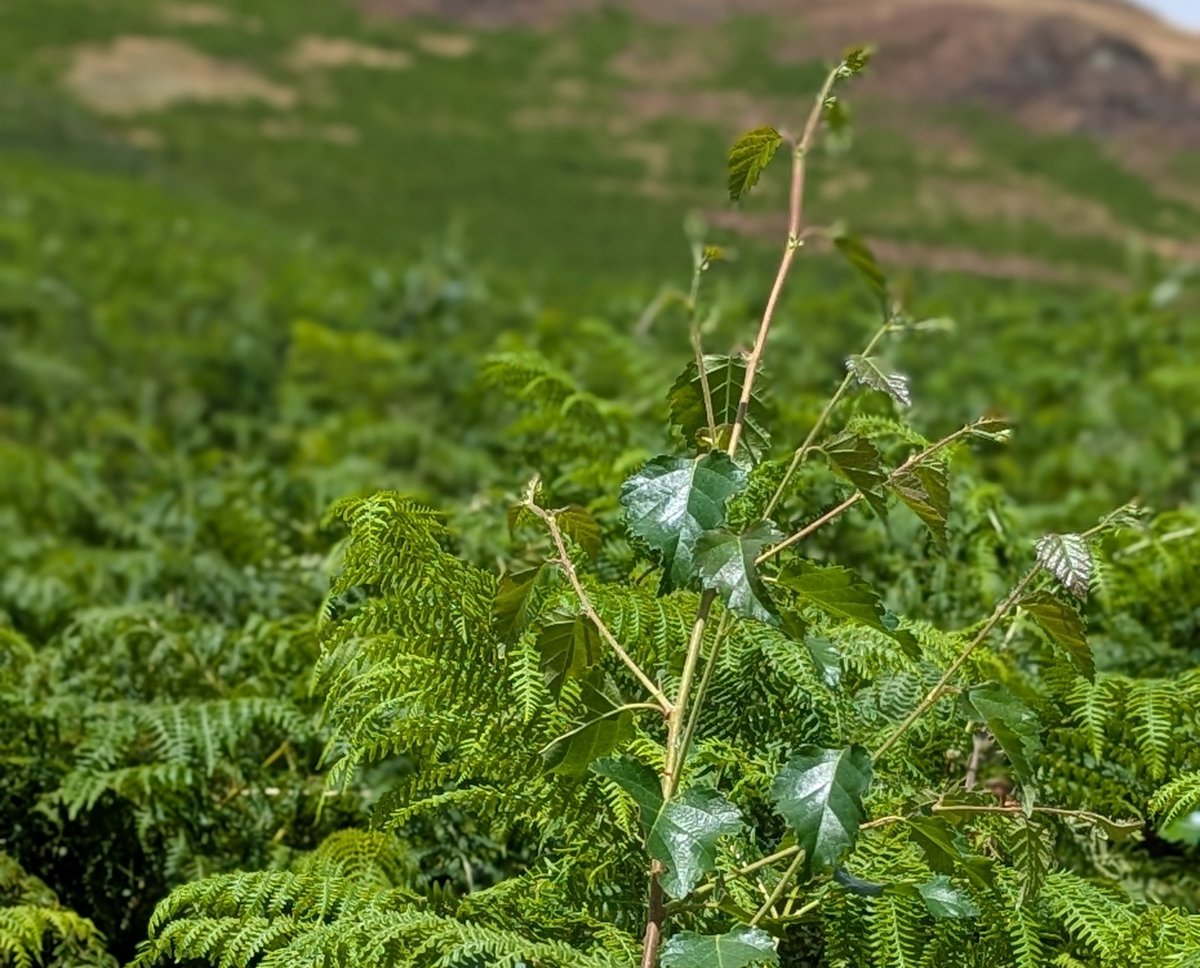
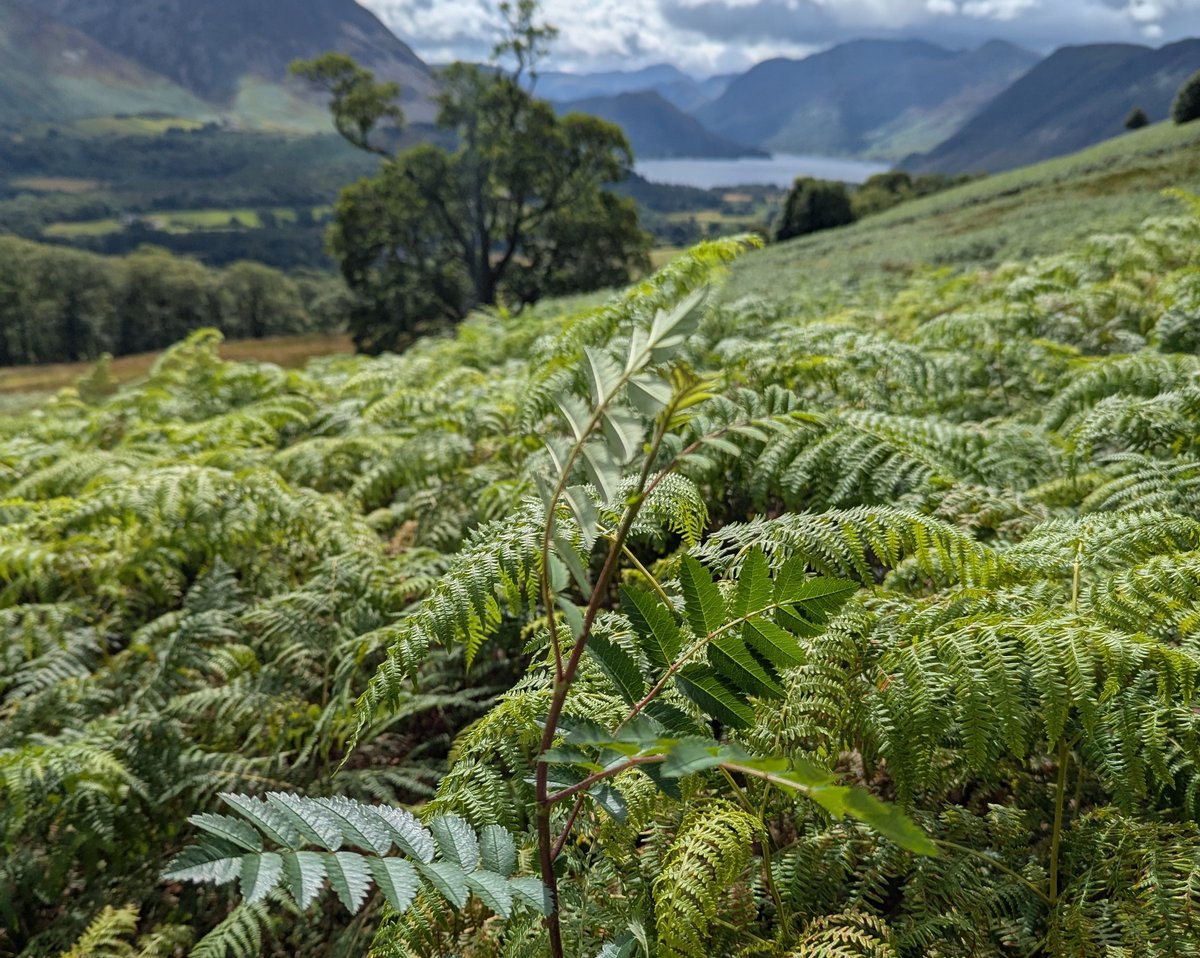
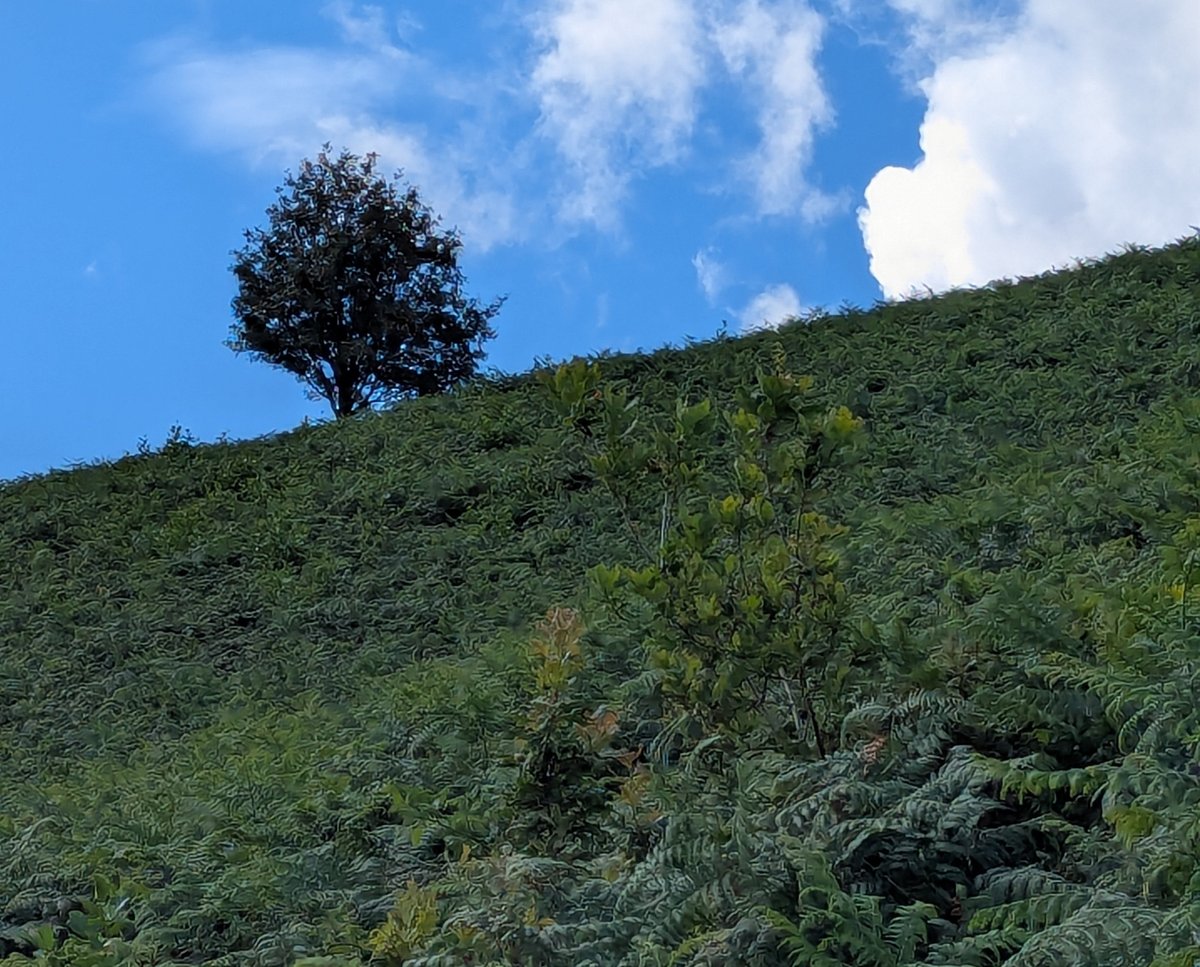
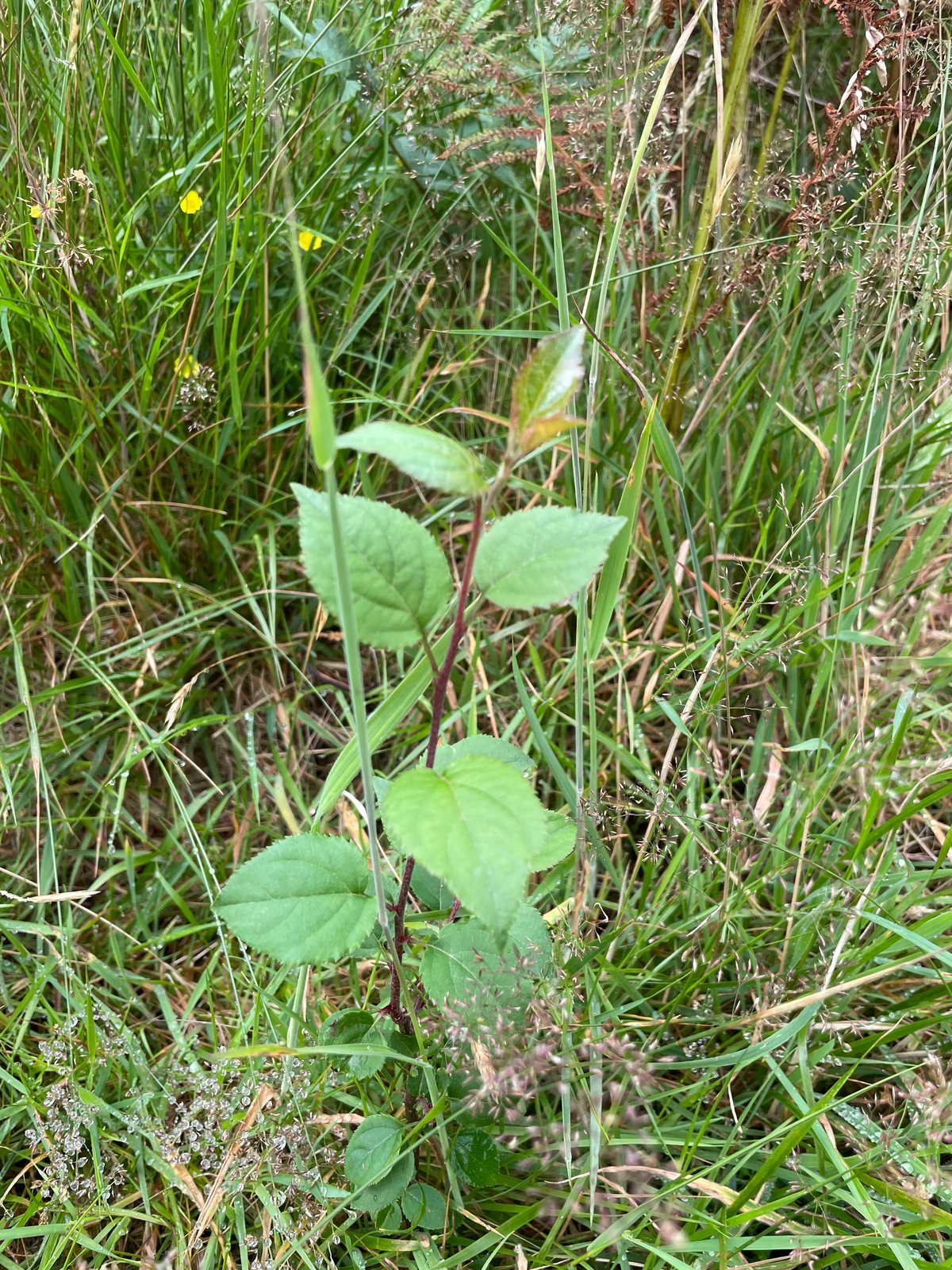
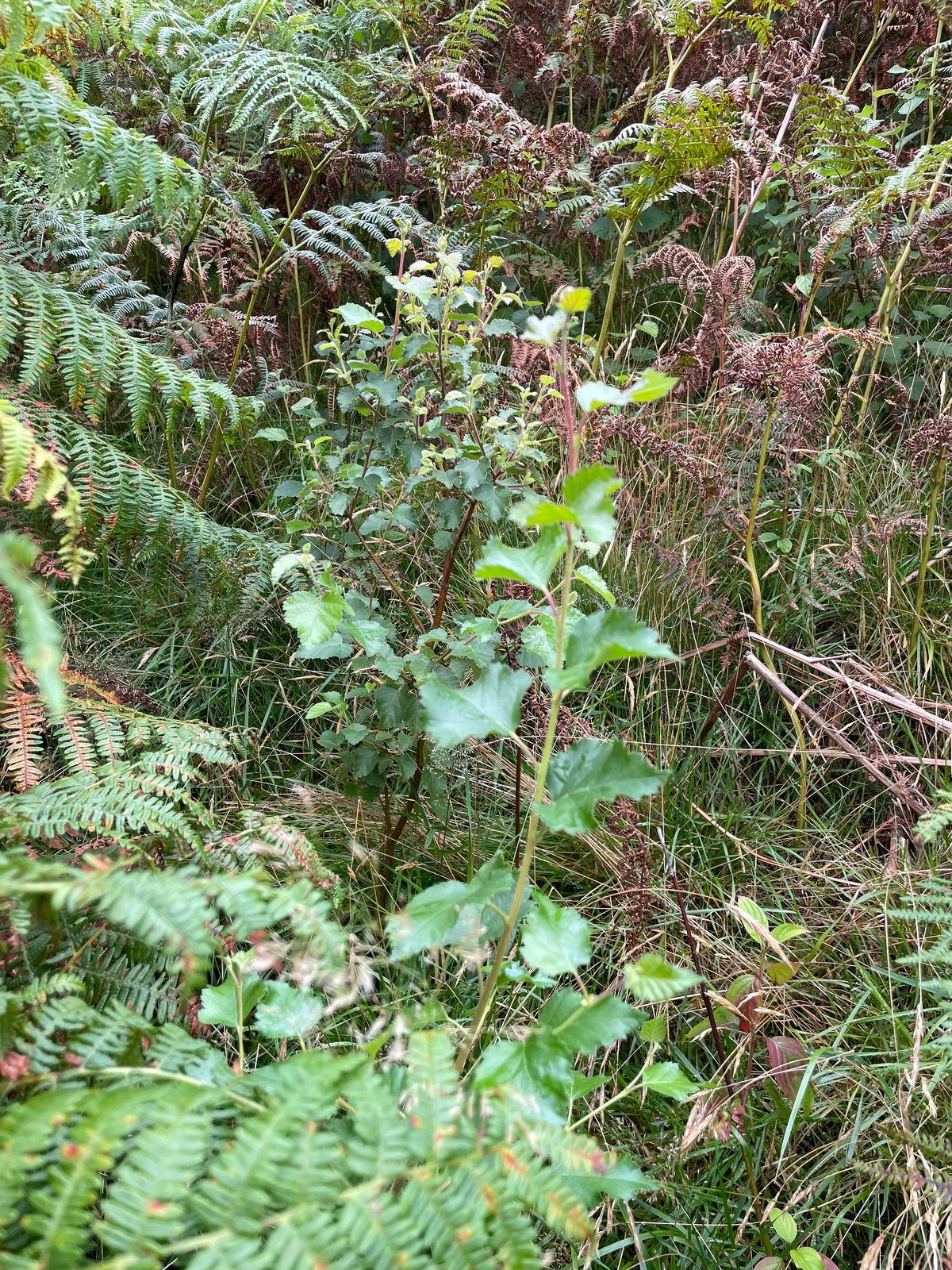
As we were ascending, you could already see the impact of removing the grazing sheep from this land; a spate of self-seeded cherry trees were thriving above the bracken canopy. Many trees have already surpassed the canopy height, especially the silver birches, rowan, and some oak. Sally and Darren, members of the CIC pointed out that they are doing particularly well when clustered together due to their mycorrhizal networks supporting each other’s growth.
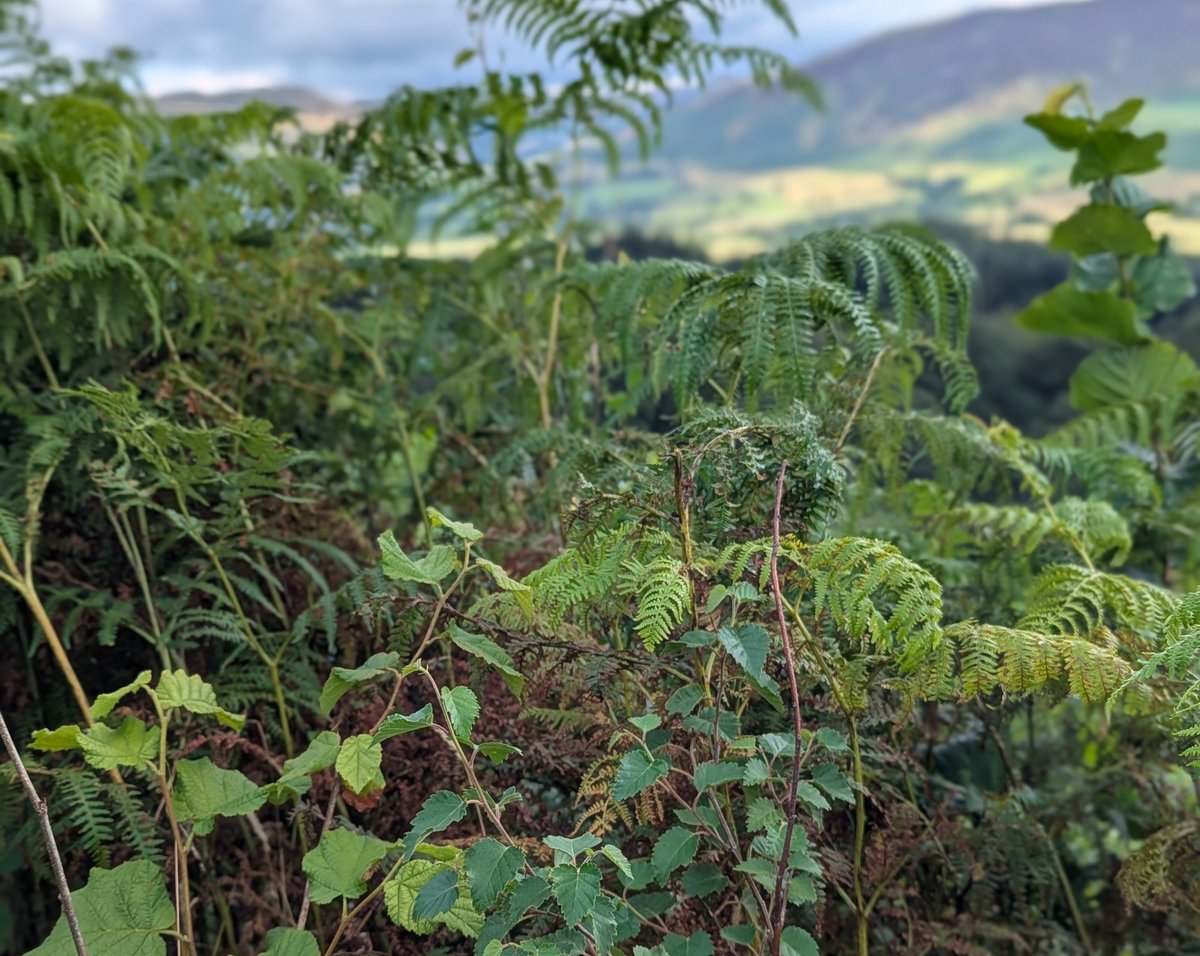
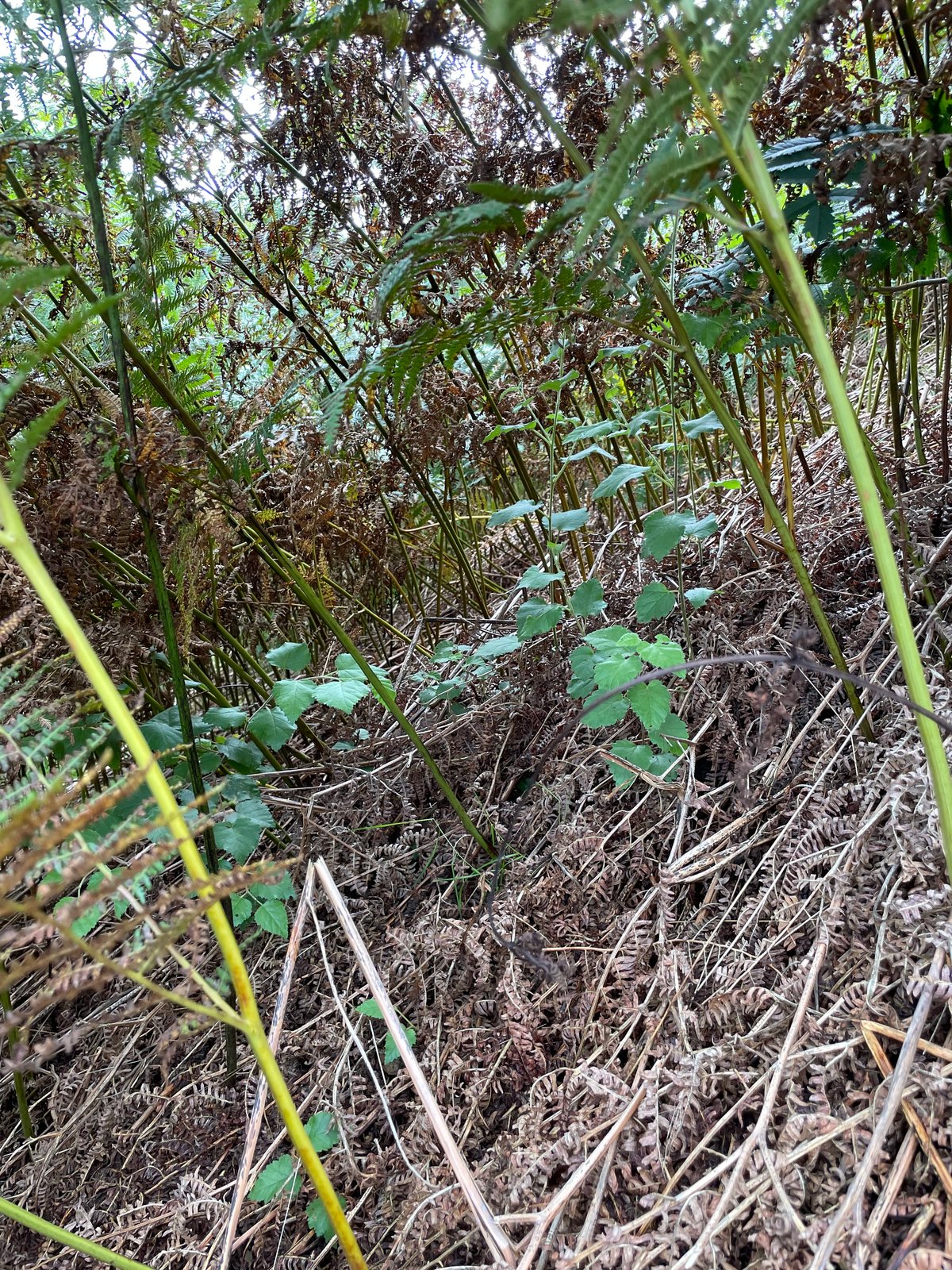
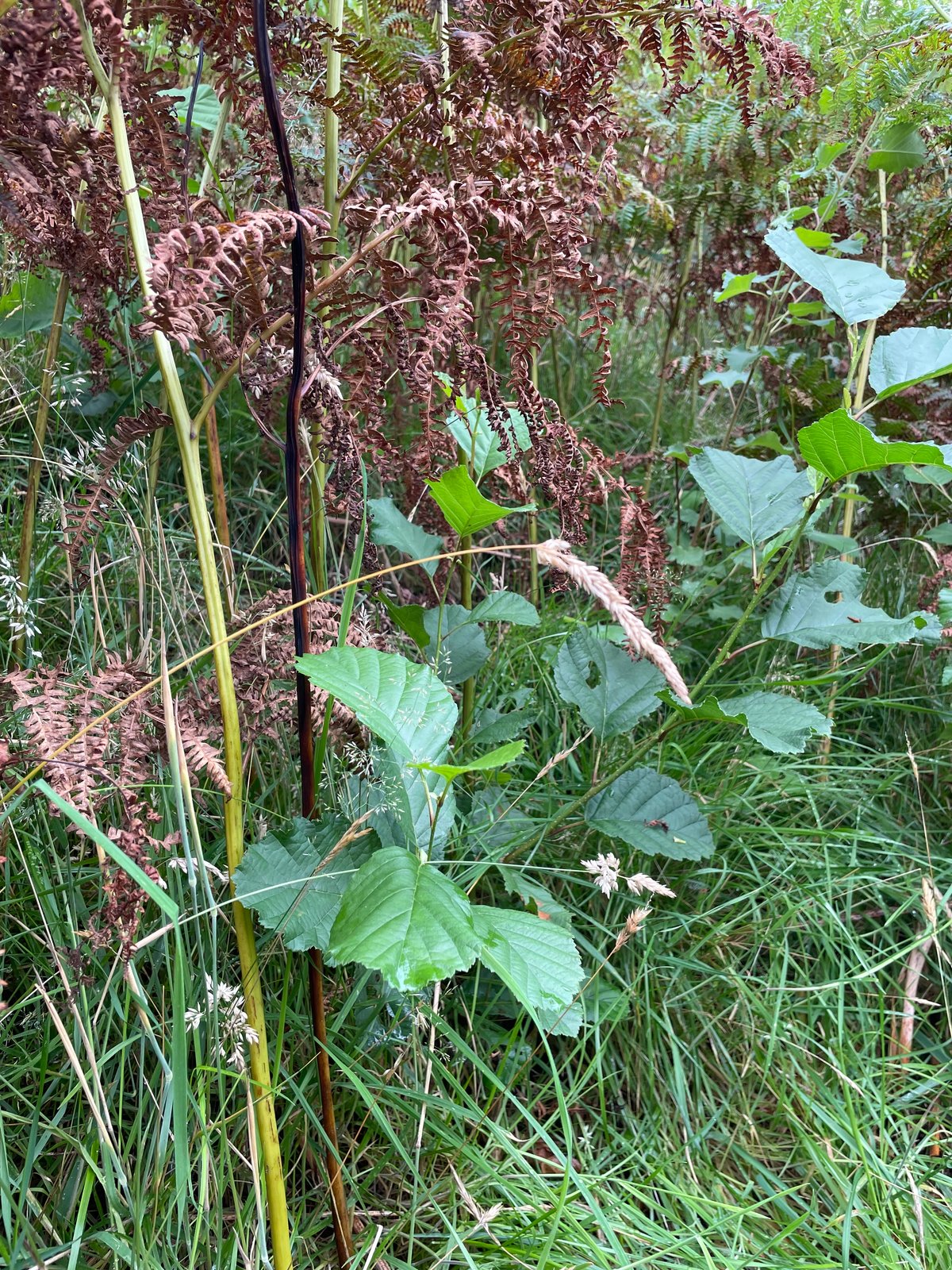
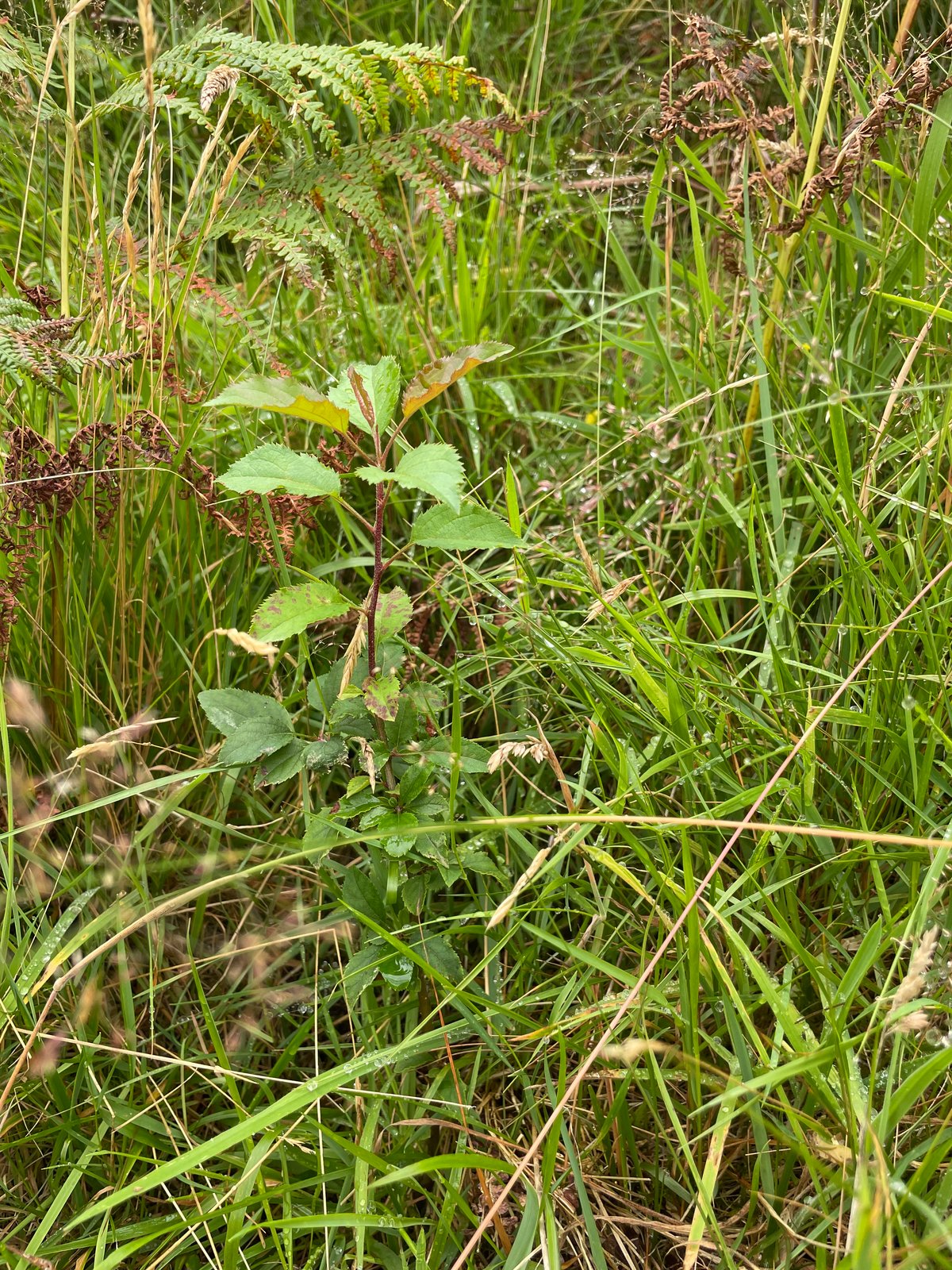
We had to ascend with care, navigating lost trails because hidden under all this dense bracken were thousands of saplings yet to come up over the canopy. They had chosen not to plant with tree guards, partly due to the cost and difficulty of bringing materials to this remote site, but also because they didn't want to bring plastic onto the land, which creates a visible dissonance with the green landscape. Initially criticised for their decision under the assumption that it would be to the detriment of the new trees, Sally and Darren have begun to see just how supportive the bracken actually is.
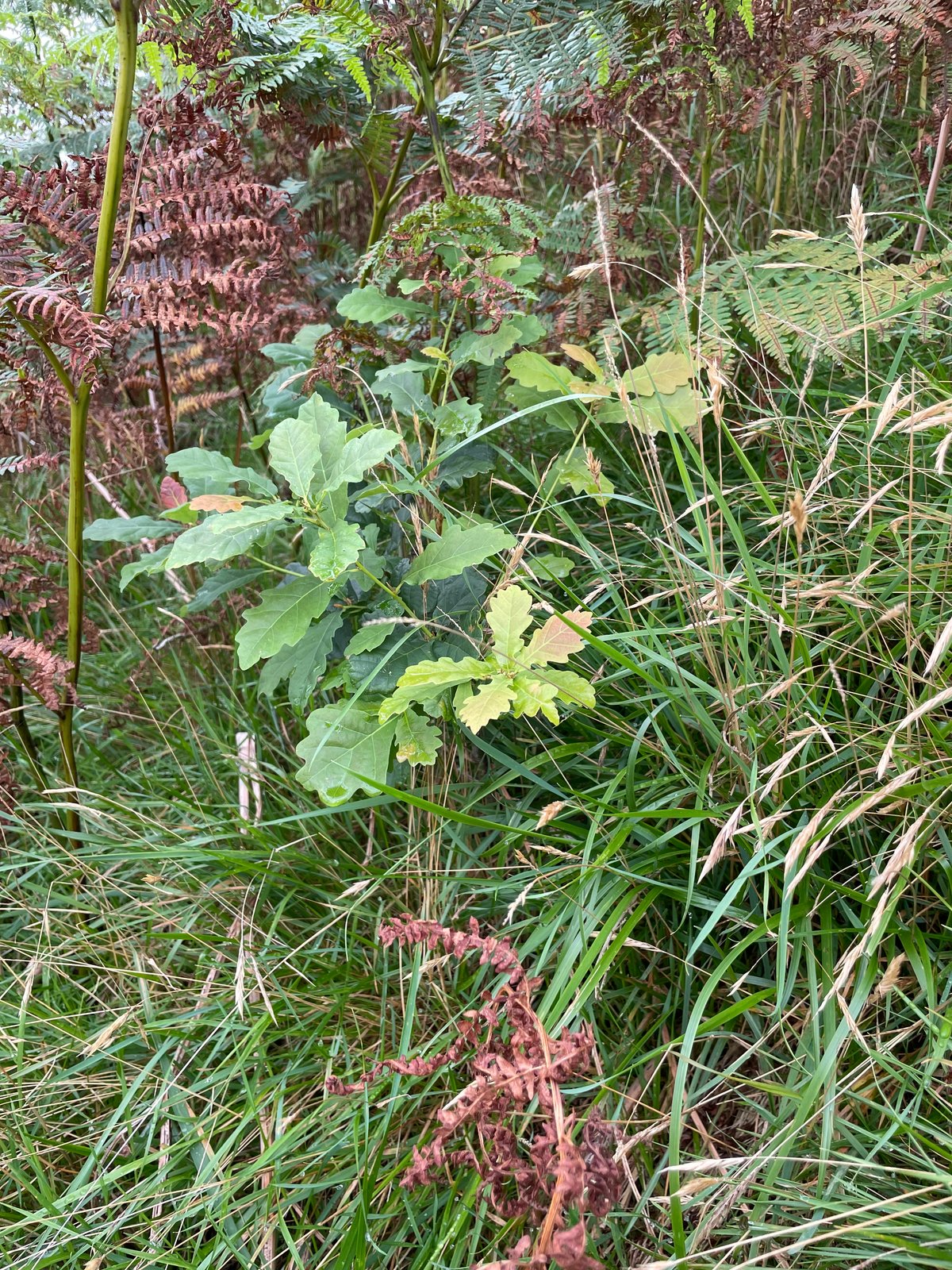
Firstly, it acts as shade, protecting the establishing saplings from the heat of the summer sun. It also creates a physical barrier around the trees, deterring deer from entering the dense vegetation. When the bracken dies back in autumn, it creates a natural mulch, and Sally and Darren have begun noticing second growth spurts in the saplings by October. Sally noted that you especially see this with the oaks, shown off by their red autumnal leaves.
We ascended about two-thirds of the way up, looking towards the more resilient montane species planted near the peak of the fell. Sally and Darren have a close relationship with the landowners managing the land and riparian edges beneath the fell. Together, they have established a thriving, species-rich nature corridor, and they have noticed swallows and migratory swifts coming further inland since the planting began.