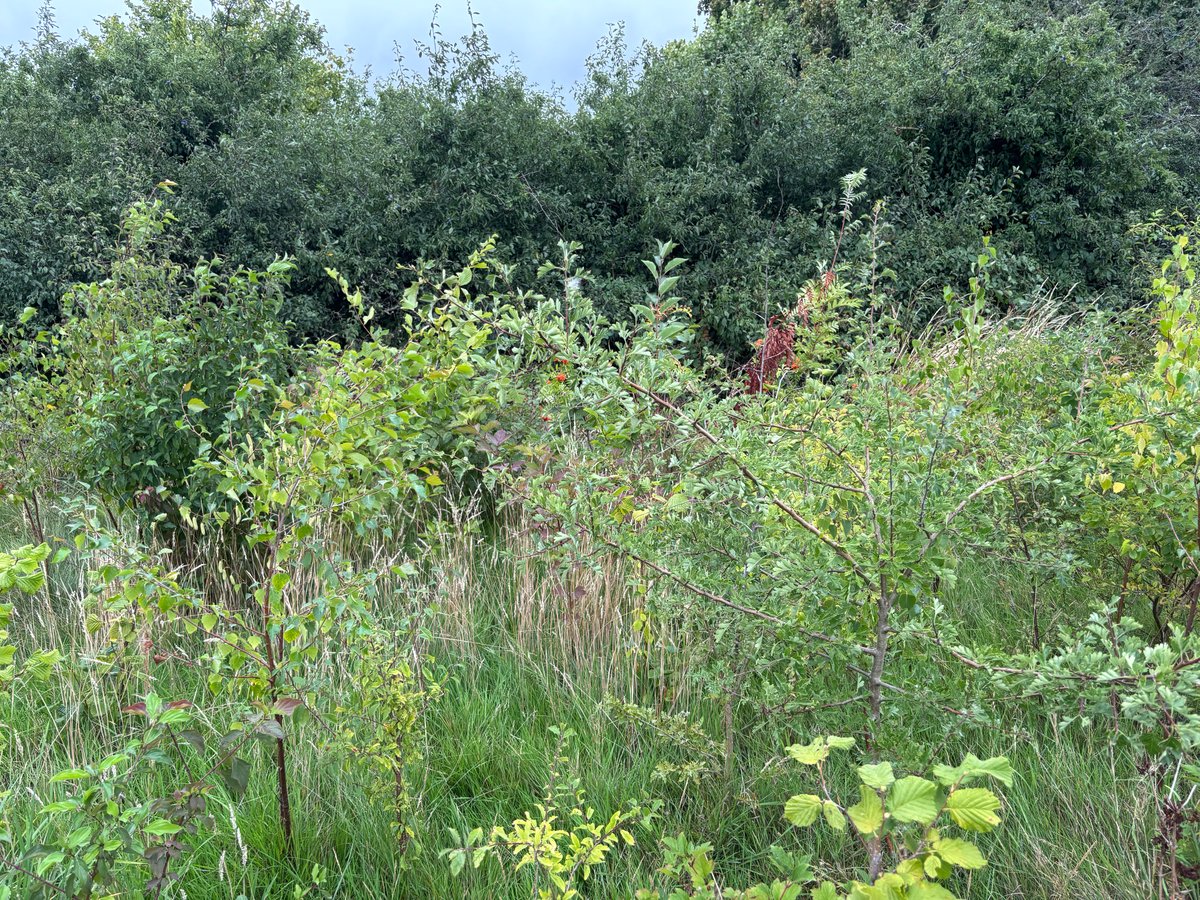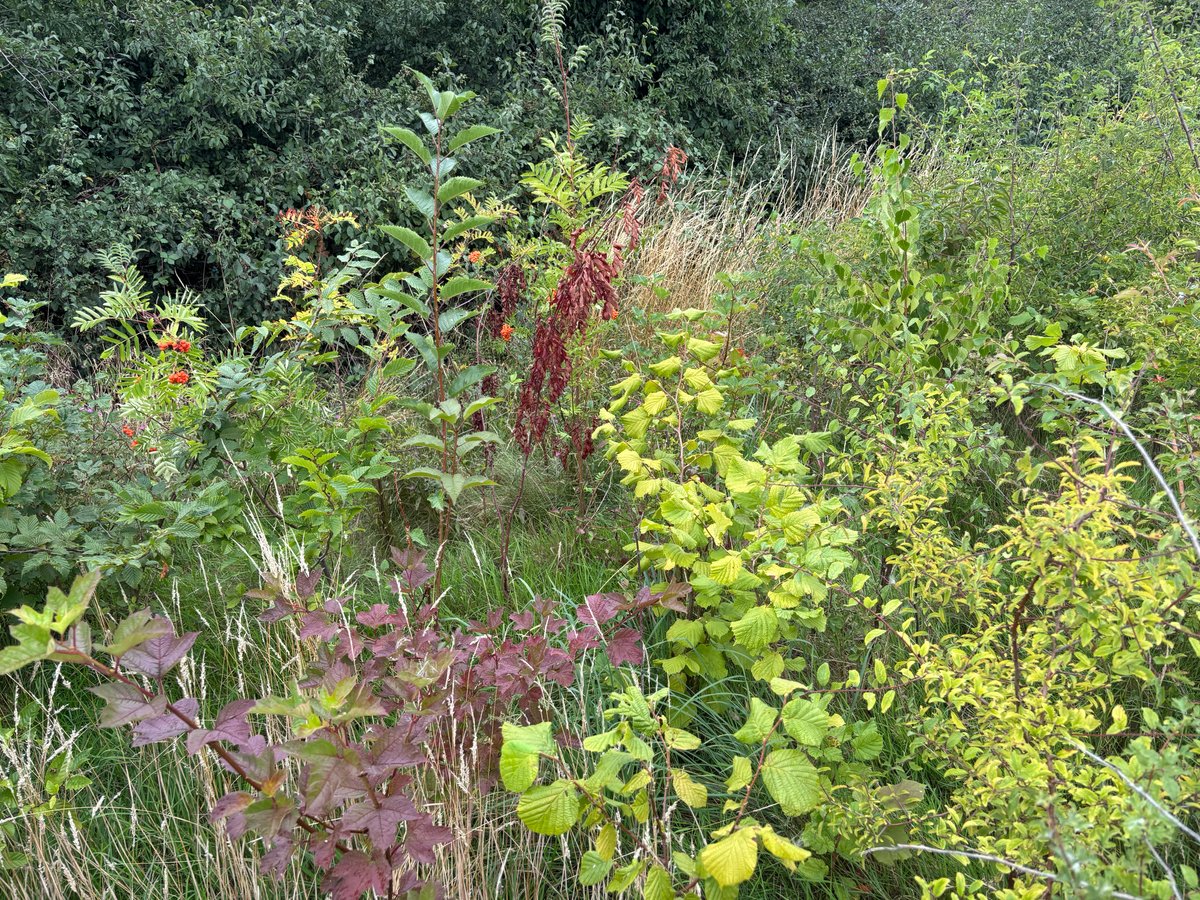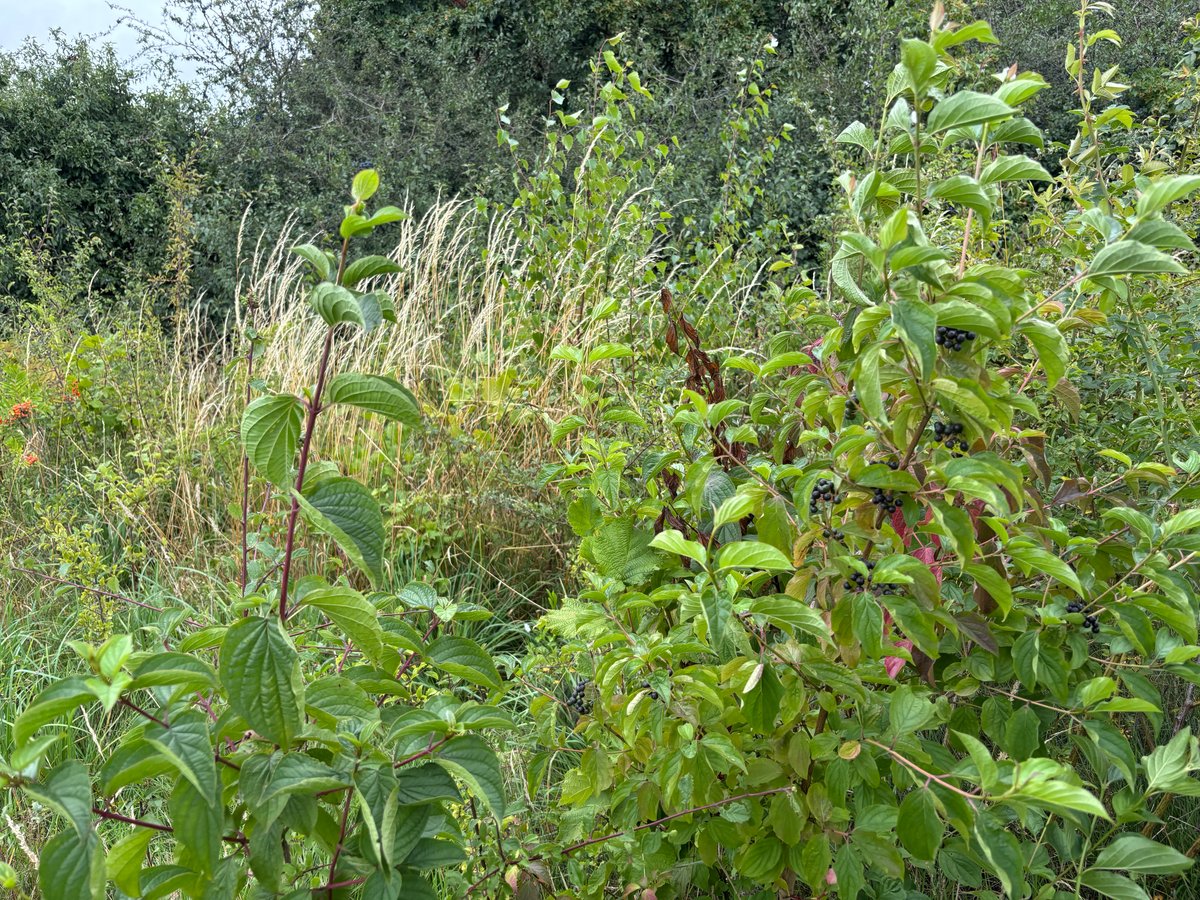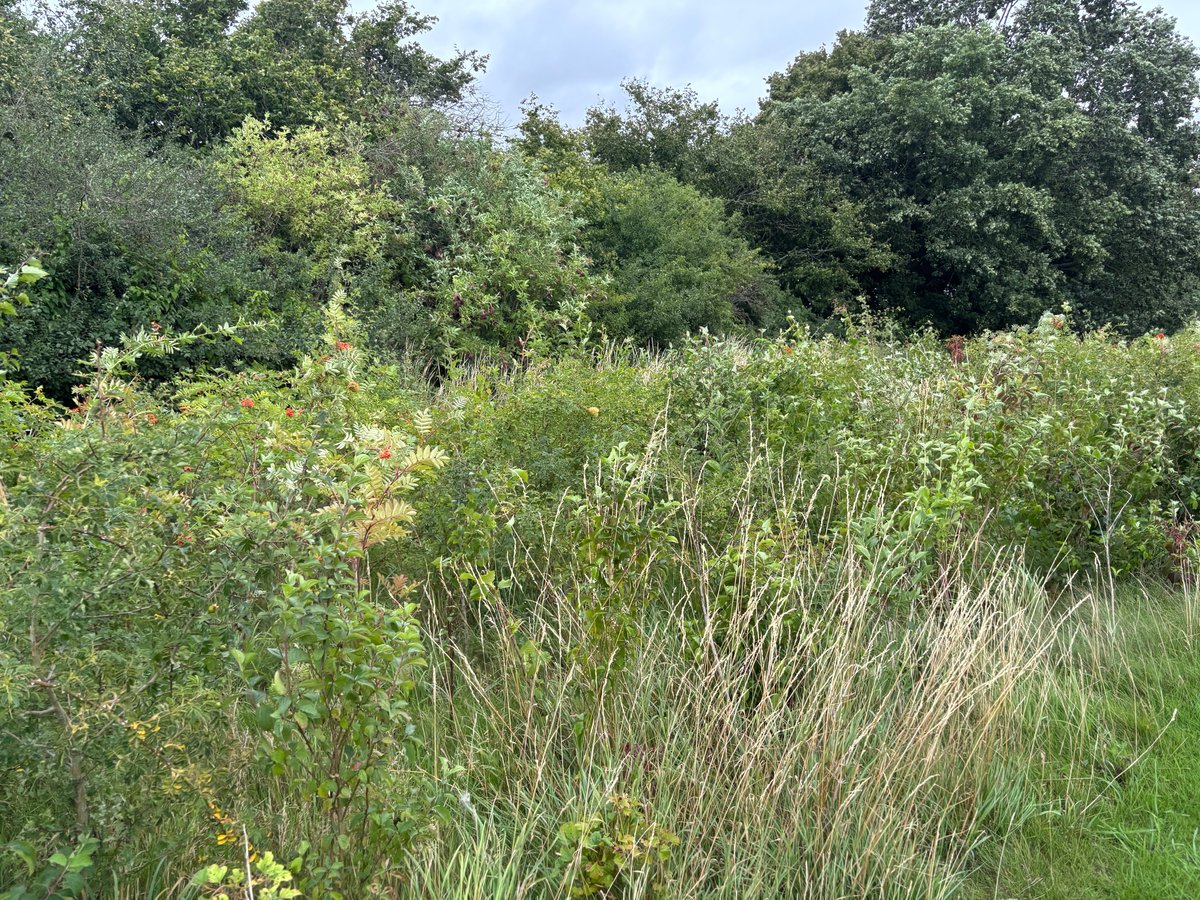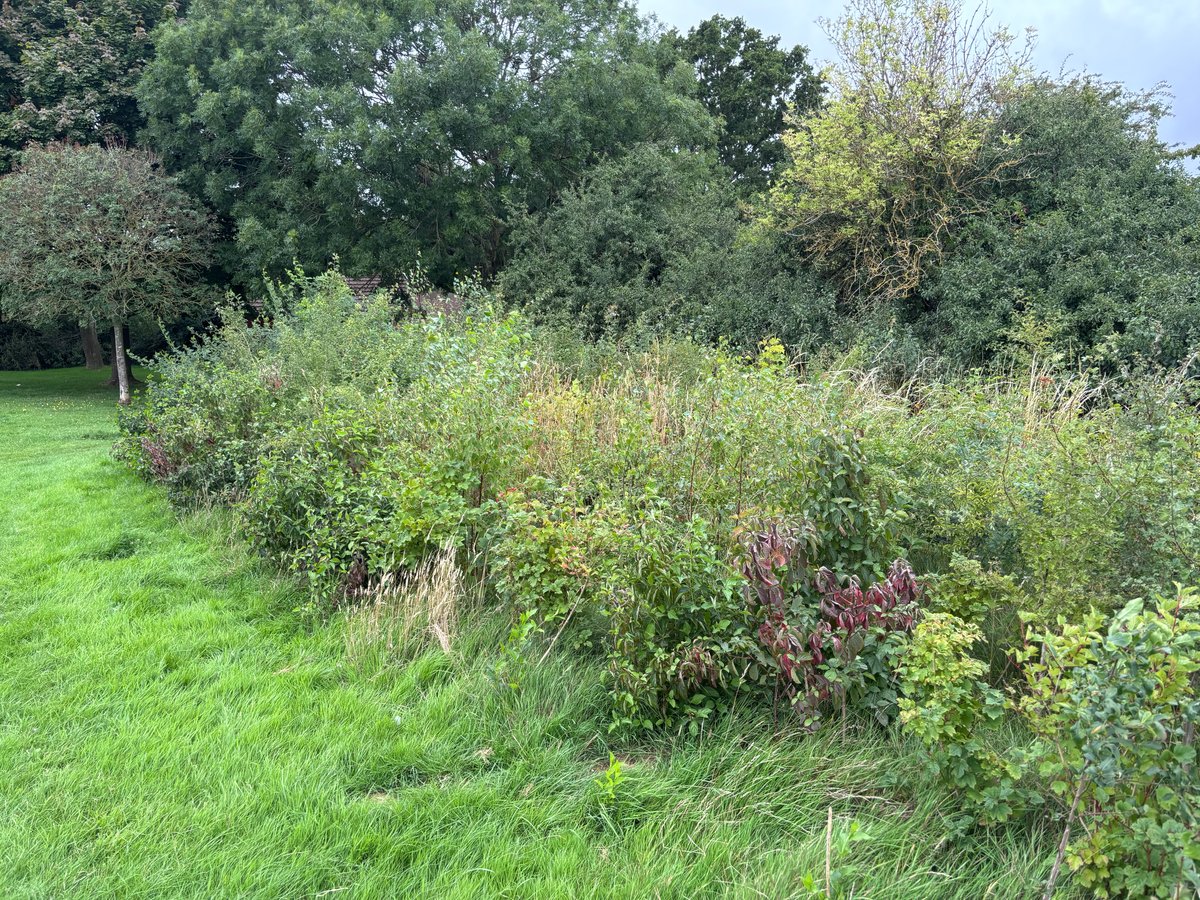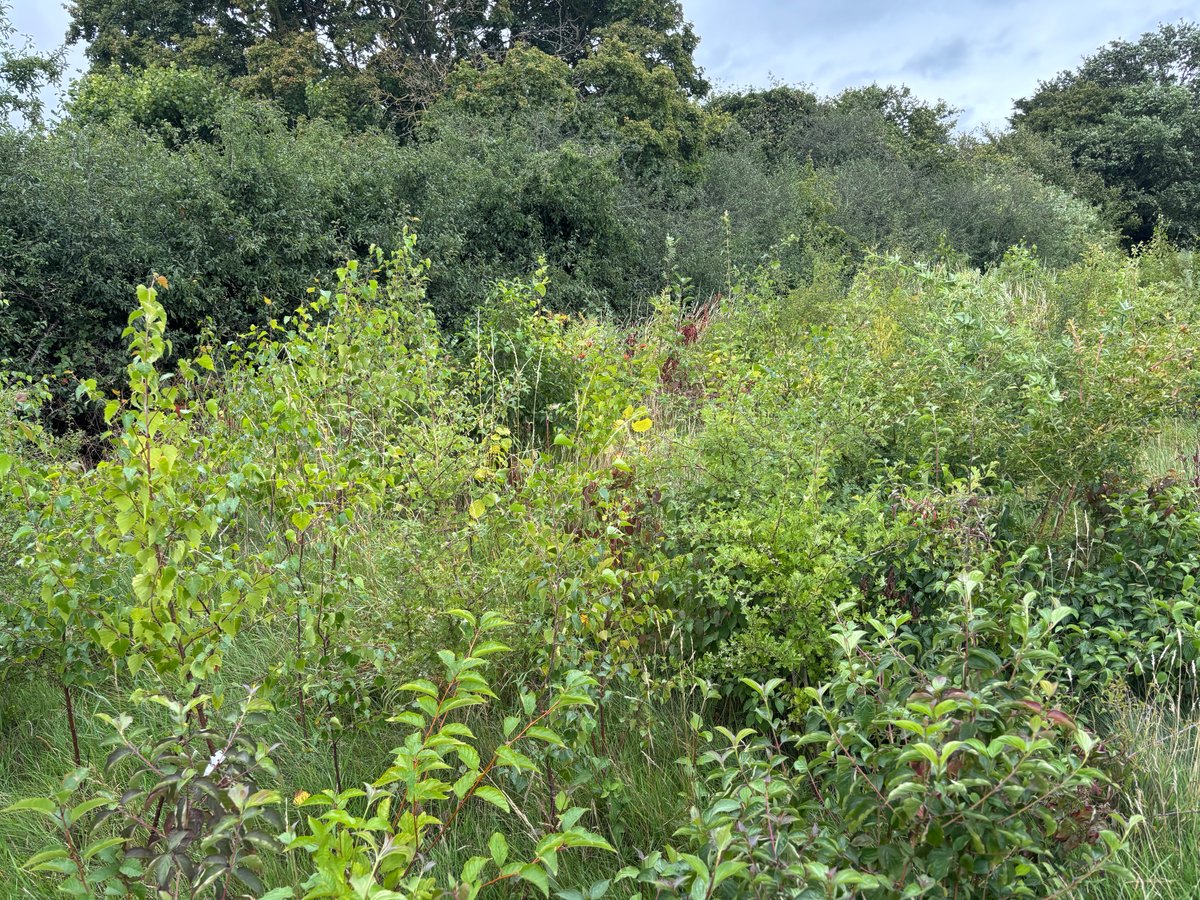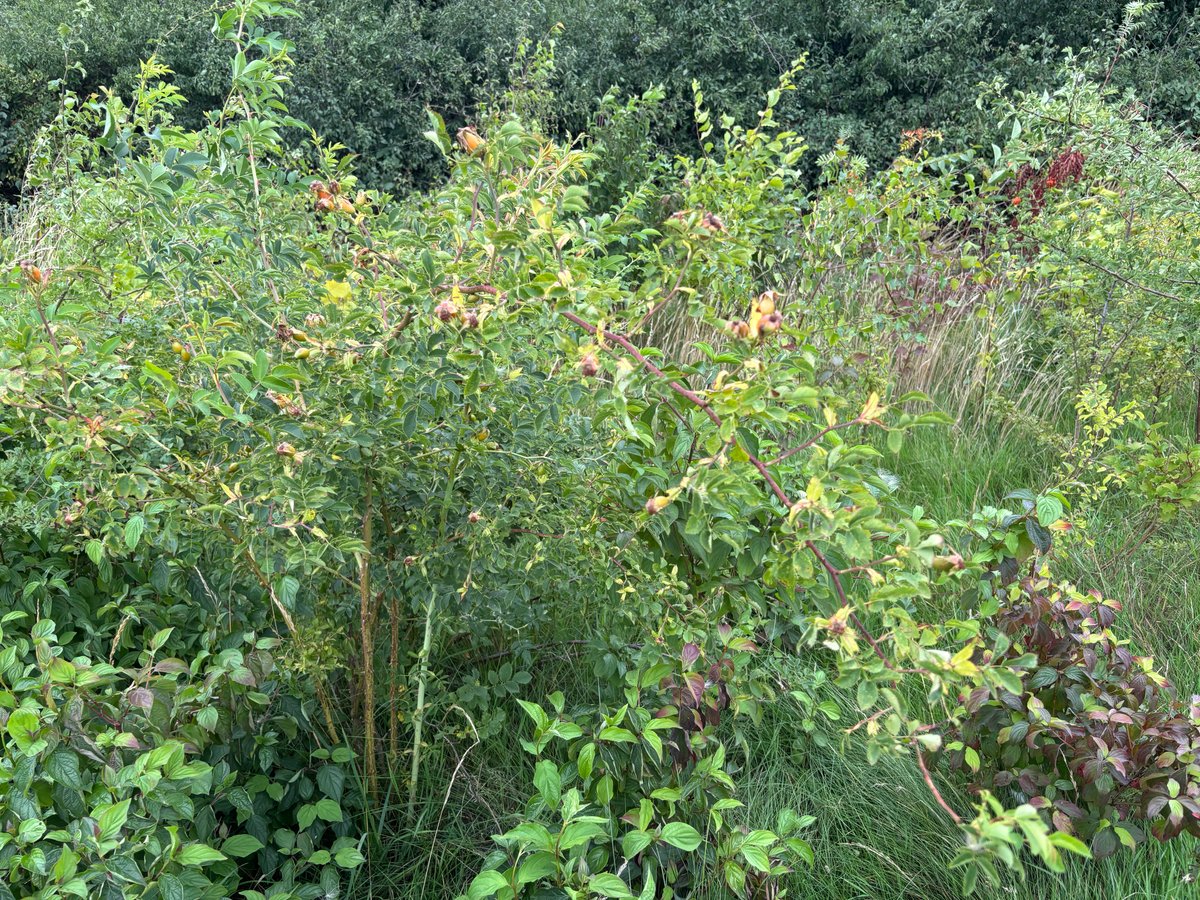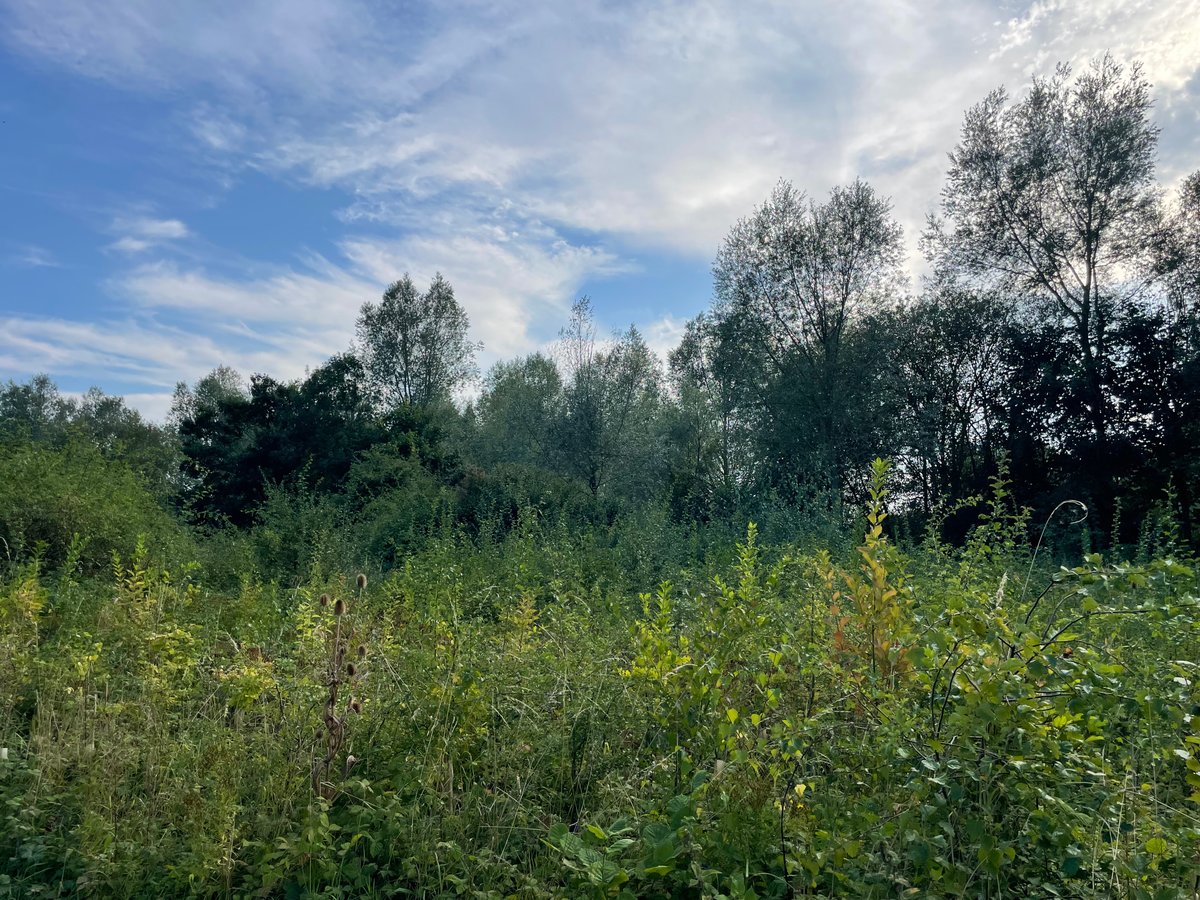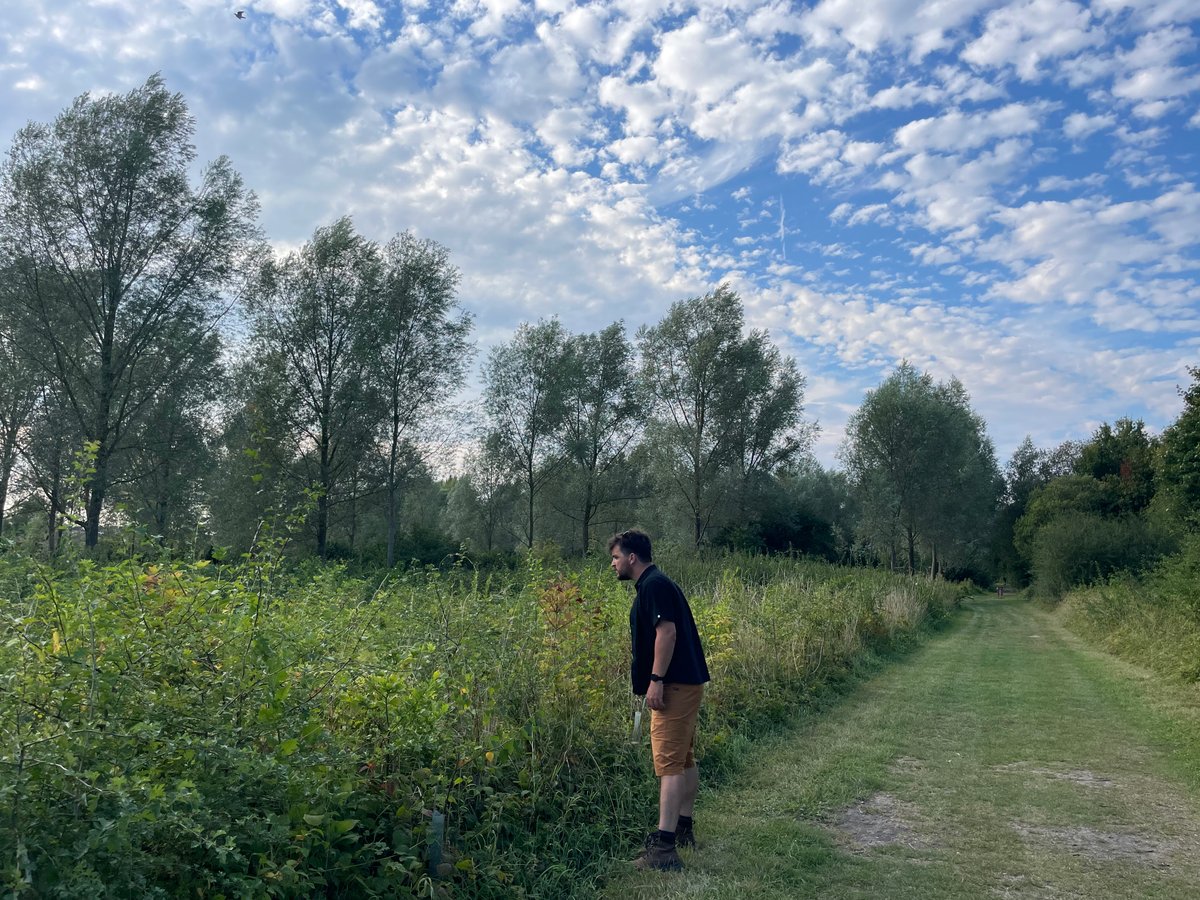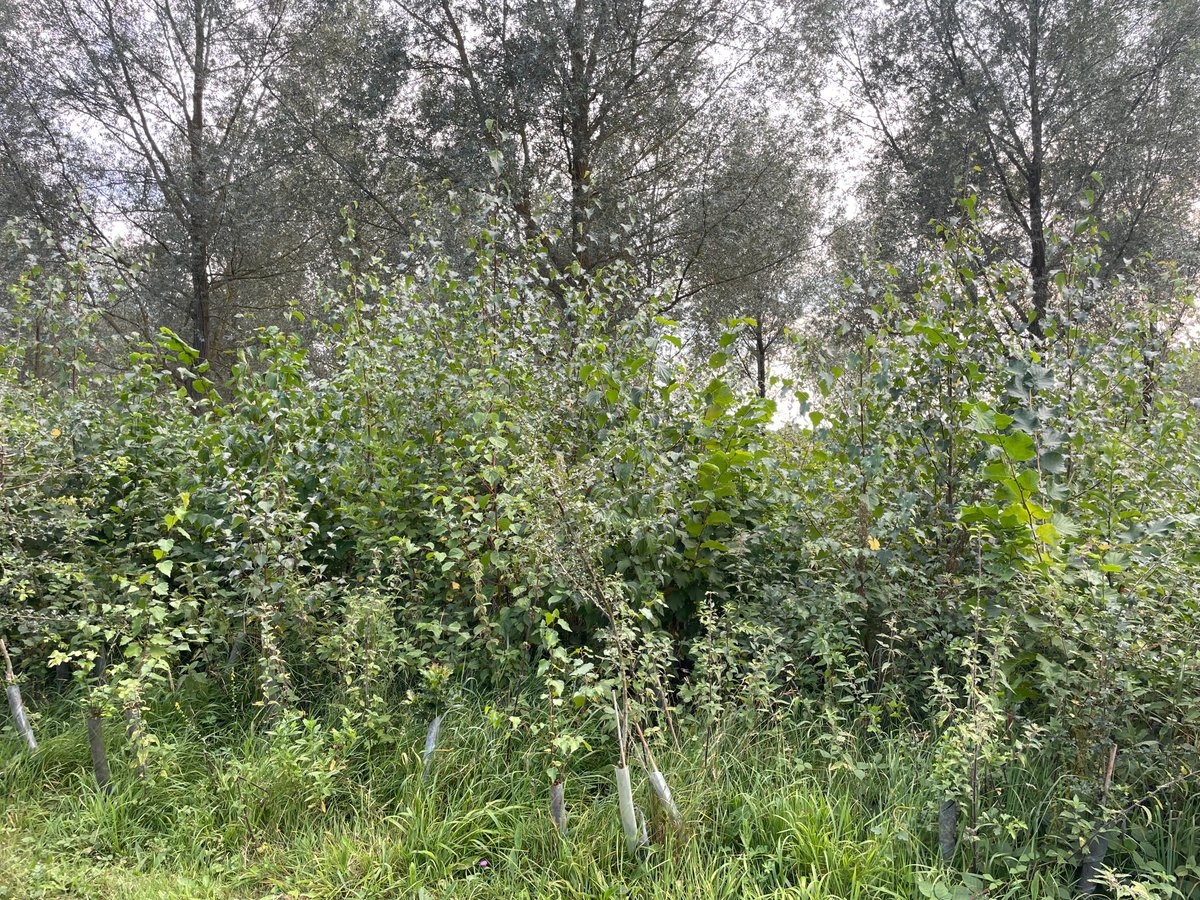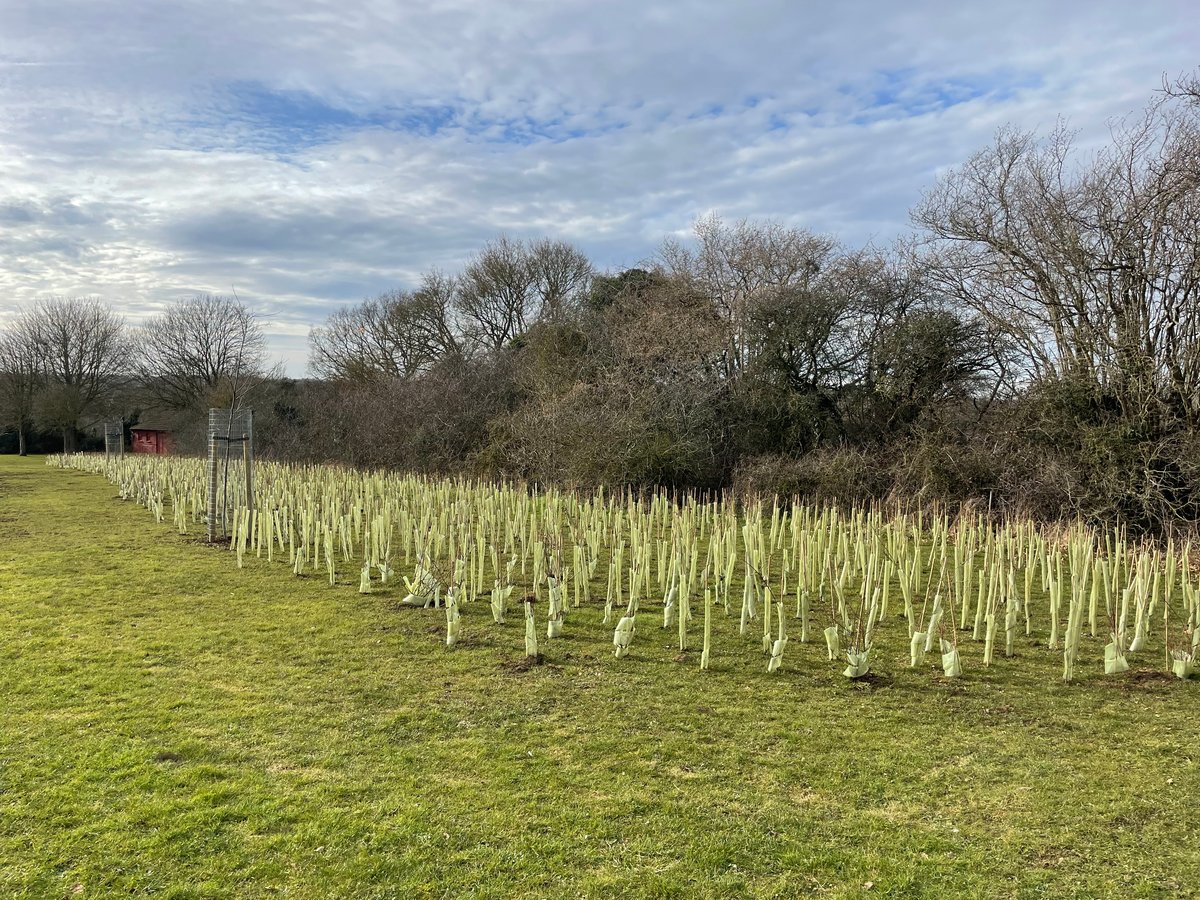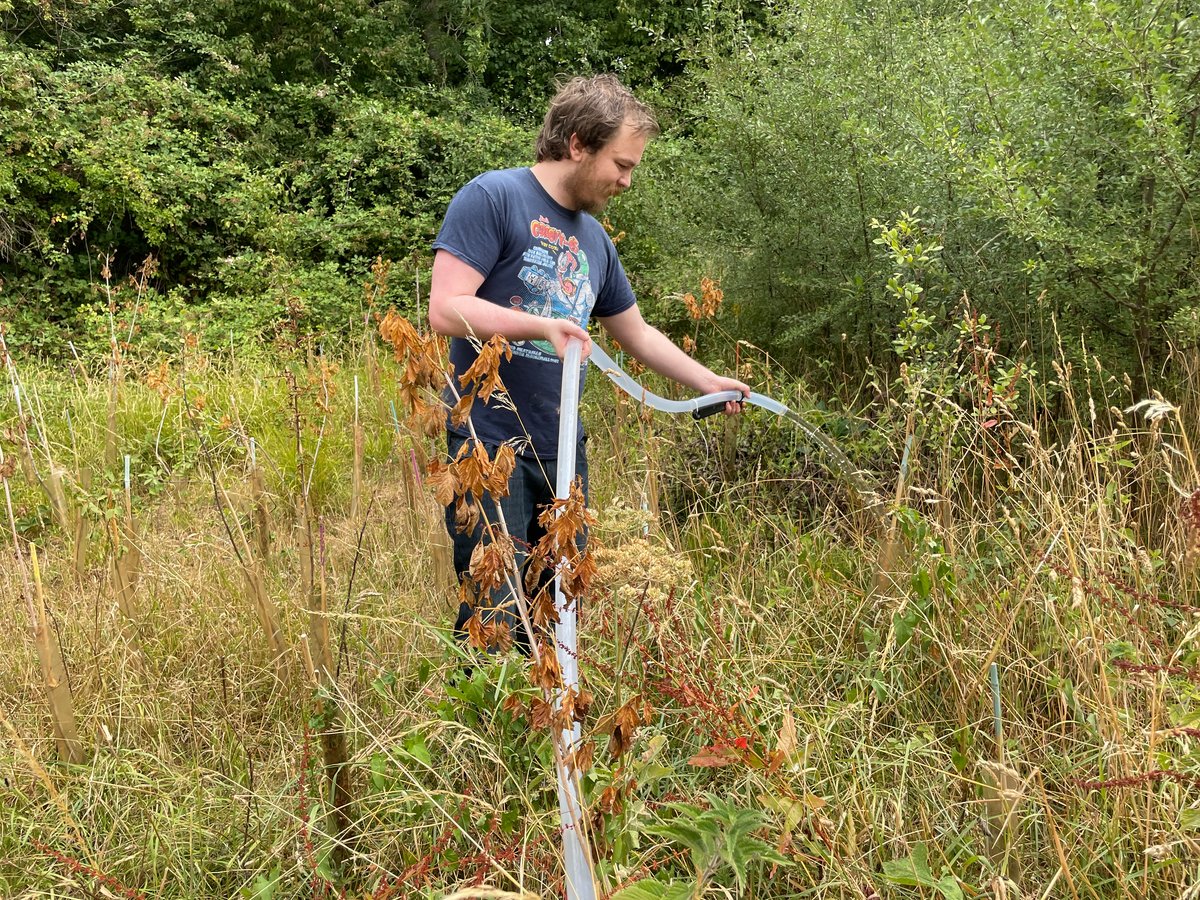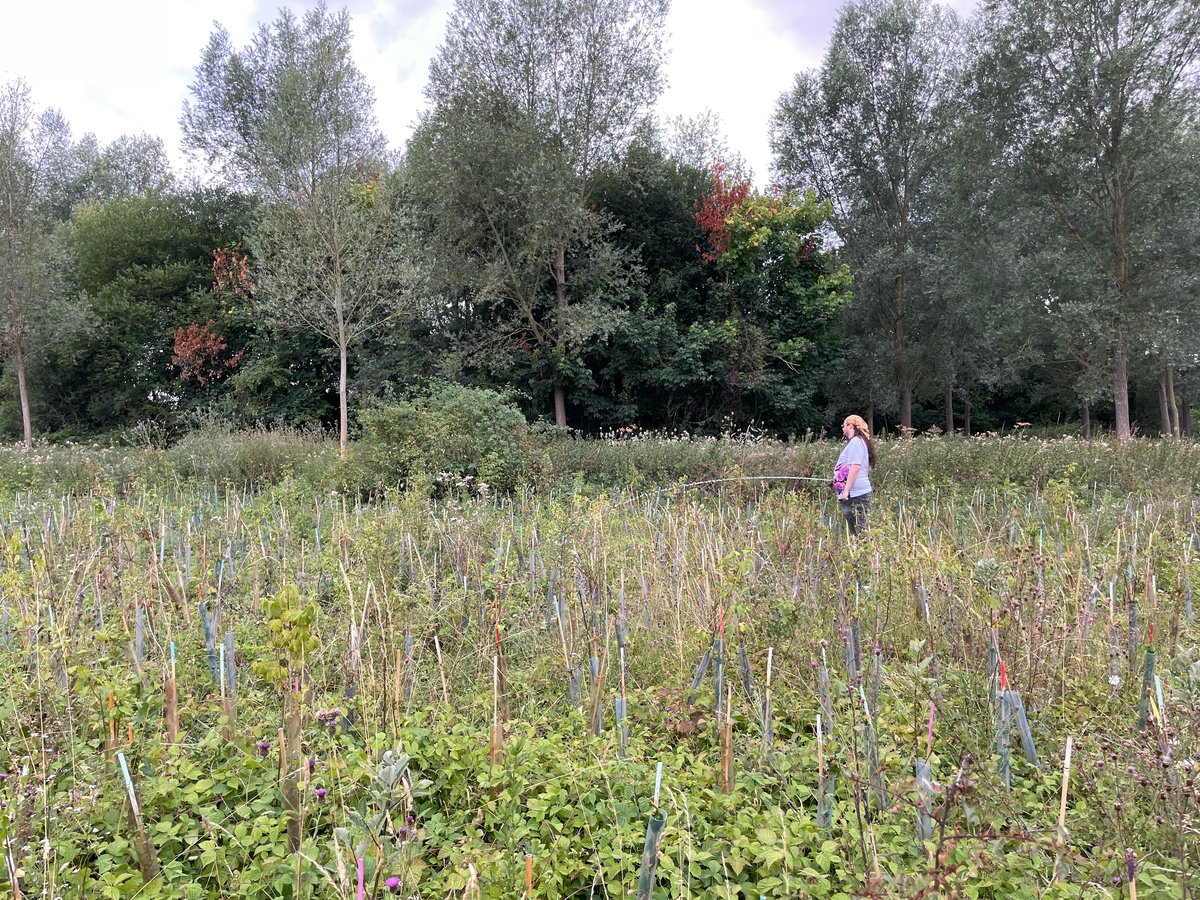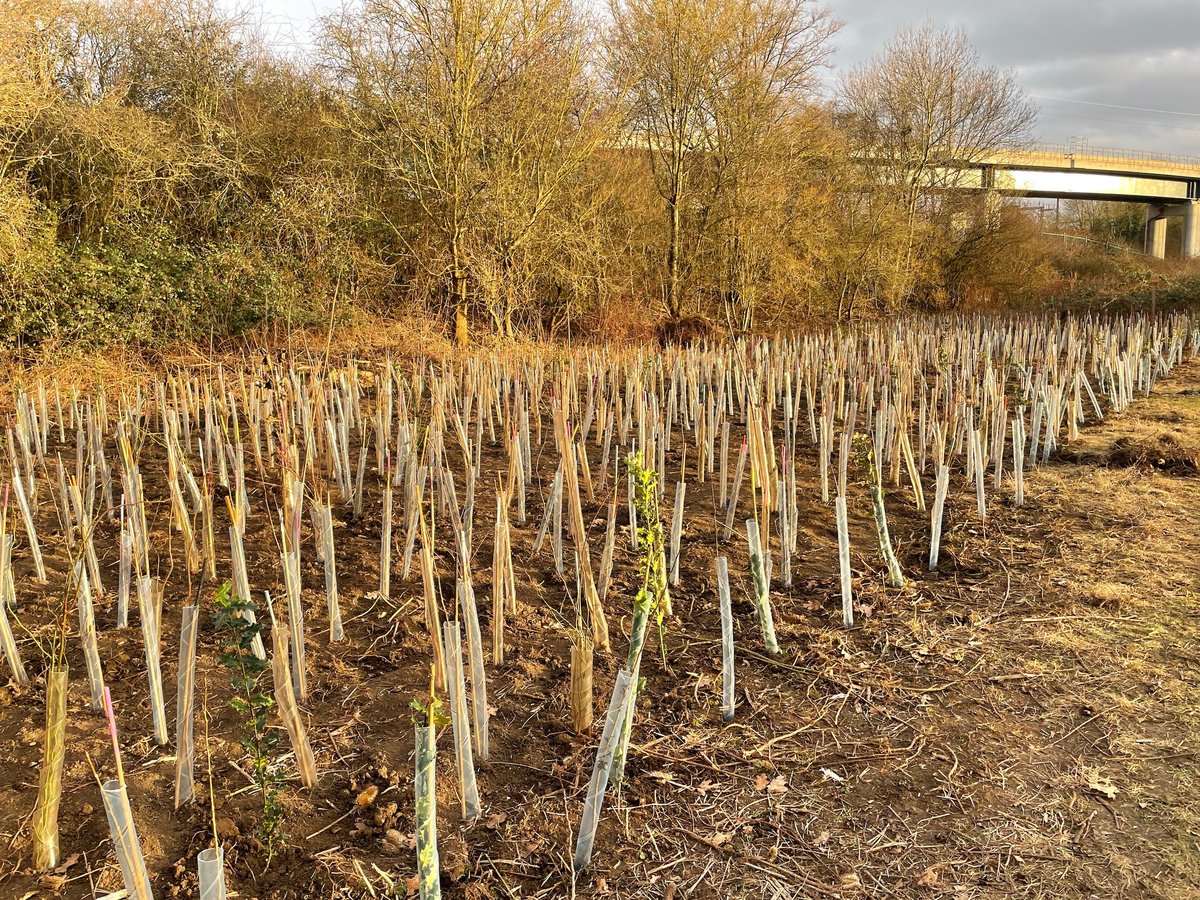

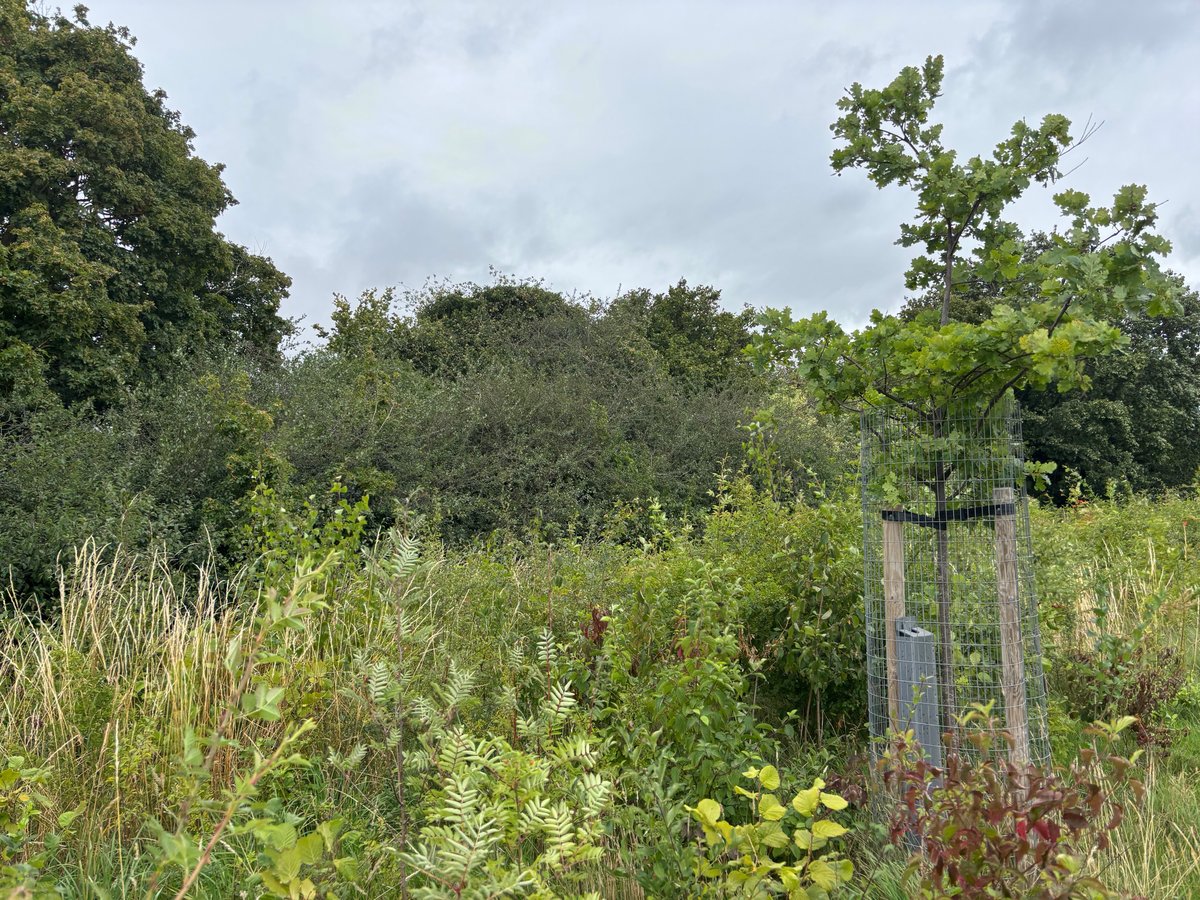
The youngest 2000 trees at Swinburne are doing remarkably well with a survival rate of 99%. During the excessively hot summer of 2022 we watered the trees with 50 tankers of water taken from the river which will have contributed to their success. Trees at the bottom of the sloped site are taller, we assume because there was more moisture in the soil. Last year, 300 replacement trees were planted by Dream for Trees and their volunteers last year, and a majority of them are still surviving. The rest of the forest is pretty well established and should now be robust enough to survive.
Hitchin
Hertfordshire, England
This site in North Hertfordshire is a thin strip of green belt between the village of Ickleford and Hitchin’s industrial area. It has a disused railway running through it with a thin strip of wild woodland populating the space. A rare chalk stream runs through the property. The landowner has opened the space up to the public and is improving facilities for more access. The changes for public use are ongoing and include allotments, an orchard, cycle paths, and dog walking routes as well as possible plans for a pet cemetery.
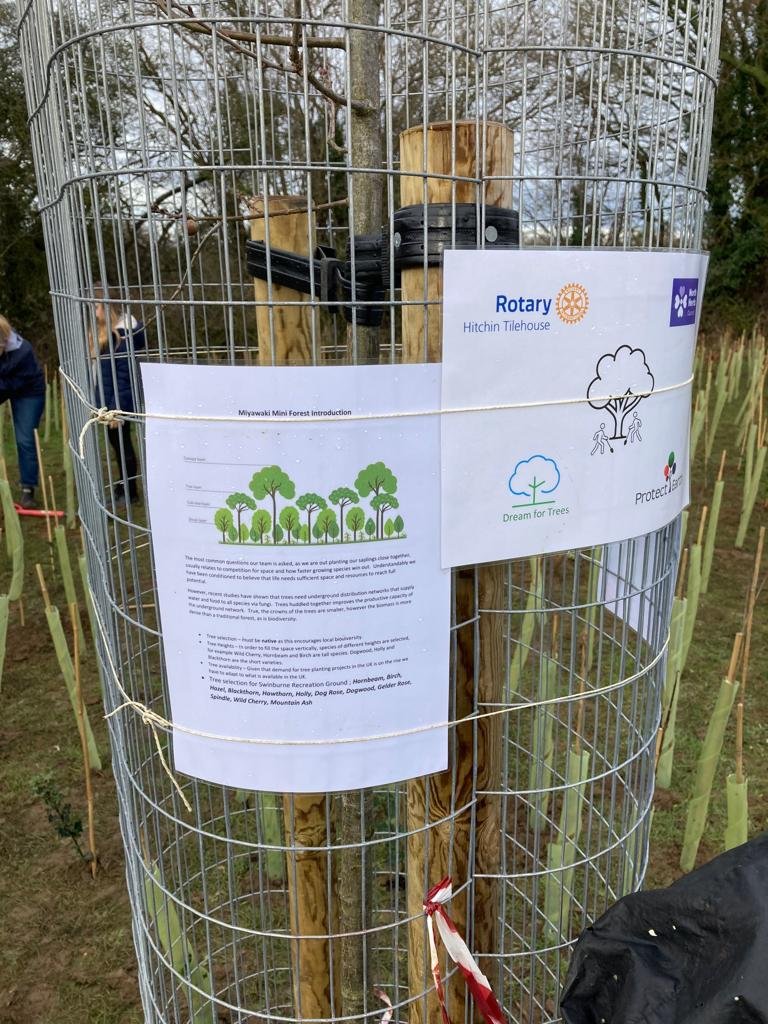
Protect Earth was approached to create two miniforests, one at Icklford and one on the local recreation ground at nearby Swinburne, working in conjunction with another charity, Dream for Trees and trialling the "Miyawaki Method" of urban forest planting. This method involves planting local native saplings very closely together. This imitates the regeneration process that occurs in a natural forest when a clearing in the canopy opens up due to a larger tree falling. The saplings grow very quickly to compete for the light and then natural selection will favour the fastest growing individuals and act to thin out the trees. The result is a densely packed woodland within 20 to 30 years rather than the more normal 150 years or so when planted further apart. This has obvious benefits for projects that are working to maximise a woodland’s carbon sequestration potential or recreate habitat for biodiversity and wildlife.
Help fund our work
Fund the work still needed to complete this critical work.
Updates
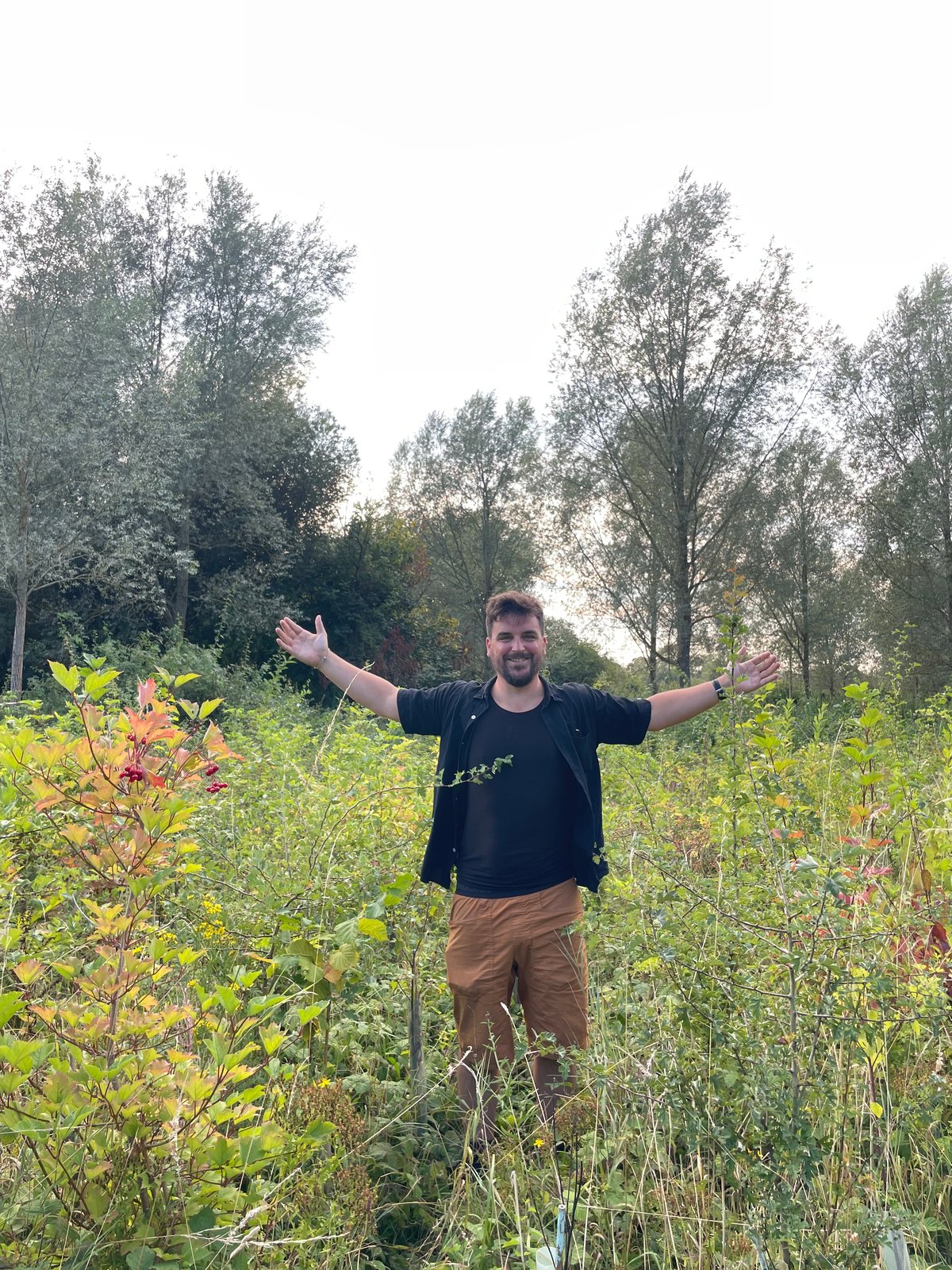
Once a mini-forest gets going, it’s an awe-inspiring thing. In two years, these trees were so dense it was impossible to get in there and count exactly how many were alive or dead, but that’s not the point of a mini-forest. The point is to create dense, diverse habitat quickly, and that’s clearly happened here. Most of the trees were above head height, and there were no gaps. It’s good to see that the watering we carried out in year one during a very hot summer has paid off. The mini-forests are off to a solid start, and no replanting is needed.
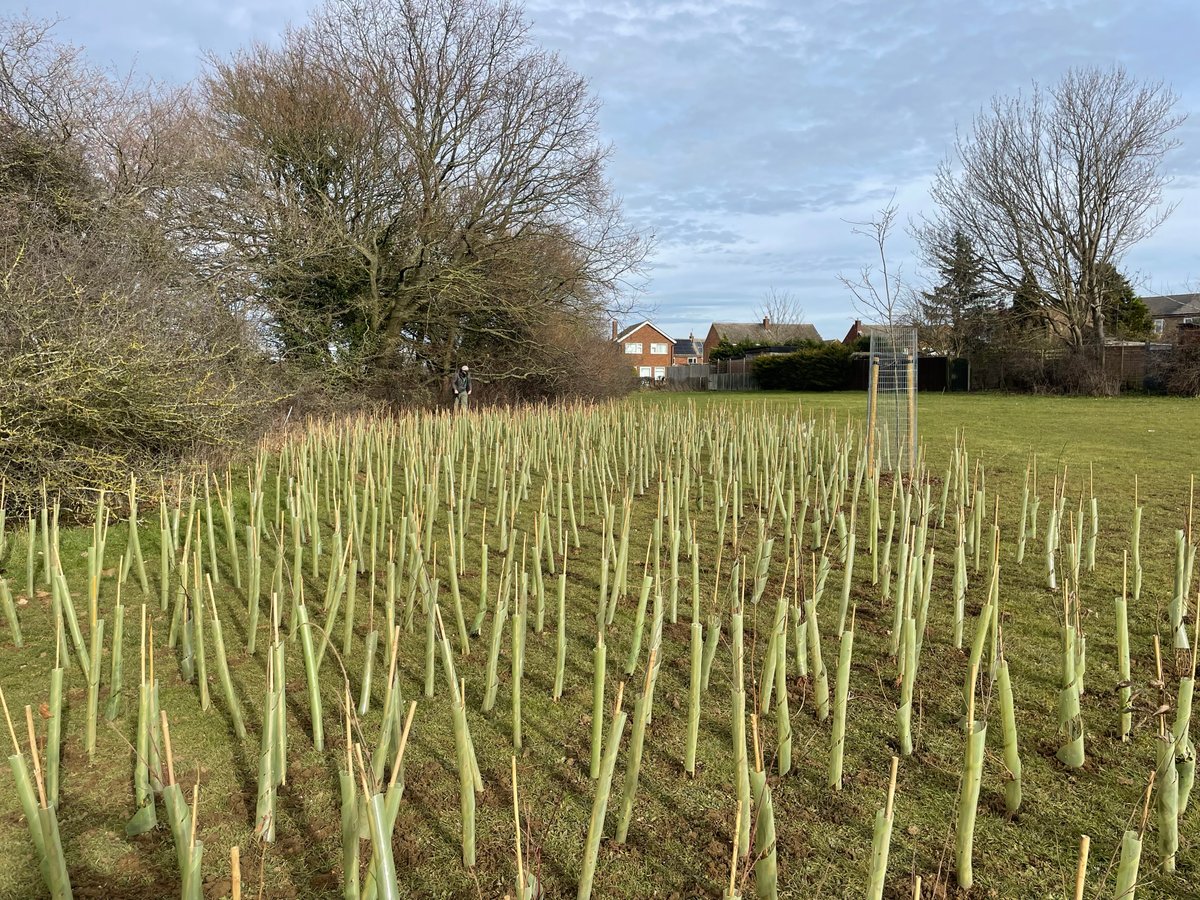
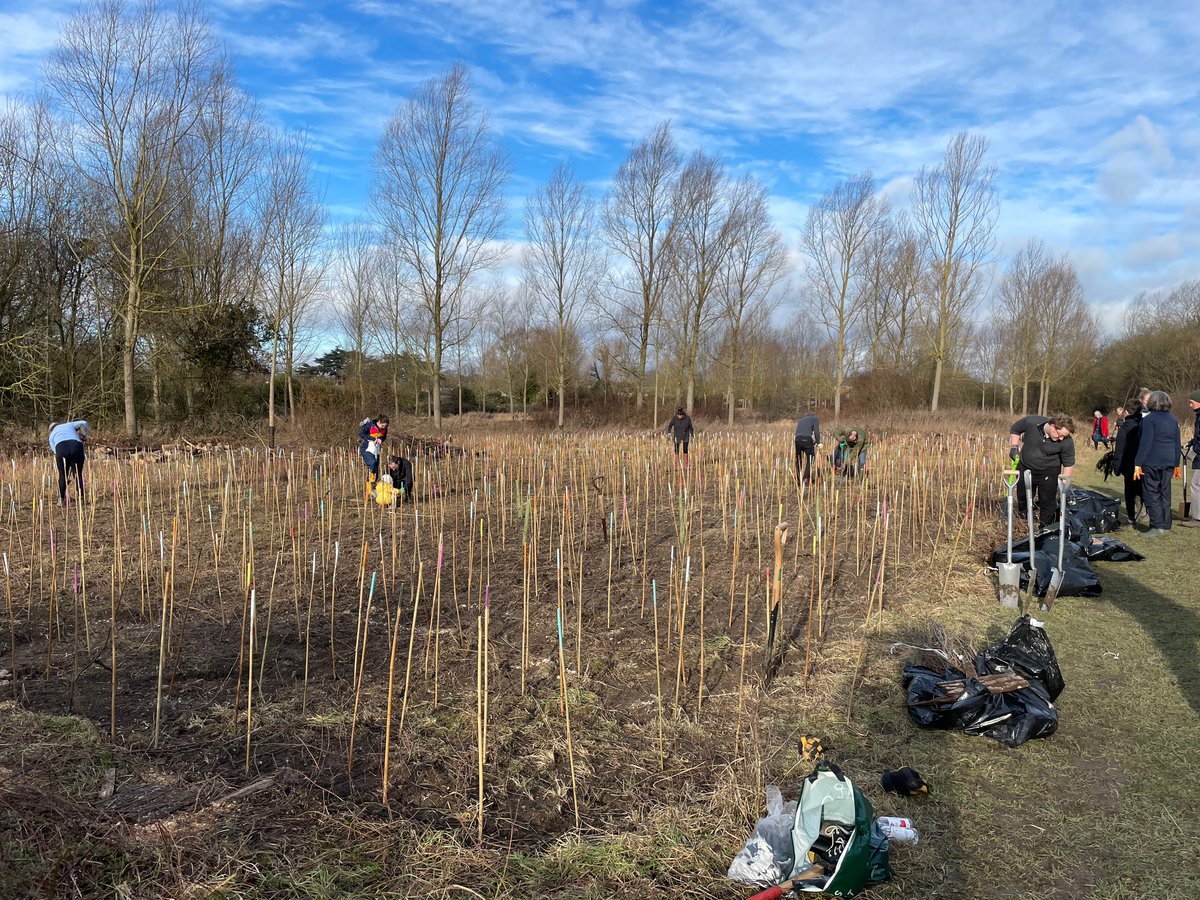
Over in sunny Hertfordshire, Protect Earth had the enjoyable task of revitalising the Swinburne Recreational Ground. Alongside the football pitch and large green spaces for locals to use, we were able to get 1500 new trees into the ground, creating a brand new wilderness, with hunting grounds for the birds, and shaded areas for mammals and minibeasts on the forest floor.
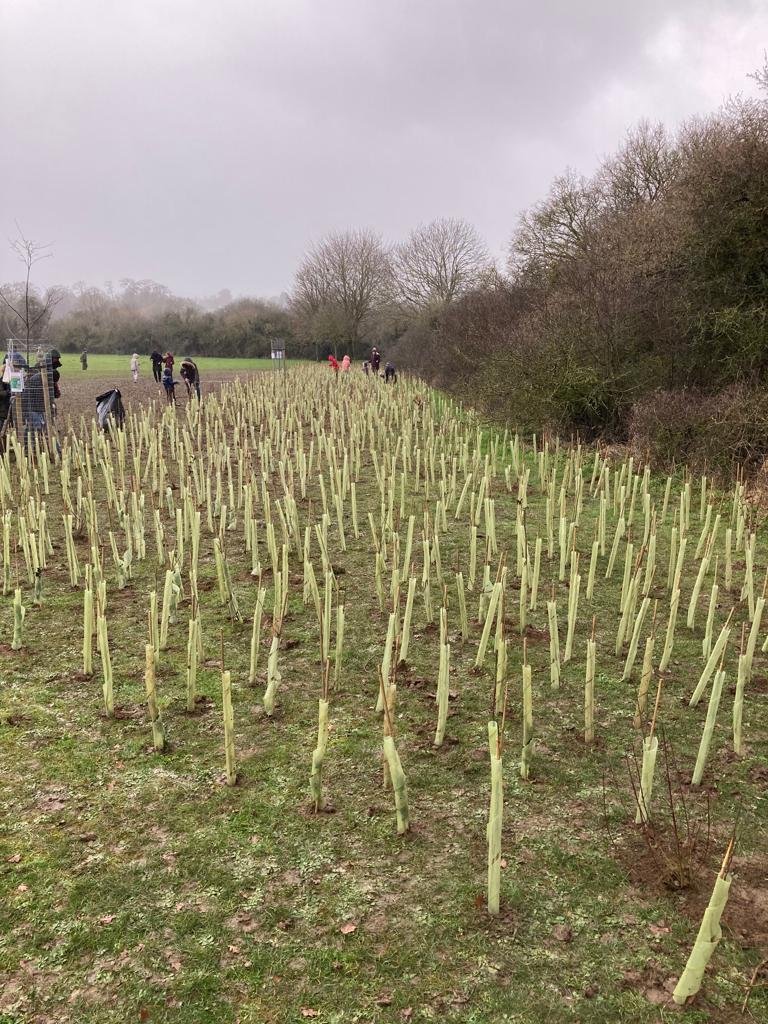
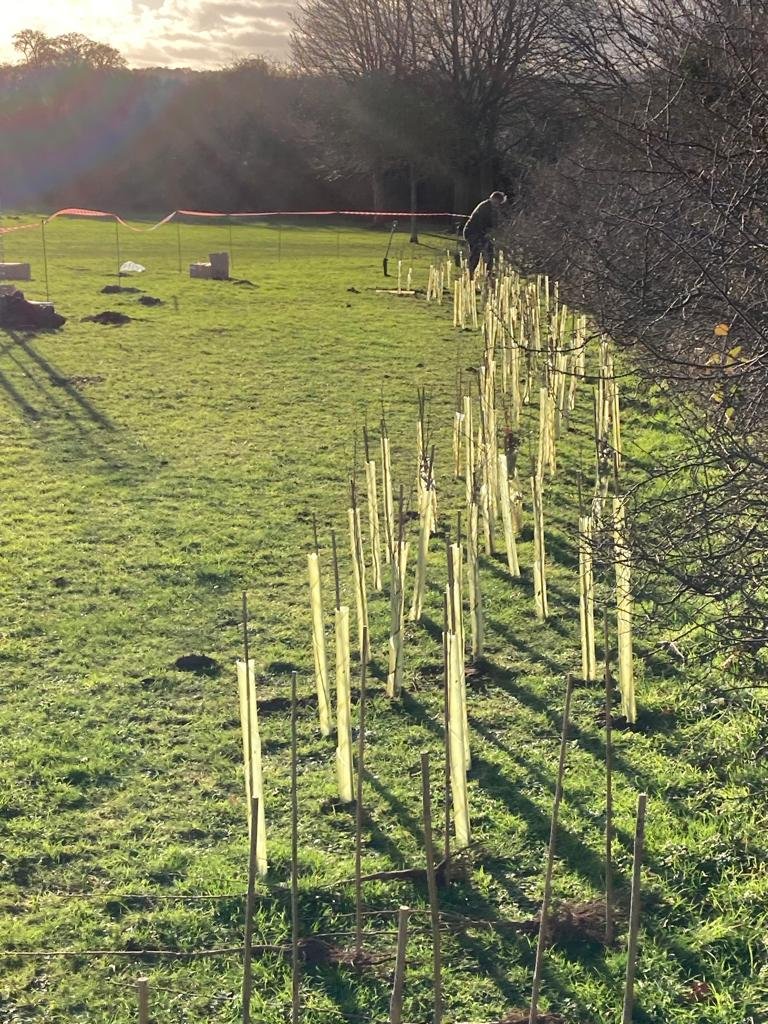
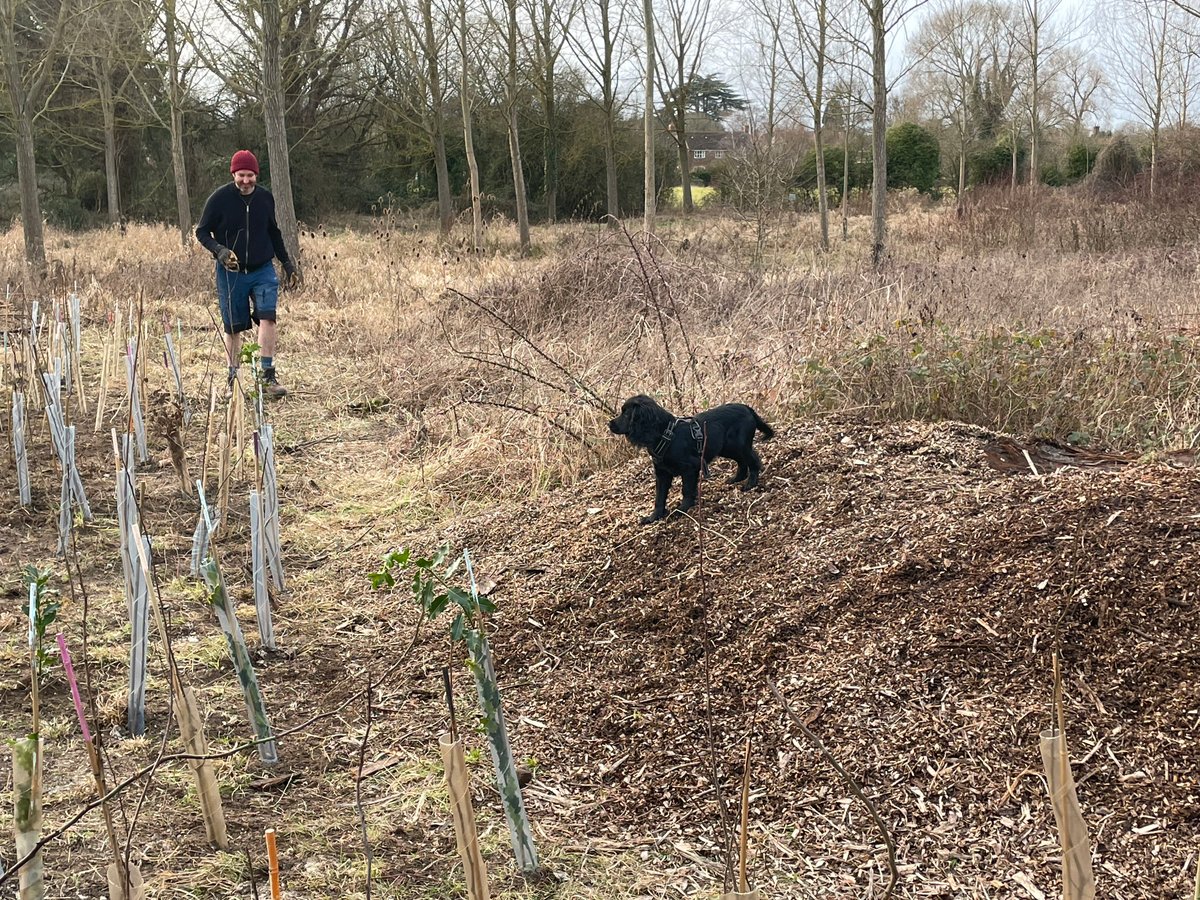
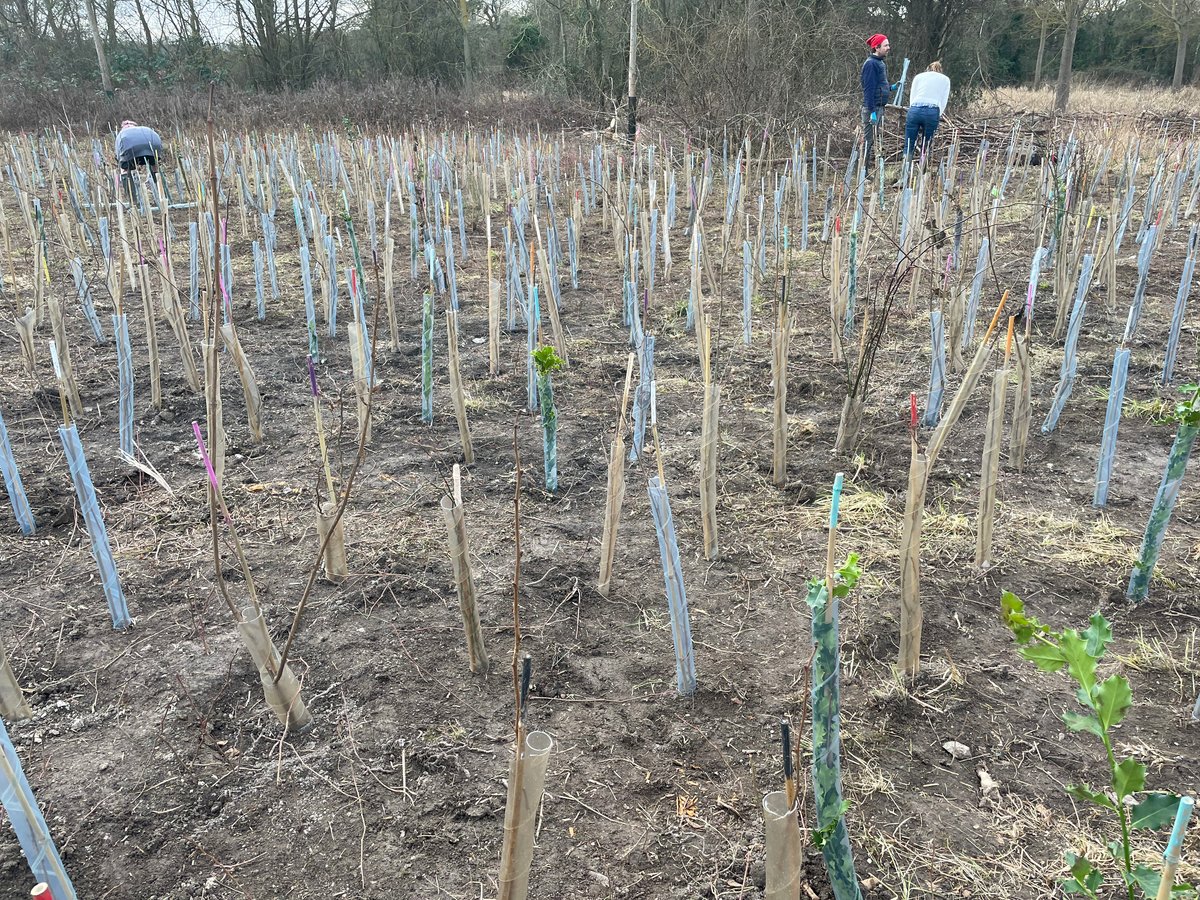
Trees were planted as bare rooted 40-60cm whips and were protected with tree tubes and stakes in clusters of the same species, closely placed to force quick growth. Forests aren’t in straight lines, so wherever possible we try to avoid planting in lines. Shrubs were also protected with shrub guards and stakes. We left gaps randomly to provide open areas in the woodland where nature could be allowed to take its own course. The Rotary Club helped too, funding some larger trees for us to plant to provide some shade and biodiversity even quicker.
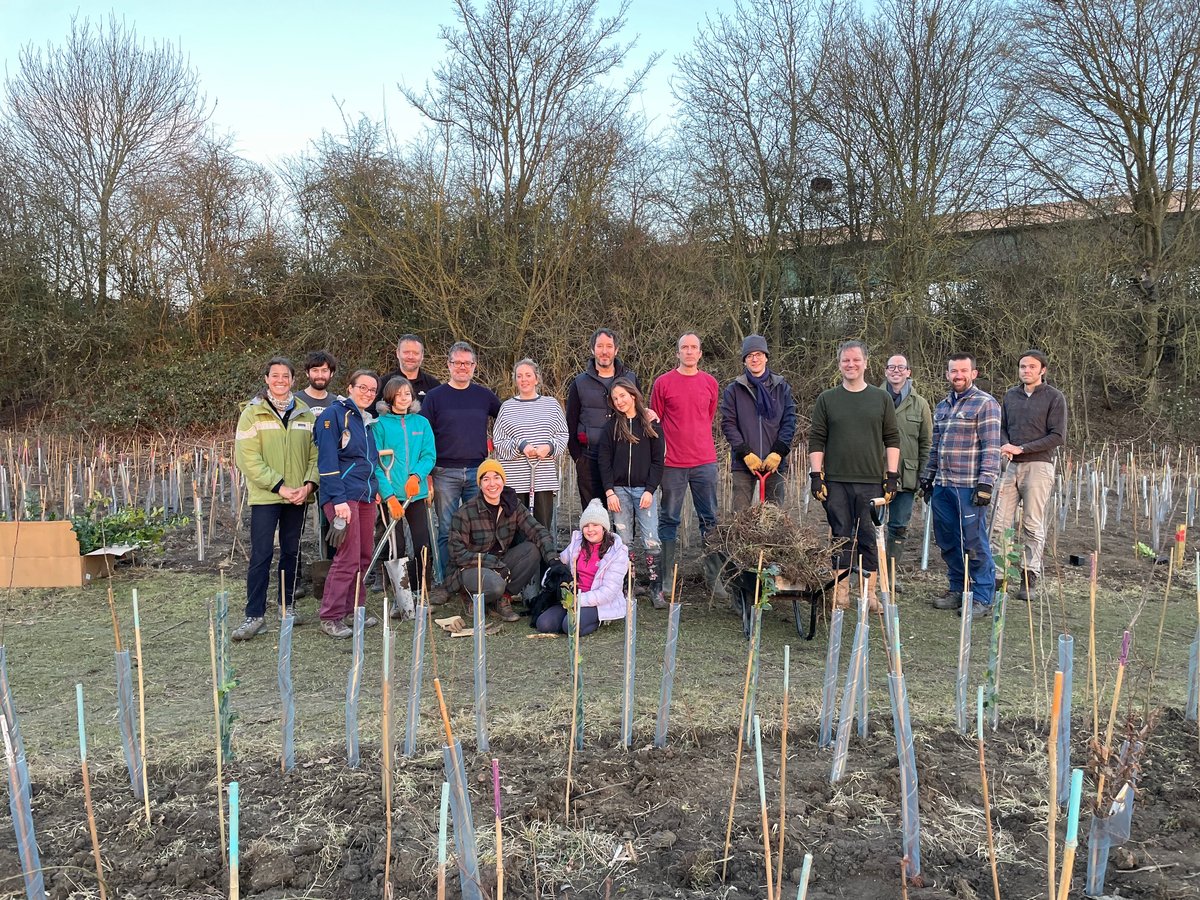
It was good to see so many local volunteers, including families with children, who were excited about the changes we were making to their playing field.
The first year of planting is always the most difficult time, and the summer 2022 drought was historically bad. Despite being right next to a river, the soil was too dry, and these saplings were struggling, so we got out there with the landowner’s pickup truck and a petrol generator to give this young miniforest a chance.
With 5700 trees to plant, we teamed up with Dream For Trees to plant them. Protect Earth handling species selection and logistics, running the planting day and demonstrating how to plant all these trees, and Dream for Trees finding local volunteers to help us.
We used canes and spiral guards to protect the young saplings from gnawing mammals such as rabbits and shrews. With a hundred volunteers, many of whom had never planted a tree before, working so closely together it could have been chaos. Instead, people broke into family and friendship groups, spread out along the length of the planting site, and somehow it worked. The most difficult part was remembering not to step backwards and trip over the canes and saplings already planted.
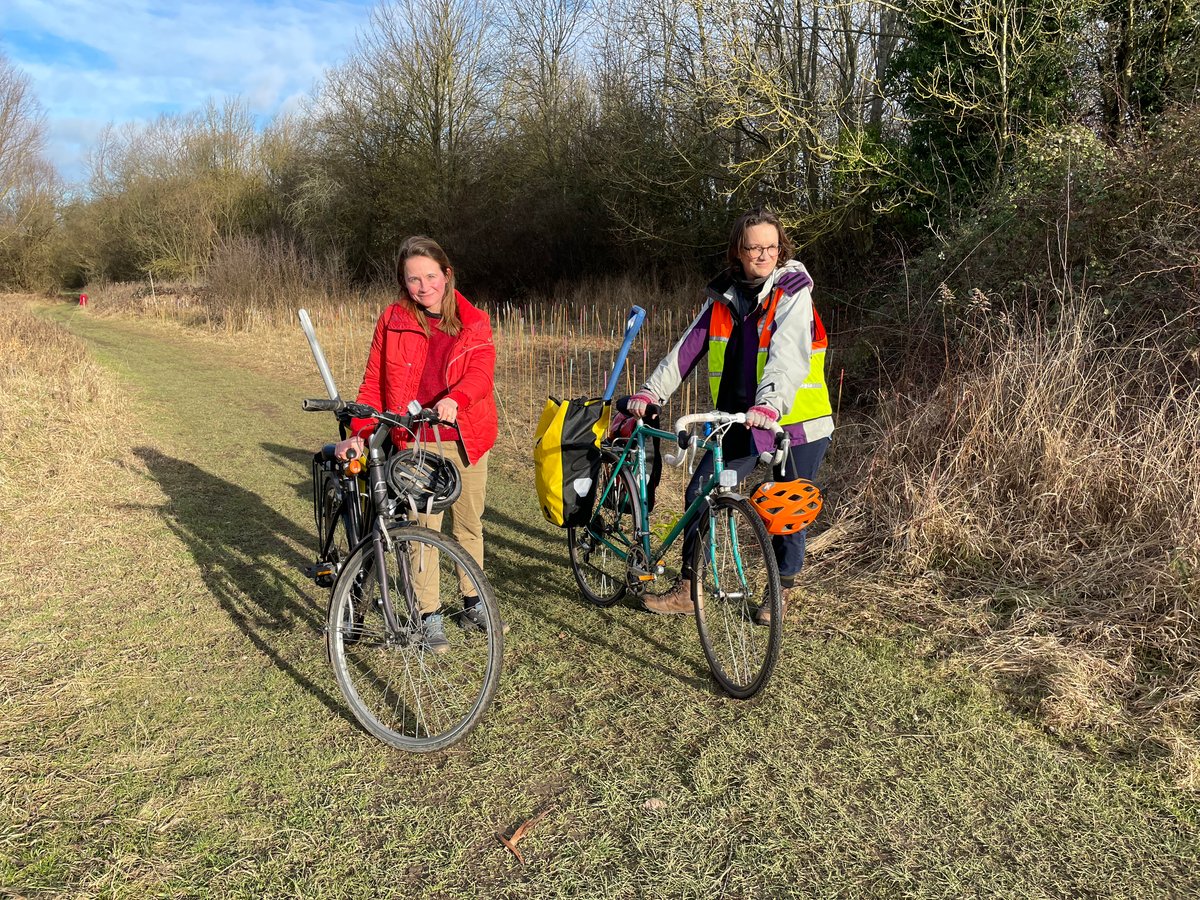
Nearly everyone was local and many walked their dogs or cycled through the area, and they were all very excited about watching their new mini forest grow. So are we, and we look forward to a return visit to see how the trees are doing.
.
Site Location
Help Protect Earth - Take Action Now
Volunteer
Help us create and maintain new woodlands, hedgerows and wildflower meadows! We need volunteers to sow seeds, plant saplings, clear invasive plant species and pick up litter. No qualifications necessary; jobs for all ages and abilities. Come and turn climate anxiety into climate action!
Fund Our Work
With government funding for reforestation and rewilding tenuous, we increasingly rely on our amazing community to keep us growing regardless of political shifts. Help Protect Earth continue to restore ecosystems and improve biodiversity across the country.
Support the Land Fund
Help us put down roots! Your donations to our Land Fund let us seize the moment when the perfect piece of land comes up for sale. Every penny helps us secure community woodlands, healthier ecosystems, and a greener future for generations to come.