

Hawling

Cheltenham, England

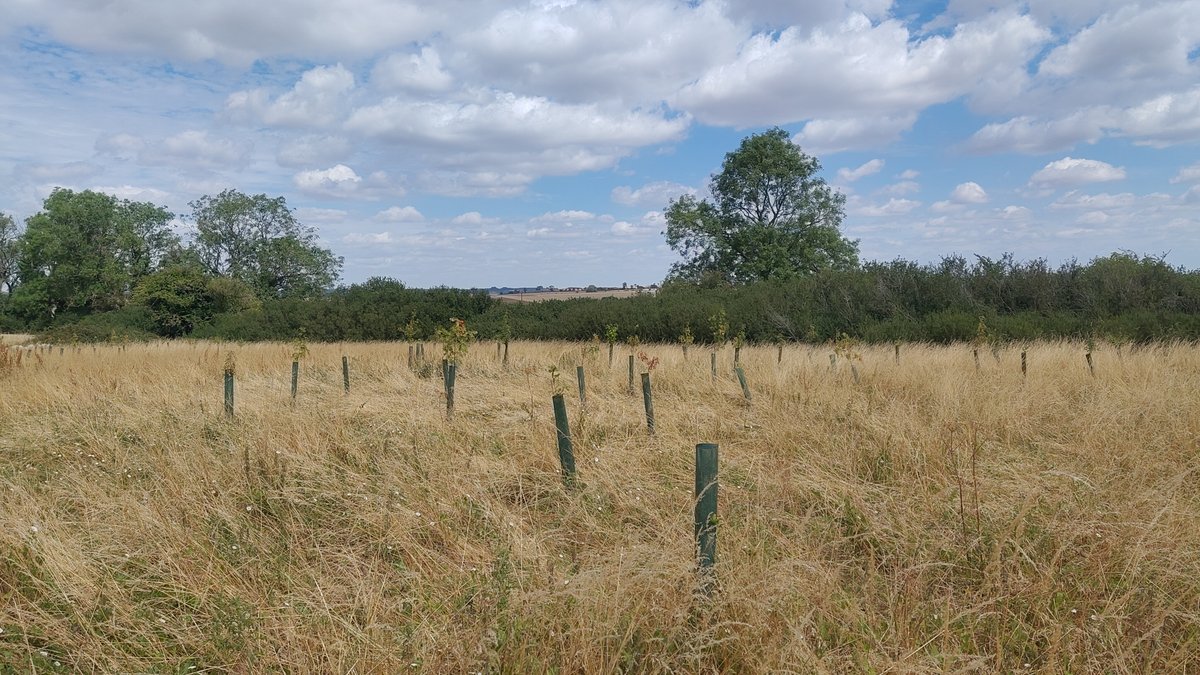
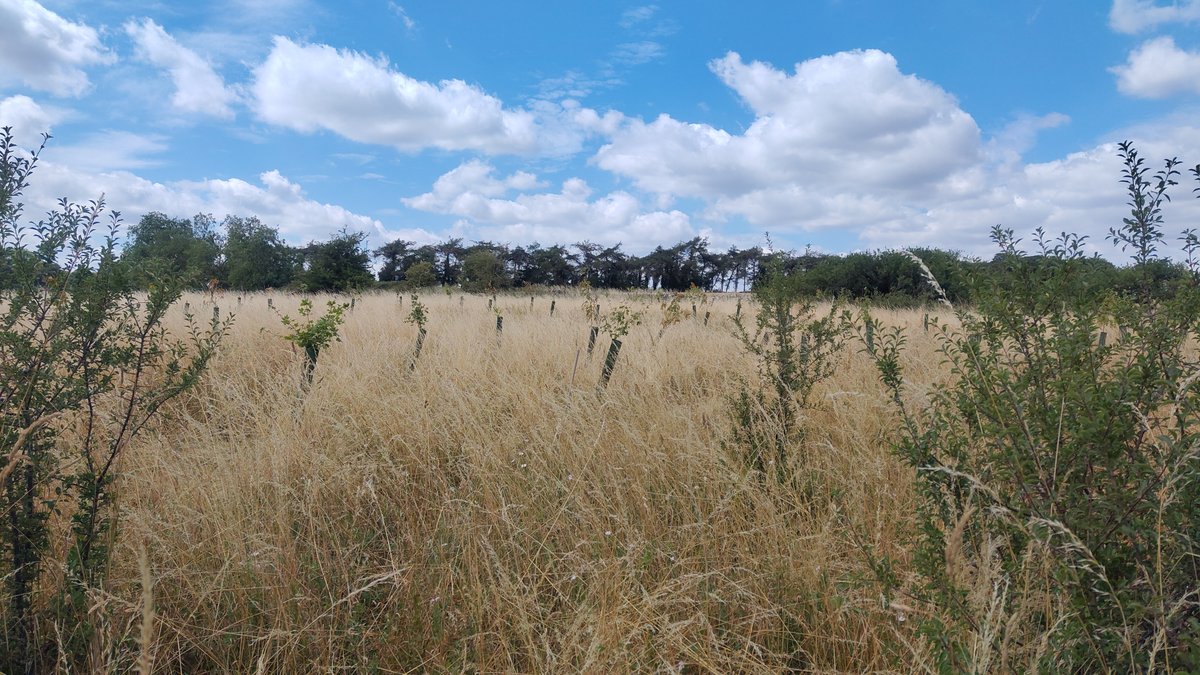
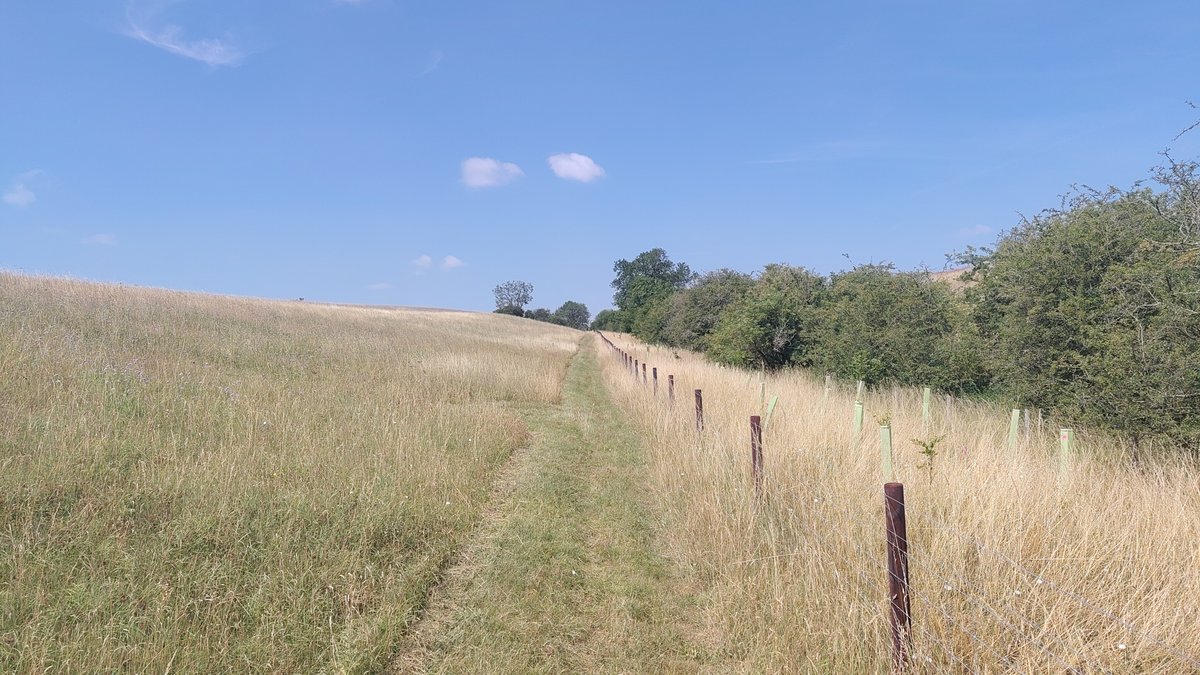
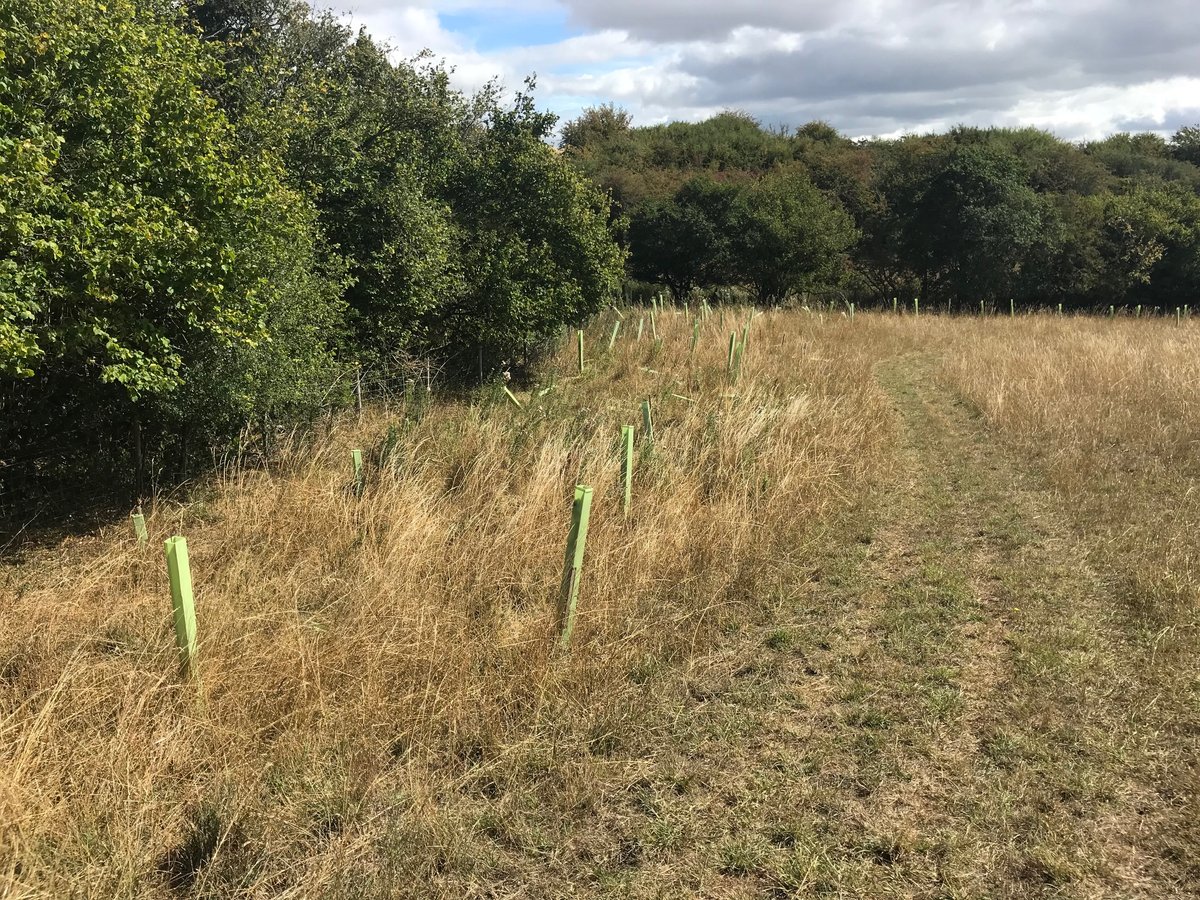
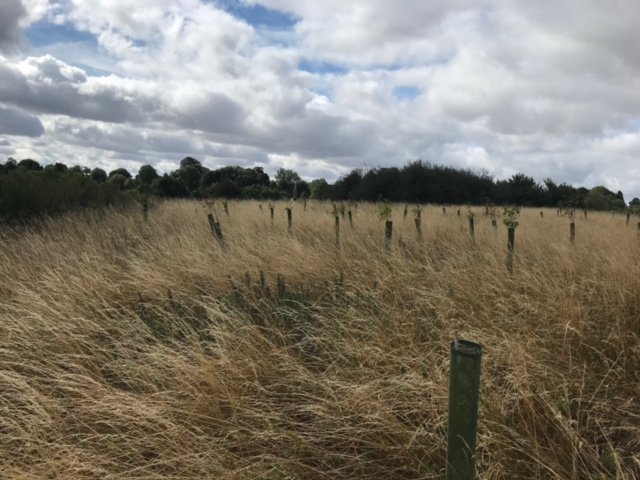
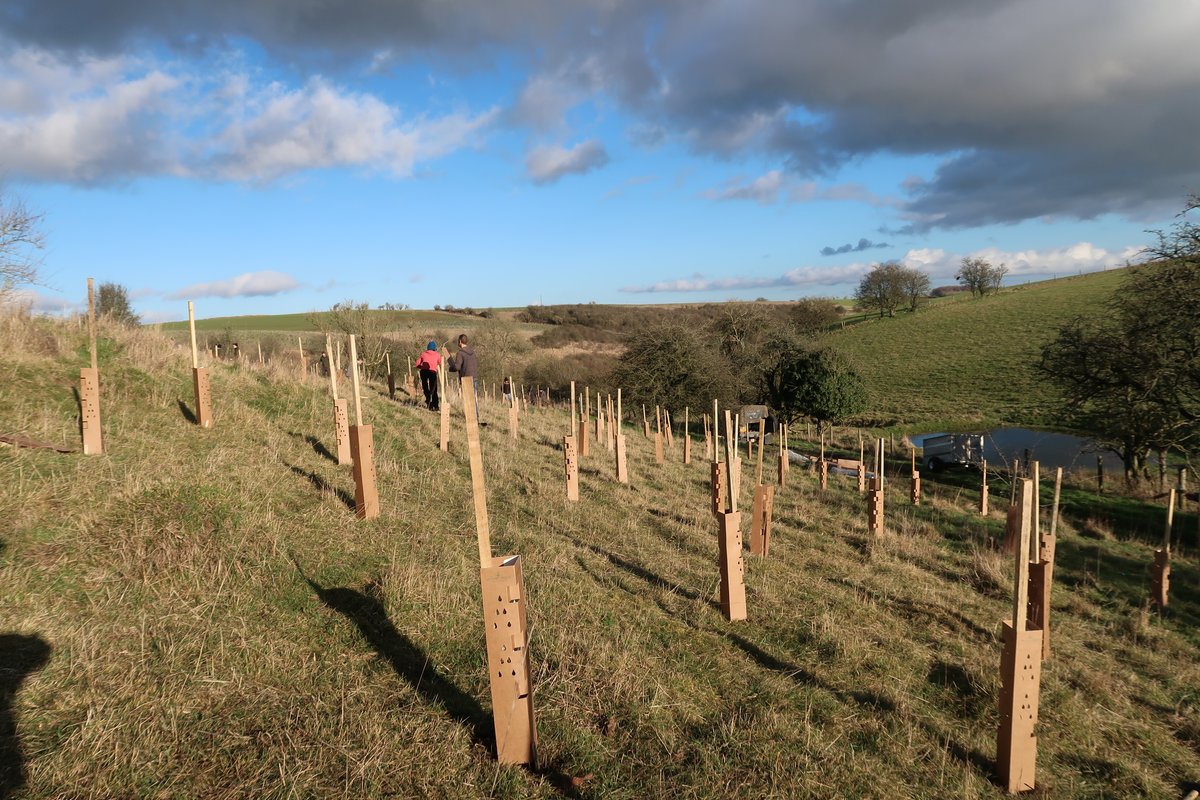
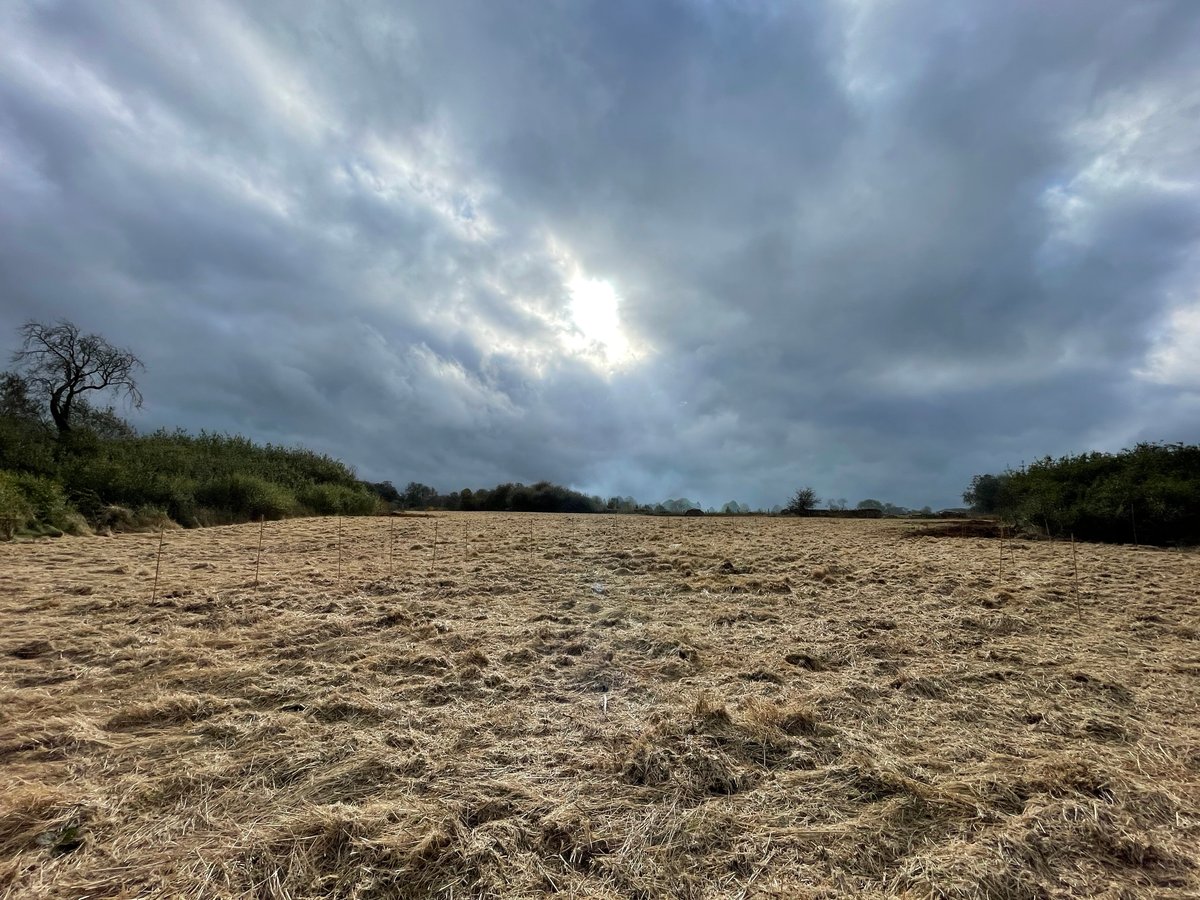
Landscape view of Hawling

Protect Earth was born in the hills of Cotswolds so it's always a joy to expand our influence here. The windswept hills on this farm are devoid of trees with some lost to ash dieback disease, and the once diverse grasslands have been replaced with “improved grass” for grazing sheep, so there is a lot of room to improve the situation.

Ash dieback disease (scientific name Hymenoscyphus fraxineus) has swept the country after first being discovered in Britain in 2012. Coming originally from Asia, this fungal disease is thought to have affected around 80% of ash trees in Britain as the European ash has no natural defences against it. Spores from infected trees can spread for miles so trees are constantly reinfected until they die.

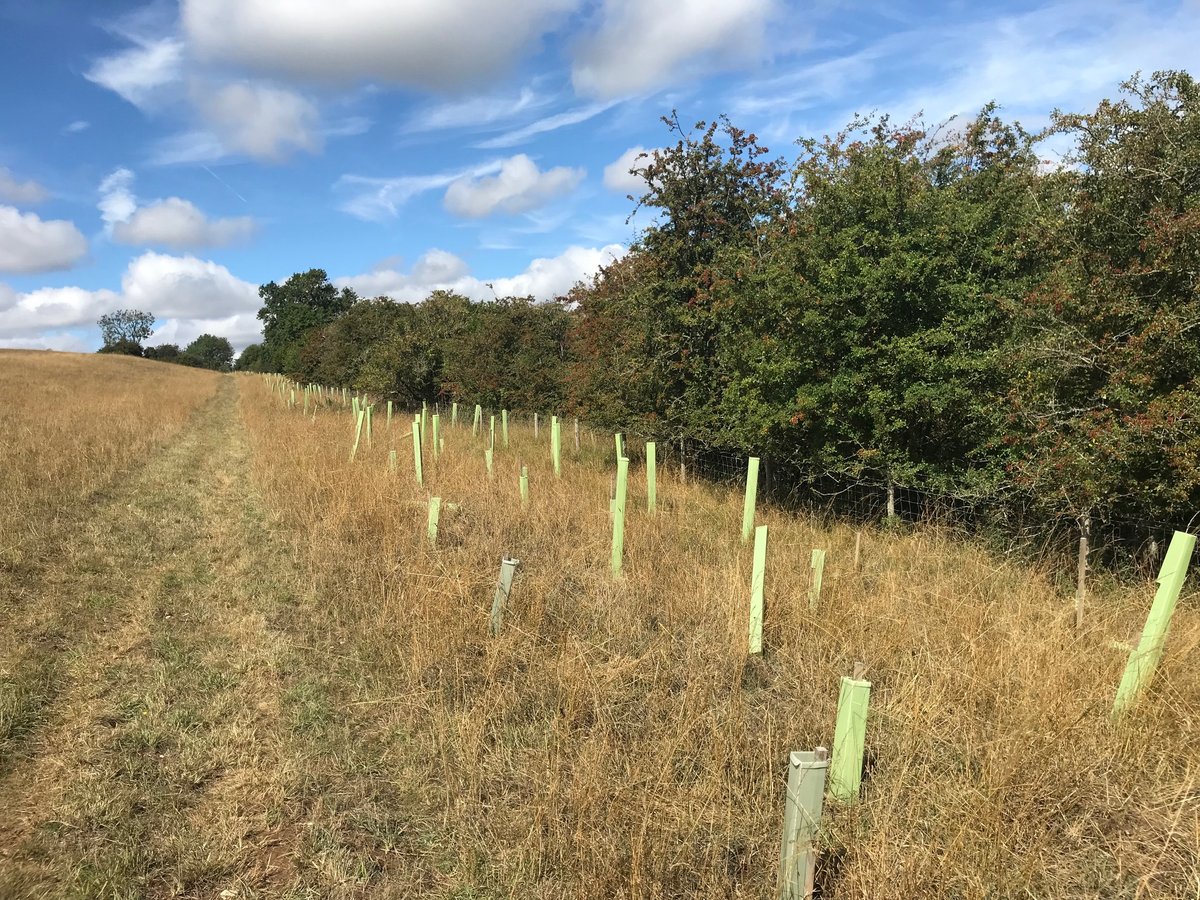
After the first farm asked for our help their neighbours got in touch looking to rewild some unused parts of their farms. Now we’re creating a wildlife network, connecting all new and existing woodlands and scrubland with shelterbelts and hedgerows.

In partnership with

Help fund our work

Fund the work still needed to complete this critical work.

Updates

  • Survival Survey
  • 87% survival rate

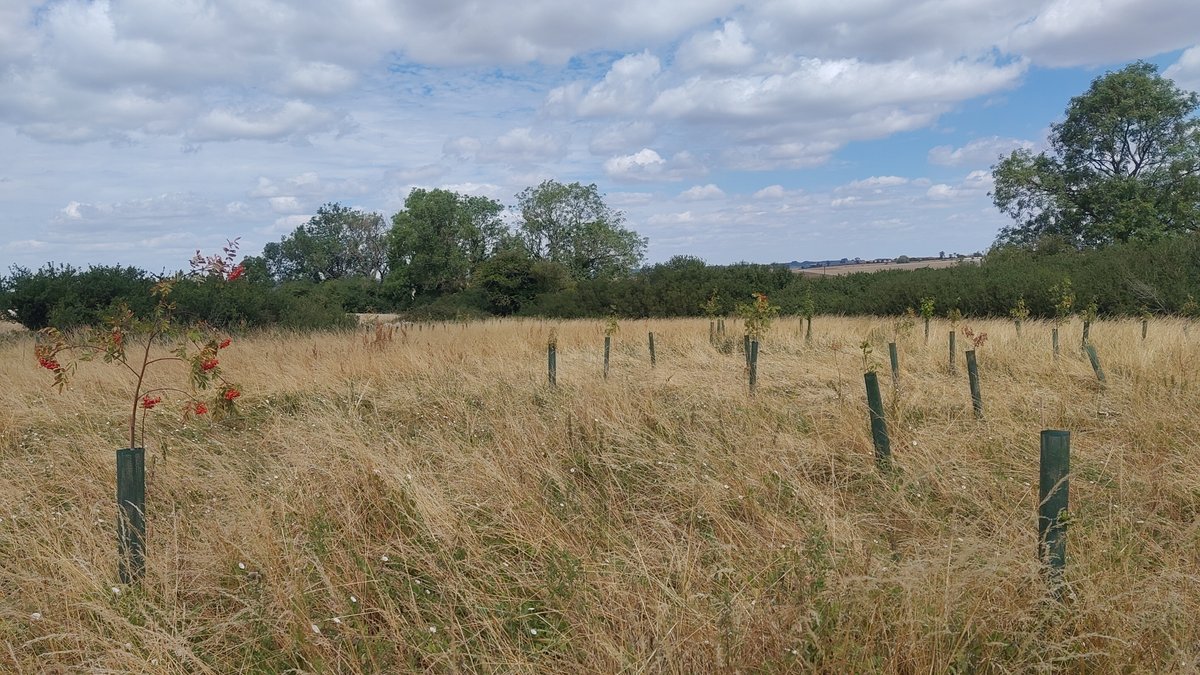
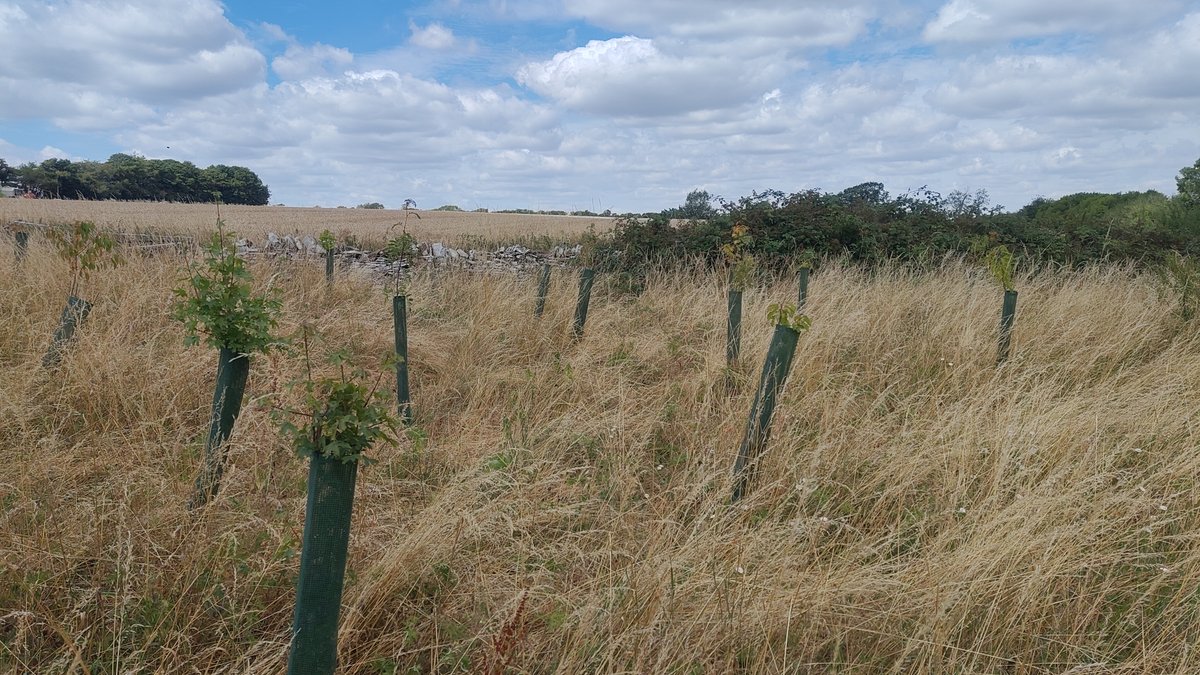
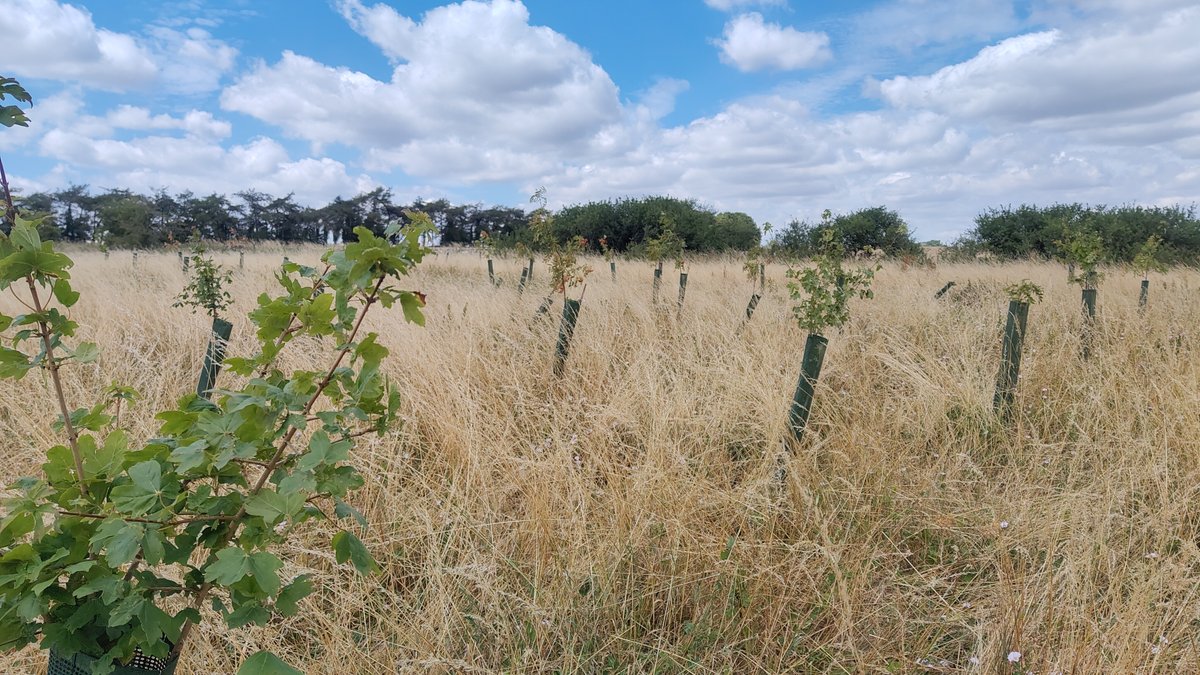
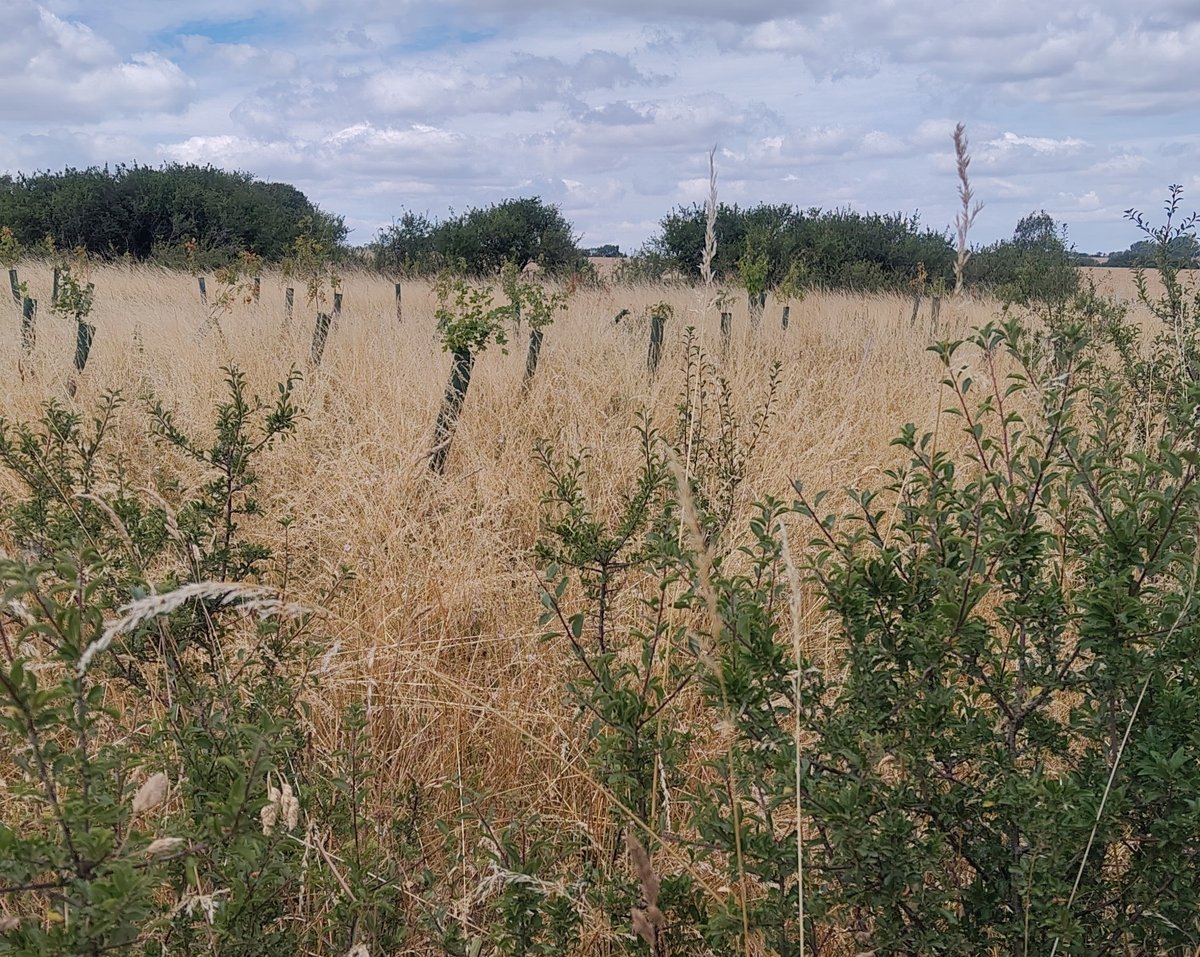
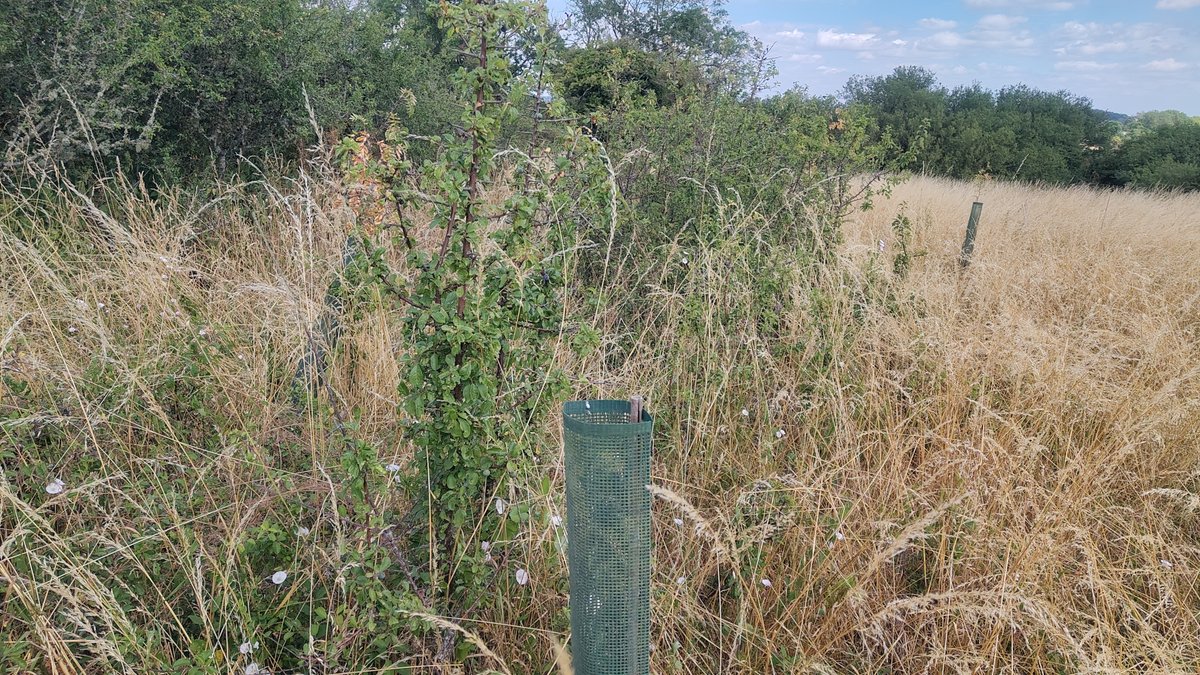
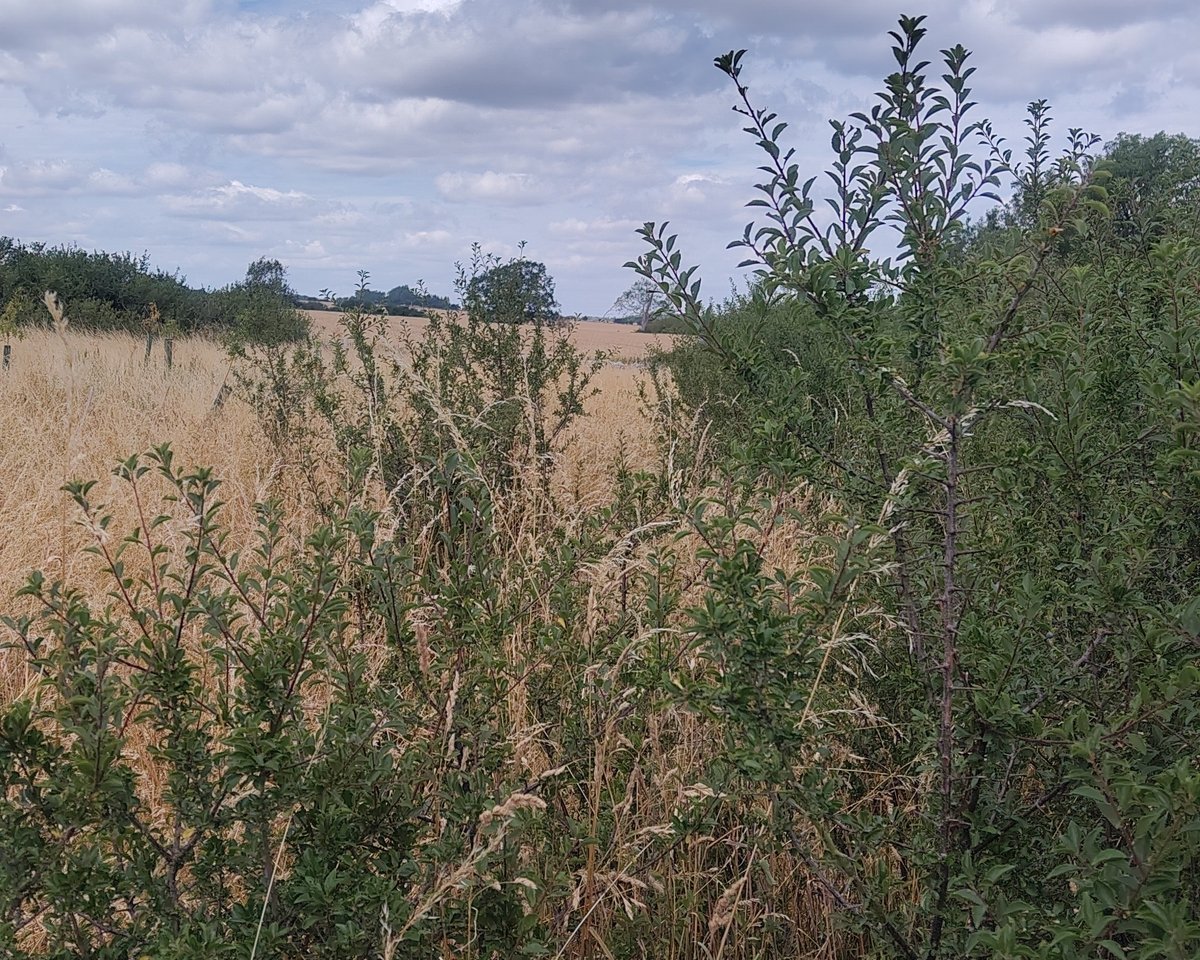
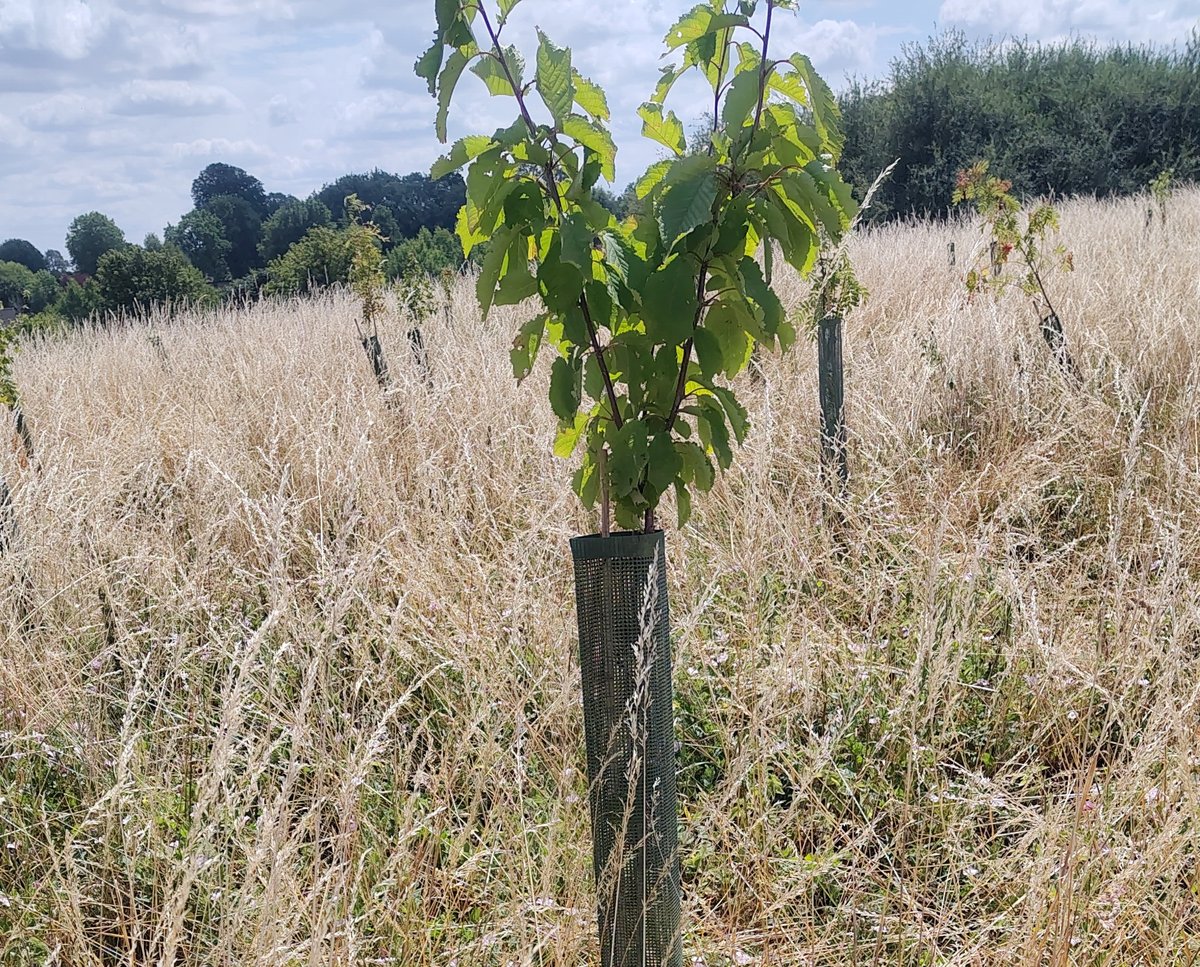
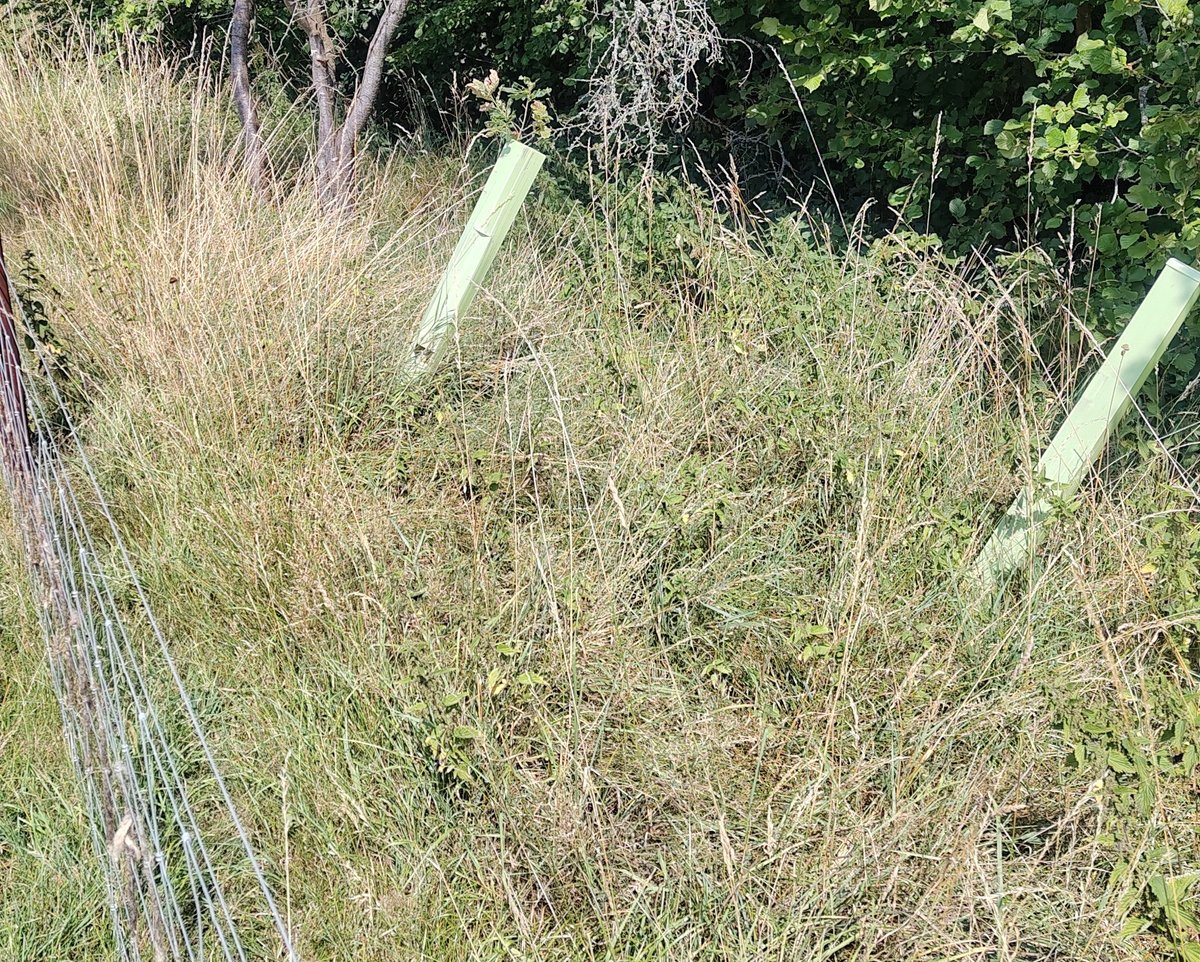
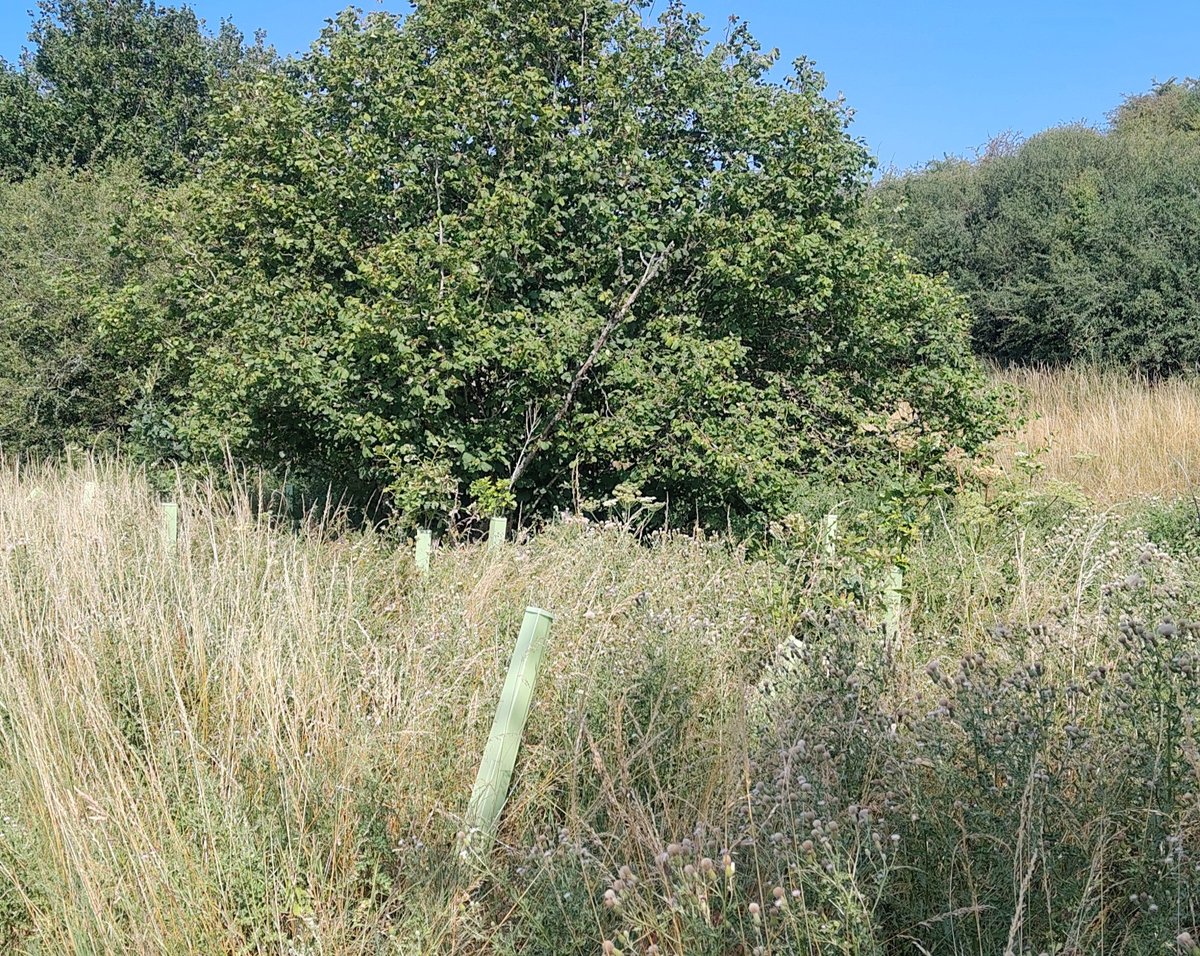
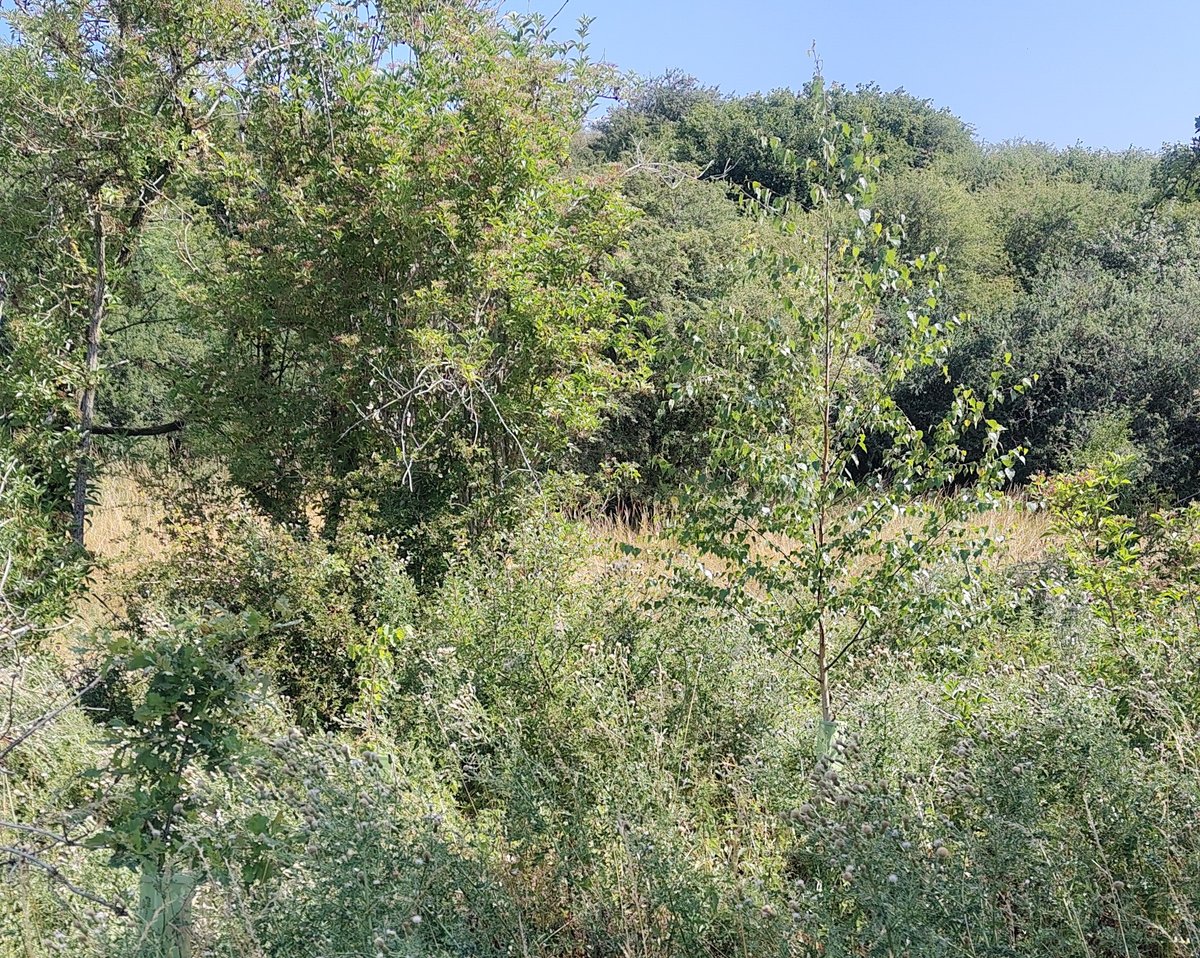
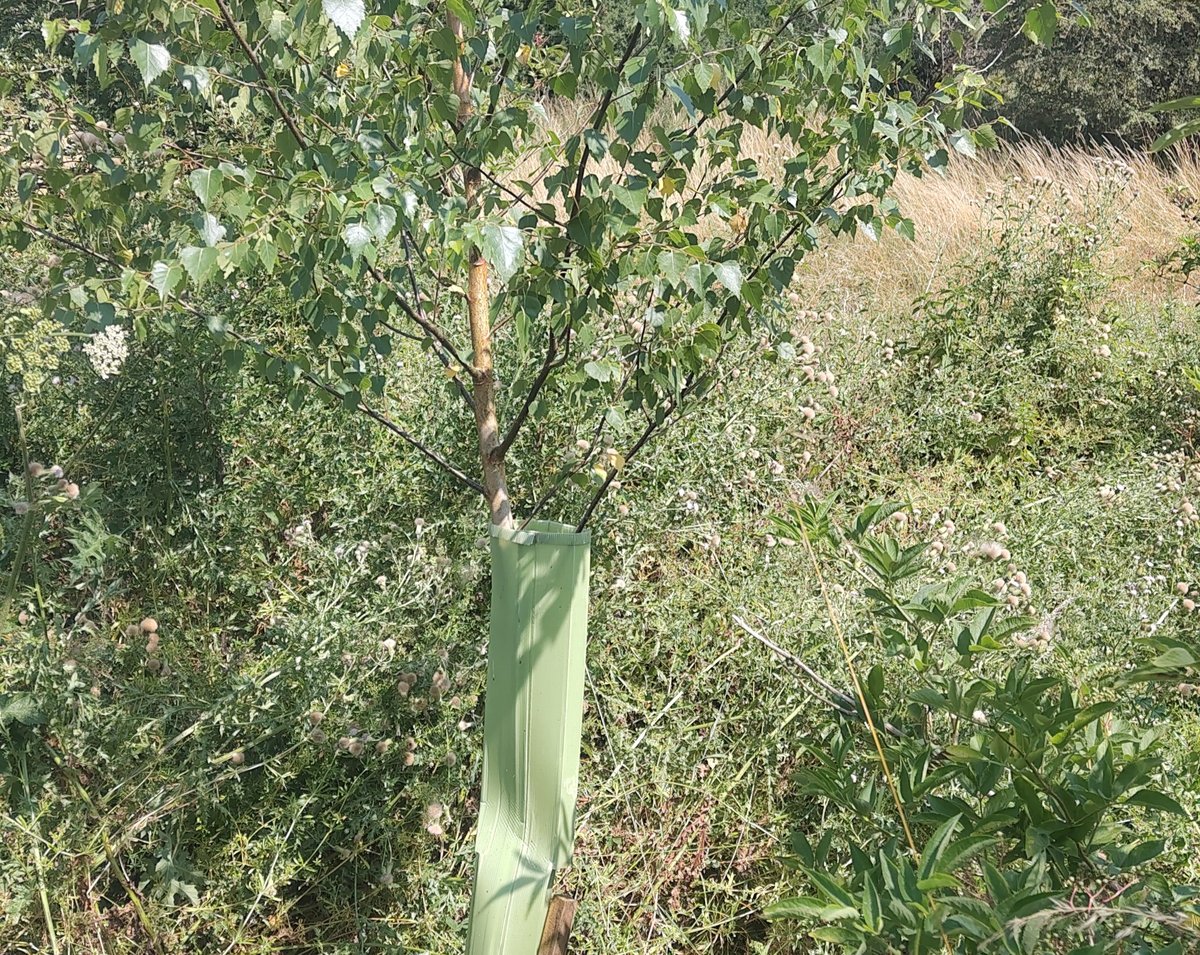
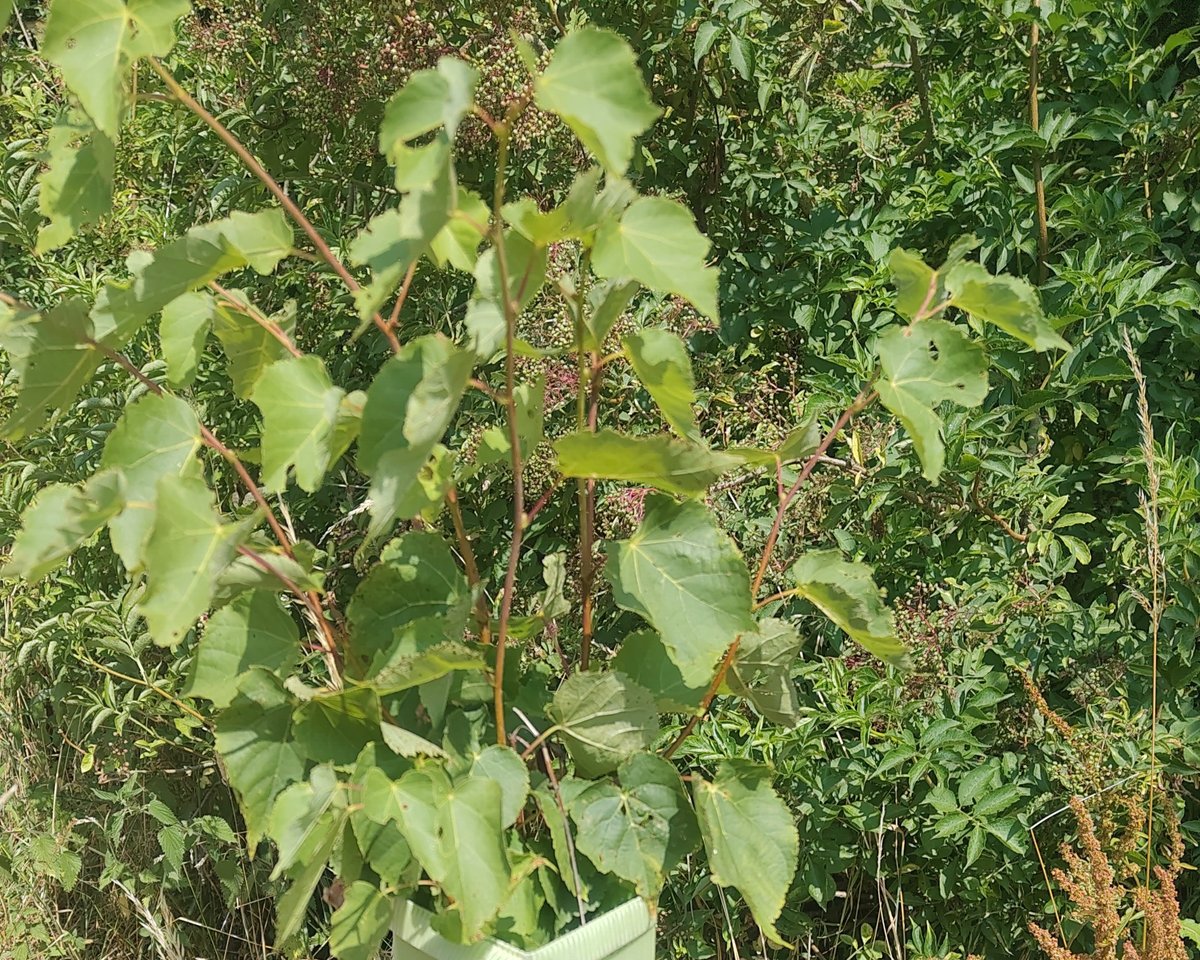
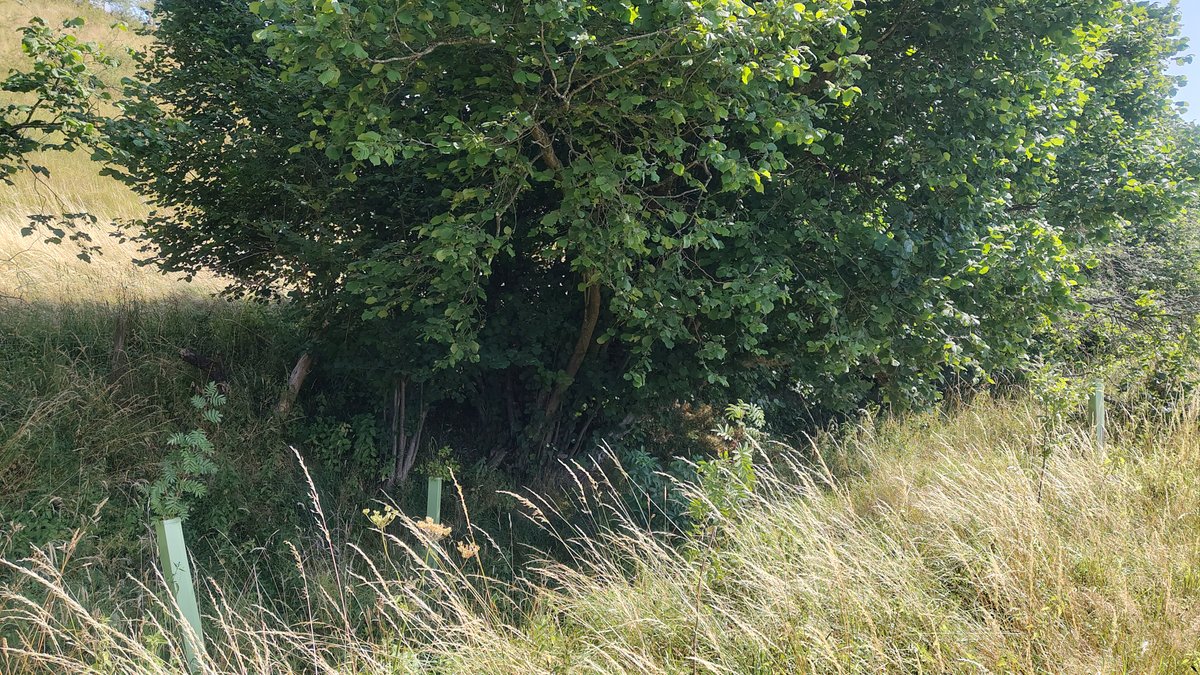
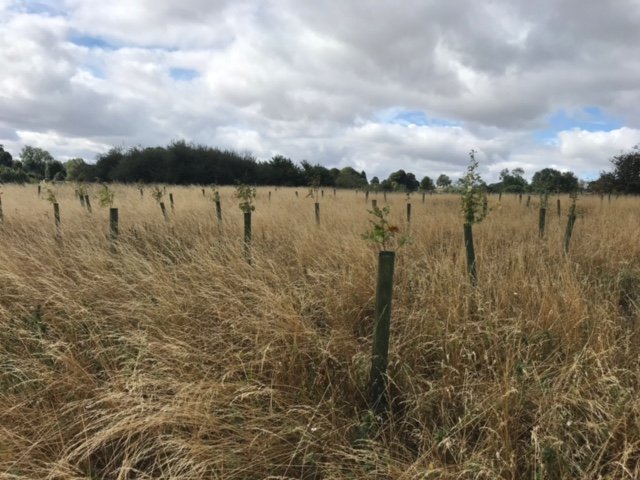
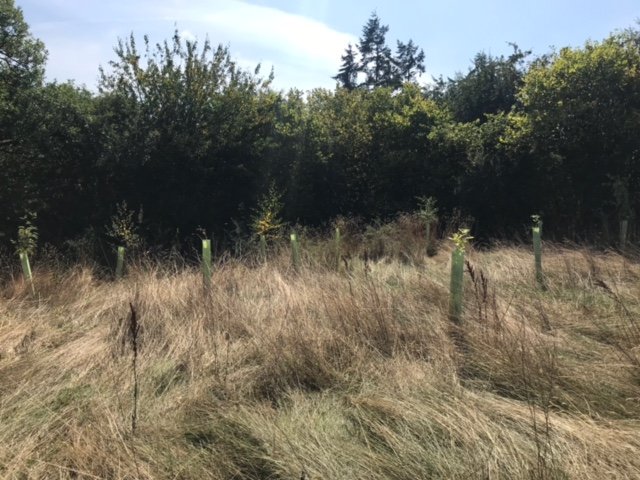
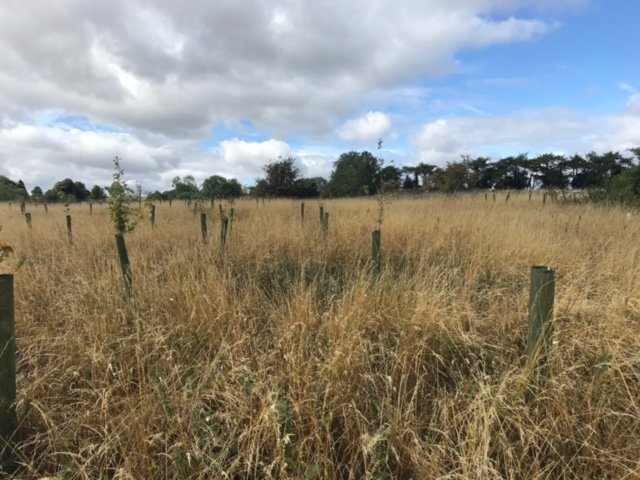
We returned to Hawling in July 2026 to carry out a survival survey, and found around 86.6% of trees had survived. All the saplings were very healthy looking trees, and the rowan had plenty of berries. We also noted an additional amazing suckering of blackthorn spreading from a nearby thicket to join the party. Long grass and field bindweed are in evidence, but do not seem to be causing too much of a problem at the moment.

Their survival rate after this excessively hot, dry summer would suggest that these four-year-old saplings have managed to develop a good root system already.

  • Maintenance

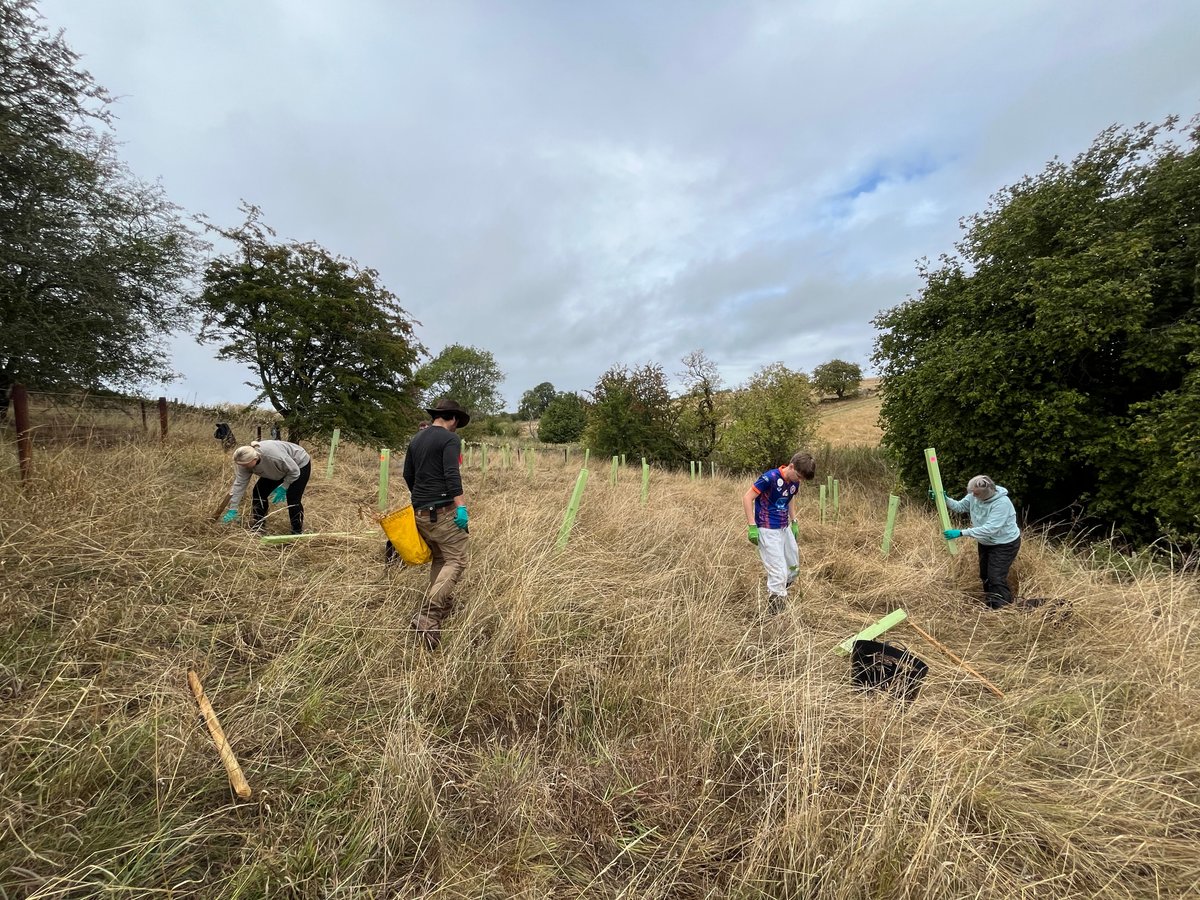
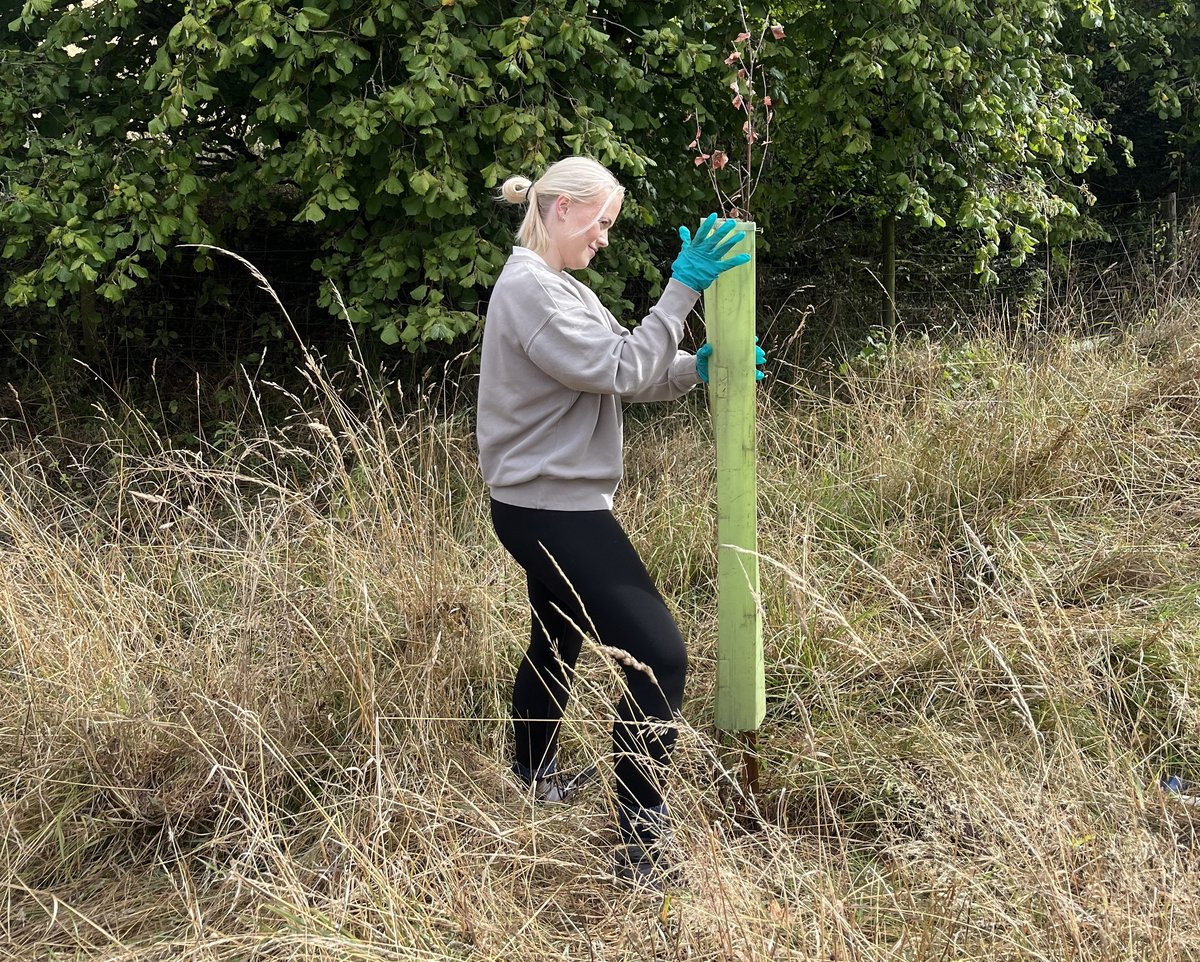
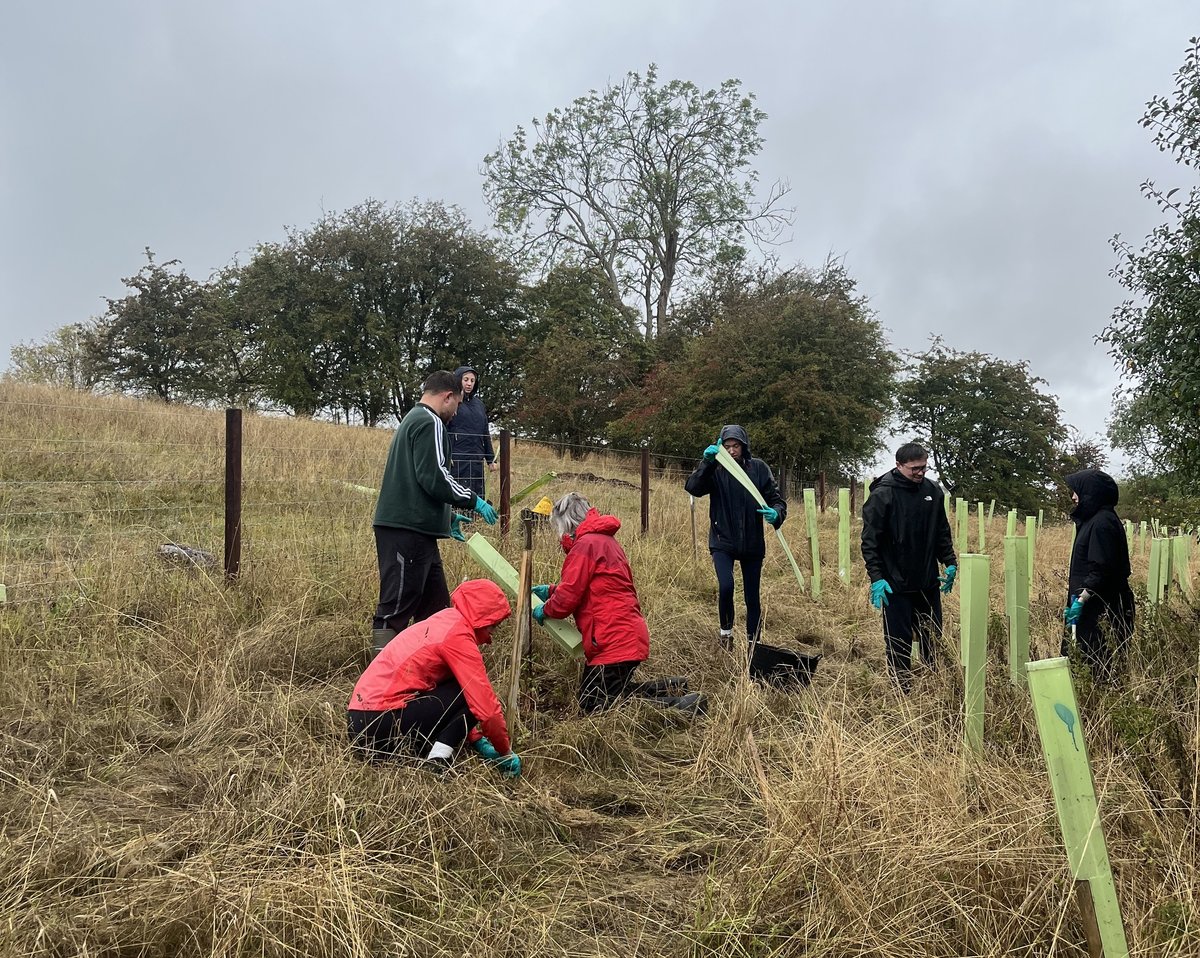
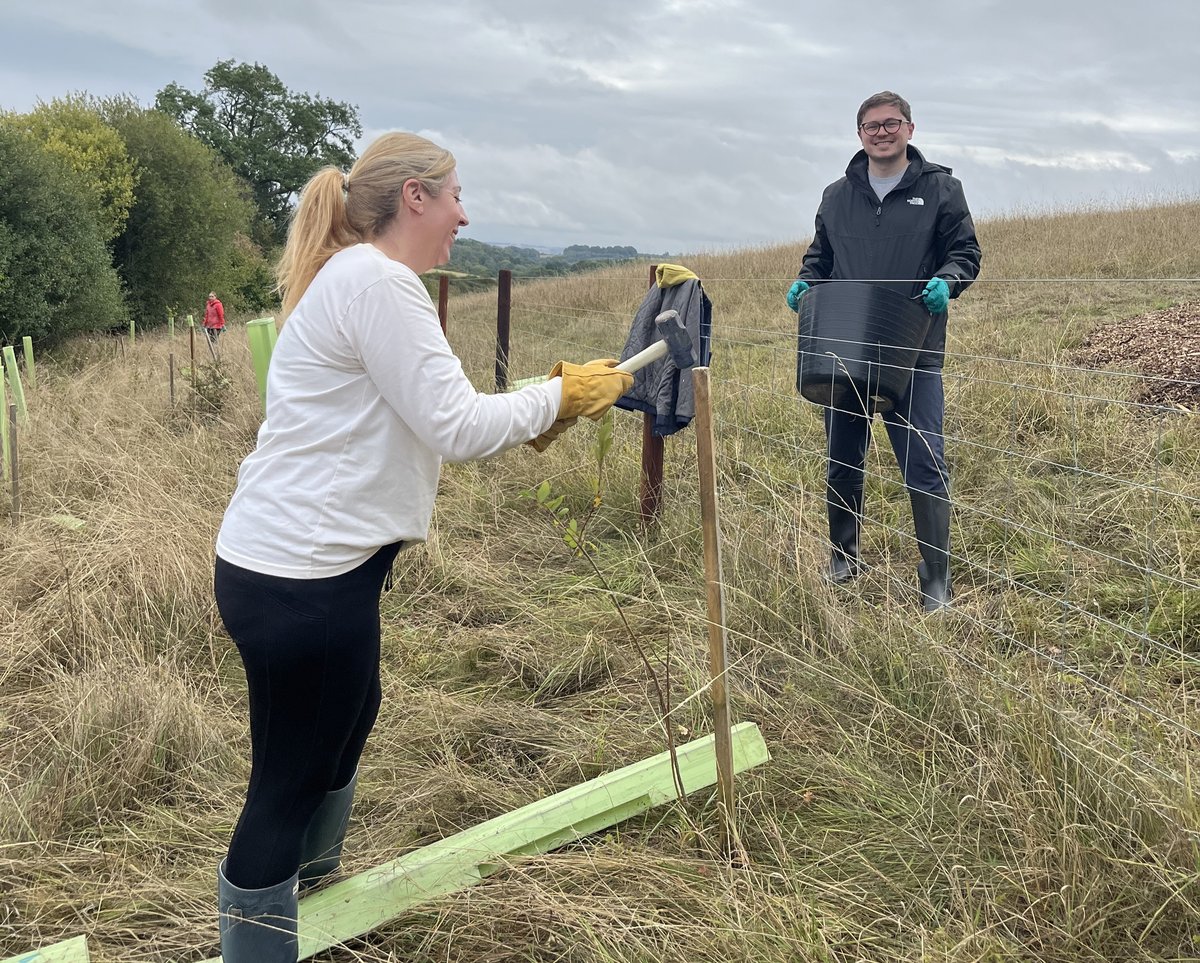
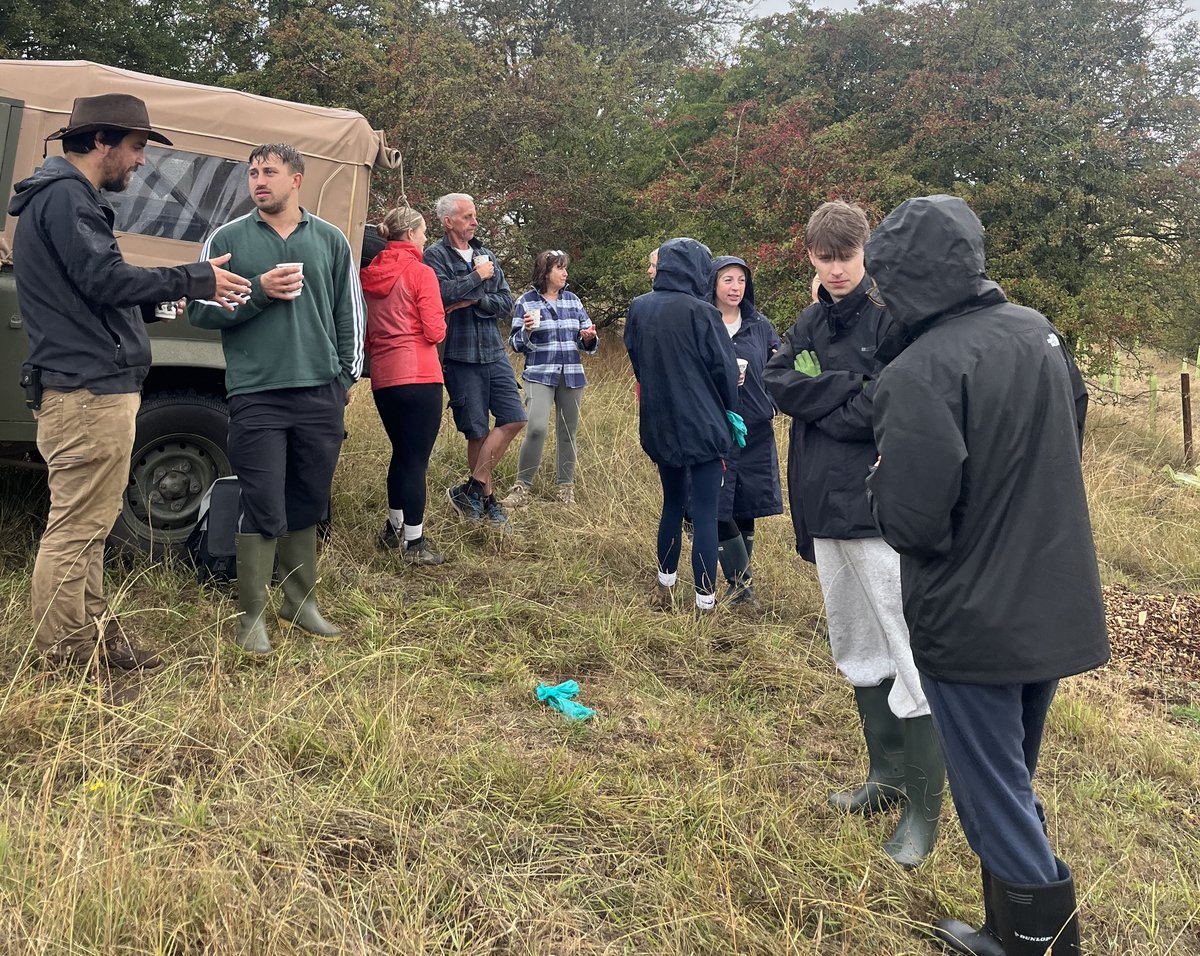
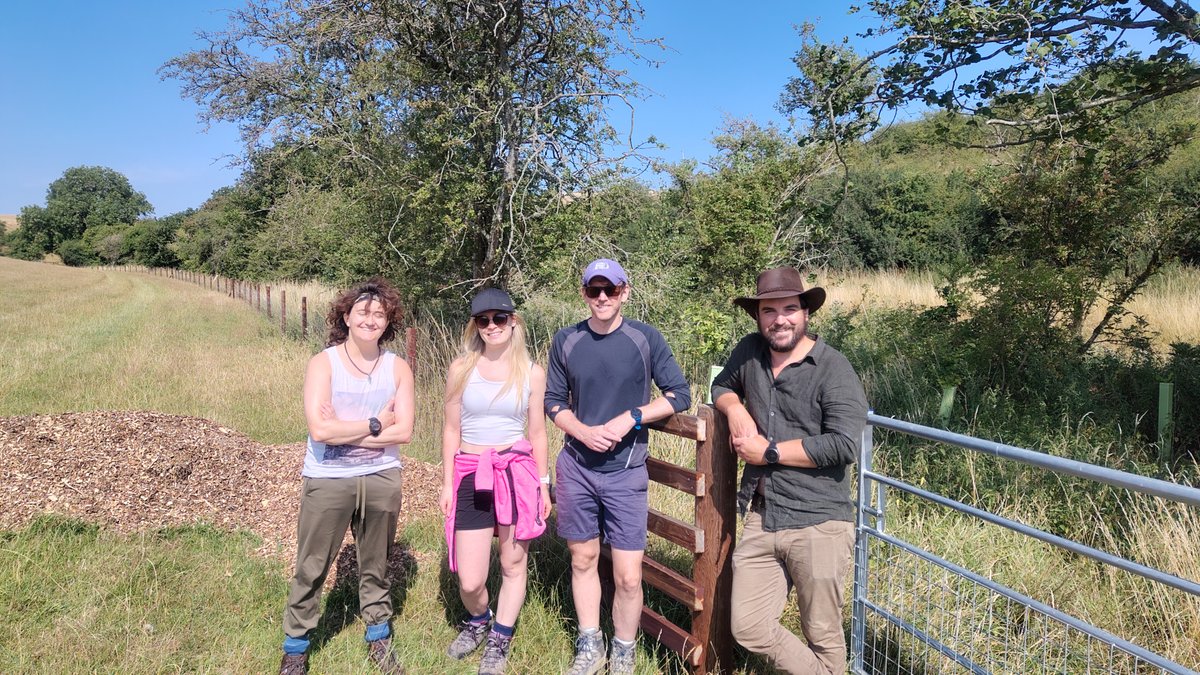
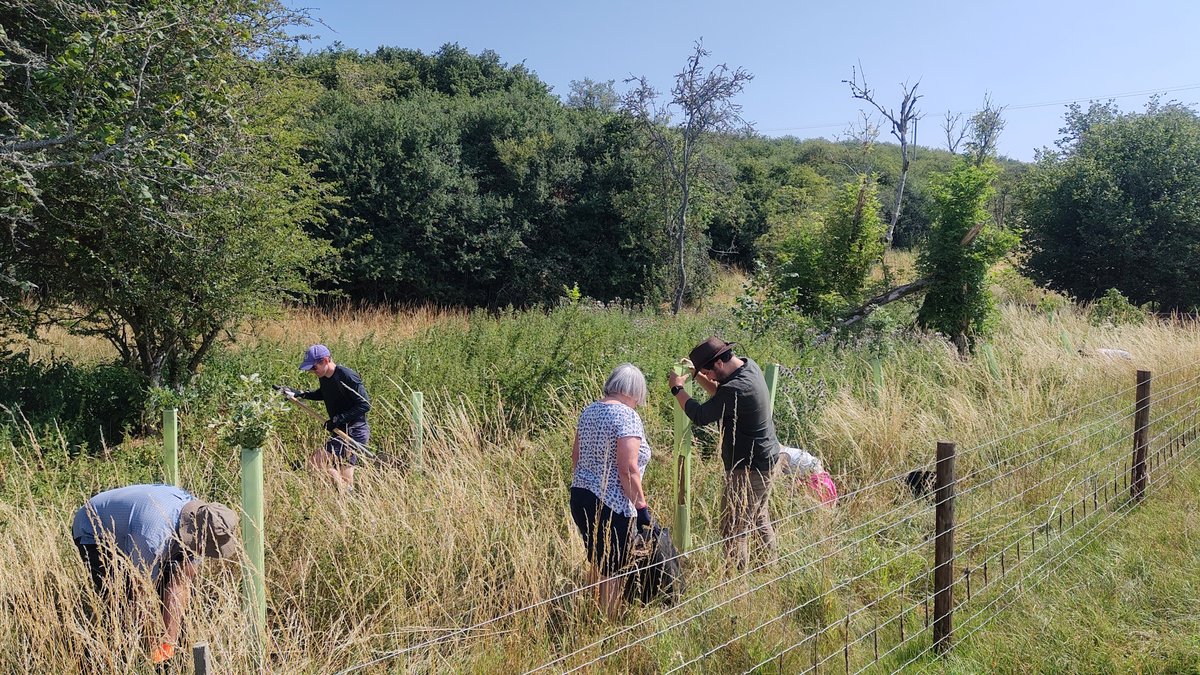
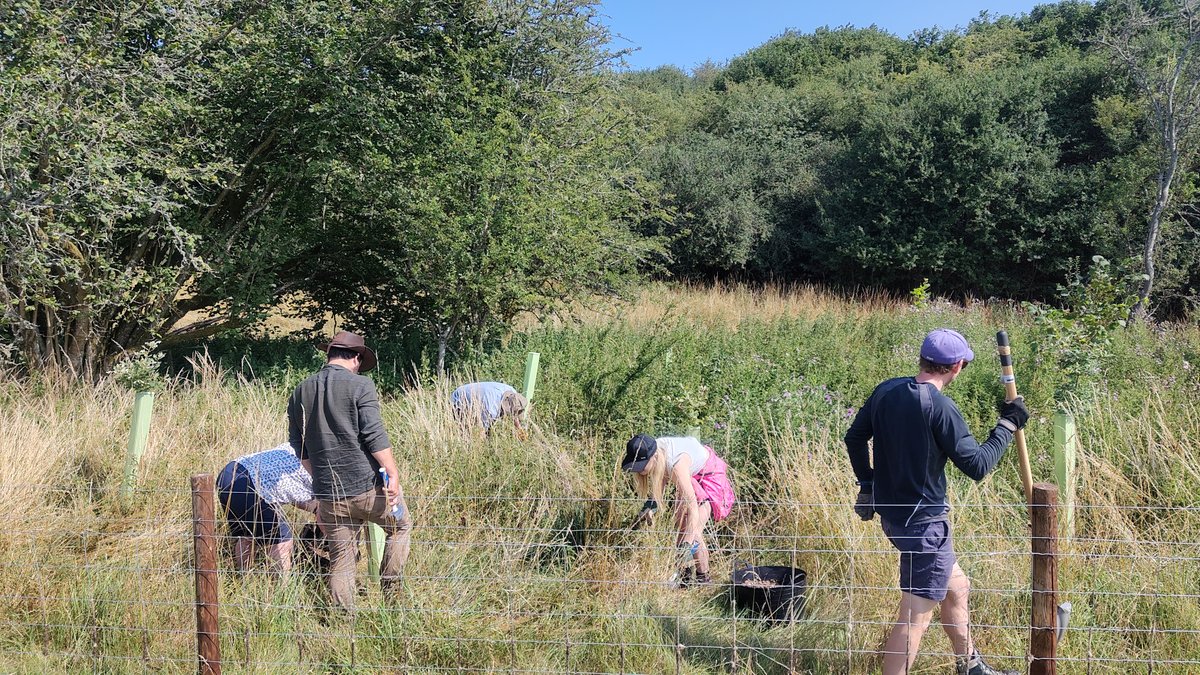
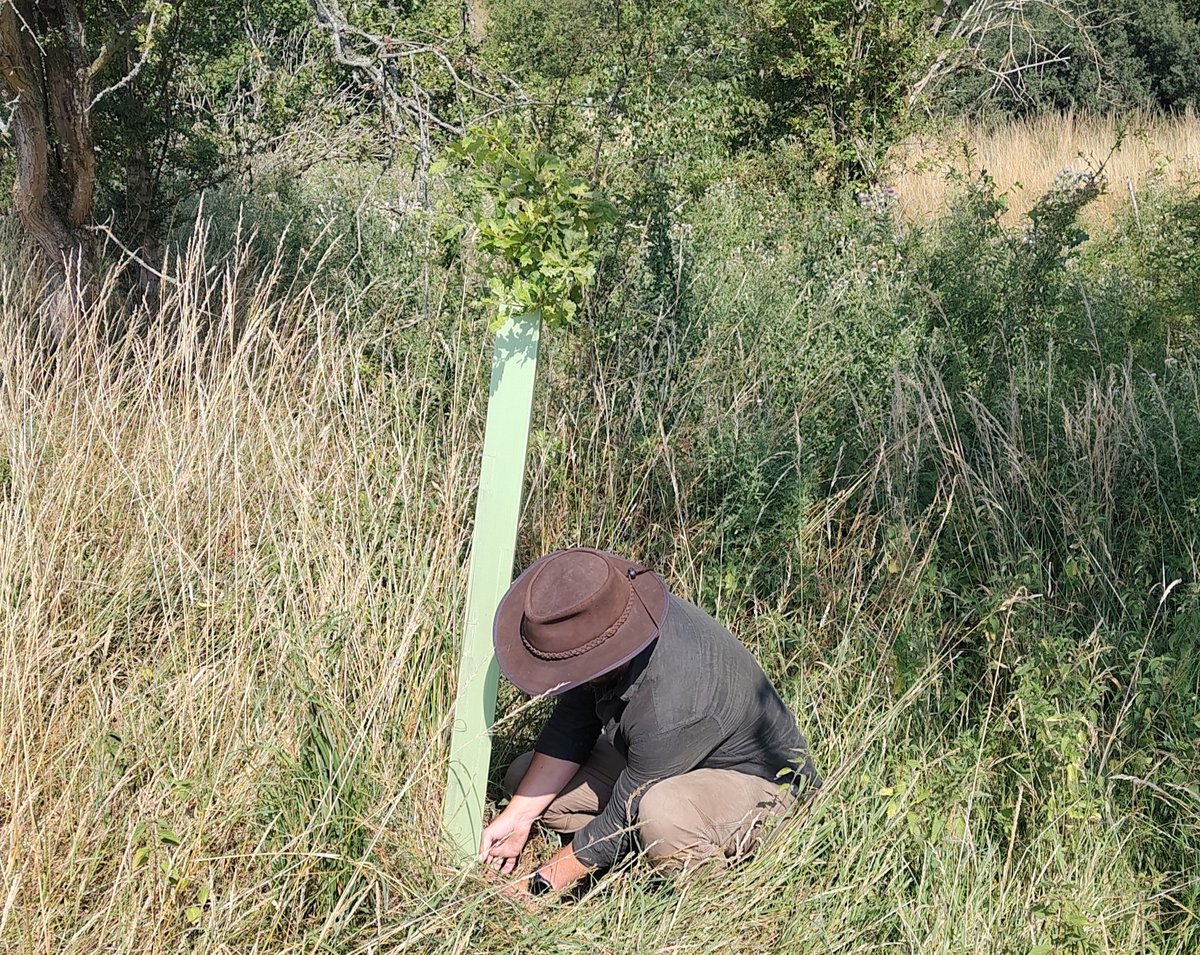
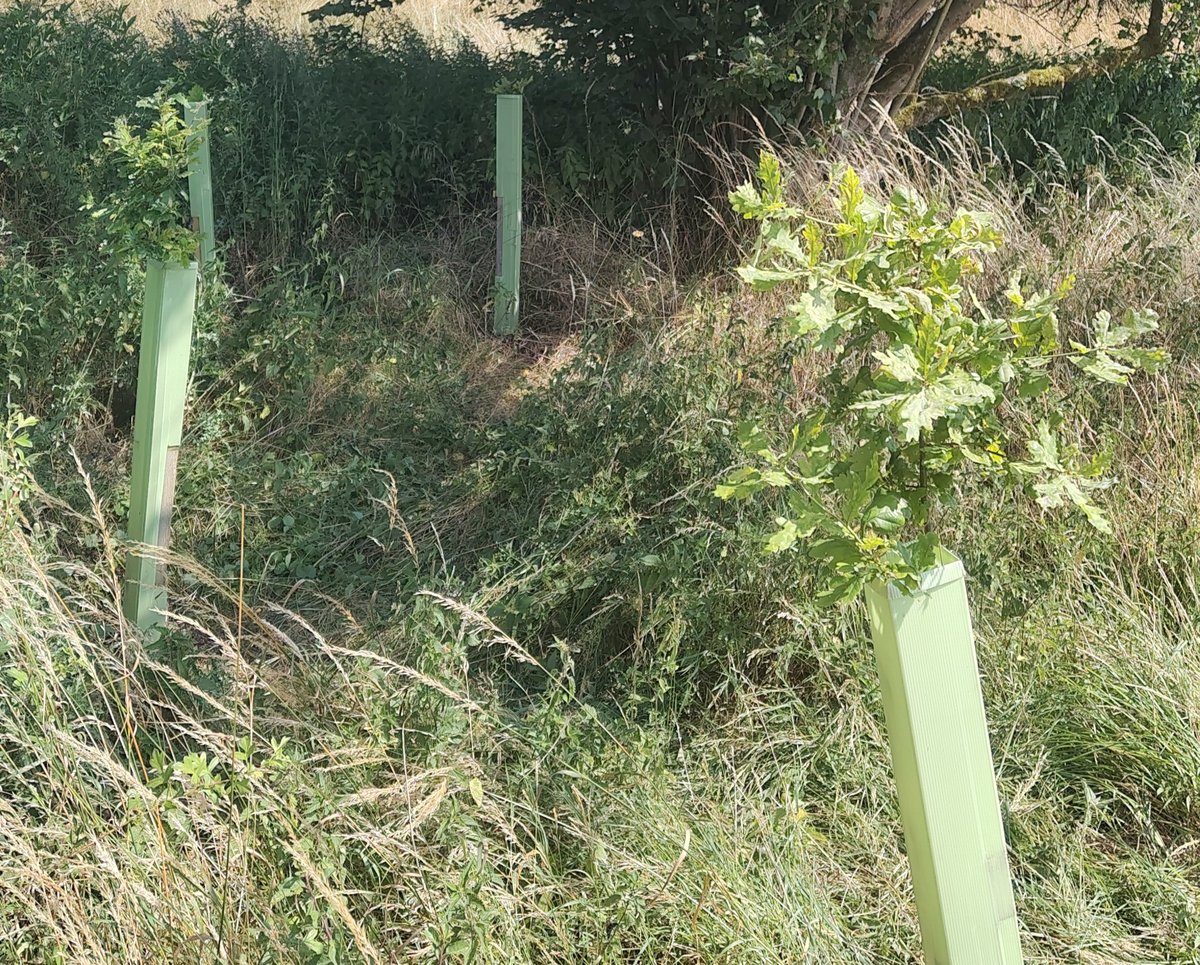
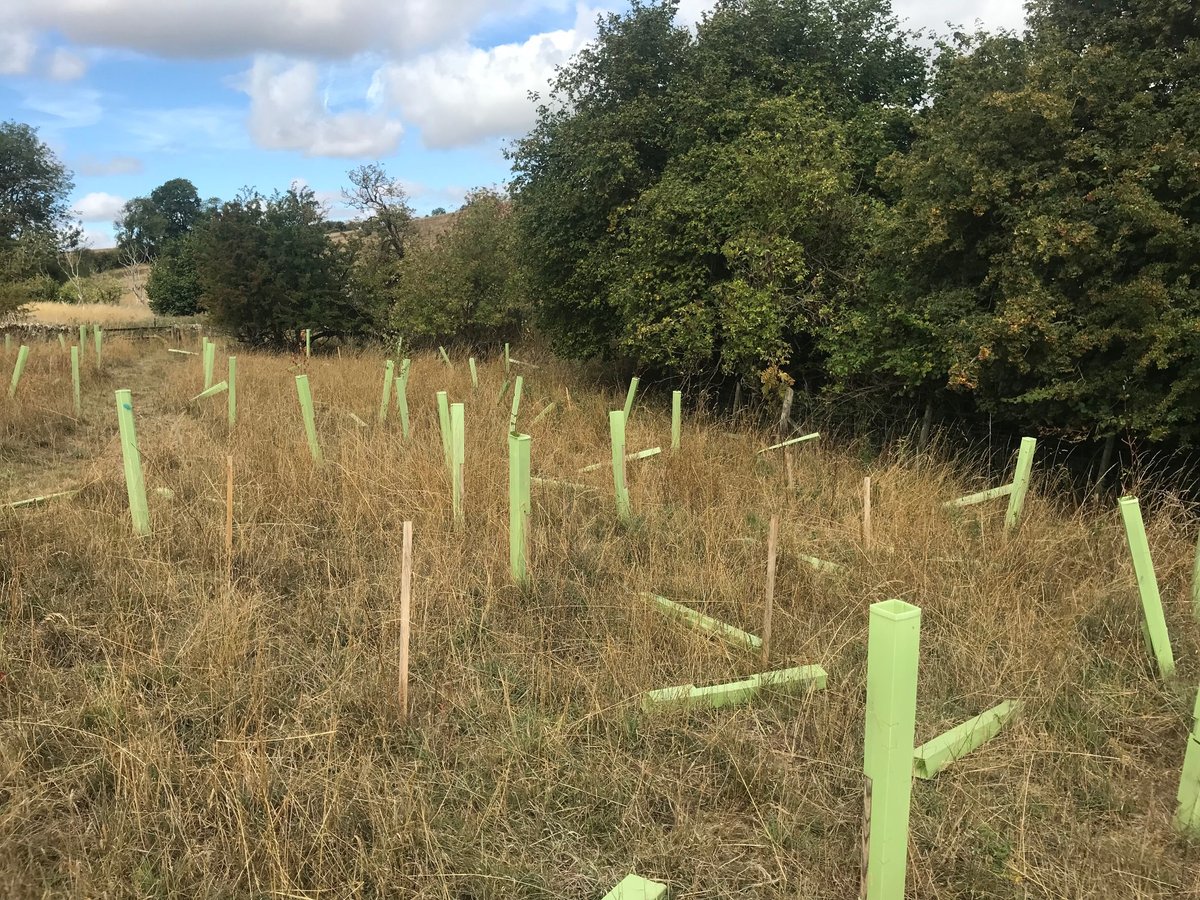
This was our third attempt to carry out our spring maintenance at this property. Our two earlier attempts had been thwarted by the weather and unfortunately the corporate group who had planned to come were no longer available as we were now well into summer holiday season. Protect Earth took a team of four, and with the help of three local volunteers we got to work removing weeds and grass from inside the guards, straightening or replacing guards and stakes, and spreading mulch around the saplings. The landowner made the job infinitely easier by transporting all the mulch up to the planting site, then leaving it in convenient heaps for us. They also delivered a whole bunch of refreshments and lunch. Amazing support like this really keeps our volunteers going, especially when it’s so hot!

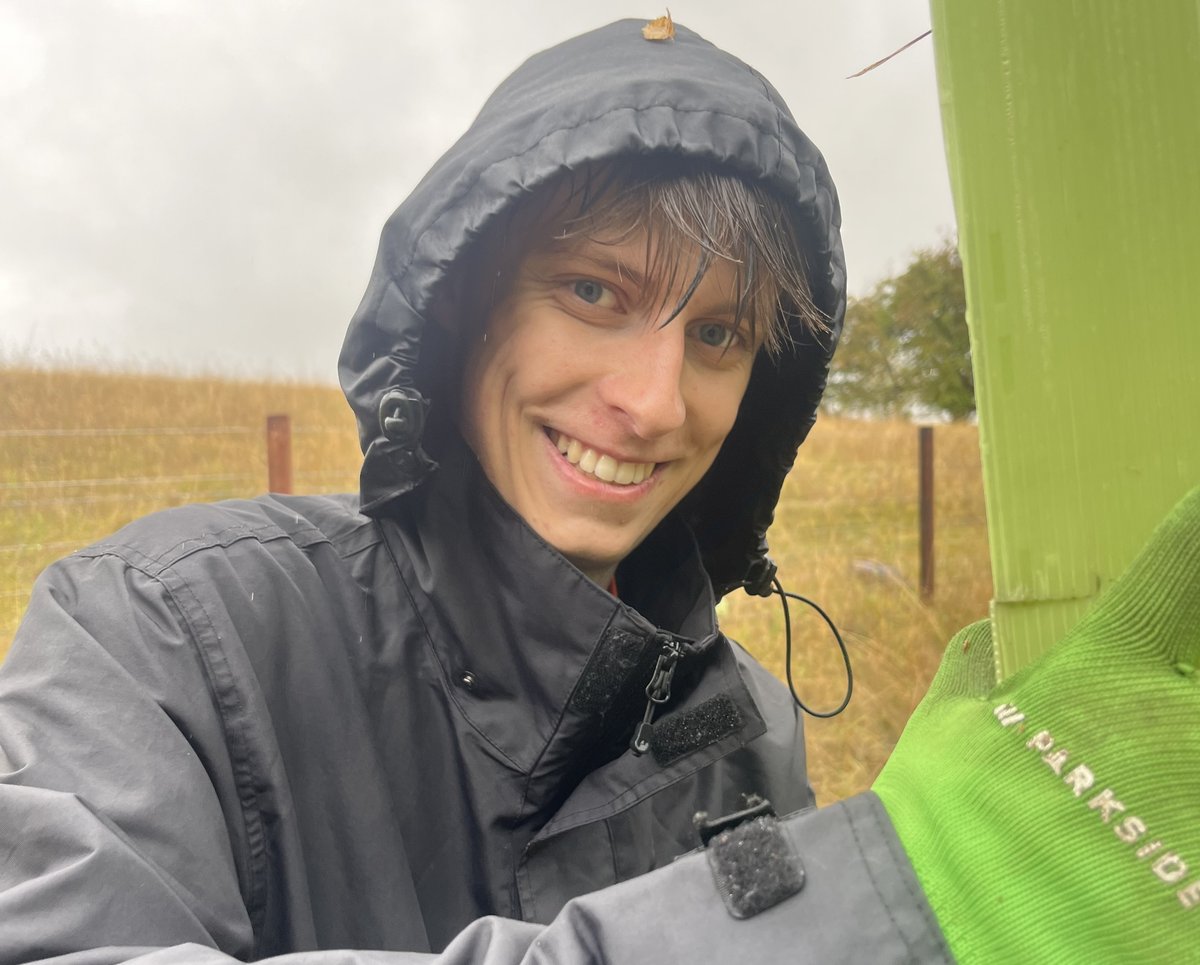
We had 3 out of 3 volunteers show up for the whole day, and one volunteer was a top-notch spotter of natural regeneration saplings! We guarded and mulched these additional saplings to protect them too. The landowners provided an excellent lunch and drinks throughout the day.

With the small number of volunteers we were only to get about about half of the job done, despite everyone working really hard. We have planned another session in September once the school holidays are over, and hopefully the weather is cooler.

  • Survival Survey
  • 64% survival rate

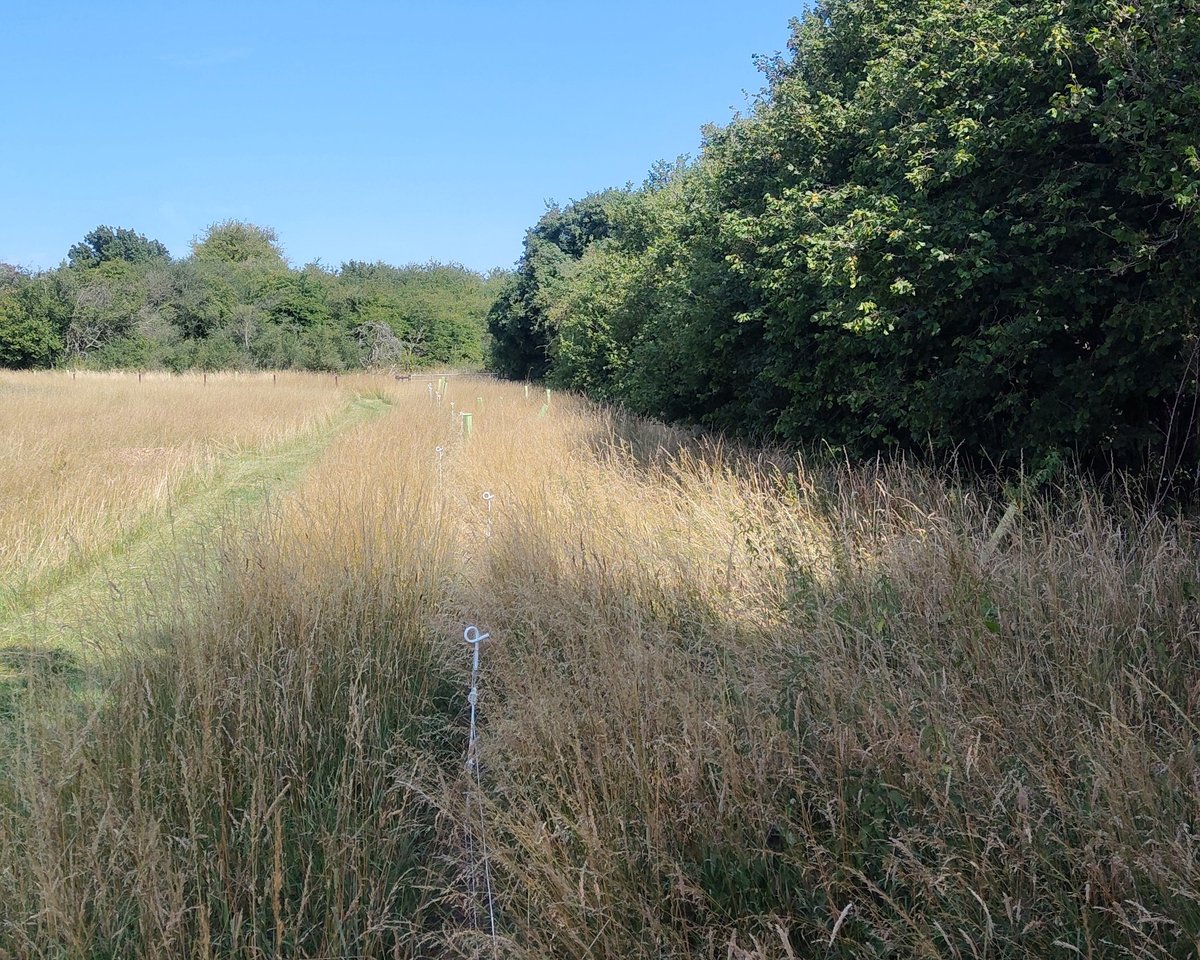
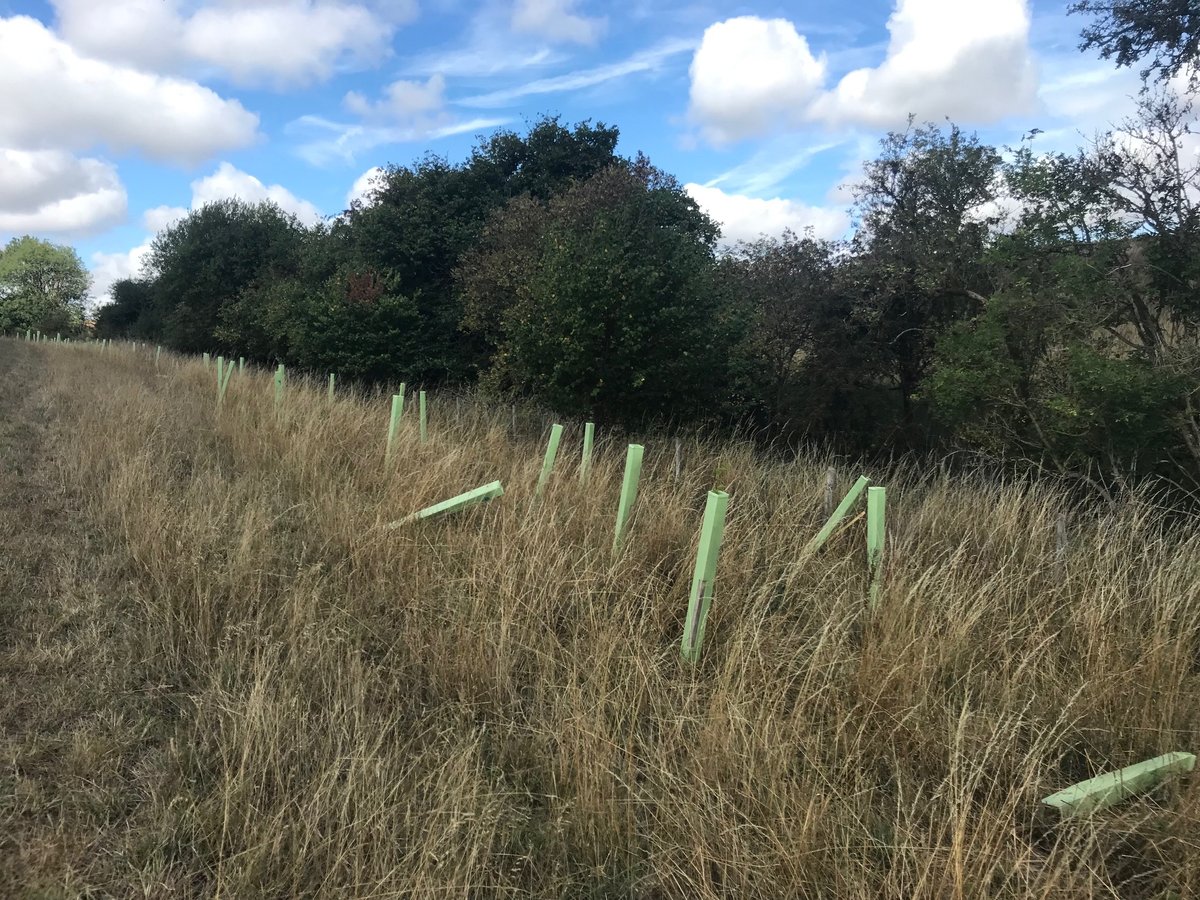
Where the tree planting area was safely protected by fencing the saplings were performing quite well, despite the drought and long grass. Our spring maintenance day will have helped and we will be going back to complete that task in early September. Most of the surviving trees were well out of their guards. There was also some evidence of regeneration, especially blackthorn which is growing well on this chalky soil.

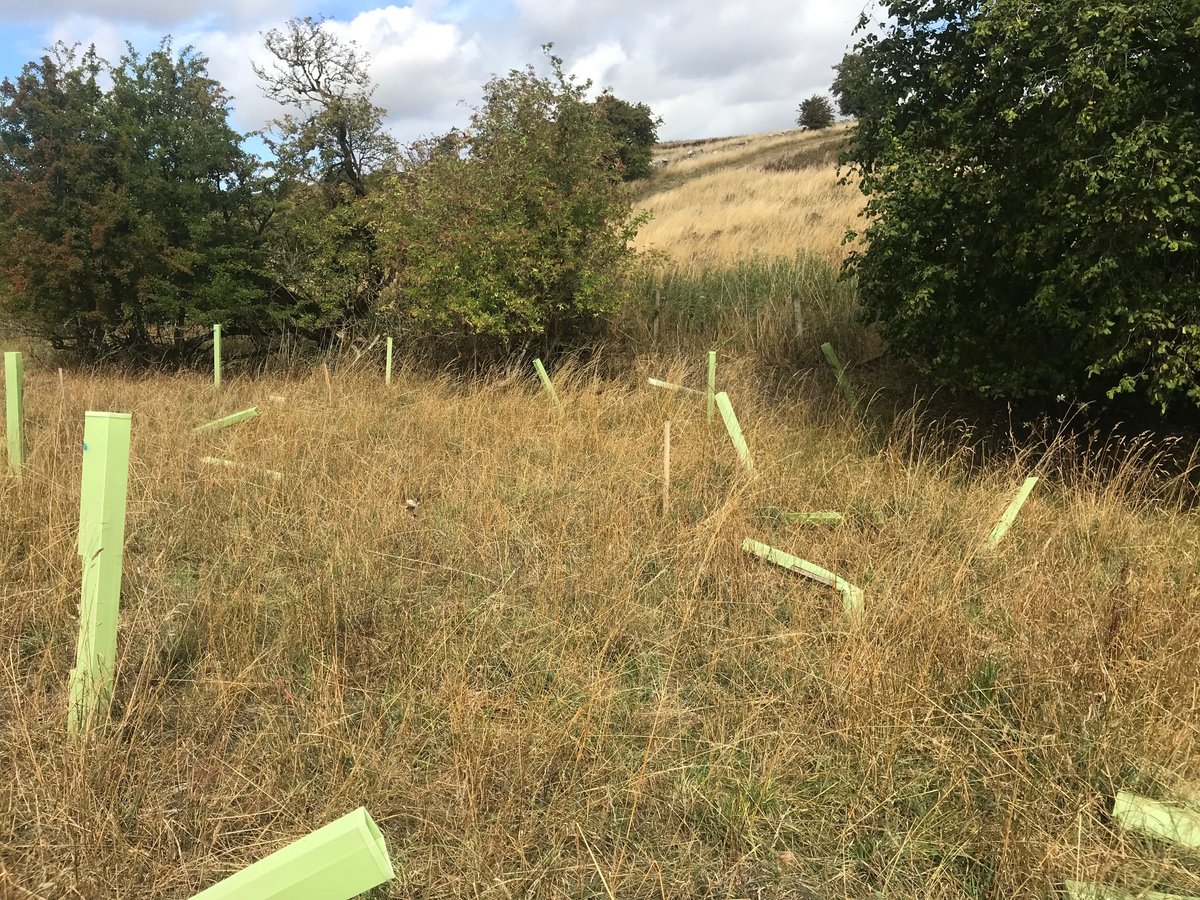
Unfortunately, sheep were allowed into the unfenced part of the site and they knocked over guards and grazed on a majority of the saplings. Despite this, the hardiest trees survived sheep, drought and heat stress and we found an impressive number of trees clinging to life by regenerating from their roots. This area is now also fenced off so we plan to return to restock this winter. We will be monitoring it’s progress closely, and likely returning to carry out more maintenance next summer.
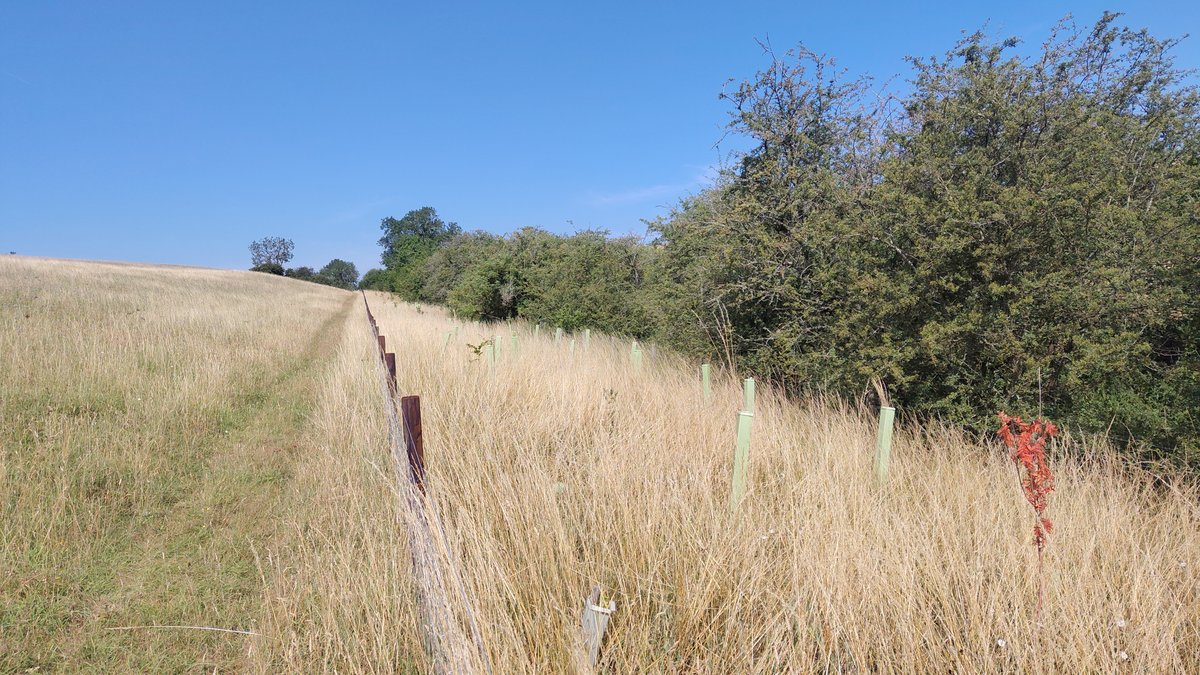
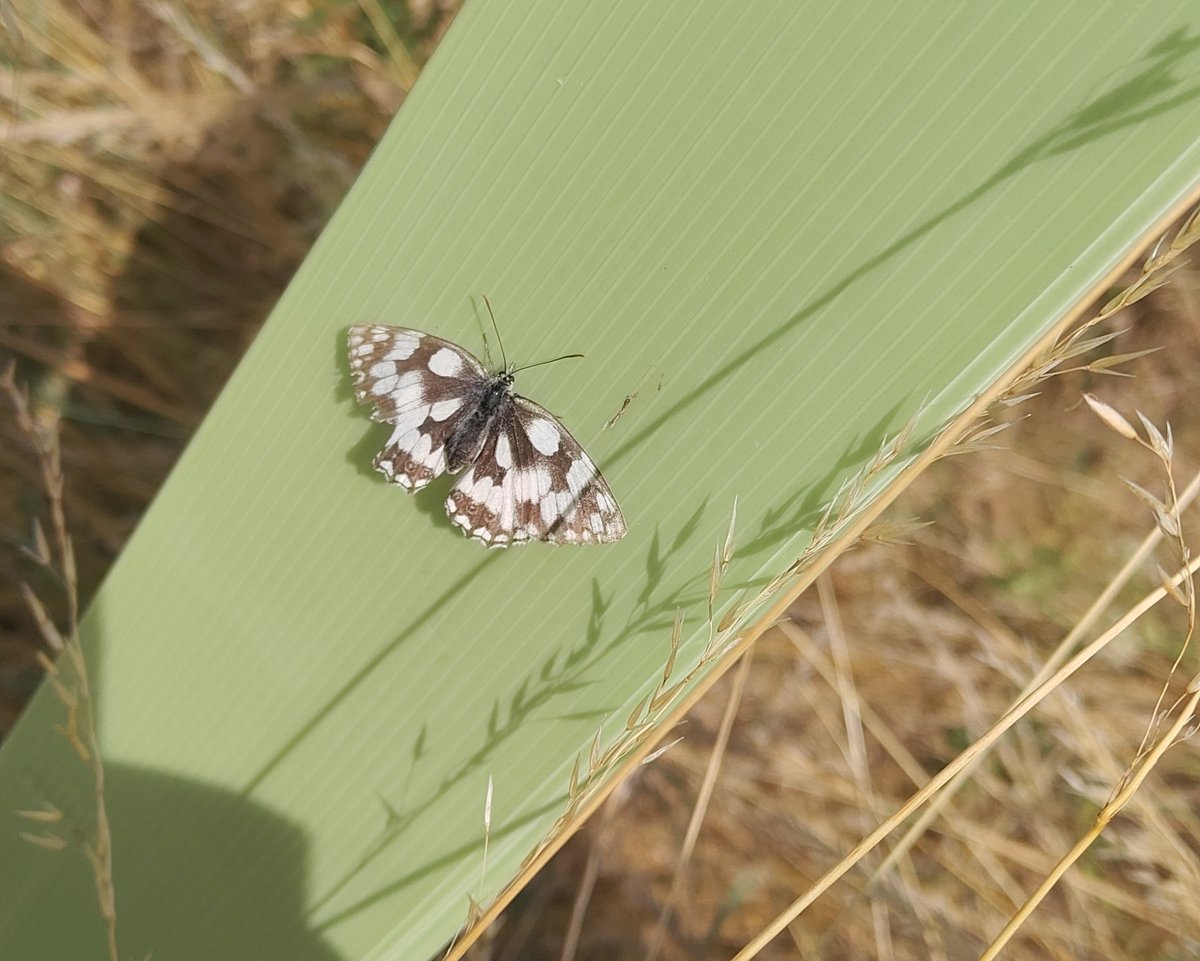
It was also good to see thriving wildflowers next to the trees which were teeming with butterflies and bees.

  • Survival Survey
  • 50% survival rate

This is a wonderful area for wildlife with corn buntings and skylarks in evidence and lots of exciting chalkland butterfly and plant species in the meadows.

However, the survival rate of our saplings is much lower that the other farm in this area because unfortunately sheep got into the young woodland due to insufficient fencing, which has lost us a fair few saplings. We calculated a survival rate of only 60%.

The landowners have agreed to get some proper fencing up, so we’ll be back to restock these saplings and straighten and weed those that are still with us as soon as possible.

  • Survival Survey
  • 86% survival rate

We went to survey this farm, one of two so far in the area, in August. We were pleased to discover that the trees were doing reasonably well with a survival rate of 86%.

There were chiffchaffs still singing around the area of new planting when we visited, and red kites were noticed soaring overhead. Maybe these trees will provide nesting habitat for them in years to come. The landowner said he had noticed an increase in butterflies and other insects around the blackthorn and hawthorn during the summer.

  • Tree Planting
  • 880 trees planted

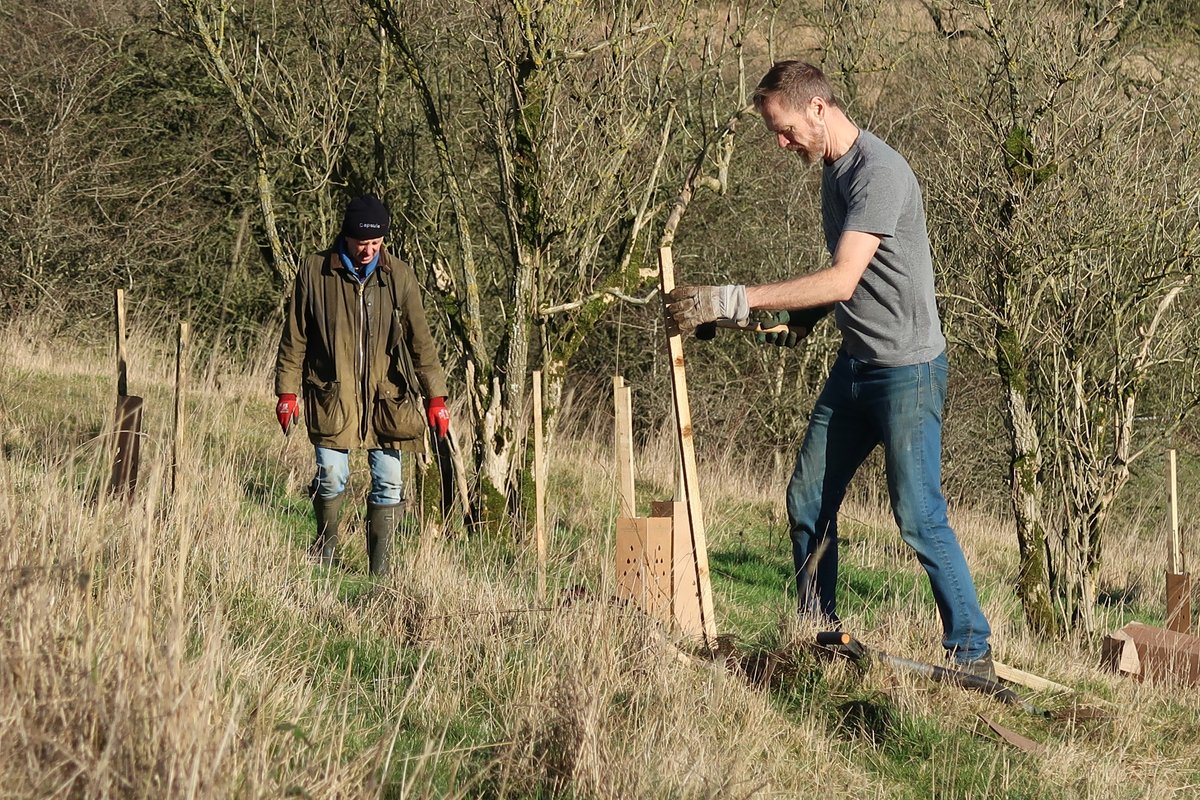
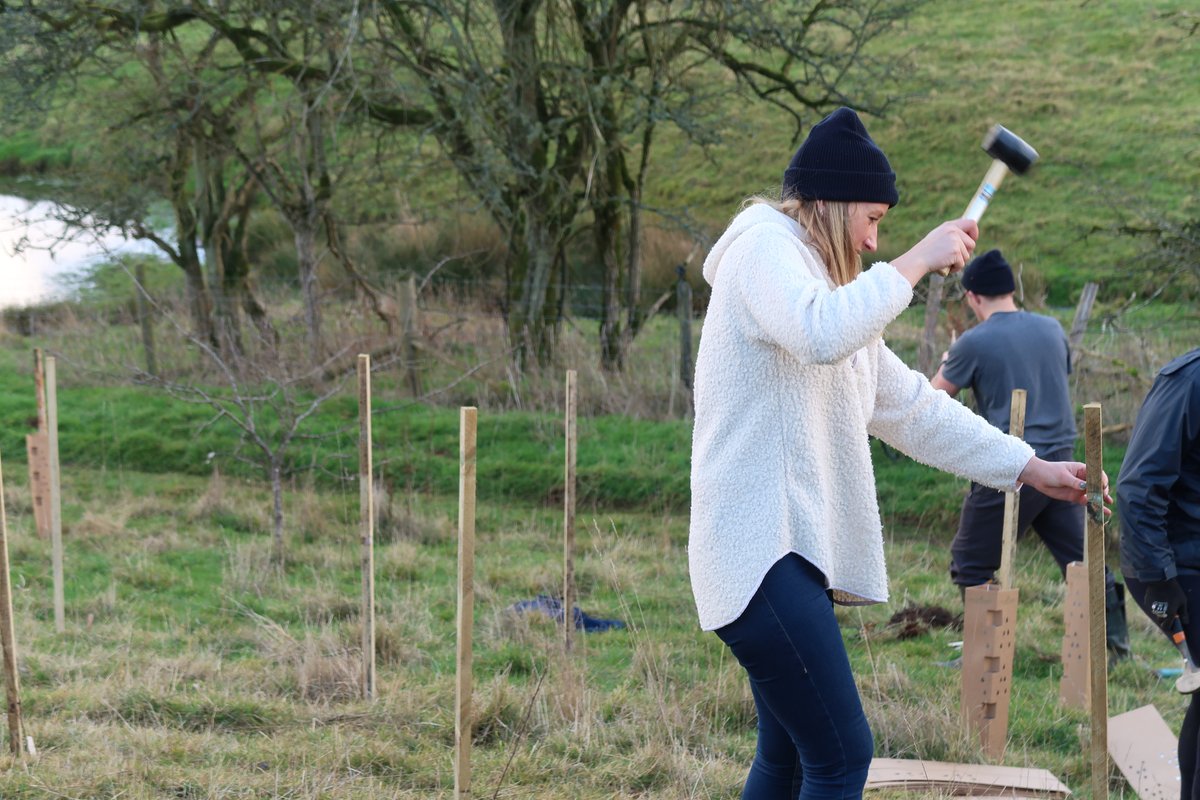
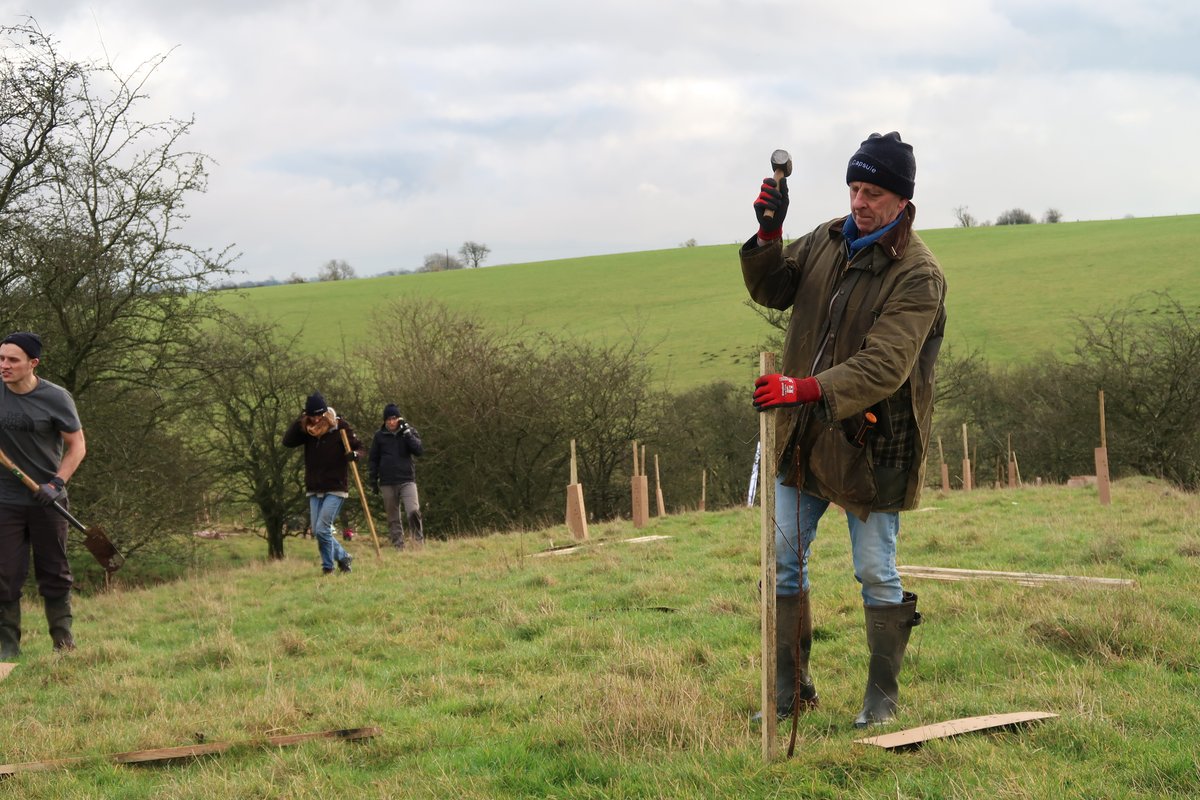
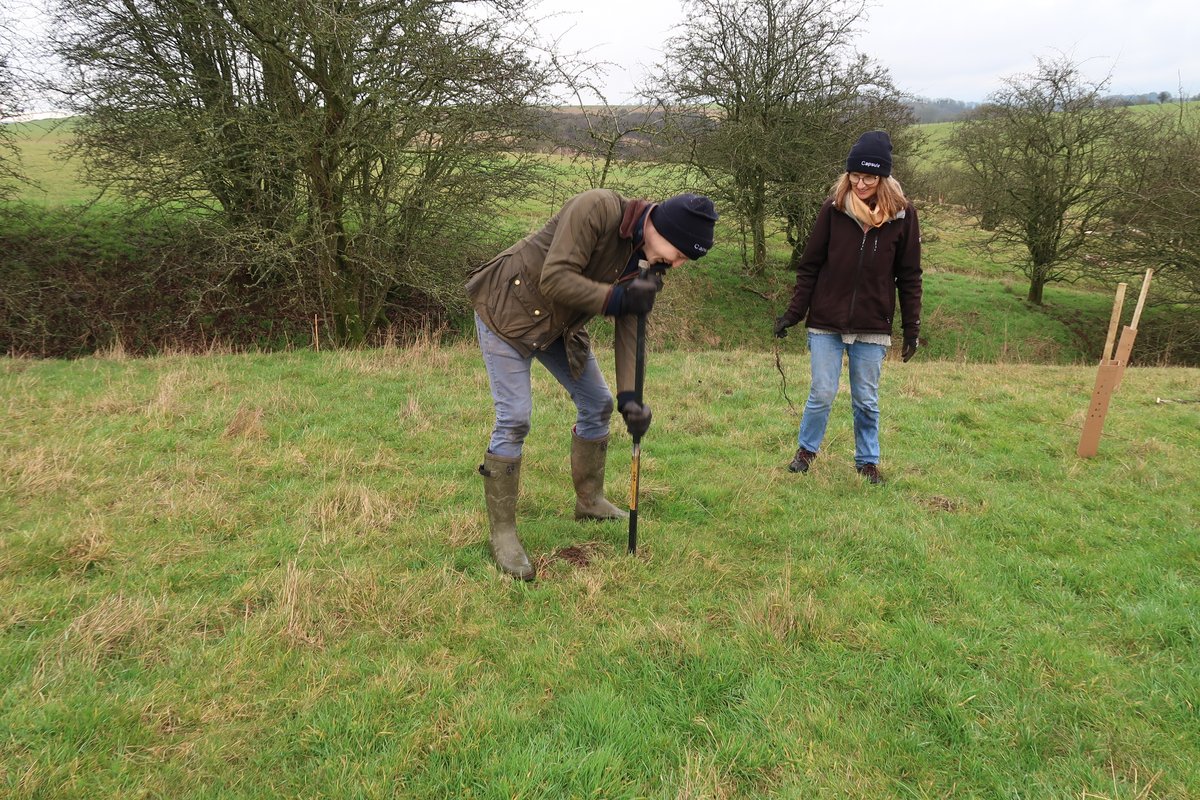
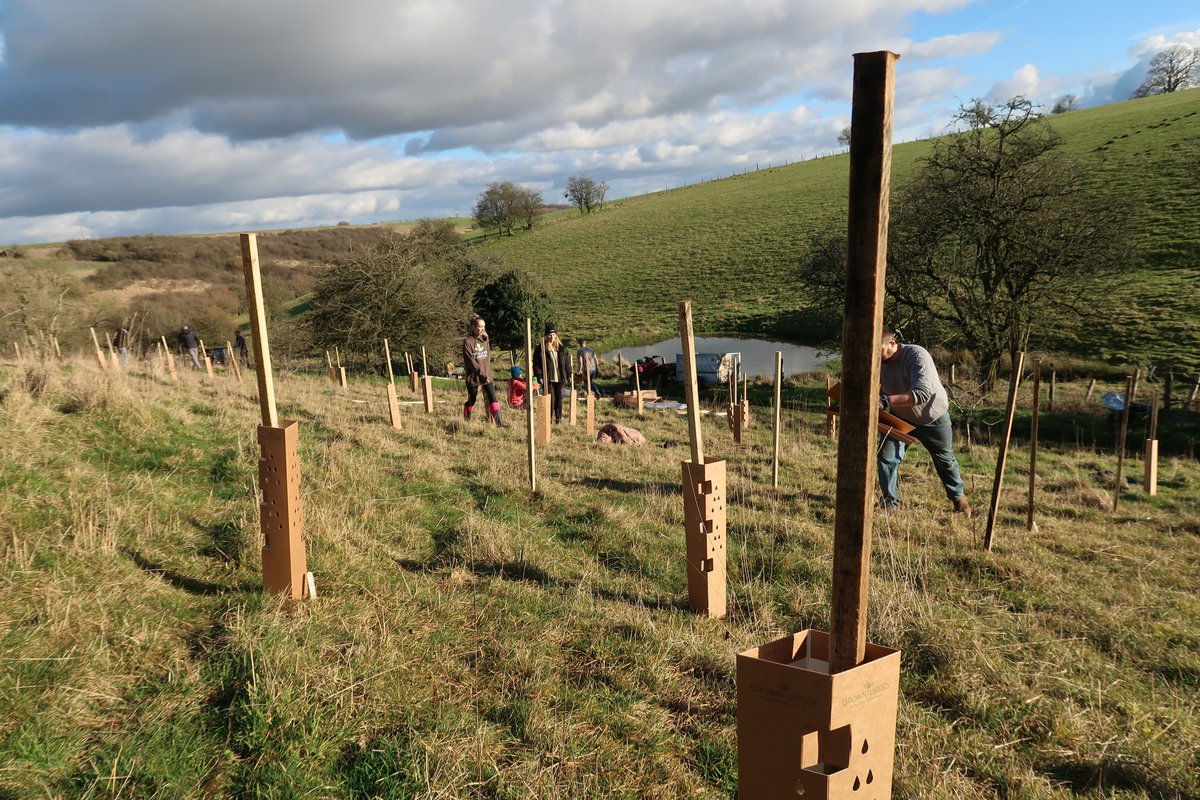
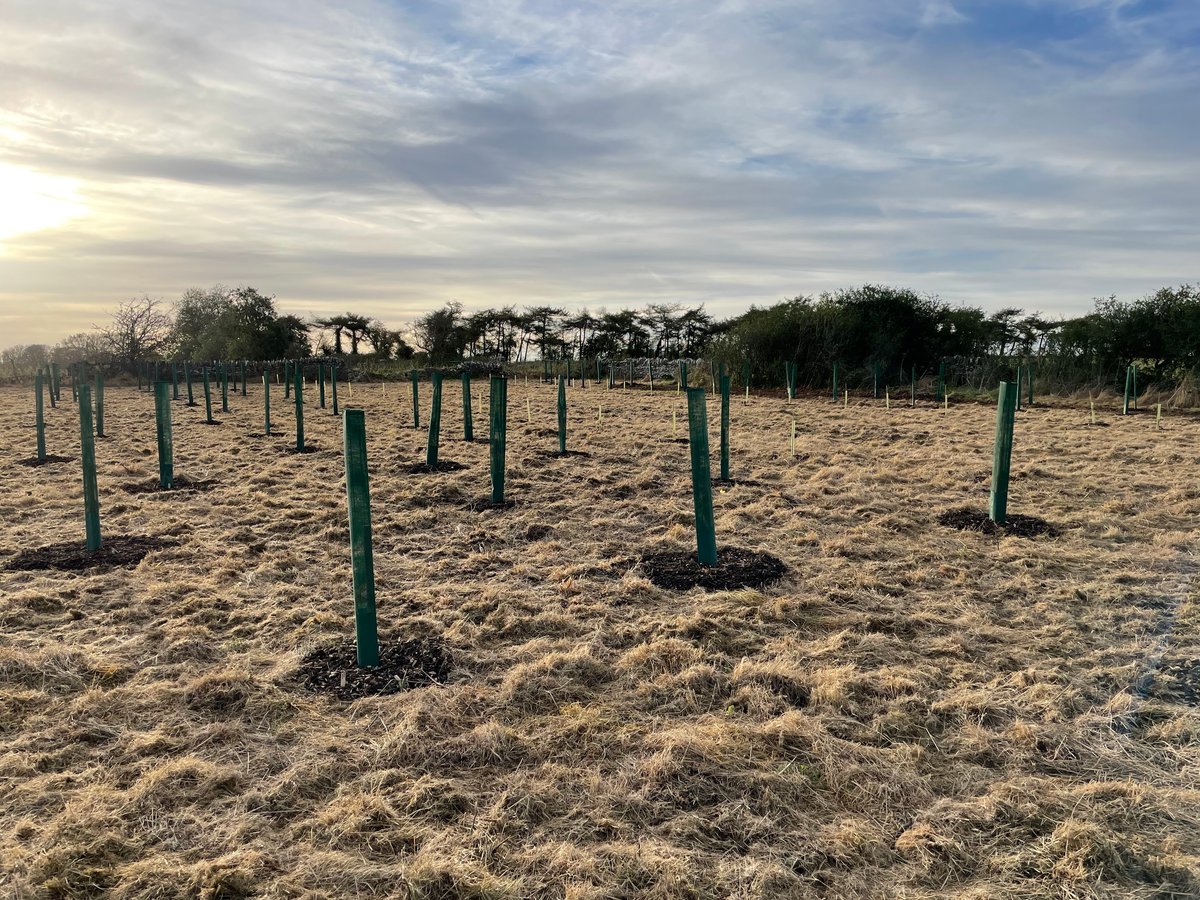
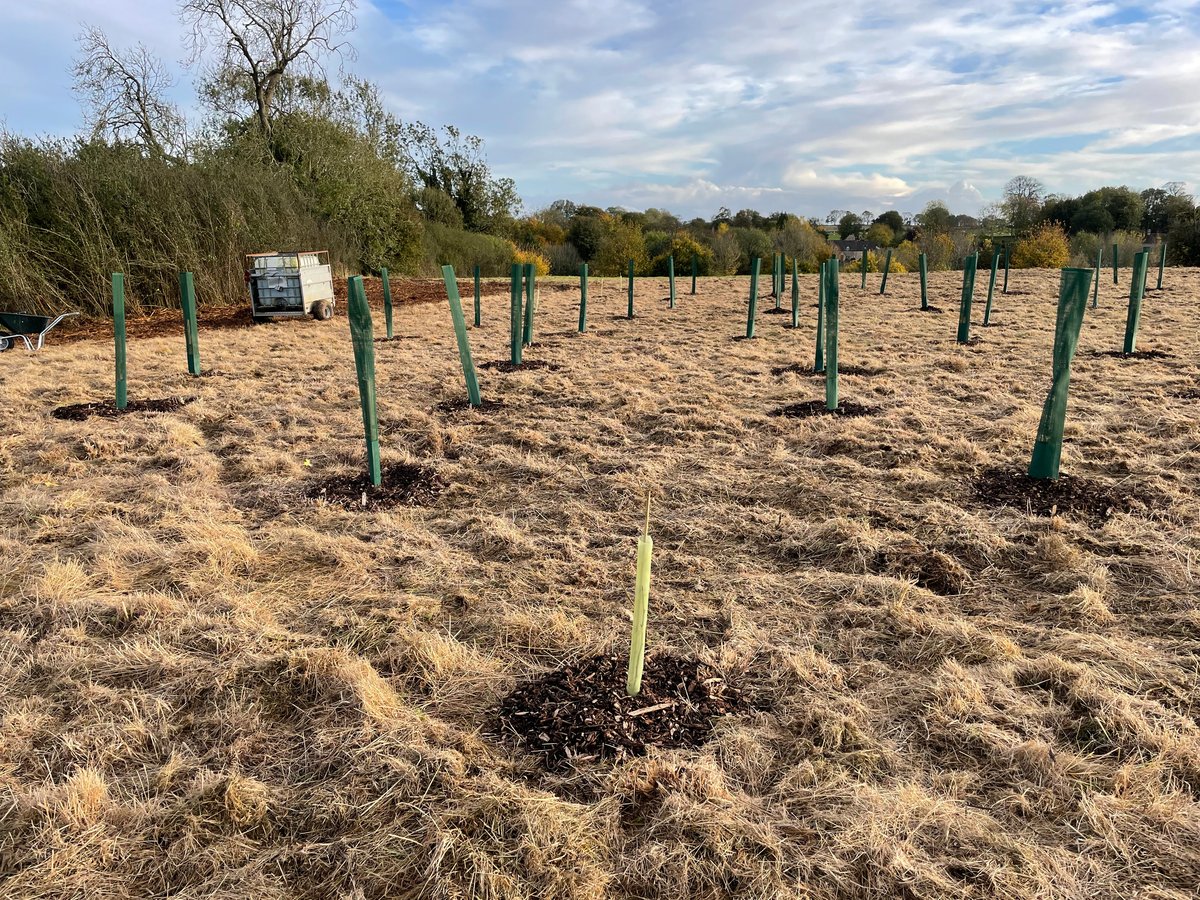
We came back to Hawling again, this time to plant another 880 trees. Adding these trees means our Hawling woodland has grown nicely, and the saplings are doing well, merging into planting on a third neighbour’s land to create a network effect for wildlife. The planting here was intended to increase the size and improve the quality of the hedge-line that runs through this farmland and meadow area.

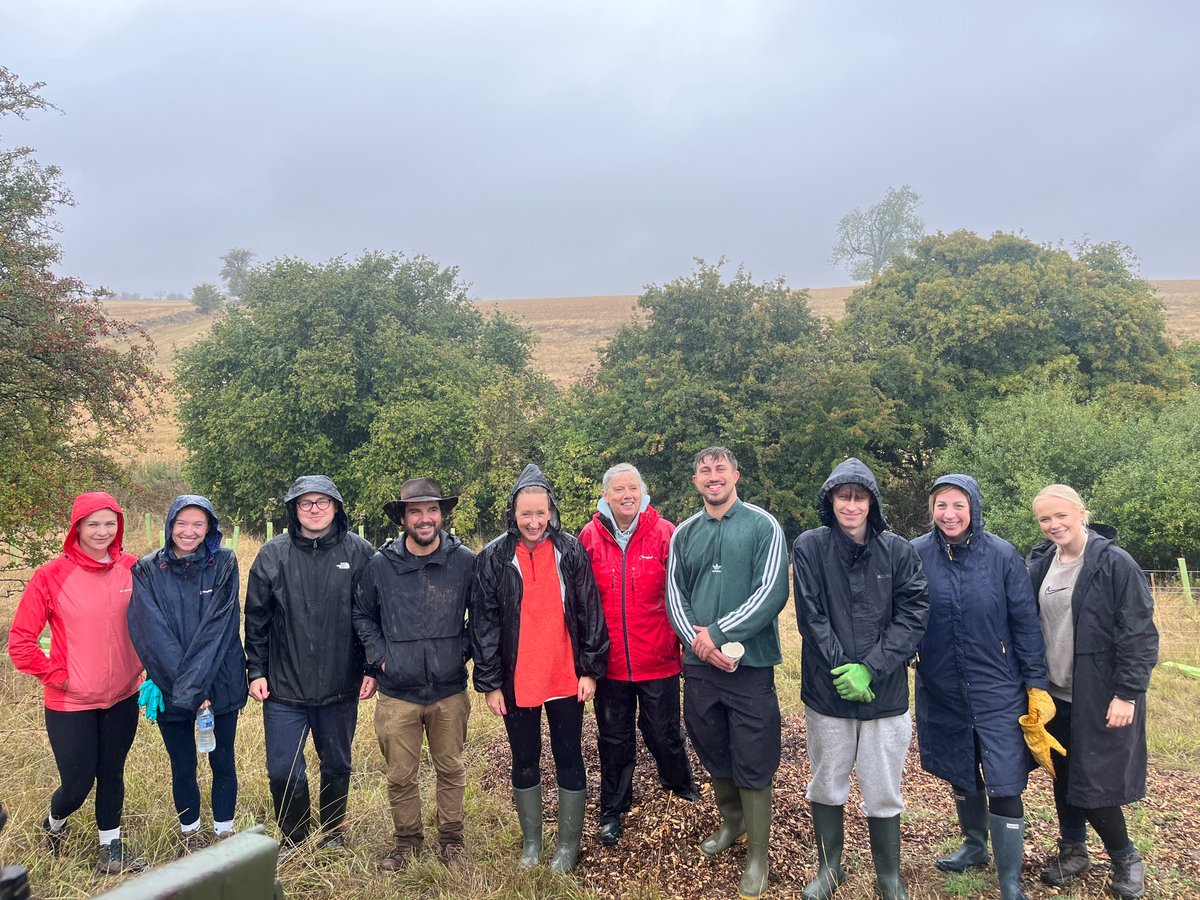
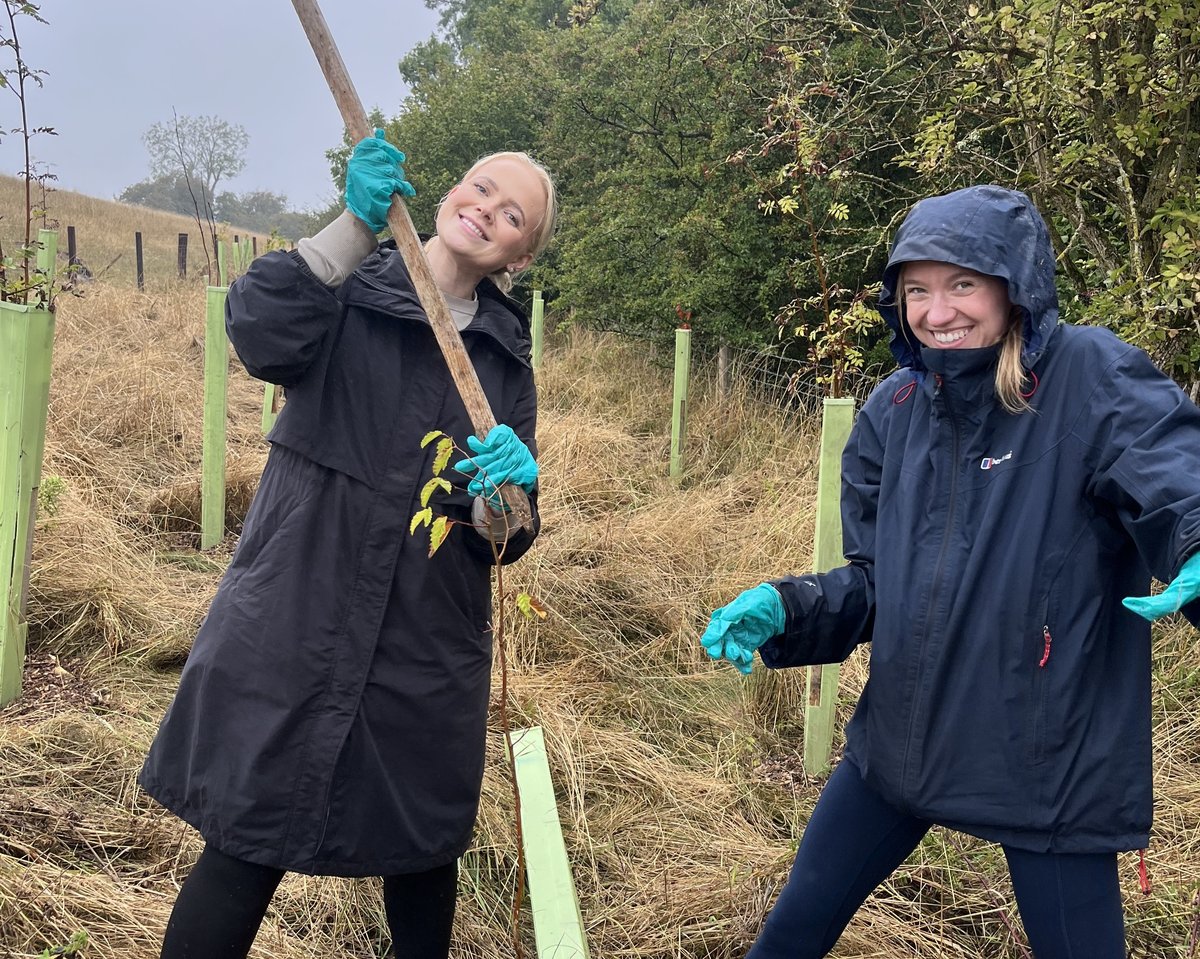
Volunteers came from landowner’s son’s company, Capsule Cover, based in Cheltenham, who were keen to be involved in this event. We planted lots of species with berries which are eaten by winter thrushes, while in summer, bullfinches and linnets will use them as nesting habitat.

  • Tree Planting
  • 500 trees planted

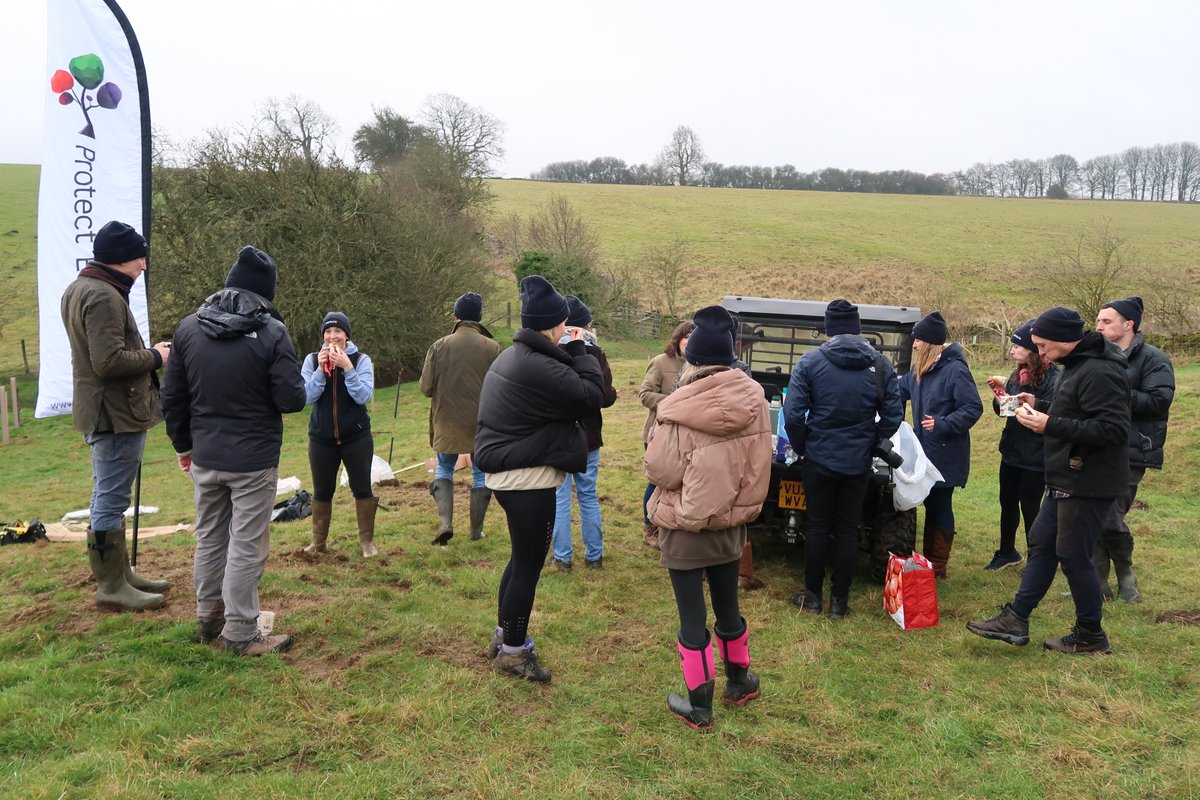
On a cold, rather overcast January day, we arrived at this sheep farm near Hawling to plant 500 trees on their land, in part to replace the Ash trees they had lost to ash dieback disease. Carefully avoiding some historic quarry sites, we planted a mix of native broadleaved trees including some hornbeam which serve the same wildlife as the ash had done previously.

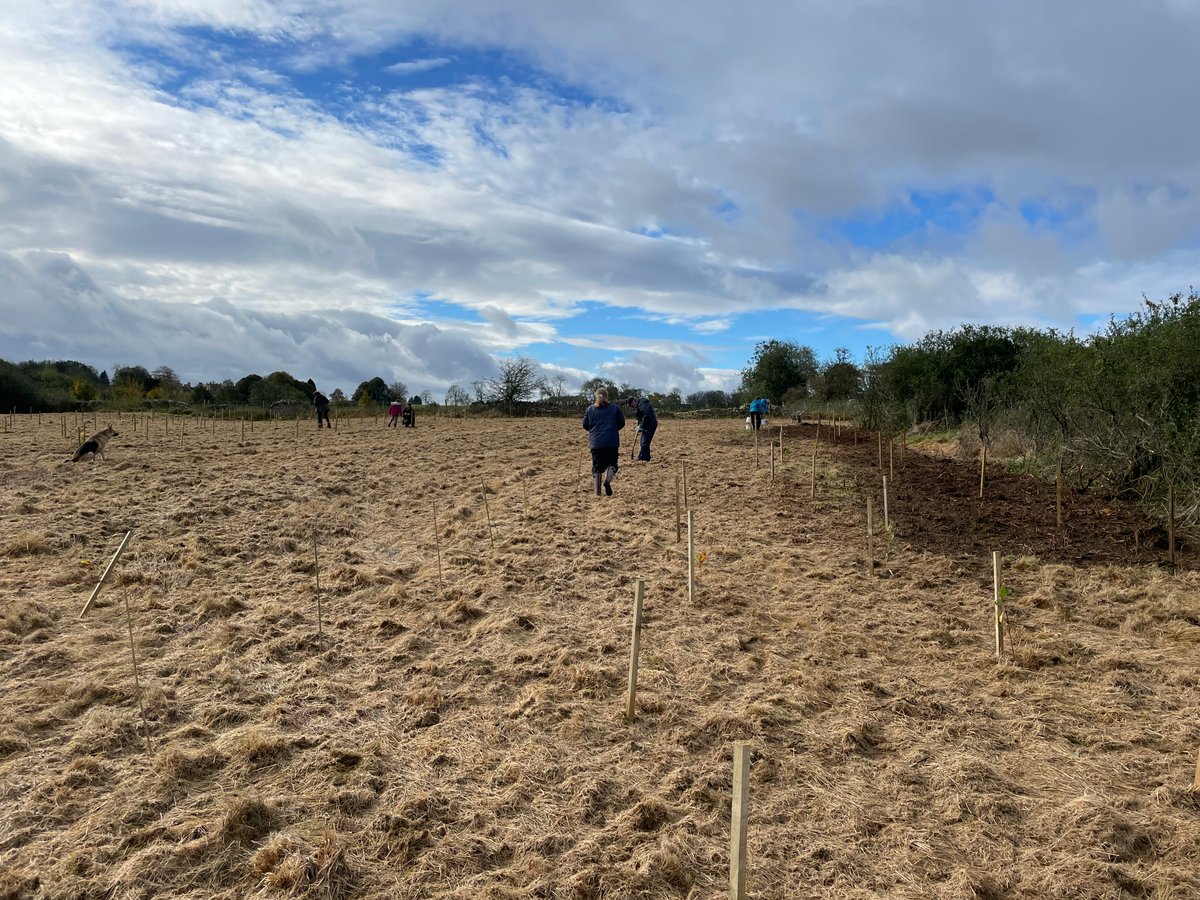
The planting here was great fun. Half of the village came out to help, including neighbouring farmers. They cut back a huge patch of blackthorn to provide wood chip mulch, which we’ve spread around the saplings to keep back competition from the fast growing grass and weeds.

  • Tree Planting
  • 316 trees planted

This farmer was very keen to plant trees on an unused field, but we had to be careful because there was an an archaeological site, and some underground electric cables running across the field. Once we were satisfied that we knew exactly where everything was we were able to mark out where the trees had to go.

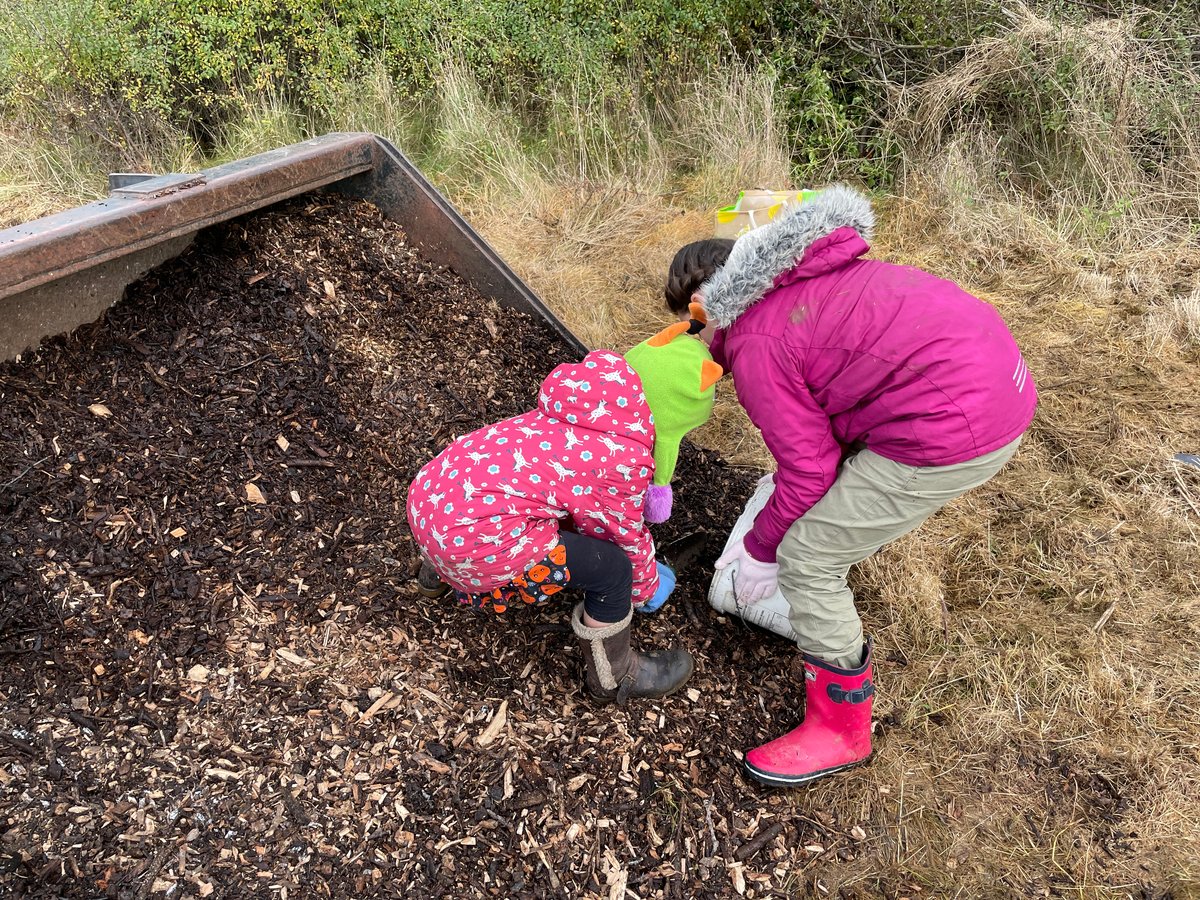
This was our first planting of the season and we were raring to go. Fortunately, our volunteers were enthusiastic too, especially our younger volunteers, who had a wonderful time. Involving children in planting trees hopefully teaches them about about the importance of caring for our planet in a practical way. Their parents were already leading them in the right direction, of course, as most of our volunteers are very environmentally friendly.

We had a relatively small number of trees to plant so, along with the stakes and guards, we were able to complete the job in no time. Adding wood chippings provided by the farmer will help to keep the grass and weeds down, giving the young saplings an excellent chance of survival.

Site Location

Help Protect Earth - Take Action Now

Volunteer

Help us create and maintain new woodlands, hedgerows and wildflower meadows! We need volunteers to sow seeds, plant saplings, clear invasive plant species and pick up litter. No qualifications necessary; jobs for all ages and abilities. Come and turn climate anxiety into climate action!
Fund Our Work

With government funding for reforestation and rewilding tenuous, we increasingly rely on our amazing community to keep us growing regardless of political shifts. Help Protect Earth continue to restore ecosystems and improve biodiversity across the country.

Support the Land Fund

Help us put down roots! Your donations to our Land Fund let us seize the moment when the perfect piece of land comes up for sale. Every penny helps us secure community woodlands, healthier ecosystems, and a greener future for generations to come.