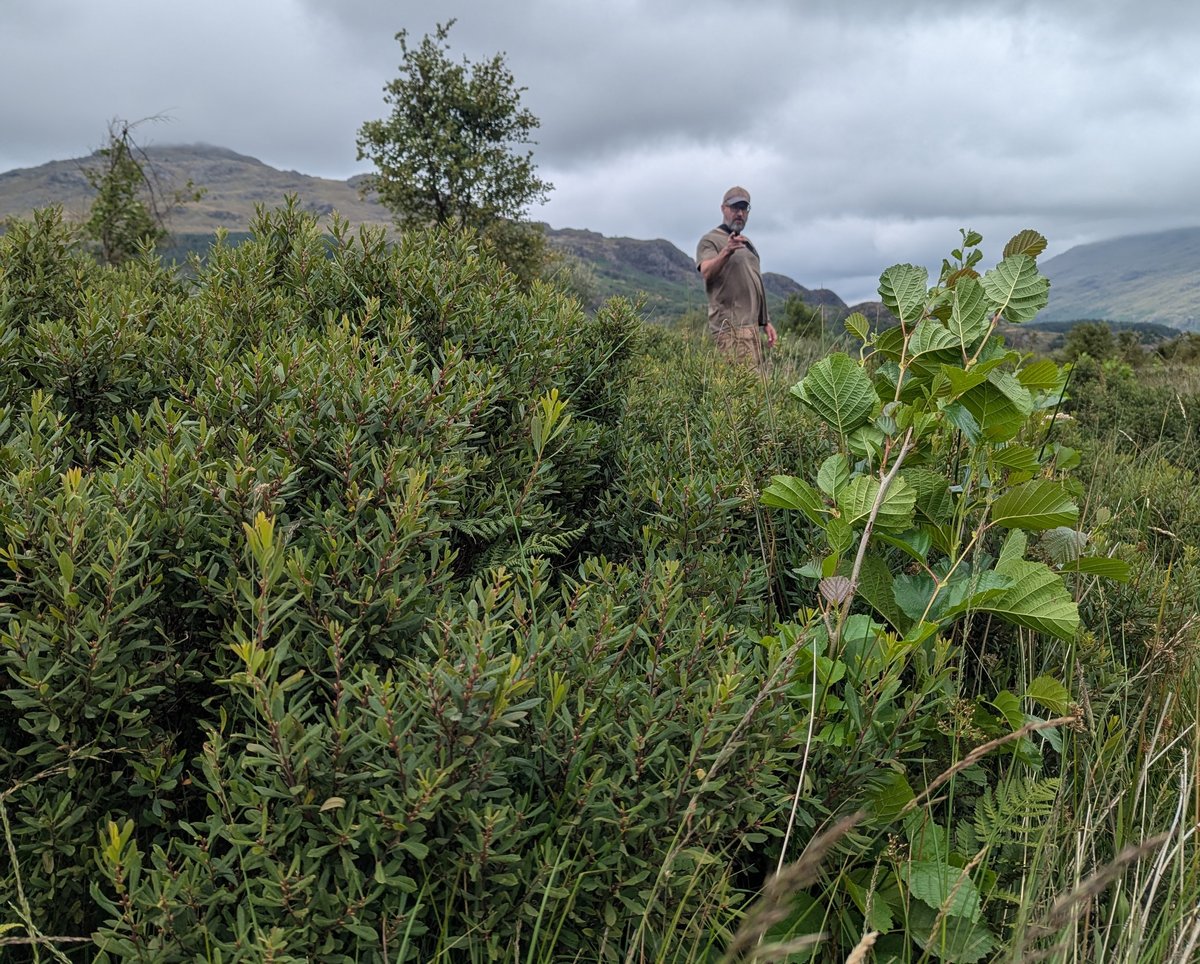


As this is such a large site, we needed a guided site tour with John, the Upper Duddon Landscape Recovery Volunteering and Engagement Manager.
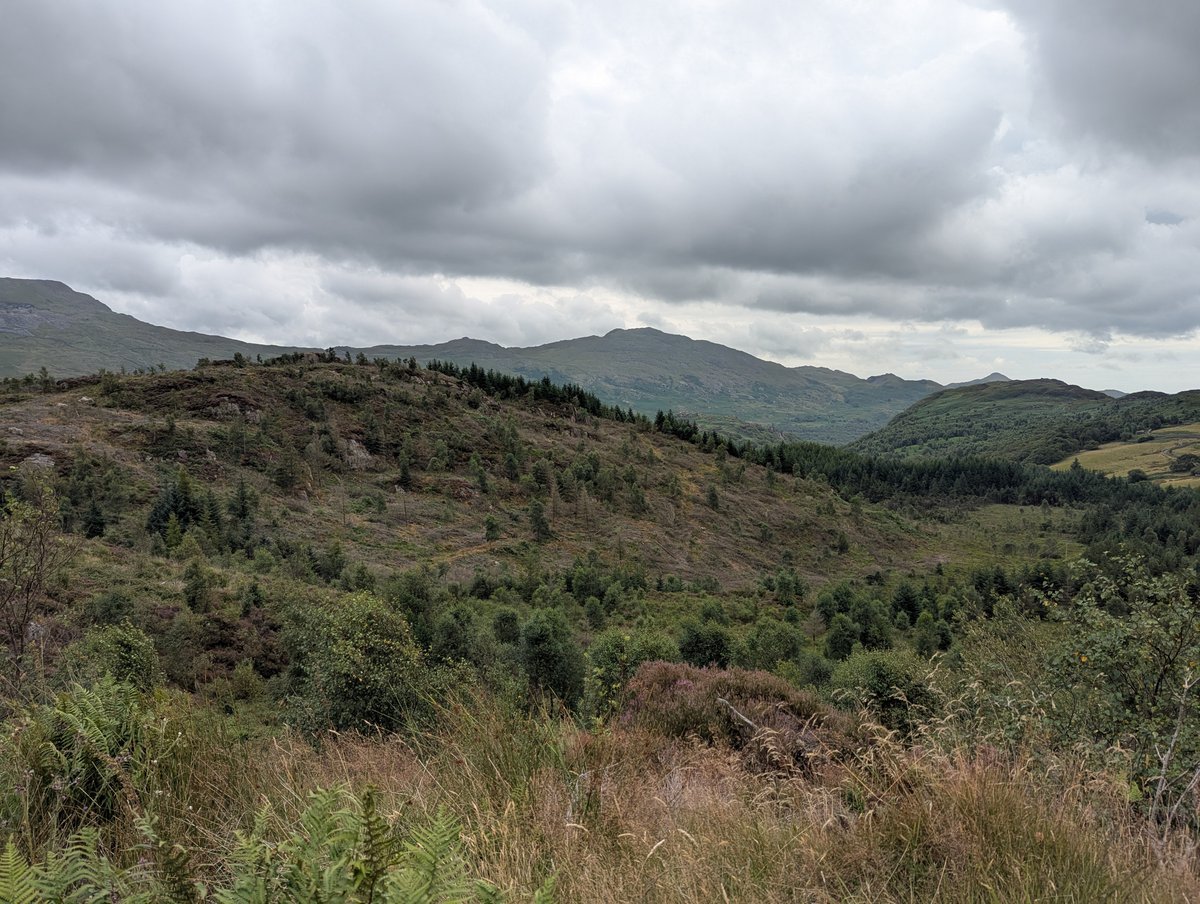
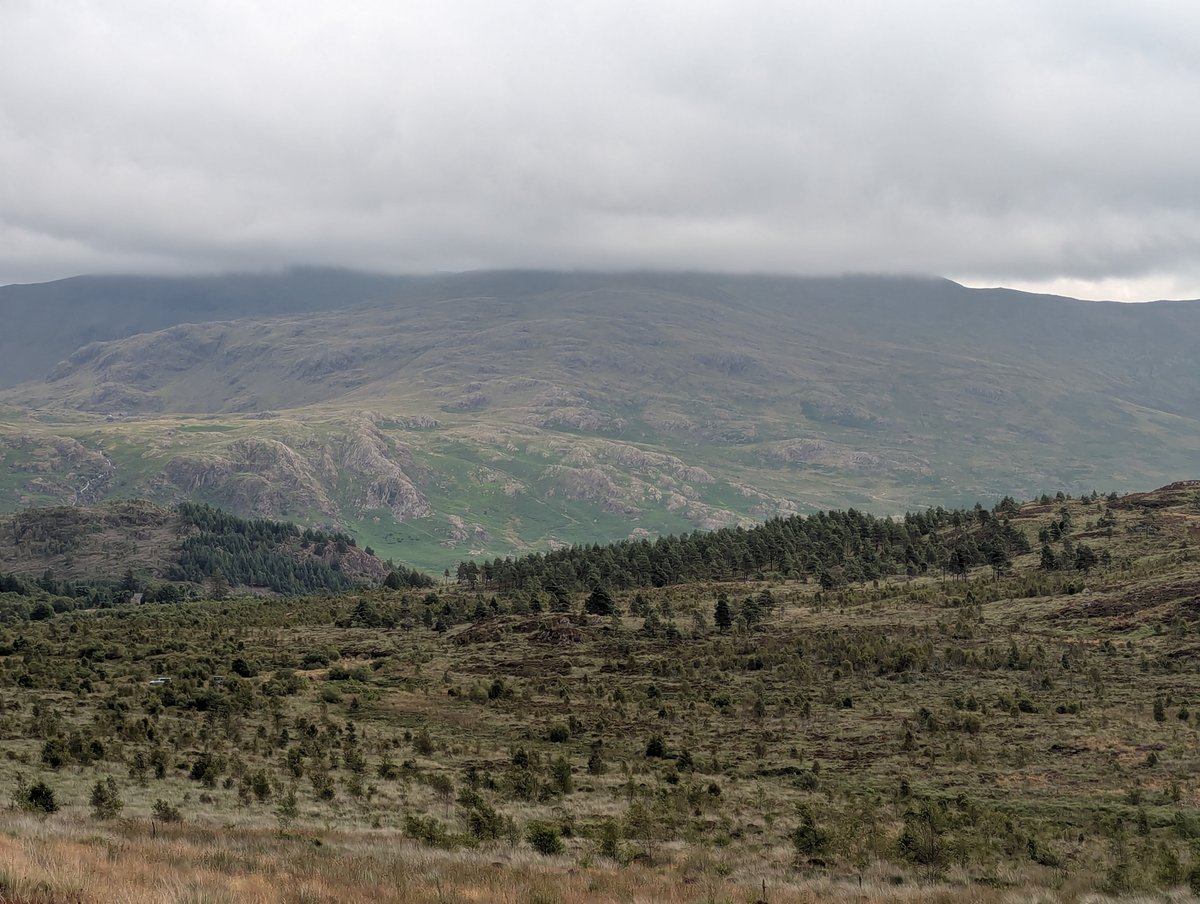
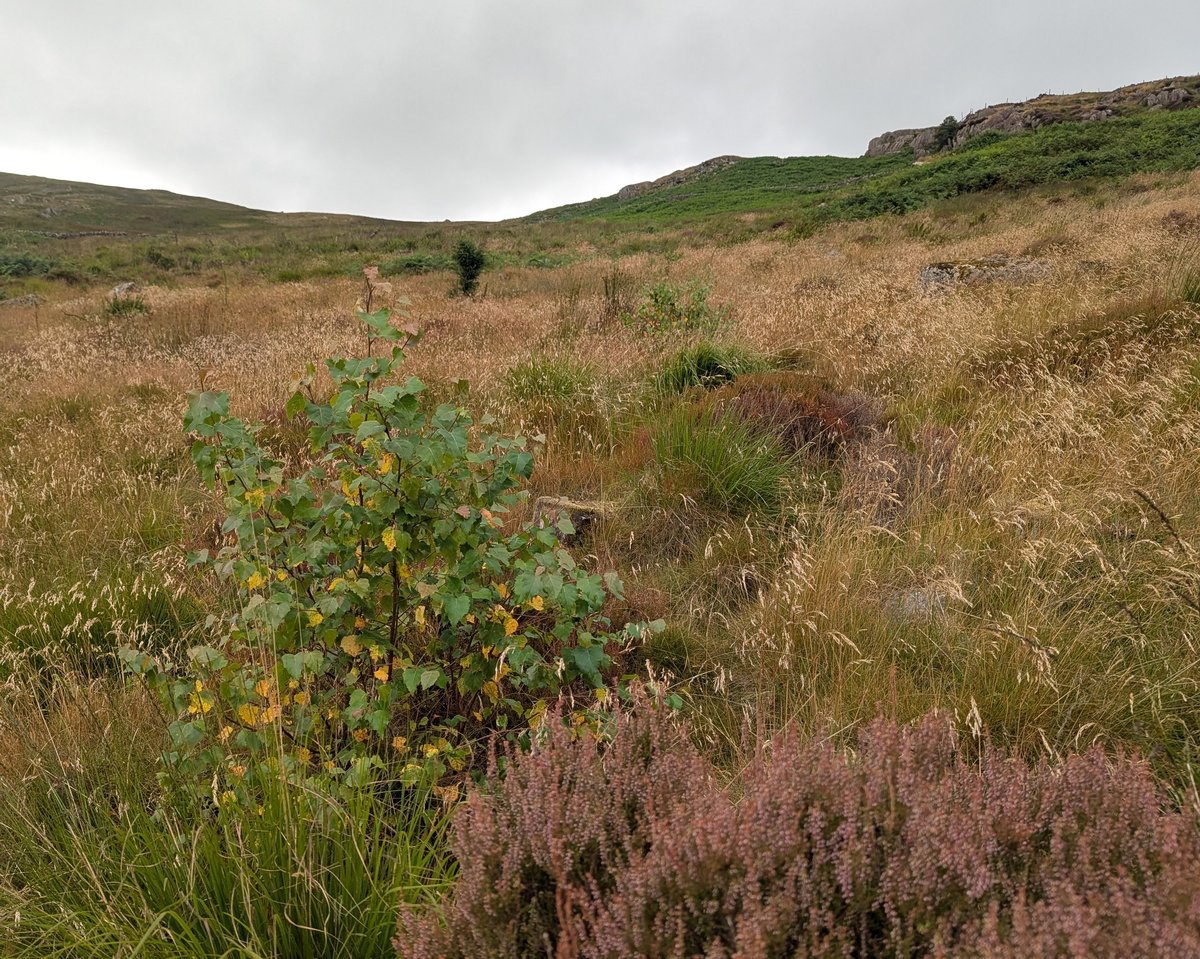
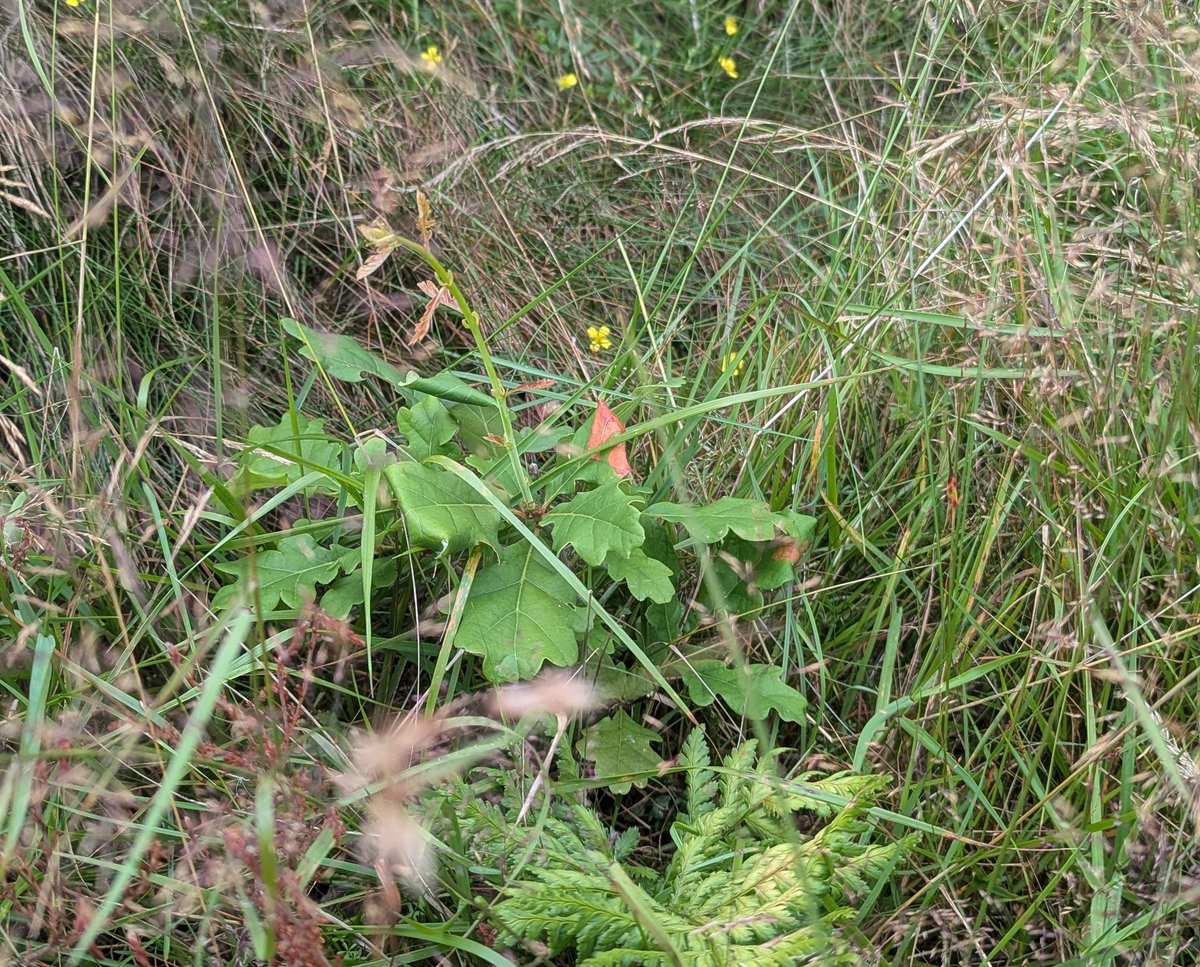
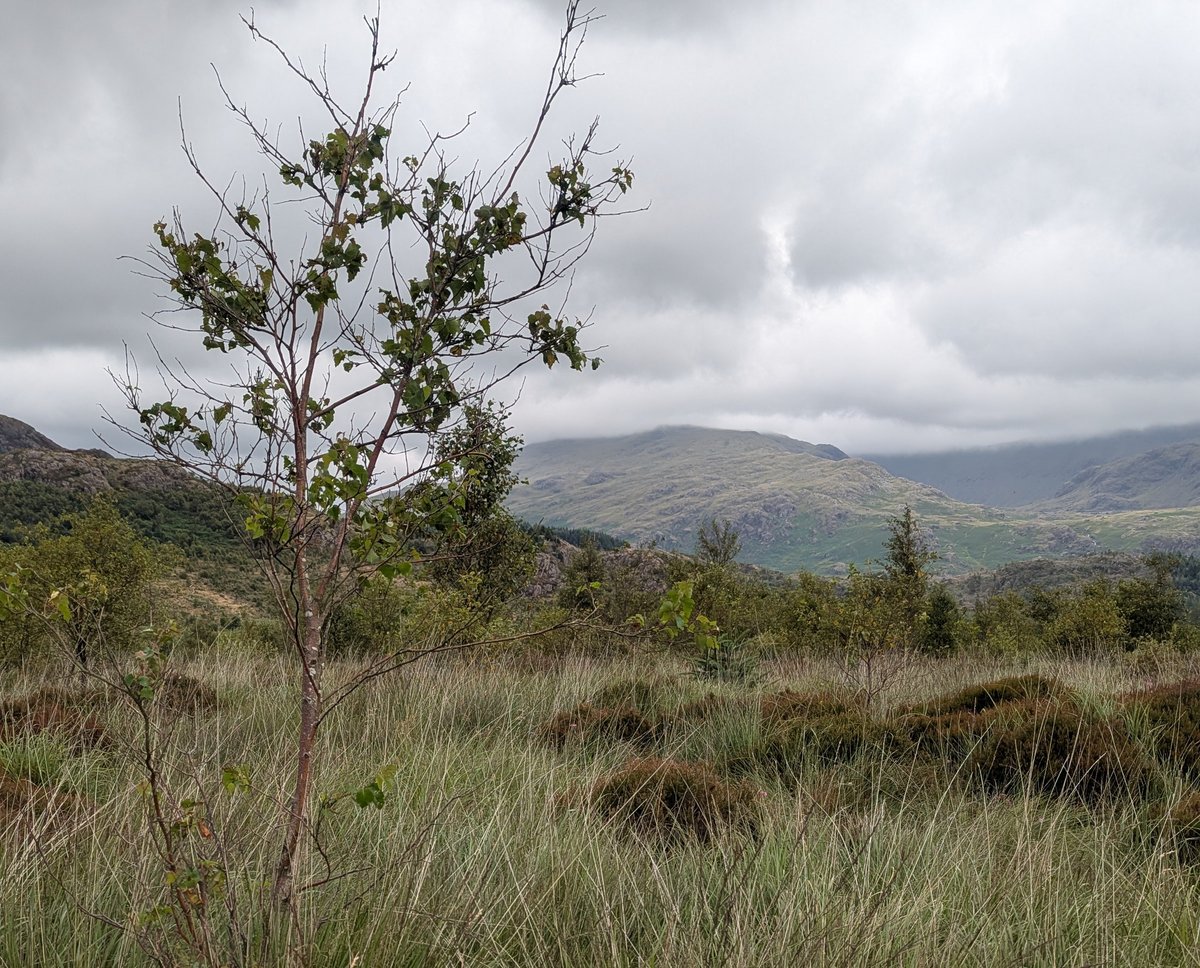
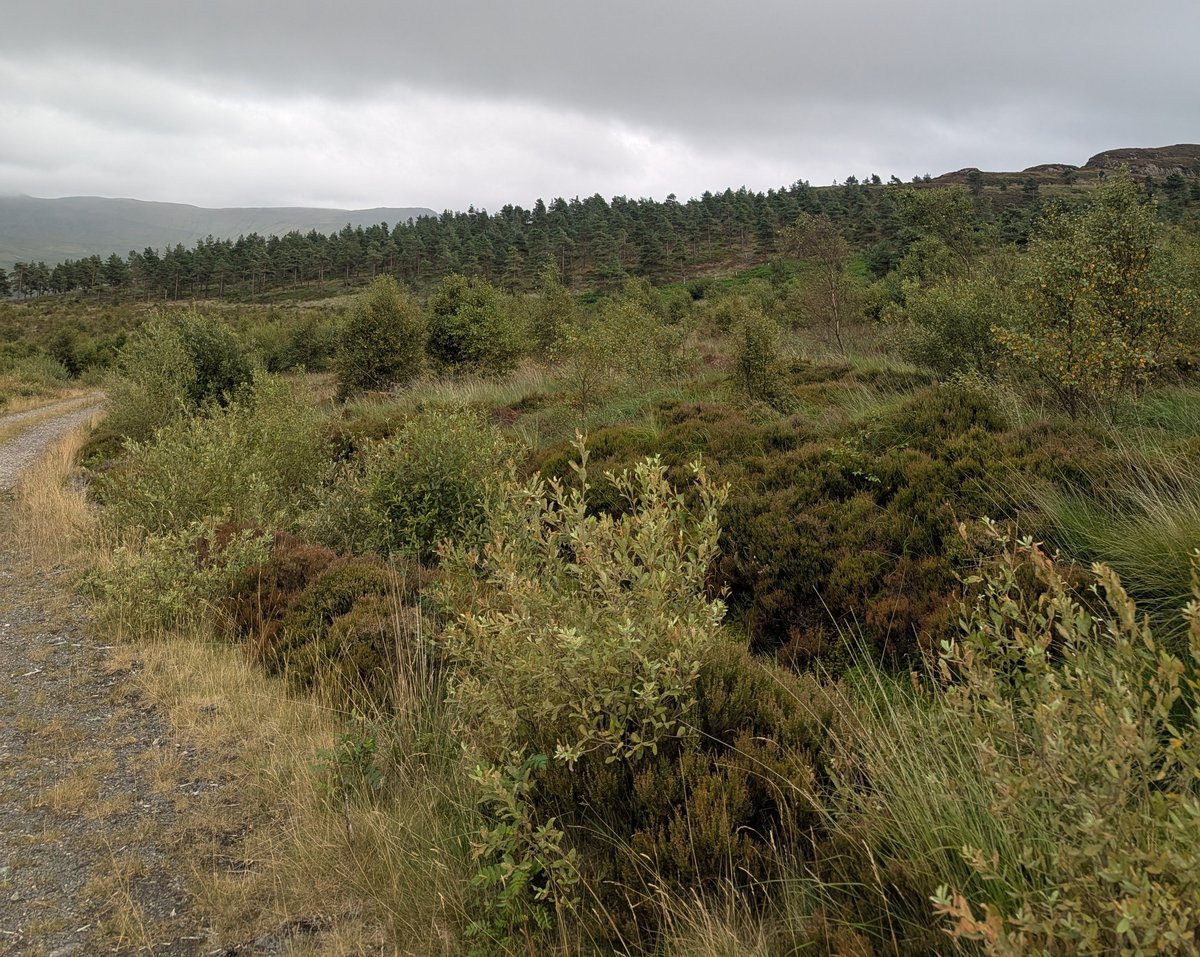
Driving up to the site, we gained a sweeping view of the old conifer plantation areas felled back in 2014. The sheer scale of the felling is remarkable. Natural regeneration of oak, birch, and Scots pine is already clearly visible across the landscape. We were pleased to hear some impressive statistics from the research conducted on site - natural regeneration is yielding around 3,000 stems/ha, compared to a typical planting plan density of 1,200 stems/ha. From our vantage point John pointed out the plans for the planting of the neighbouring land parcels - sheep-free areas at high altitude that will be planted with shrubby willow, juniper and oaks and rowan to extend the tree line.
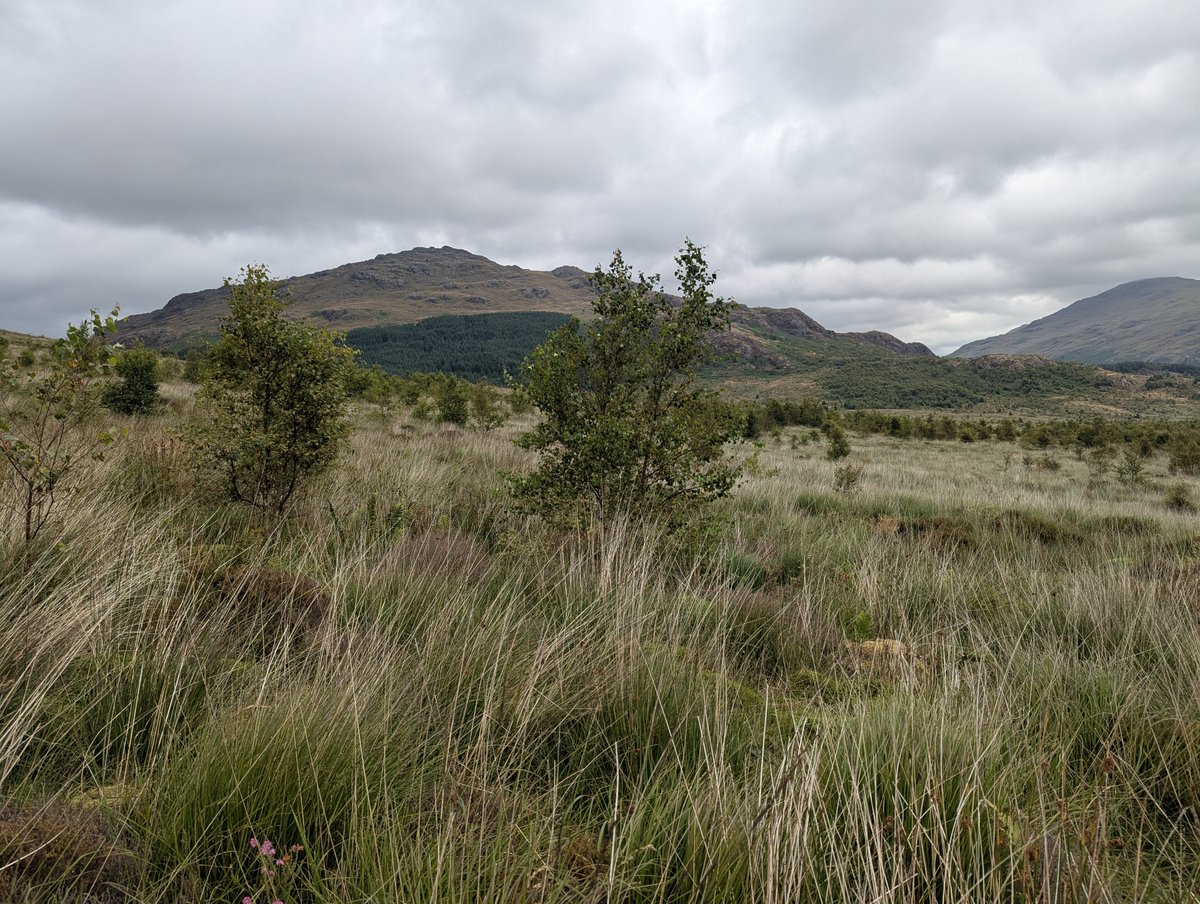
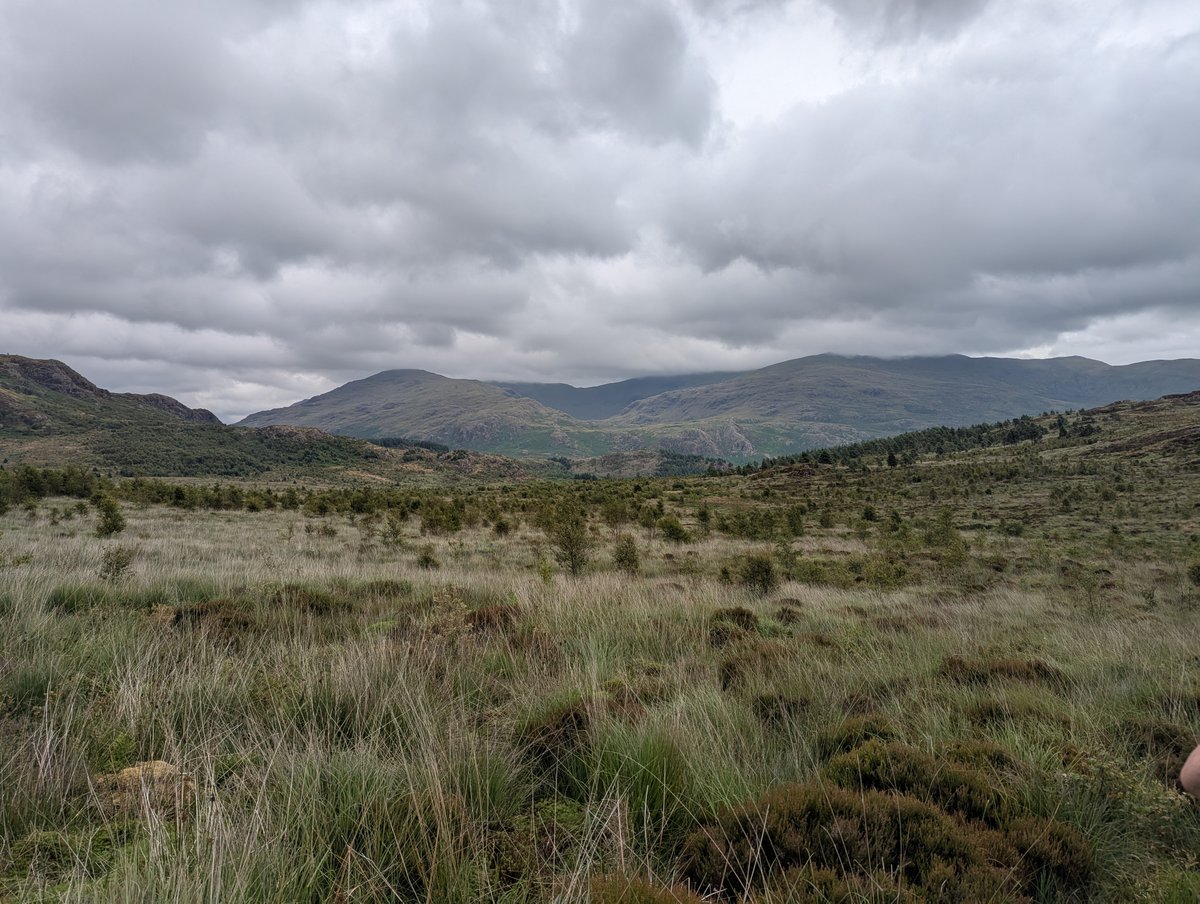
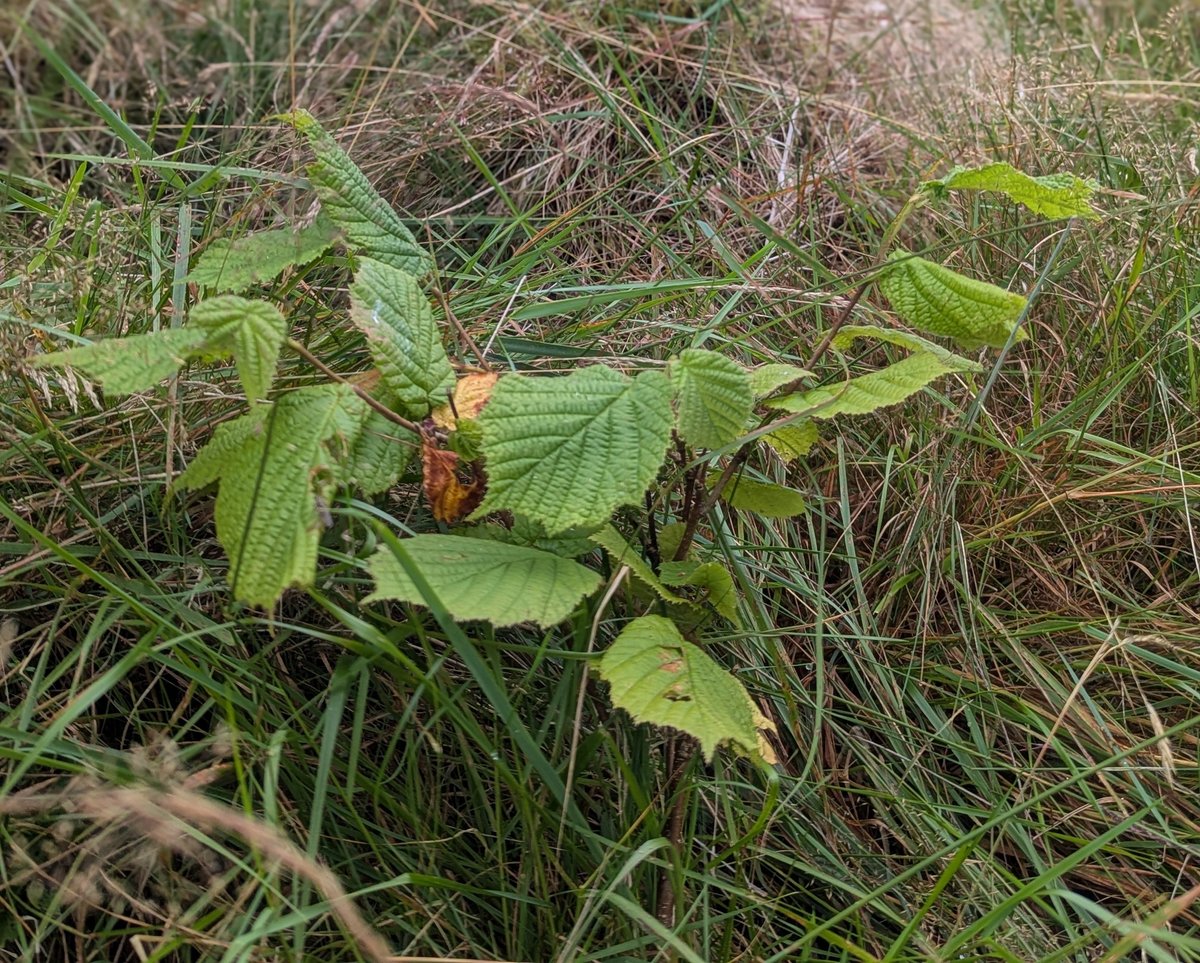
Further out, at the farthest section of Protect Earth’s planting, John noted the dramatic impact of removing sheep from the landscape. This area had previously been grazed by around 80 to 85 sheep, but in just a few years without livestock, self-seeding trees and heather have surged back. Healthy hazels lined the ditches but deer browsing remains an ongoing challenge for saplings without protective guards, and those self-seeded through natural regeneration. Two stalkers currently manage deer populations on site, with a third coming on board shortly.
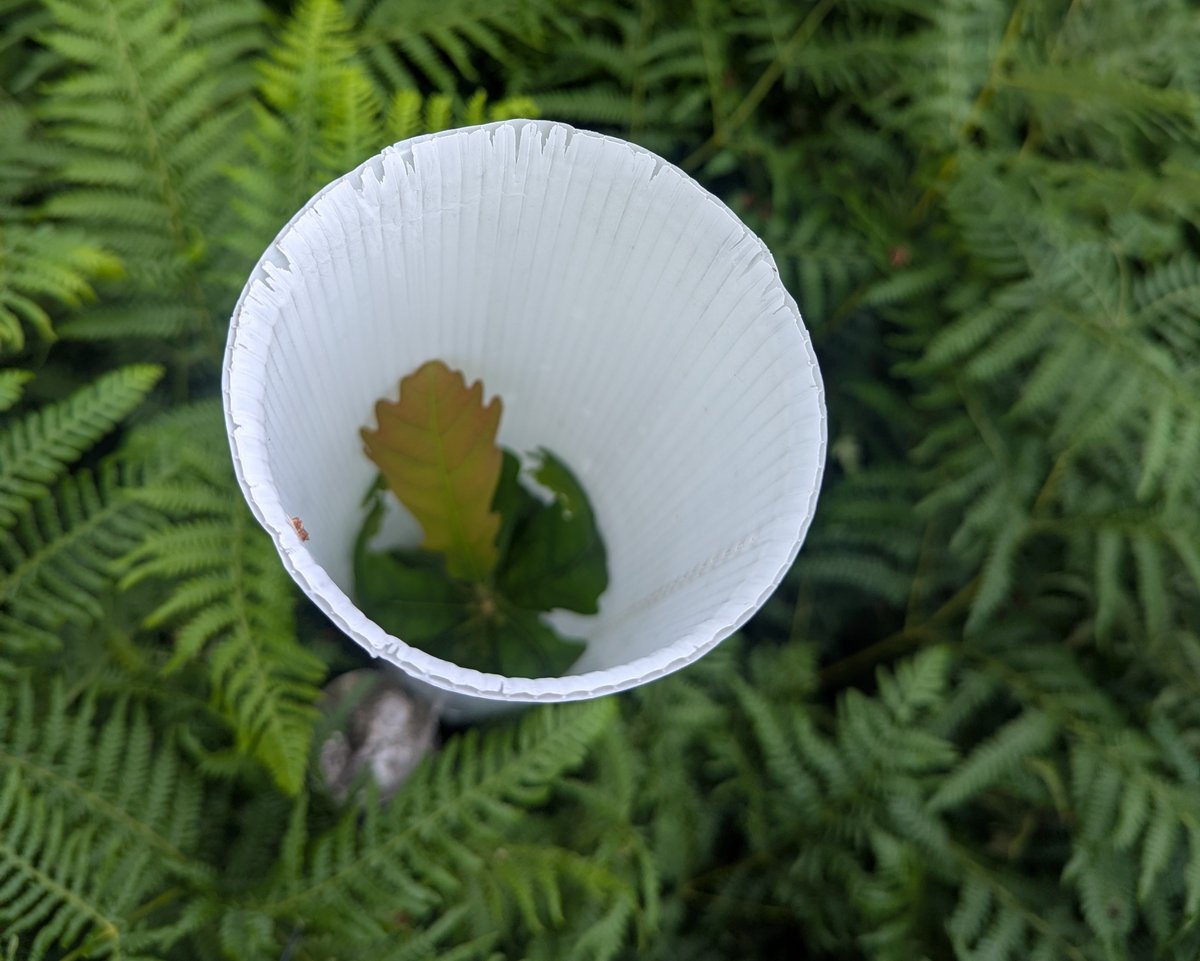
We passed lots of thriving heather and bilberry, and waded through head-height ferns, stopping to inspect the saplings planted in tubes within the bracken. Fortunately the tubes make locating and monitoring trees far easier here.
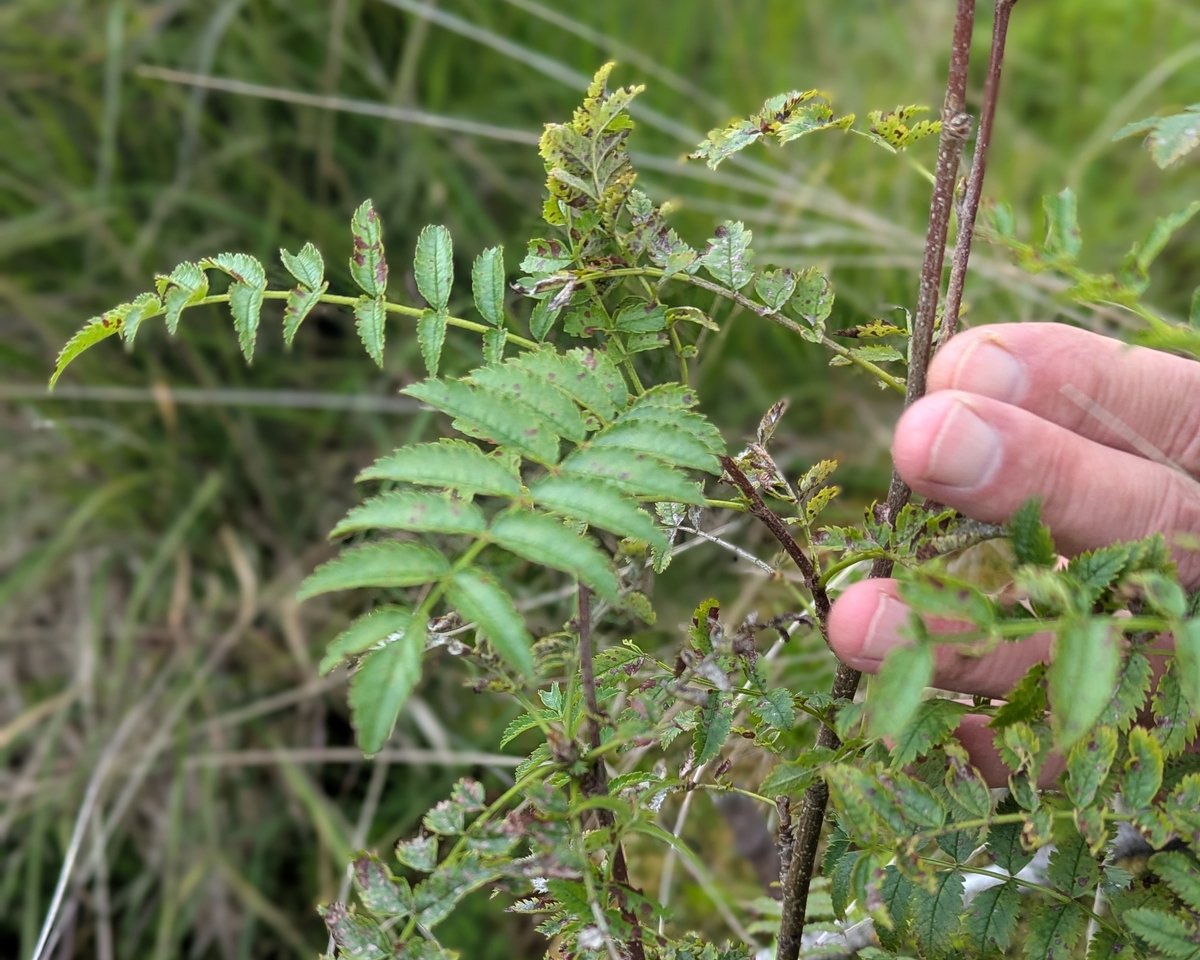
The second Protect Earth planting site is nestled within a thinned conifer block revealed abundant self-seeded rowan and oak beneath the canopy. Spotting the saplings felt like a treasure hunt amidst the surrounding ground vegetation. but we found many of our hazels showing excellent progress. Juniper and hawthorn were harder to find.
Hardknott Forest management had recently reintroduced pine martens, so we rounded off the visit by checking a nearby trail camera.
This exciting project is so huge that they only plan one to two years ahead. As natural regeneration is doing so well they may not need to plant any more trees, for now they are waiting to see what happens. There are 17 people involved in the project who are able to host volunteer days, weekend work trips, and visiting schools and college groups.