
Success Stories

Autumn has arrived, a promise of relief from the relentless heat of summer. We’ve suffered this summer. Rolling heatwaves broke temperature records, yet again. The number of wildfires beat the previous record set in 2025. Wildlife rescue organisations have struggled to keep up with the calls, and we’ve witnessed the death of ancient trees like Major Oak. More than 2700 deaths have been linked to the heatwaves. This has been tough for us all, human, animal, plant and fungi. The satellite images from the summer look like a country undergoing desertification. And yet, there are pockets of green standing strong against the rolling tides of heat - here at Protect Earth, we’ve seen a story of hope and thriving arise in the midst of the sear, brown land.
Up in the northwest, devastated by the wildfires that raged across Cumbria, a verdant valley holds a lake, surrounded by mountains. A sloping face is covered in bracken, nursing gently the striving saplings, reaching outwards and upwards. Their roots and the soil that nourishes them are protected from the harsh sun by the sheltering bracken. The leaves are green and healthy, thriving even in the heatwaves.
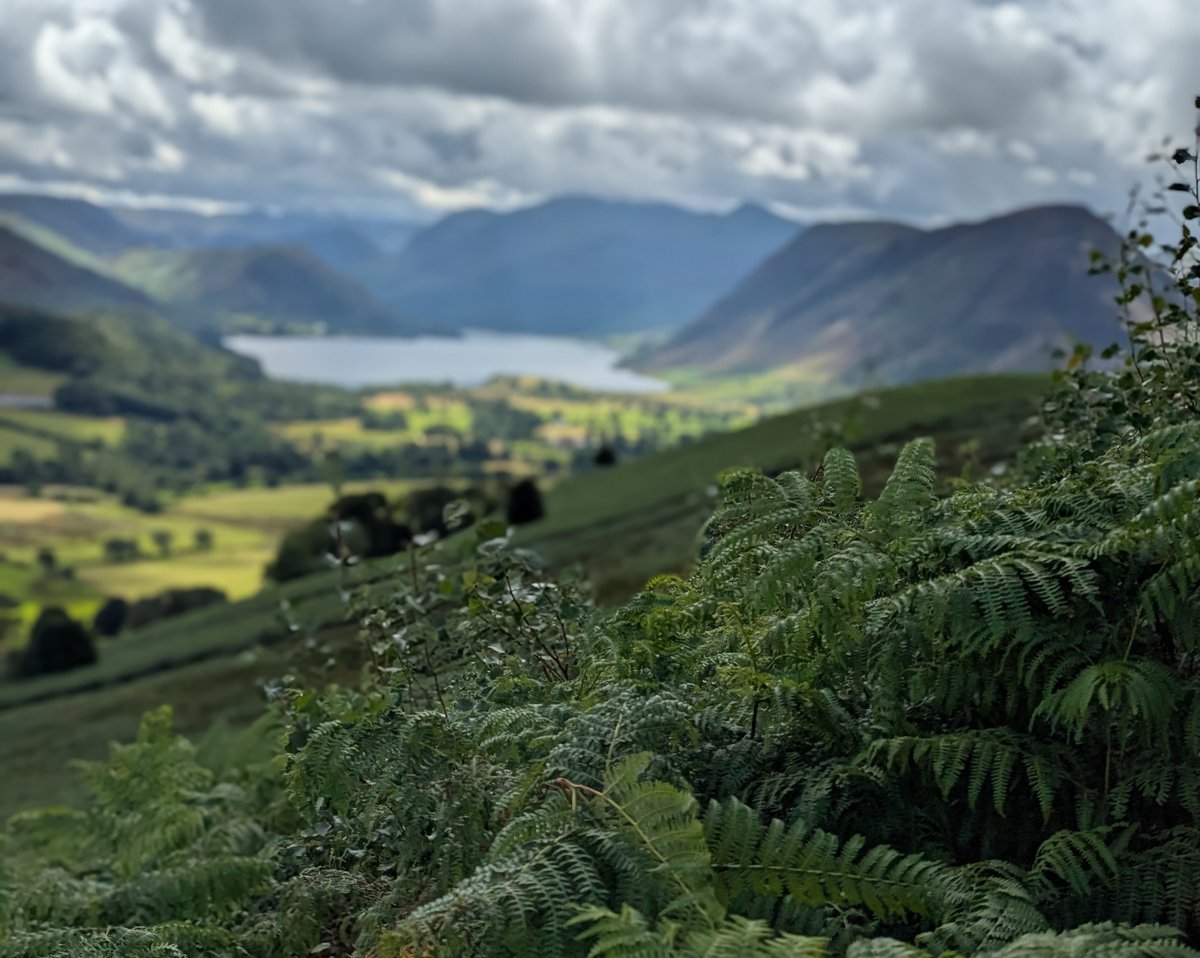
This is Low Fell. Initially planted in November 2024, the trees are in a prime age to be killed off by the extreme weather. And yet, the survival rate is high. We planted 10,000 trees there, to add to another 140,000 - a truly landscape scale change being wrought. The key to success here? The bracken. Often we find ourselves fighting bracken, but here it has created the perfect nursery for this future woodland. It shields the young trees from the extreme weather, and protects them from grazing deer. When autumn rolls around and the bracken dies back, it creates a mulch, feeding nutrients into the soil, and keeping the soil moist and drained.
We see high survival rates across most of our sites this year. Of the 40 sites surveyed, 25 of them were 75% and above survival rates, and 32 of them were over 60%. For such an inhospitable summer, these are incredible numbers, and something the team is celebrating.
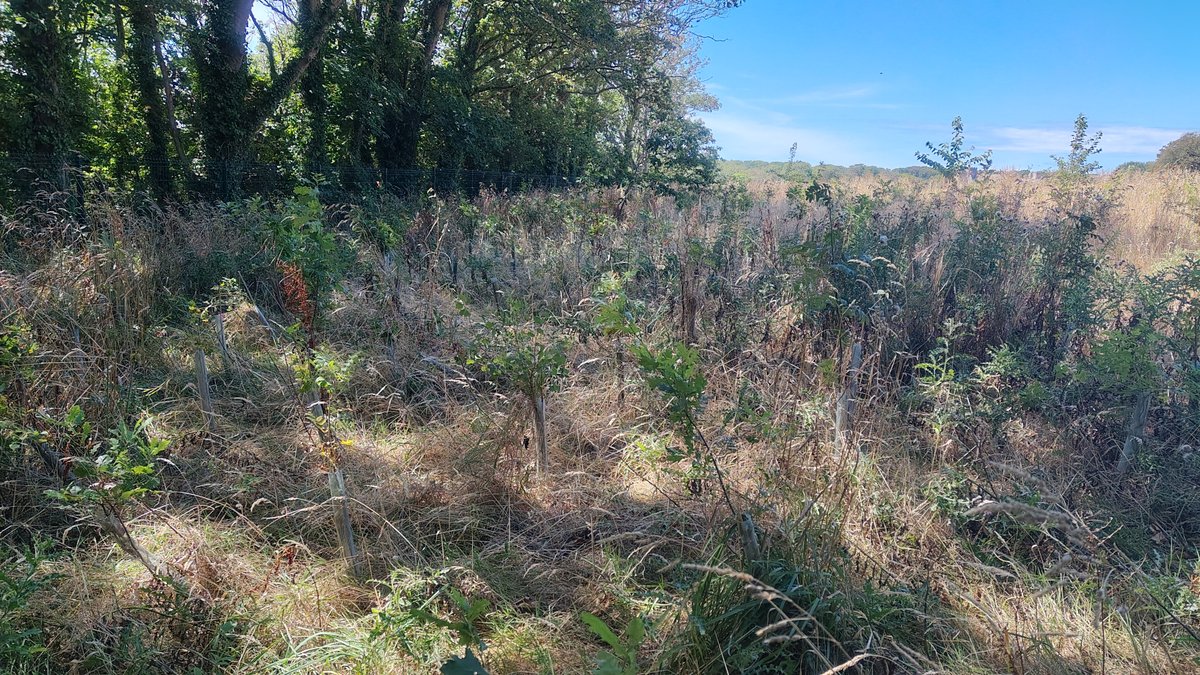
In southeast Wales, standing over the Bristol channel, St Donat’s Castle has an 83% survival rate. It was planted in February of 2024, using the Miyawaki ‘mini-forest’ technique, with a mix of resilient, native trees and shrubs. The mix of plants and technique has been a total success, without any replanting, and the survival rate is well above average. Amongst the dry, brown grass, the trees are getting away, and promising a shady and cool environment in the future.
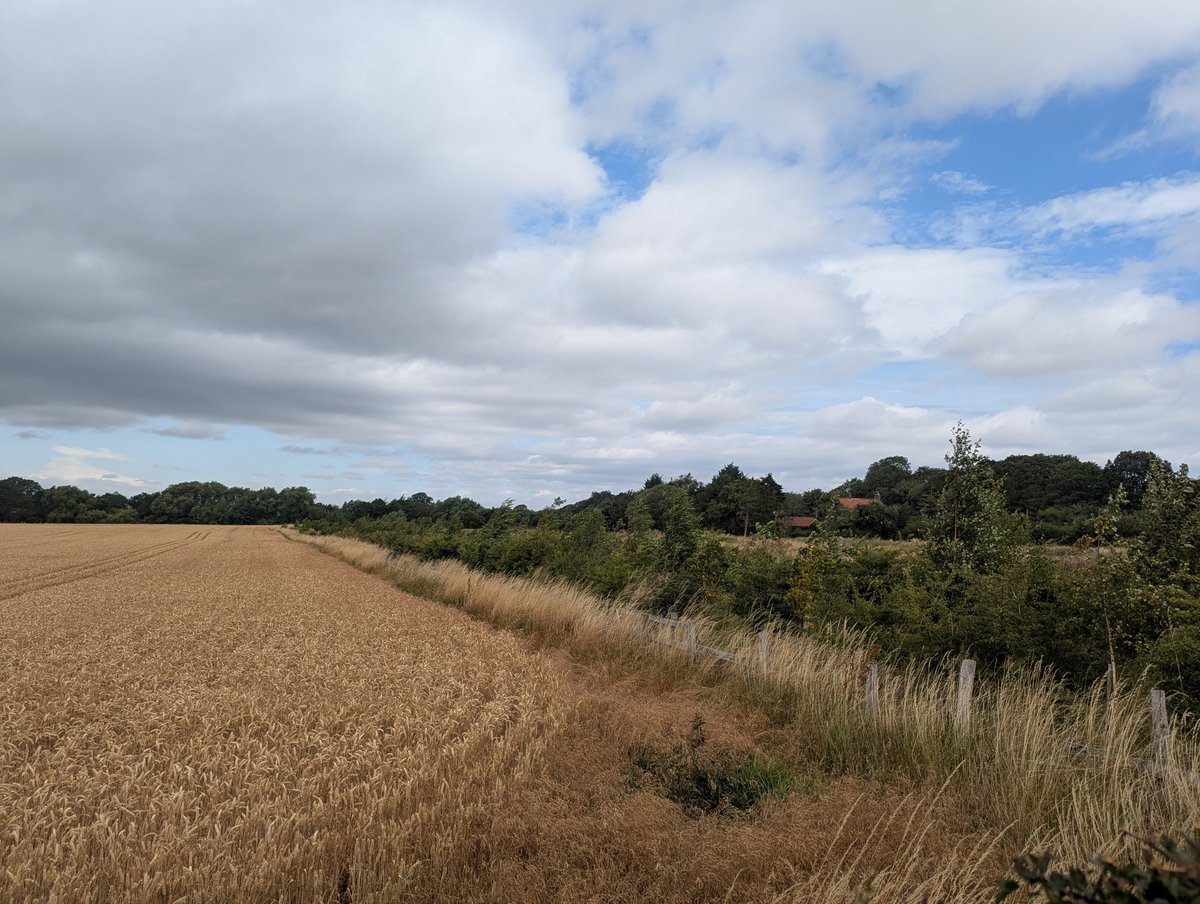
And then across in Yorkshire, one of the worst hit regions this year, we have Howard Court. It is one of our earliest plantings, done way back in early 2021. It was planted as a shelterbelt to protect from the harsh North Sea winds, and to provide a woodland corridor for birds, insects and mammals to move along. With a small restock in 2024, the survival rate stands around 81% - again, way above average for a planting site, particularly in the worst-hit area for extreme summer weather in the country, year on year.
Despite the doom and gloom that this summer has brought us, nature can survive, it can even thrive under these harsh conditions. A lot of thought, preparation and work goes into the planning and maintenance of our plantings. We look at each site, what is needed, what would work. We think about the mix of trees and shrubs, the style of planting and what pressures there are on the site. We mulch, woodchip, use mycorrhiza root dips and tree guards. We work with landowners and farmers to create something that will work for them, that they want to take care of. And after the planting, we don’t just walk away. The Protect Earth team, and our expanding community of volunteers visit, survey, carry out maintenance, remove guards, replace guards, restock, re-mulch and woodchip. We care for the life we have started, and so it thrives.
And so the future doesn’t look so bleak. Planting works. Rewilding works. Community based care and maintenance works. What we need is to do this at scale - to expand our work, and to help other individuals, groups and organisations to expand theirs too. We have the ability to help nurture a landscape that is resilient, vibrant, and full of life. You can be a part of this - by volunteering with us, sponsoring restoration work, or contributing to the Land Fund, to help protect more land for the future.
It can feel overwhelming in the face of what feels like insurmountable odds. But we can still make a difference, we can still create the conditions for life to thrive.