
Woodlea

Newbury, England

Woodlea

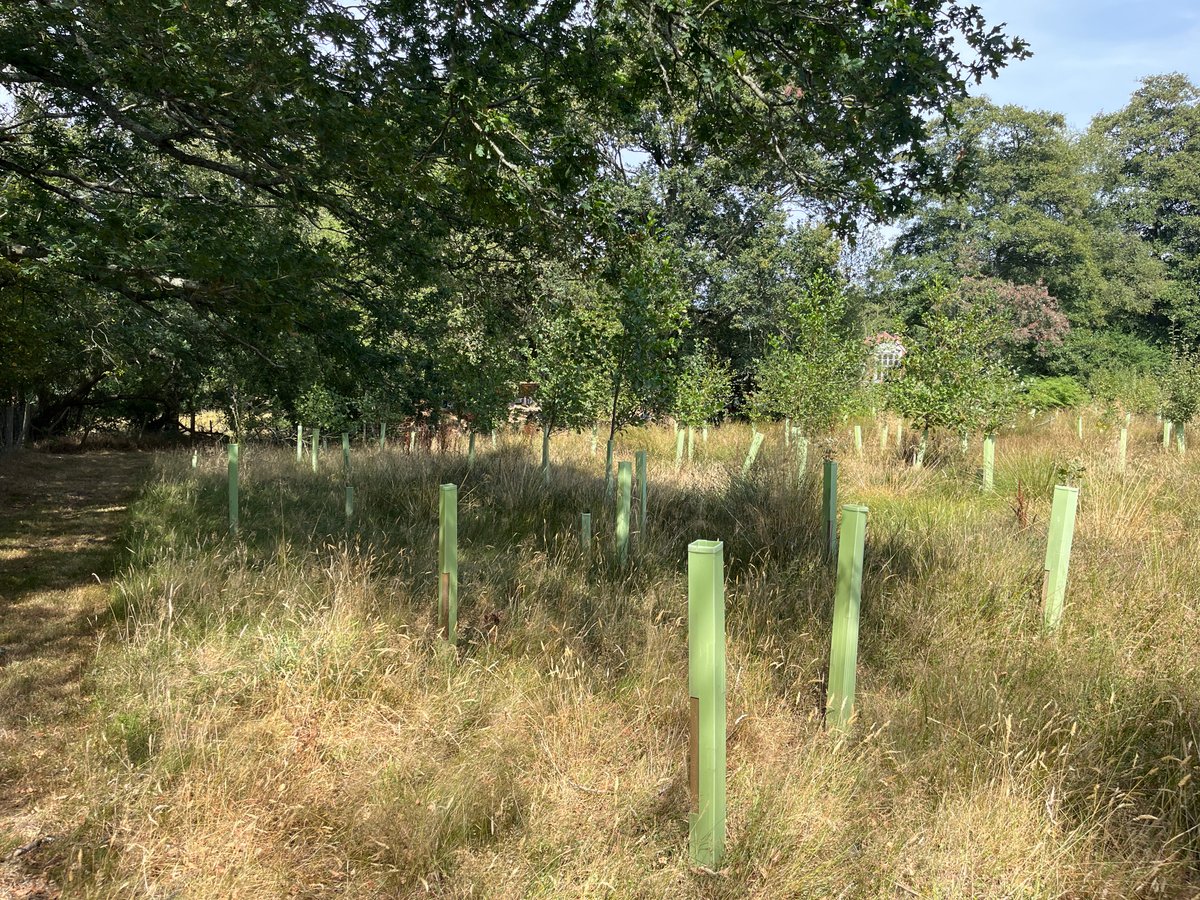
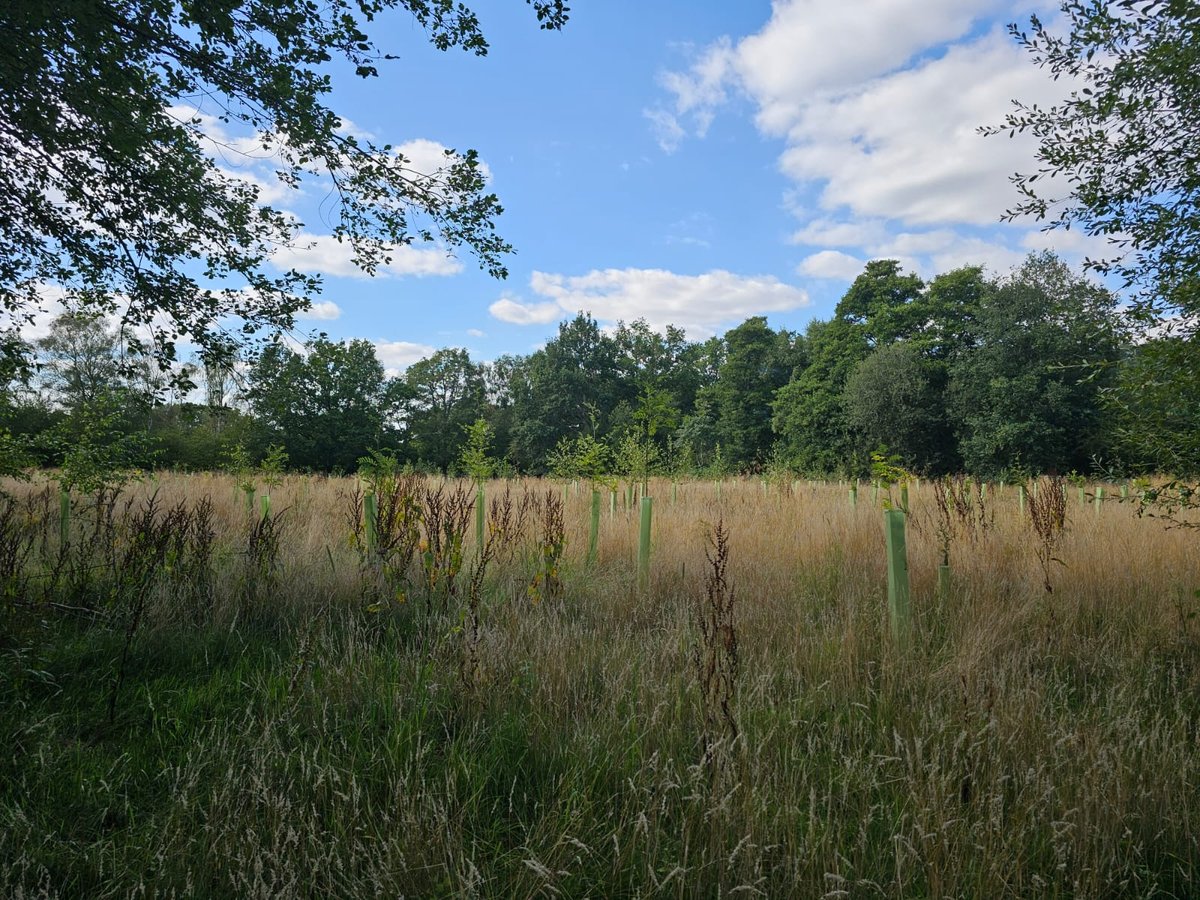
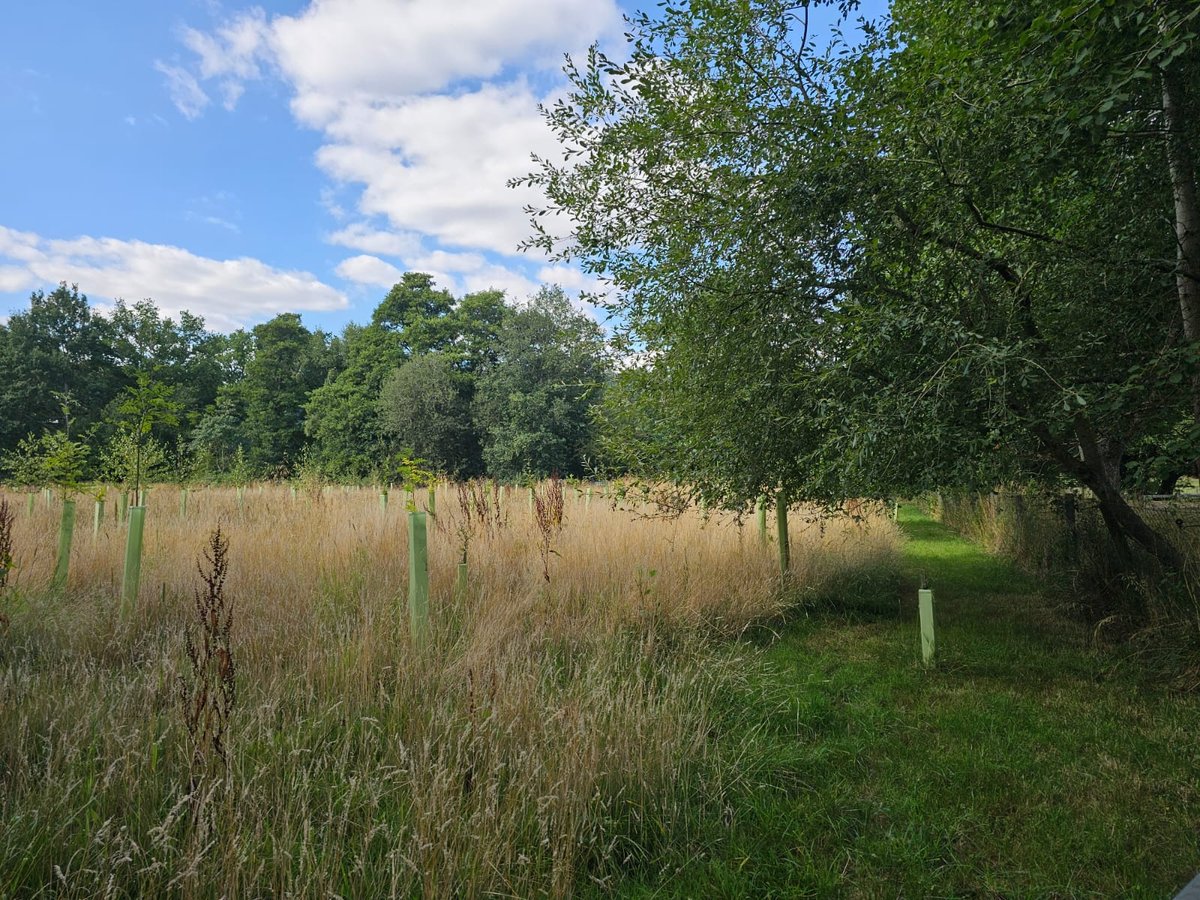
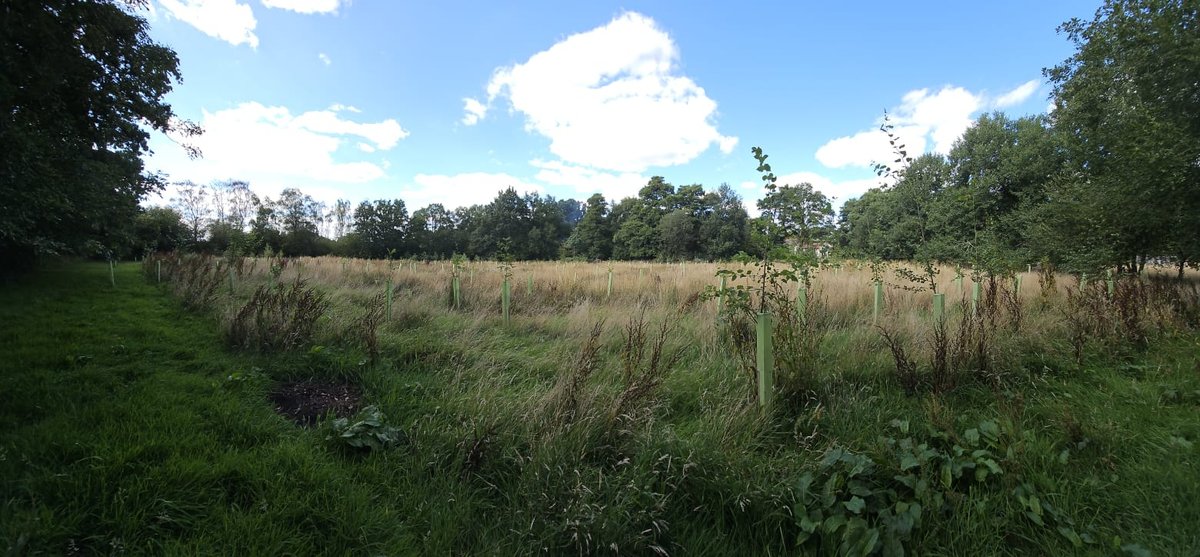
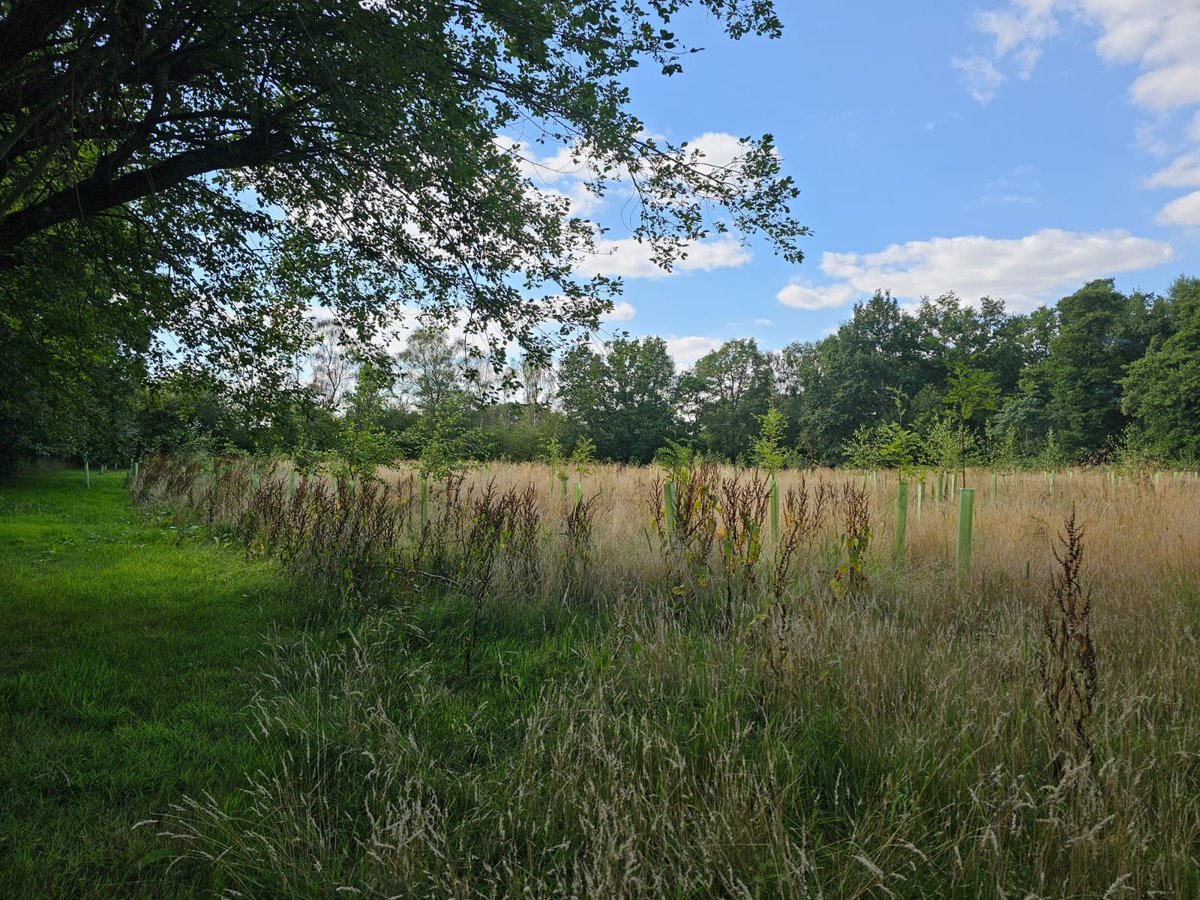
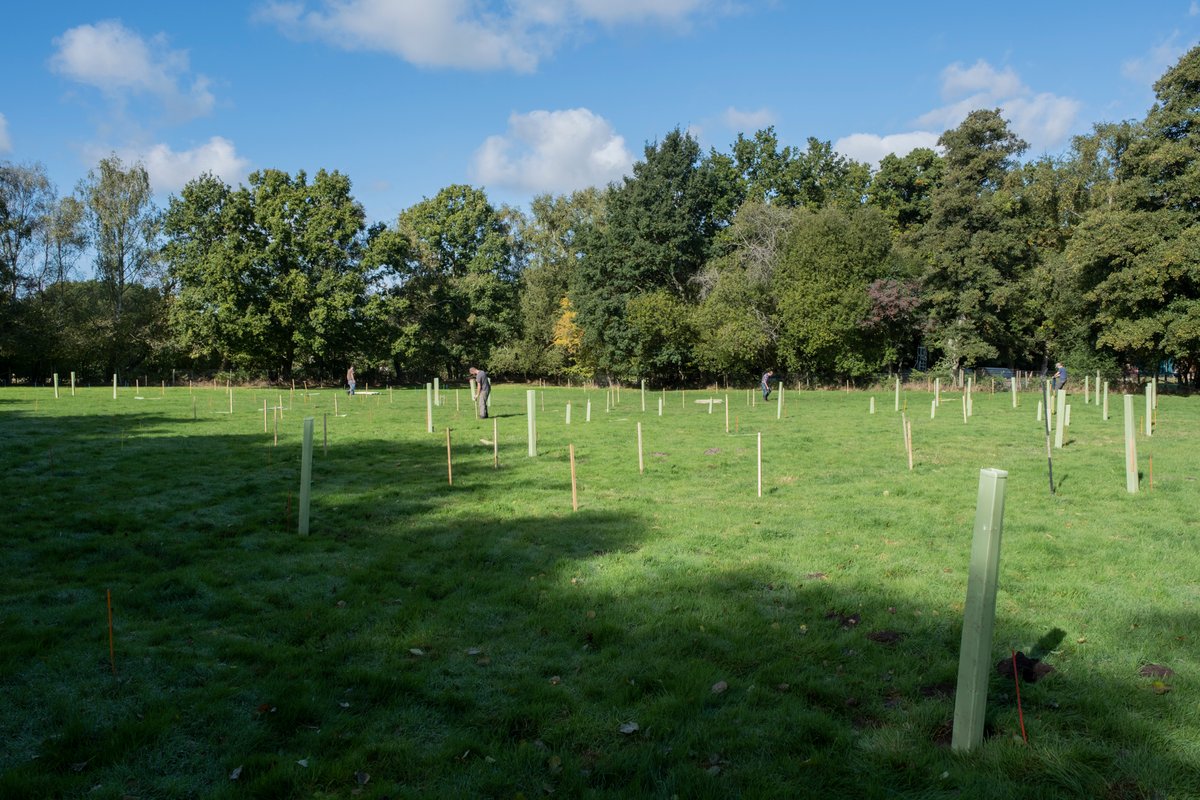
Woodlea is a site that is near and dear to us at Protect Earth. We’ve been back quite a few times now, making sure to cultivate and encourage the growth of our saplings as much as we can. Our first planting was back in October ‘22. We were lucky enough to have the weather on our side, and were able to get all 454 trees into the ground in quick fire succession. We went for an 80:20 ratio of trees to shrubs respectively, with trees roughly 3 meters apart. We did this so that we can also encourage some natural regeneration in the areas between our planting.

In partnership with

Site Updates

  • Survival Survey
  • 82% survival rate

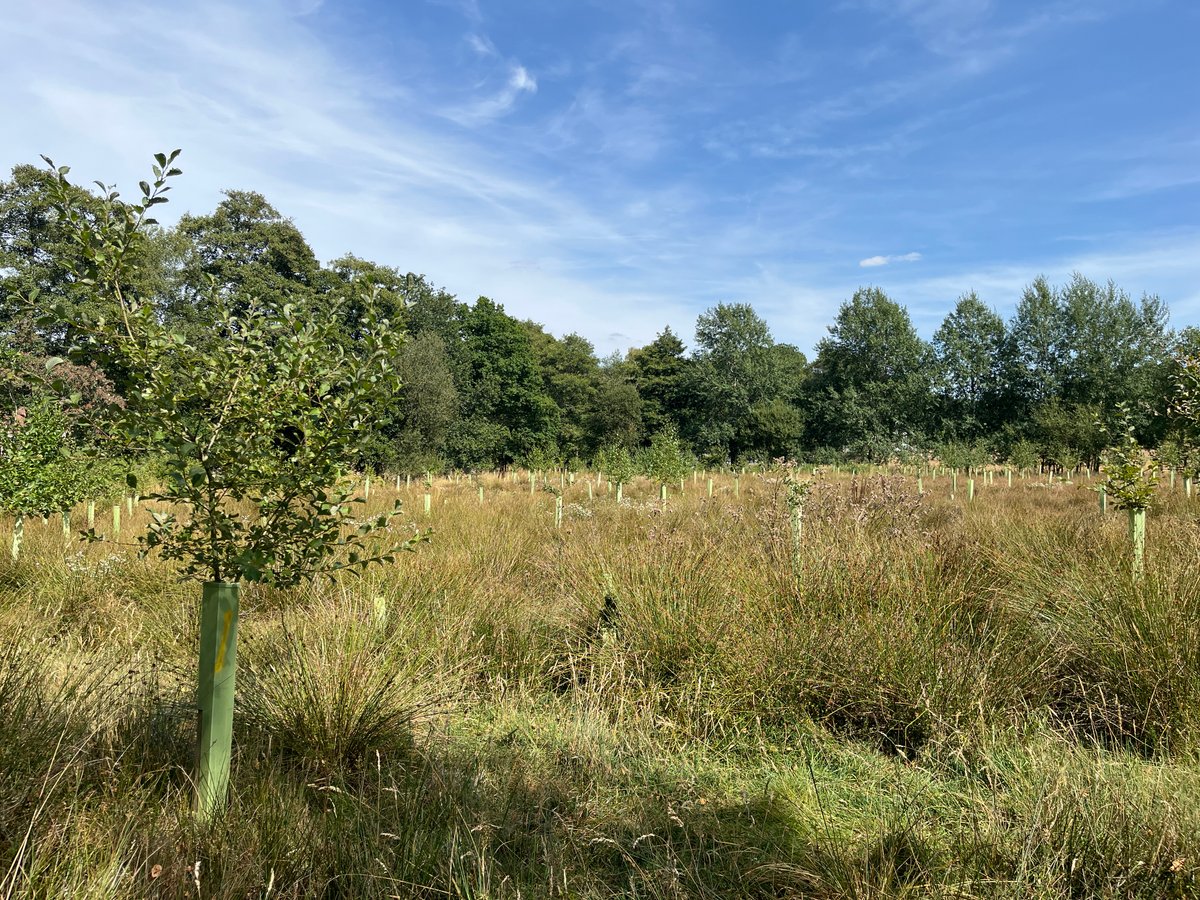
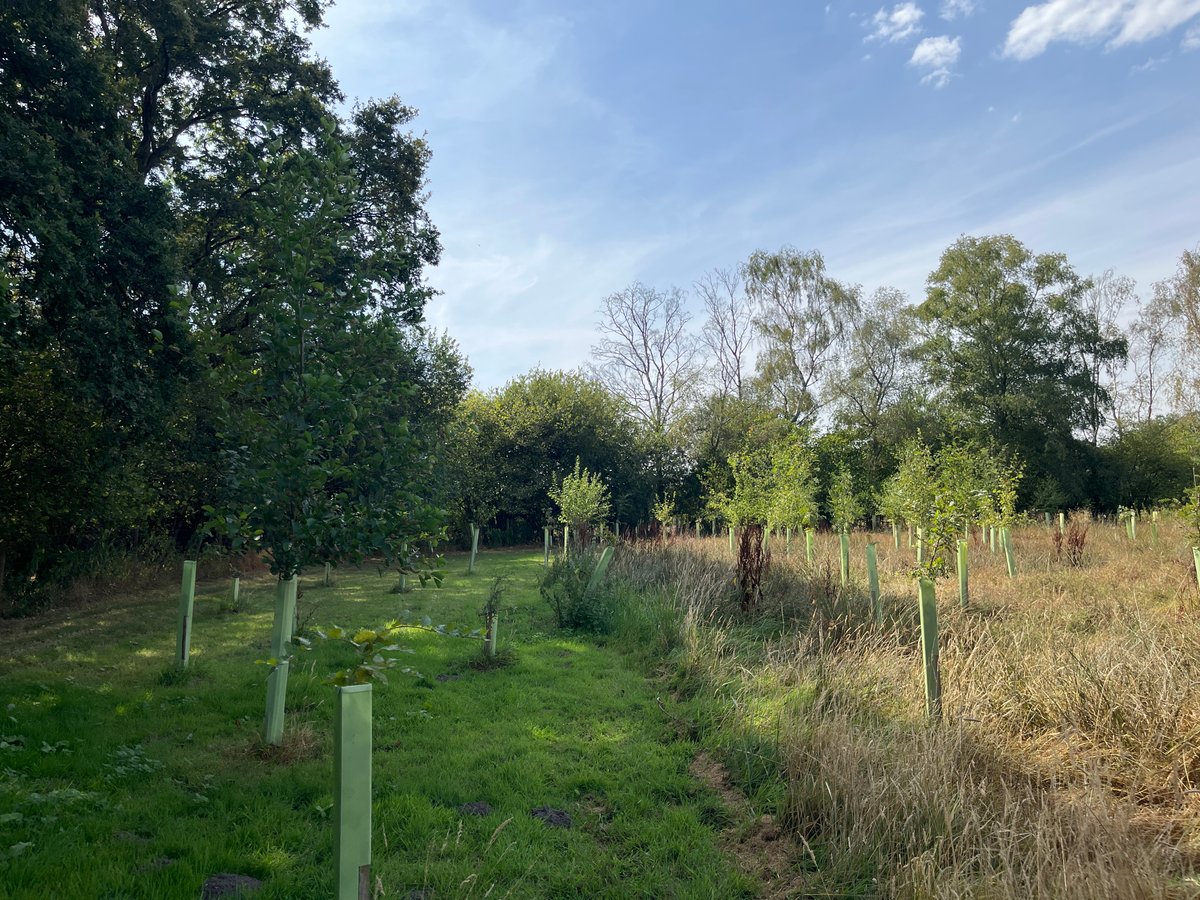
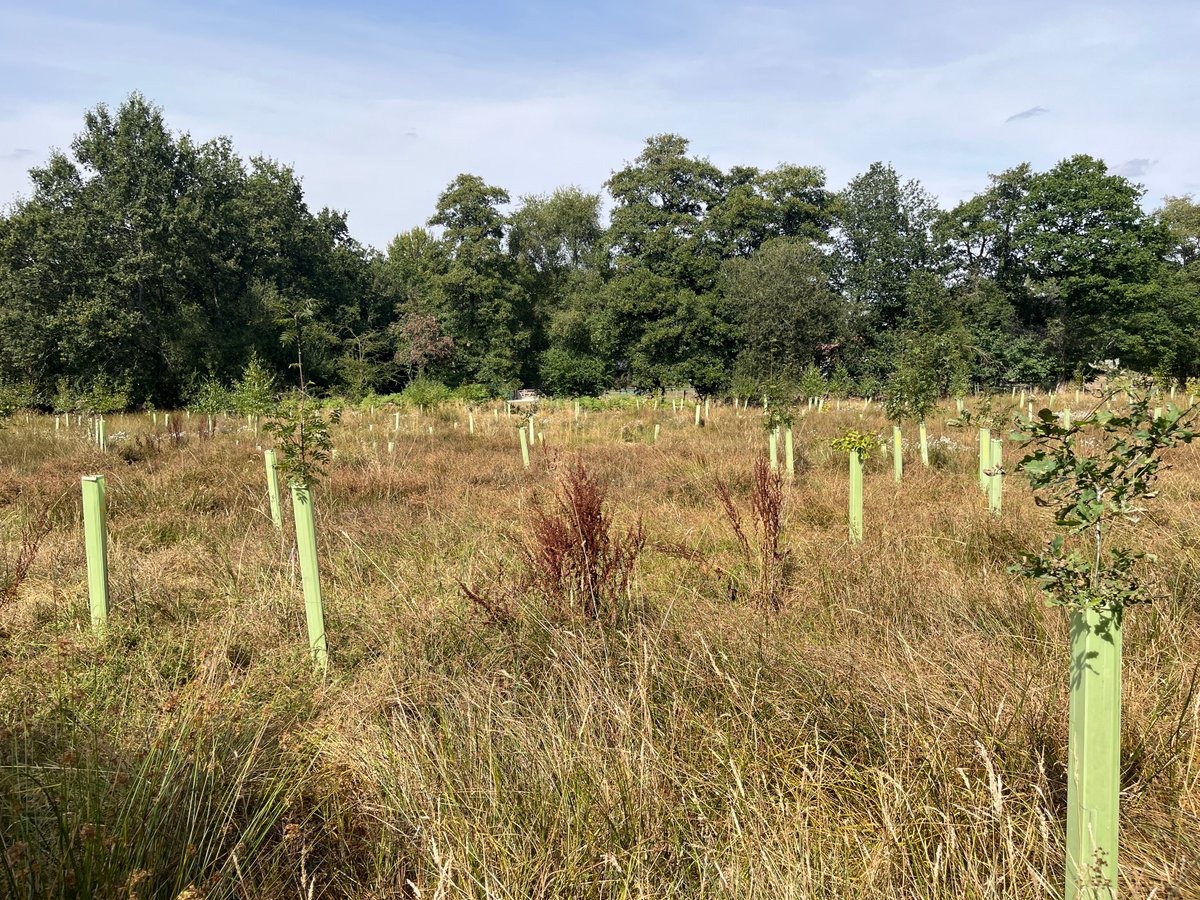
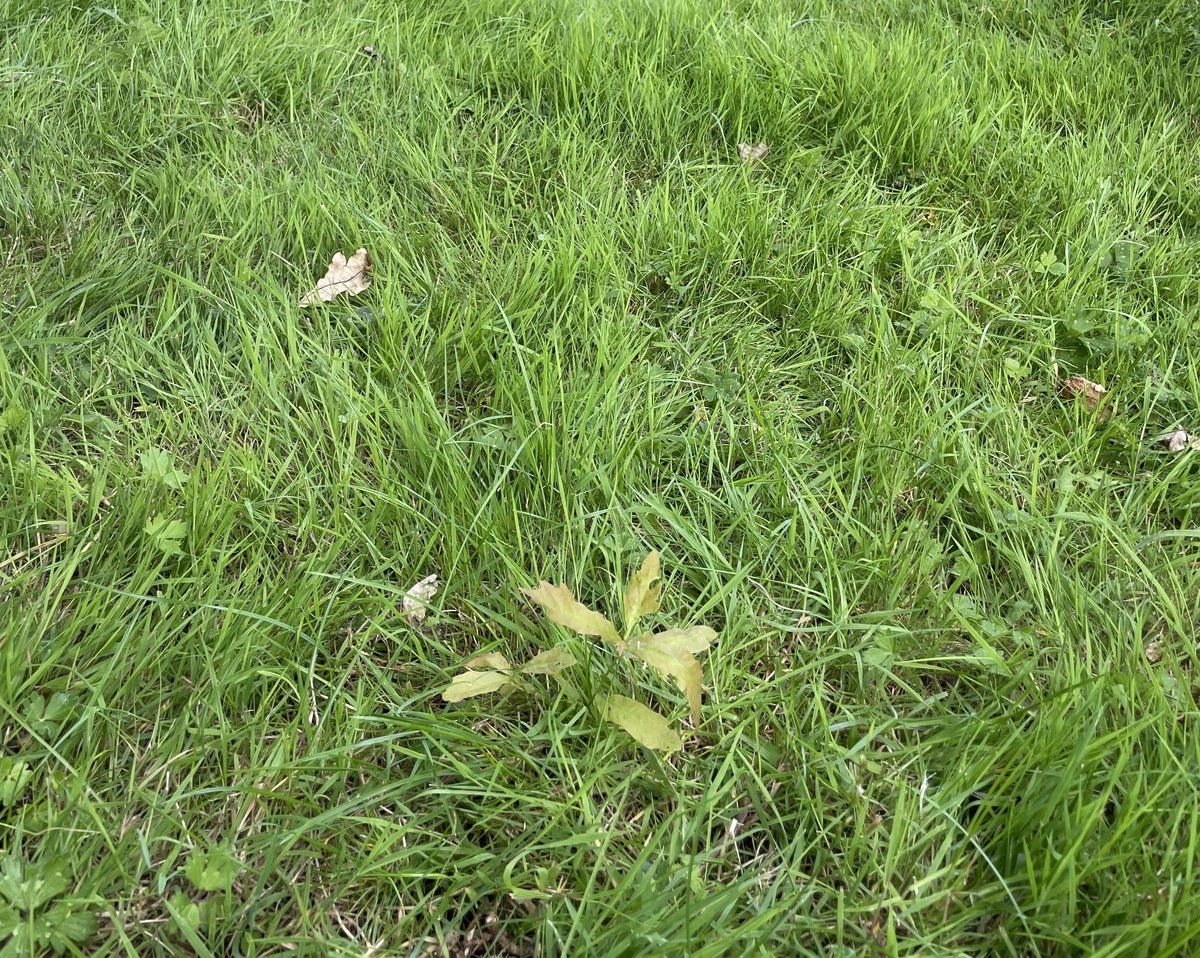
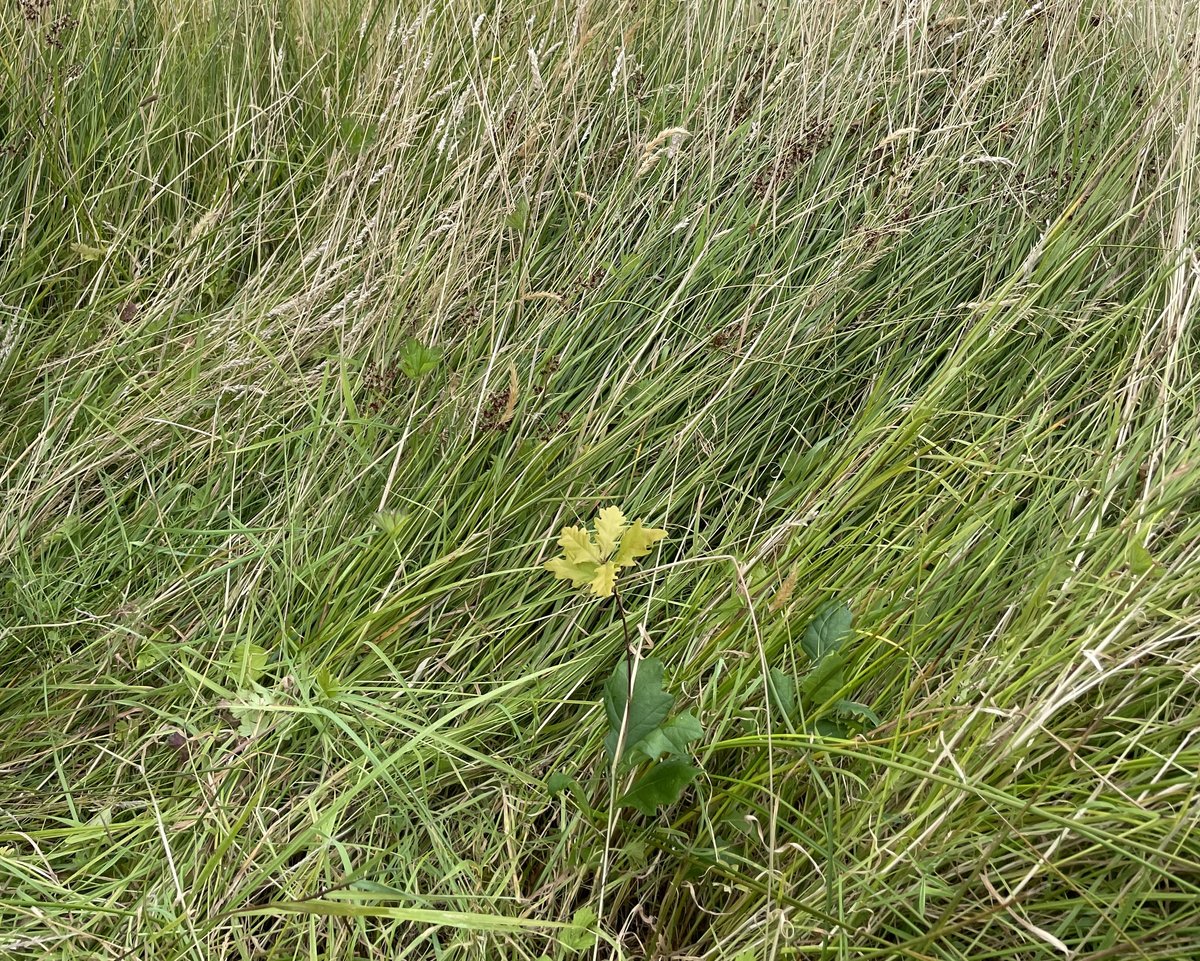
Survival rate 82%. The 454 trees planted in October 2022 are faring well.

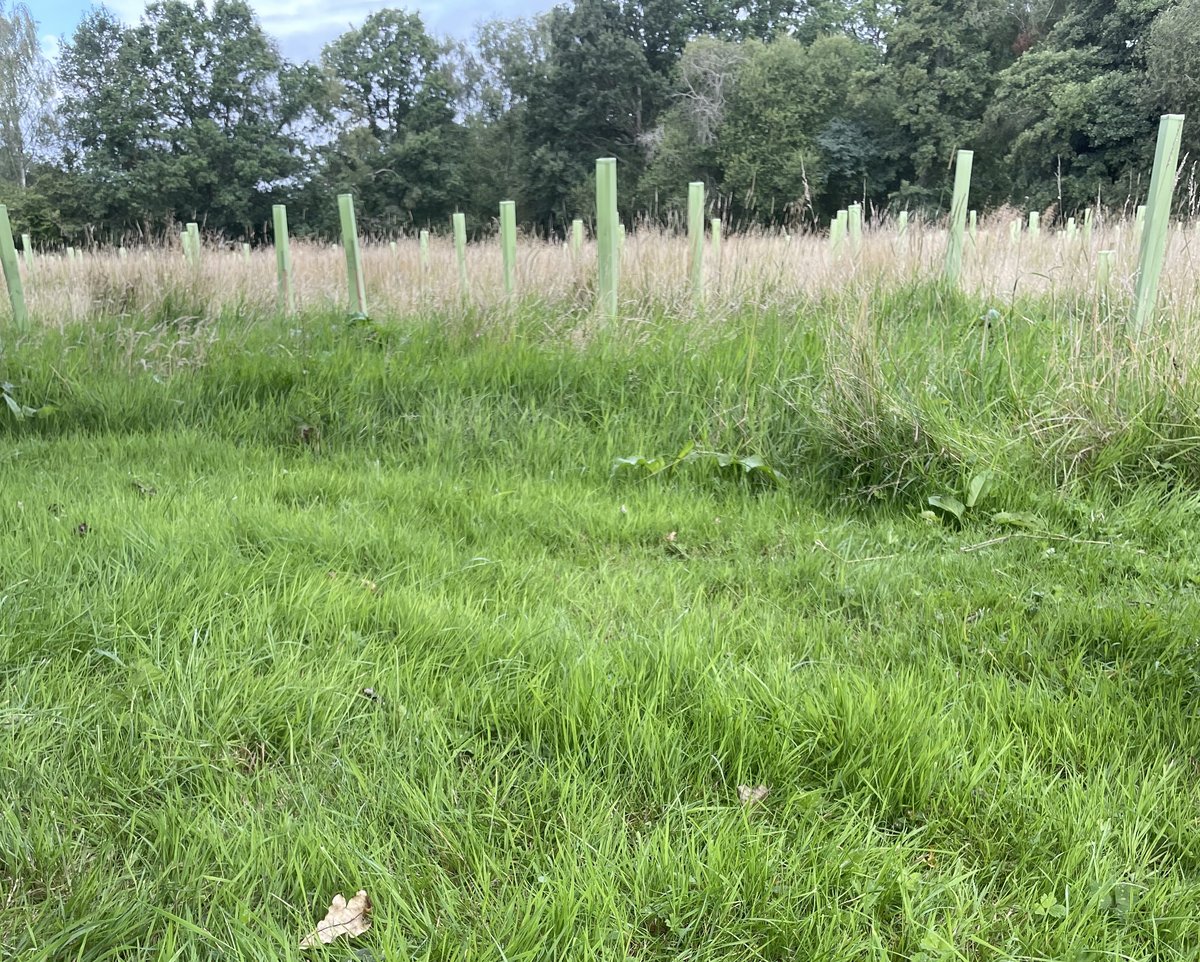
Loss seems concentrated in some patches.

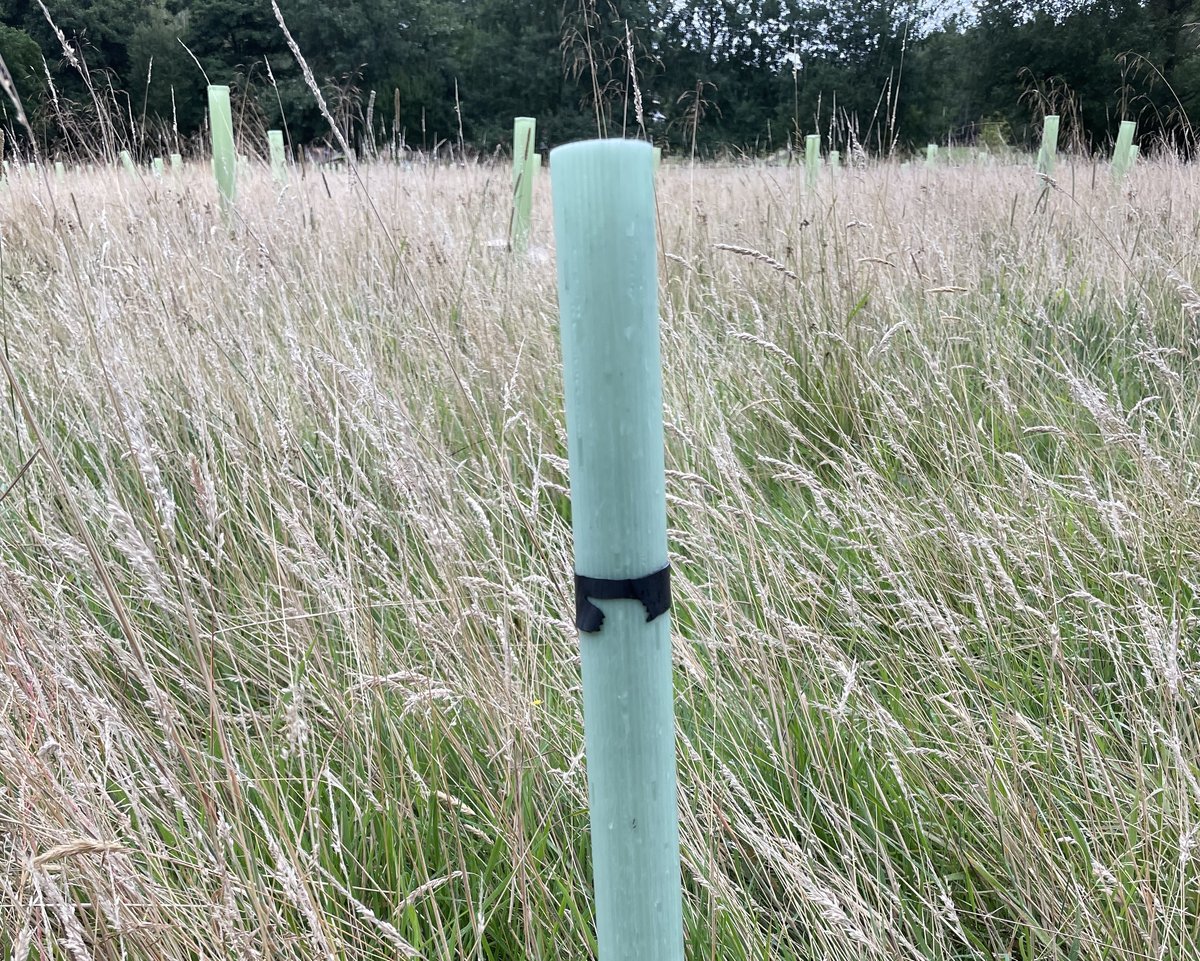
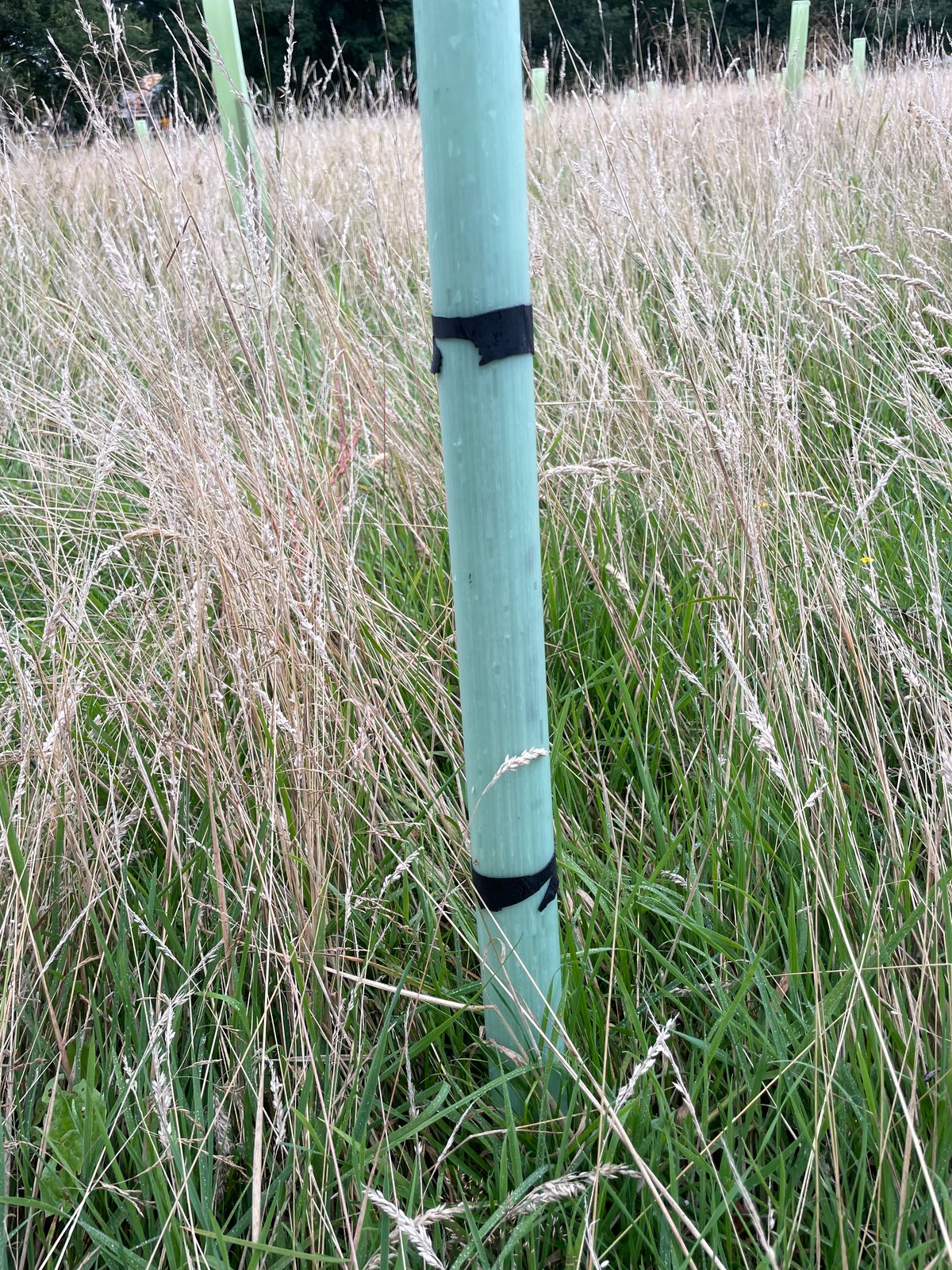
Some of the fast-growing species are already above the protective guard level (i.e. >1.5m).

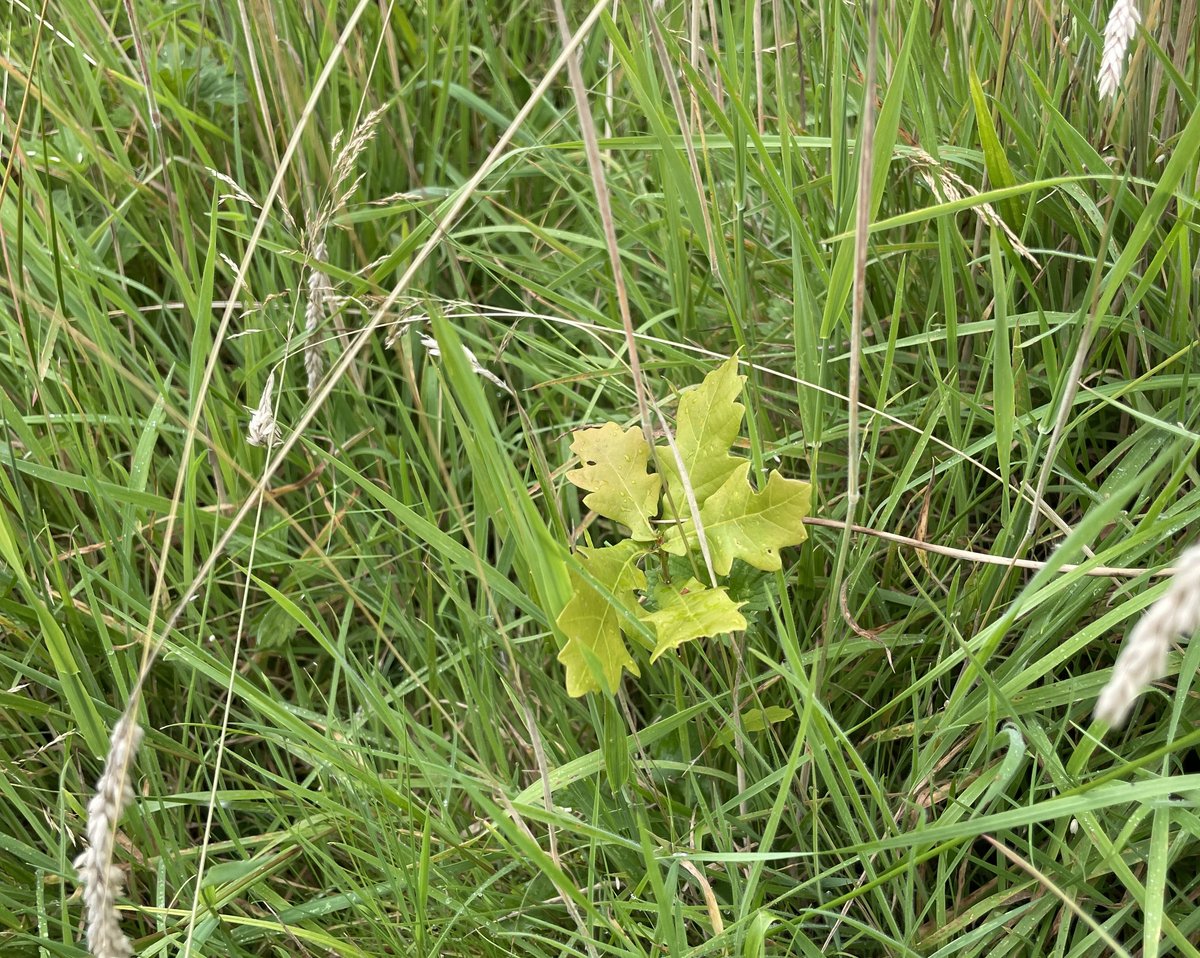
The field is doing great, and some saplings are shooting up from their guards.

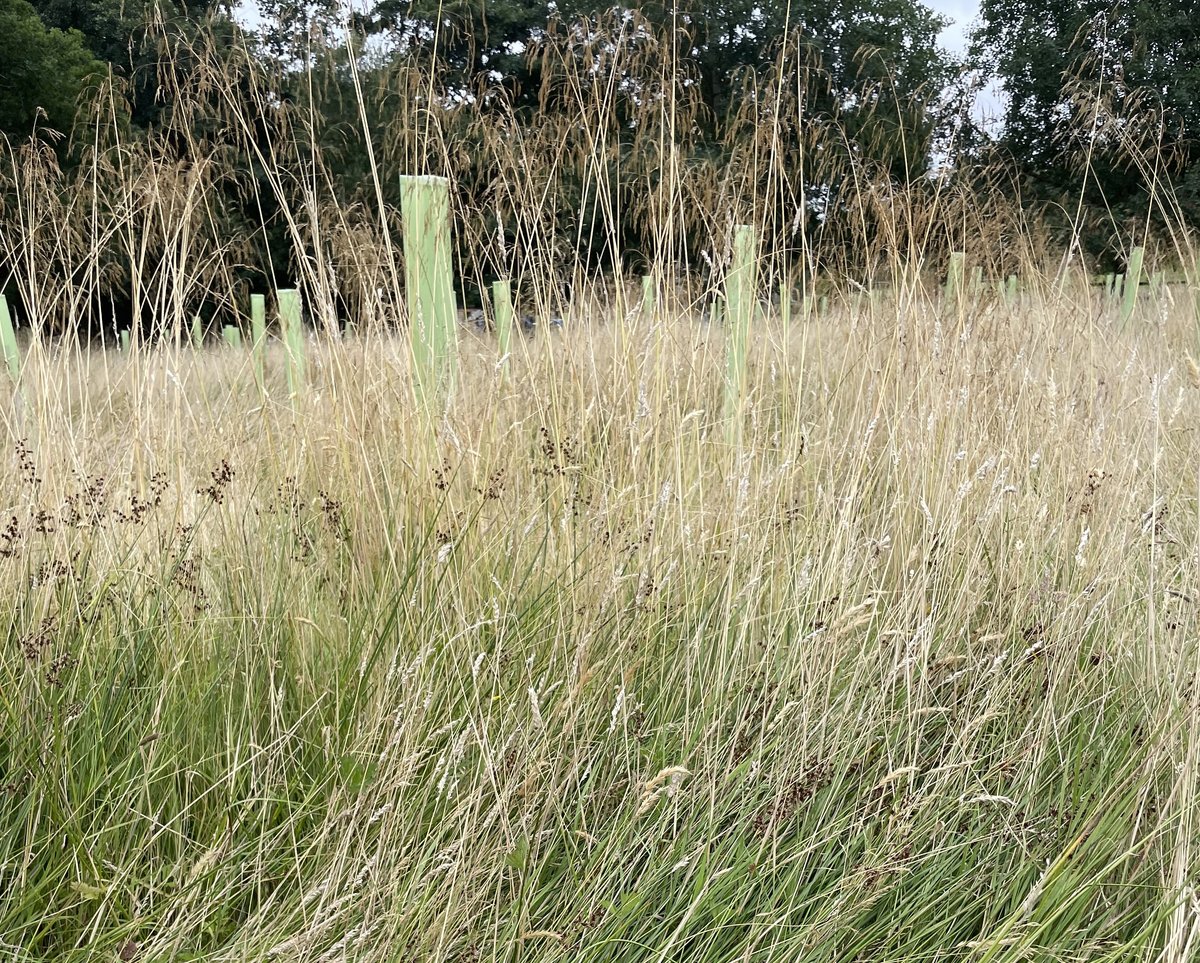
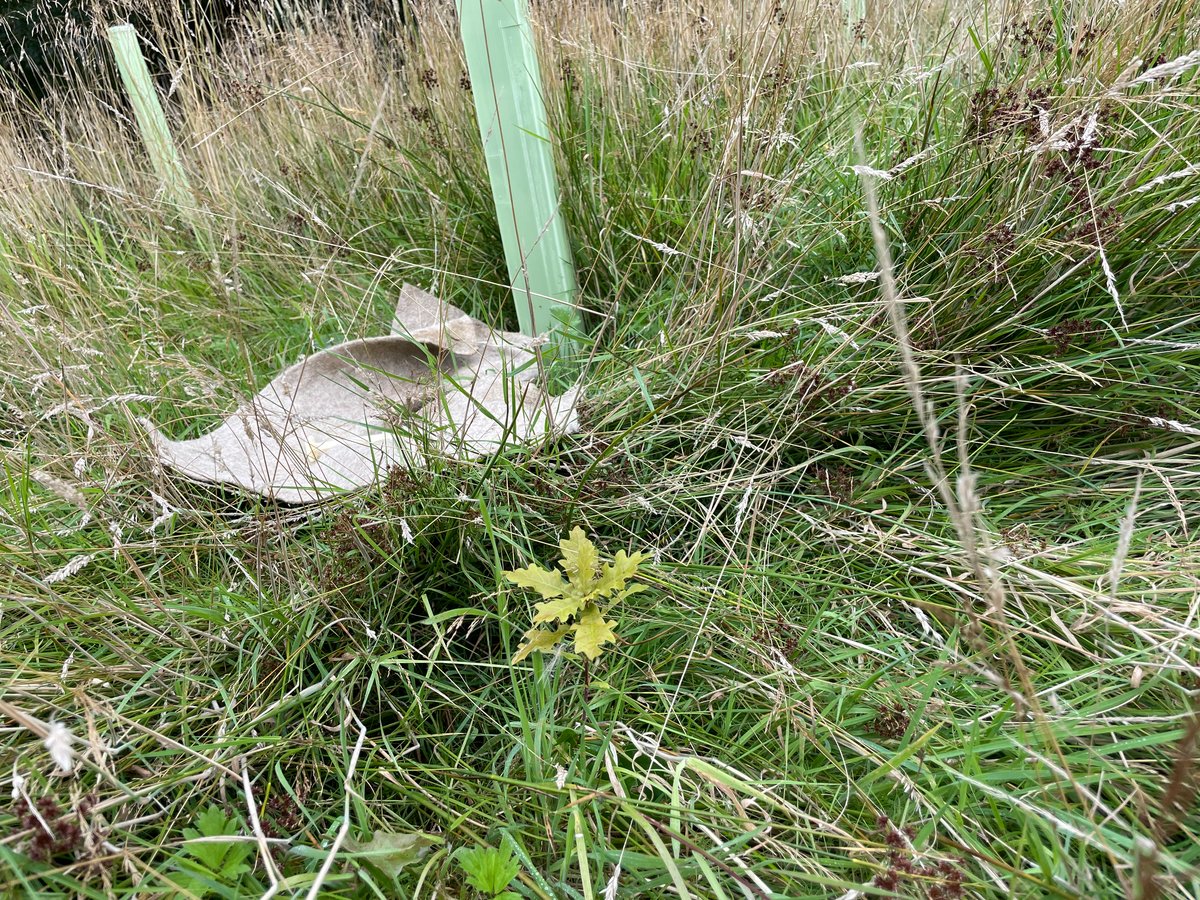
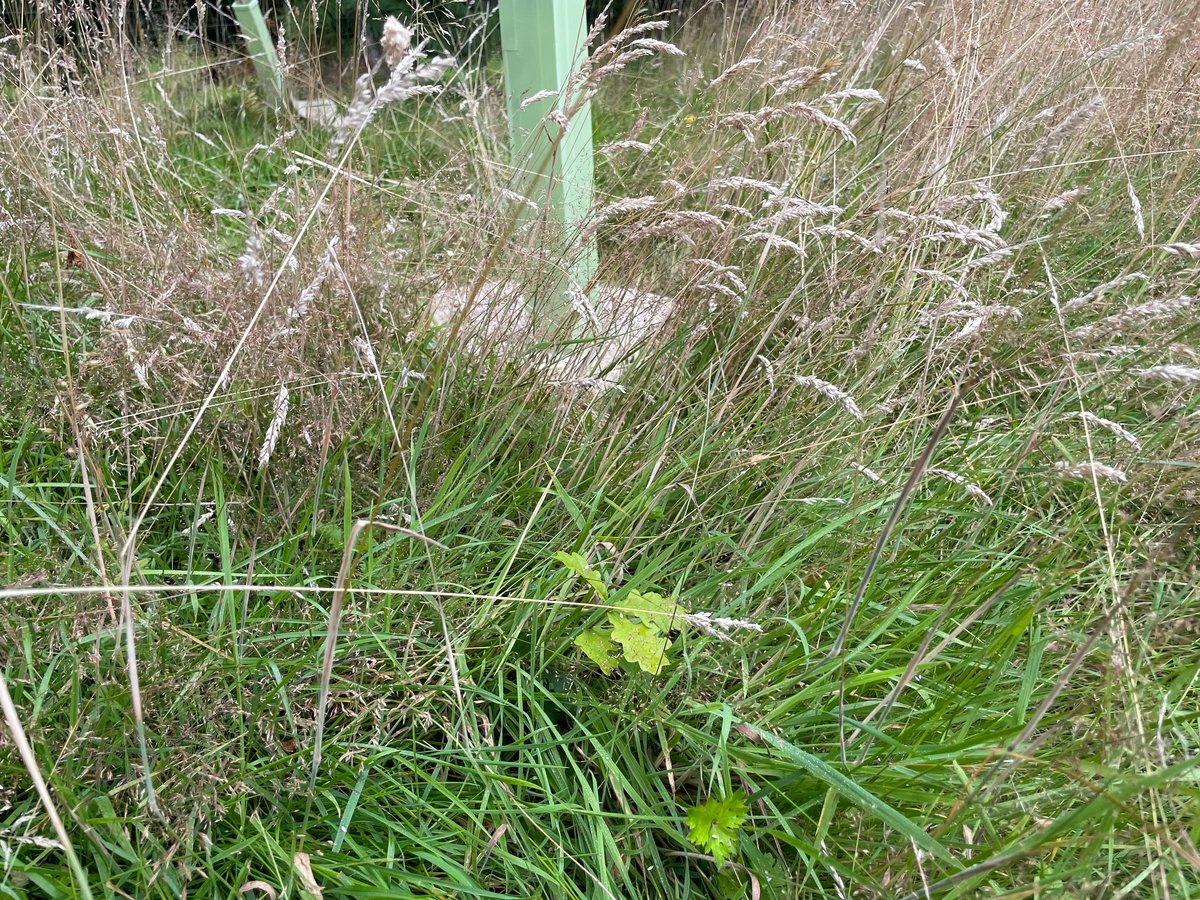
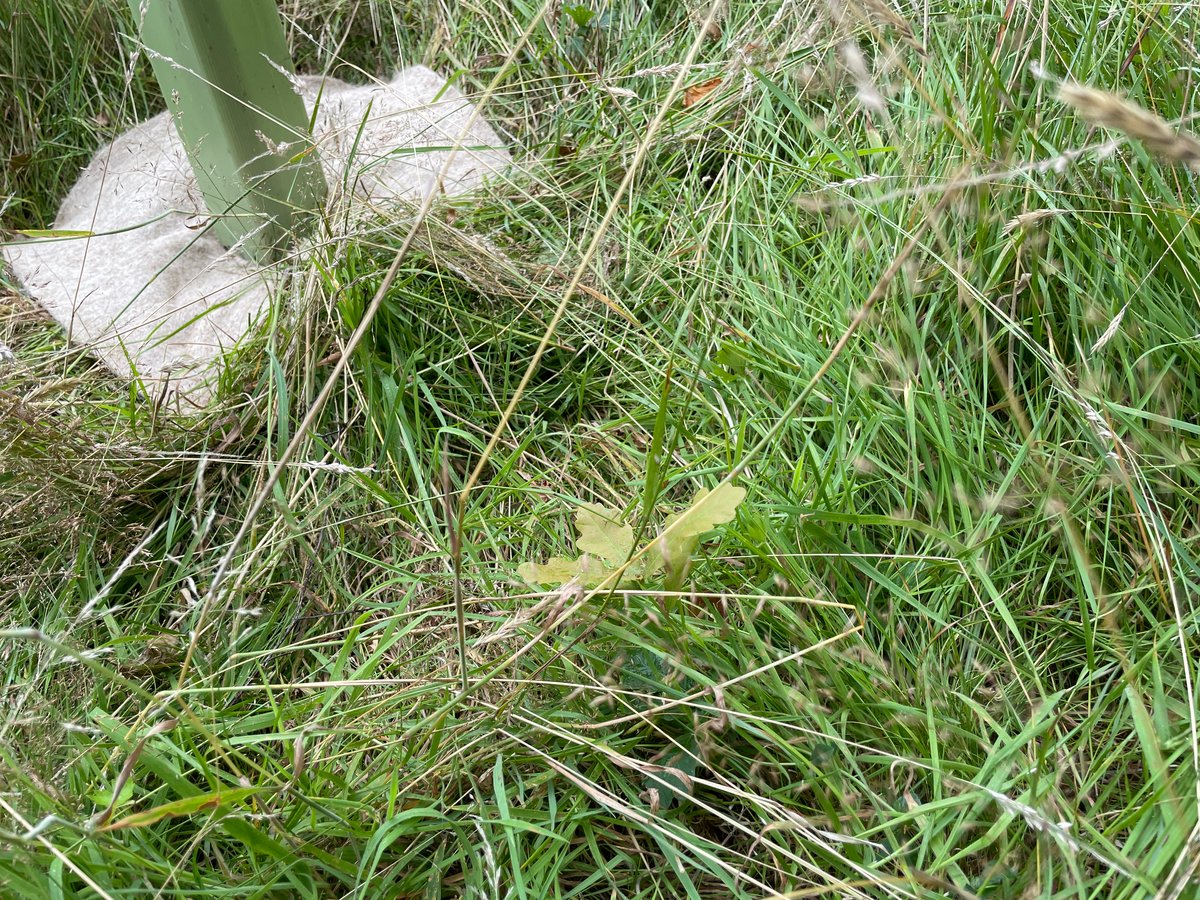
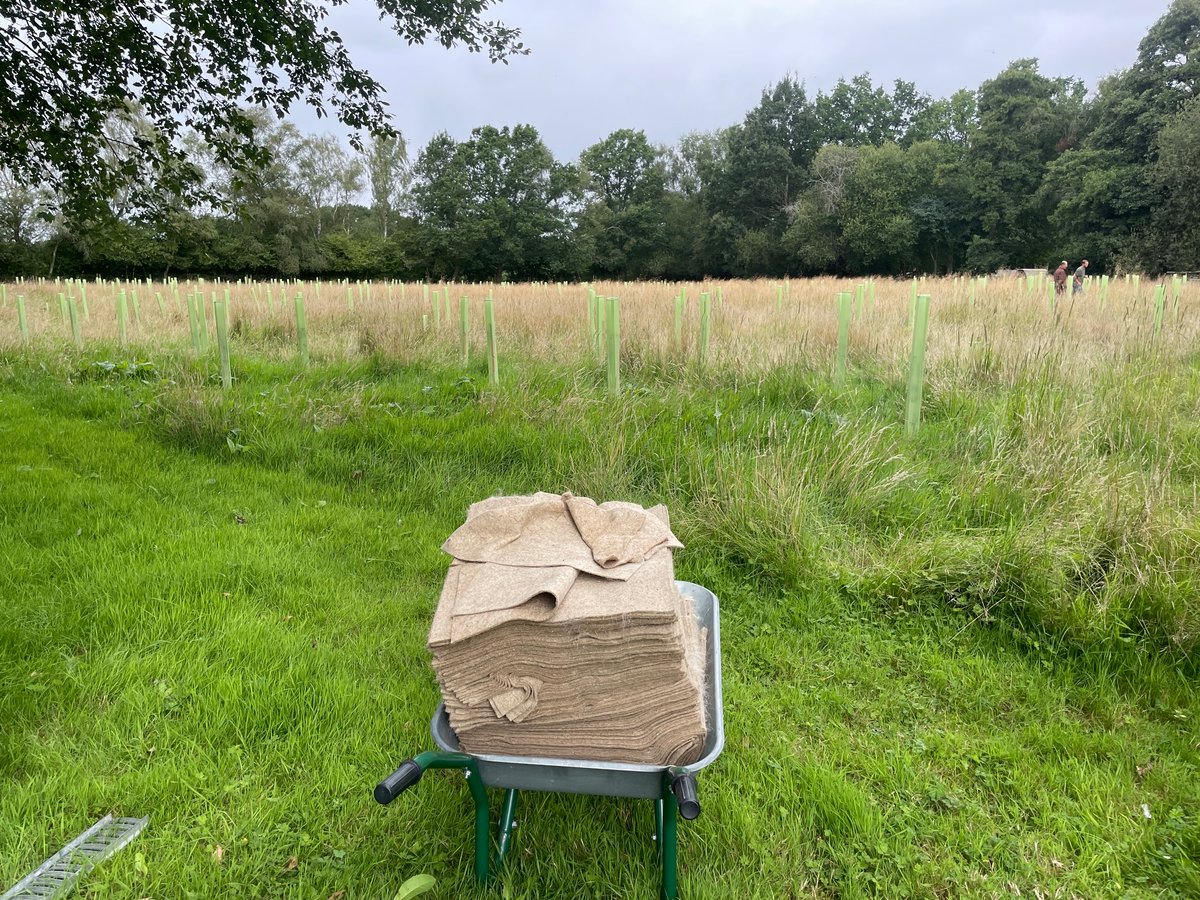
However, the grass is also benefiting from these conditions, overgrowing the mulch mats.

  • Survival Survey
  • 82% survival rate

When we went to carry out our survey this year we were pleased to see that some of the fast-growing species are already above the protective guard level i.e. more than 1.5 metres tall. However, the grass is also benefiting from these conditions, overgrowing the mulch mats we laid the year after planting to give our saplings a better chance.

Loss seems concentrated in some patches. Mortality seems to be the highest in the wettest areas where rushes are the densest in the field. Overall, the survival rate is 82%.

To maintain that, we would like to revisit this site with volunteers to carry out some weeding, and perhaps add wood chippings around each tree to act as a mulch to keep the grass under control.

  • Maintenance

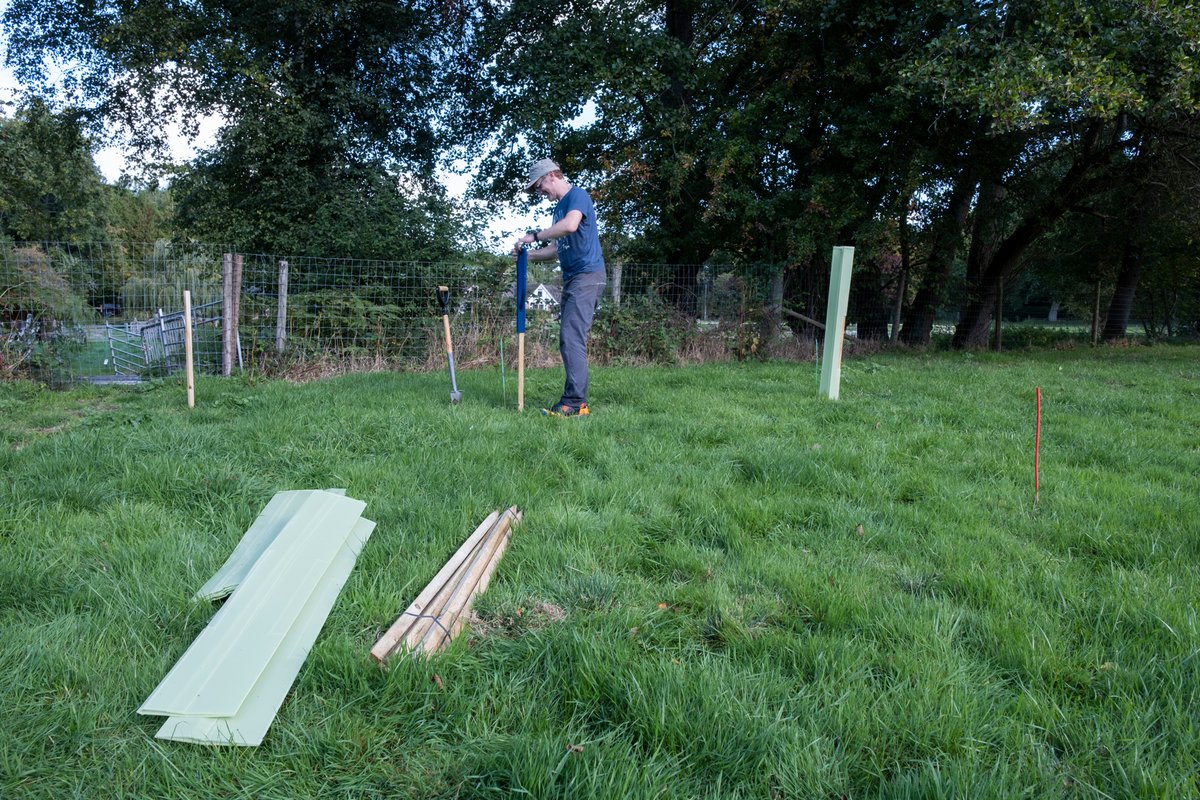
On our third visit to the site, we brought along some mulch mats to deal with the fast growing grass. We do this occasionally because sometimes the grass will have gotten super long and will actually be competing with the tree for the nutrients in the soil. The mulch mats smother the grass and weeds and actually keep in the moisture too, greatly increasing the tree’s survival chances during the hot, dry summers we seem to be getting more and more frequently.

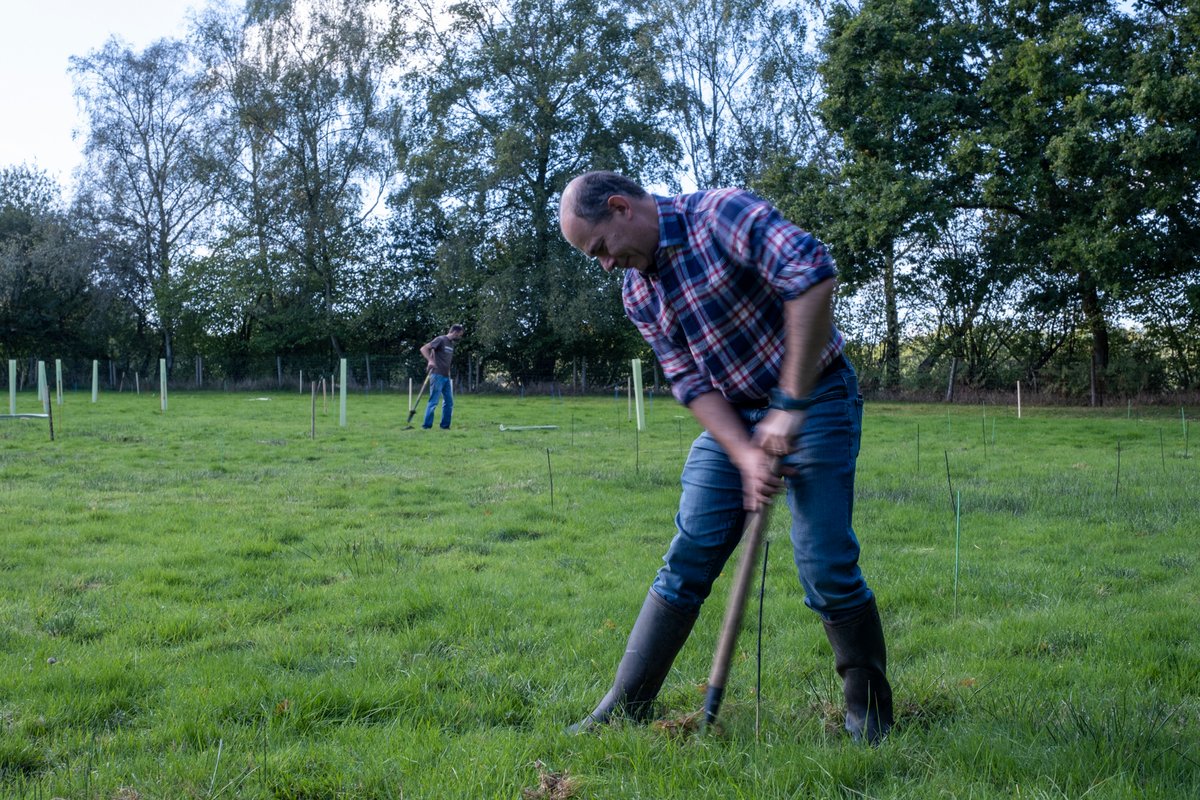
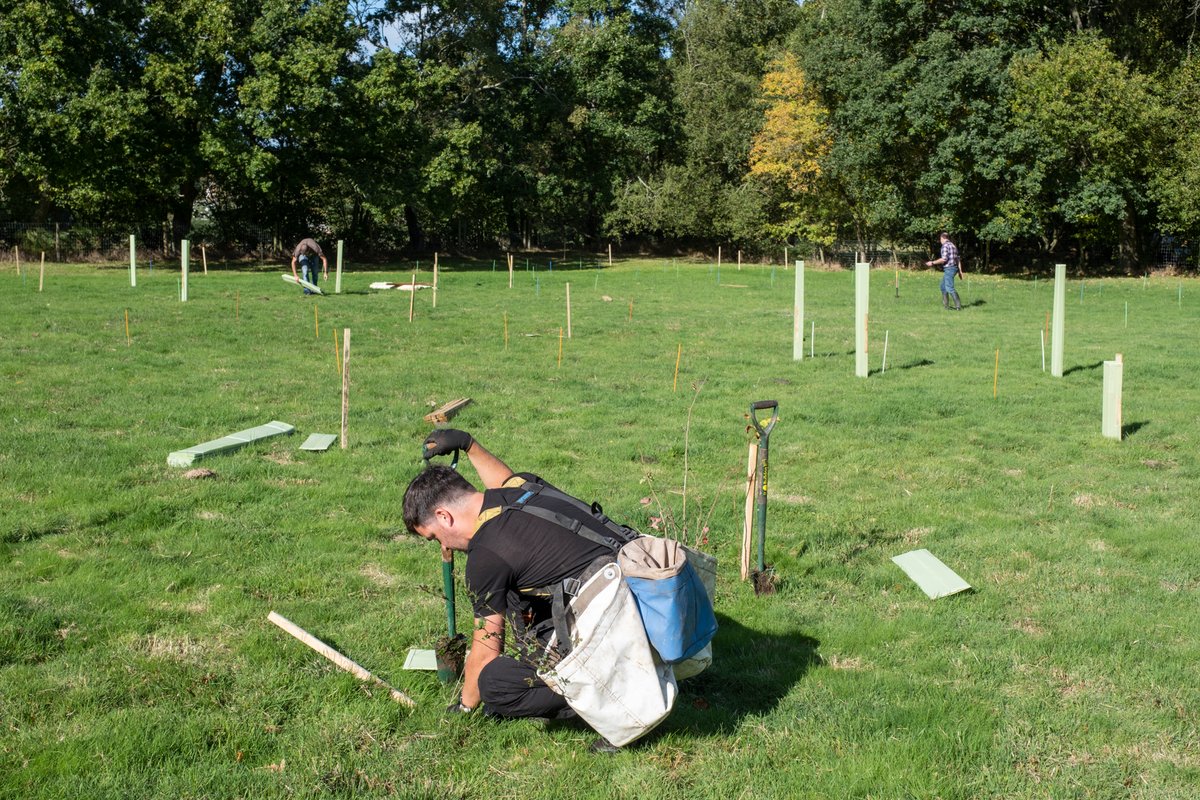
We invited local volunteers to come and help Phil and the landowner as there were around 450 to do. Summer events are normally more pleasant, and this was an ideal day as it was warm but overcast so we didn’t get too hot. As usual, this friendly landowner provided drinks and biscuits, and everyone took a break to enjoy a picnic around 1pm.

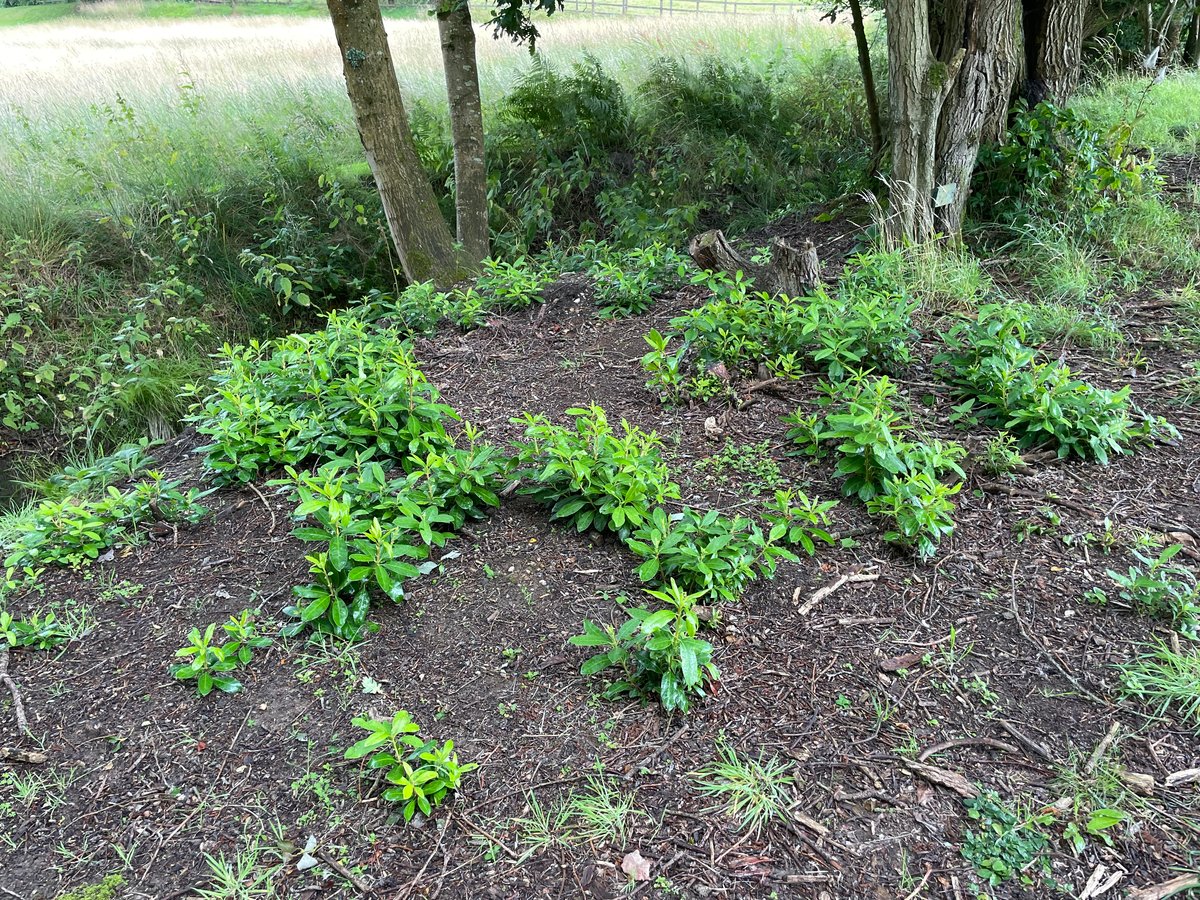
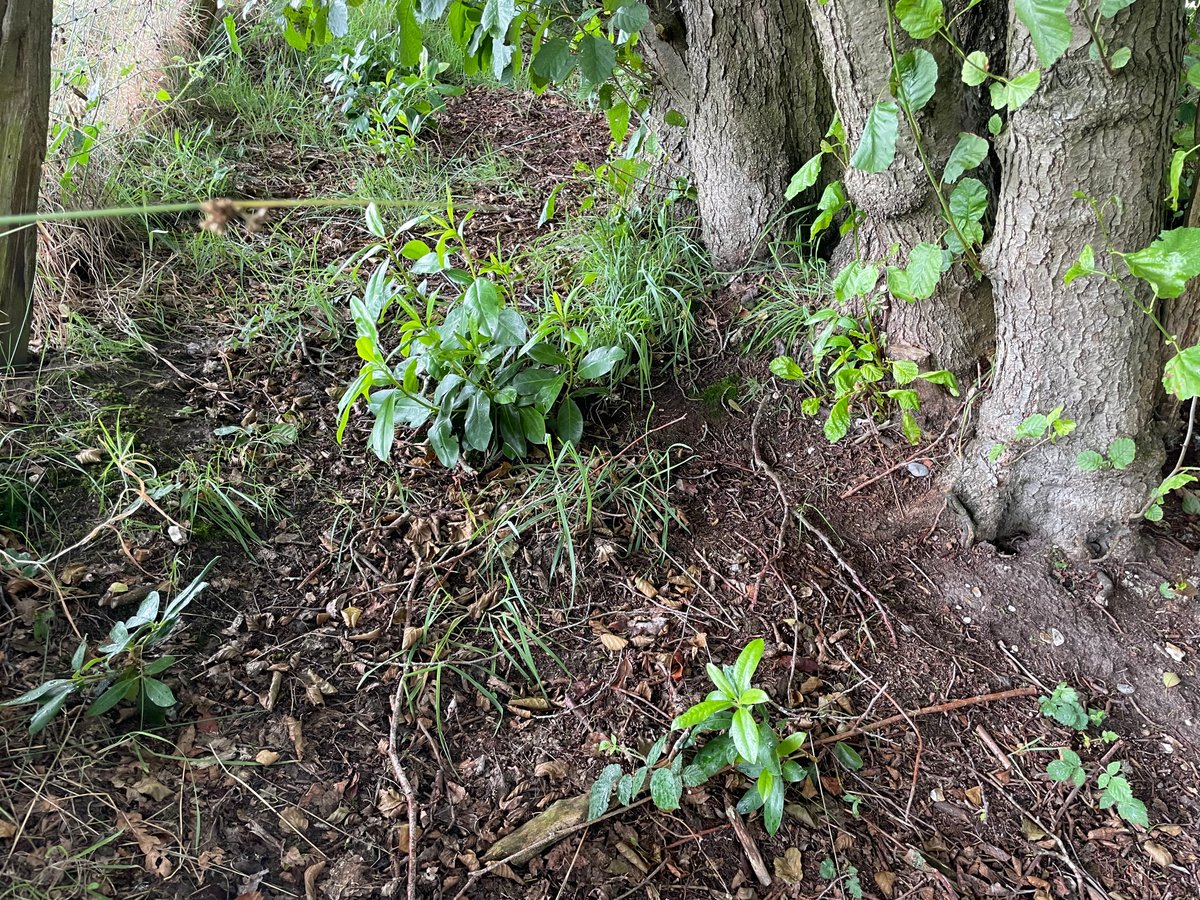
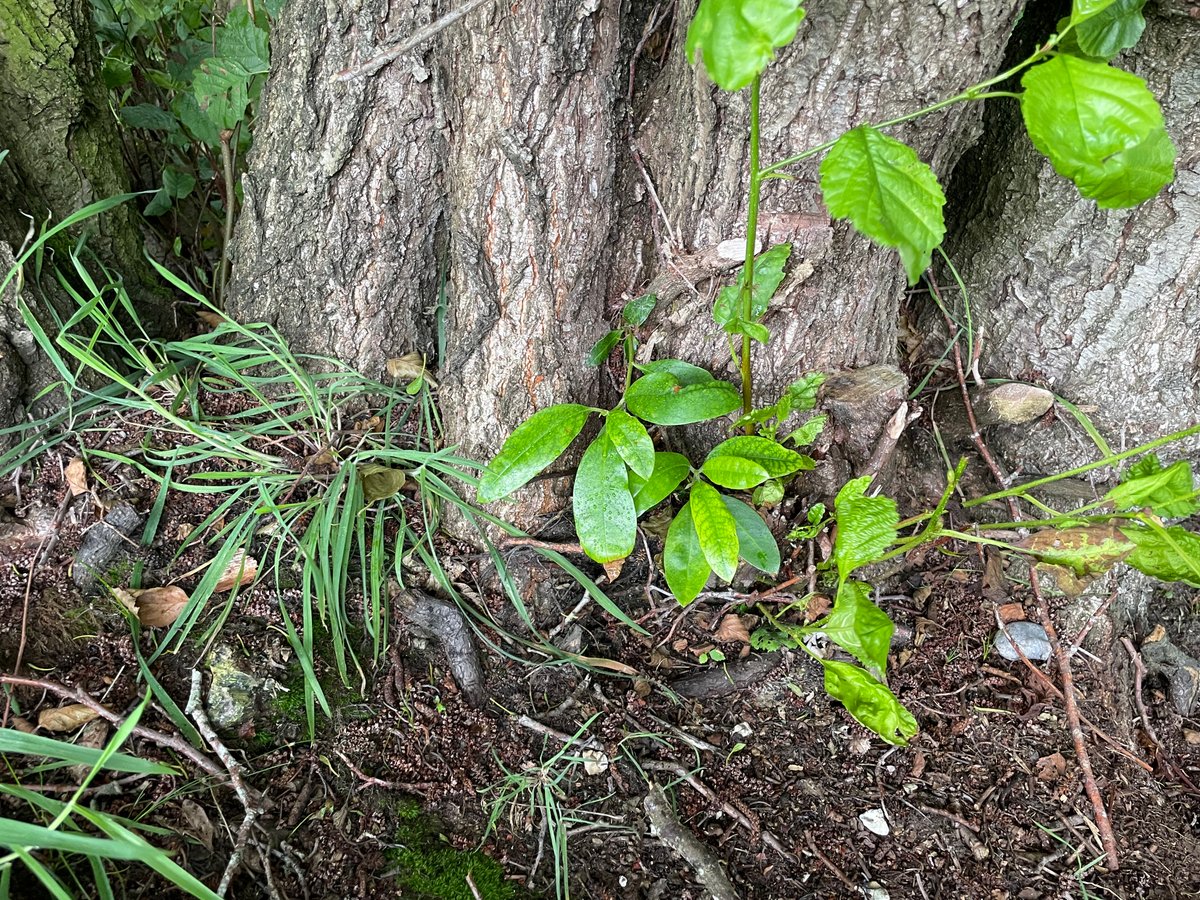
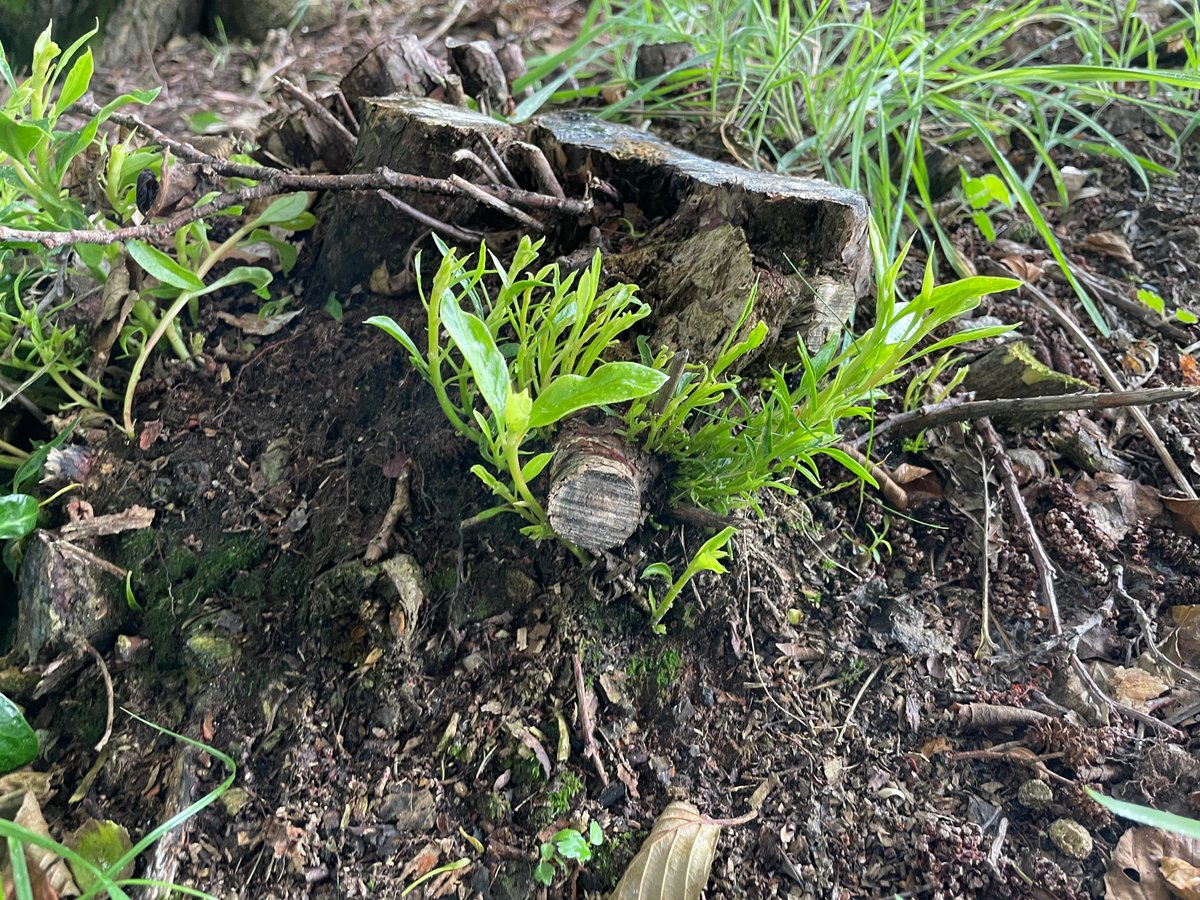
Once the volunteers had finished and headed home, Phil went to check on the rhododendrons he had removed last year. As anticipated, they are very hardy, and don’t give up easily, so Phil needed to spend another day dealing with the regrowth.

  • Maintenance

On our third visit to the site, we brought along some mulch mats. We do this occasionally because sometimes the grass will have gotten super long and will actually be competing with the tree for the nutrients in the soil. The mulch mats smother the grass and weeds and actually keep in the moisture too, greatly increasing the tree’s survival chances during the hot, dry summers we seem to be getting more and more frequently.

  • Invasive Removal

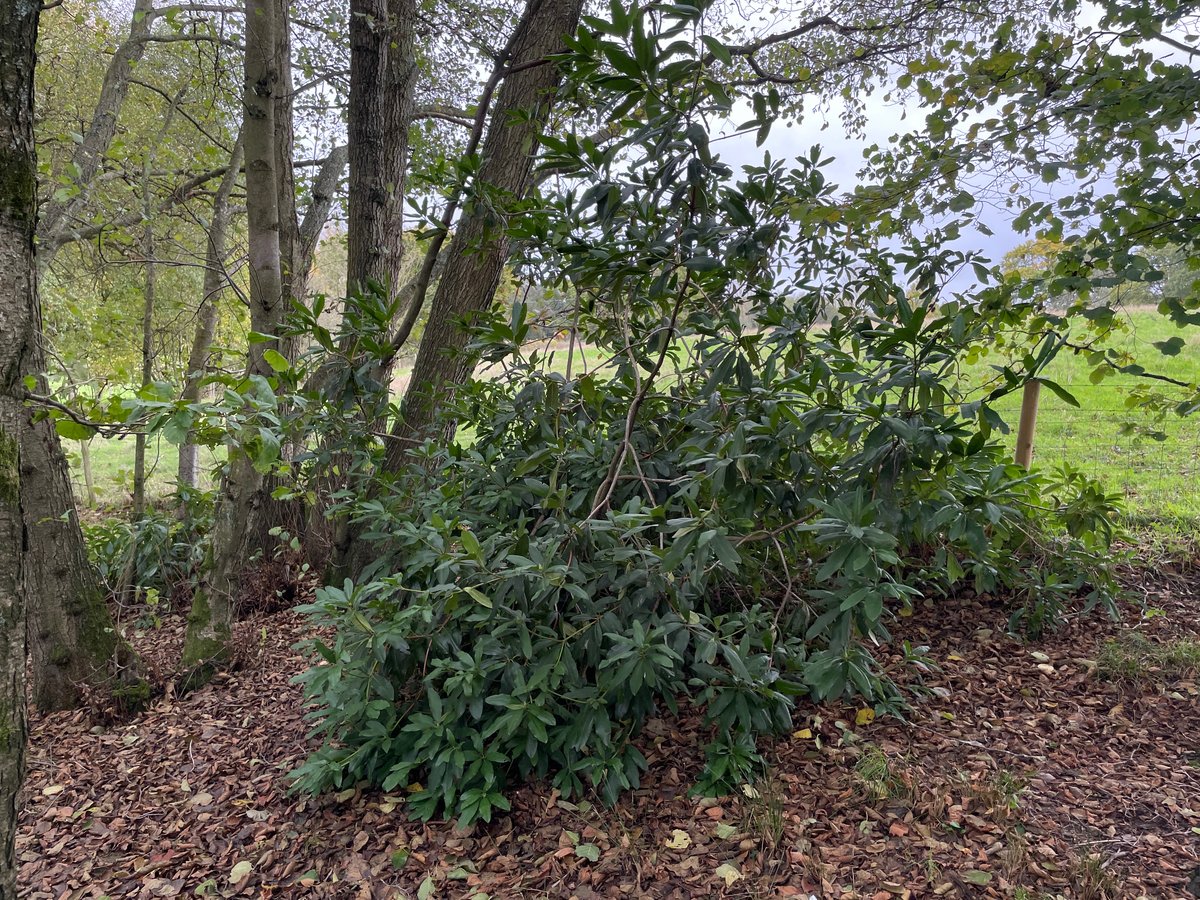
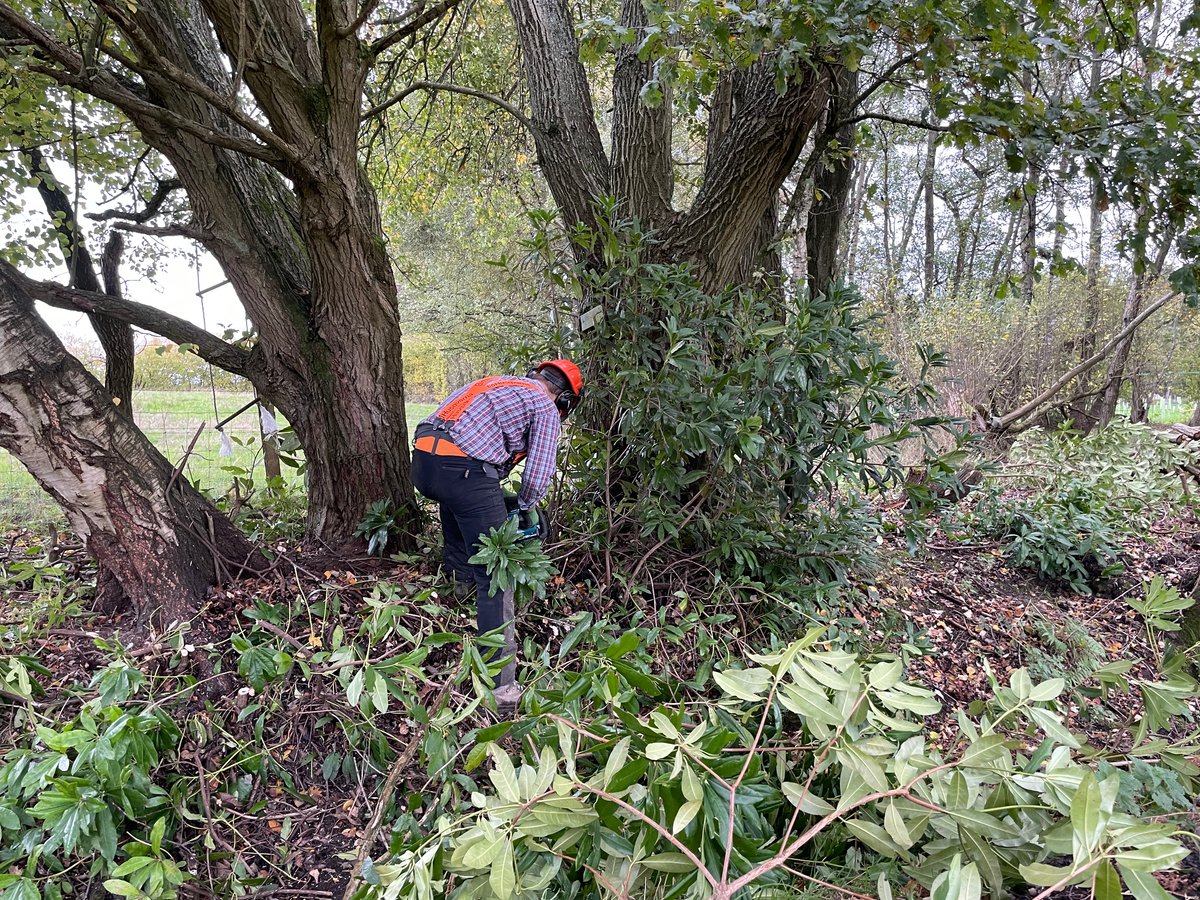
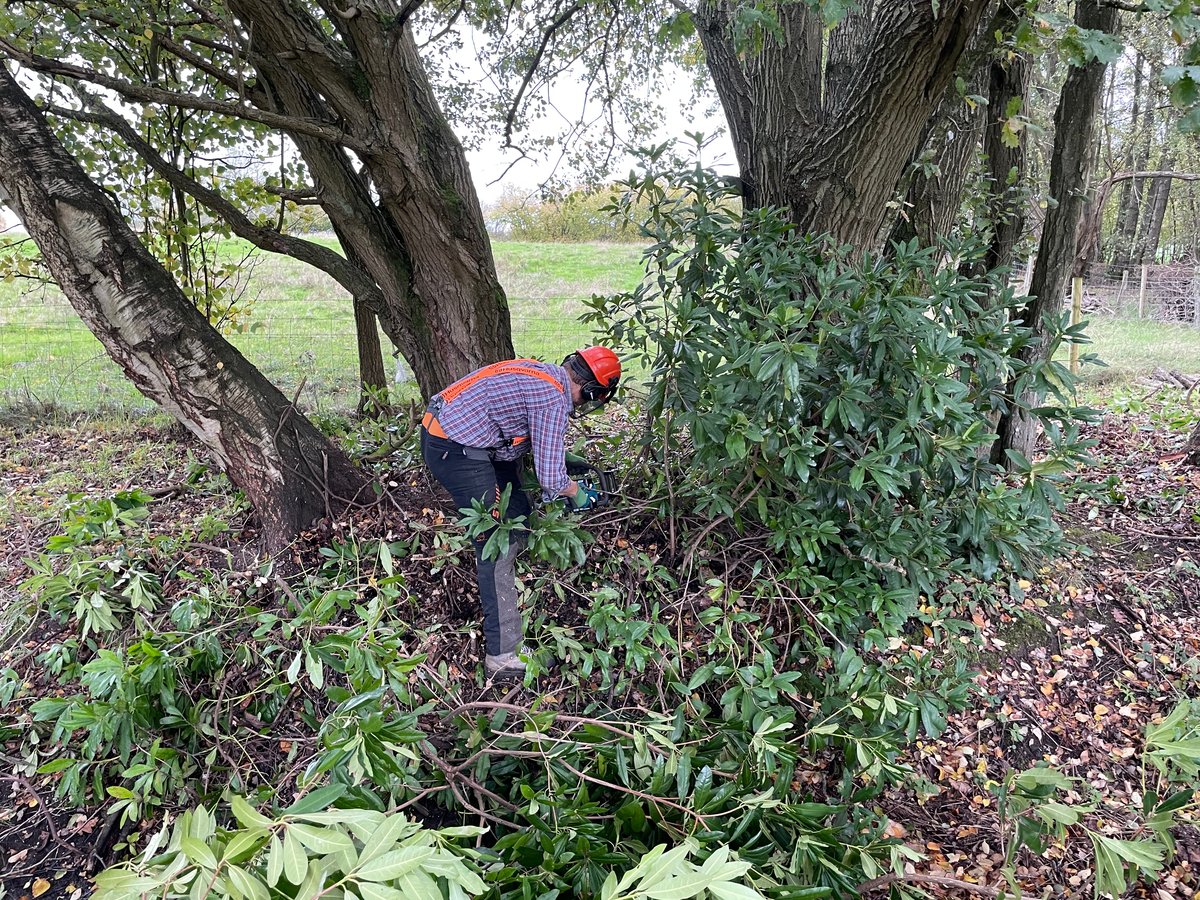
Our second visit was by Phil, who, along with his machete and loppers, cleared out some of the rhododendrons that were encroaching on the ground. These plants, while superficially pretty, are actually quite a pain.

Rhododendrons are tough and spread rapidly, making them very difficult to control. They can cause a number of problems in the wild as they tend to form dense plants which block sunlight from reaching the floor of the woodland, thus leading to native plants being shaded out and to a loss of biodiversity. Their leaves are acidic and decompose slowly which affects the PH value and nutrients in the soil as well as releasing chemicals which inhibit the germination of other native plants. Rhododendrons in a woodland can reduce the availability of food and shelter for birds, mammals and invertebrates. They also contain pathogens such as Phytophthora Ramorum which causes sudden oak death and affects many other tree species too.

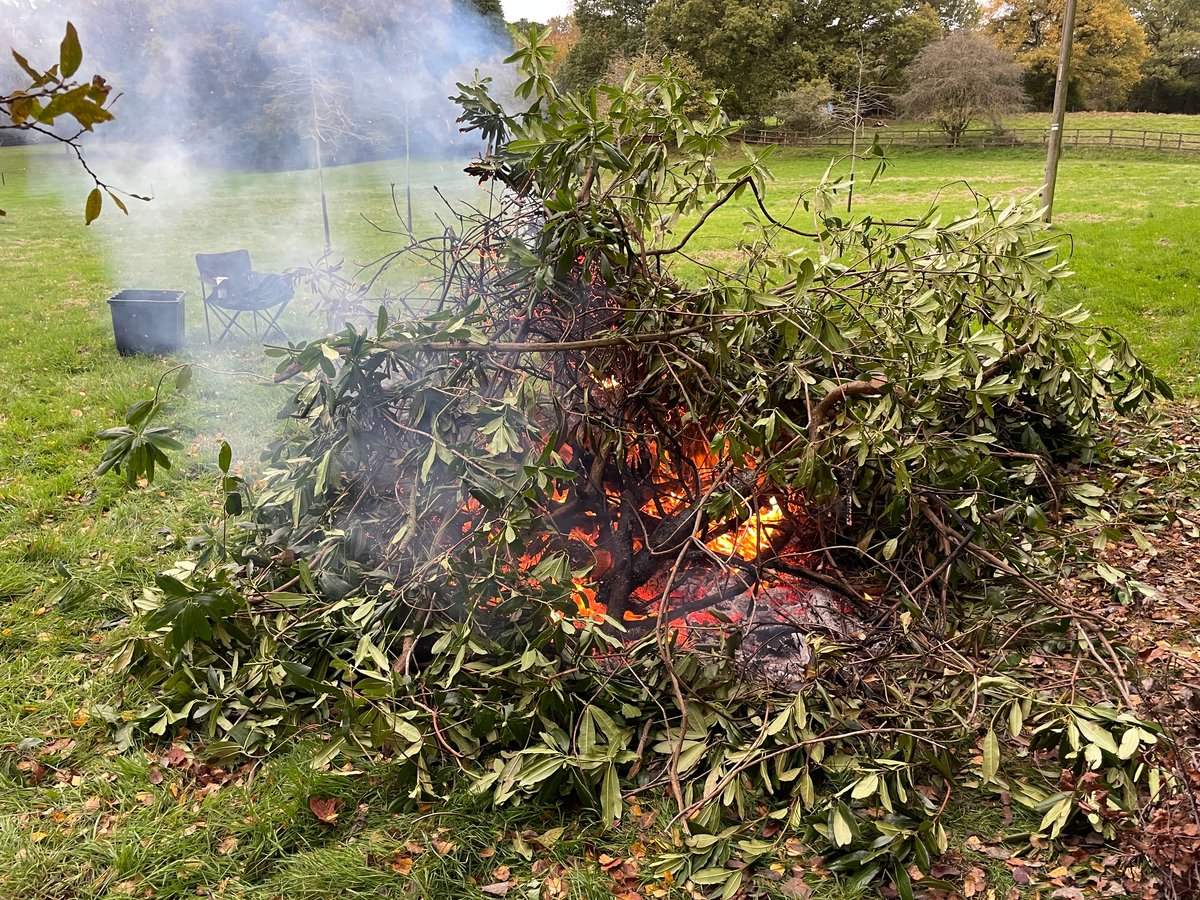
We don’t want a monoculture, which is what the rhododendrons want. So, out went Phil with his tools, cutting back branches to reach the main trunk, then cutting that down and burning the cuttings. The rhododendrons will grow back unless treated, so Phil did that too. He was very pleased with the result, but we will need to keep an eye on the situation over the next few years to make sure that they don’t regrow.

  • Invasive Removal

Our second visit was by Phil, who, along with his machete and loppers, cleared out some of the rhododendrons that were encroaching on the ground. These plants, while superficially pretty, are actually quite the pain in our rear. They’re just too good at being plants, and thus will outcompete pretty much every other plant in the area for resources. We don’t want a monoculture, which is what the rhododendrons want! So, out went Phil with his tools!

  • Tree Planting
  • 454 trees planted

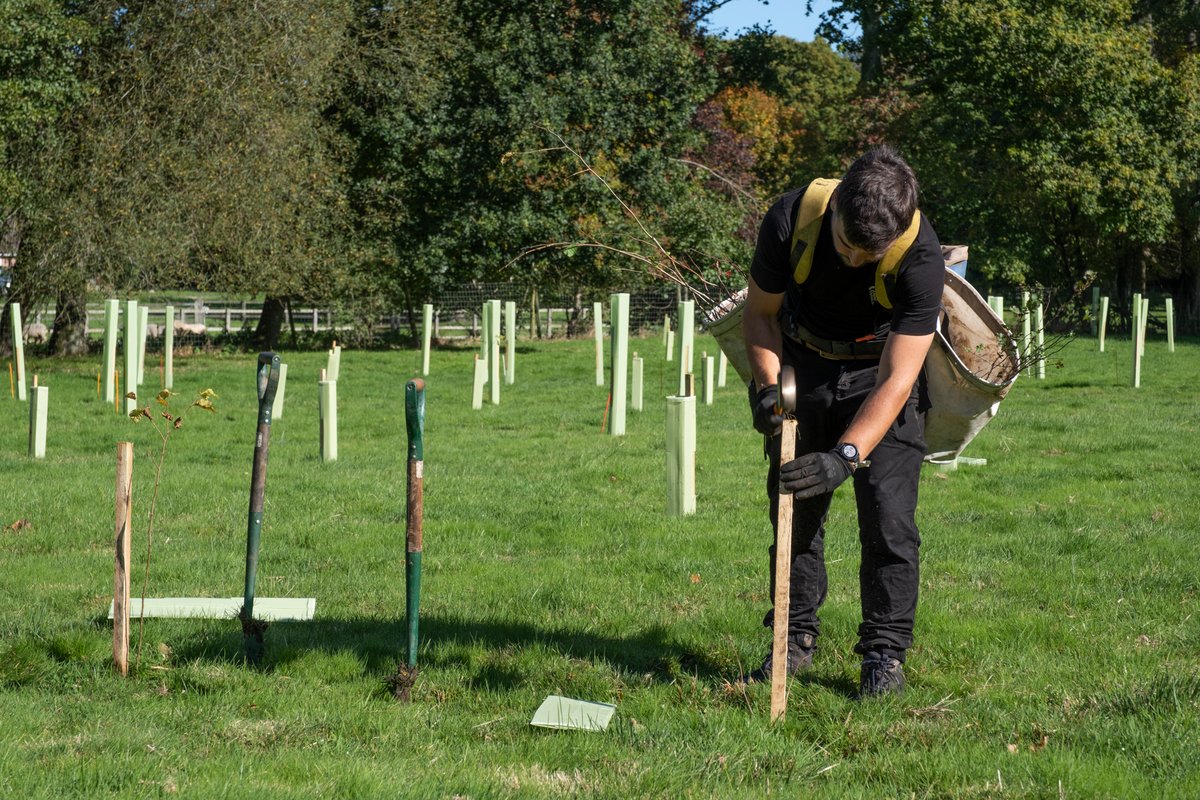
Planting season gets very busy, so we like to start as soon as possible. Bare root whips, the cheapest saplings, are not available until mid- to late-November, depending on the weather, so for this October planting we purchased cell-grown trees which cost a little more but can be planted at any time.

Phil & Duncan from Protect Earth led a group of volunteers in a very successful initial planting here. It was smaller than most of our plantings, a modest 454 trees and shrubs with species comprising: field maple, alder, silver birch, hornbeam, hazel, hawthorn, spindle, crab apple, aspen, wild cherry, blackthorn, Scots pine, pedunculate oak, goat willow, rowan, service tree, small leaf lime and guelder rose. They were planted at random with at least 3m between them to leave room for natural regeneration. It was quite wet underfoot so this will give our saplings a good start.

  • Tree Planting
  • 454 trees planted

Phil & Duncan from Protect Earth had a very successful initial planting here, a modest 453 trees and shrubs species comprising: field Maple, alder, silver birch, hornbeam, hazel, hawthorn, spindle, crab apple, aspen, wild cherry, blackthorn, scots pine, pedunculate oak, goat willow, rowan, service tree, small leaf lime and guelder rose.

Site Location

Help Protect Earth - Take Action Now

Volunteer

Help us create and maintain new woodlands, hedgerows and wildflower meadows! We need volunteers to sow seeds, plant saplings, clear invasive plant species and pick up litter. No qualifications necessary; jobs for all ages and abilities. Come and turn climate anxiety into climate action!

Fund Our Work

With government funding for reforestation and rewilding tenuous, we increasingly rely on our amazing community to keep us growing regardless of political shifts. Help Protect Earth continue to restore ecosystems and improve biodiversity across the country.

Support the Land Fund

Help us put down roots! Your donations to our Land Fund let us seize the moment when the perfect piece of land comes up for sale. Every penny helps us secure community woodlands, healthier ecosystems, and a greener future for generations to come.