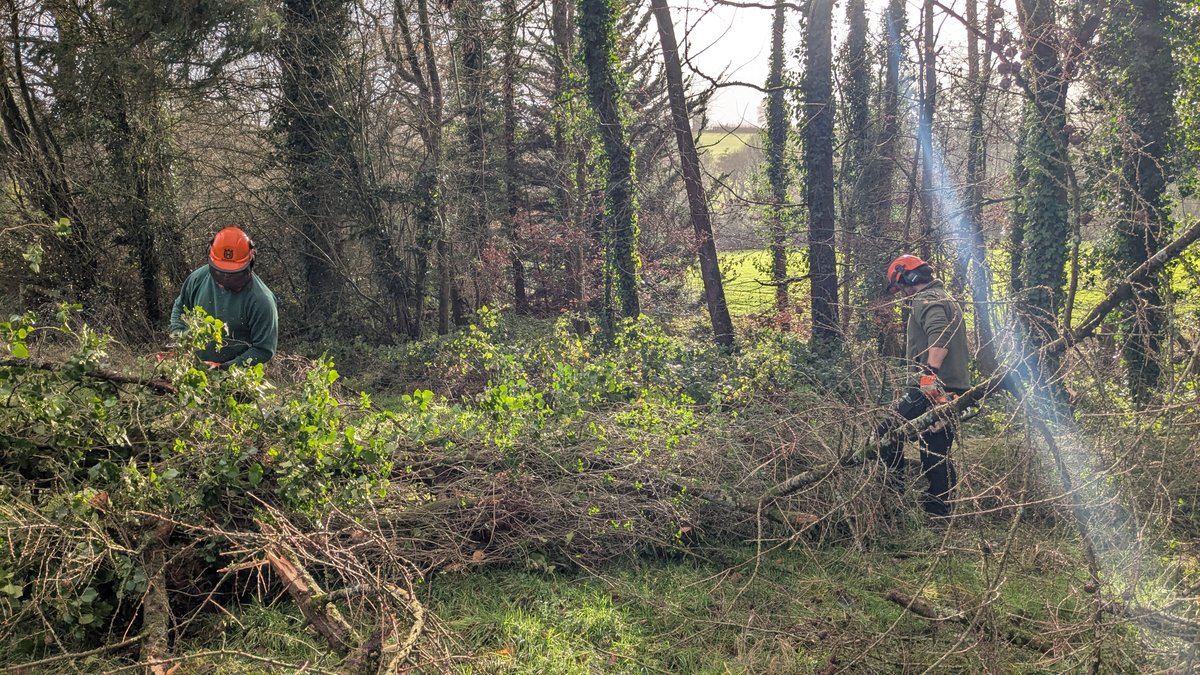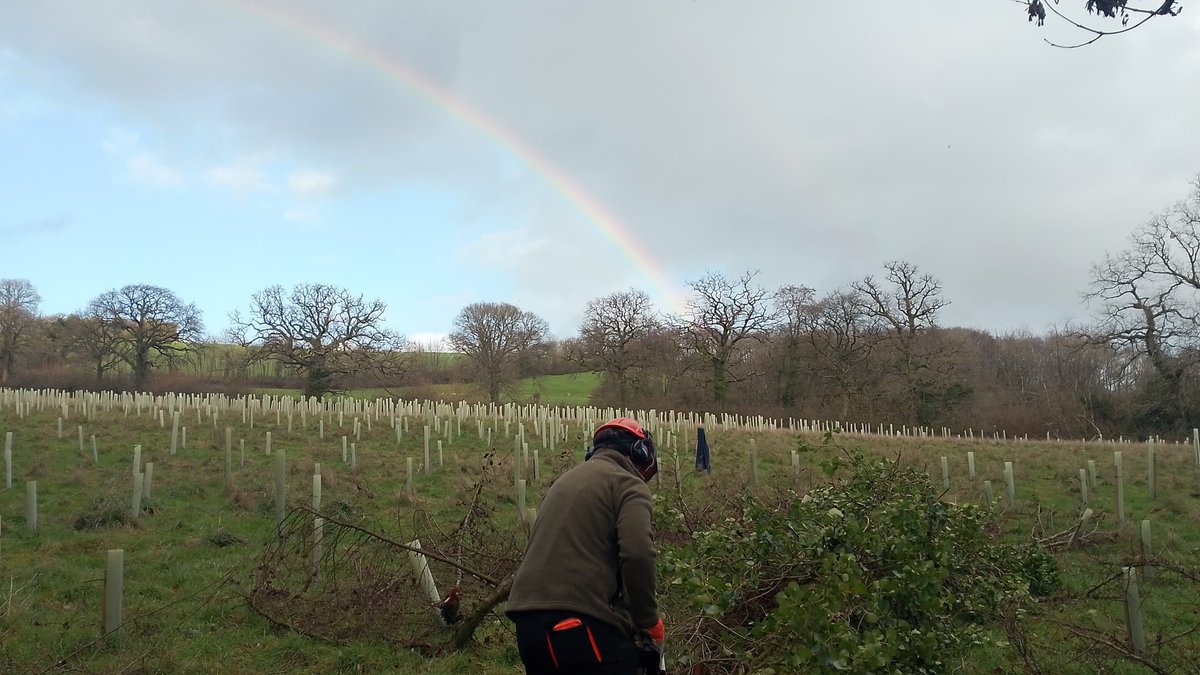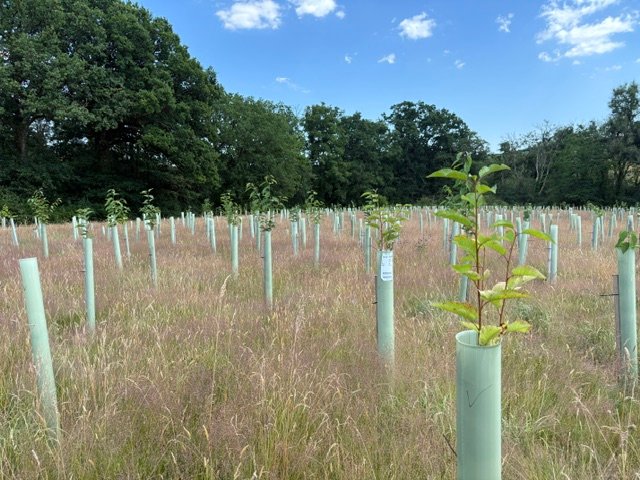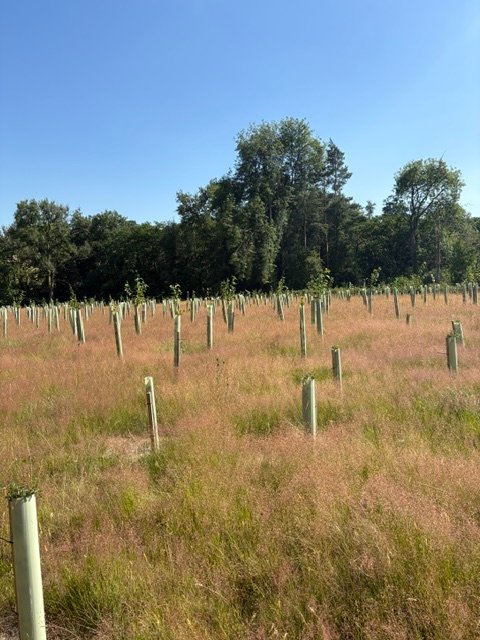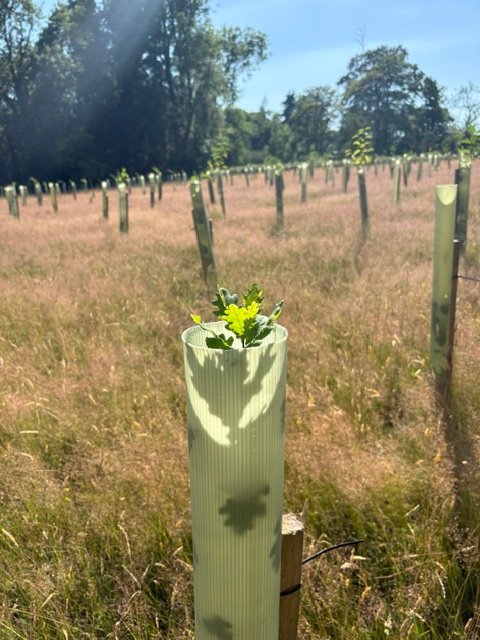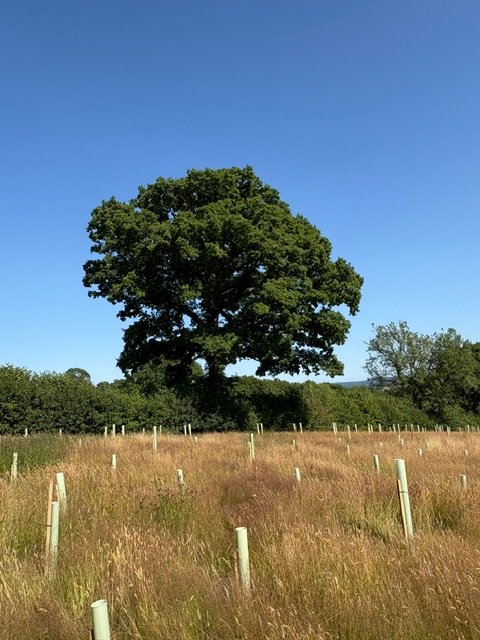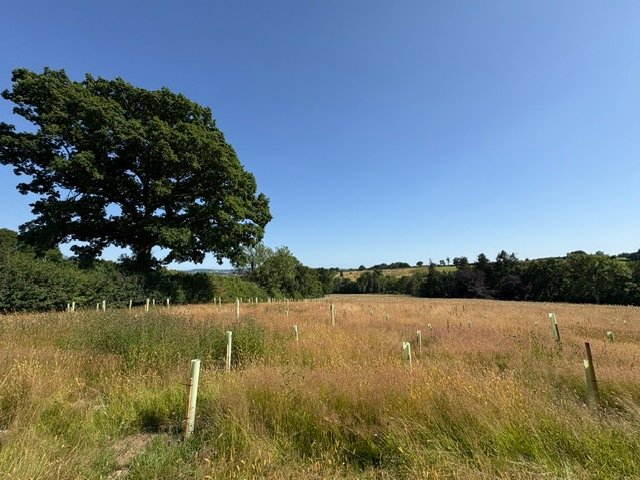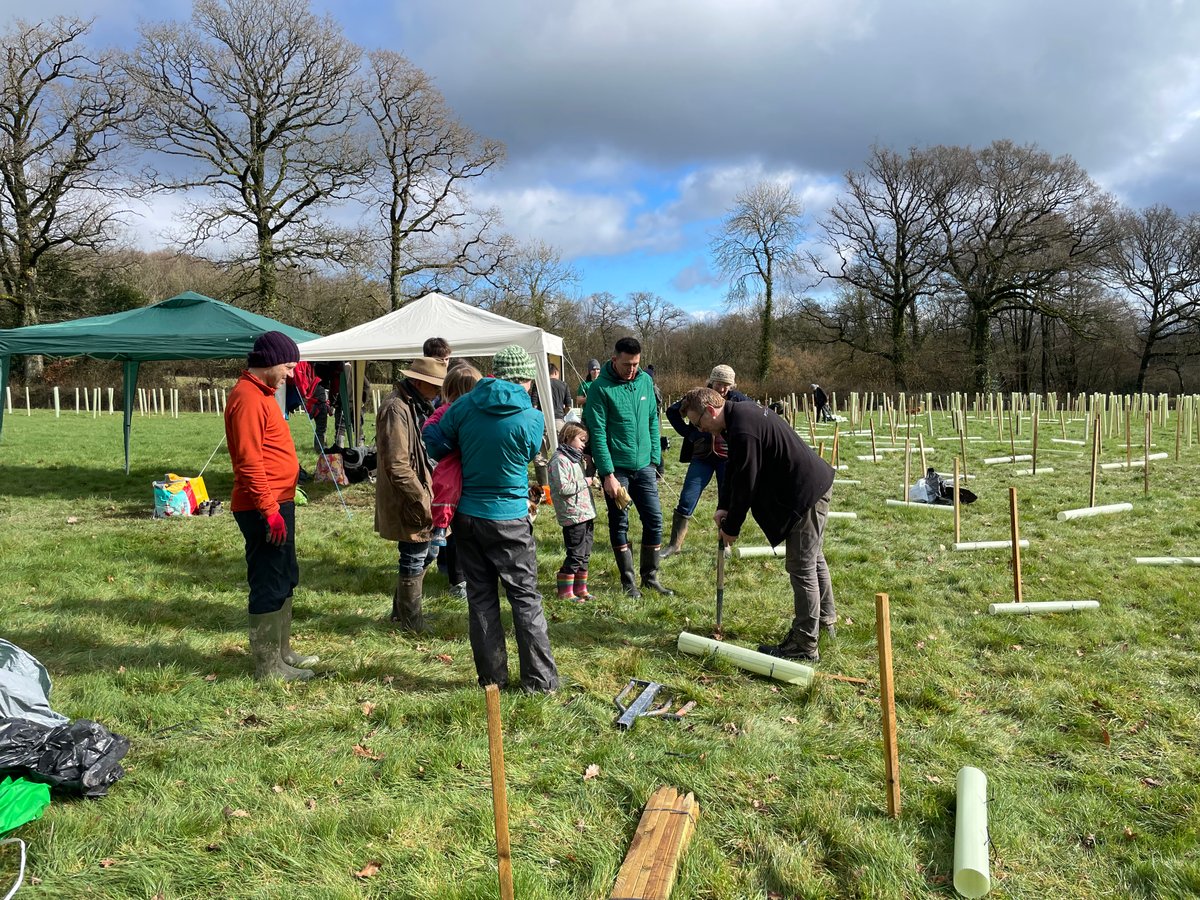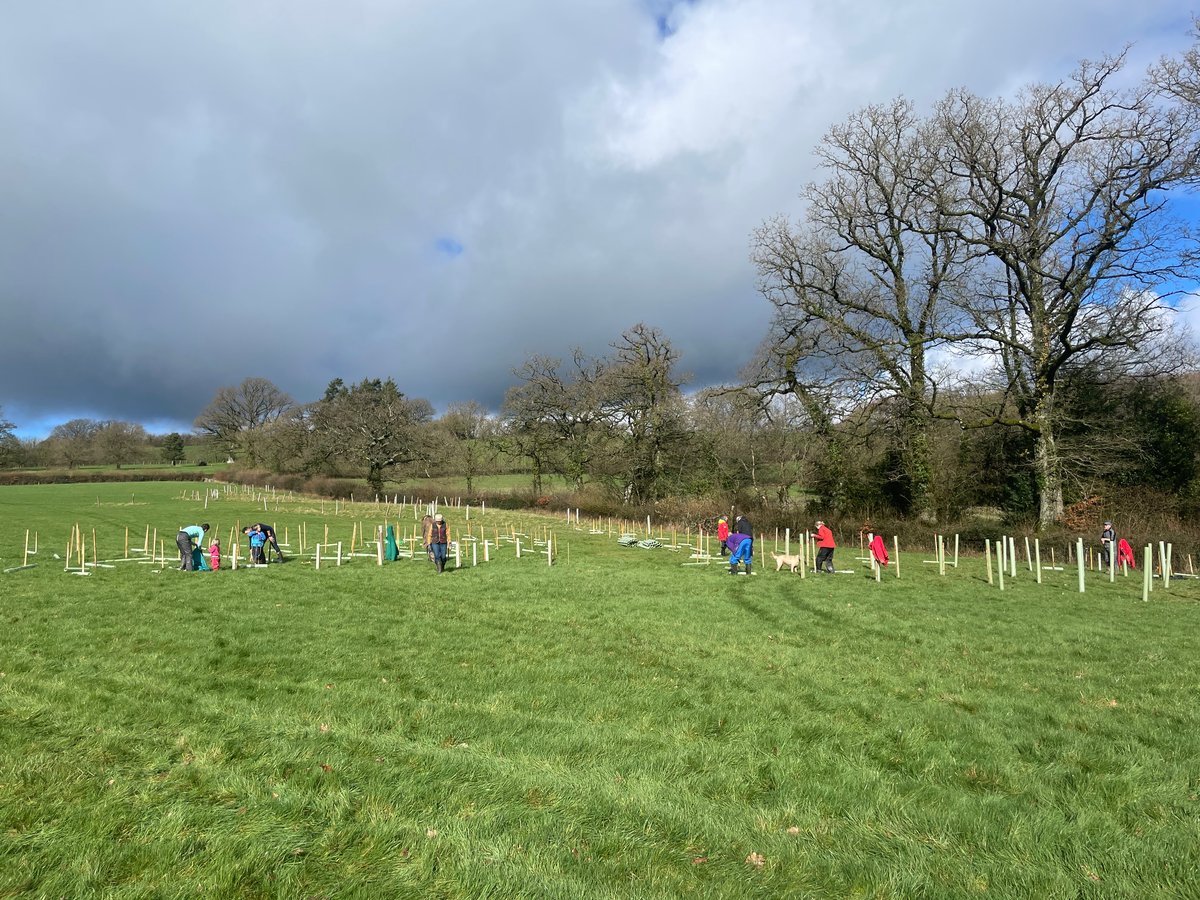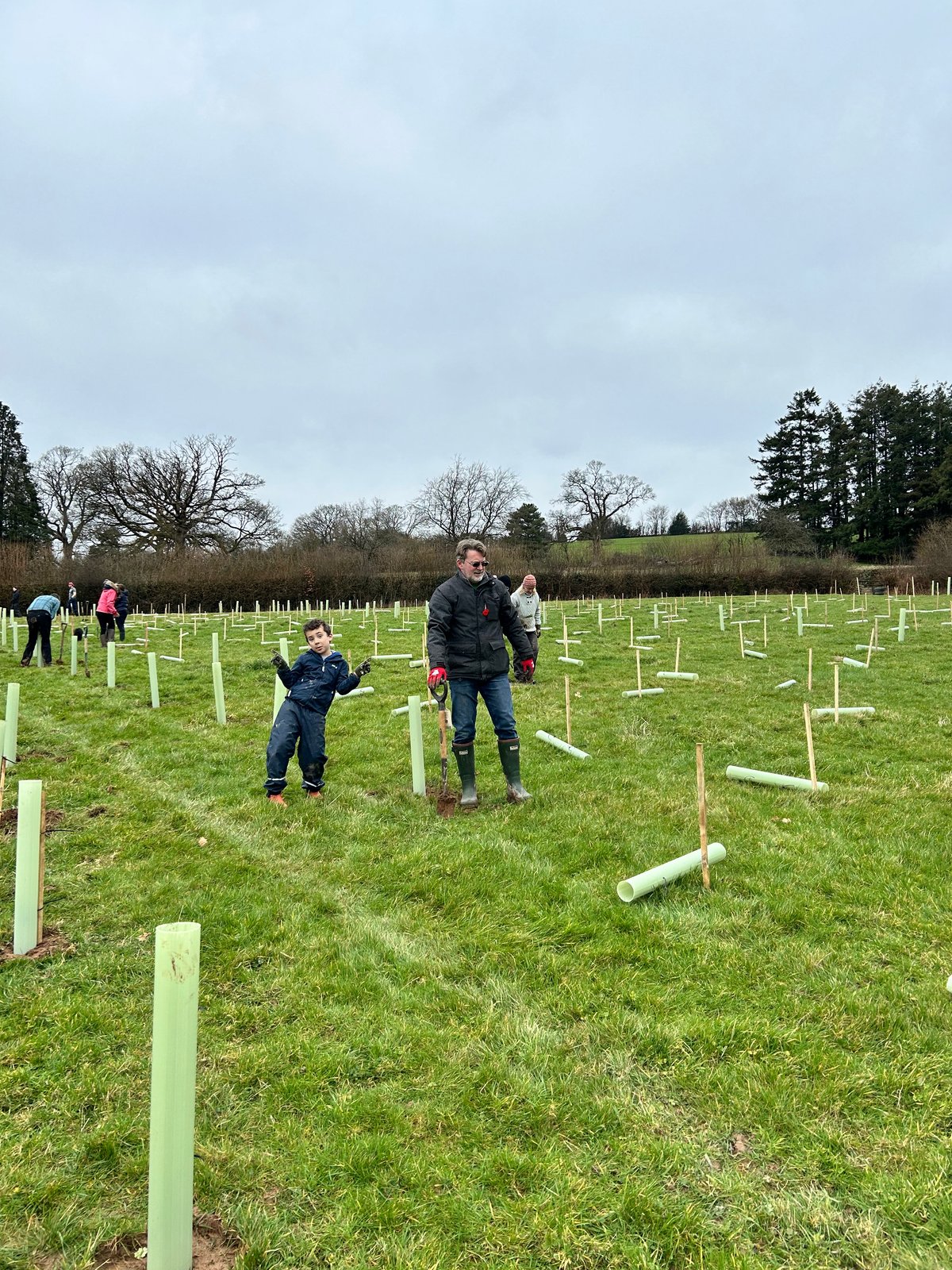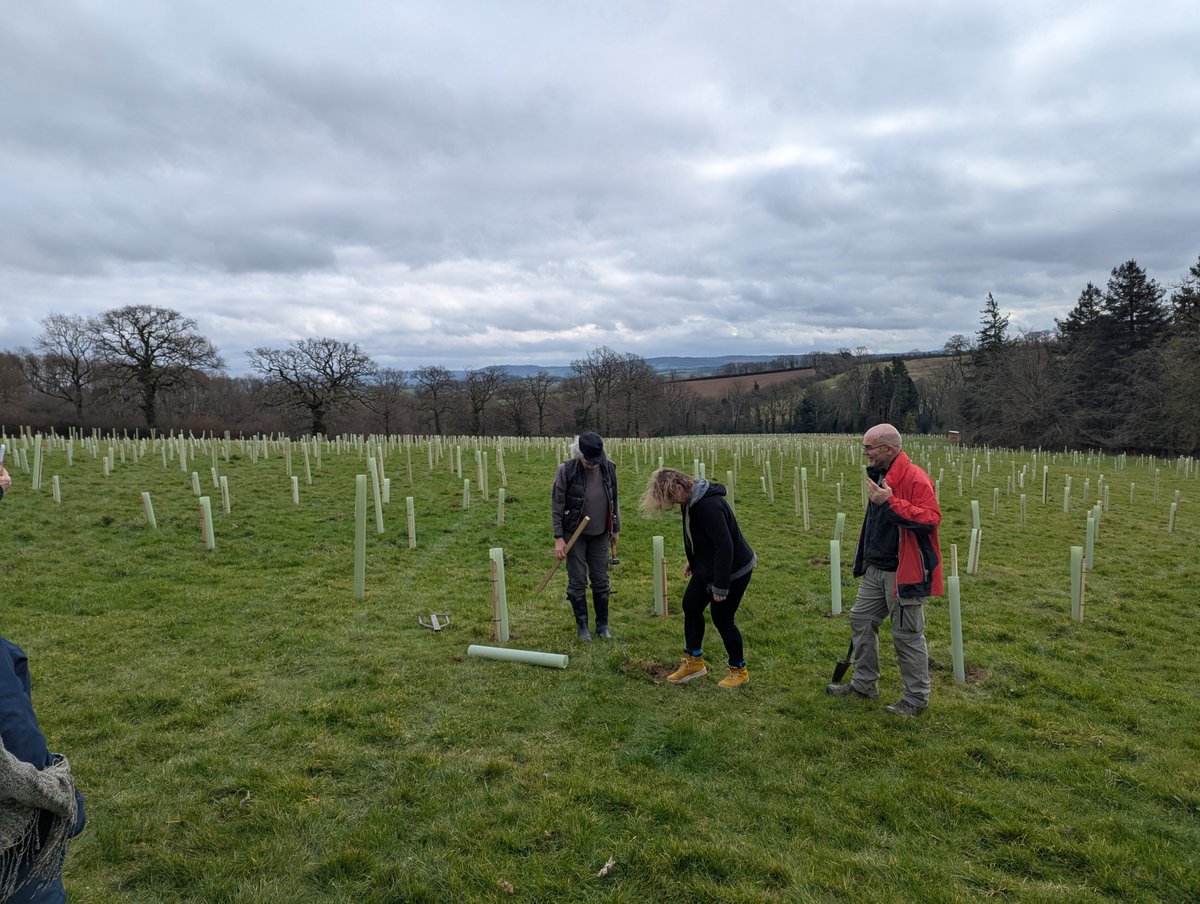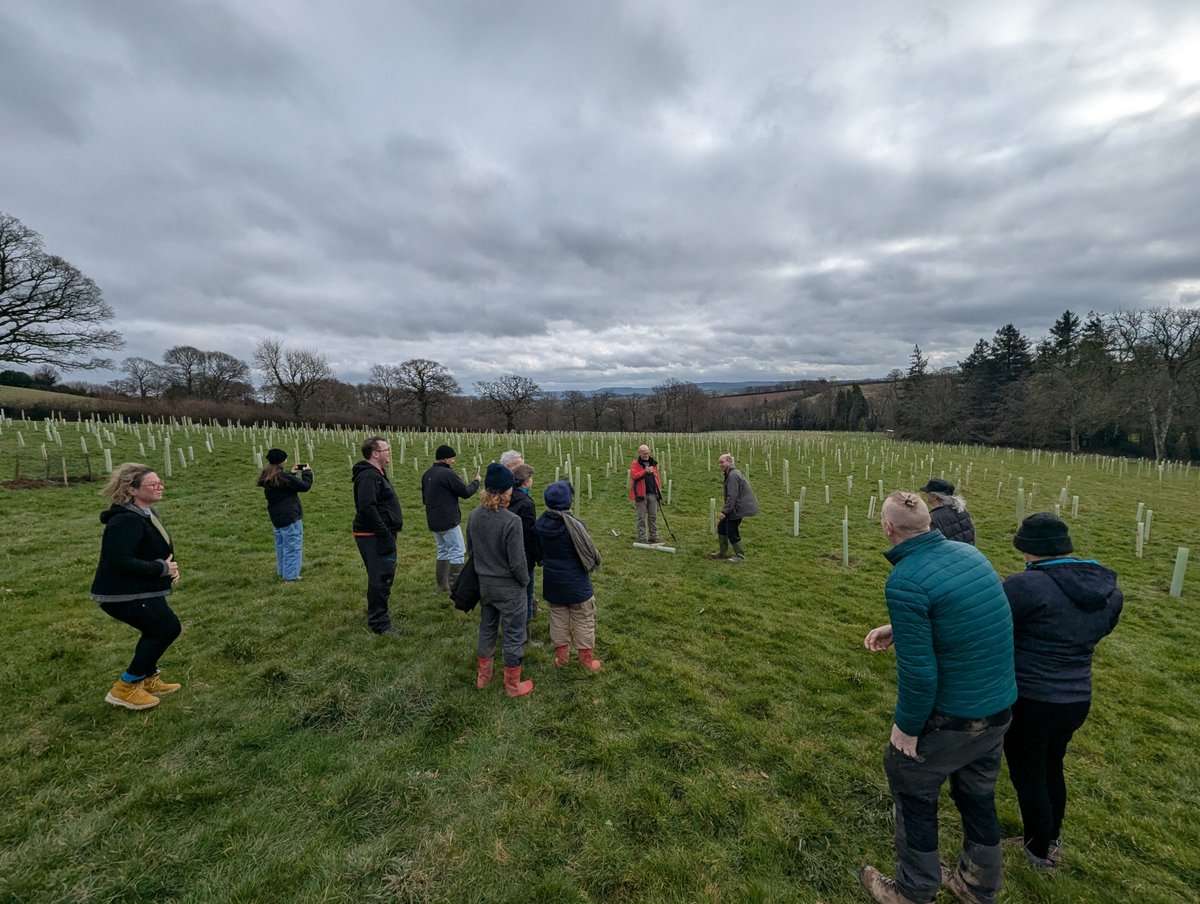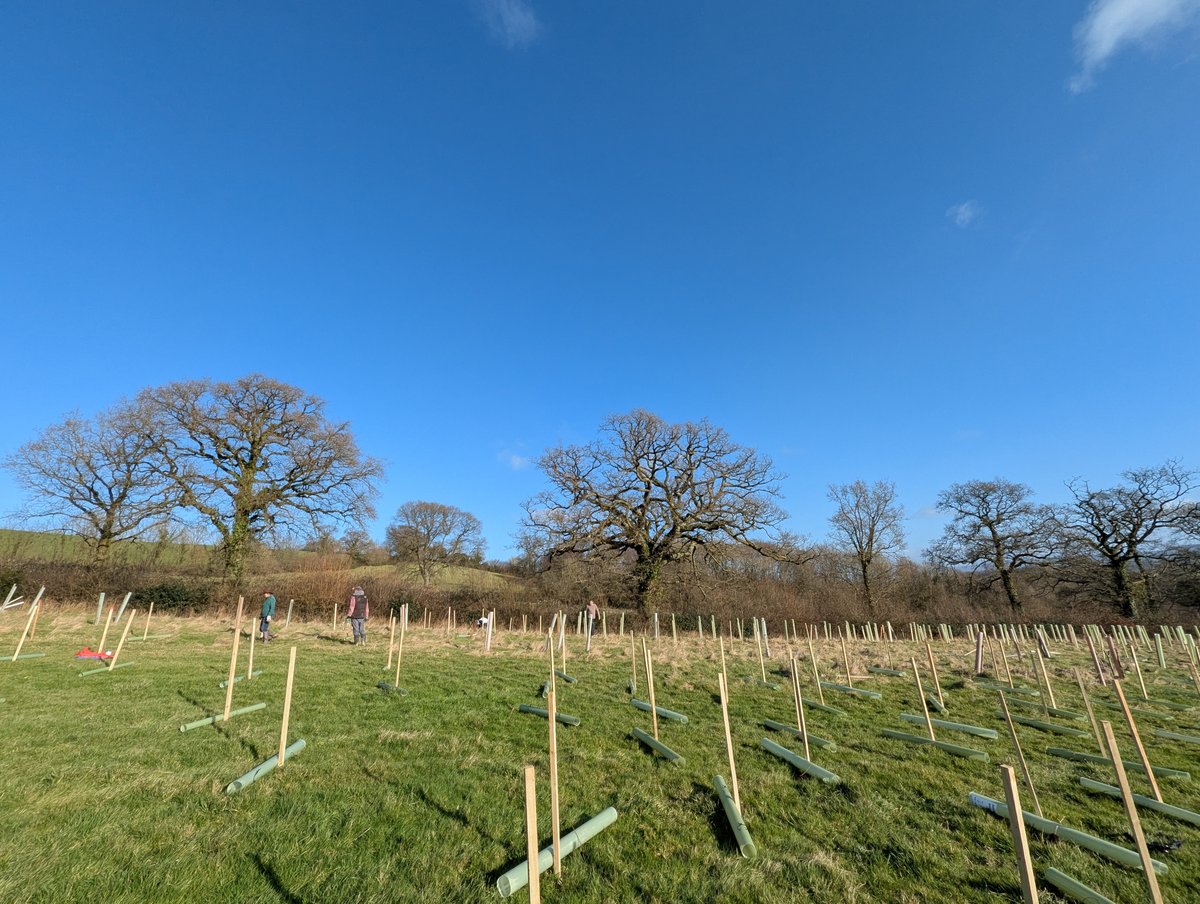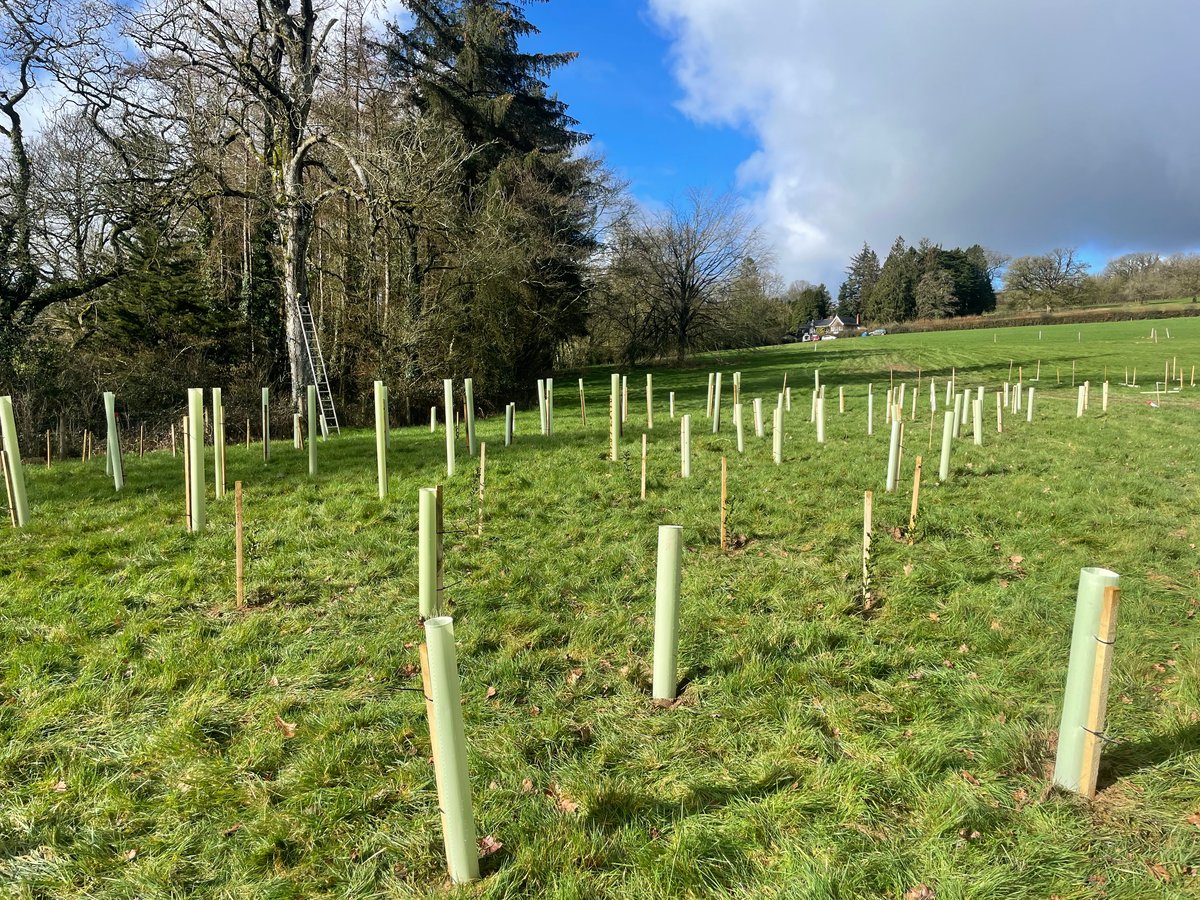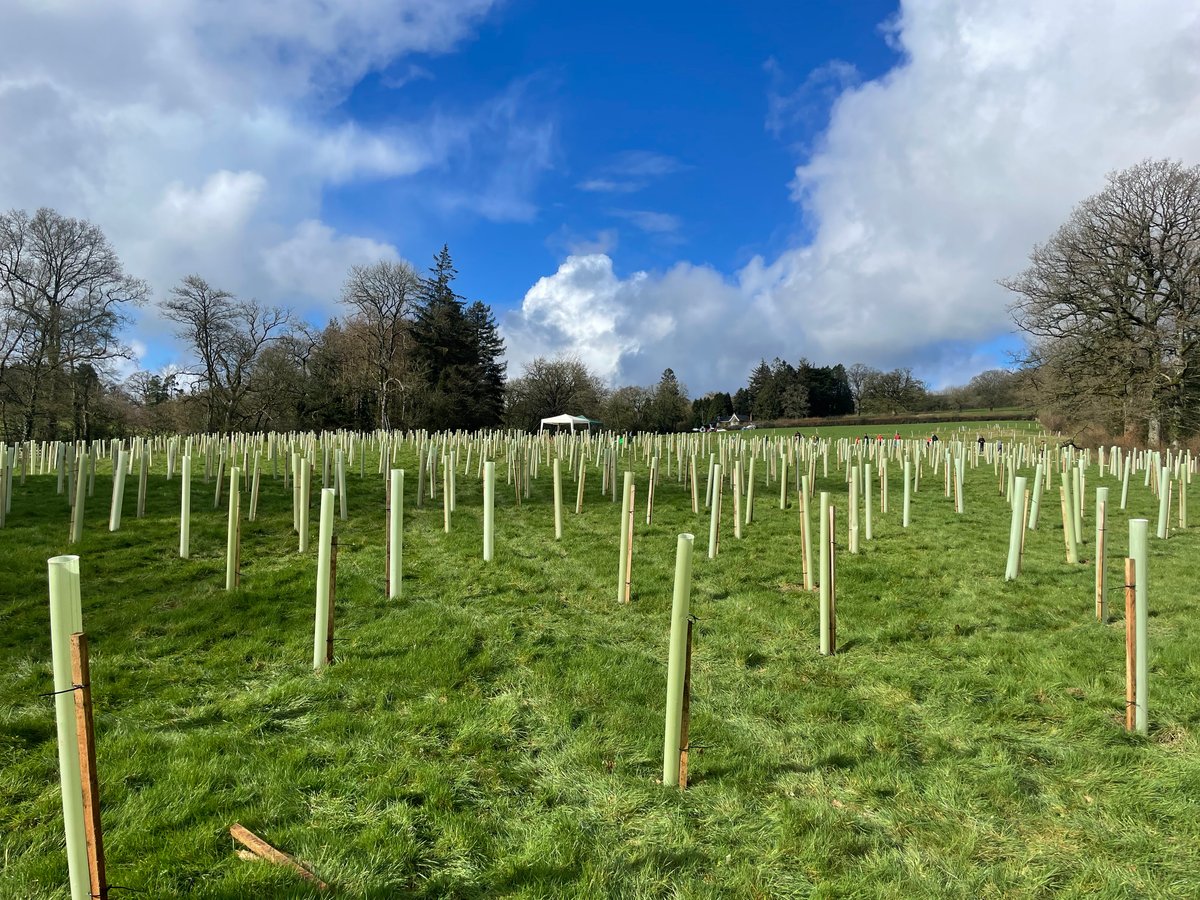

We had a couple of brilliant, cool, and sunny days on the Bullock Hill site near Storley in Devon, where Phil, Angus and Michael continued the gradual restoration of this PAWS (Plantation on Ancient Woodland Site) area. It was encouraging to see the young broadleaf trees planted over the past few years showing strong signs of life, and the conifer plantation beginning to open up into a more diverse habitat.
Our main task for this visit focused on sympathetic thinning. Previous light felling had been carried out, and we continued this work by removing select conifers to open the canopy and allow more light to reach the woodland floor. This approach supports natural regeneration, encourages biodiversity, and moves the site toward continuous cover forestry under a long-term conservation management plan.
We targeted trees that were either dead or leaning, as well as a few along the edge to create better access for future management. By creating these corridors, future felling will be safer and more efficient, preventing hung-up trees and unmanaged tangle.
One of the more unexpected jobs involved removing two old fence lines, both a traditional sheep fence and a rusted barbed-wire line. Clearing these is important for future access and safety, preventing hazards for people and wildlife.
As we worked, we ensured that biodiversity benefitted from our activity:
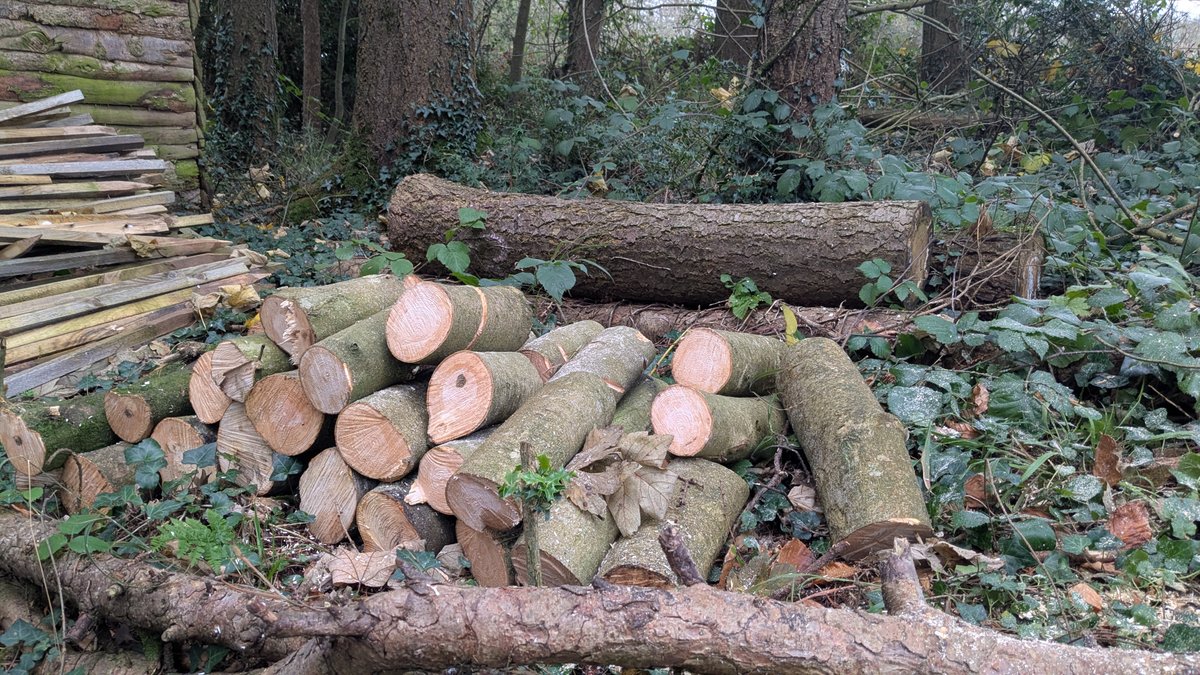
- Logs were stacked to dry and stored at 4–6ft lengths for easy handling.
- A small number of high-quality long logs were left for potential milling, locking in carbon and providing opportunities for local timber use rather than burning or leaving to rot.
- Two brash piles were created intentionally as overwintering habitat for insects and small mammals.
- Impact on hazel regeneration was avoided wherever possible, and a bent hawthorn was left in place to regrow naturally. In total, we removed approximately 5 cubic metres (m³) of timber, most of which is now neatly stacked and ready for future use. The site may look a little untidy at first glance, but it has been left in a safe and manageable condition, and everything has been done with biodiversity and long-term woodland recovery in mind.
Overall, it was a productive visit and the winch only came out once. We look forward to returning, and continuing the slow transformation of this conifer block back into a thriving broadleaf woodland ecosystem.