St Donat's Castle

St Donats, Vale of Glamorgan

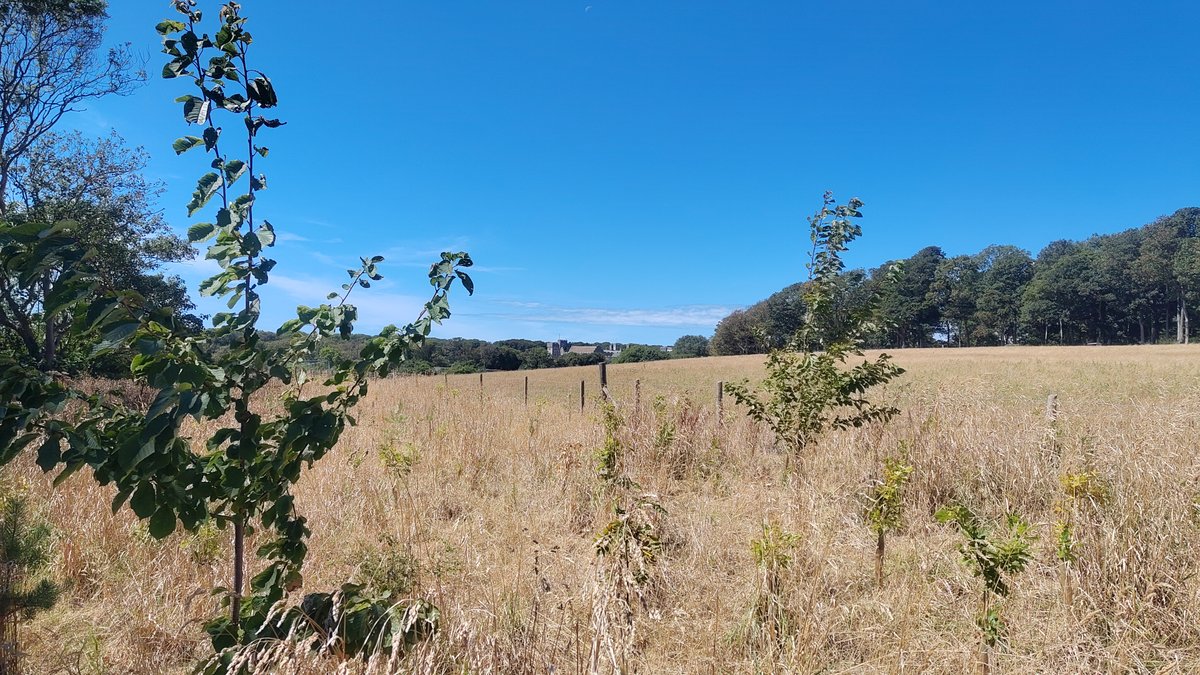
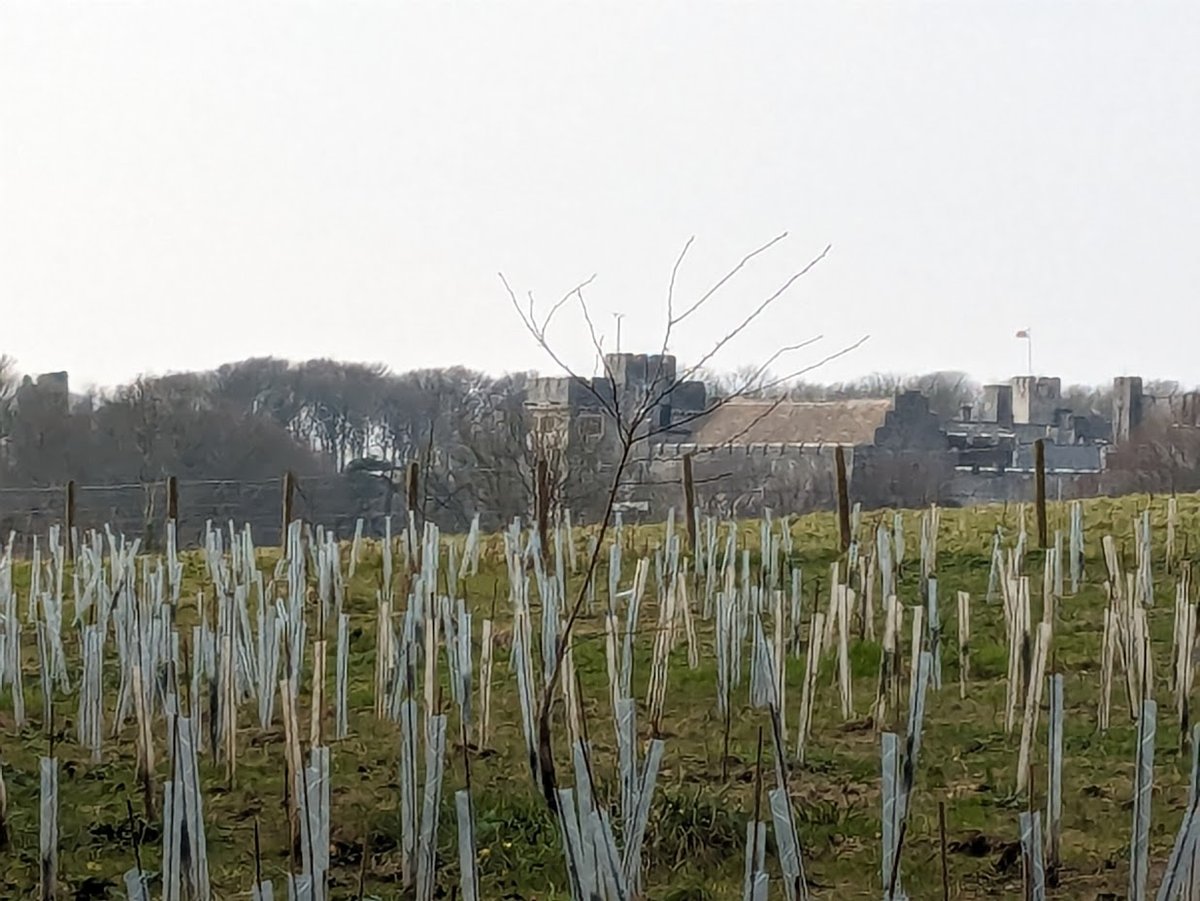
Landscape view of St Donat's Castle

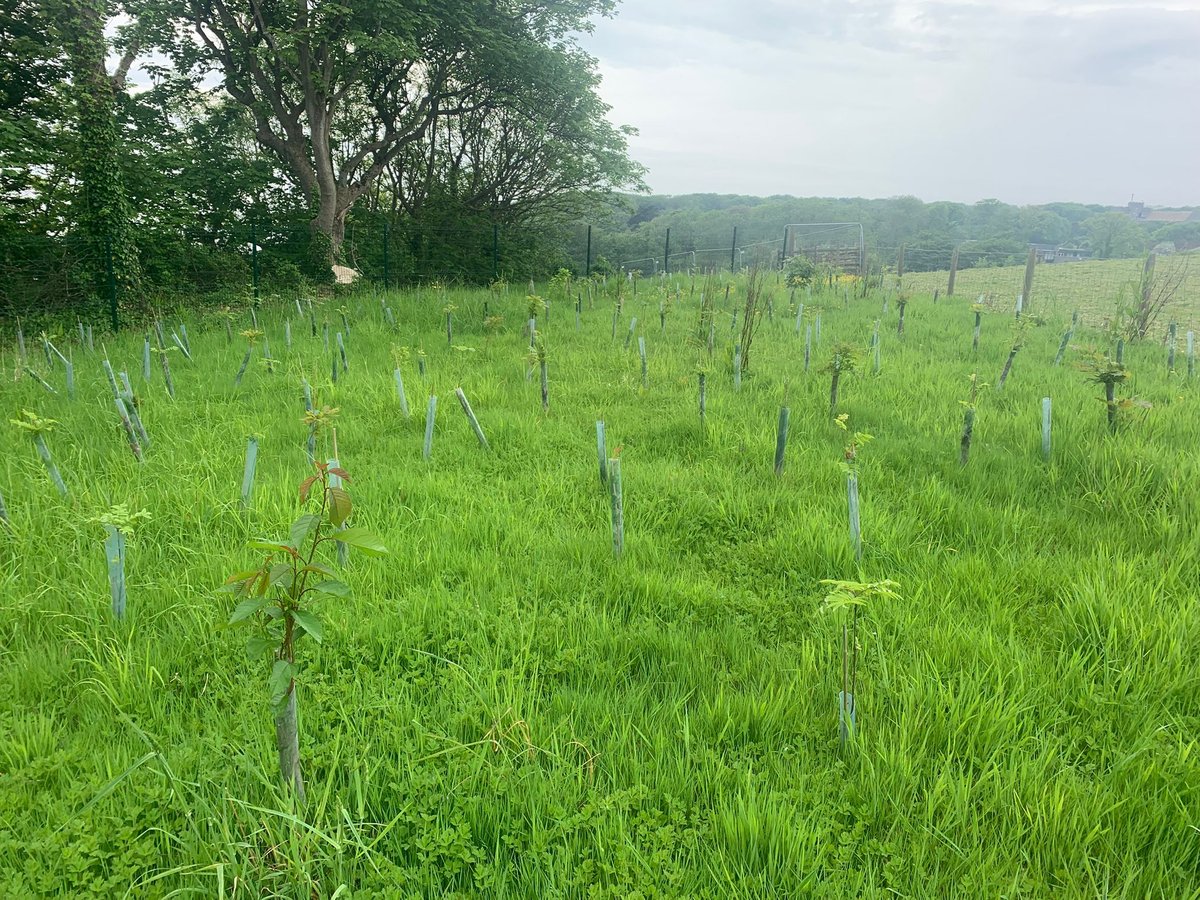
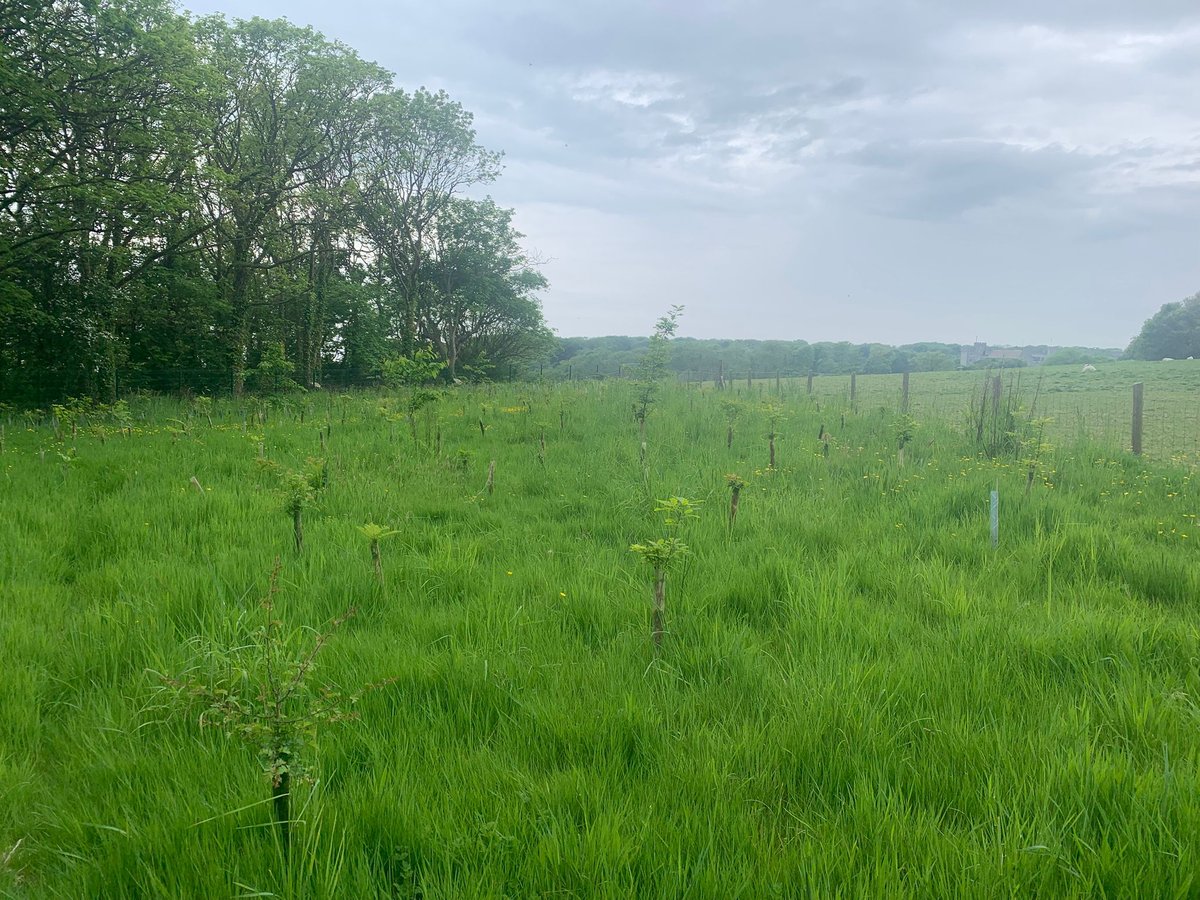
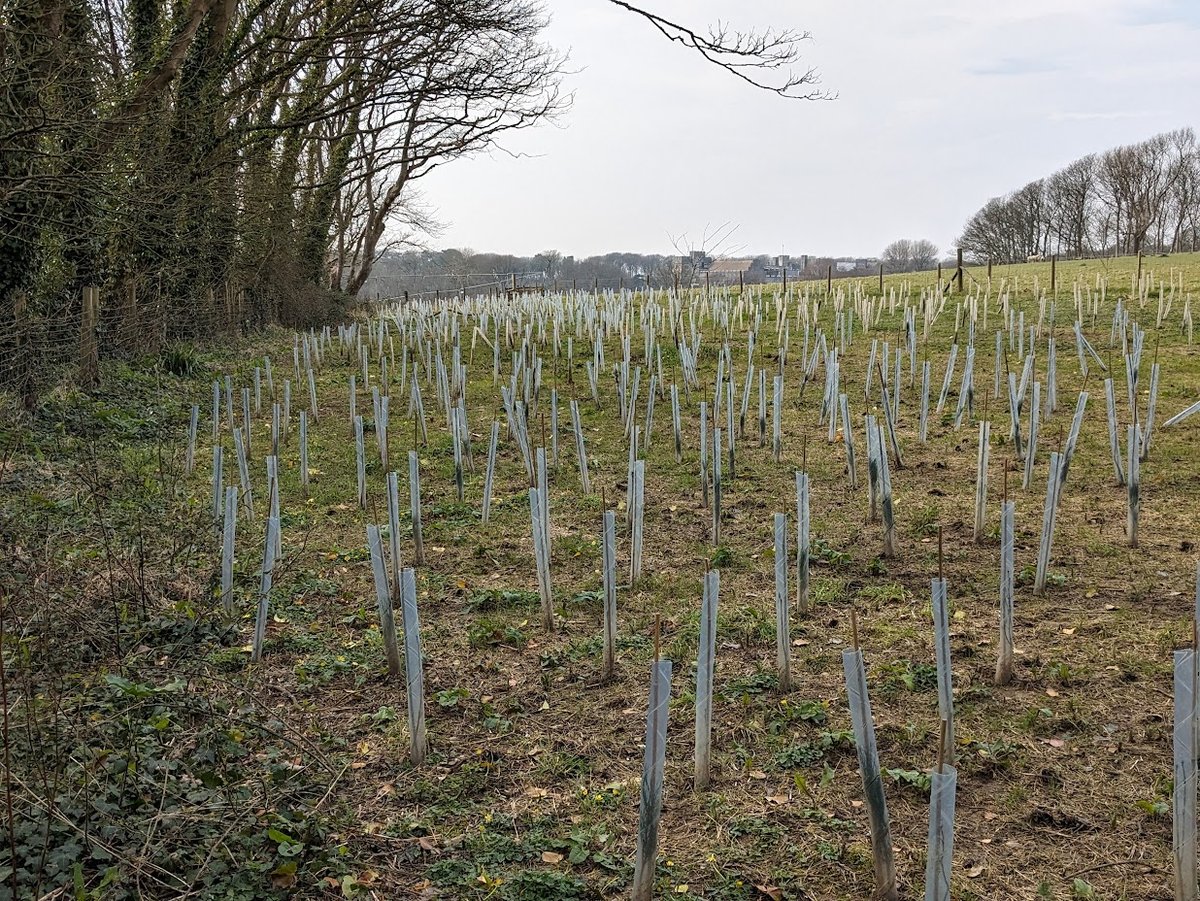
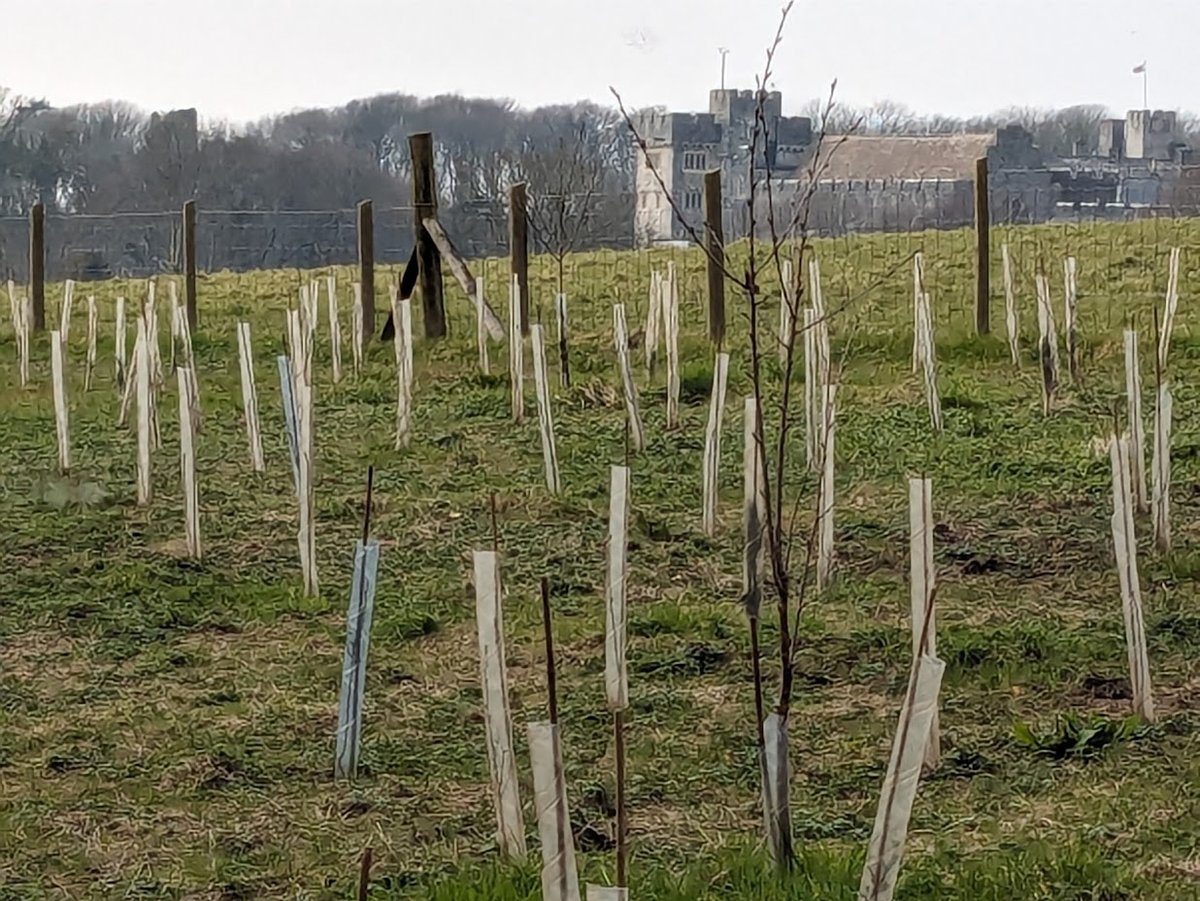
Standing above the Bristol Channel is the imposing St Donats Castle, which is the longest continually inhabited castle in Wales. Working with Dream for Trees we have created another miniforest for people and nature to enjoy.

Help fund our work

Fund the work still needed to complete this critical work.

Updates

  • Survival Survey
  • 83% survival rate

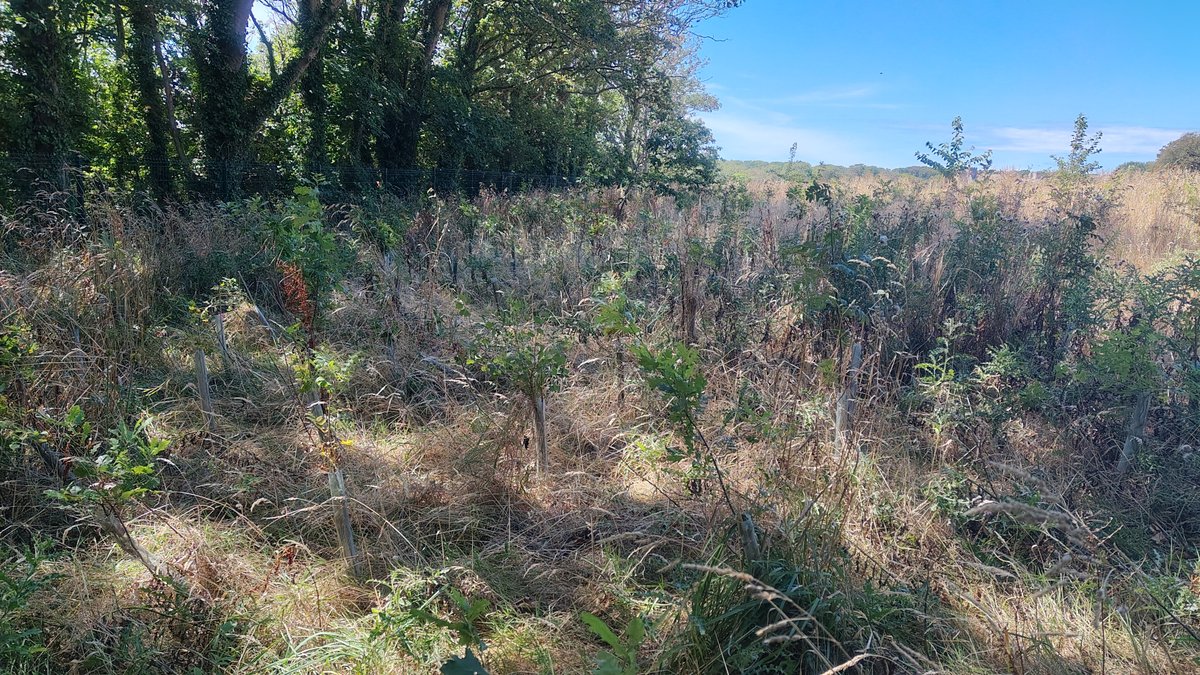
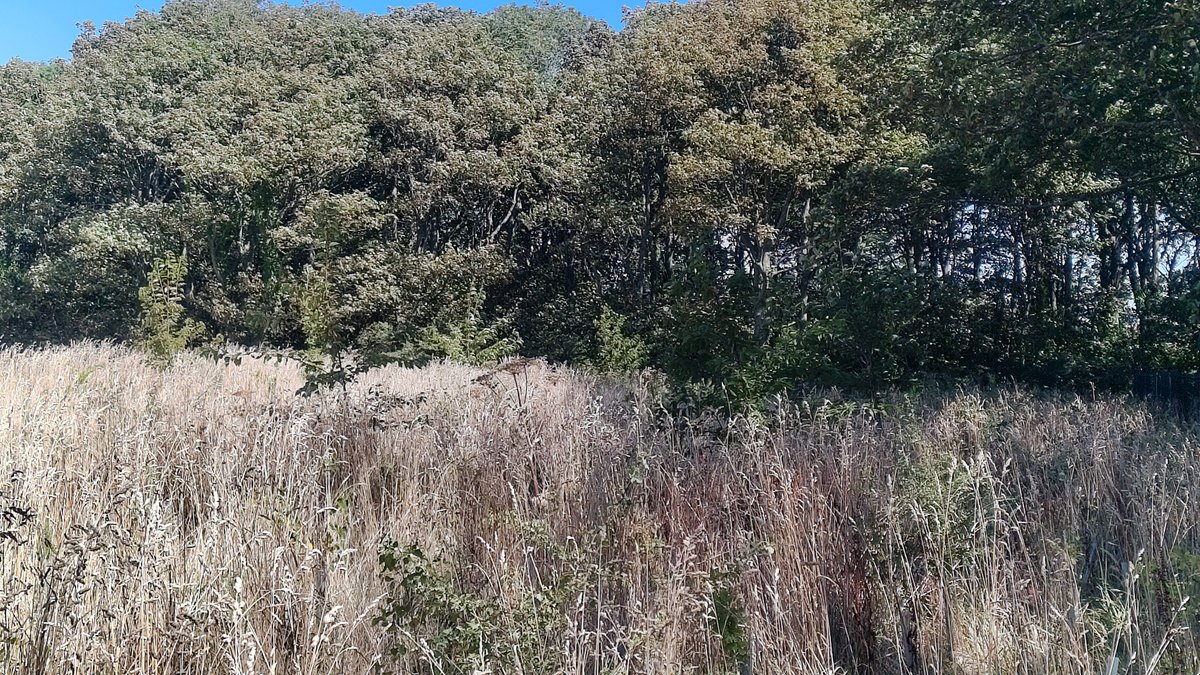
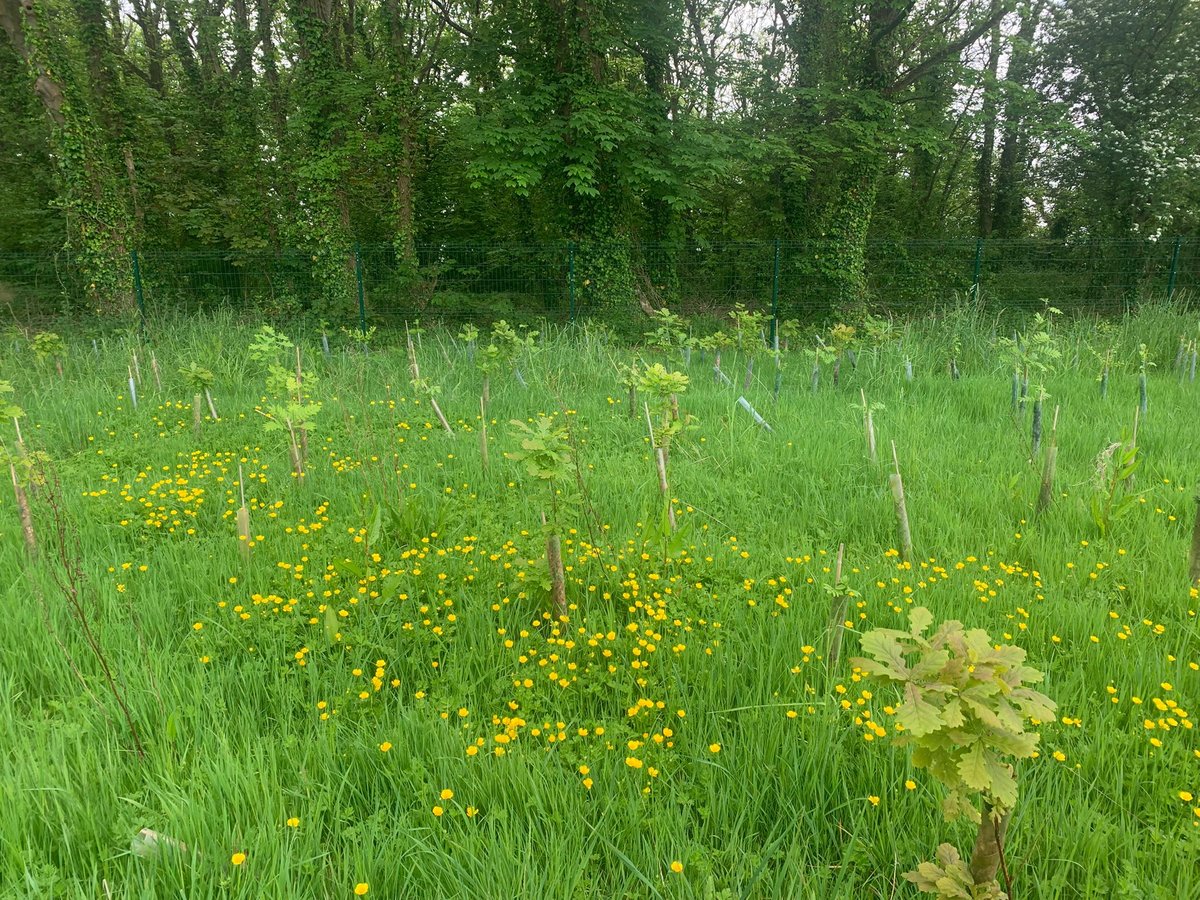
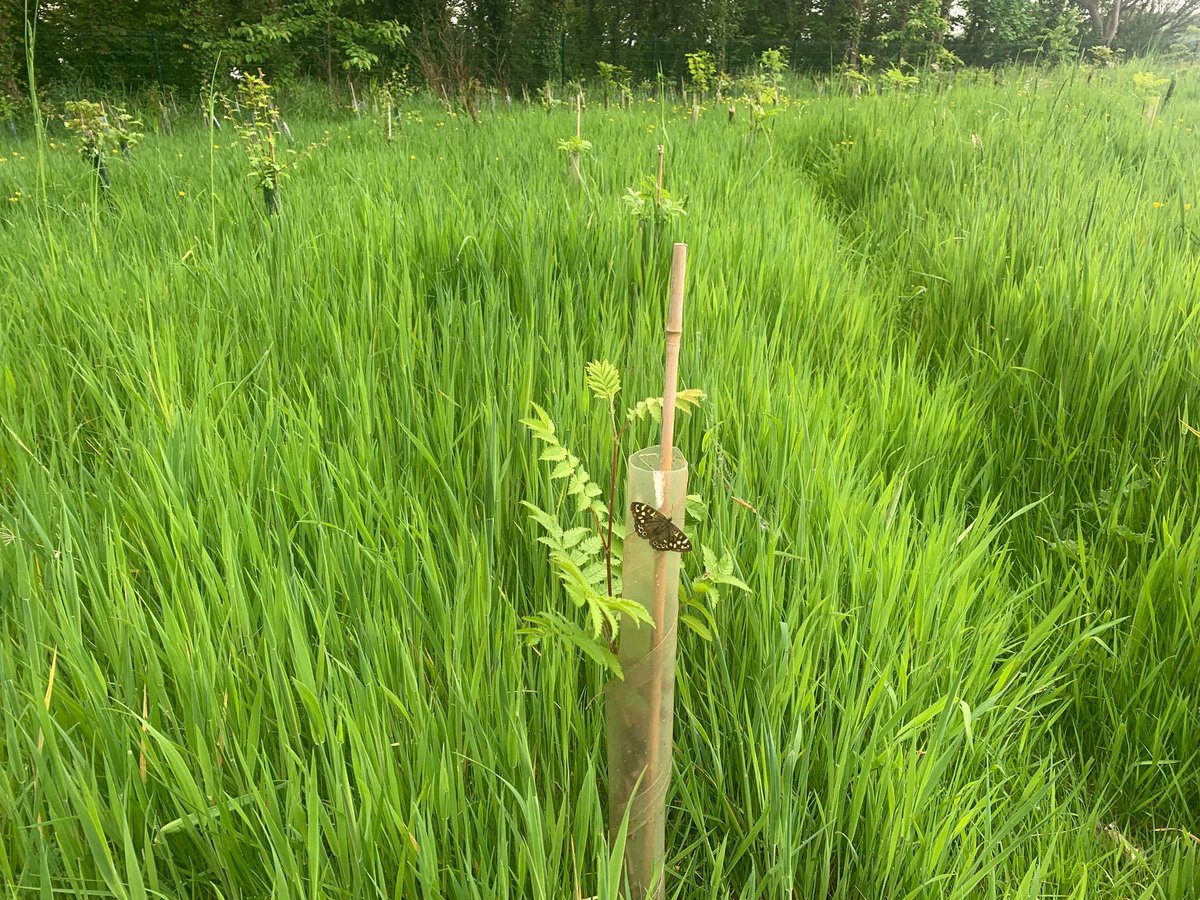
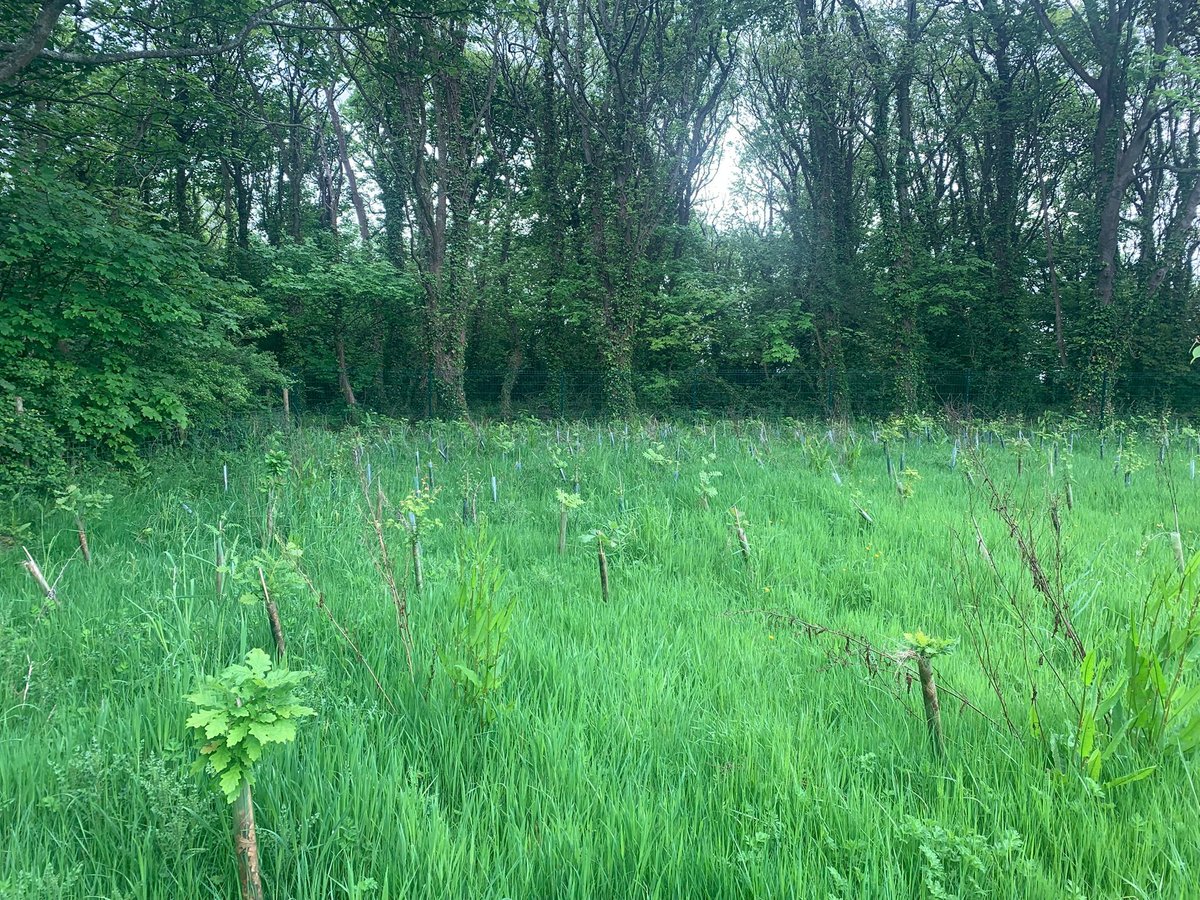
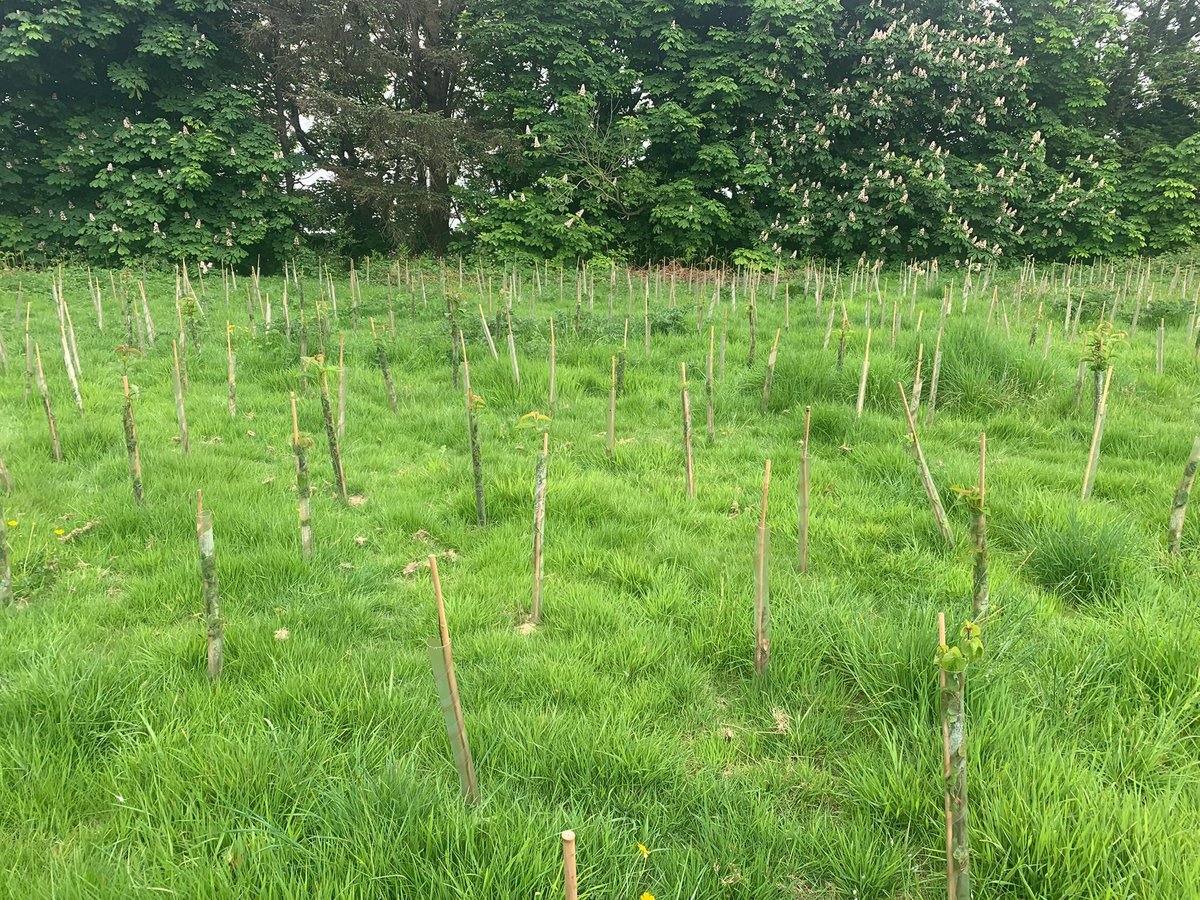
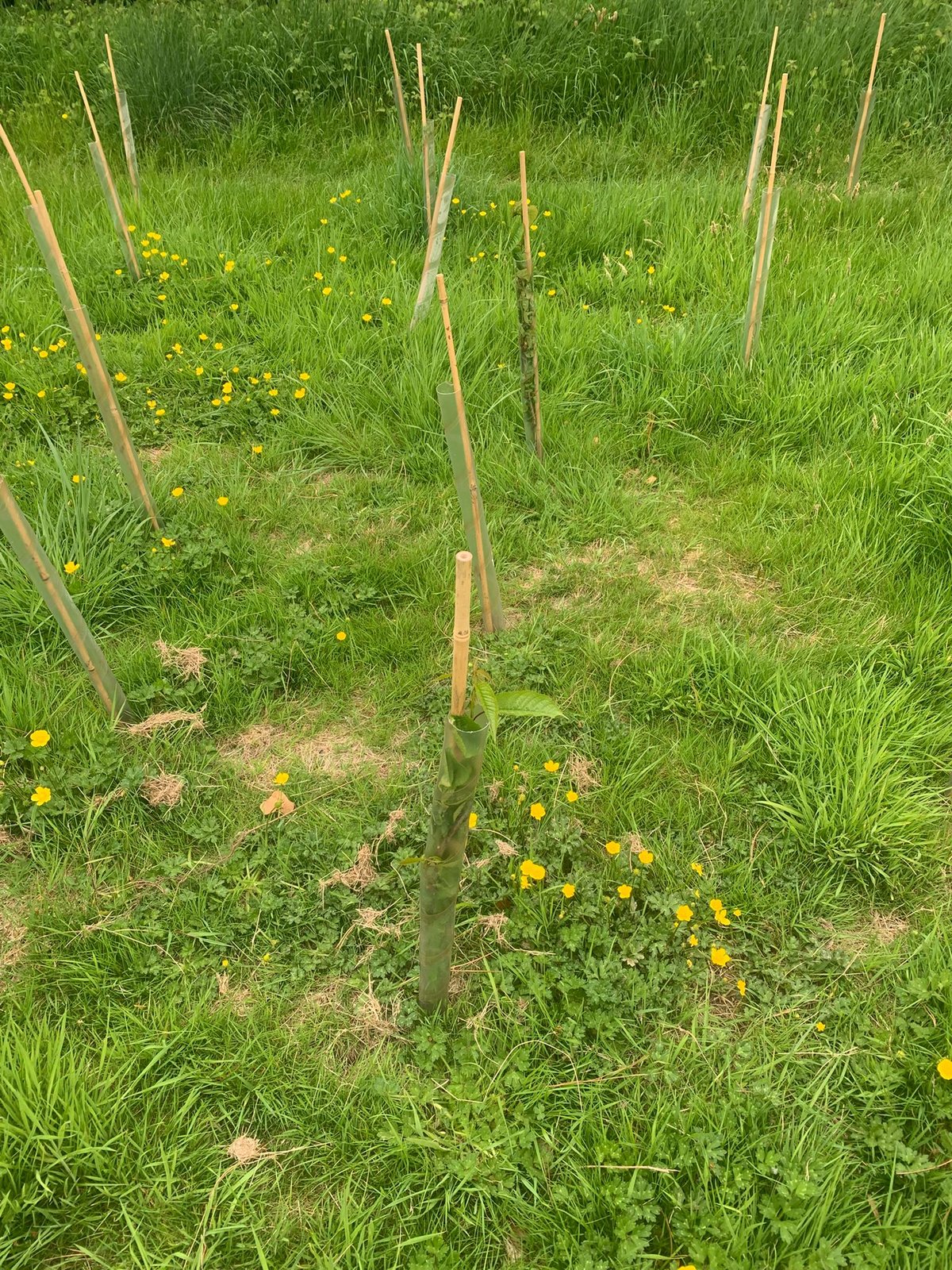
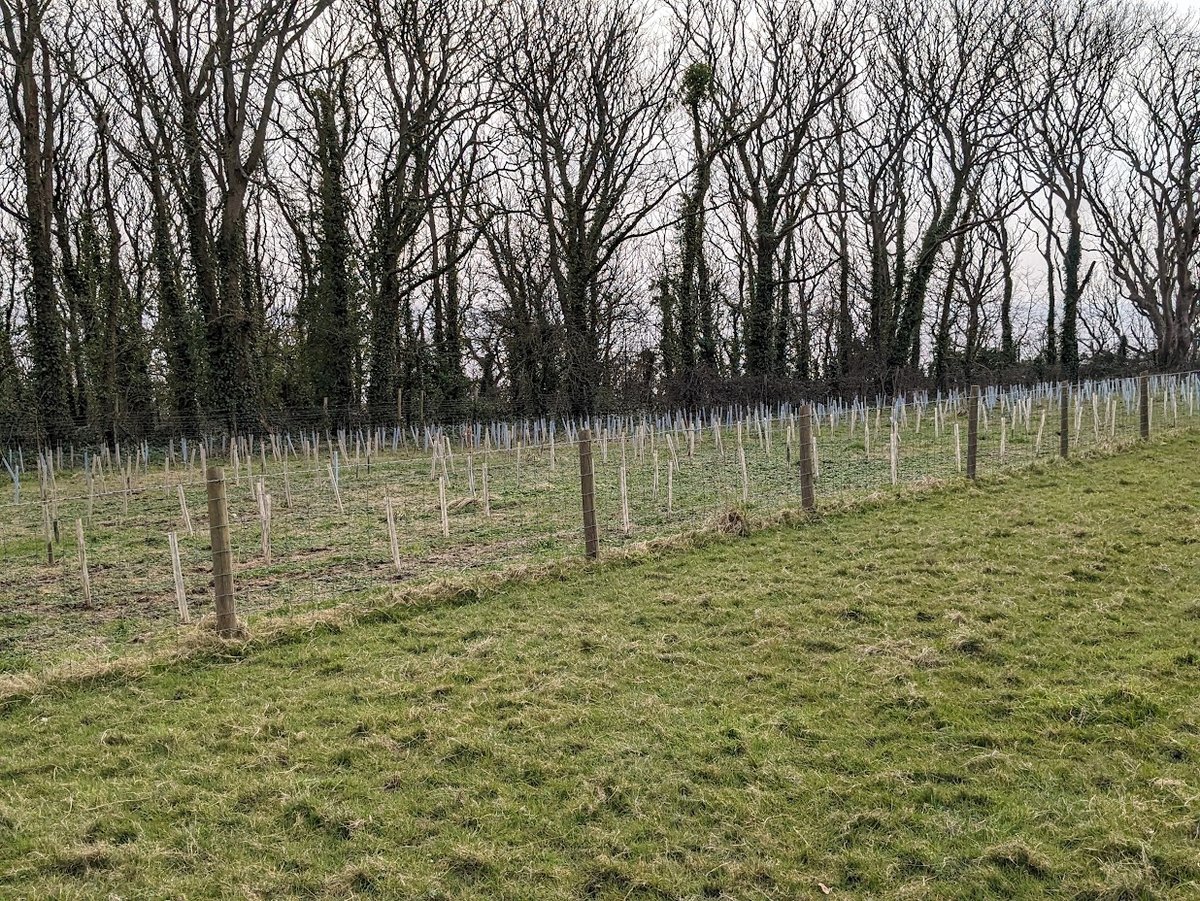
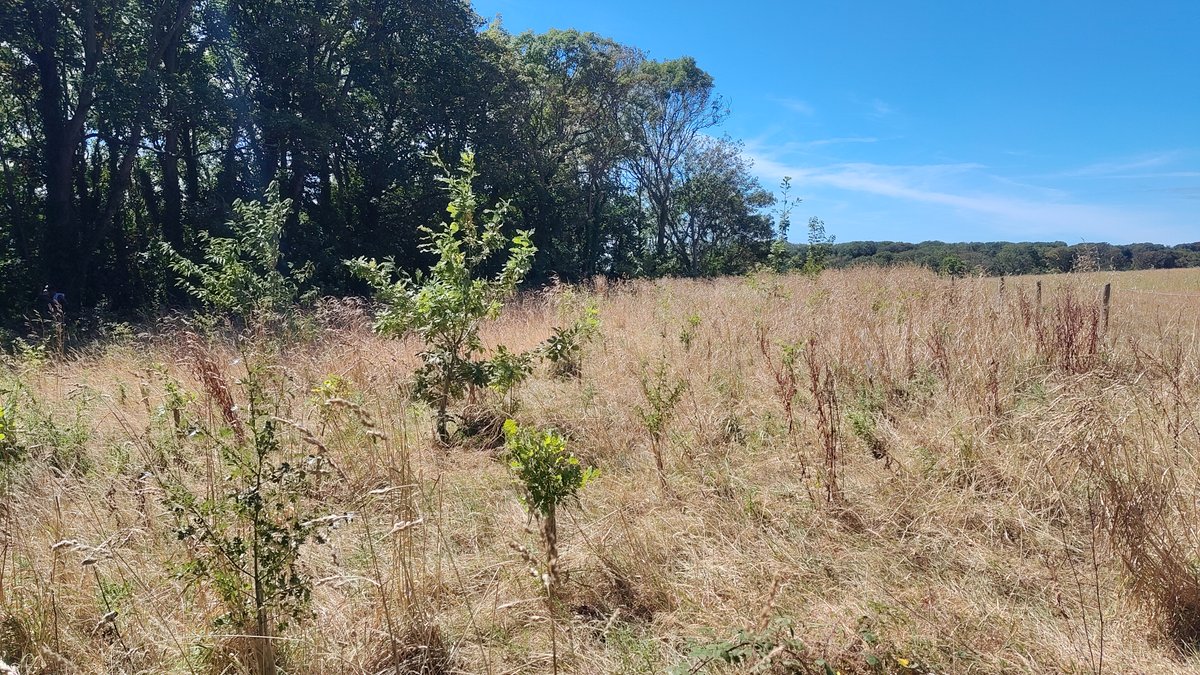
It was very exciting to see how much the trees have grown since last year. Although a small minority of the trees are showing some degree of stress heat, they seem to be coping. The rest appear to be completely healthy and unbothered by the drought, giving us a survival rate of 83%. The fence and gate continue to keep the sheep out of the planted area.

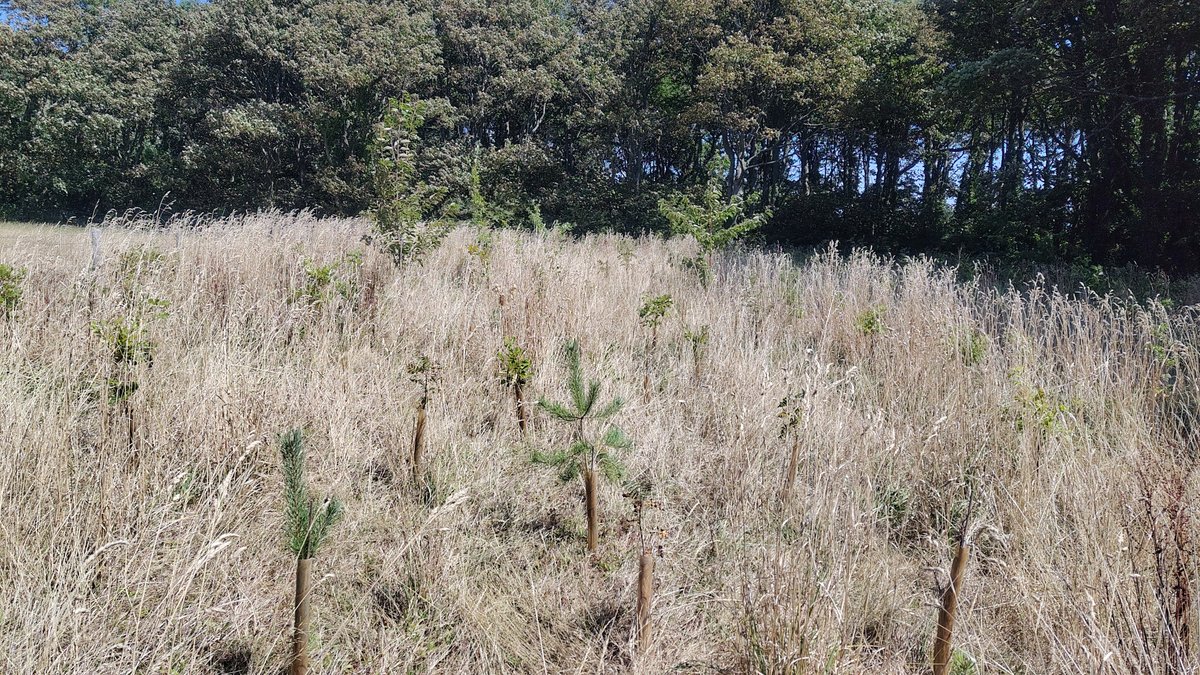
The successful species mix here was very apparent with each planned species well represented throughout. The cherry trees are thriving on this site, showing the biggest growth, with some big oaks too. The Scot’s pine were the only species underperforming at this point. However, all the trees were well above the guards.

Although this site doesn’t need a restock at the moment, it would be good if some maintenance can be carried out before next spring, perhaps by students from the college.
  • Survival Survey
  • 63% survival rate

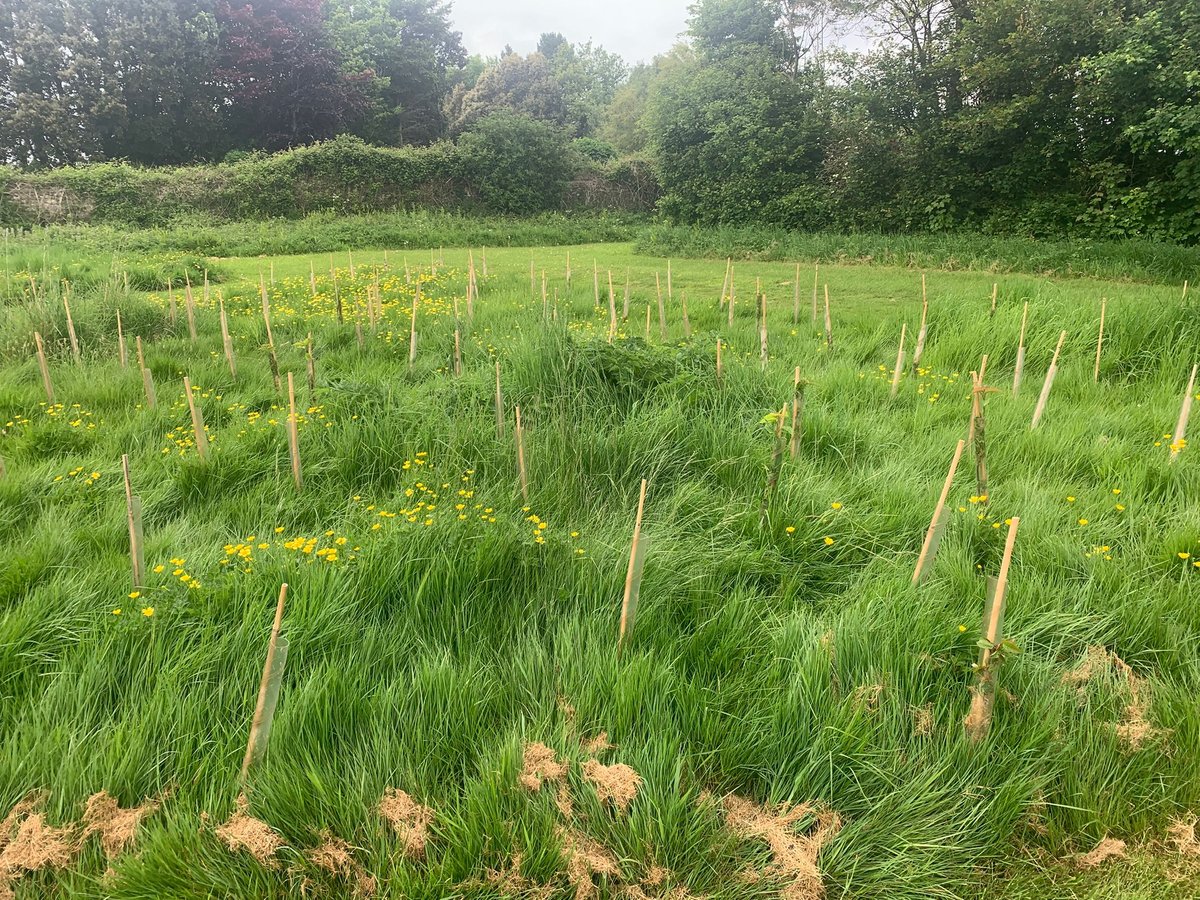
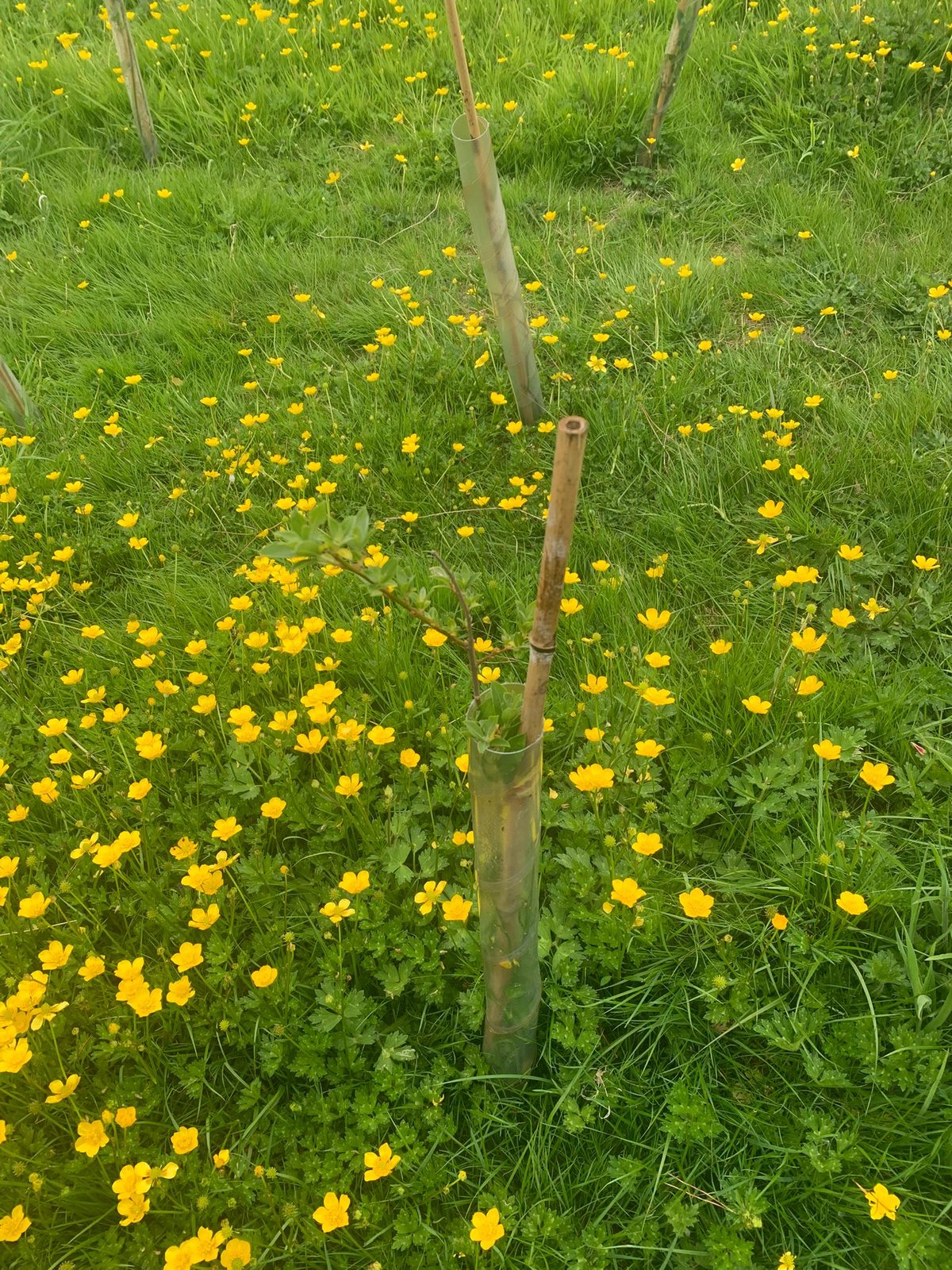
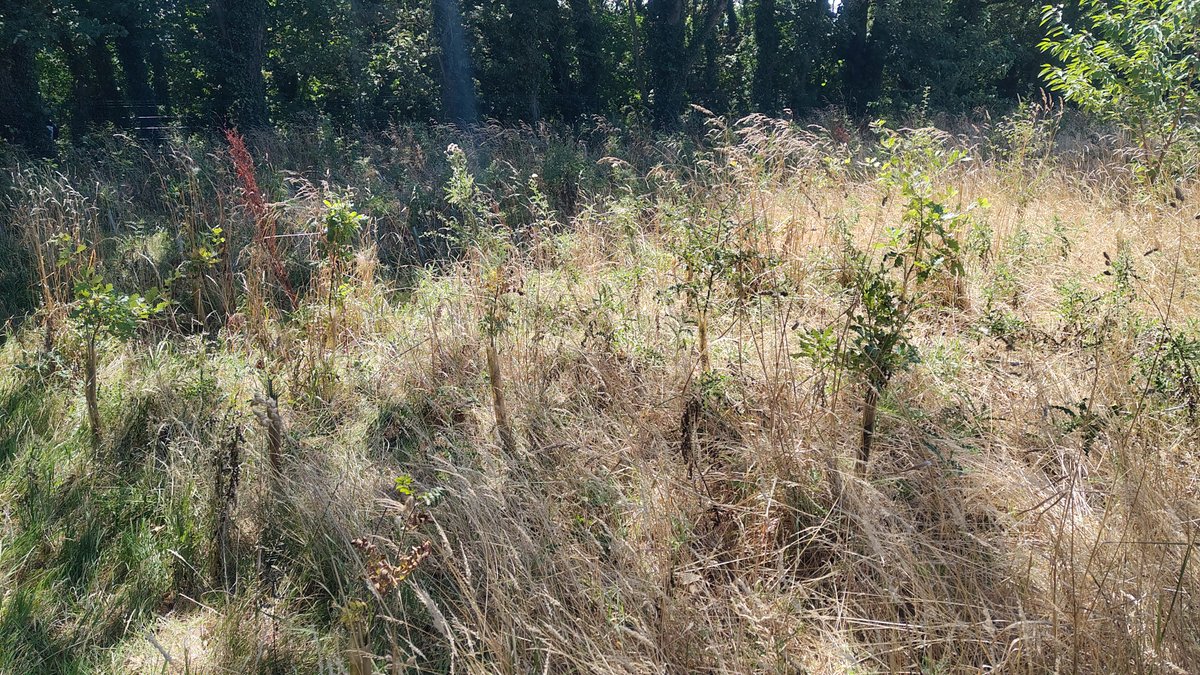
We sampled 50 trees in the first planting zone, and the survival rate is 84%. Anything that looked in serious distress was classified as dead, so the survival figure could be higher. The dead saplings appeared to be ones that never established, i.e. no signs of growth.

The area is very dry as it is well-drained soil and we have had so little rain, but many species are doing well, particularly Oak, Dog Rose, Scots Pine, Cherry and Hawthorn. Rowan is presenting with fewer green leaves. - Landowner Quote: ‘Since the March inspection in 2024, there have been 25% losses… We had 12 days of rain in each of June and July, and have had rain on 4 days in August so far, albeit not large volumes.

  • Tree Planting
  • 1,000 trees planted

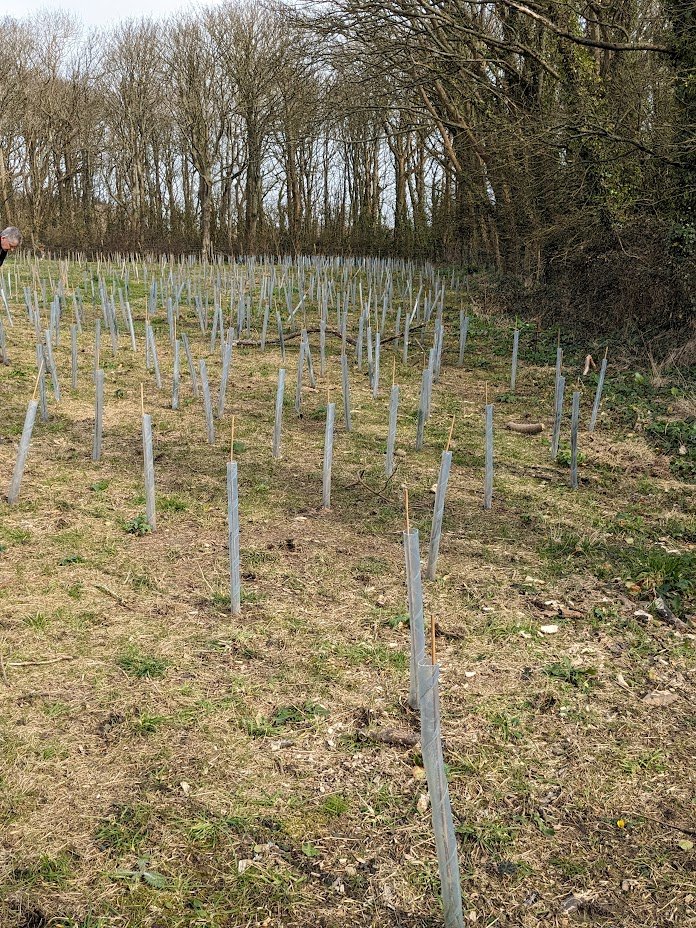
The Miyawaki Method was used here, which involves planting the saplings at a higher density than standard practice. With the hopes that they either compete and/or help one another to grow faster, denser and stronger. This was chosen due to the small size of the planting, only 300 square metres. It is somewhat of an experimental approach in the UK, but has been tested by Protect Earth previously in the southeast with very encouraging results.

The planting included a resilient native mix chosen to establish well and provide long-term habitat for local wildlife.

The trees were planted by 80 students from the college working for two hours each on a rota system. Although it was rather breezy, the weather was kind and stayed dry for the day.

Site Location

Help Protect Earth - Take Action Now

Volunteer

Help us create and maintain new woodlands, hedgerows and wildflower meadows! We need volunteers to sow seeds, plant saplings, clear invasive plant species and pick up litter. No qualifications necessary; jobs for all ages and abilities. Come and turn climate anxiety into climate action!

Fund Our Work

With government funding for reforestation and rewilding tenuous, we increasingly rely on our amazing community to keep us growing regardless of political shifts. Help Protect Earth continue to restore ecosystems and improve biodiversity across the country.

Support the Land Fund

Help us put down roots! Your donations to our Land Fund let us seize the moment when the perfect piece of land comes up for sale. Every penny helps us secure community woodlands, healthier ecosystems, and a greener future for generations to come.