South Molton

North Devon, England

South Molton

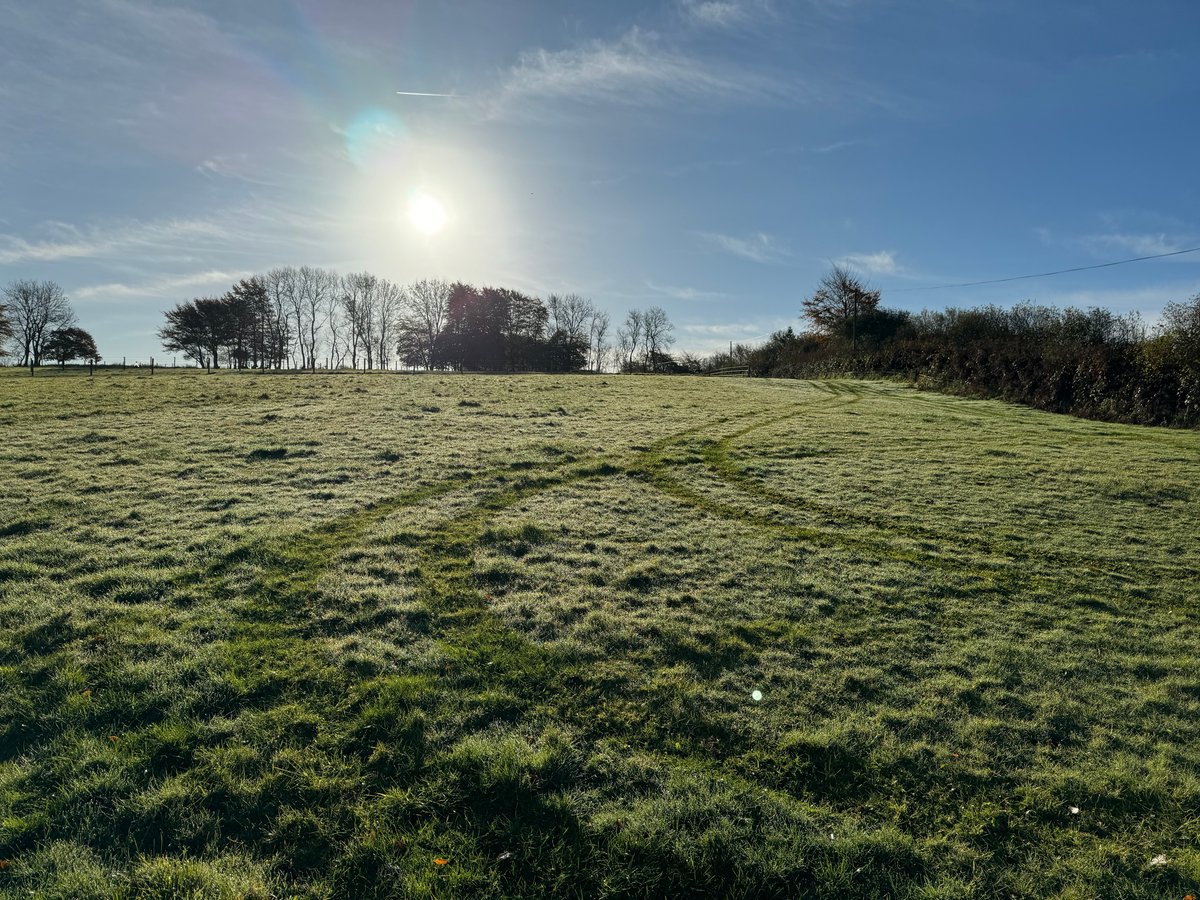
Nestled within the picturesque landscapes of North Devon, where the rolling hills offer a breathtaking view of Exmoor, lies a smallholding and riding stables committed to harmonising equine care with environmental stewardship.

Traditionally, horse paddocks are synonymous with short, overgrazed land that often lacks vitality for wildlife. However, the forward-thinking landowners in this idyllic setting are determined to transform their acreage into a haven for both horses and biodiversity.

Collaborating with Protect Earth, their ambitious plan spans the next two years, aiming to introduce more than 700 trees, cultivate extensive wildlife-friendly hedging, and establish enchanting wildflower meadows.

In partnership with

Species Planted

  • Hornbeam
  • Hazel
  • Common Oak
  • Goat Willow
  • Rowan
  • Alder
  • Downy Birch
  • Small-leaved Lime
  • Hawthorn
  • Aspen
  • Wild Cherry
  • Guelder Rose
  • Crab Apple
  • Blackthorn

Site Updates

  • Tree Planting
  • 125 trees planted

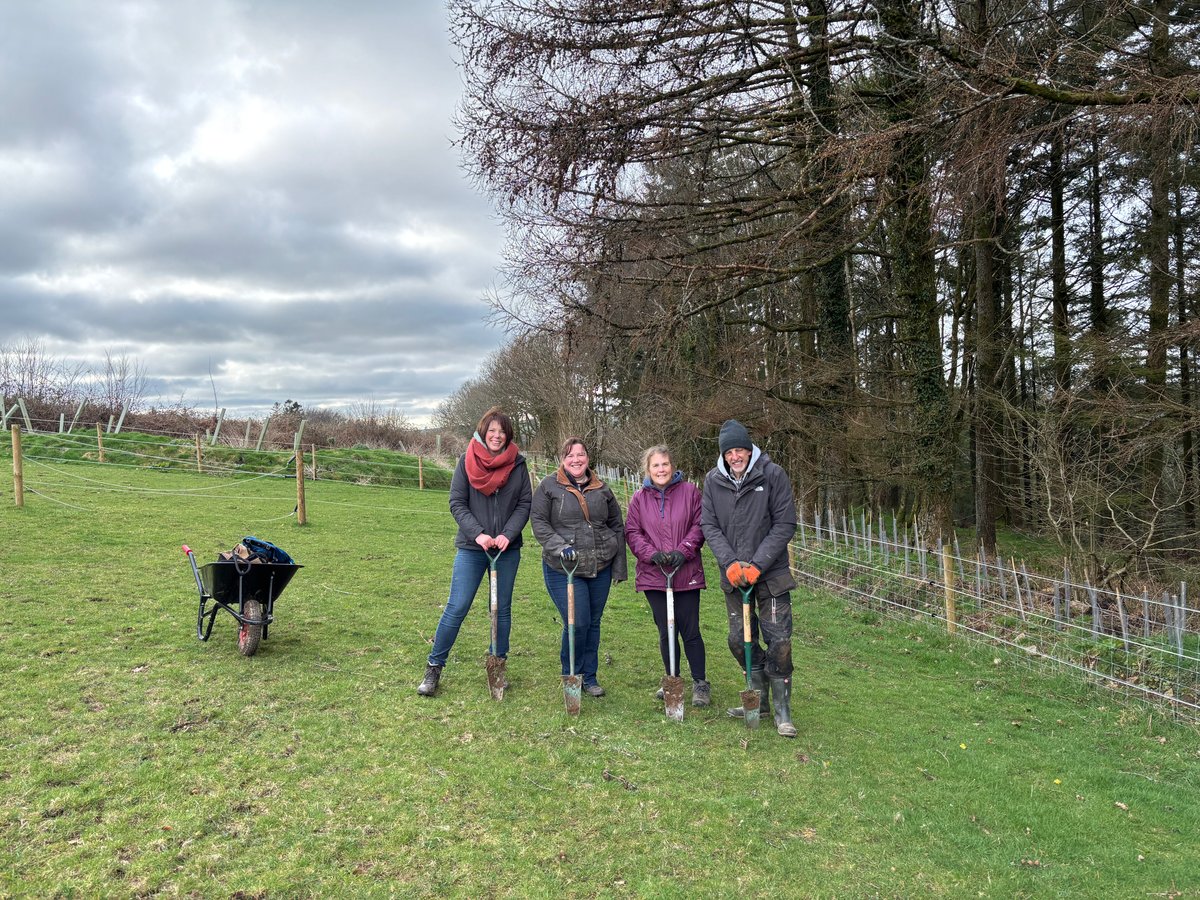
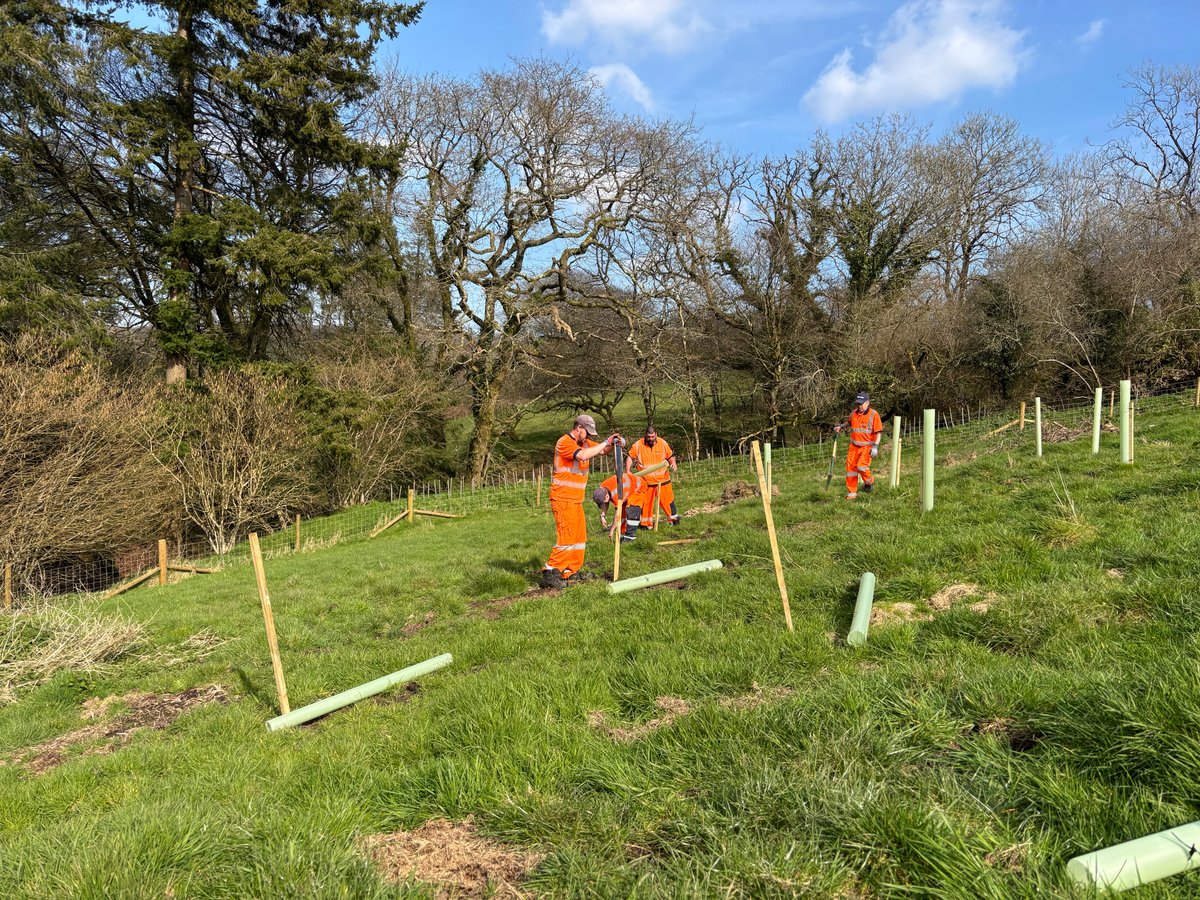
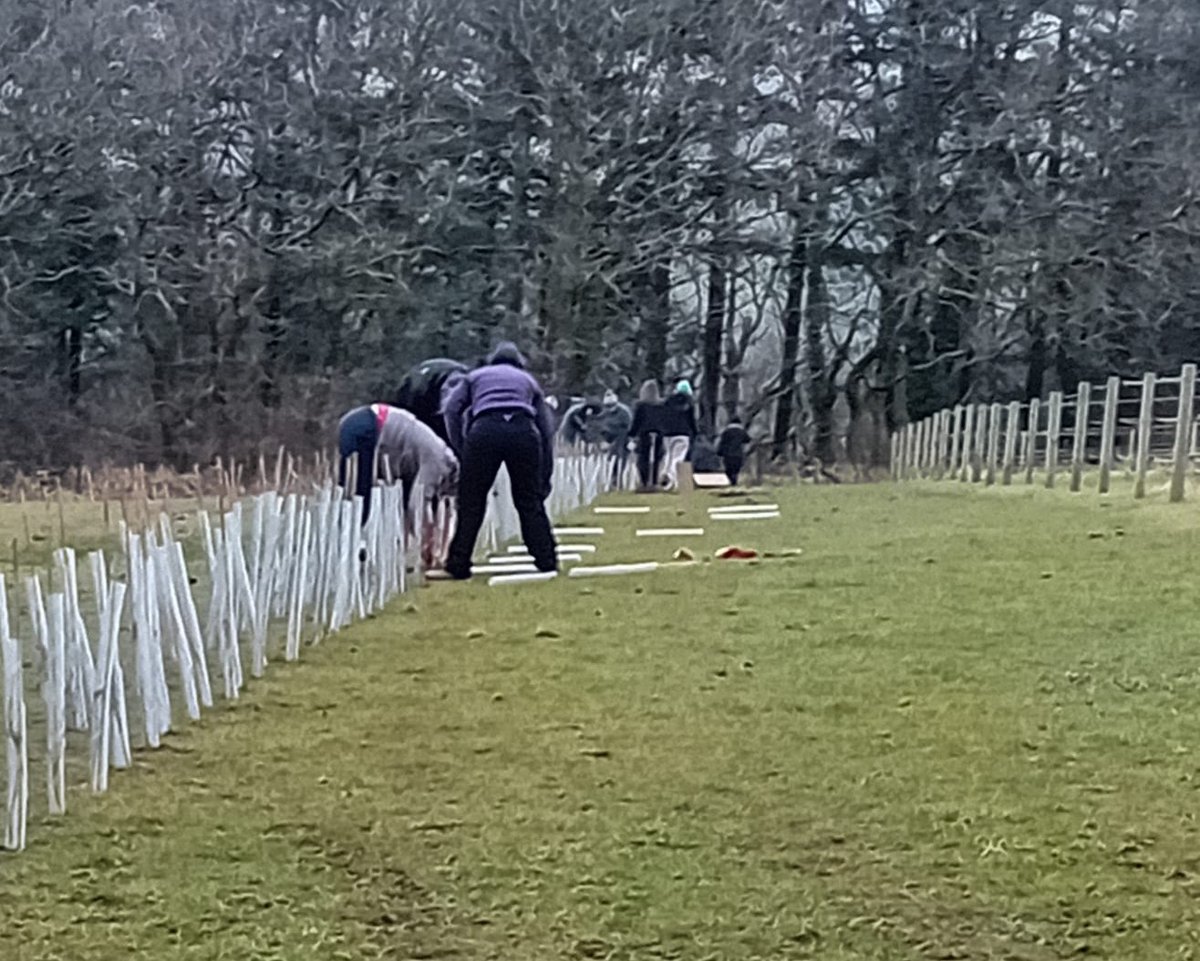
We returned to South Molton to finish planting the hedgerow, wondering how many volunteers would turn up this time. We needn’t have worried. Kathy had put out an urgent appeal on local Facebook pages and the local people rallied round, including a local nature group and the amazing team from North Devon Recycling Centres run by SUEZ.

  • Hedge Planting
  • 800 trees restocked

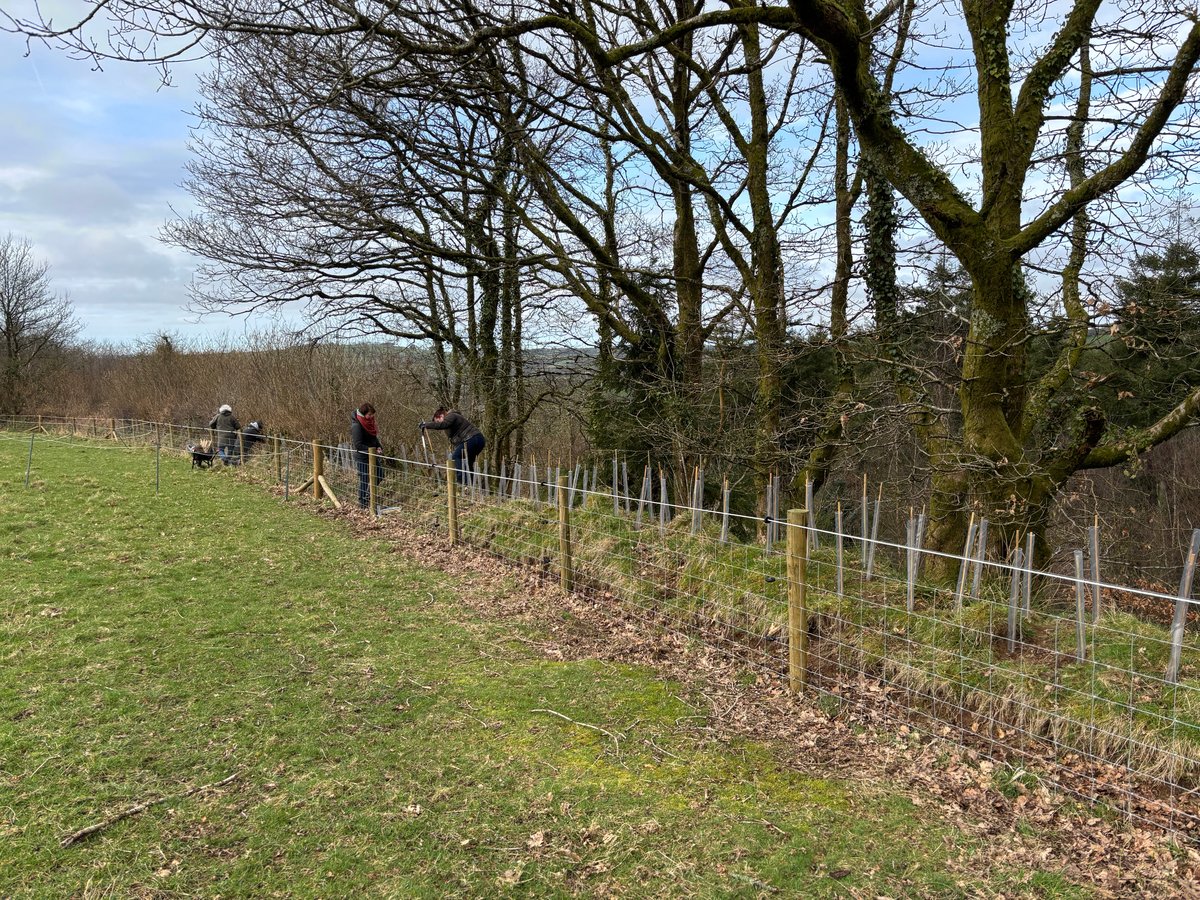
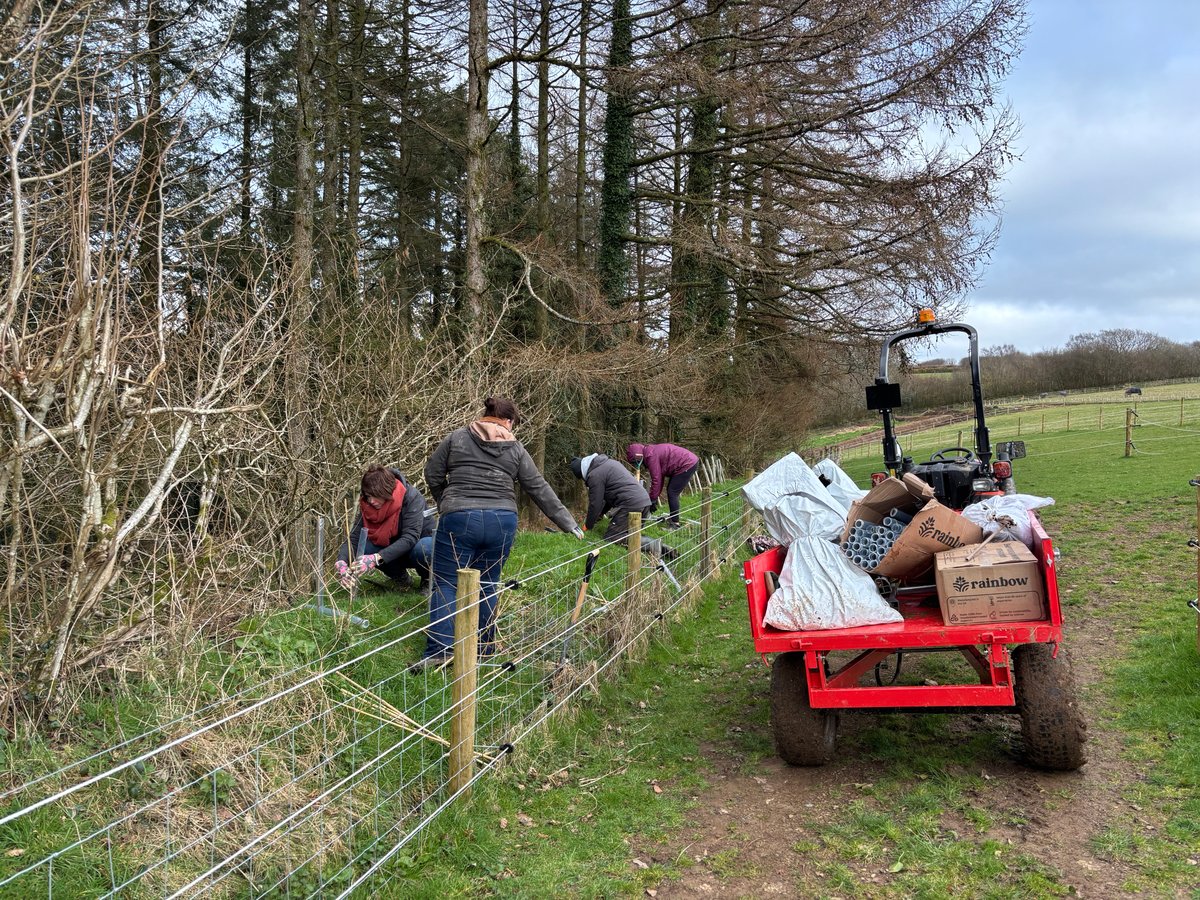
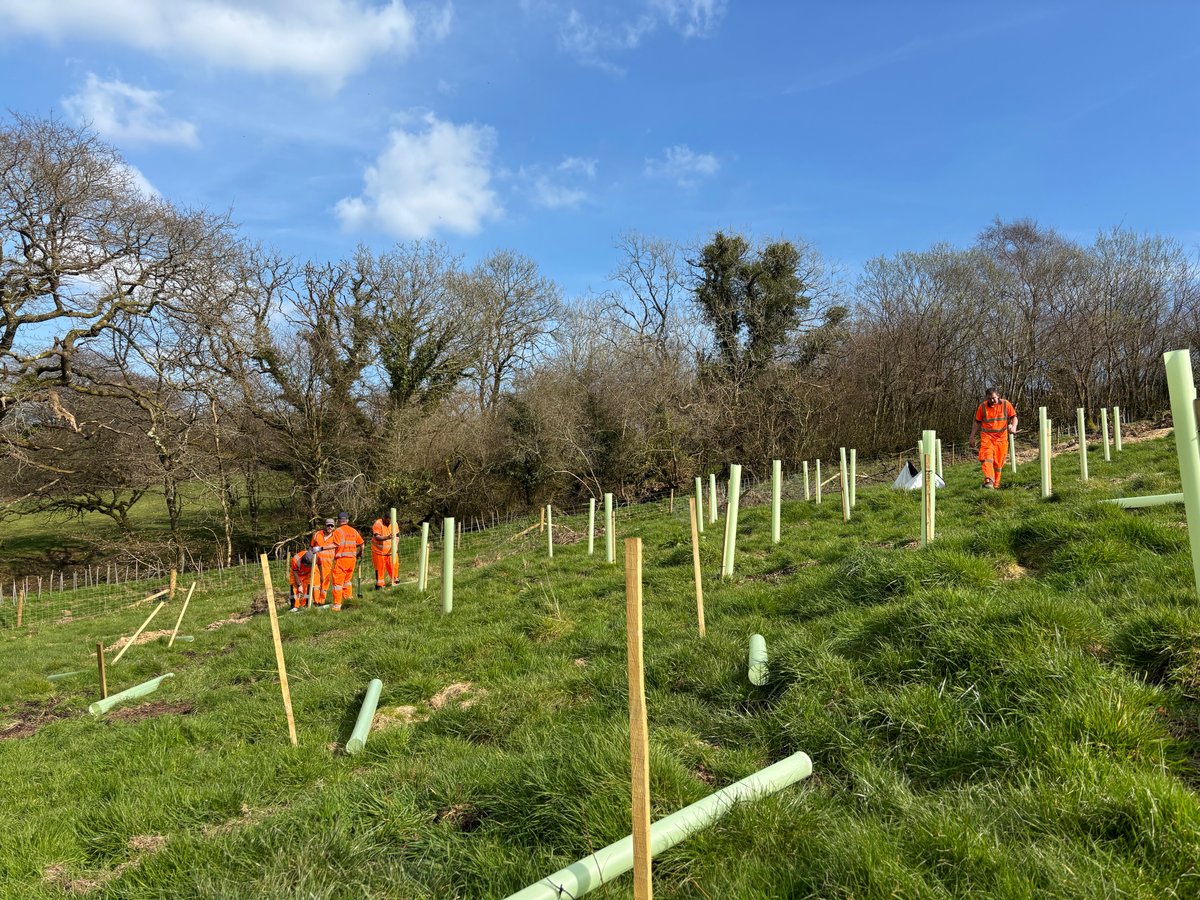
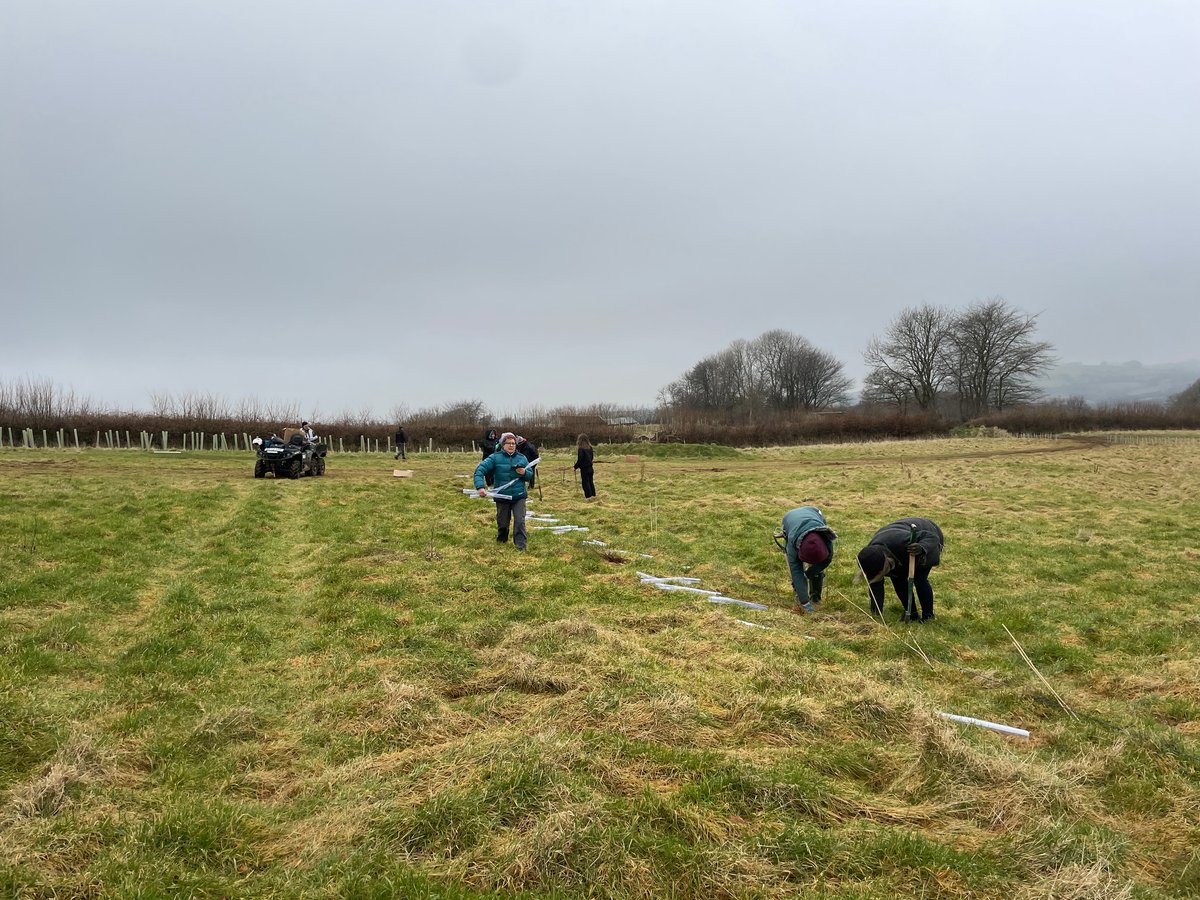
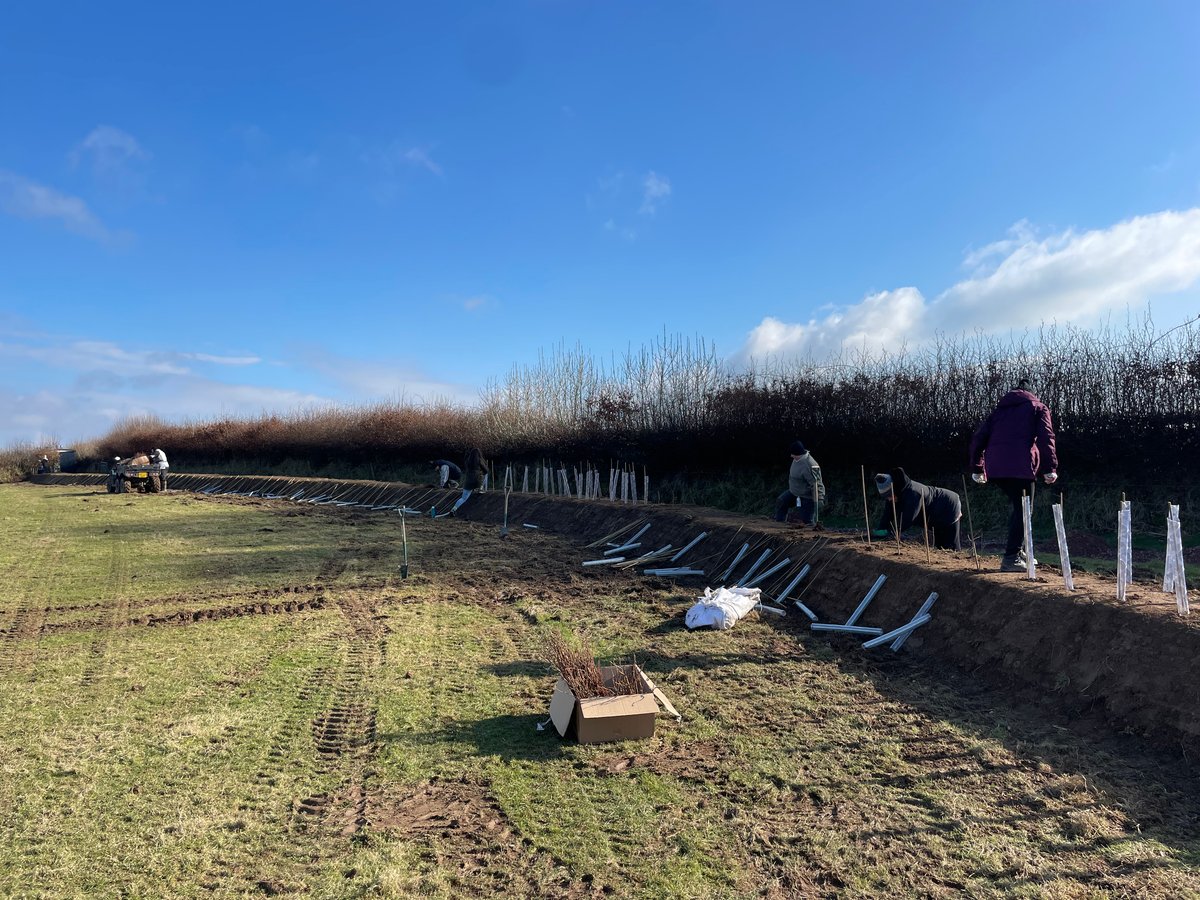
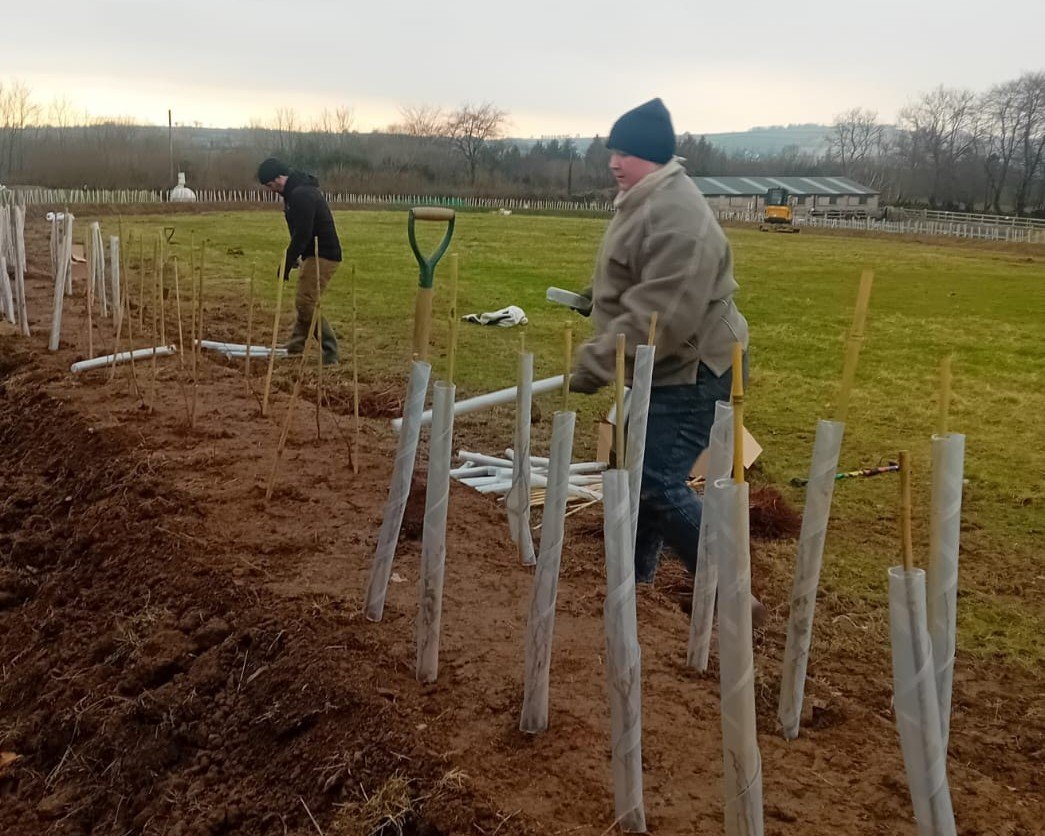
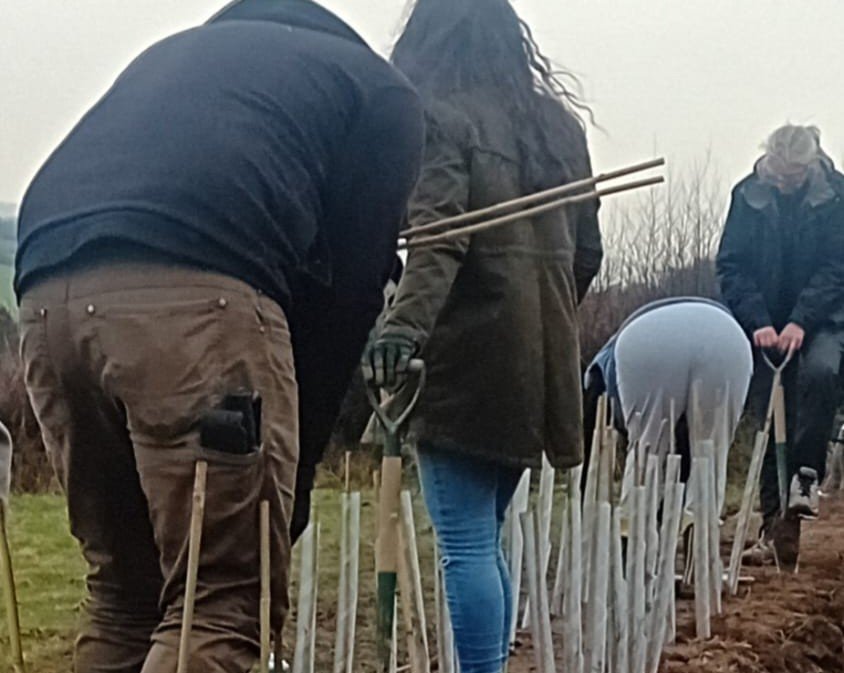
Friday 6th and Saturday 7th of March 2026, we set about planting this hedgerow, with 11 volunteers signed up for Friday and 27 signed up for Saturday. For entirely unknown reasons we had the worst turnout of volunteers we've ever had, with only 7 of 11 on Friday (reasonable) and 4 of 27 on Saturday, two of which were children.

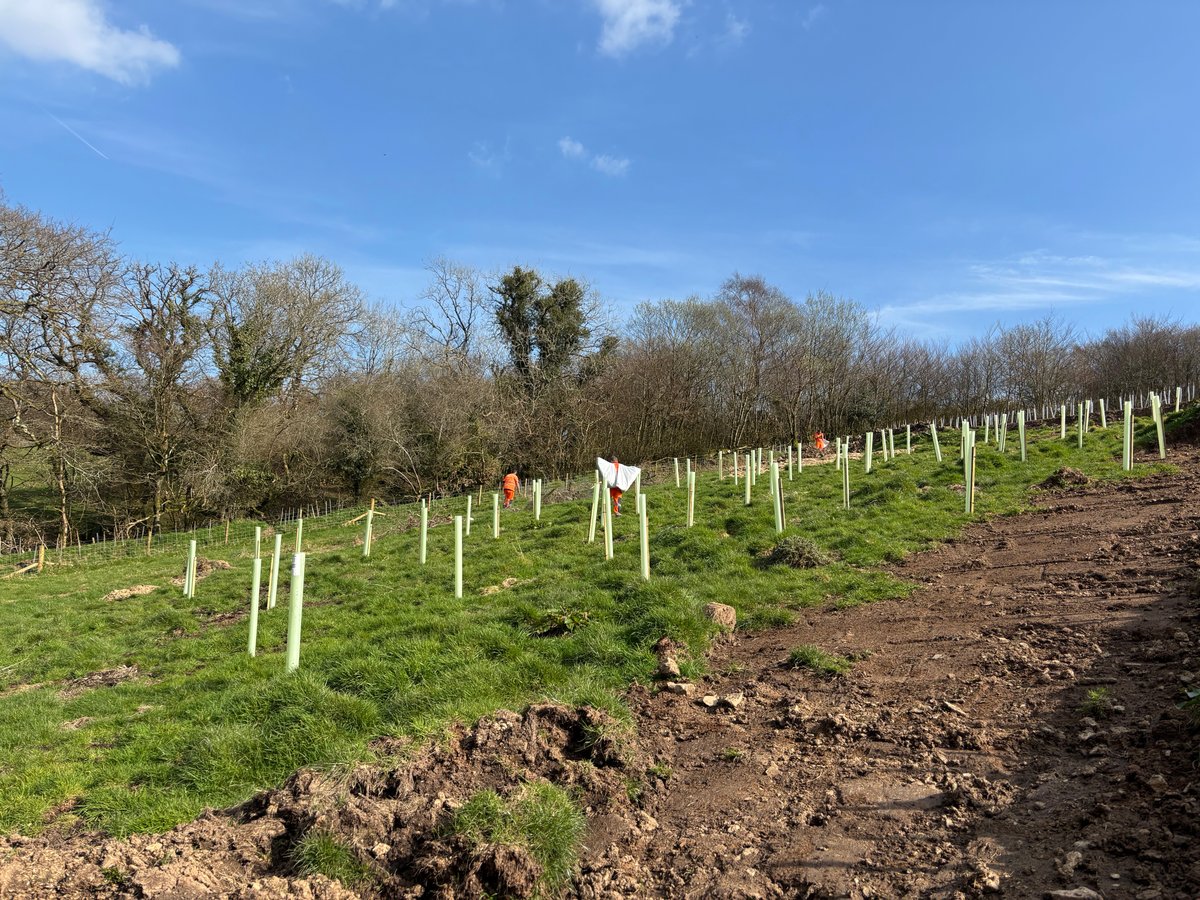
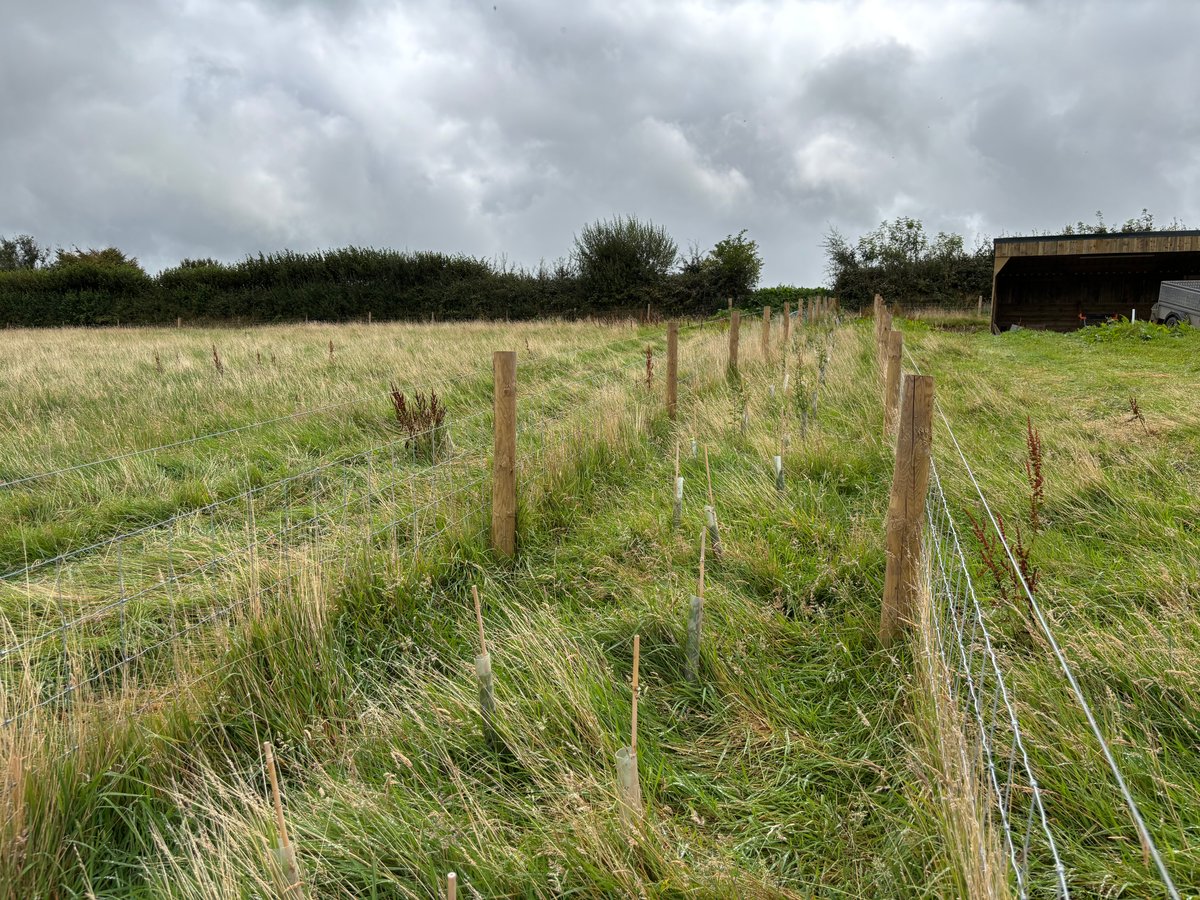
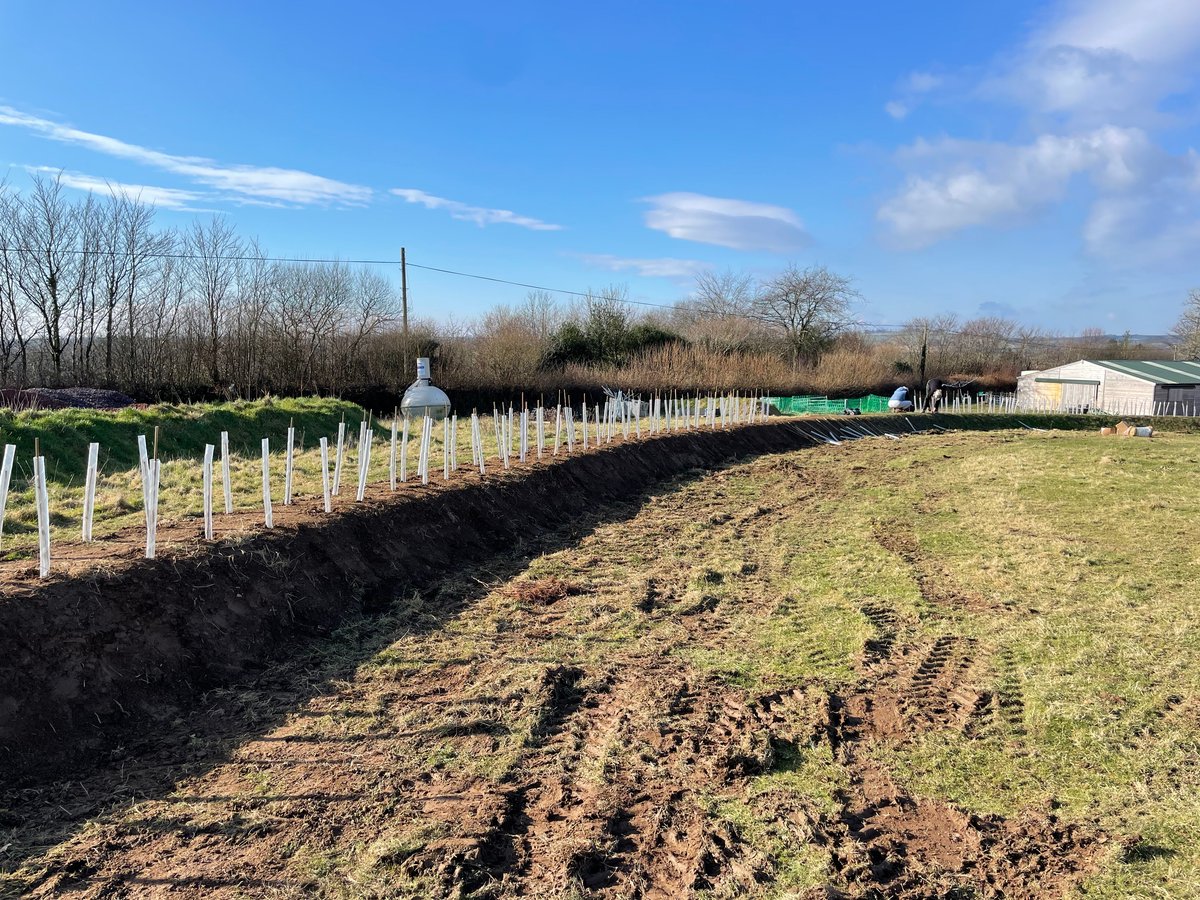
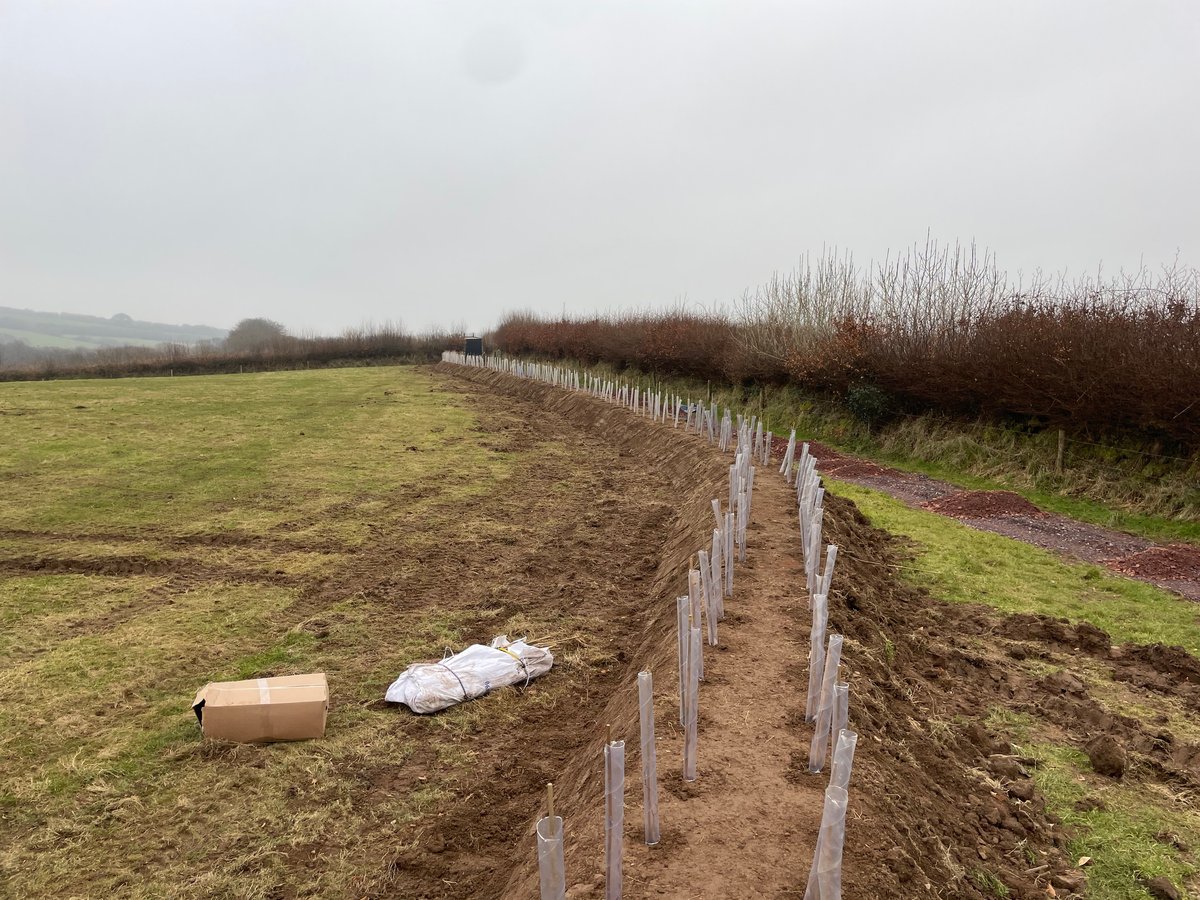
Despite these setbacks, we got stuck in, and planted at least 200m of the hedgerow. It was slow going as we were "gapping up" an old hedgerow, meaning much of the work was clearing back bramble and branches to be able to plant enough saplings to restore the hedgerow to being a functioning stock-proof wildlife corridor.

The trees we were unable to plant have been partially stored safely for later planting, and some have been reused on another site, with more fresh saplings coming to replace them for future planting Saturday 21st of March, where we have a large group of volunteers eager to pitch in.

  • Tree Planting
  • 125 trees planted

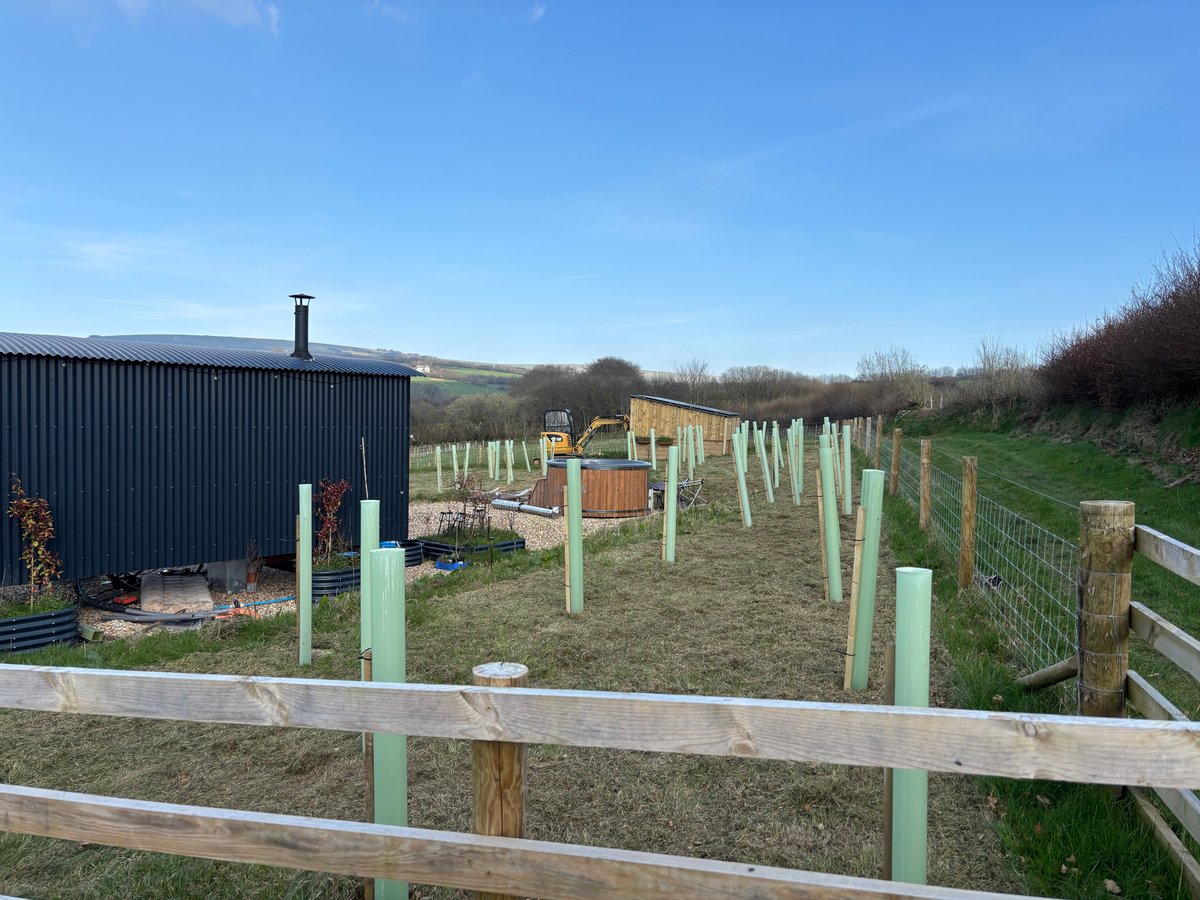
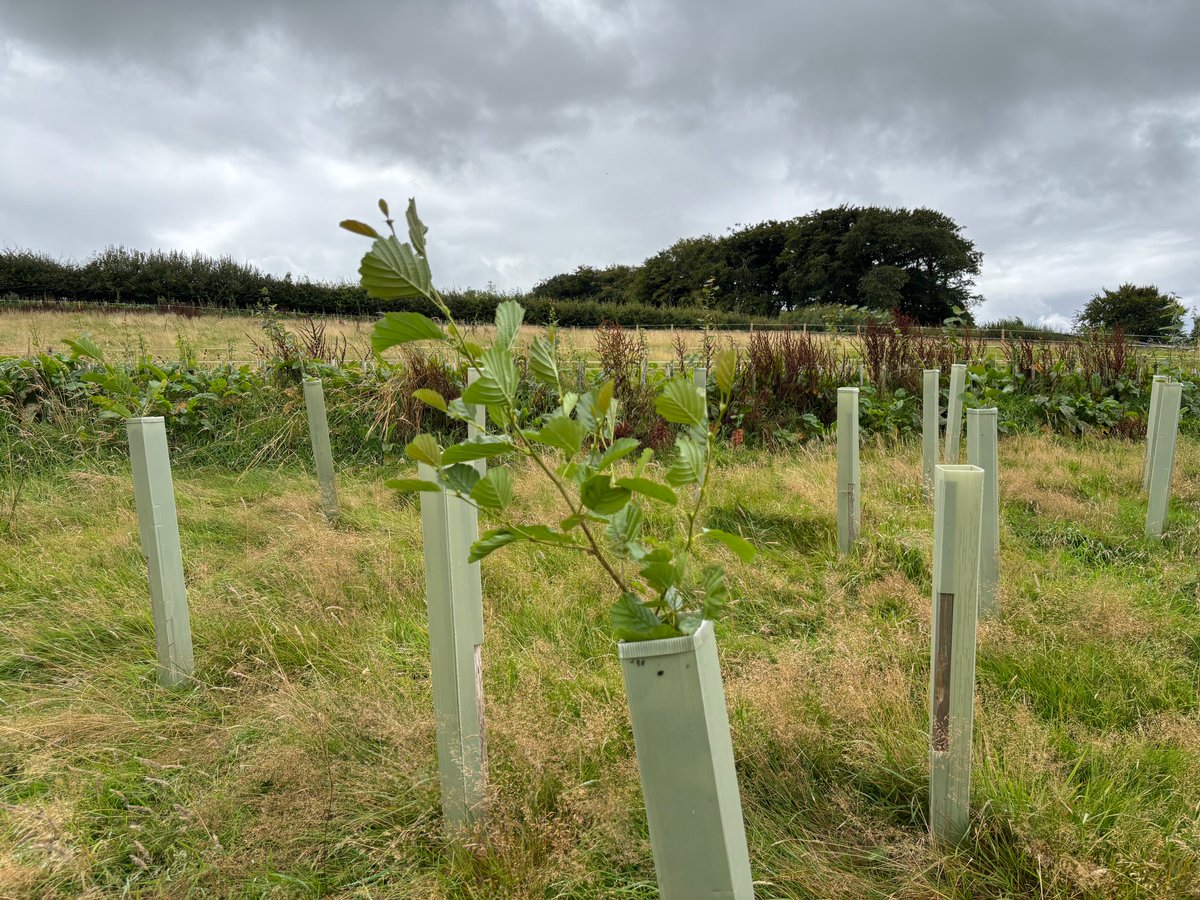
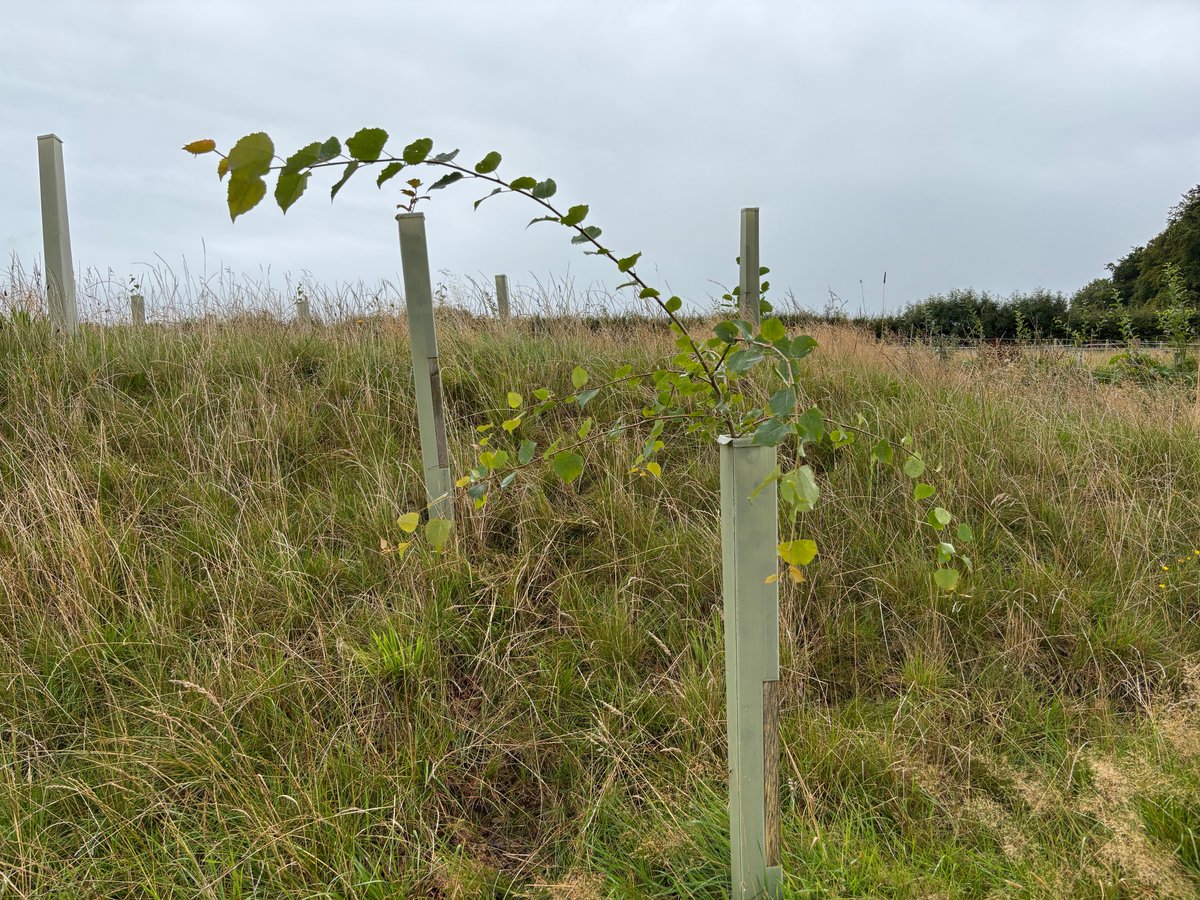
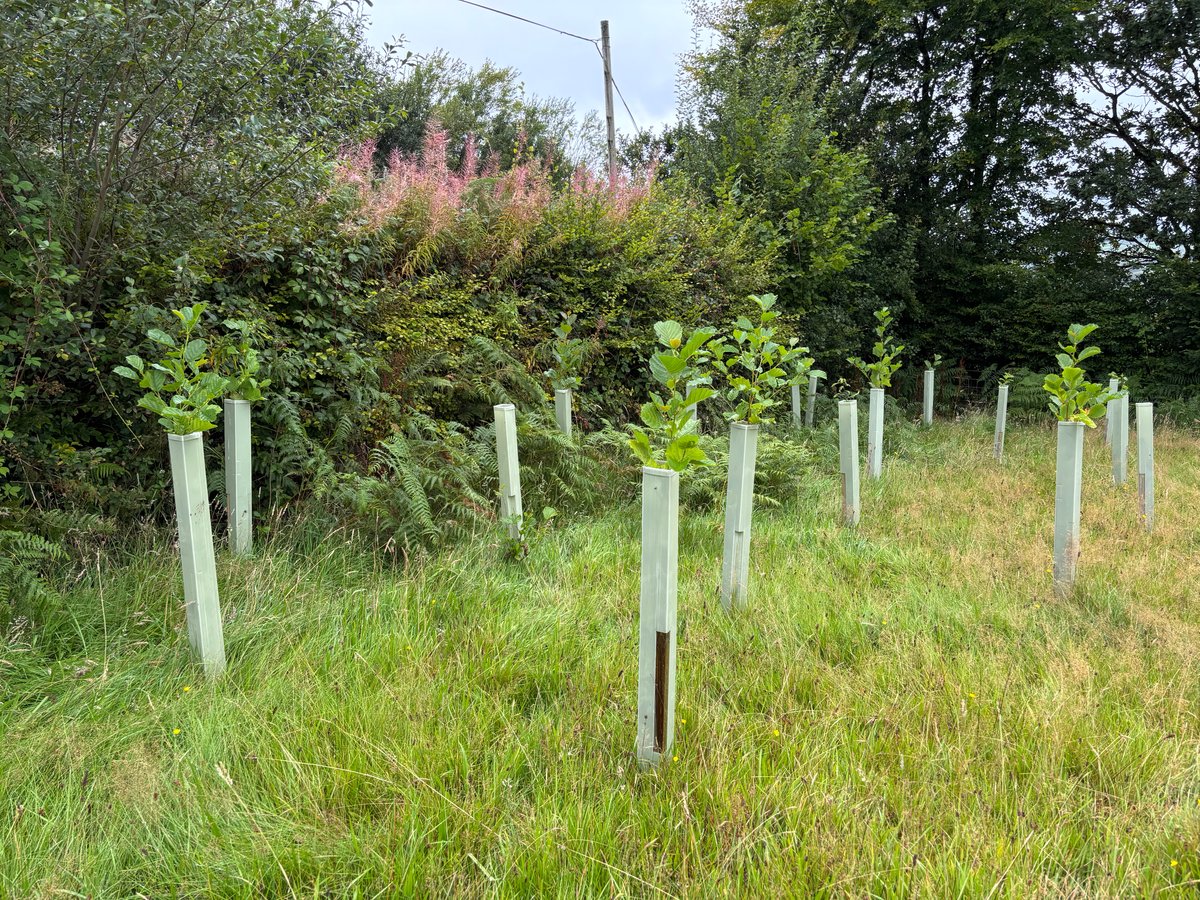
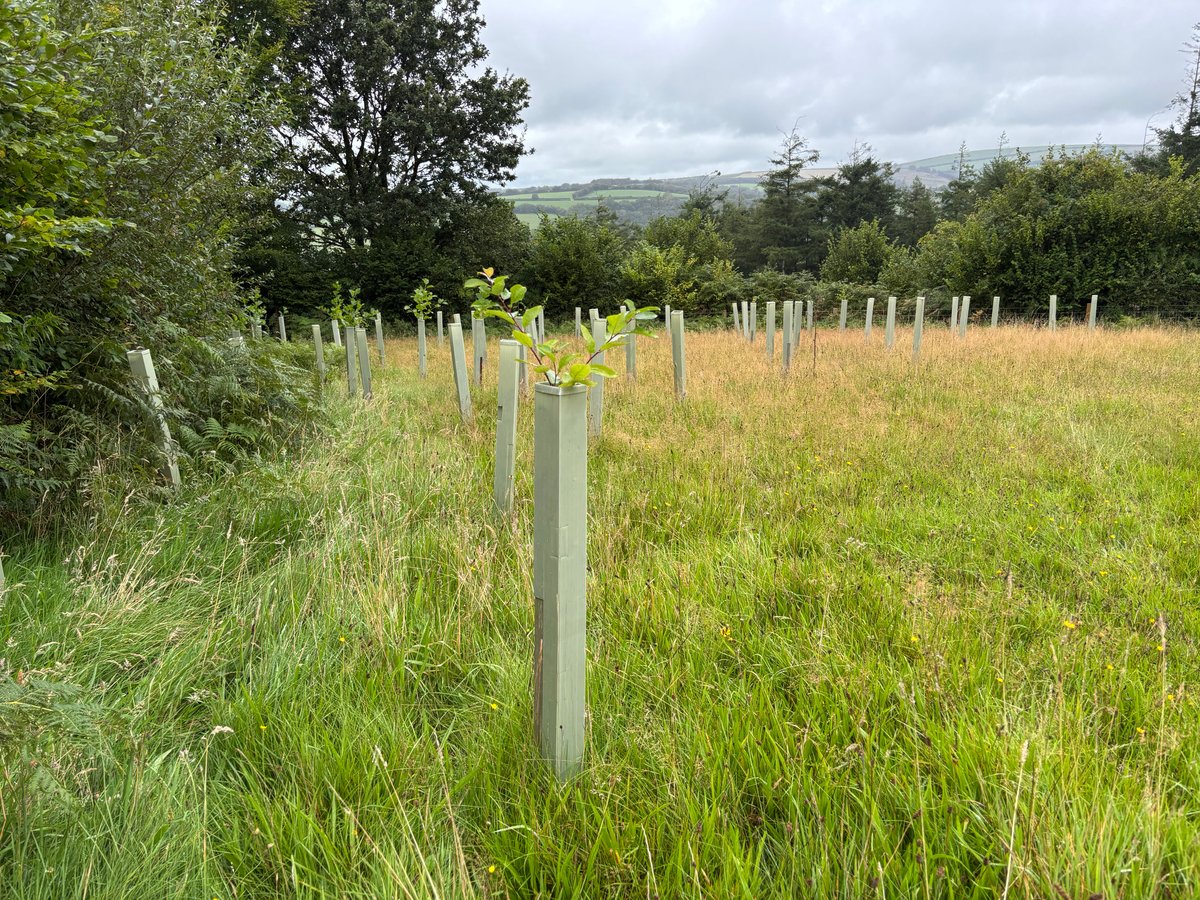
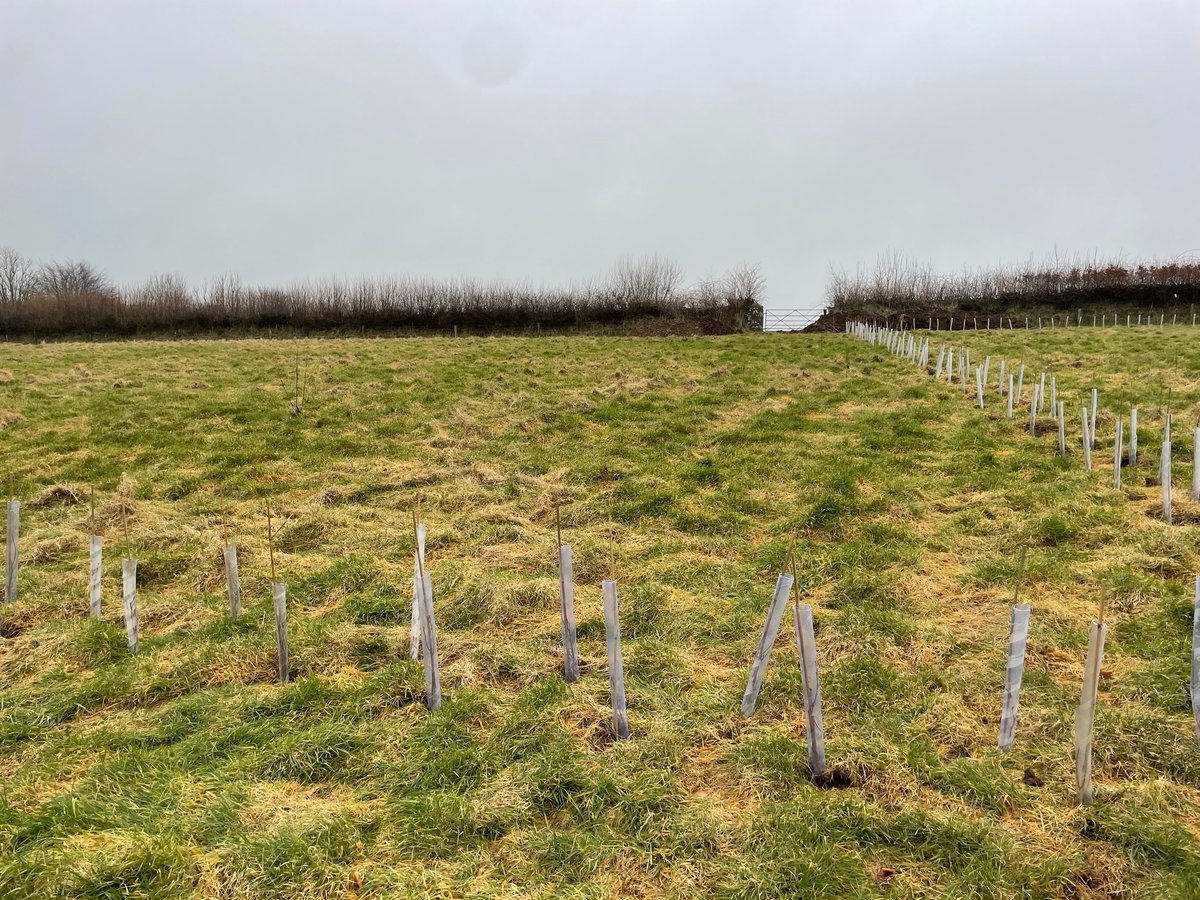
While we were in South Molton planting the new hedgerow, we also planted 125 trees, spread out at random with big spaces between them. As they grow, they should rewild naturally.

  • Survival Survey
  • 80% survival rate

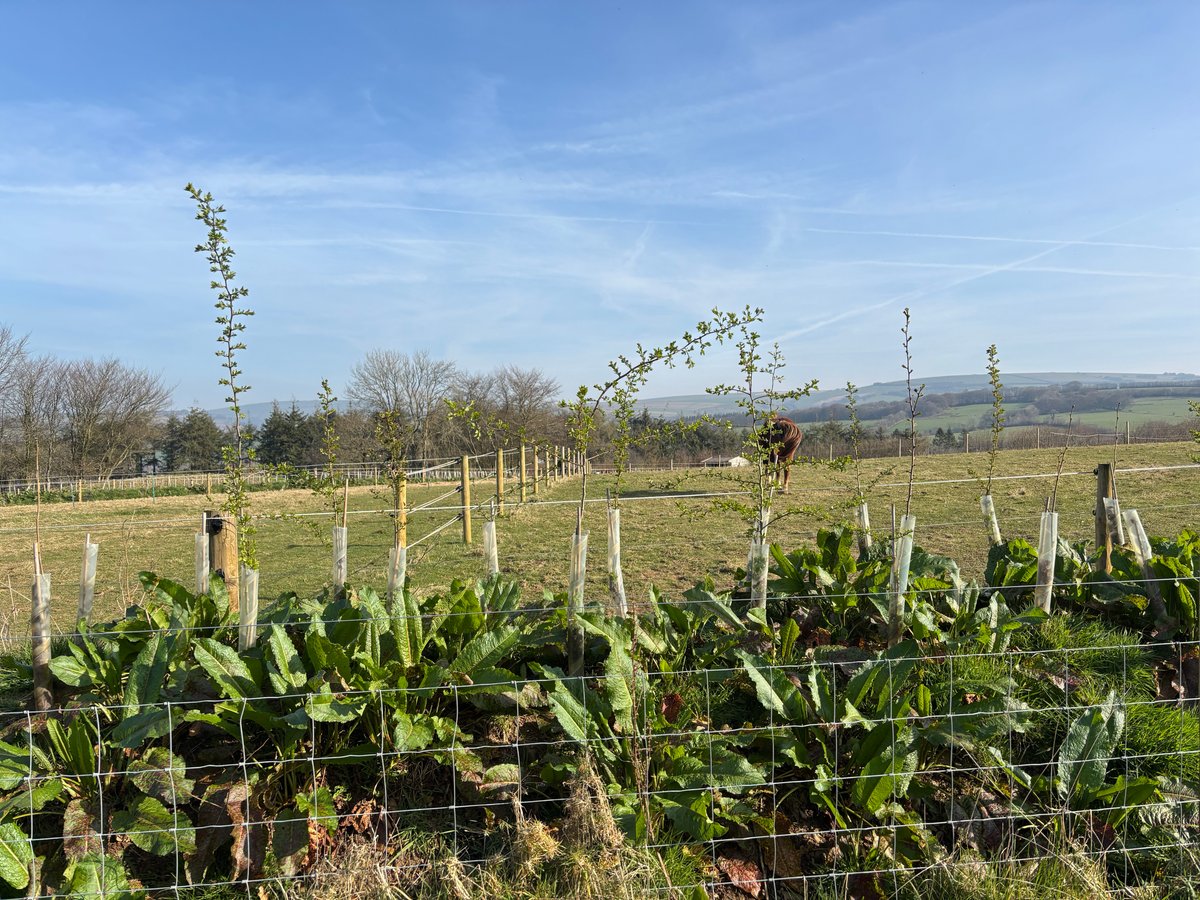
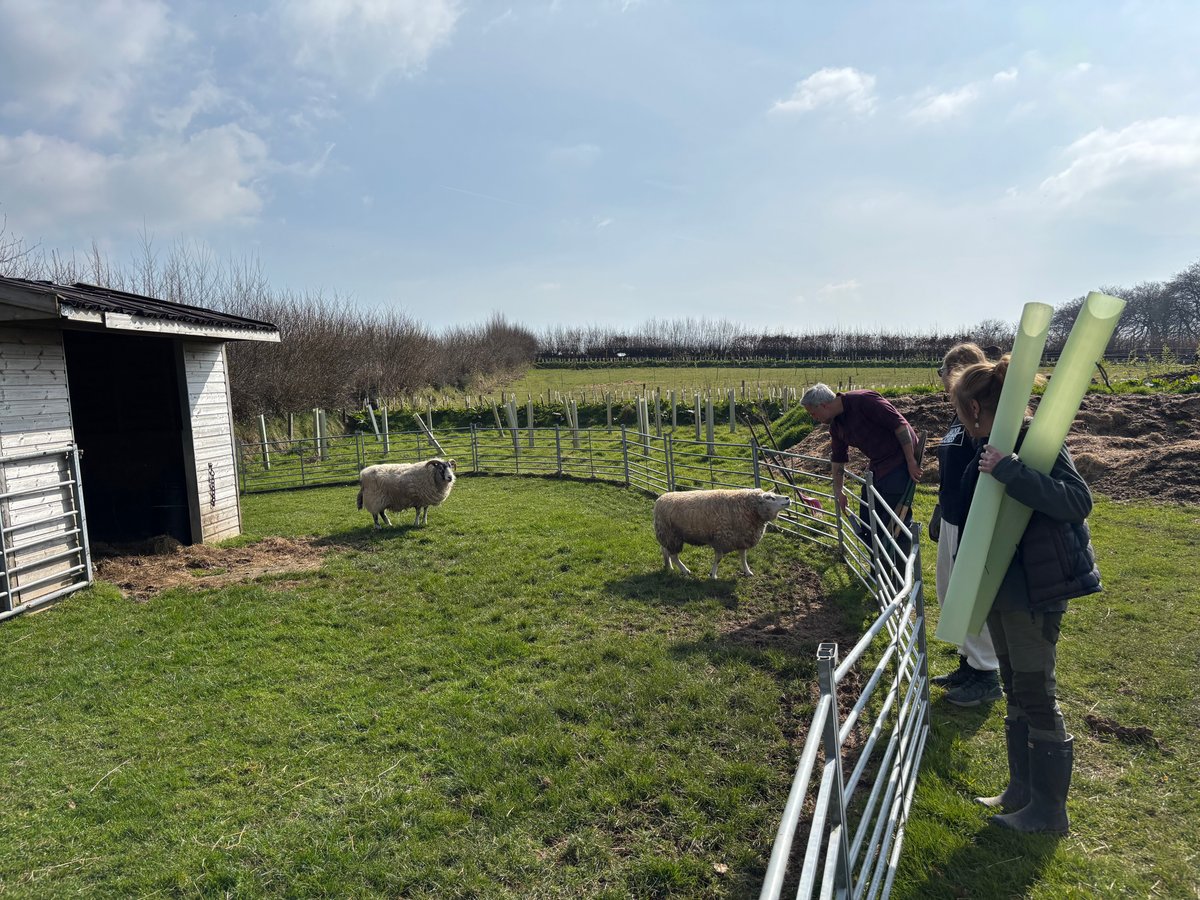
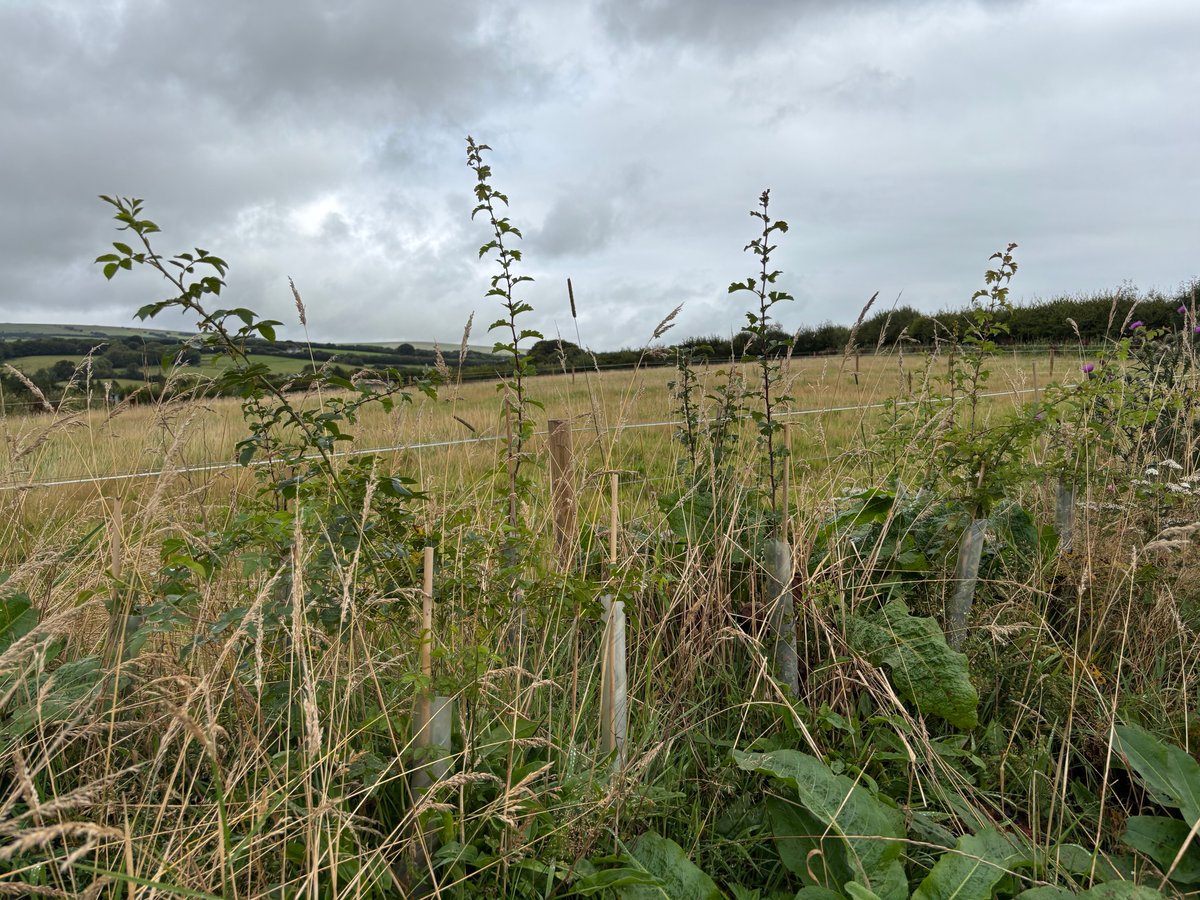
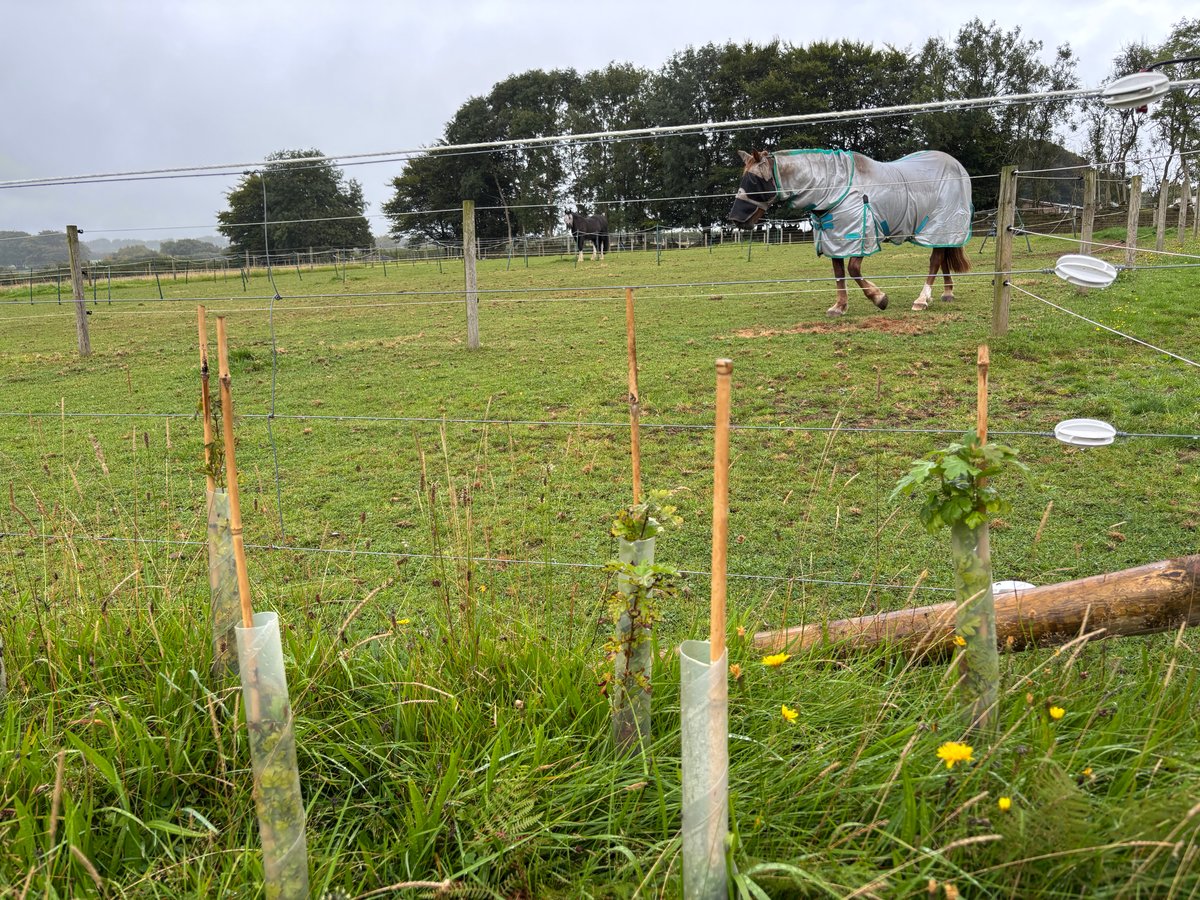
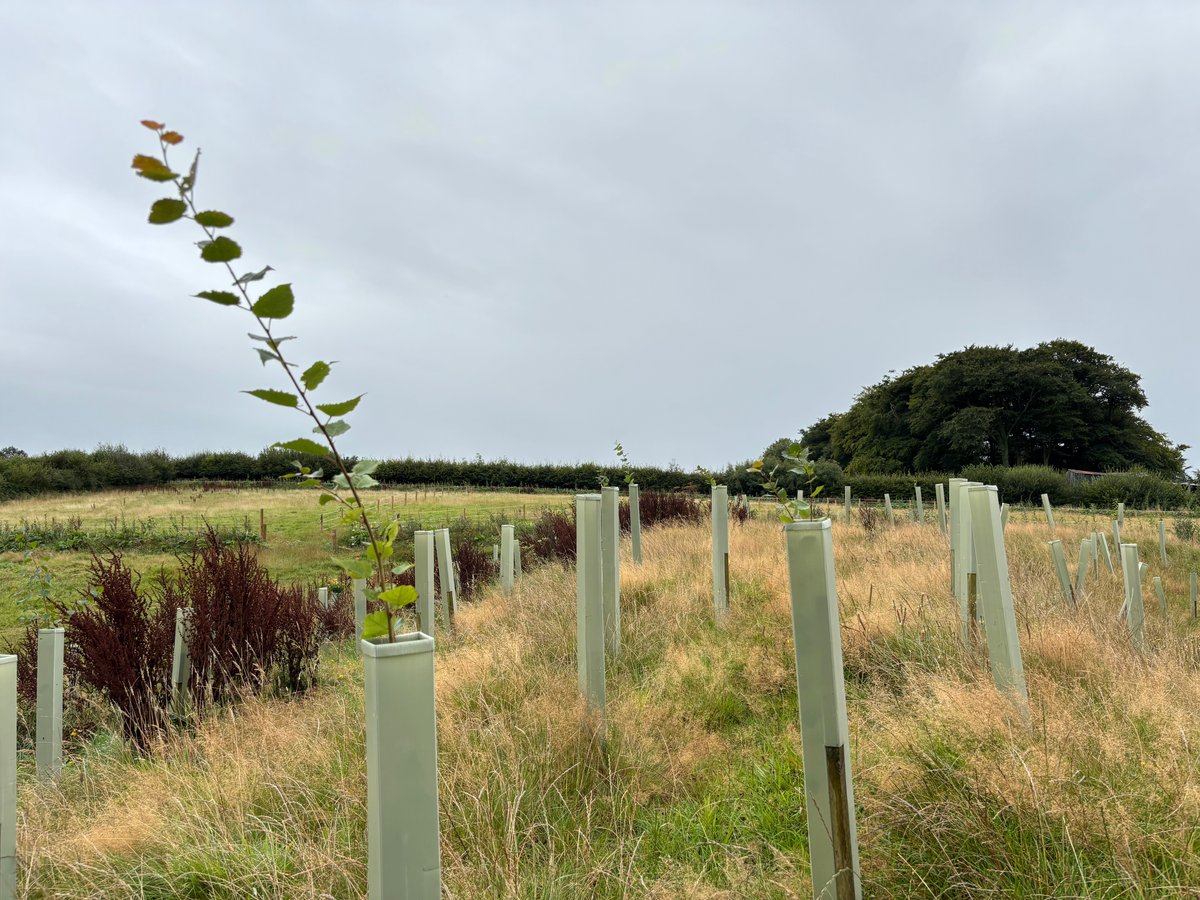
This site was a joy to visit. The horses and sheep were loving their new home, with so many trees and hedgerows starting to create a more diverse and mixed farm scene, taking over from the empty fields and fences.

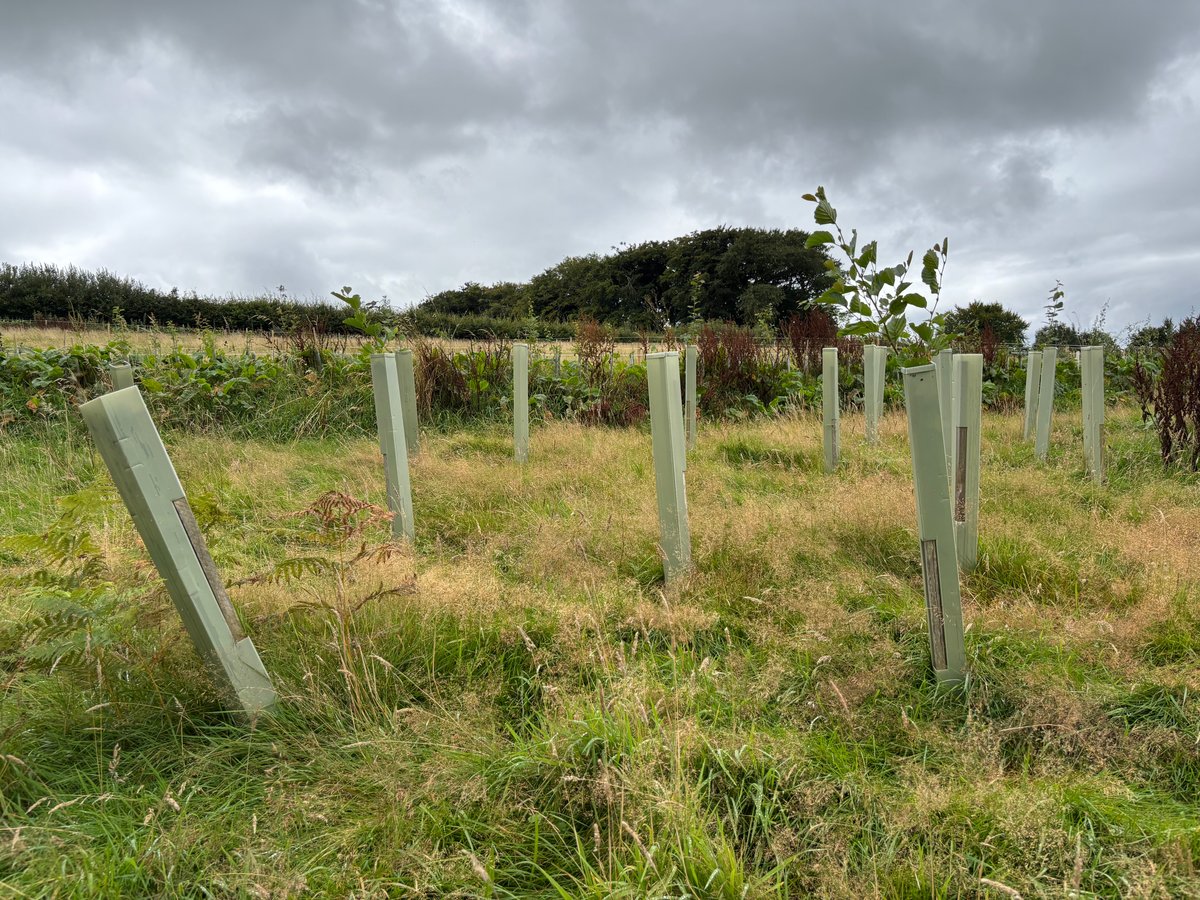
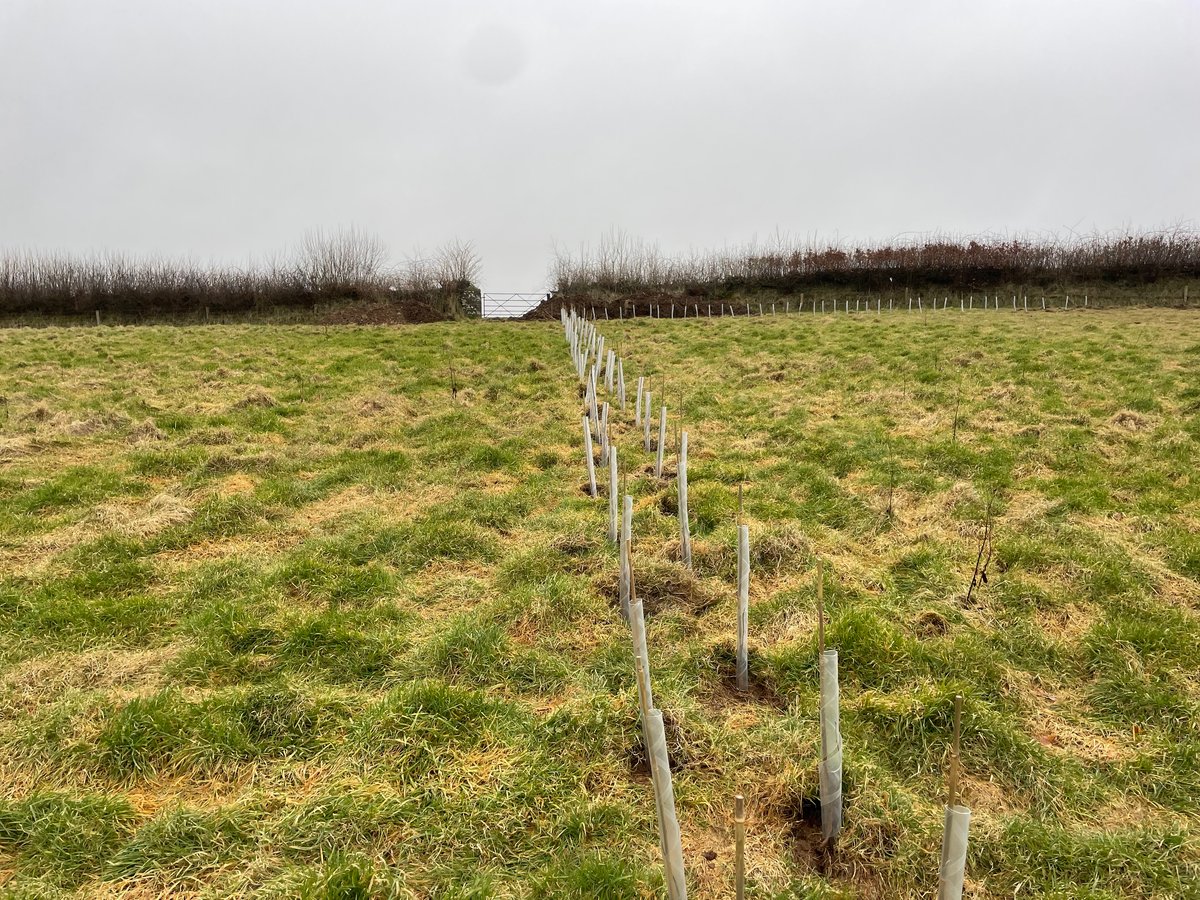
The landowners were concerned that as many as 35% had failed, but many of them were just hiding amongst long grass. Overall, an 80% survival rate on the tree planting, with the lowest pocket being 70% and the best pocket being 100%.

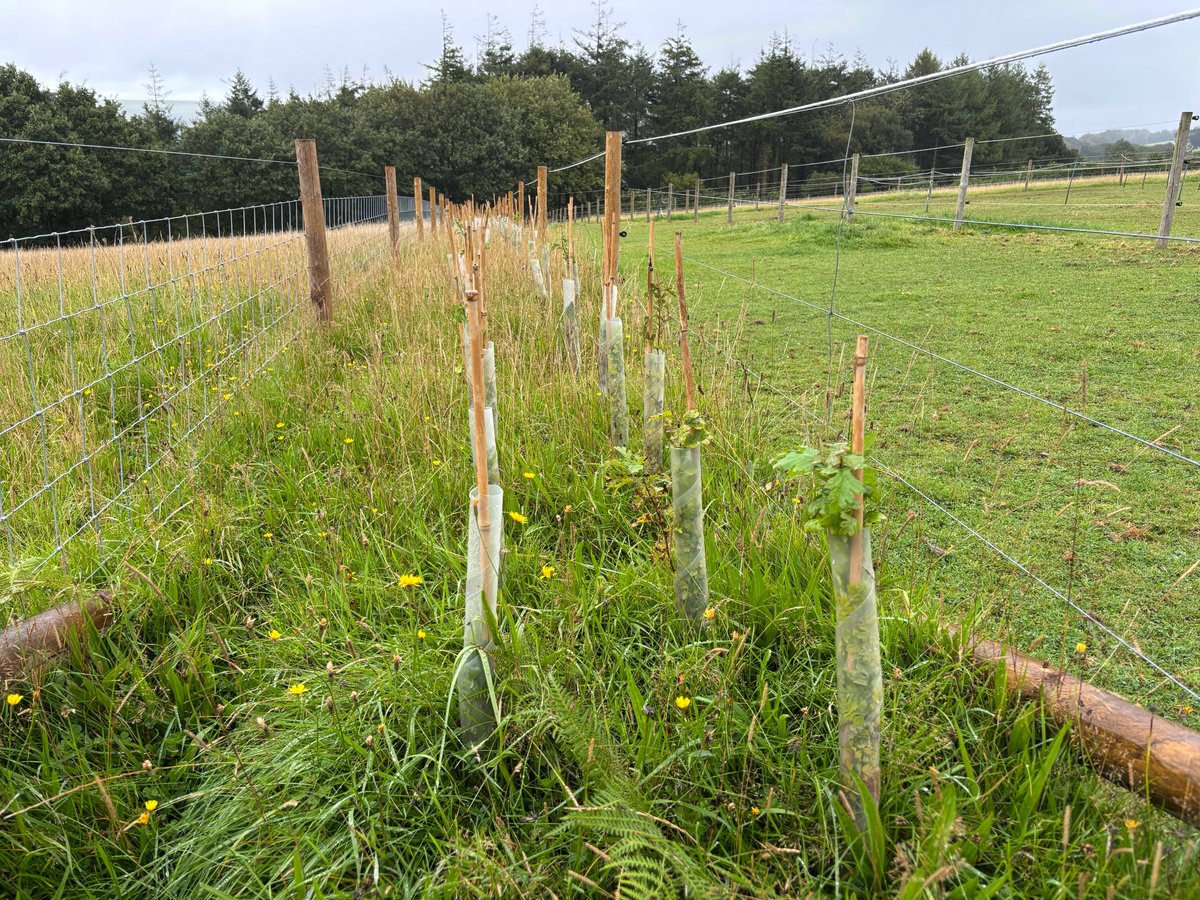
The hedgerows are taking nicely with no noticeable gaps. Fences are doing their job. Perhaps some weeding is needed next spring, as there is a lot of thick grass and growth is not what it could be.

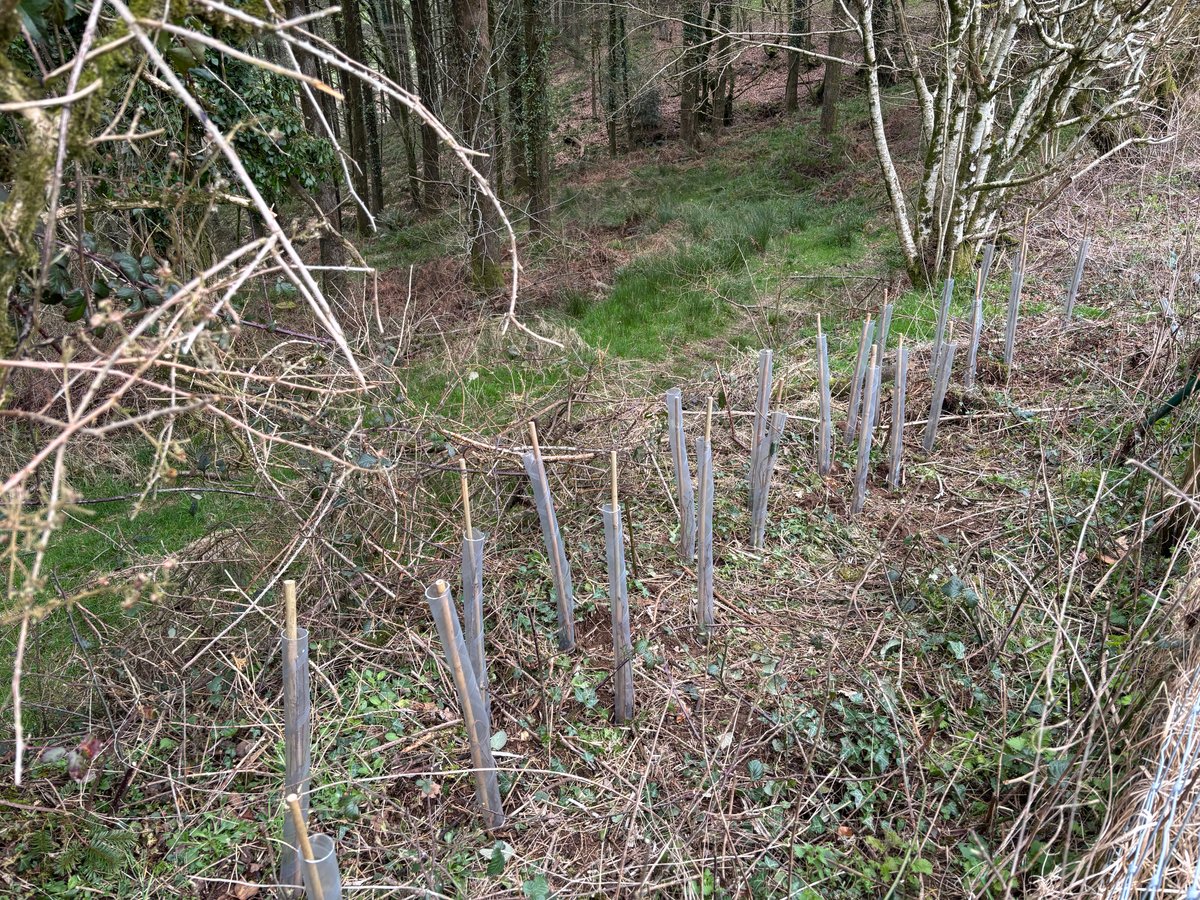
We planted hedge species typically found in this part of Devon, which now connect up areas of existing woodland which we enhanced with more Oak, Rowan and Hornbeam. All the species planted will provide food and nesting habitat for a wide range of wildlife found in this wooded valley on the edge of Exmoor.

  • Hedge Laying
  • 2,375 trees planted

In February 2025 we made a return visit to the South Molton site to put in some hedgerow. Hedgerows will be very useful to keep horses and sheep in place when they are bigger, as well as providing shade for them. They are also wonderful for wildlife, providing food and shelter, and a safe corridor in which to move around.

For this project we were joined by a group of corporate volunteers from CVS Vets. Rather than all coming at once, around twelve of the staff came on each day, some with their children, as someone had to be available if any local animals became ill. In total, we planted 2,375 trees, creating much needed habitat on the site.

It was an exceptionally chilly weekend, but despite the cold, all the volunteers enjoyed their day and especially appreciated the hot coffee and outdoor cooking! The landowner was very happy with the work and the overall experience of working with our team.

  • Tree Planting
  • 700 trees planted

Nestled within the picturesque landscapes of North Devon, where the rolling hills offer a breathtaking view of Exmoor, lies a smallholding and riding stables committed to harmonising equine care with environmental stewardship.

Traditionally, horse paddocks are synonymous with short, overgrazed land that often lacks vitality for wildlife. However, the forward-thinking landowners in this idyllic setting are determined to transform their acreage into a haven for both horses and biodiversity.

Collaborating with Protect Earth, their ambitious plan spans the next two years, aiming to introduce more than 700 trees, cultivate extensive wildlife-friendly hedging, and establish enchanting wildflower meadows.

This undertaking reflects a dedication to sustainable land management and signifies a harmonious coexistence between equestrian pursuits and the flourishing natural world.

  • Tree Planting
  • 700 trees planted

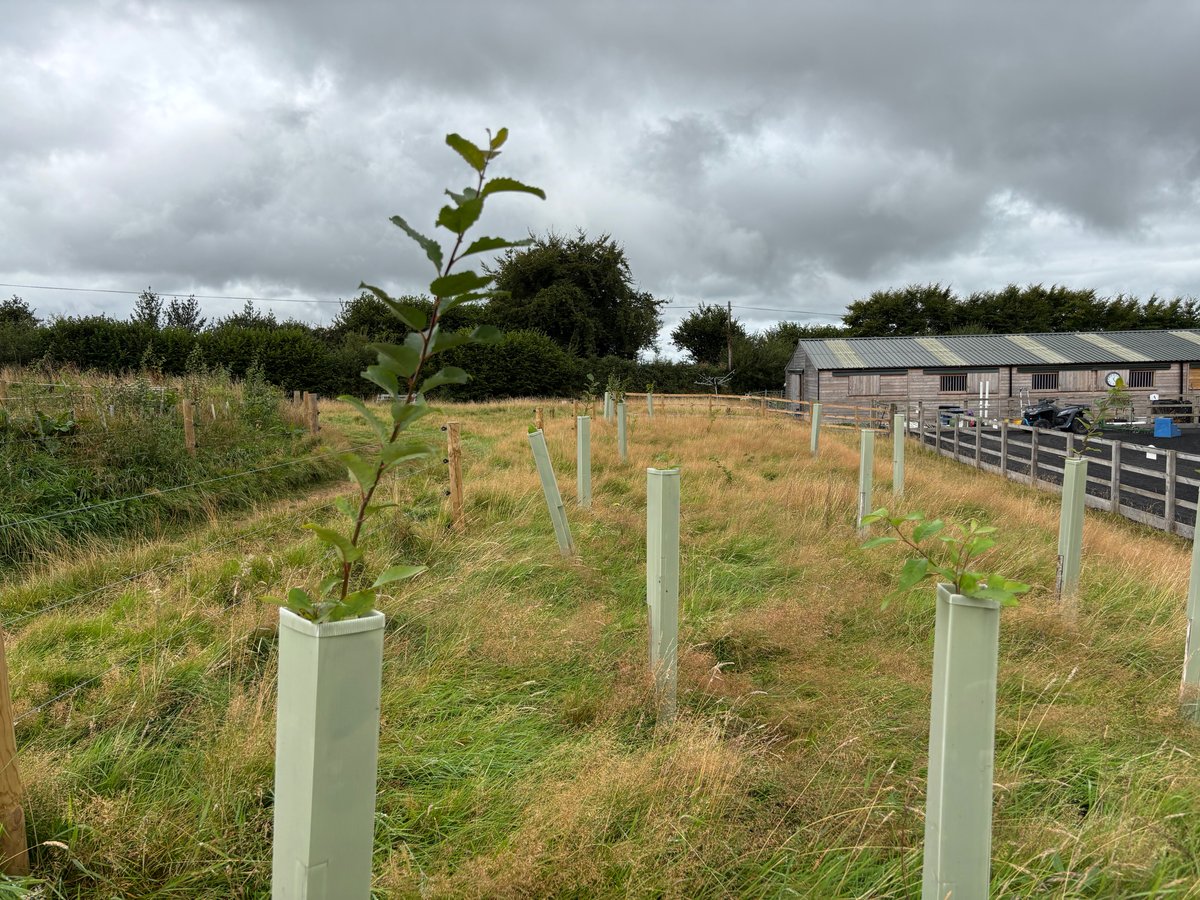
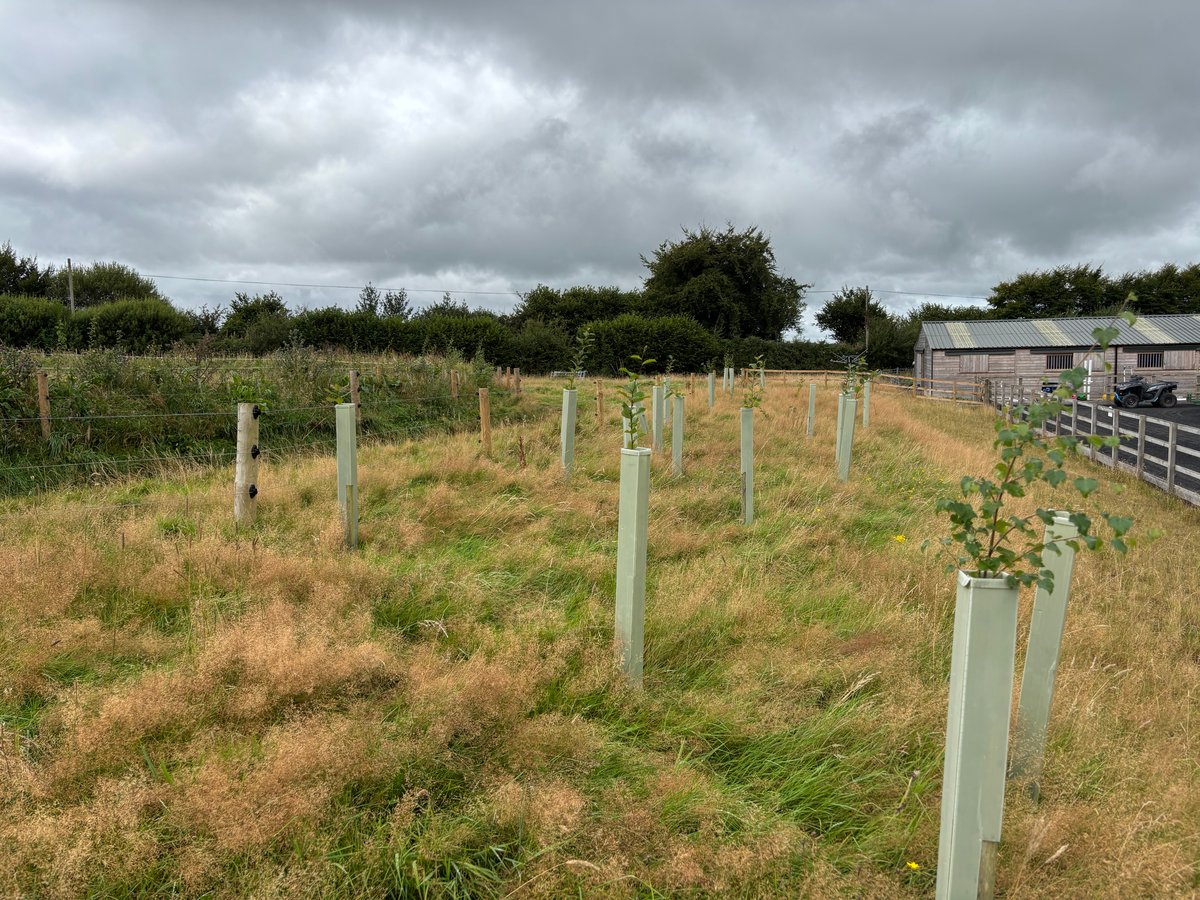
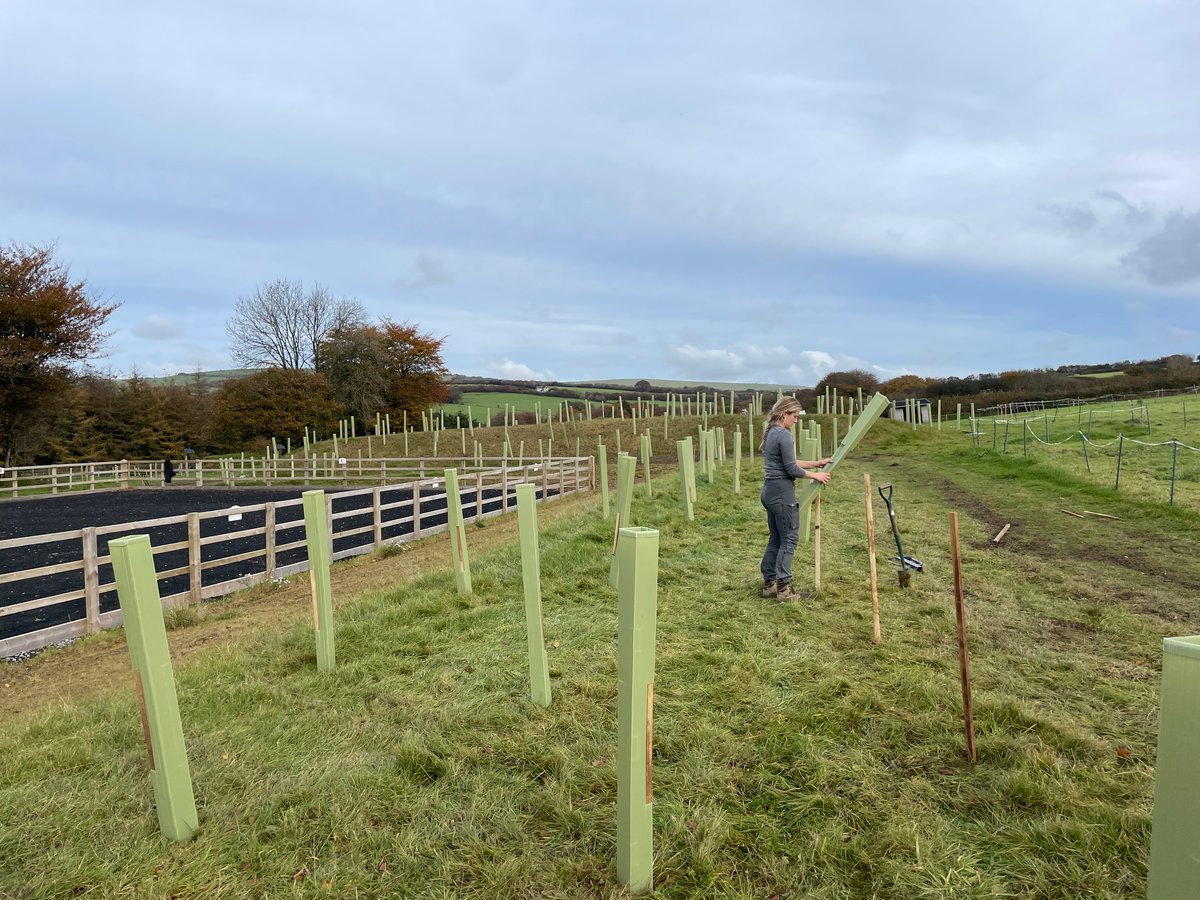
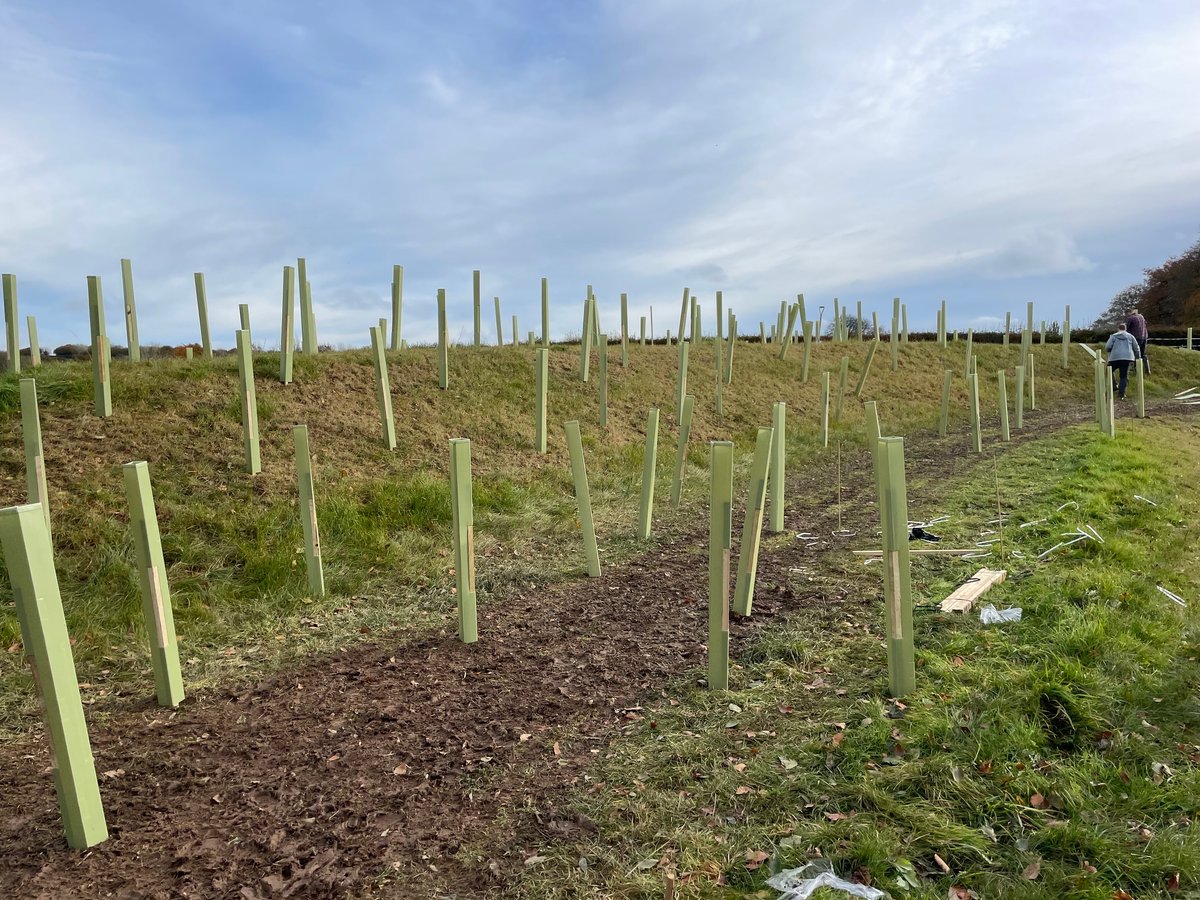
We had 700 trees to plant to create a small woodland on our first visit to this riding stables near South Molton. As this was so early in the season we bought cell-grown saplings from a nursery just over the border in Cornwall as the cheaper bare root saplings can only be lifted after the first frosts, which are usually around mid-November. It will be a while, but eventually these trees will provide shade for the horses and sheep who live here. In the meantime, the young trees will be fenced of to protect them from damage.

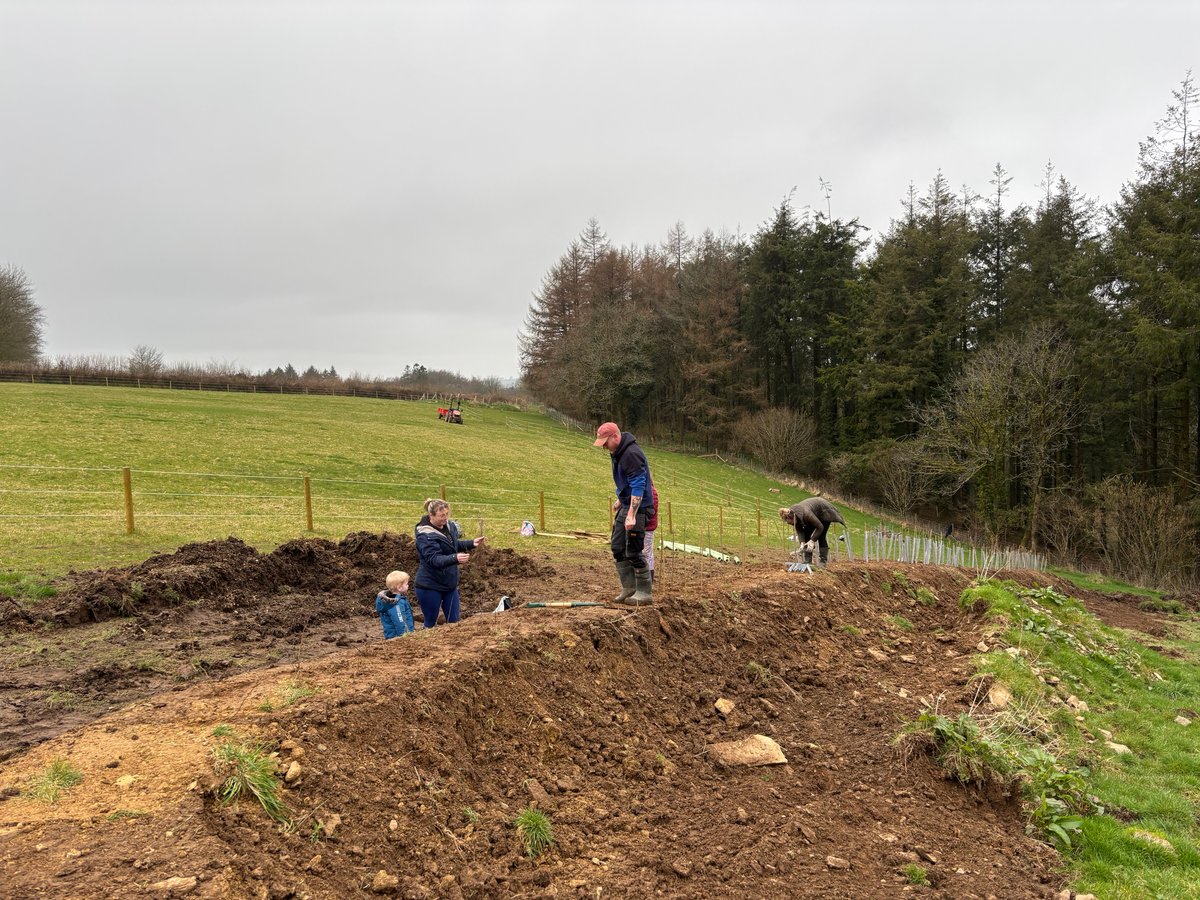
The first day dawn clear and bright and 9 very motivated local volunteers turned up to help. The first thing we discovered was that the ground was very stony and we had to pick our planting sites with care!

There were 700 plants in total comprising 550 trees and 150 shrubs, making a 80% / 20% tree to shrub ratio. The plan was to plant trees in clusters of 8 to 10. and then plant shrubs around the periphery of the trees in species clusters of 3 to 4. Trees were planted with a 2.5 metre spacing but avoided rows and lines and uniformity were possible. Some small areas of open space were left amongst the planting.

The tree mix included: Alder, Aspen, Downy Birch, Field Maple, Hornbeam, Crab Apple, Common Oak, Rowan, Small-leaved Lime, Wild Cherry, Goat Willow. Shrubs included: Blackthorn, Hawthorn, Hazel, Spindle.

The landowners kept us fortified with hot drinks and sausage and bacon baps and everyone worked with a will, planting around 550 of the saplings on the first day!

On the following day, only 5 of our volunteers turned up, but it didn’t matter because these were hard workers and we were finished by 11:30. It’s not often we get the opportunity to go home early, and the landowners were delighted too.

Site Location

Help Protect Earth - Take Action Now

Volunteer

Help us create and maintain new woodlands, hedgerows and wildflower meadows! We need volunteers to sow seeds, plant saplings, clear invasive plant species and pick up litter. No qualifications necessary; jobs for all ages and abilities. Come and turn climate anxiety into climate action!

Fund Our Work

With government funding for reforestation and rewilding tenuous, we increasingly rely on our amazing community to keep us growing regardless of political shifts. Help Protect Earth continue to restore ecosystems and improve biodiversity across the country.

Support the Land Fund

Help us put down roots! Your donations to our Land Fund let us seize the moment when the perfect piece of land comes up for sale. Every penny helps us secure community woodlands, healthier ecosystems, and a greener future for generations to come.