Liskeard

Cornwall, England

Liskeard

High Wood is our very first land purchase, and an integral part of the Liskeard community. A place for serene dog walks, peaceful gatherings, and wildlife spotting.

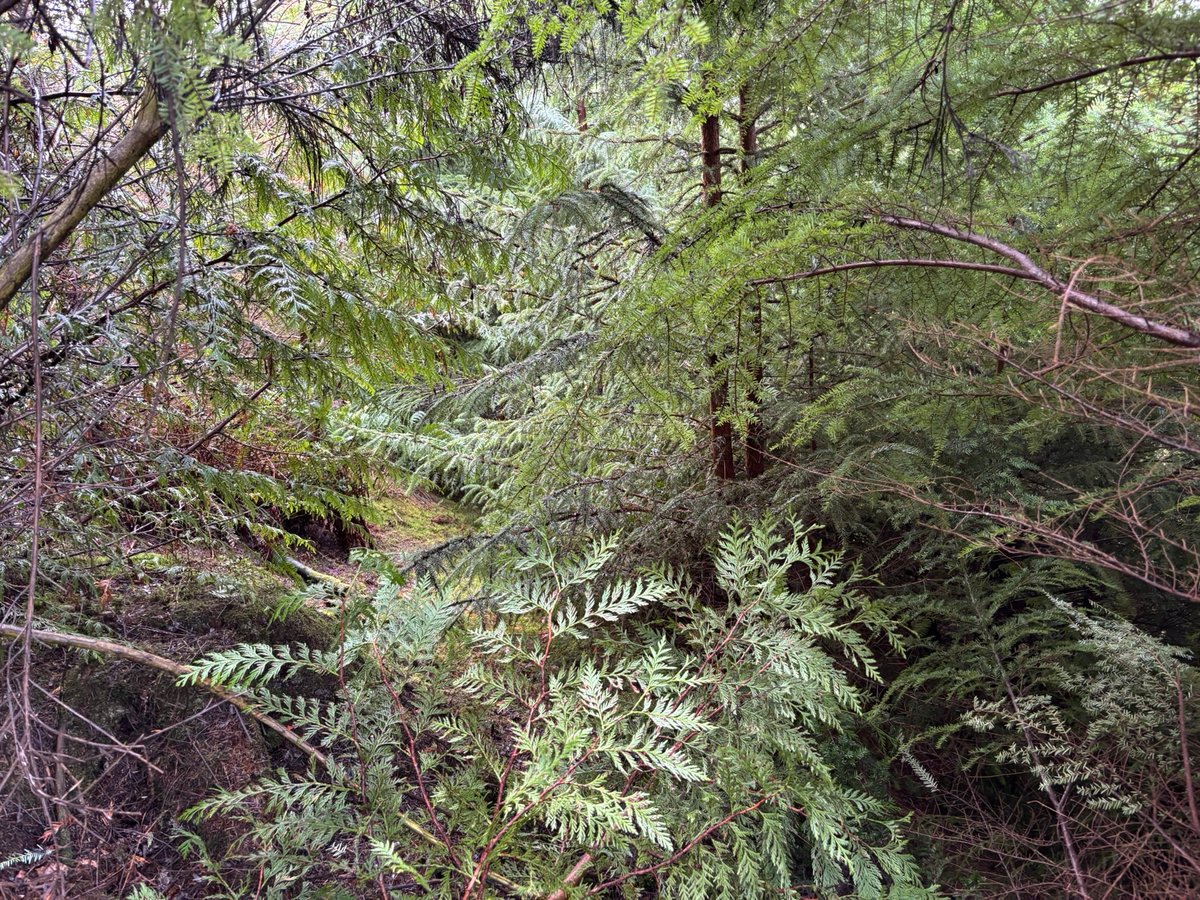
We have been working hard to restore High Wood to its former glory as an ancient temperate rainforest - a habitat that’s all too rare today. Beyond that, Protect Earth have been getting stuck in with the local community, helping farmers with tree planting and hedgerows around Liskeard.

In partnership with

Site Updates

  • Ecology Survey

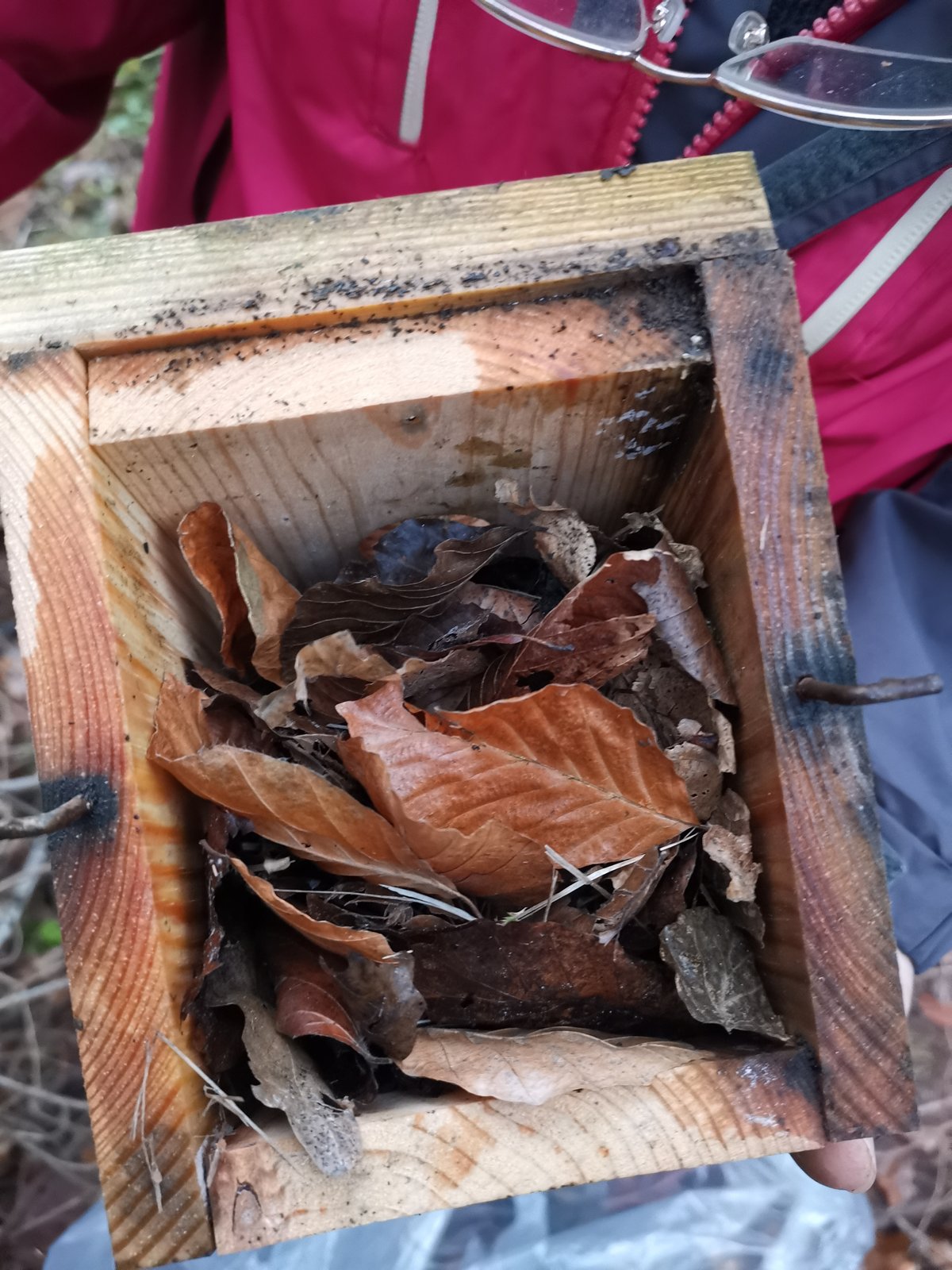
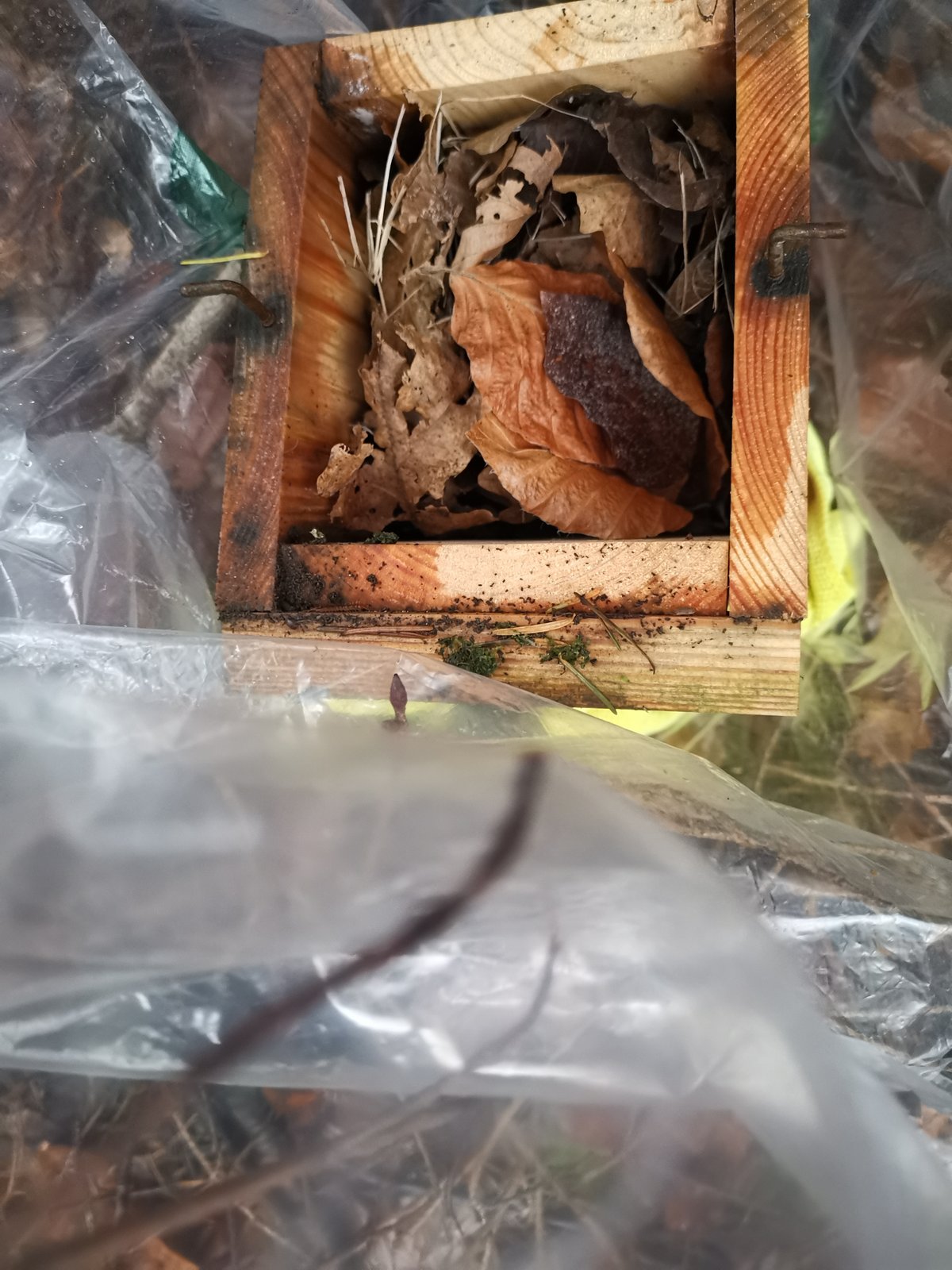
You may be aware that there are dormice habitat boxes at High Wood! Dormice normally hibernate in piles of logs or leaves, in the base of trees, and inside tussock grass. When these habitats are in deficit or at risk of disturbance from humans, something we can do to help is create sturdy habitat for them.

We invited a dormouse expert to investigate the boxes. She found that despite a slightly disappointing uptake from the local wildlife, there was evidence that several boxes were occupied, or previously occupied, by the target occupant. Woodmice, shrews and birds were also discovered taking refuge.

  • Ecology Survey

  • Woodland Restoration

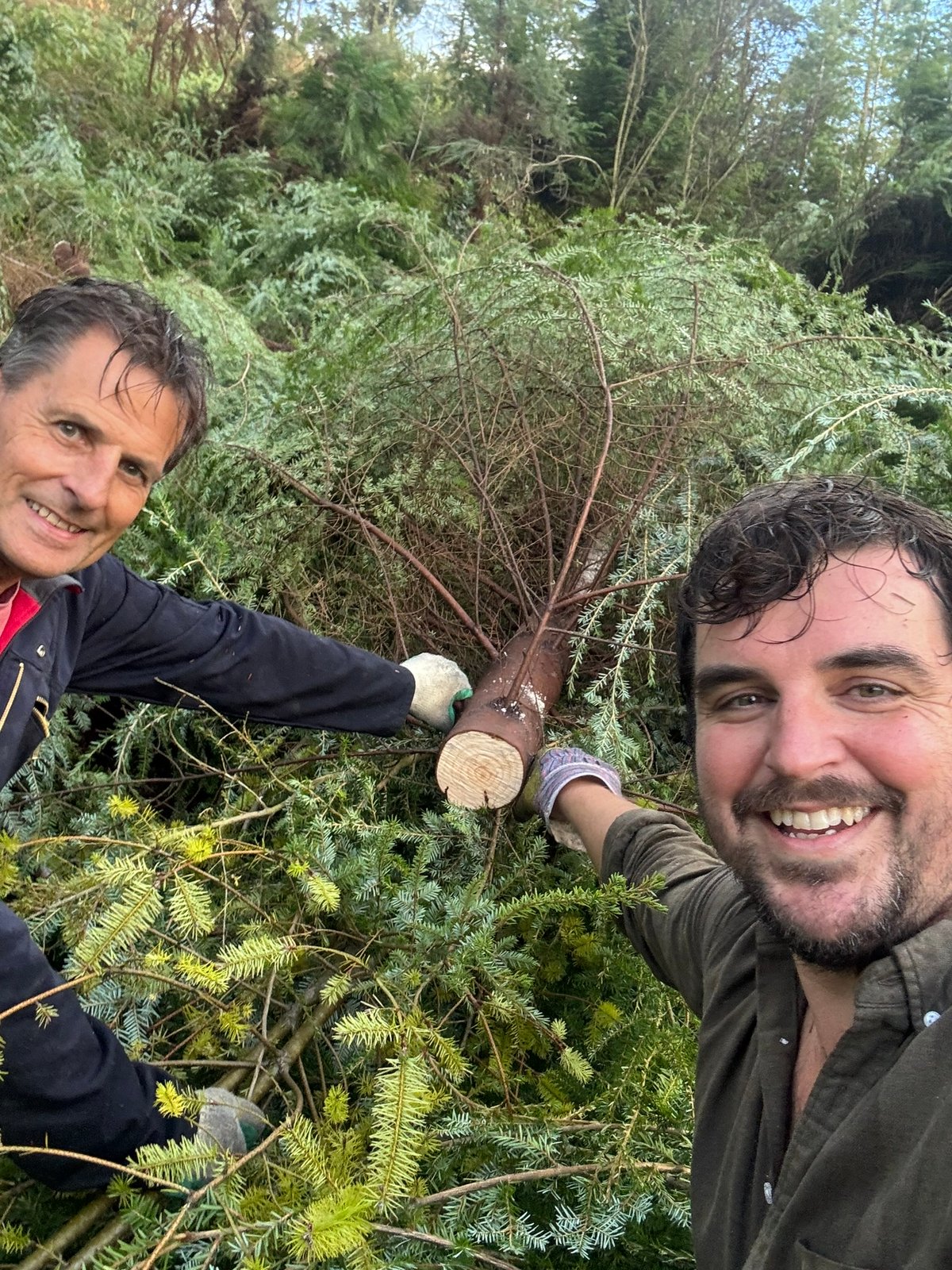
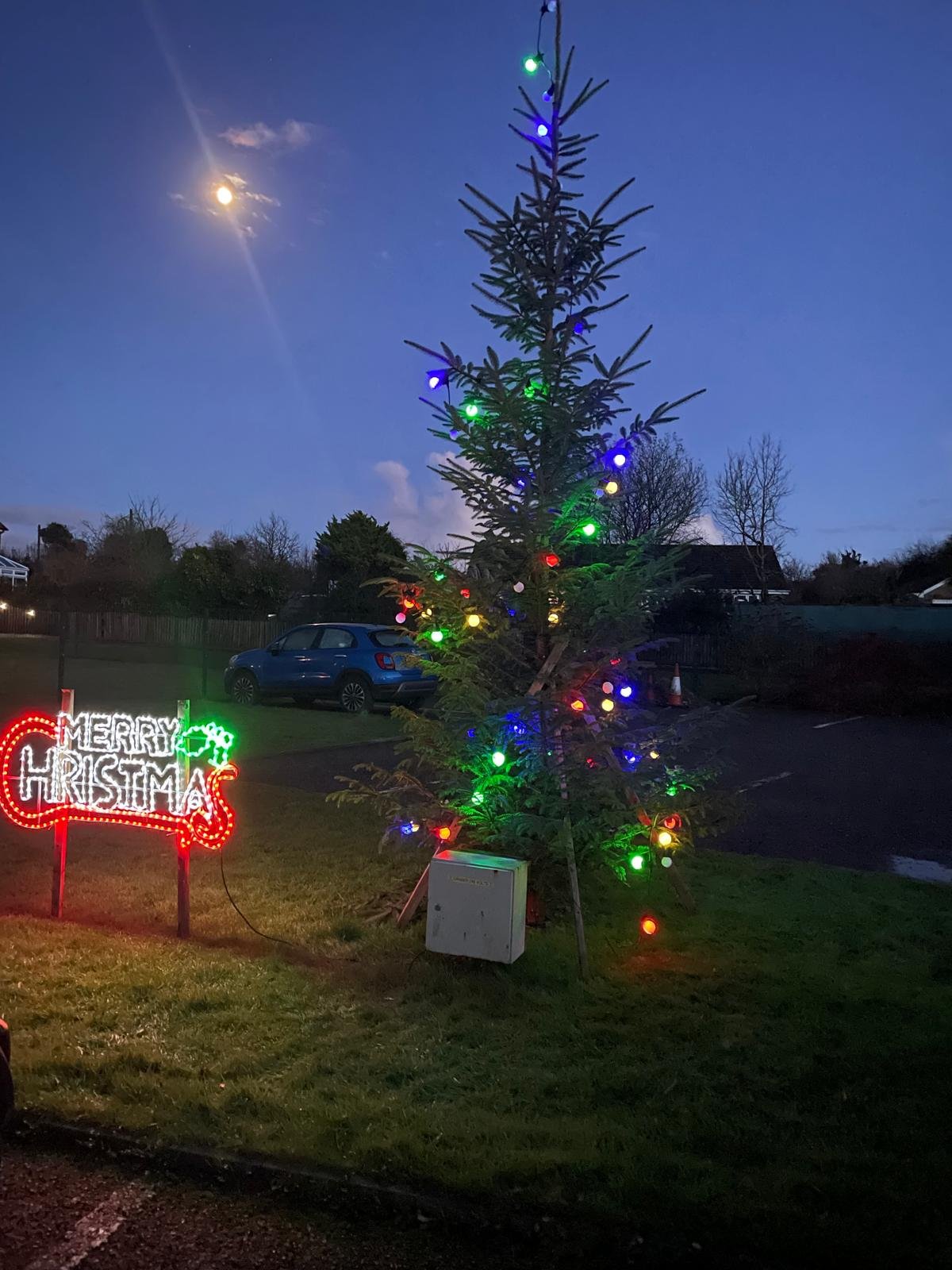
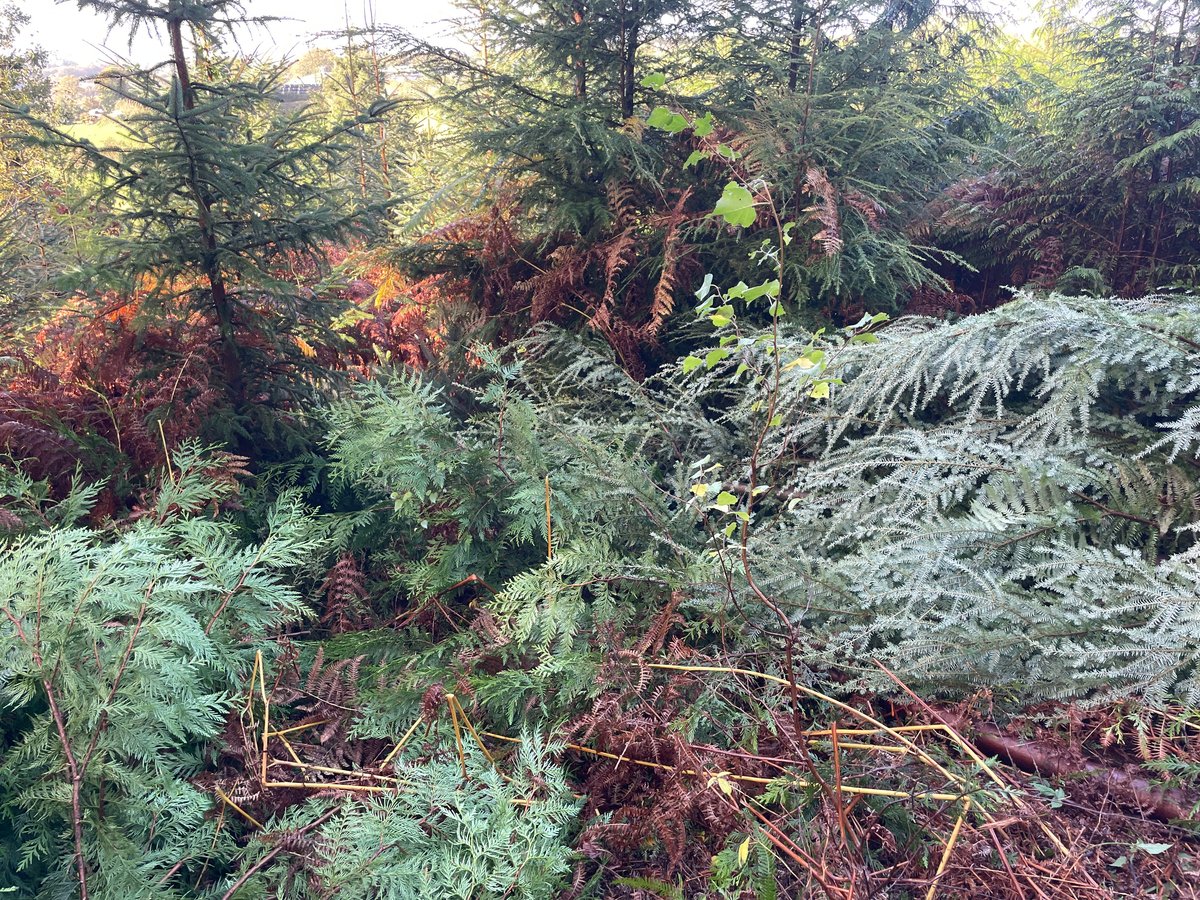
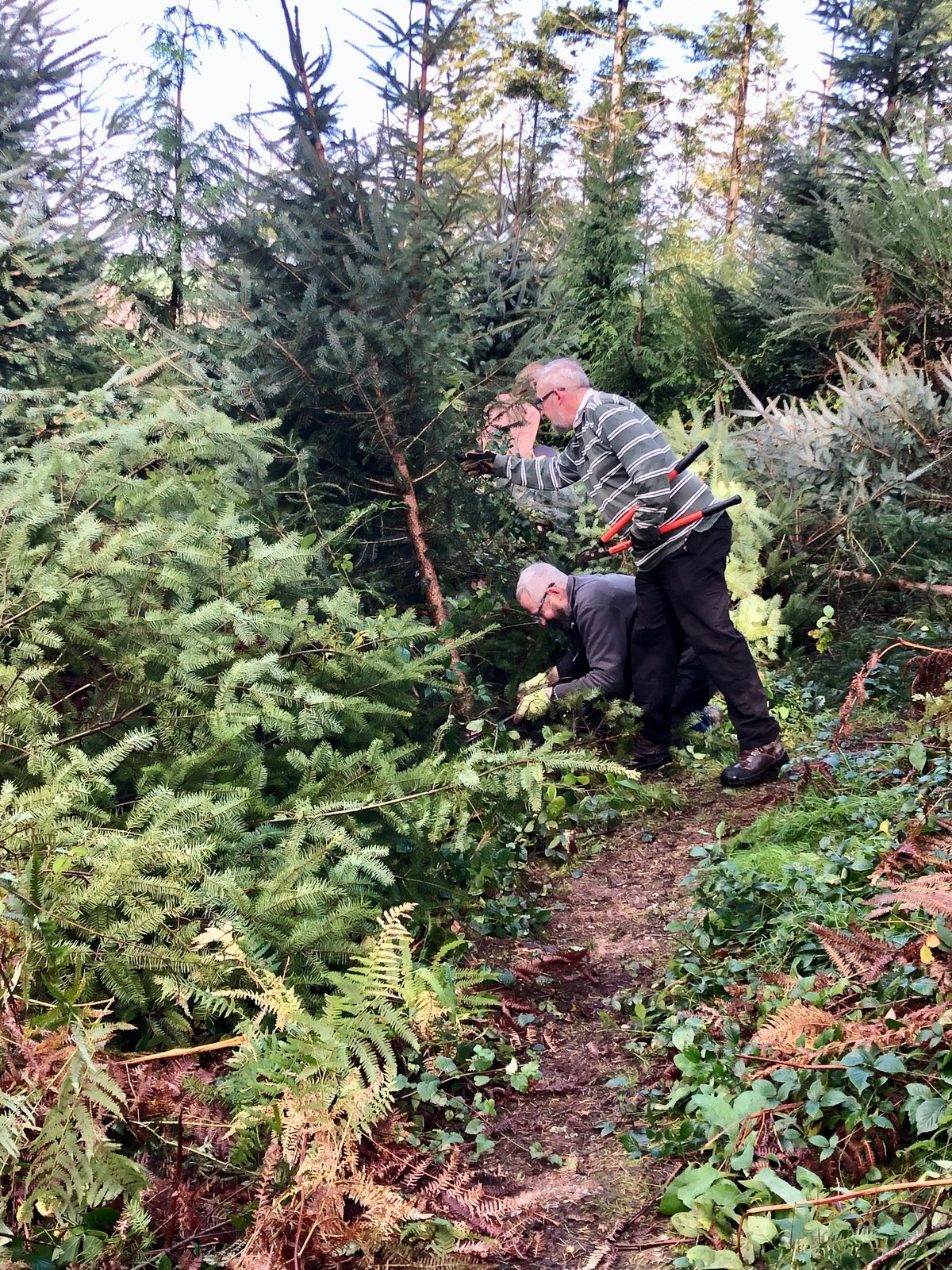
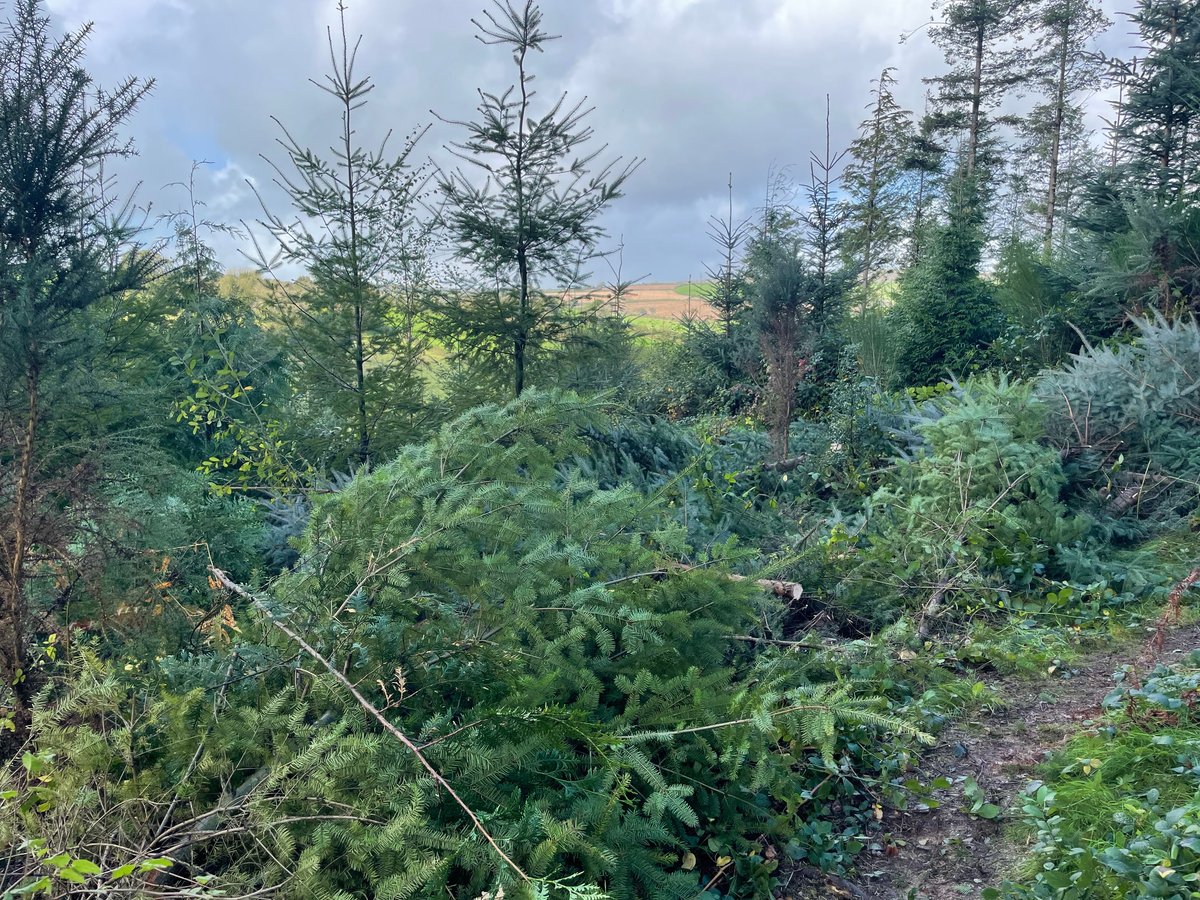
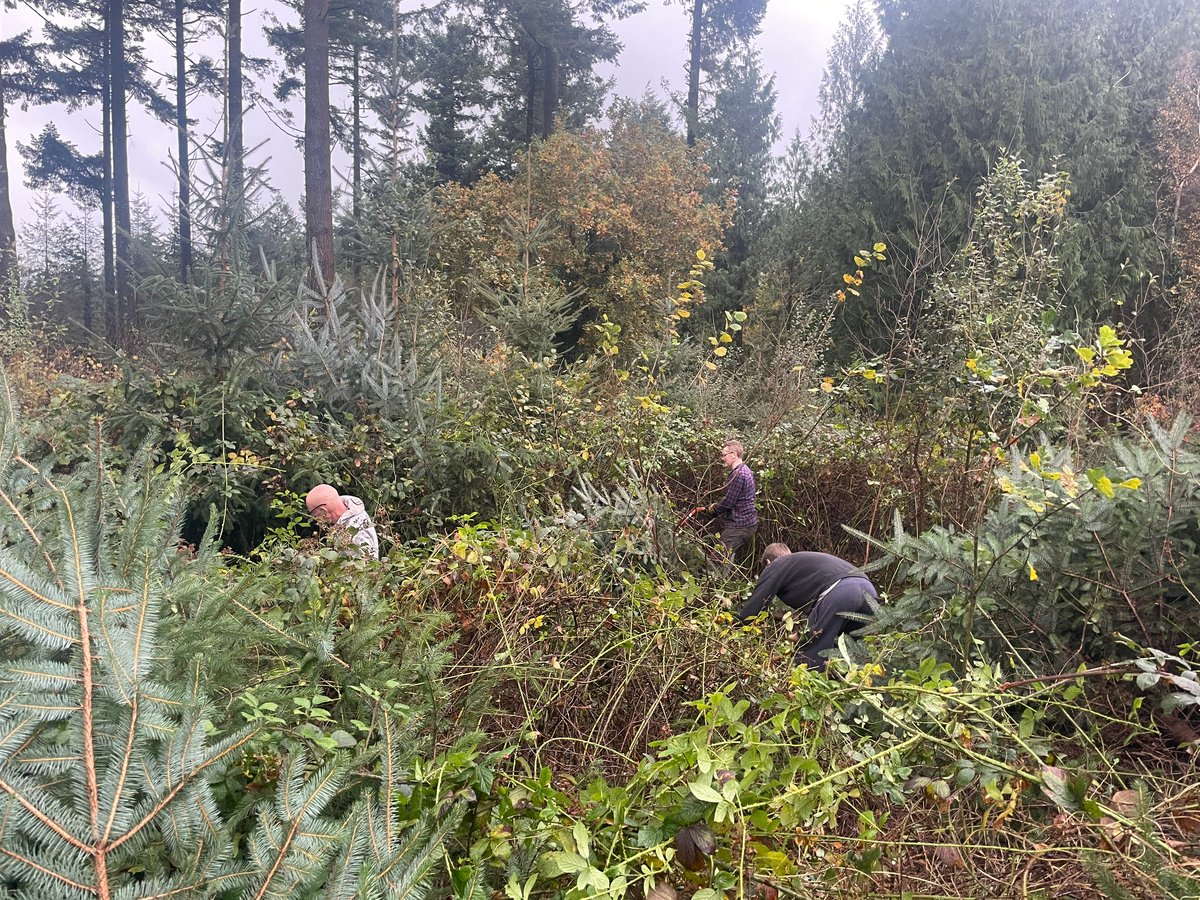
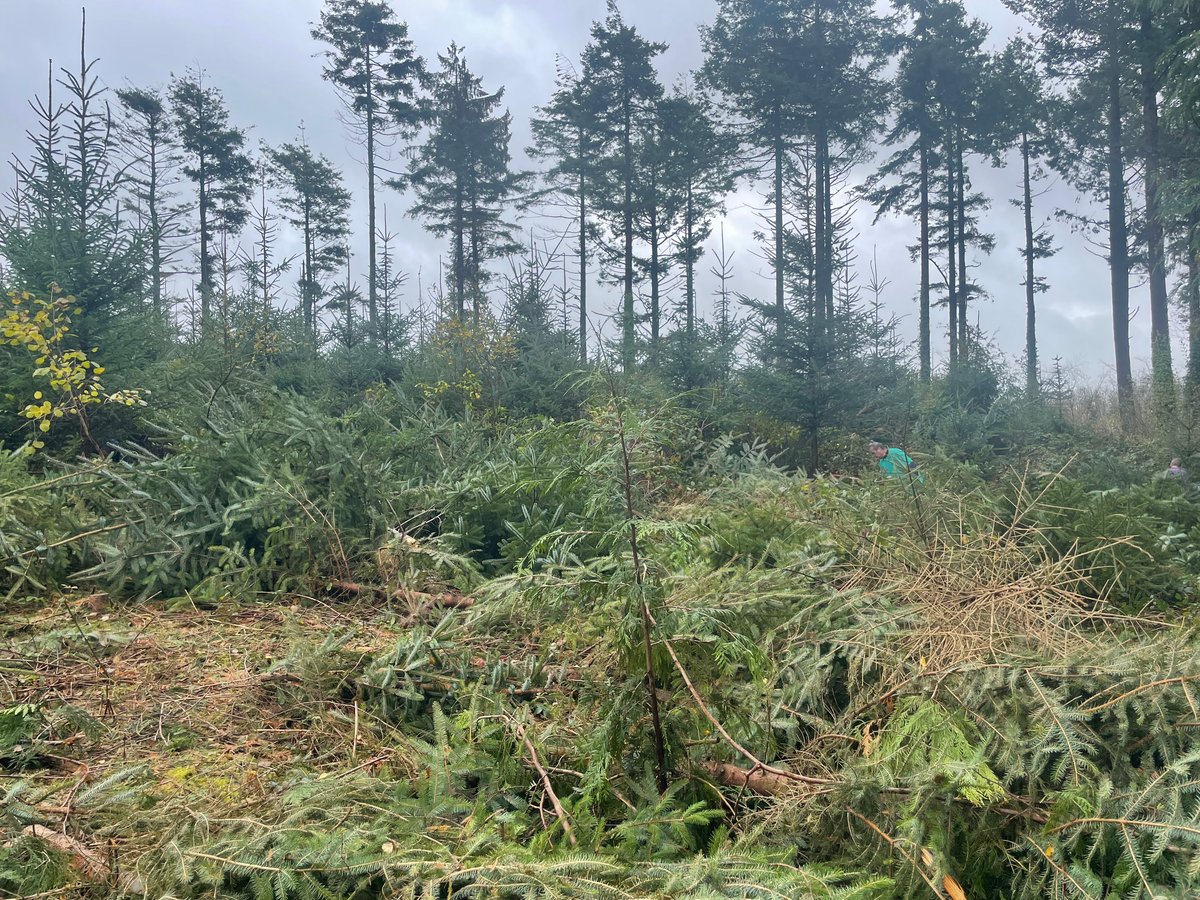
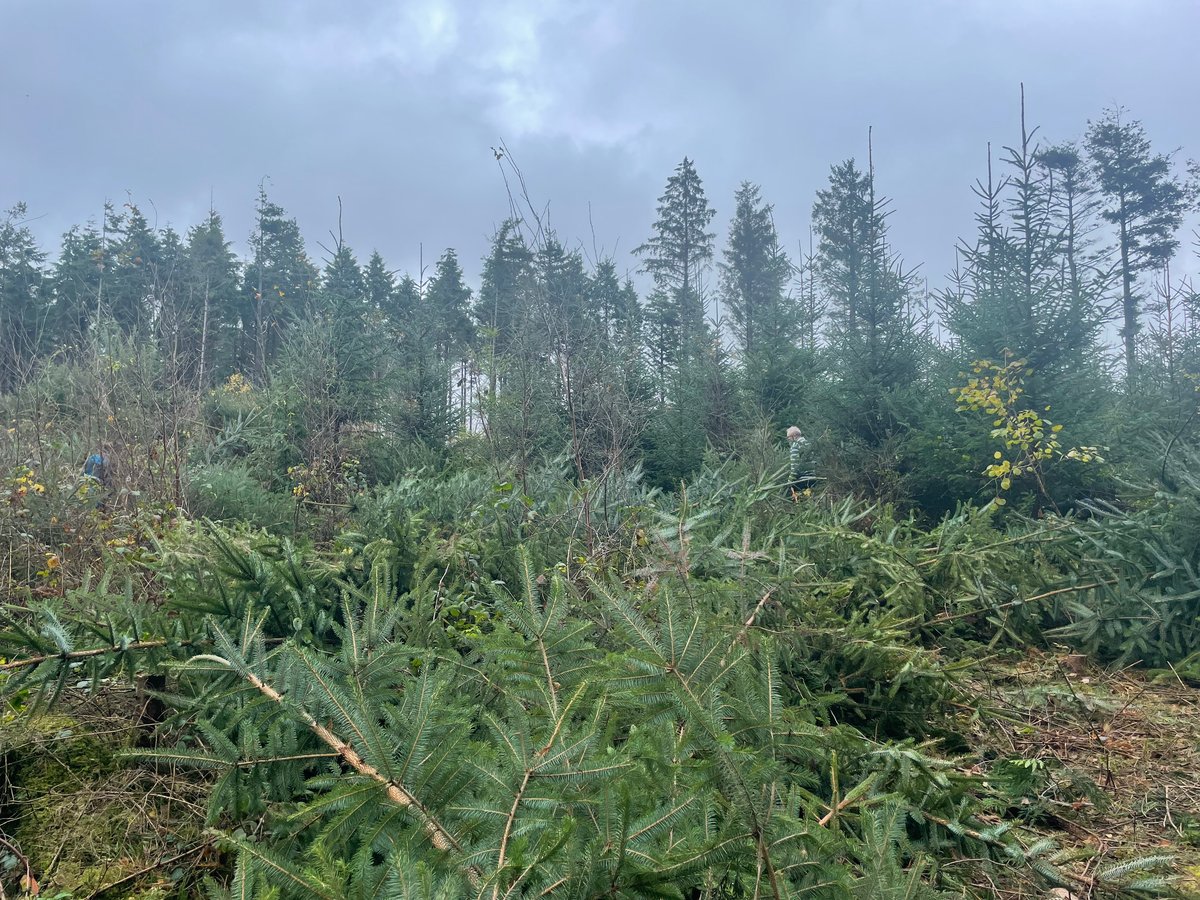
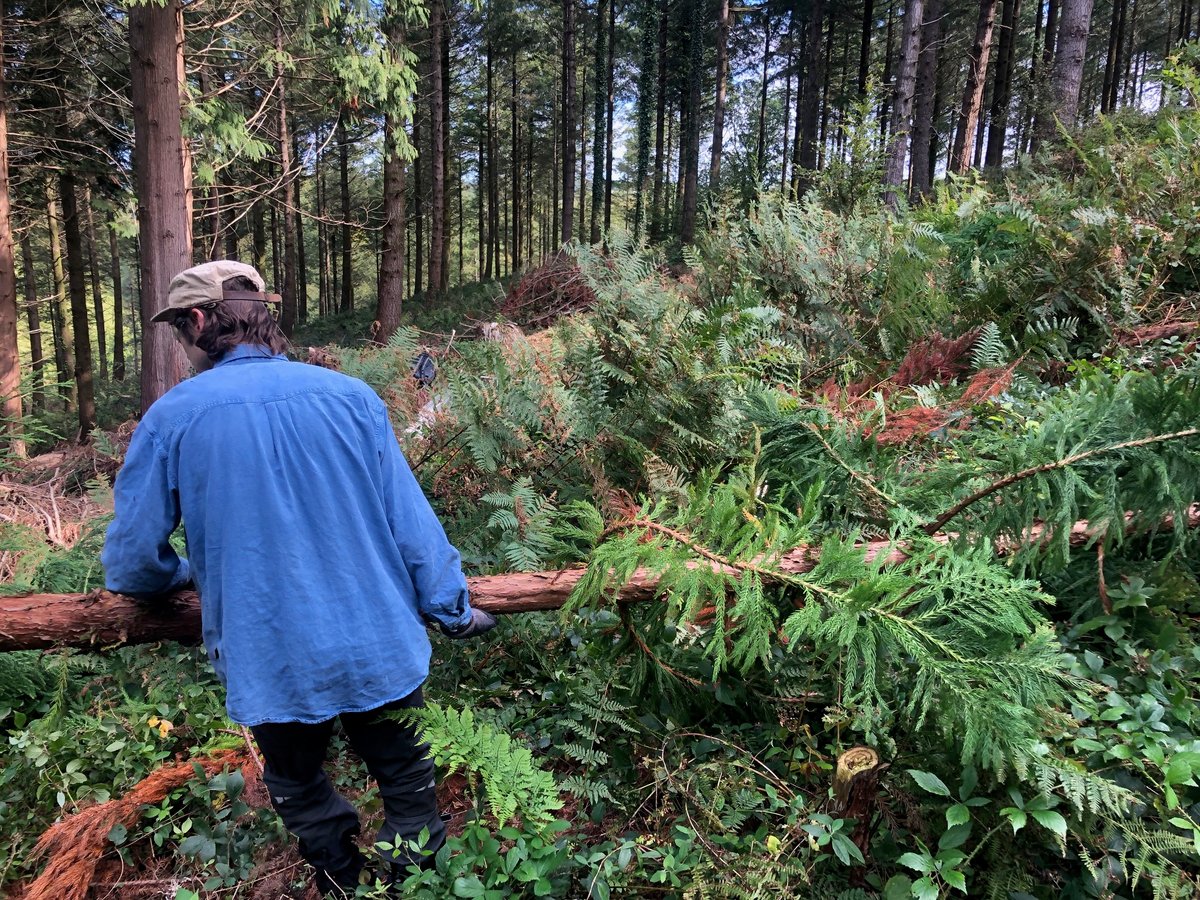
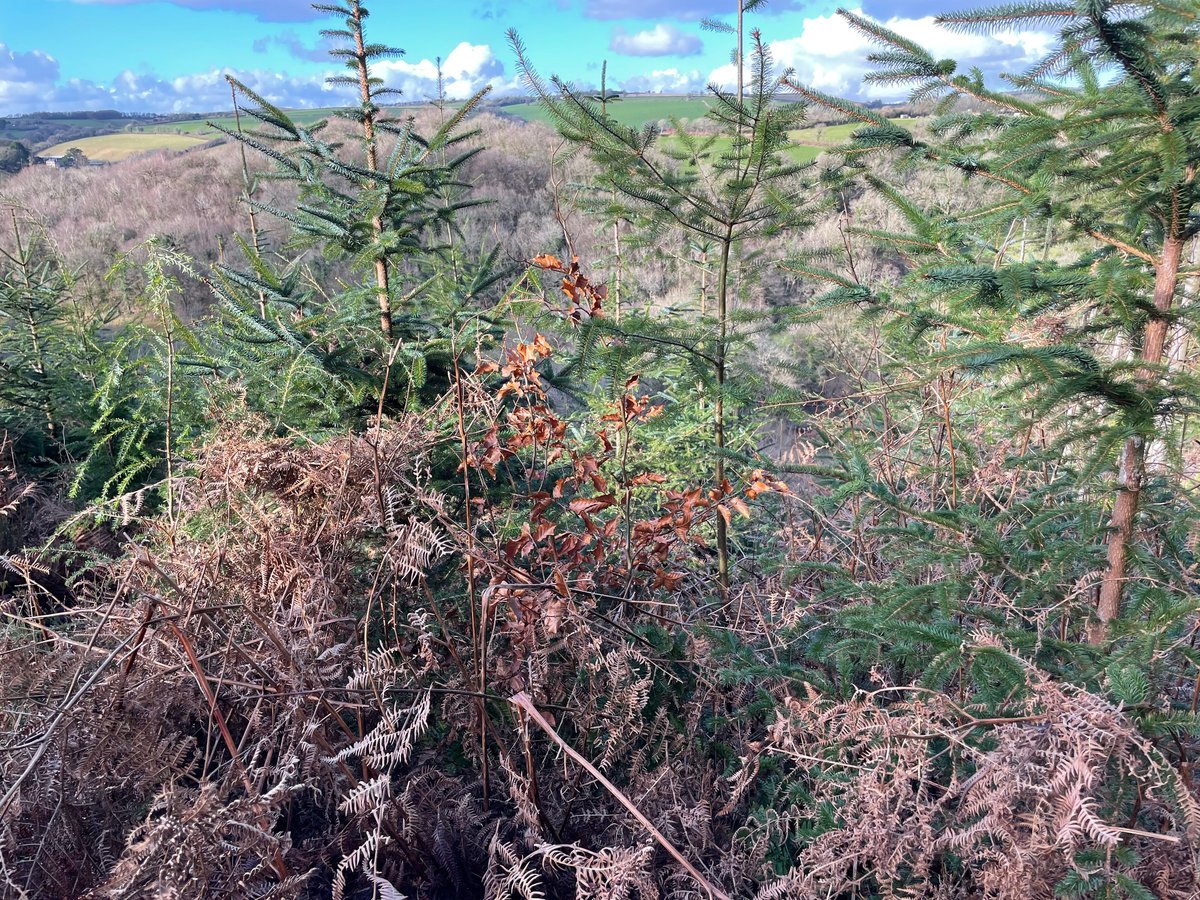
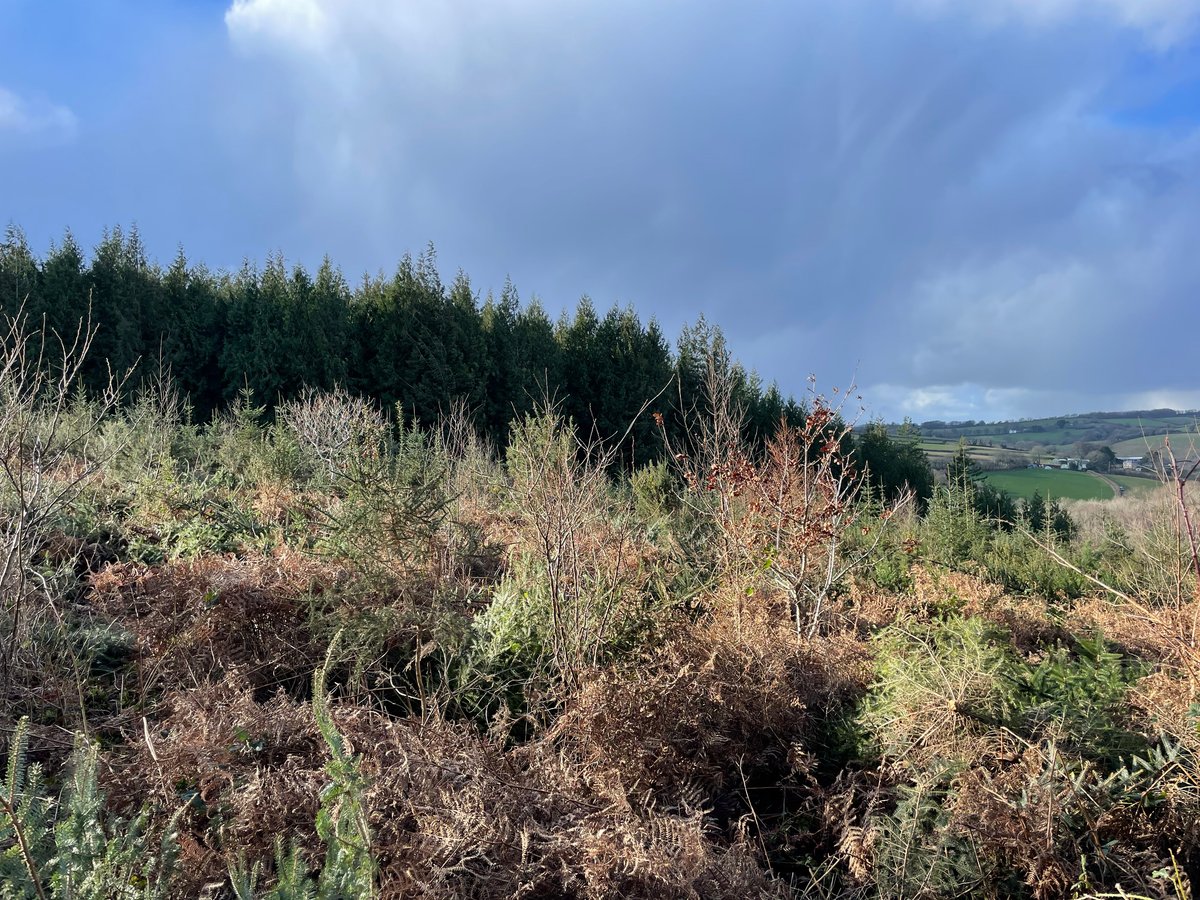
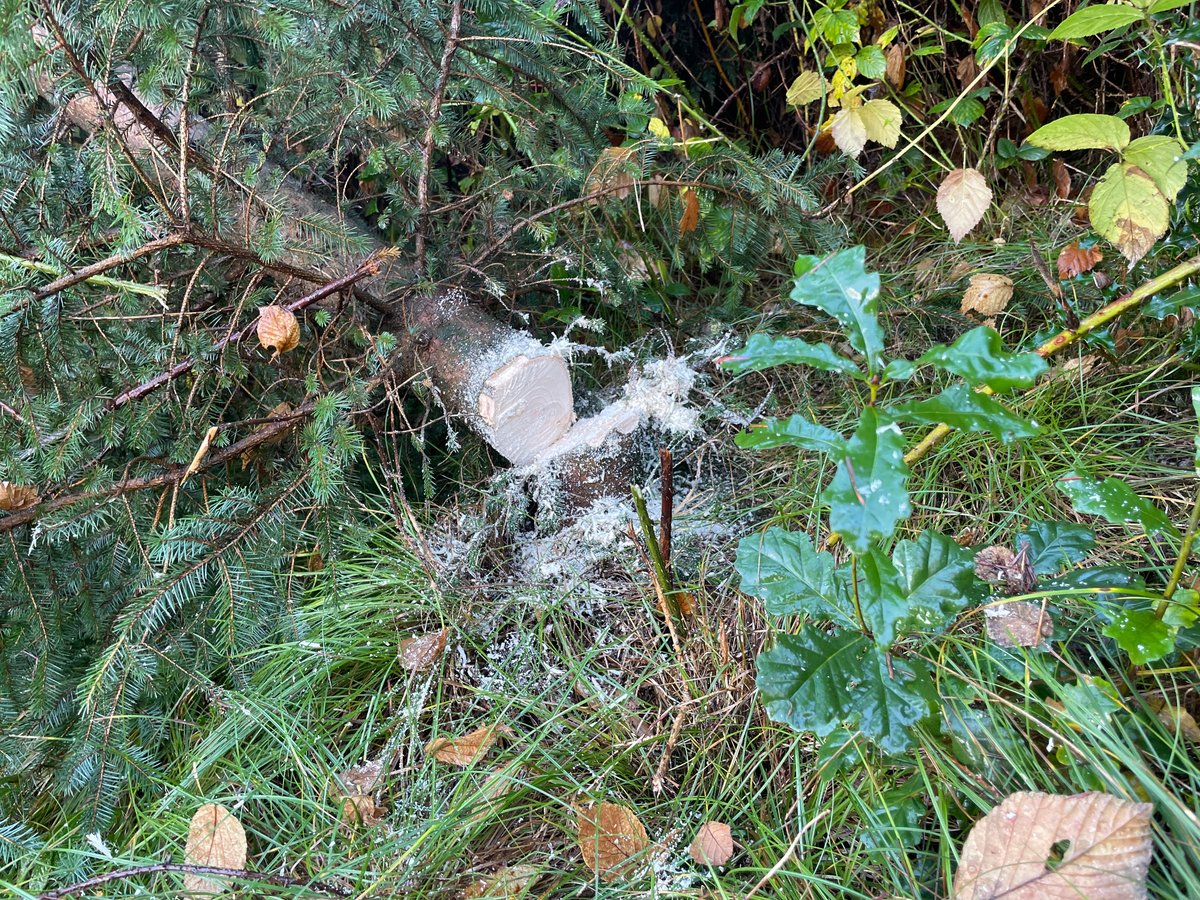
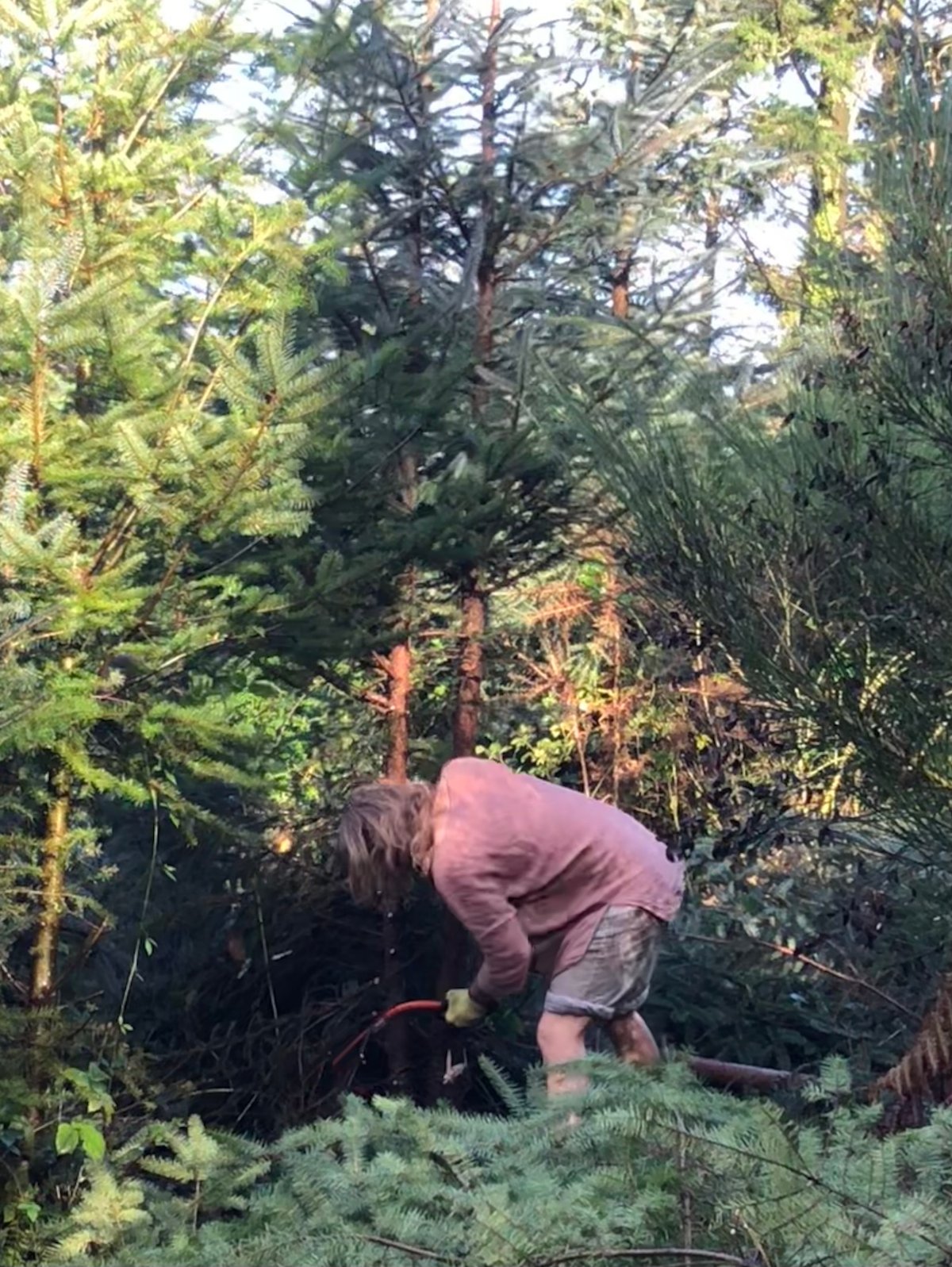
November was a good time to remove most of the remaining smaller conifers. This was a day job for the stalwart members of our hardworking work party. Phil went down to lend a hand and take some photos, before delivering a large Christmas tree to Liskerrett Community Centre in his van. We were also able to donate trees to other local charities. High Wood is now largely clear of small conifers, giving both trees and other plants a chance to flourish.

Photo - The tree we donated to Tap House Community Centre

  • Survival Survey
  • 50% survival rate

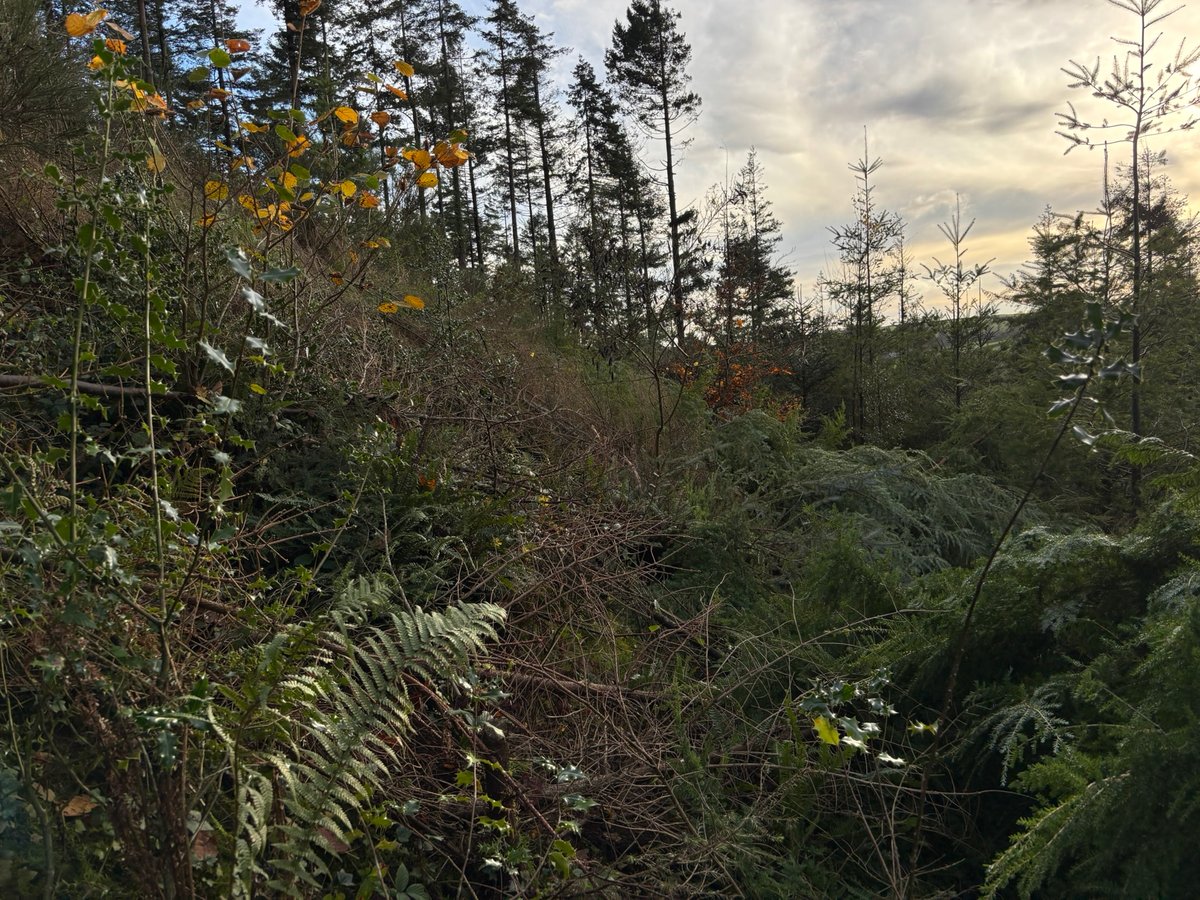
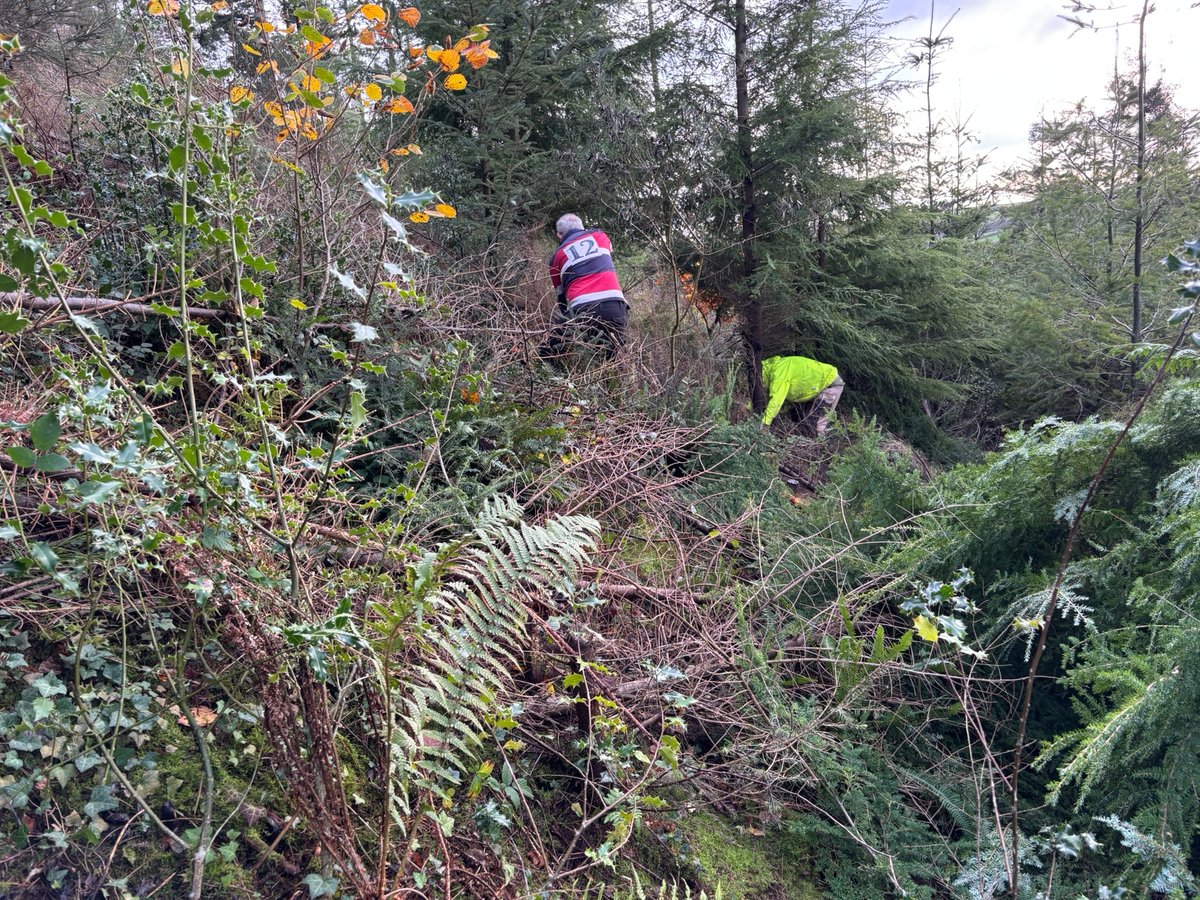
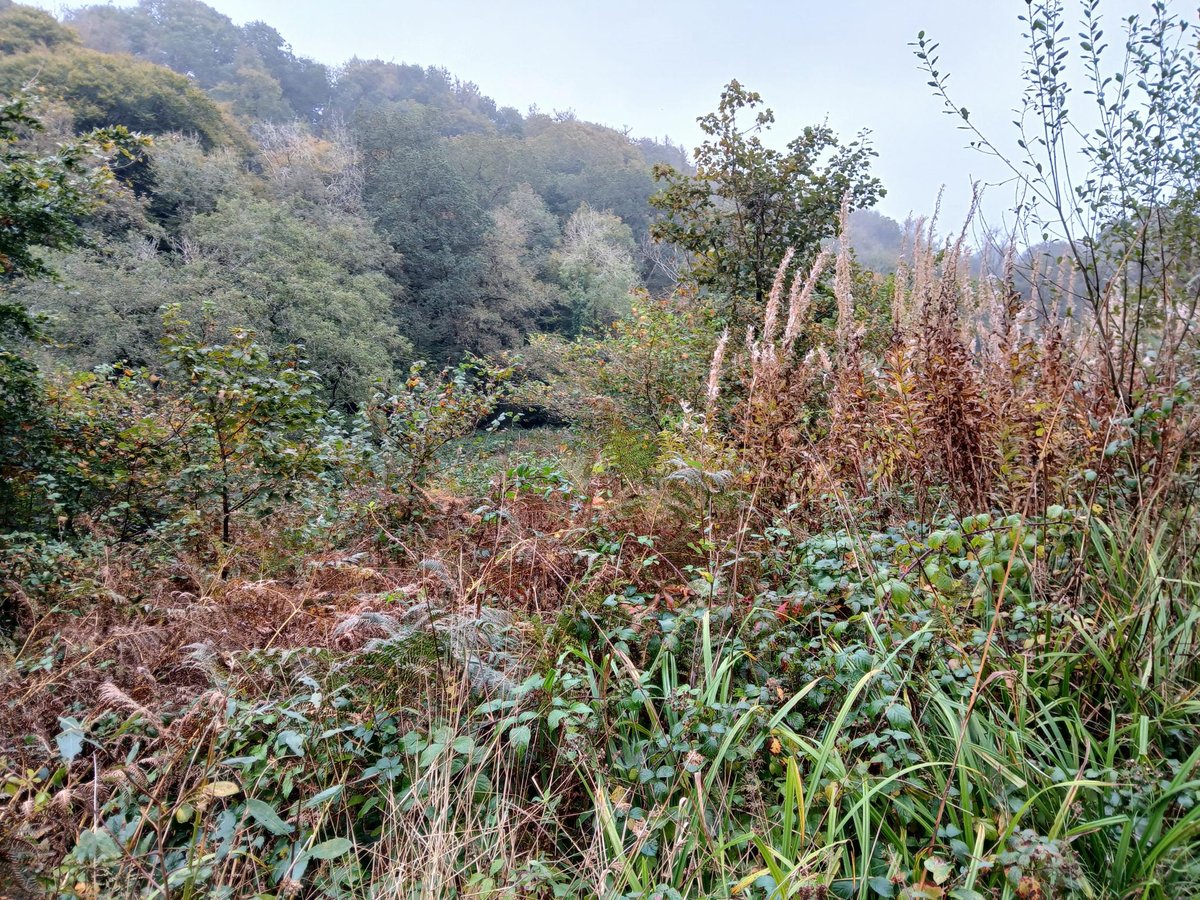
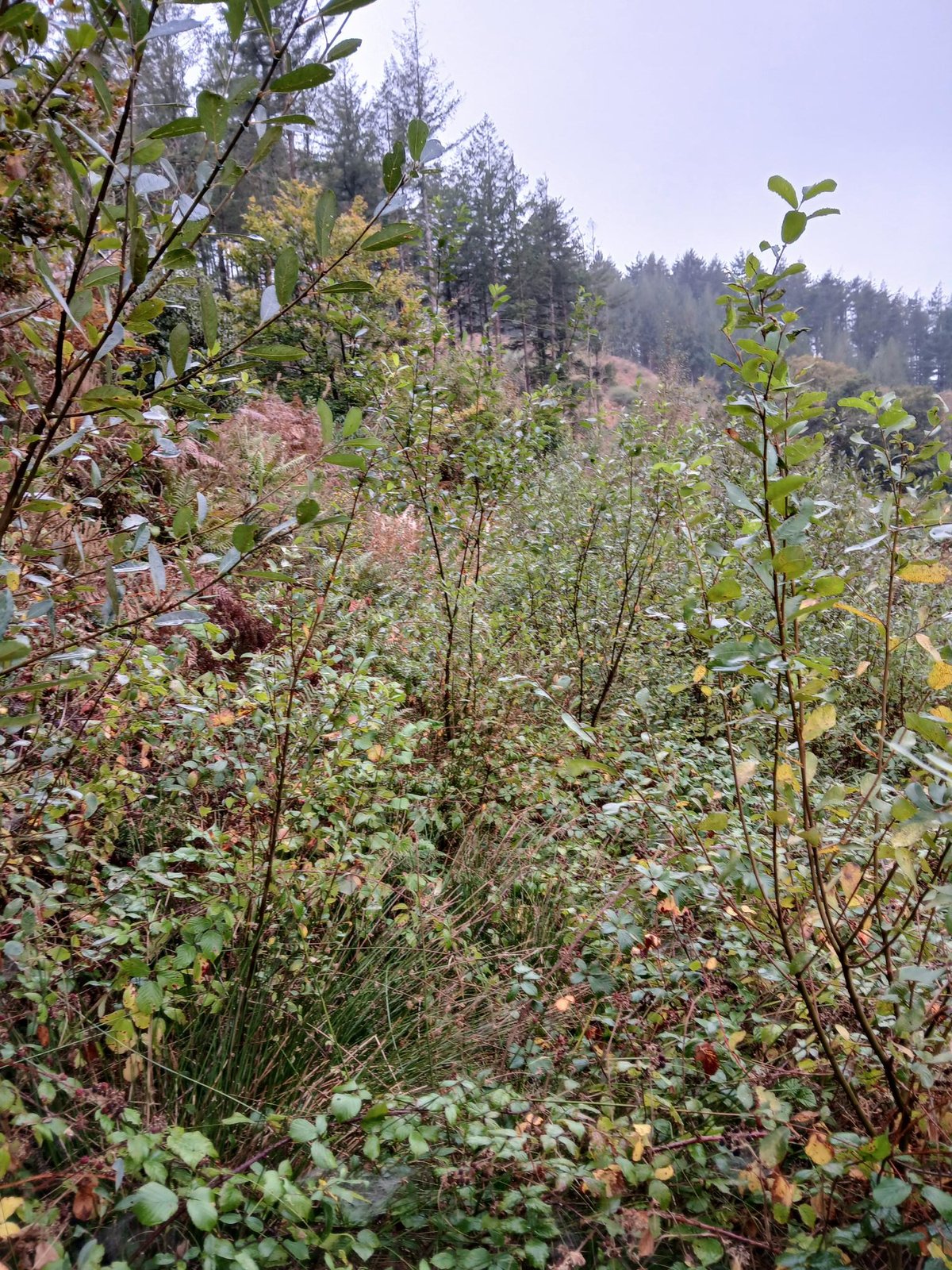
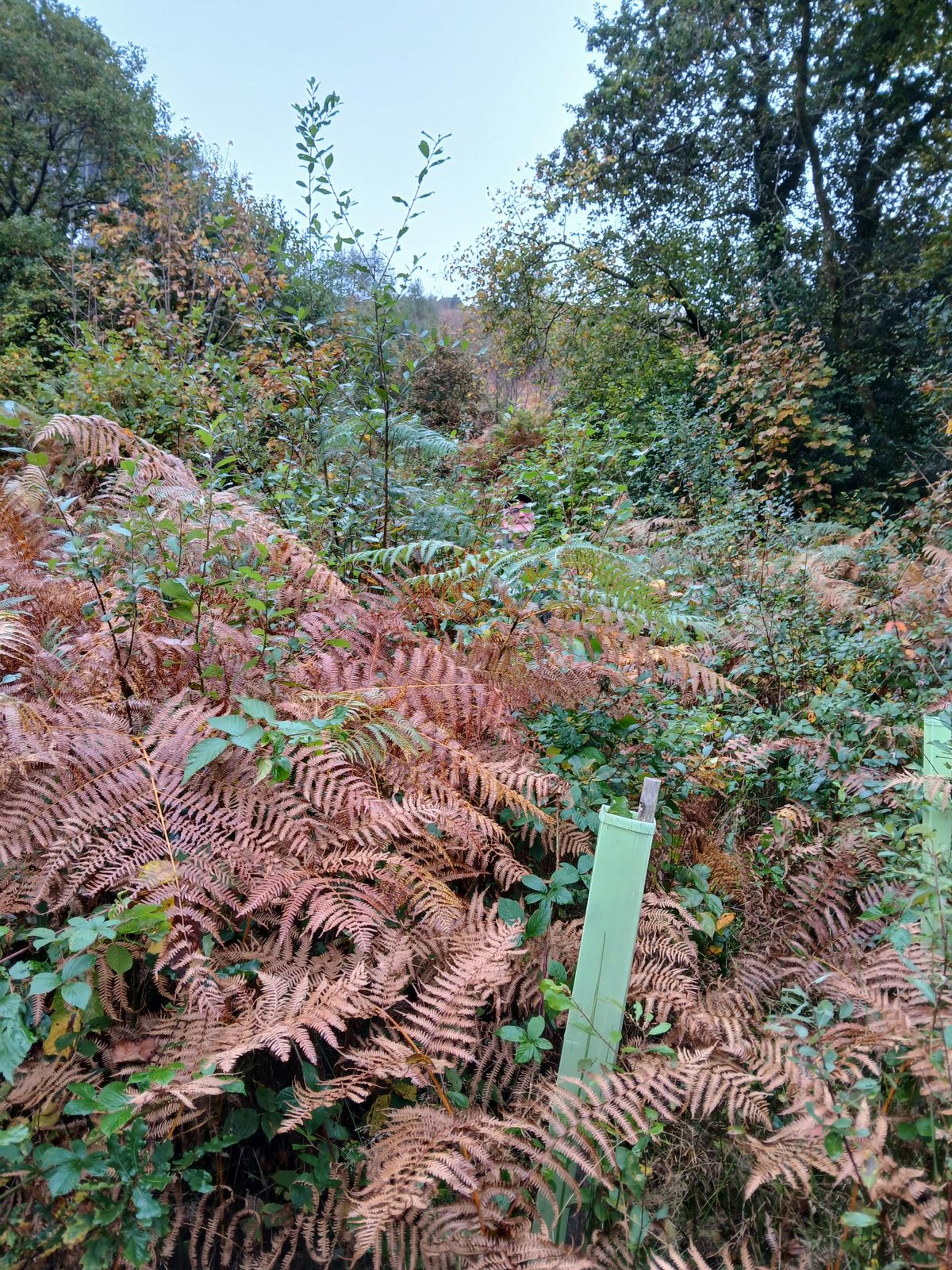
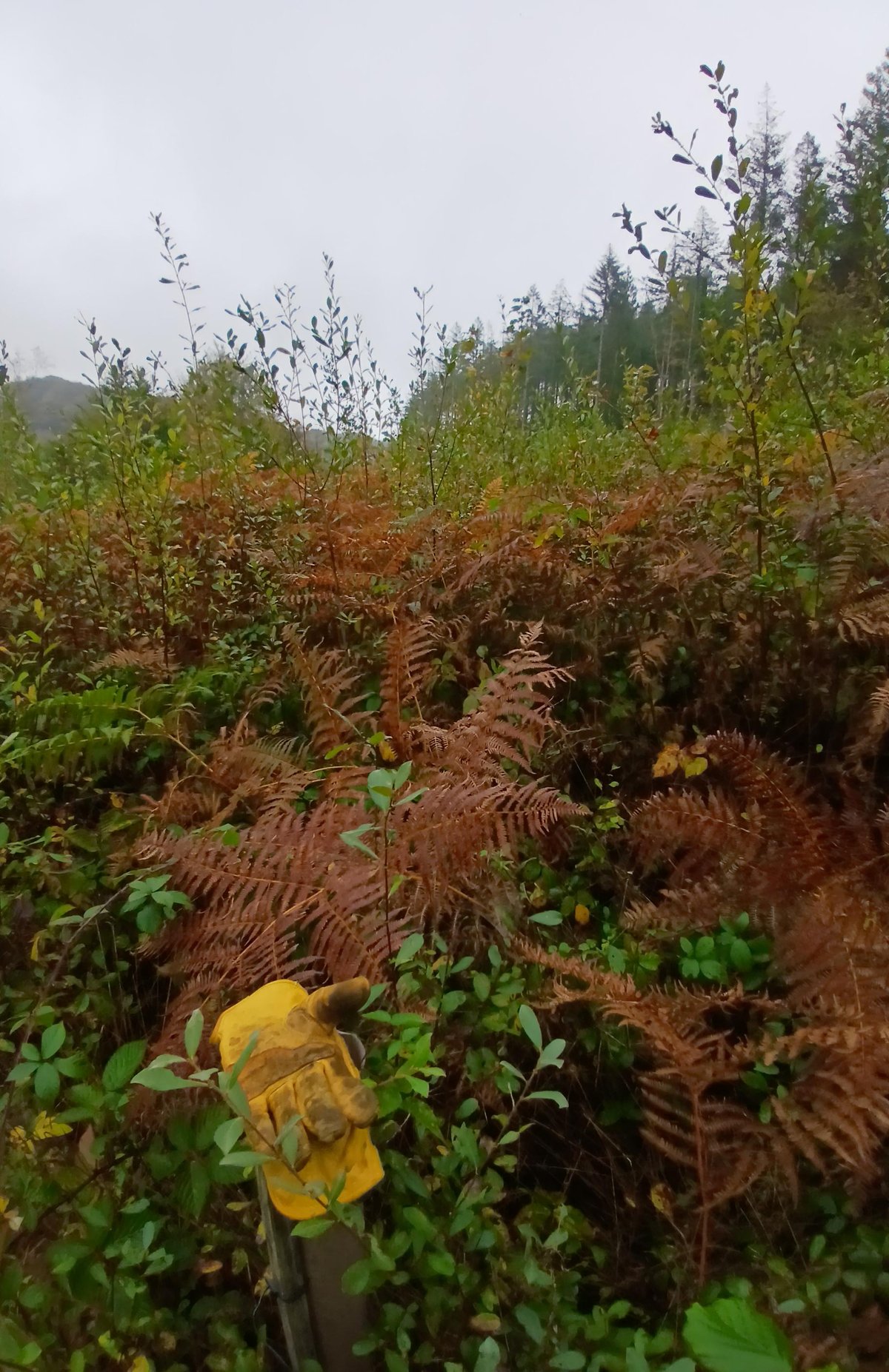
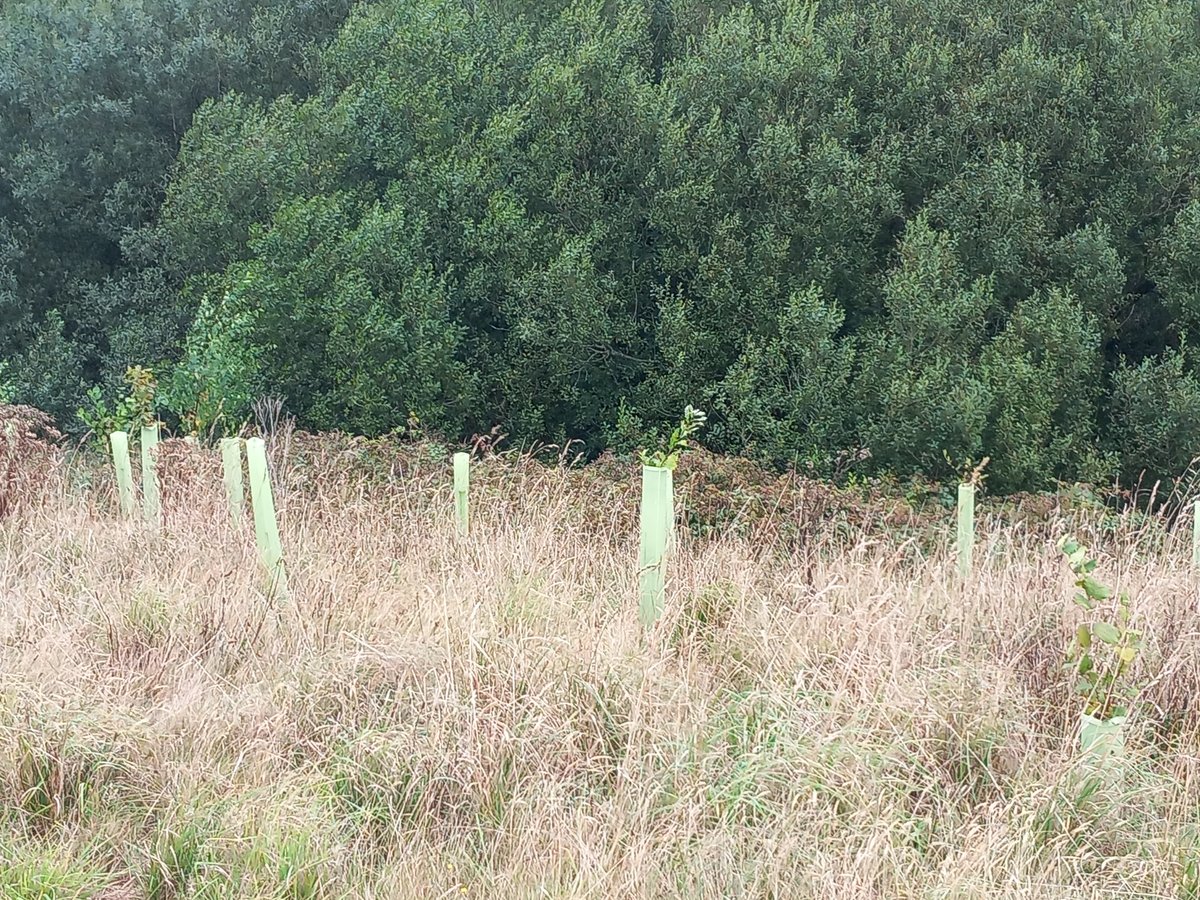
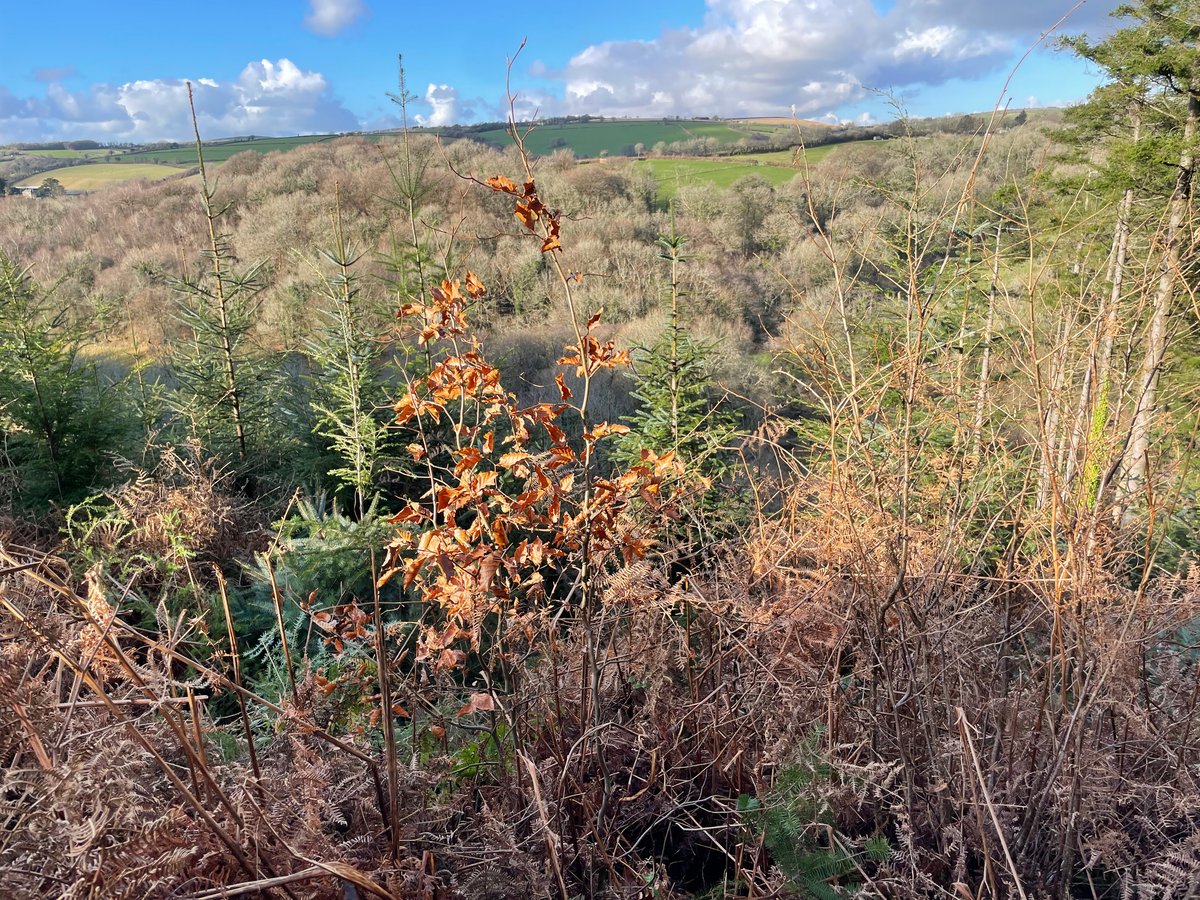
The survey was carried out by our site managers, Ian and Shane. Unfortunately, the brambles have flourished rather too well and were over head height in places so it was impossible to survey the central area of each plot. Ian and Shane estimate that around 50% of the trees we planted have survived. However, there was some good news. It seems that for every dead tree, around three willows have naturally regenerated, so we have decided that there is no need to replant here for now. Will will keep a close eye on the situation in case things change and we need to restock in the future.

  • Survival Survey
  • 50% survival rate

It seems only half of the trees had survived - the Bramble was over head height, so they did not survey the middle of the plots. However, for every dead tree, 3 willows have naturally regenerated, so no need to replant here.

  • Survival Survey
  • 97% survival rate

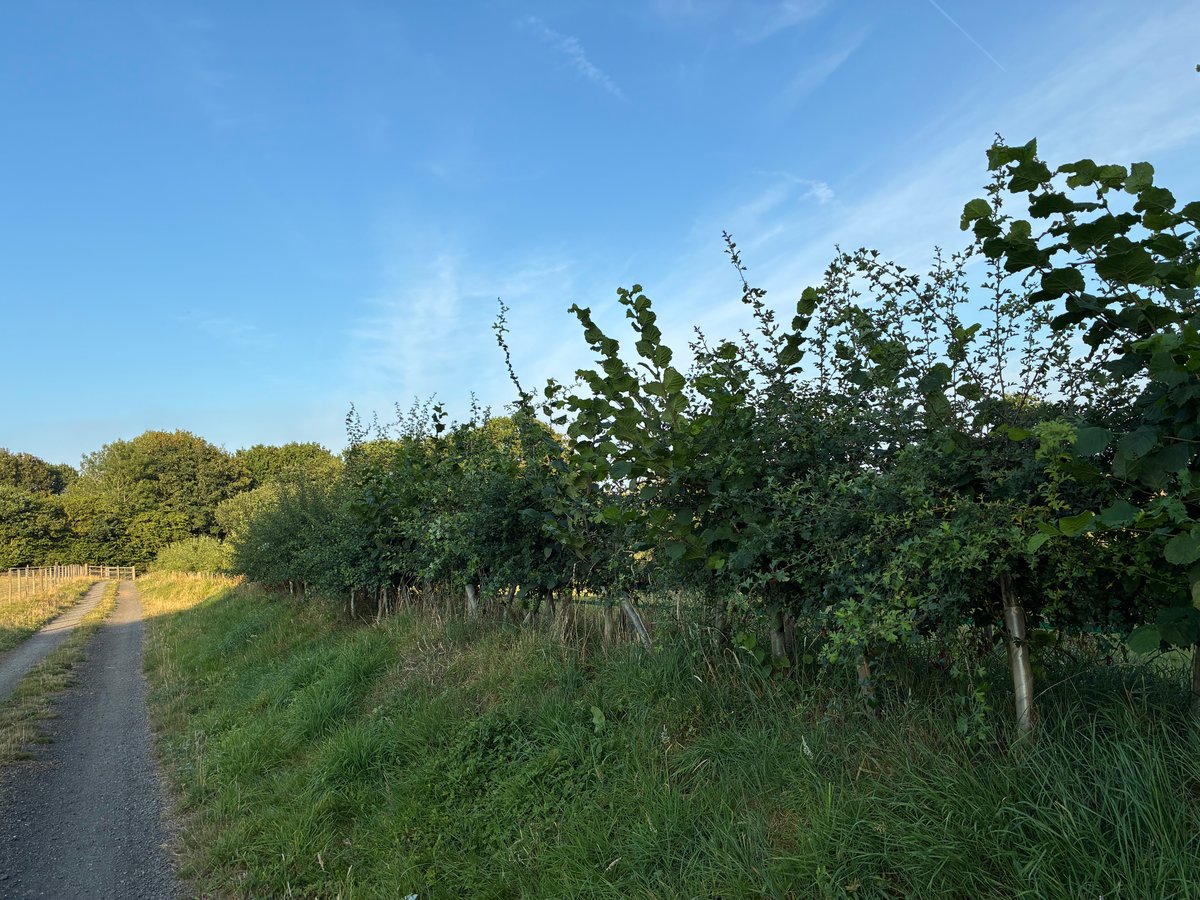
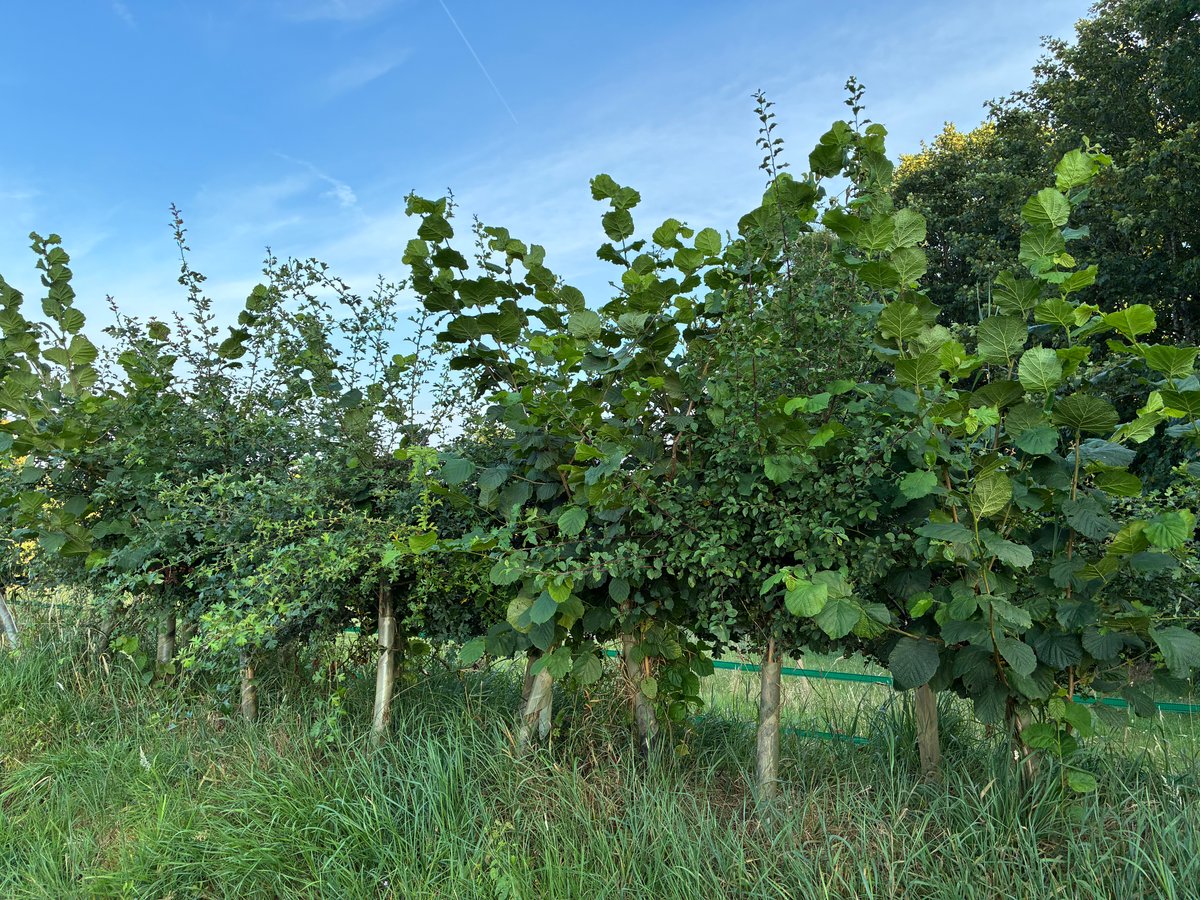
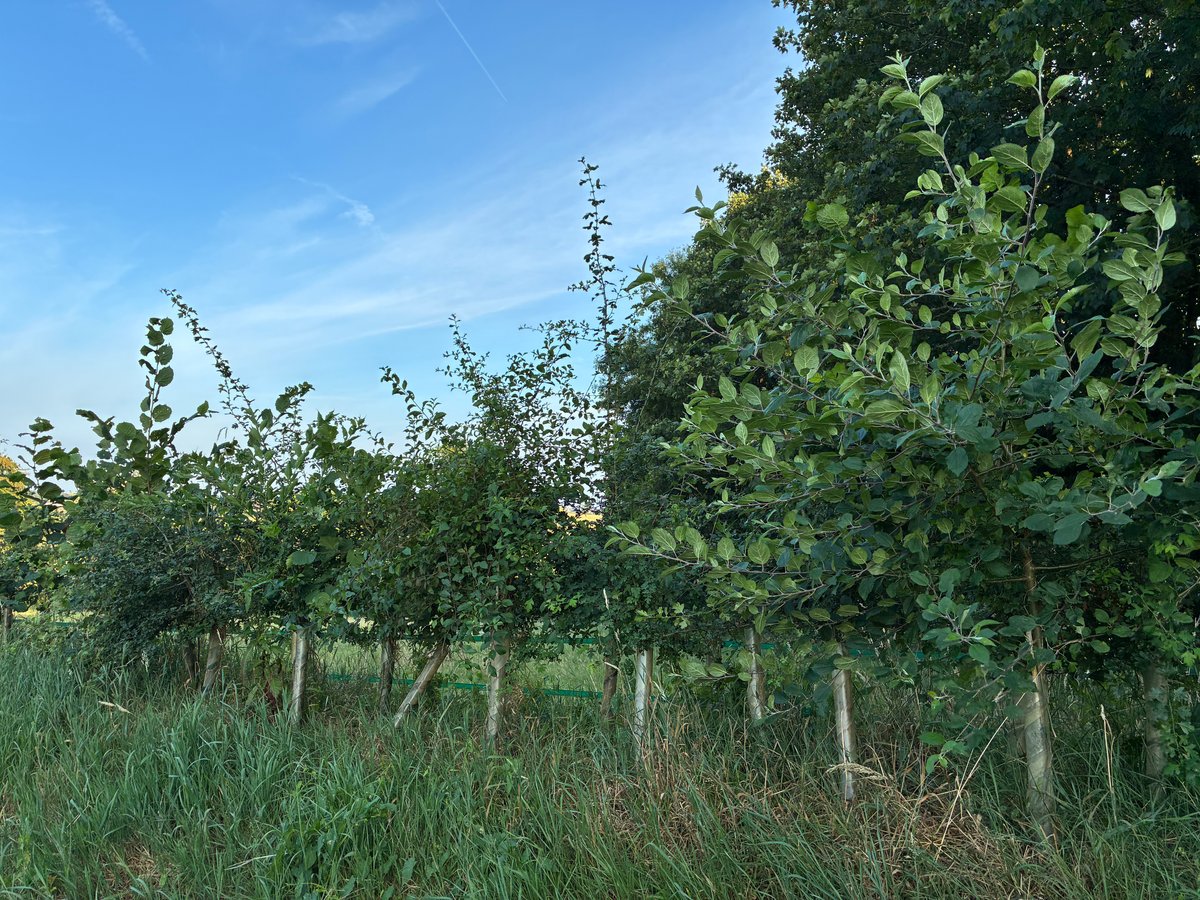
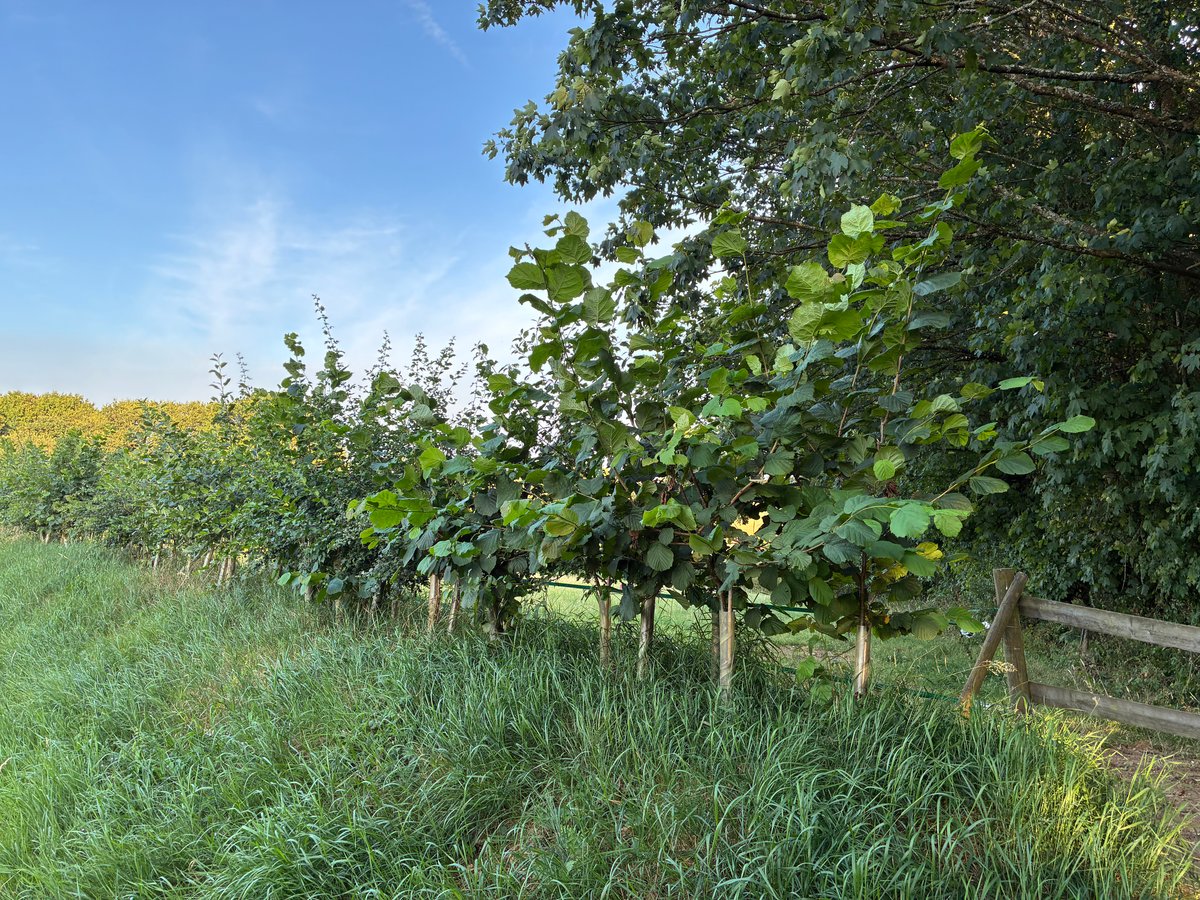
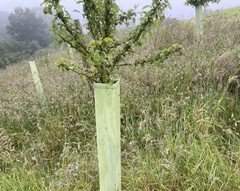
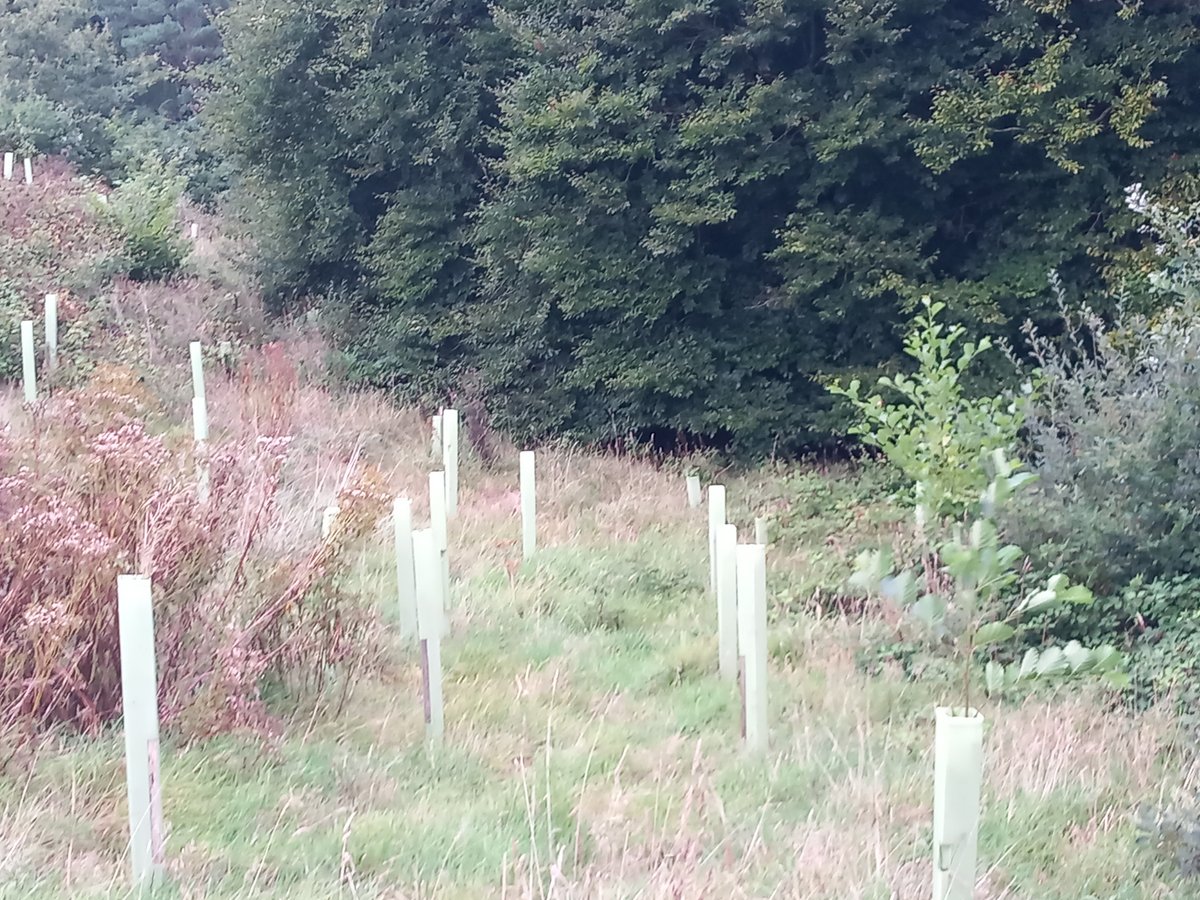
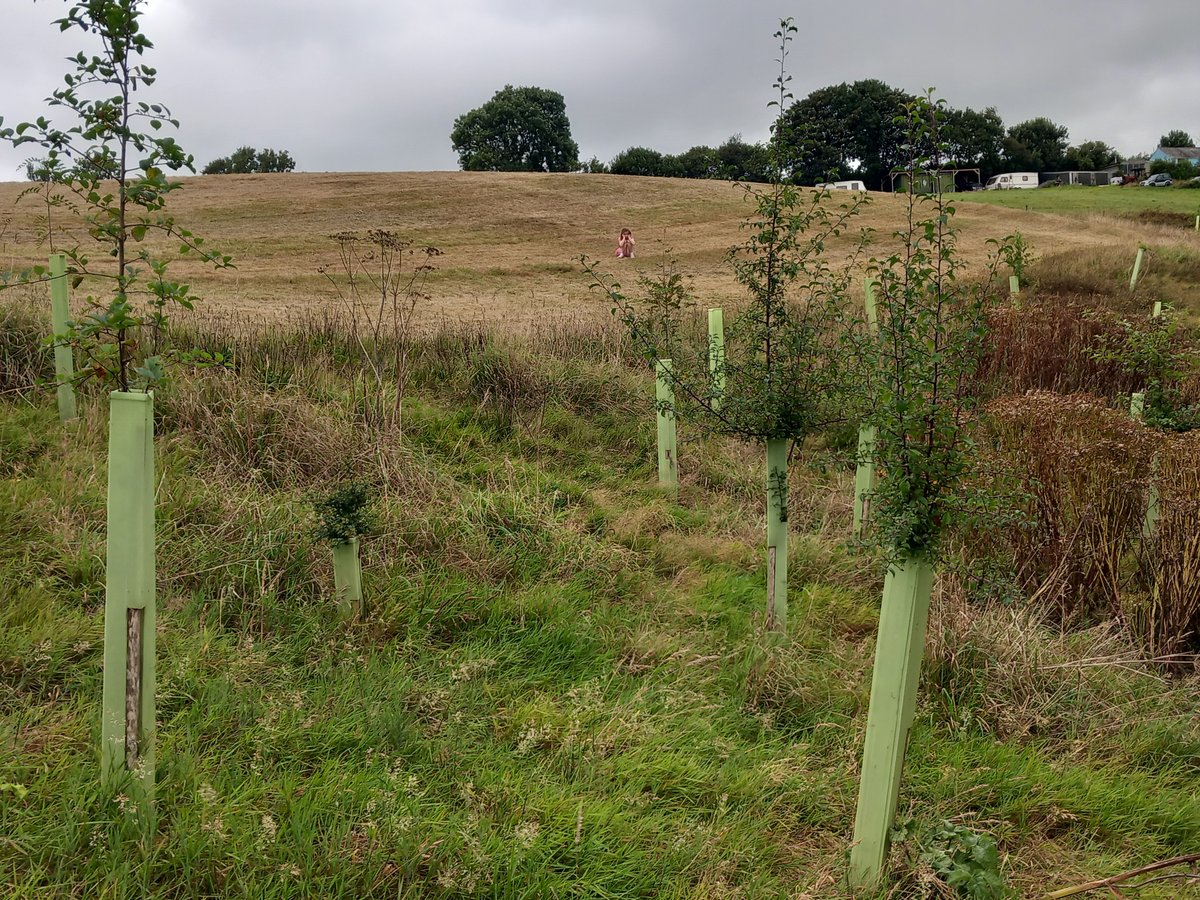
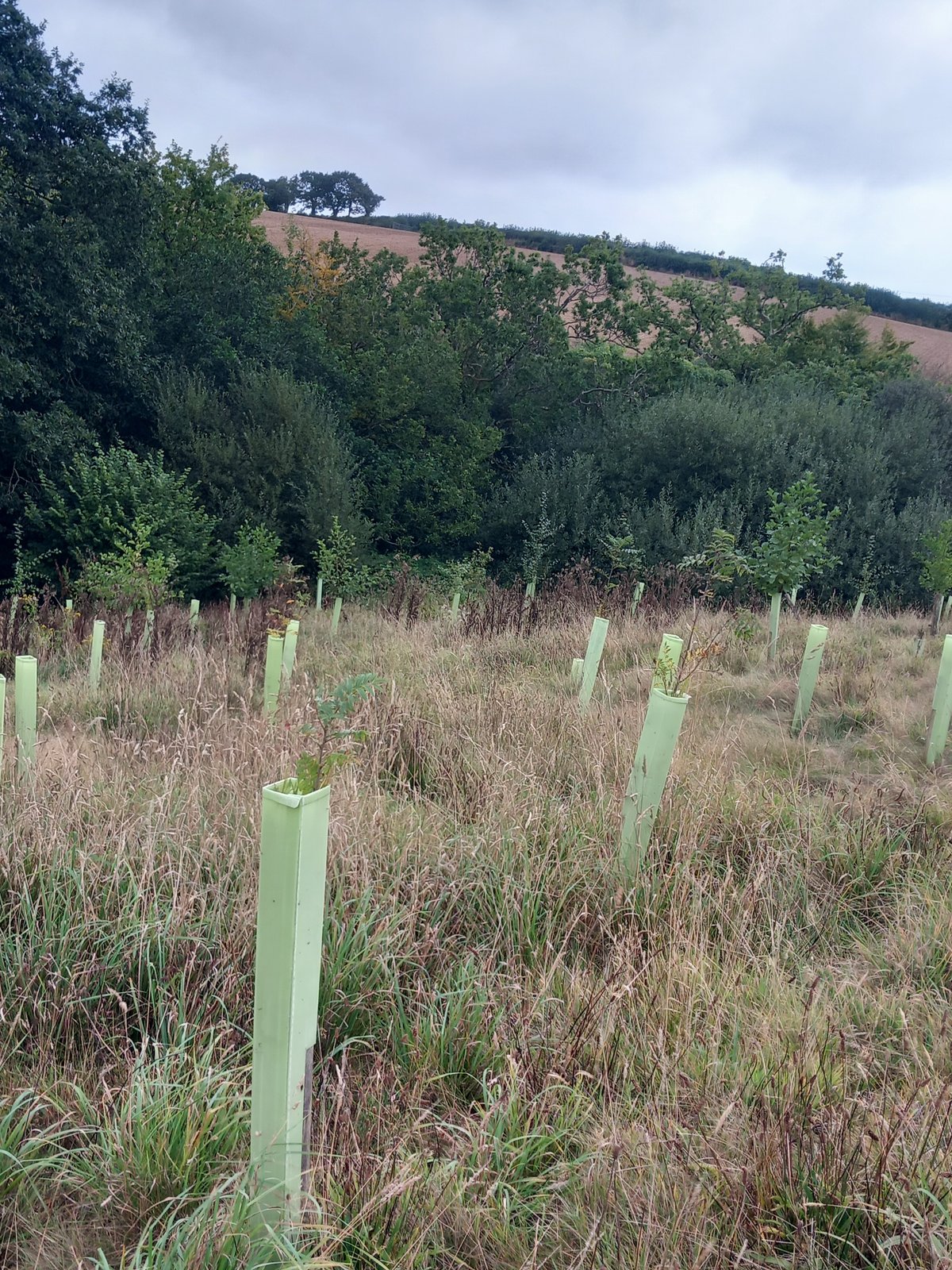
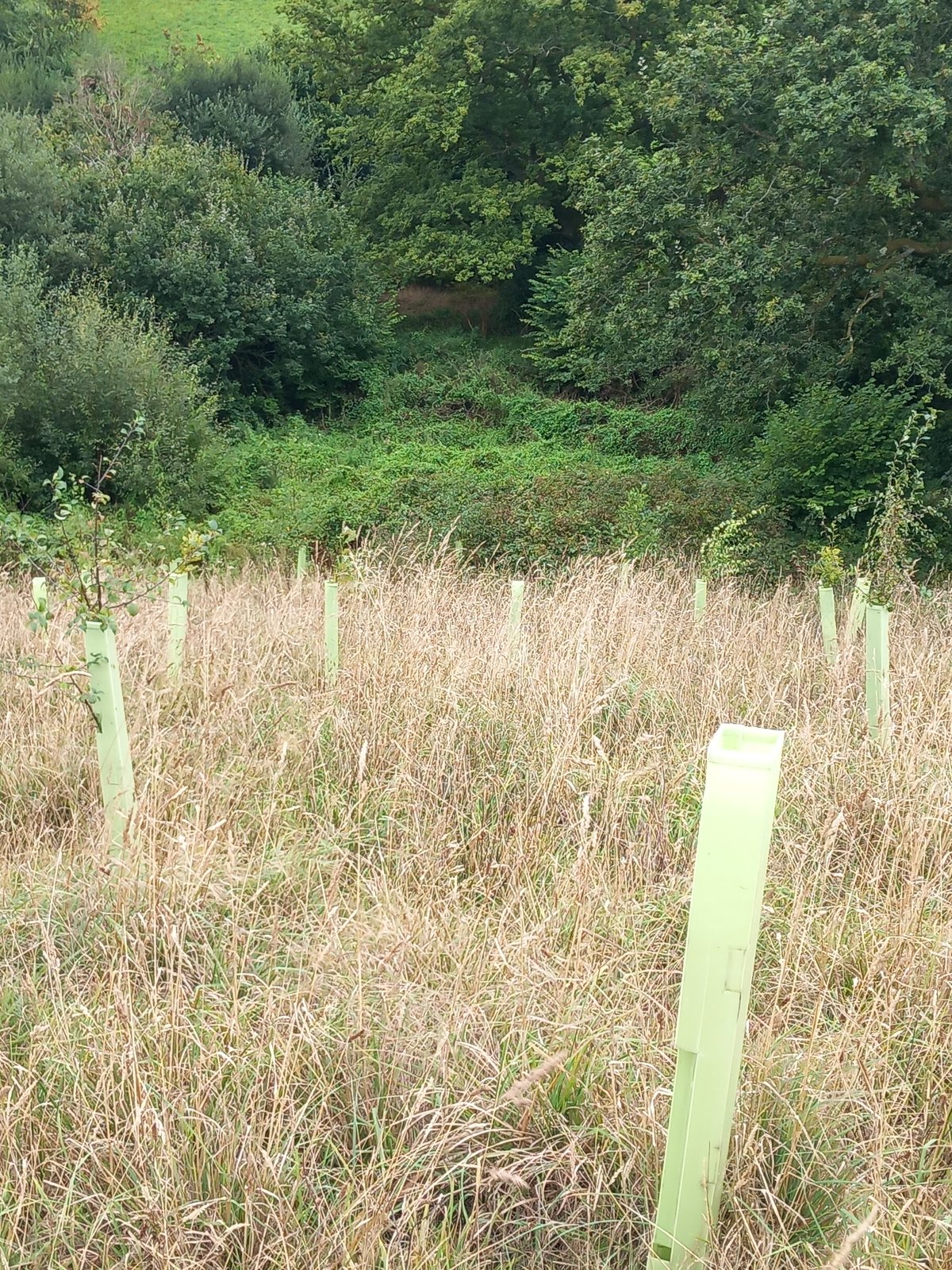
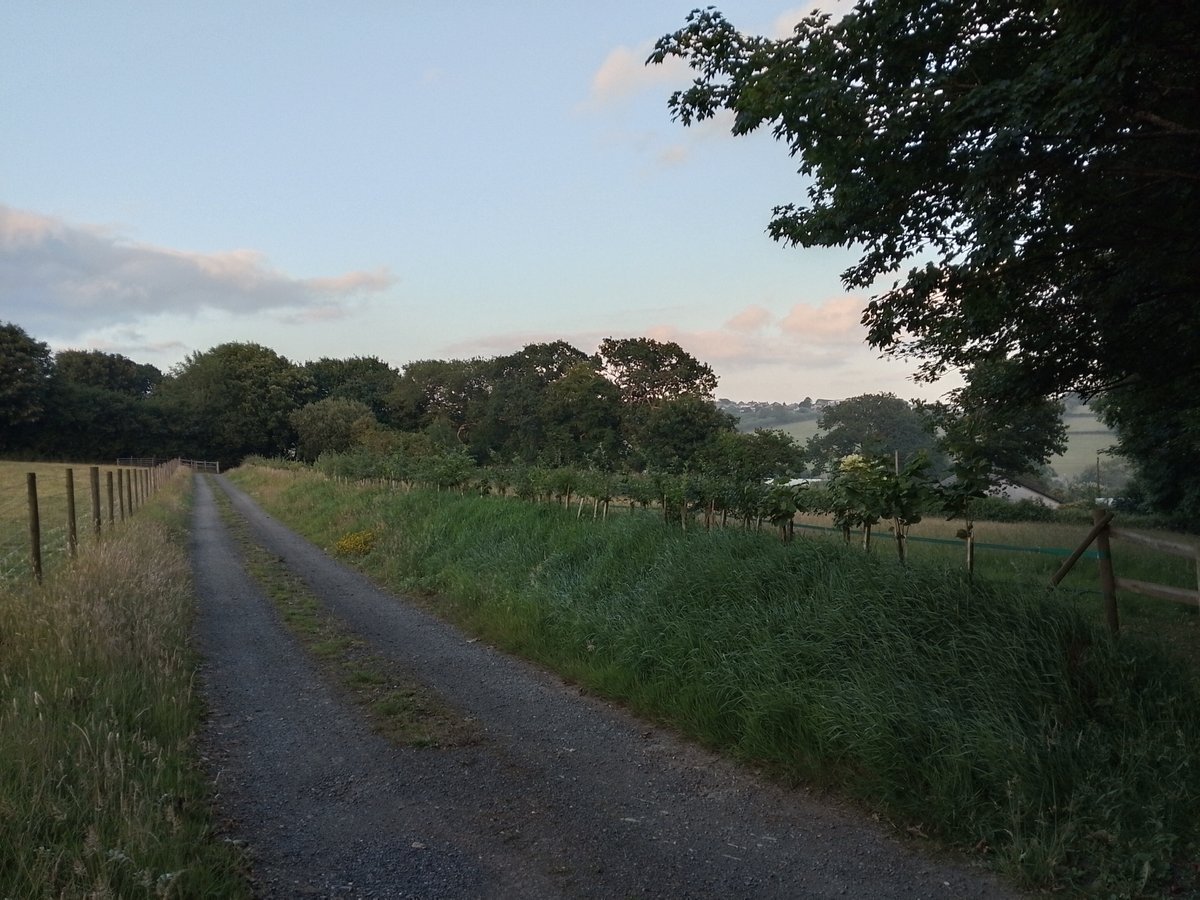
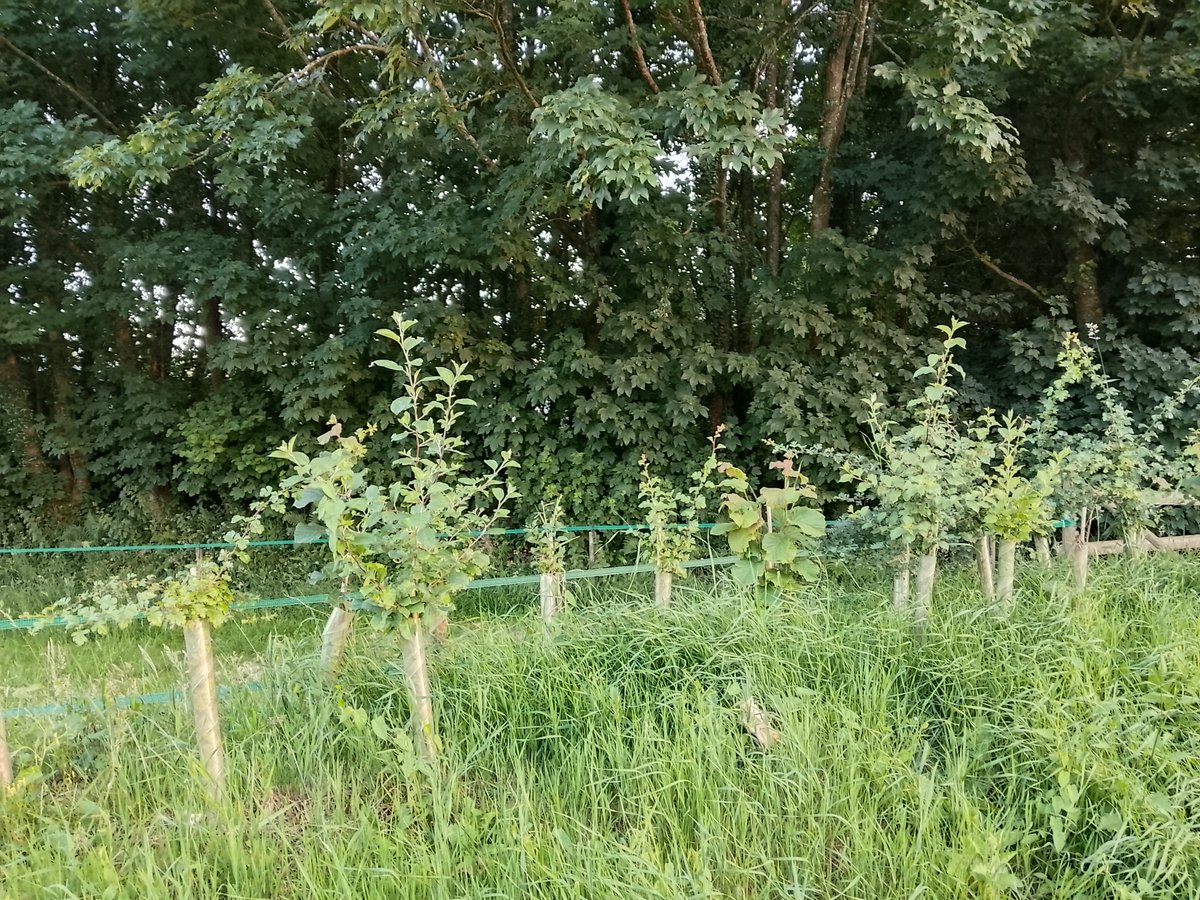
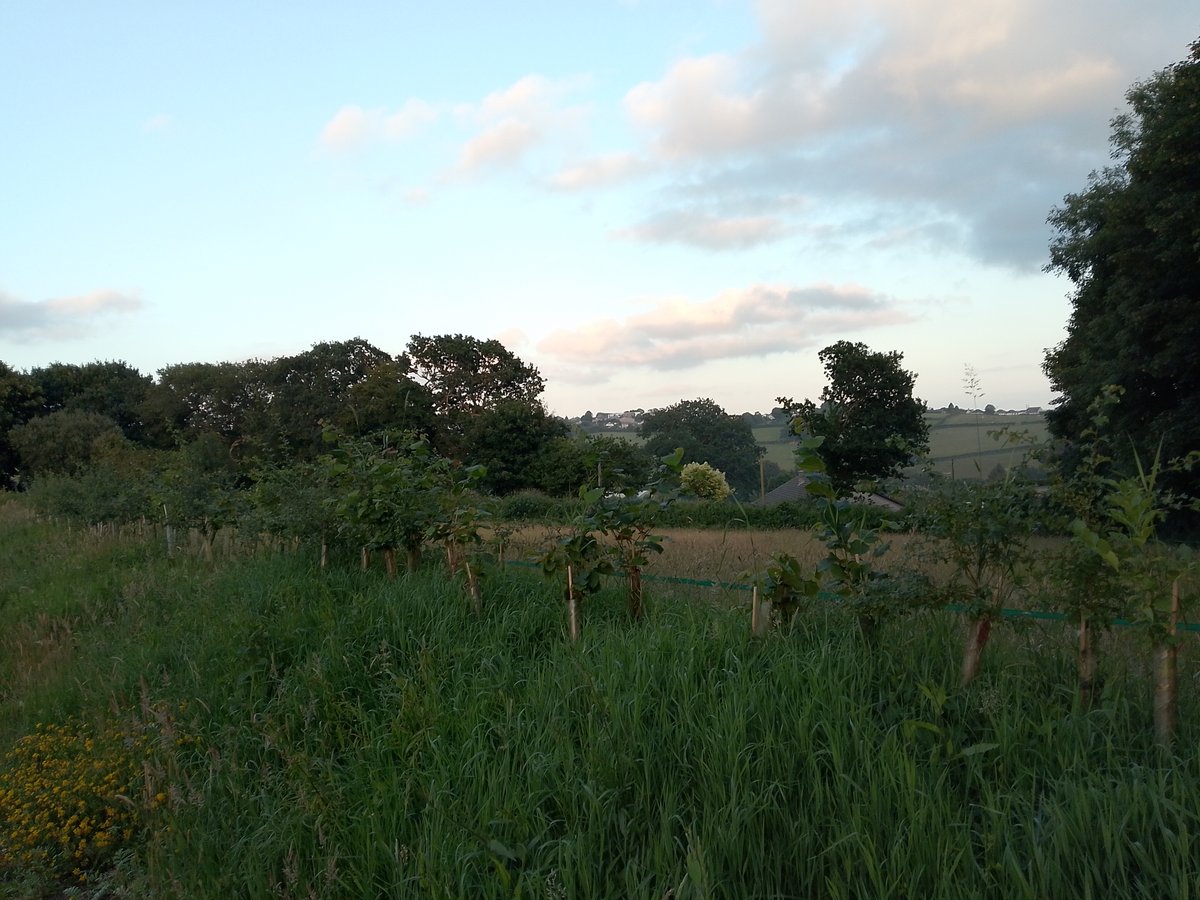
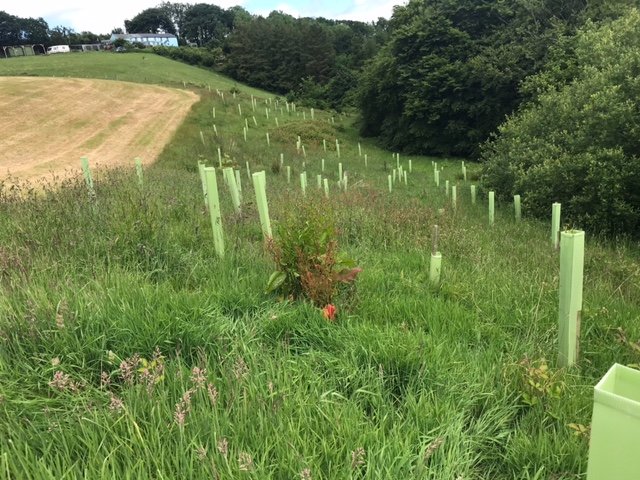
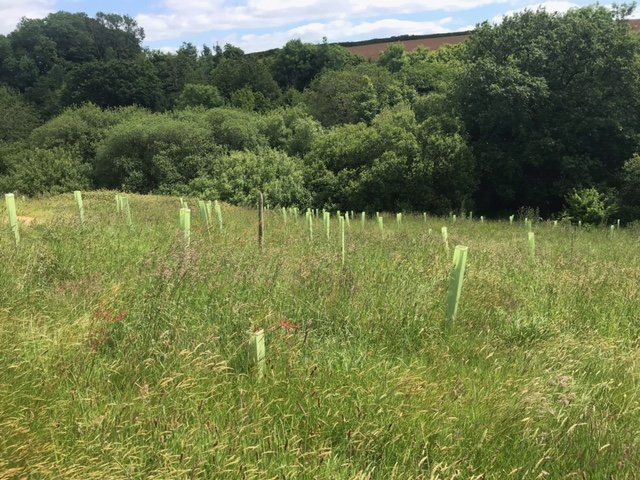
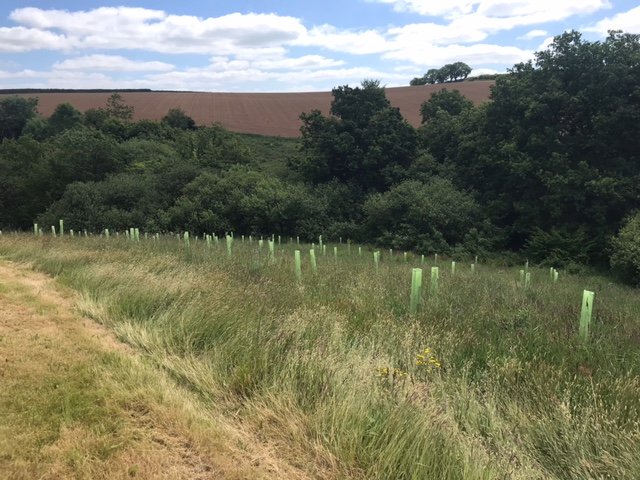
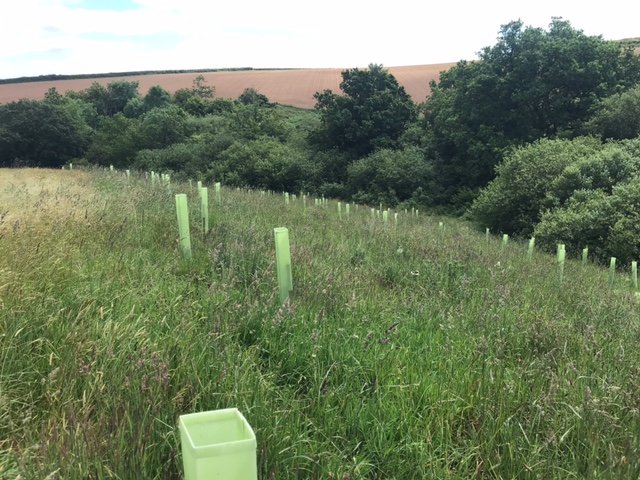
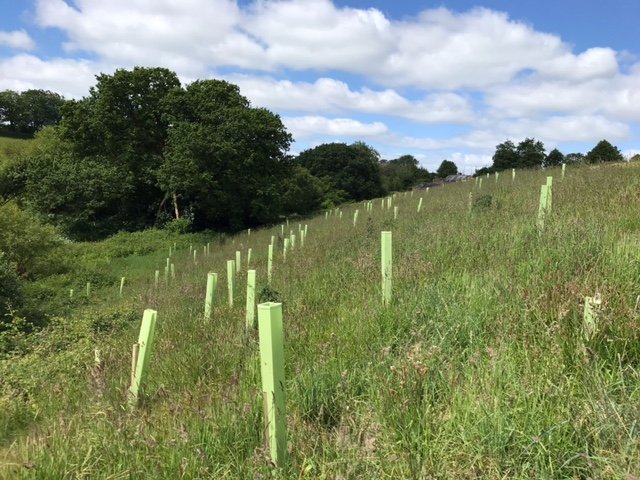
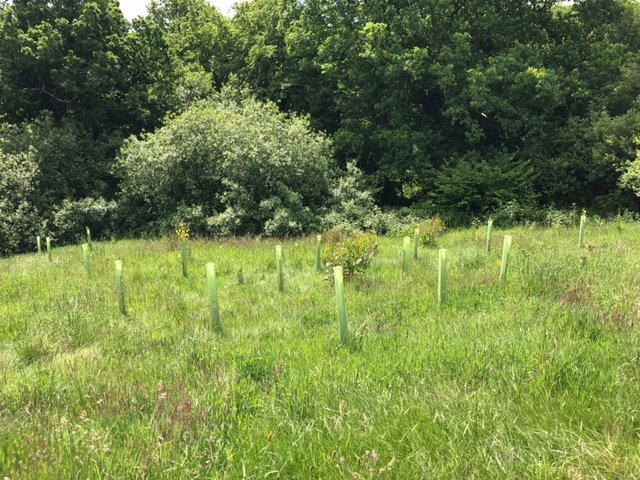
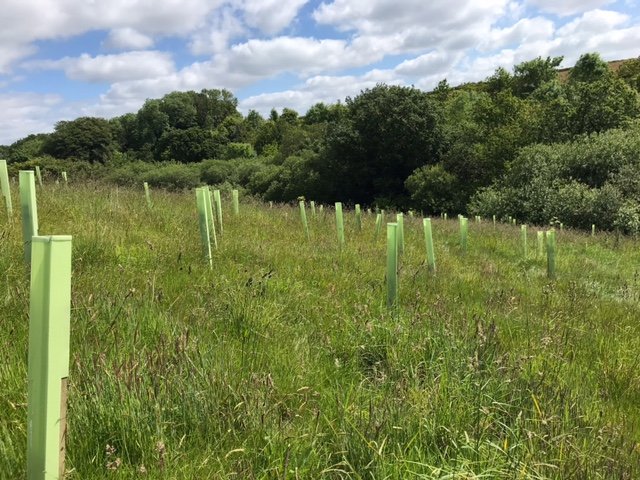
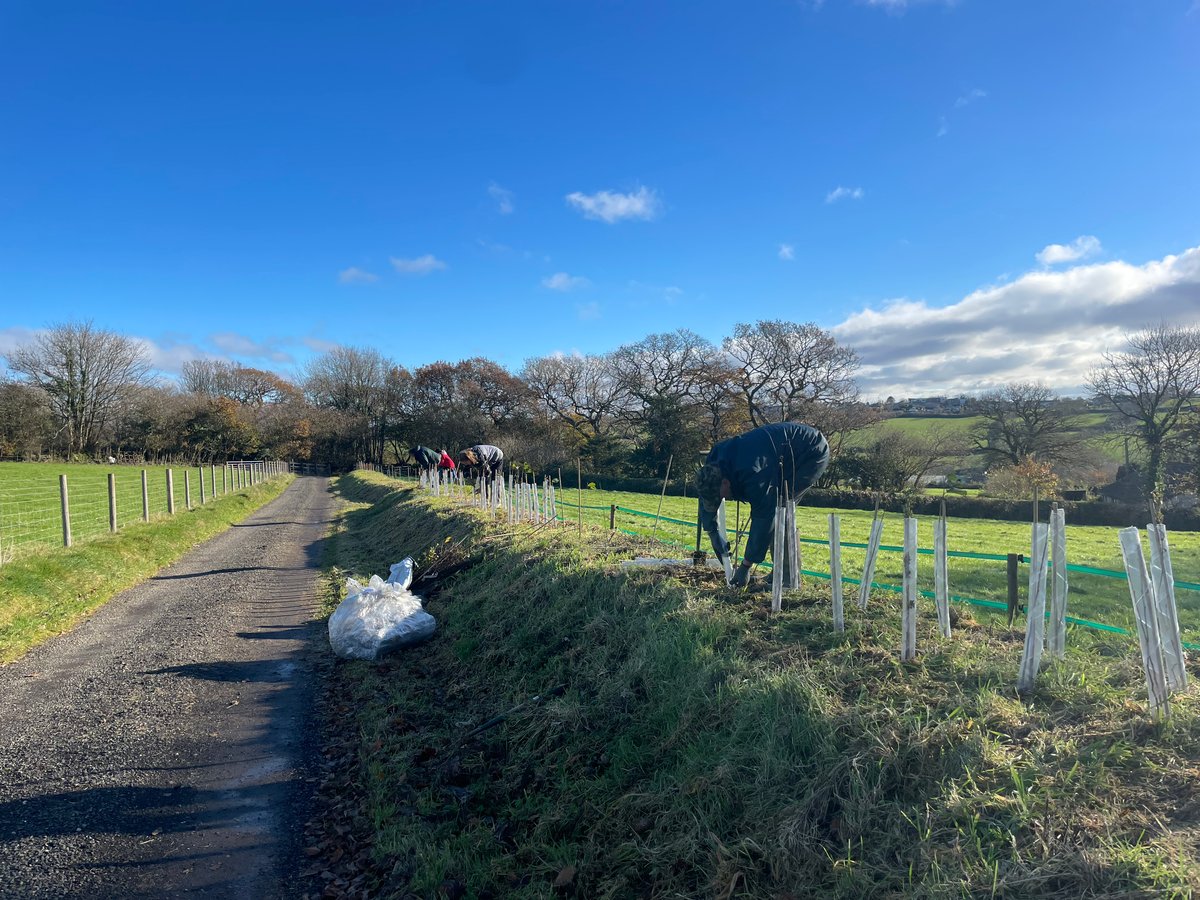
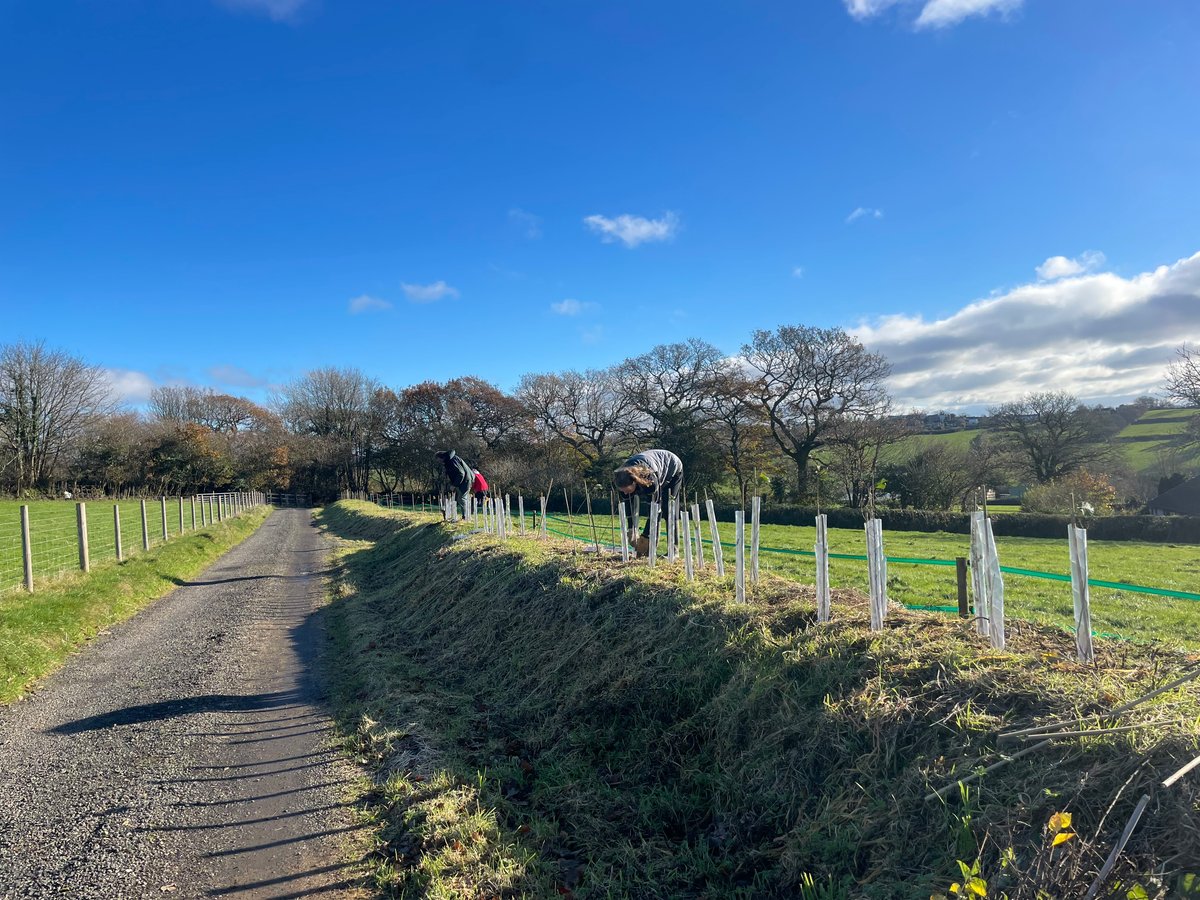
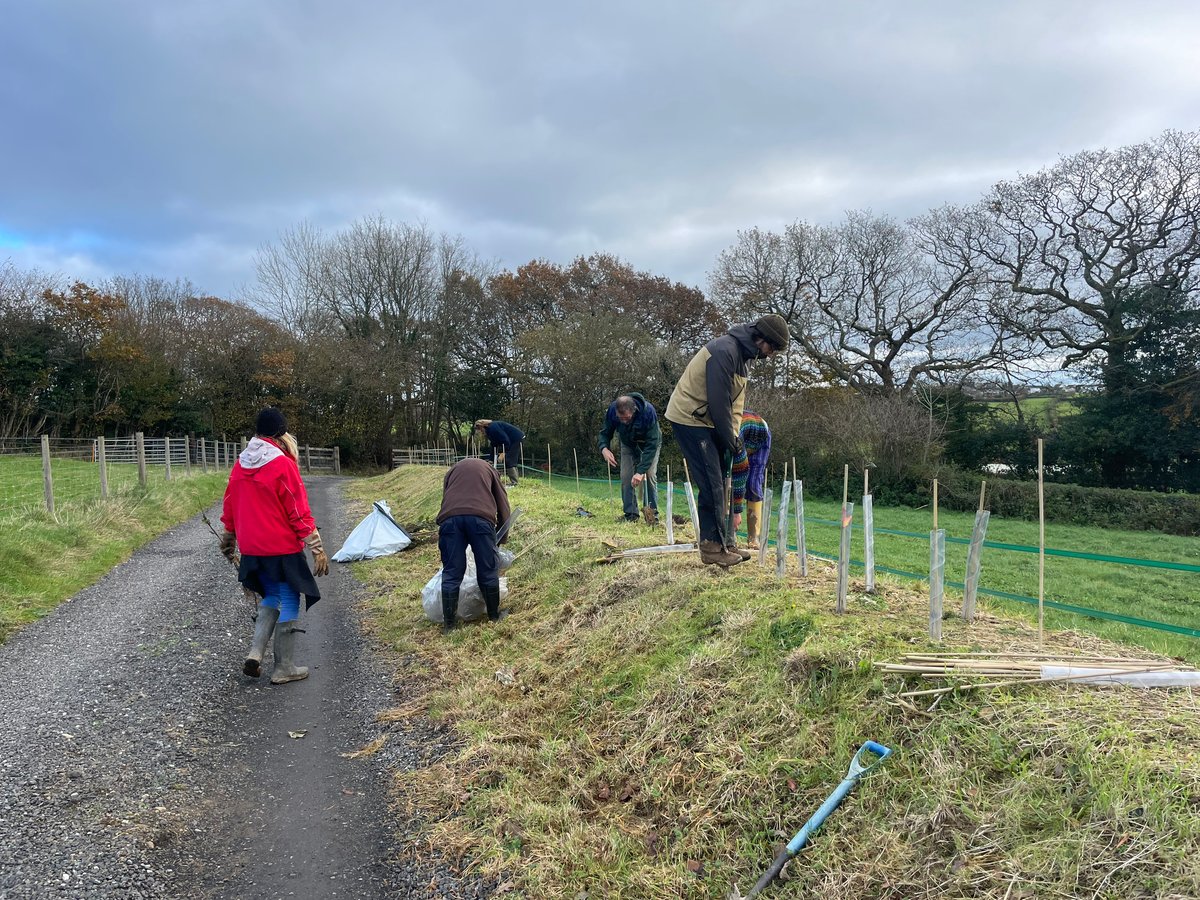
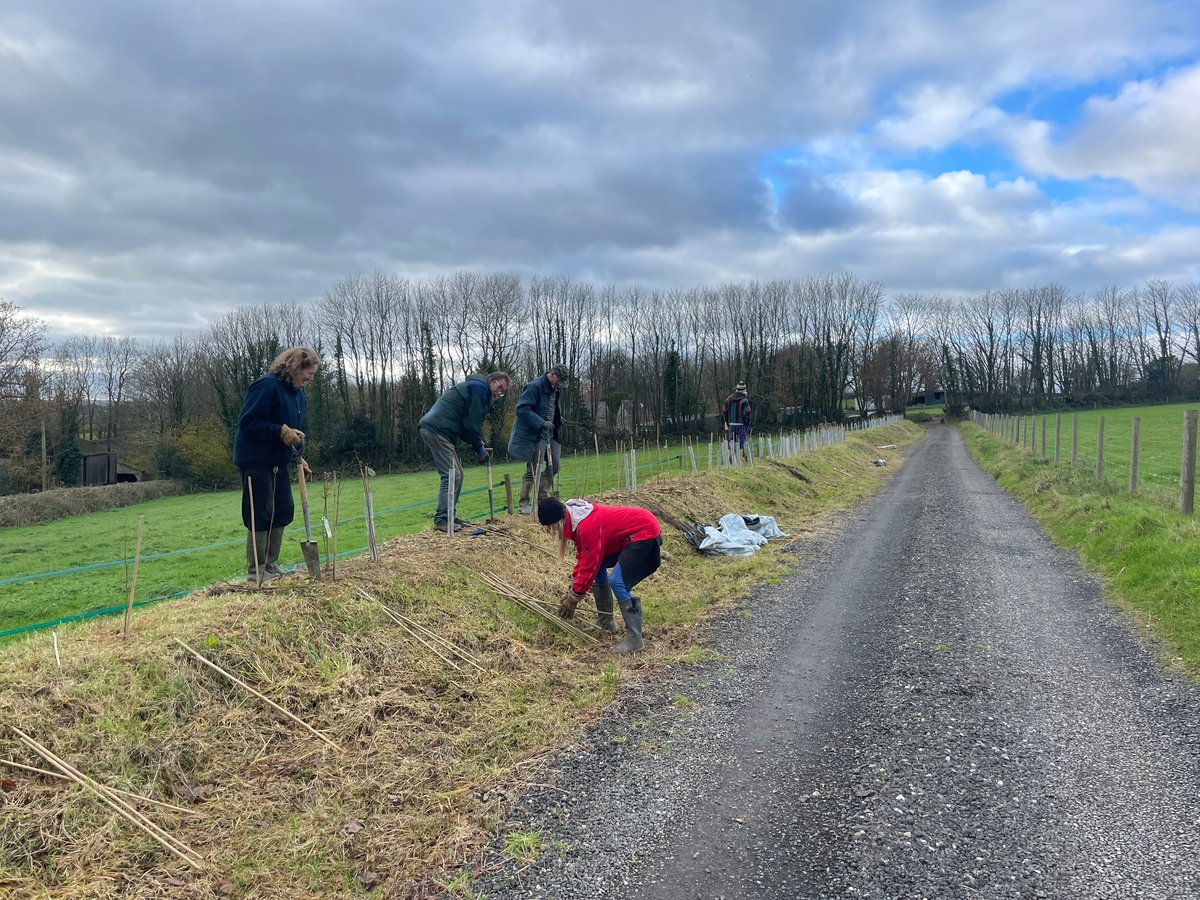
In November 2023, we planted a new wildlife corridor on land next to High Wood, working alongside local volunteers and a brilliant group of students from Oakwood Specialist College in Torpoint. Together, they got 450 saplings into the ground, a mix of Hawthorn, Blackthorn, Hazel, Spindle and Crab Apple. This wildlife corridor is designed to provide food and shelter for birds, animals and other wildlife moving between High Wood and the surrounding land.

Eighteen months on, our survival survey recorded an excellent 97% survival rate across the corridor, with strong, healthy growth throughout. It was especially good to hear that the Oakwood students, several of whom have planted with us at High Wood before, enjoyed the day so much that they're hoping to come back and volunteer more regularly, we'd love to have them.

  • Survival Survey
  • 97% survival rate

  • Woodland Restoration

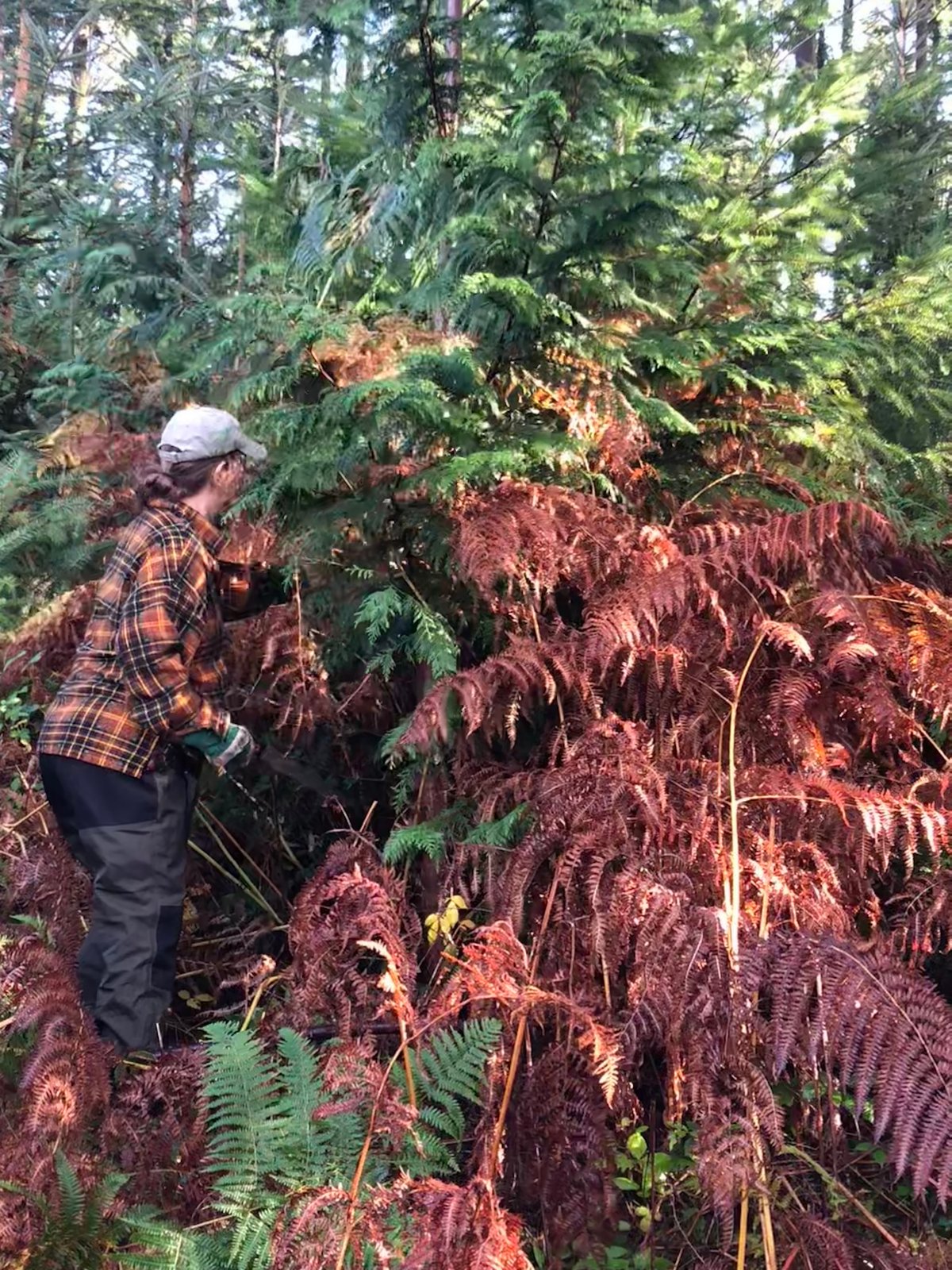
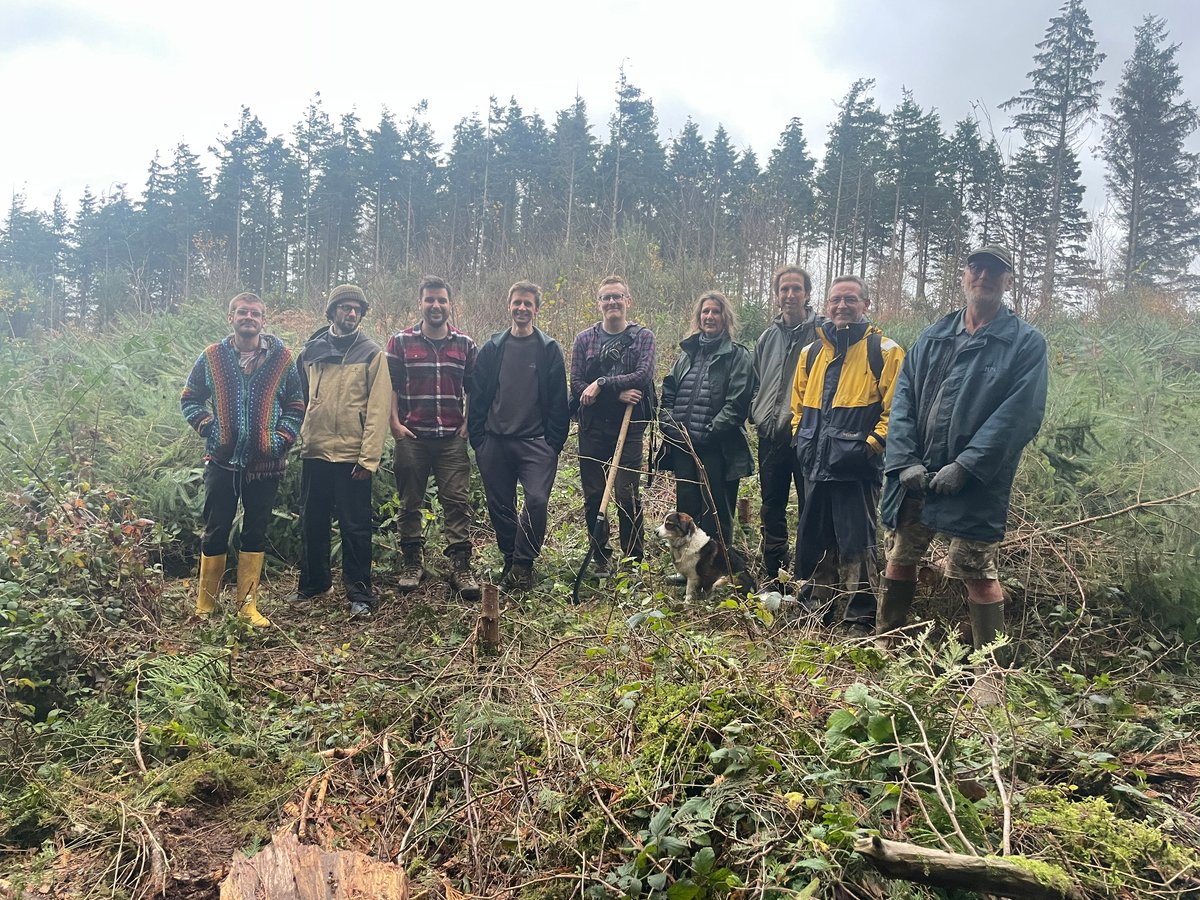
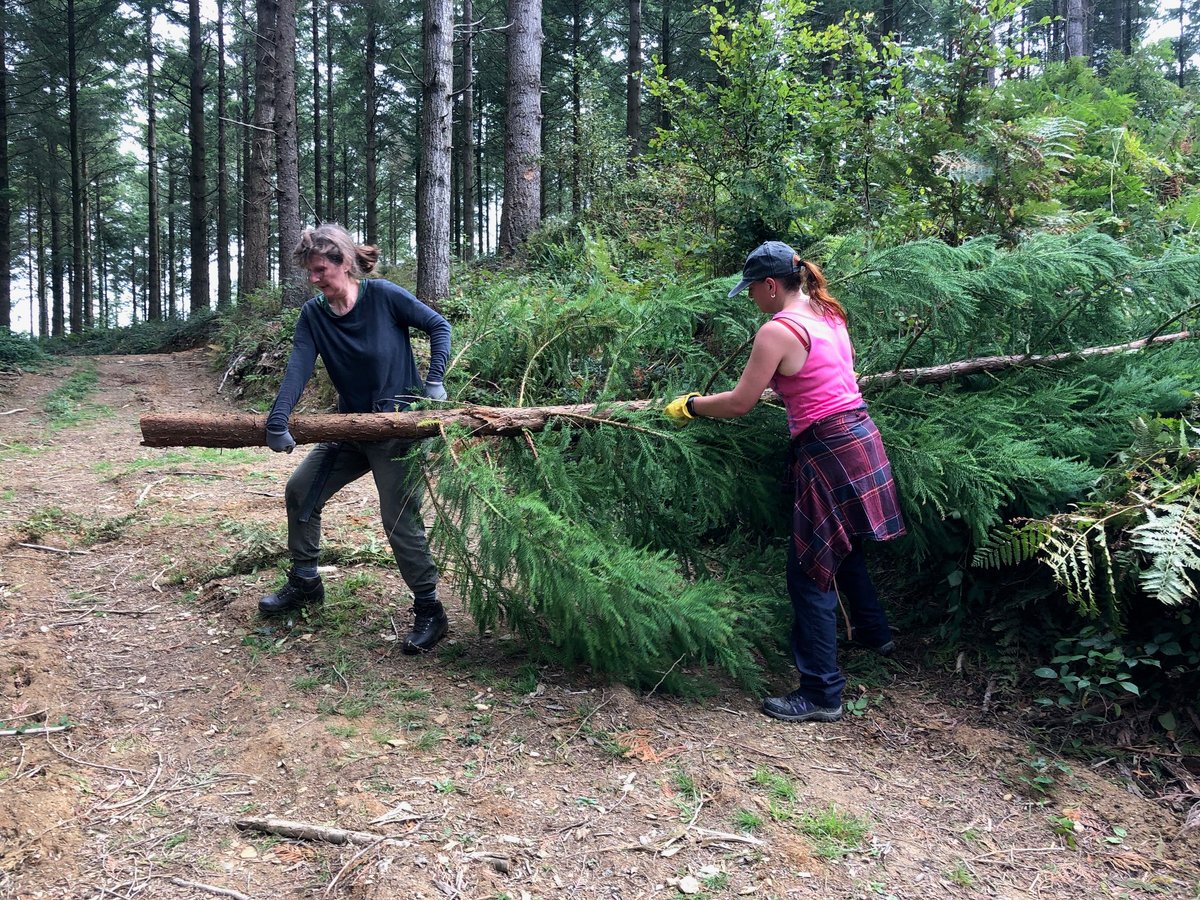
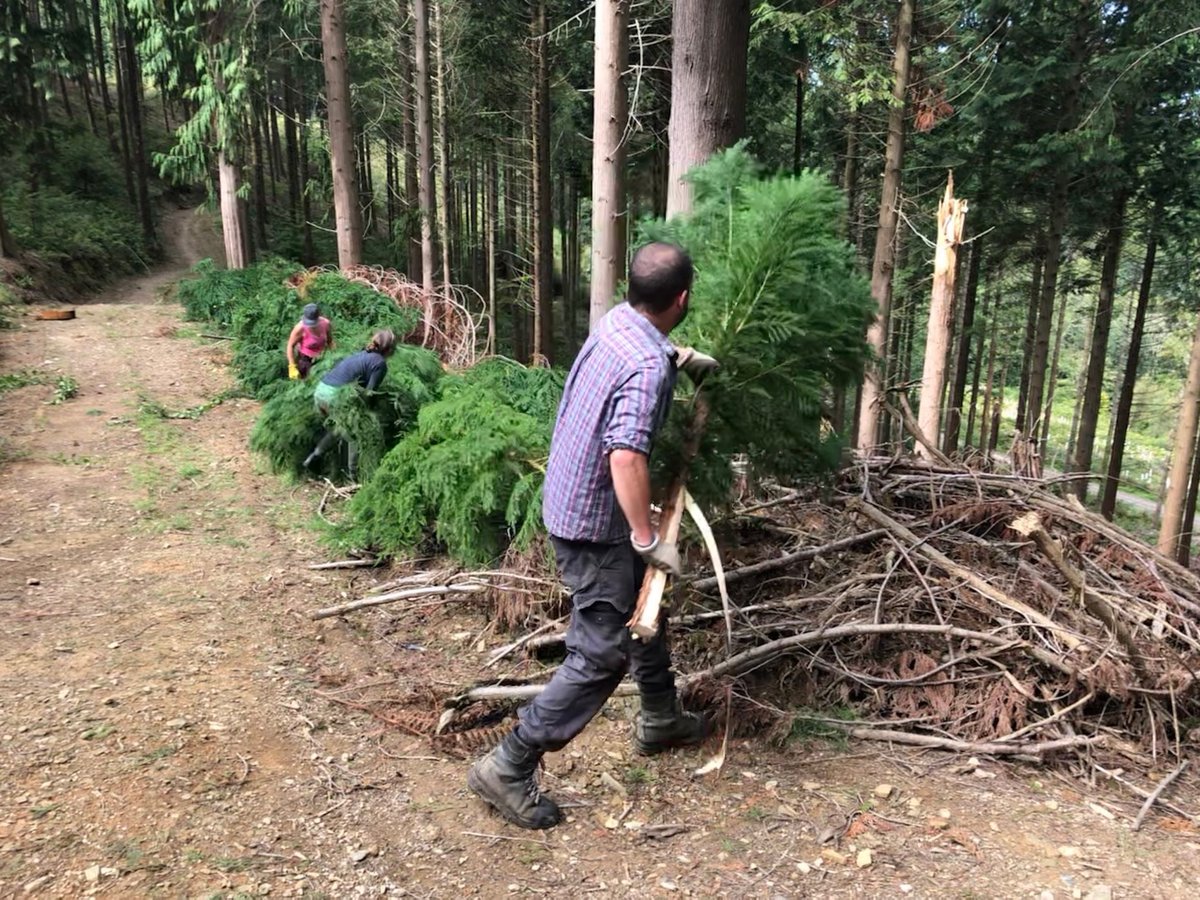
This was our third time removing conifers at High Wood and once again we allocated three days to the task. More students and their lecturers came from Cornwall College to lend a hand as well as work party members and other local people. Some volunteers had helped before: “I was able to use what I had learned on a previous day to cut down some small conifers. Everyone was friendly and I felt supported.”

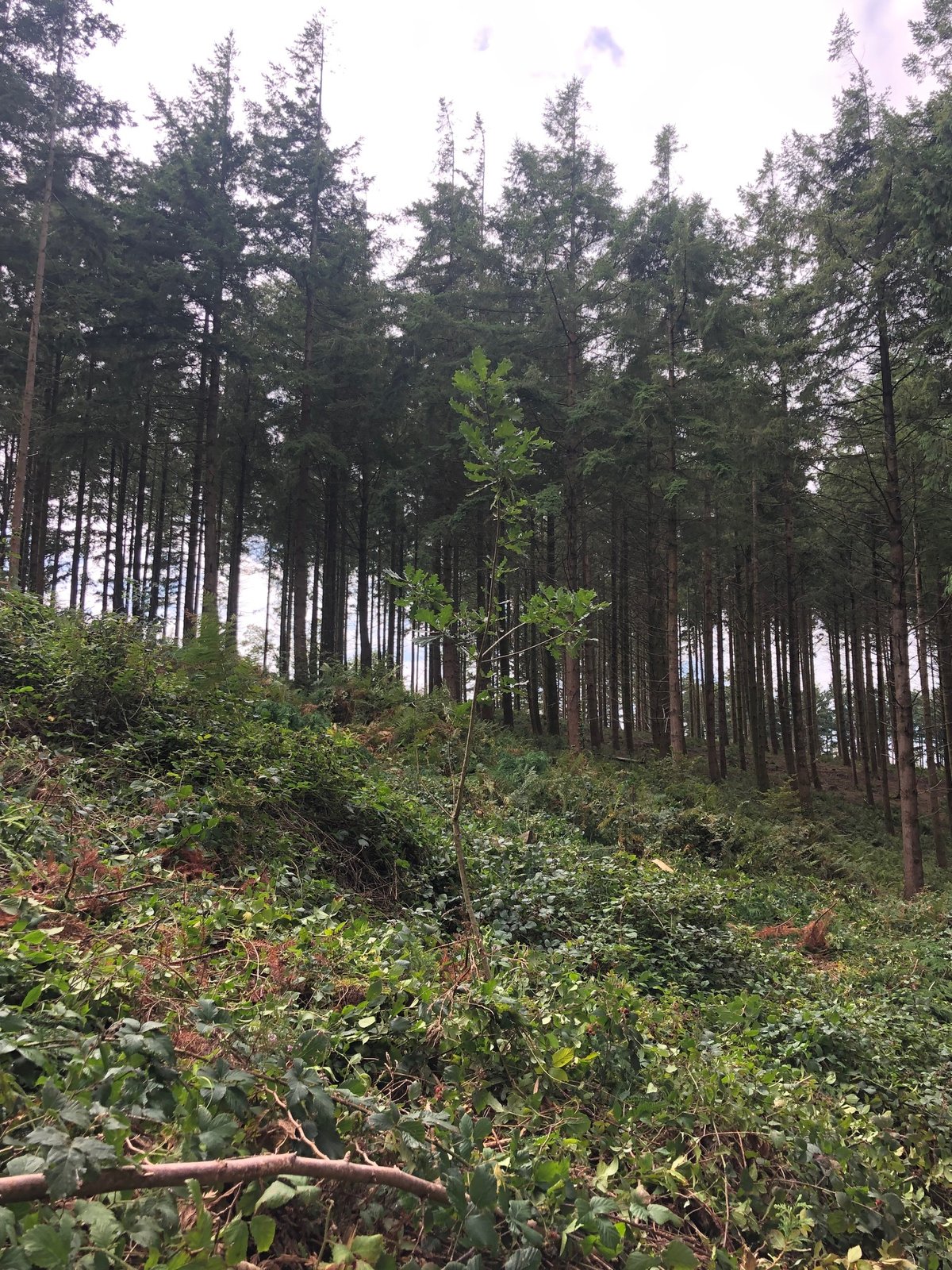
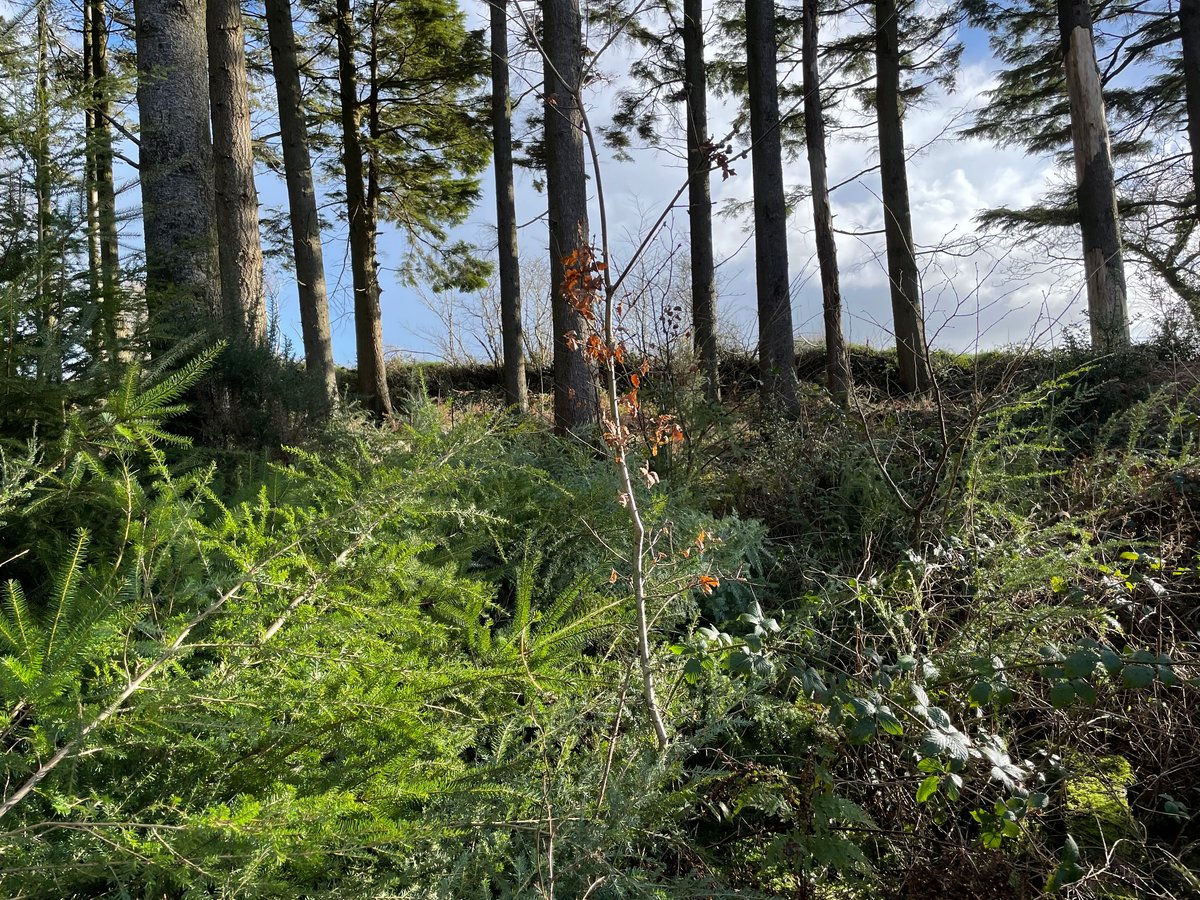
Again we found evidence of young oaks doing their best to survive beneath the understorey as we cleared a further two acres.

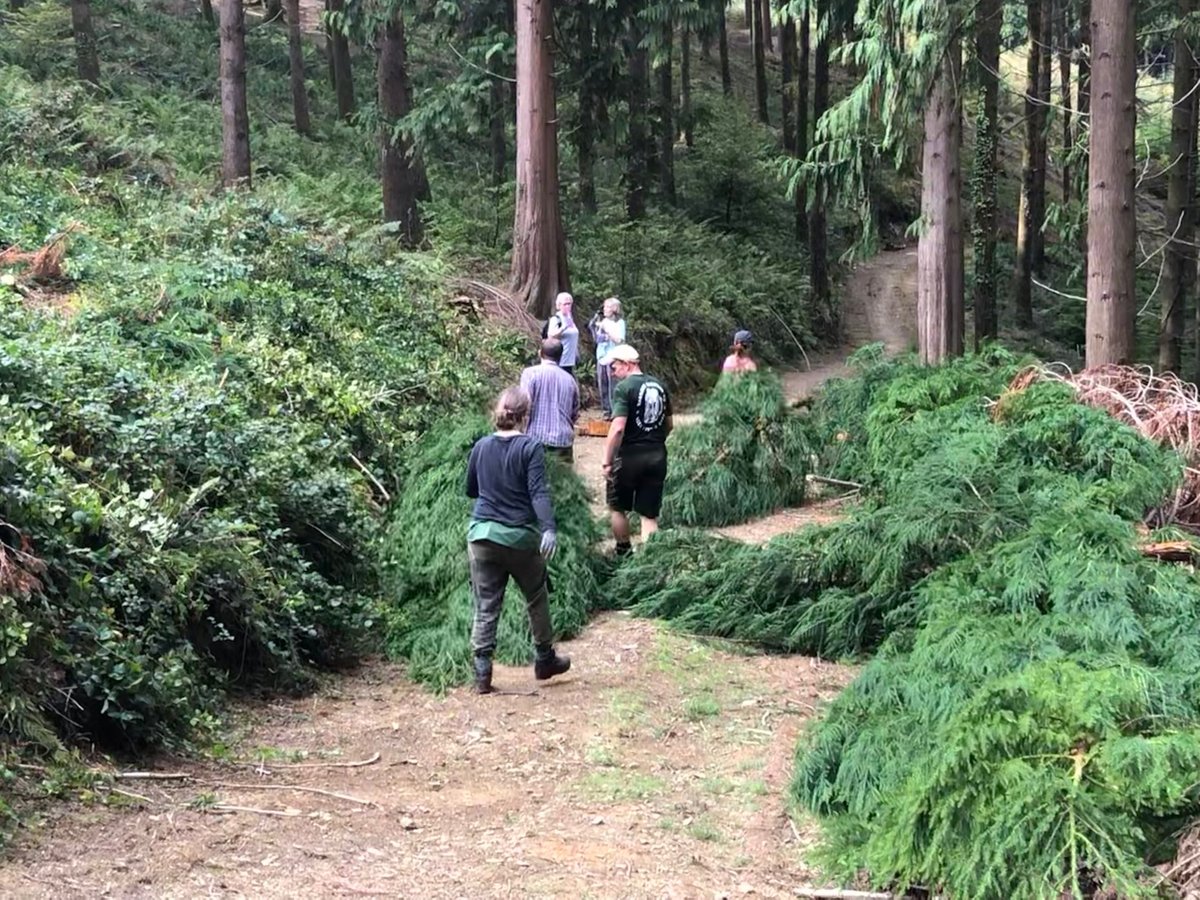
As we were nearing Christmas we offered these quirky Christmas trees to volunteers including Cornwall College and local charities, and a few of our neighbours were grateful for them too.

  • Woodland Restoration

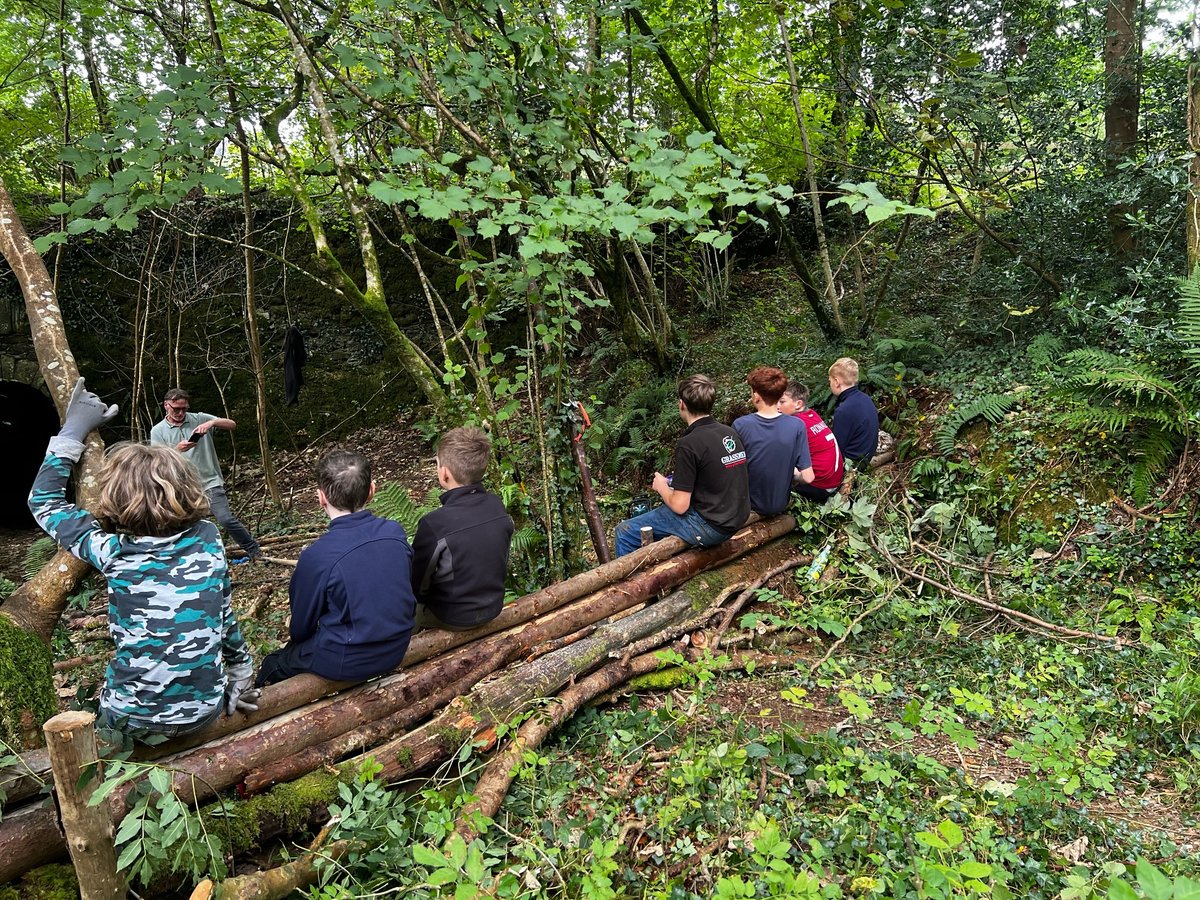
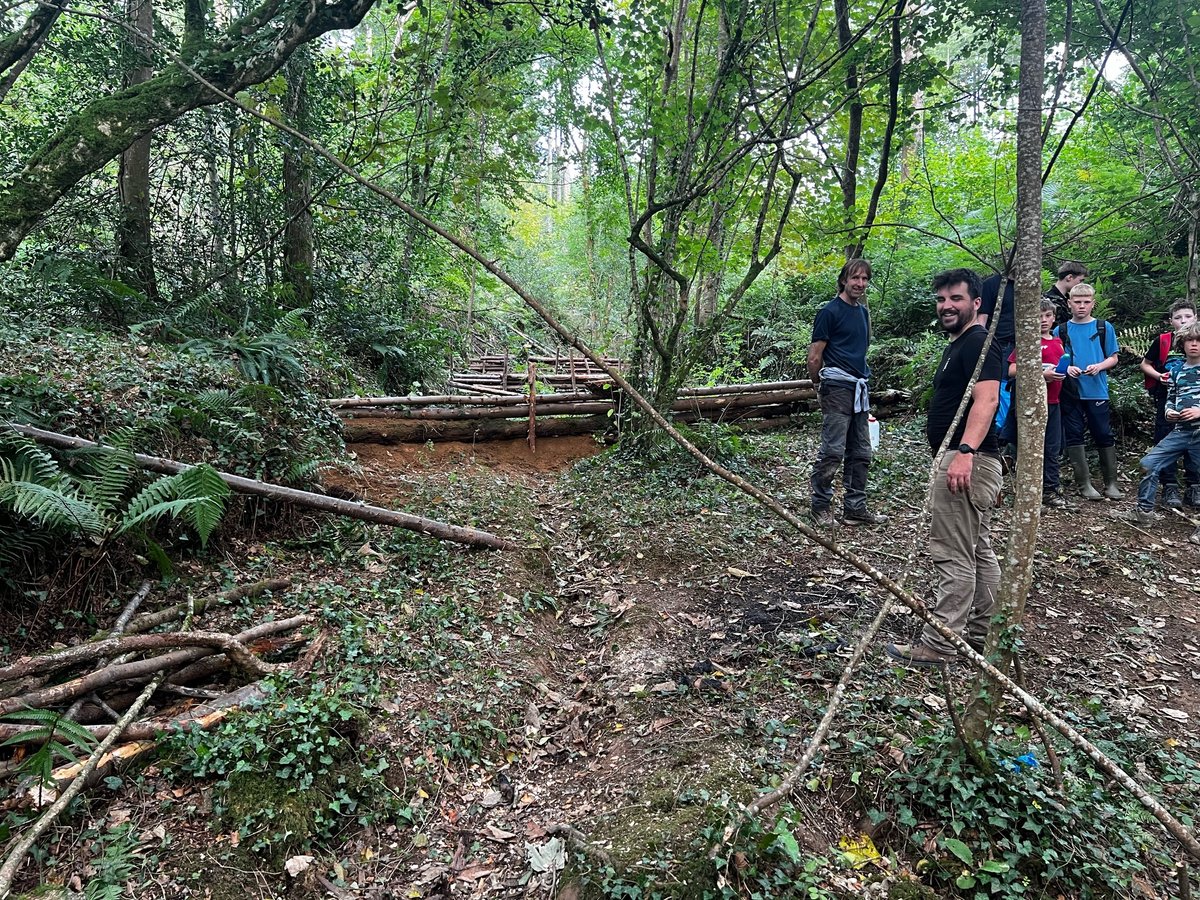
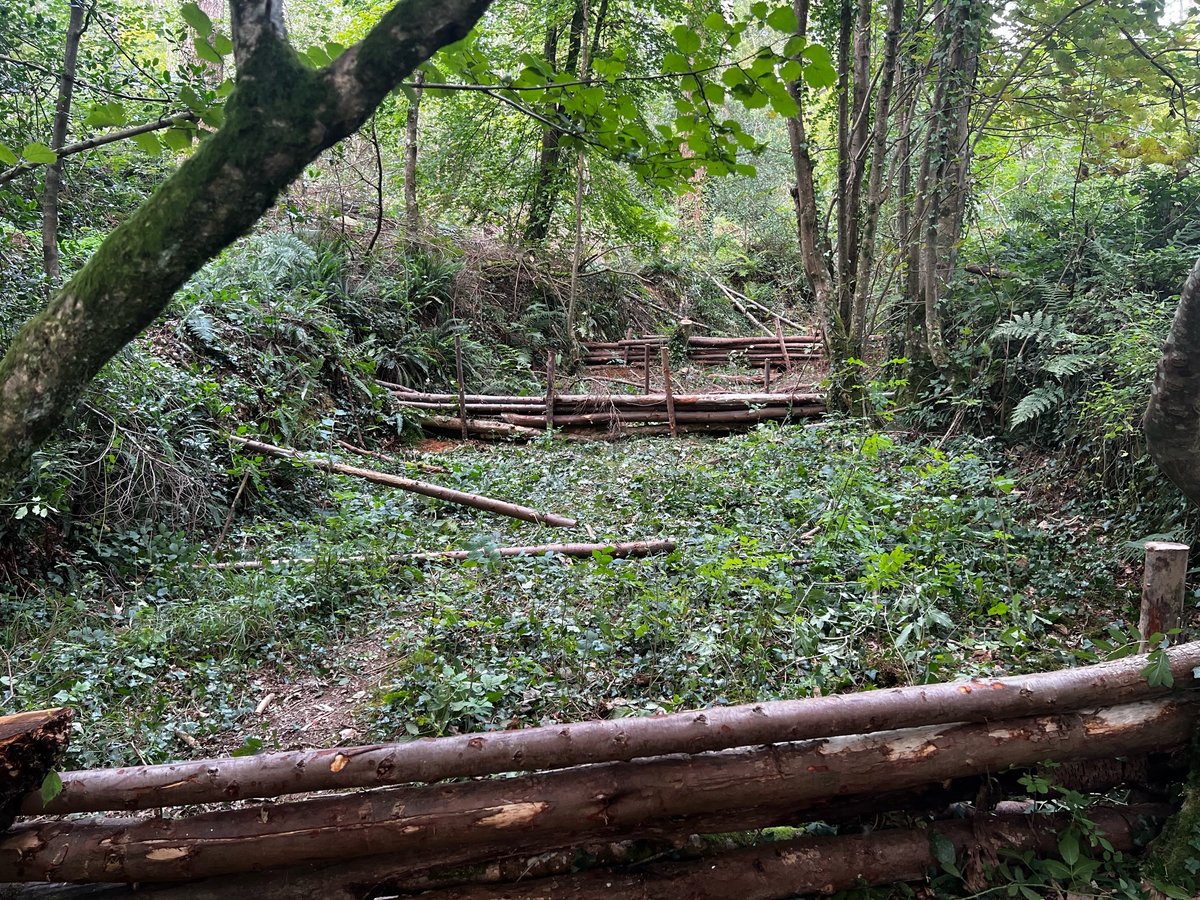
A local Scouter contacted us because his small group of scouts were keen to become involved in an environmental project, and he wondered if we could help. Of course we could! We had been intending to build some leaky dams to slow water that seasonally hurtles down this gully towards our UNESCO stone tunnel, hopefully creating small wet spots, creating habitat for frogs and insects and providing water for all our wildlife. This was the perfect task to offer them as although it would be a relatively small task it would will have a huge positive impact.

Seven enthusiastic scouts and their leaders turned up to saw up and carry logs to create dams under the guidance of Kev, one of our work party members and forestry expert who was happy to explain about the different kinds of water sources and why each are beneficial in different ways. It was a good job that we warned them to wear old clothes because they may have got a little muddy digging into the stream banks and making holes with a metal bar for the stakes. Then they had to work as a team to build the dams.

They did a great job! In fact, the dams were so well built that all the scouts were able to sit on them and have a rest, while their leader took their photograph.

  • Maintenance

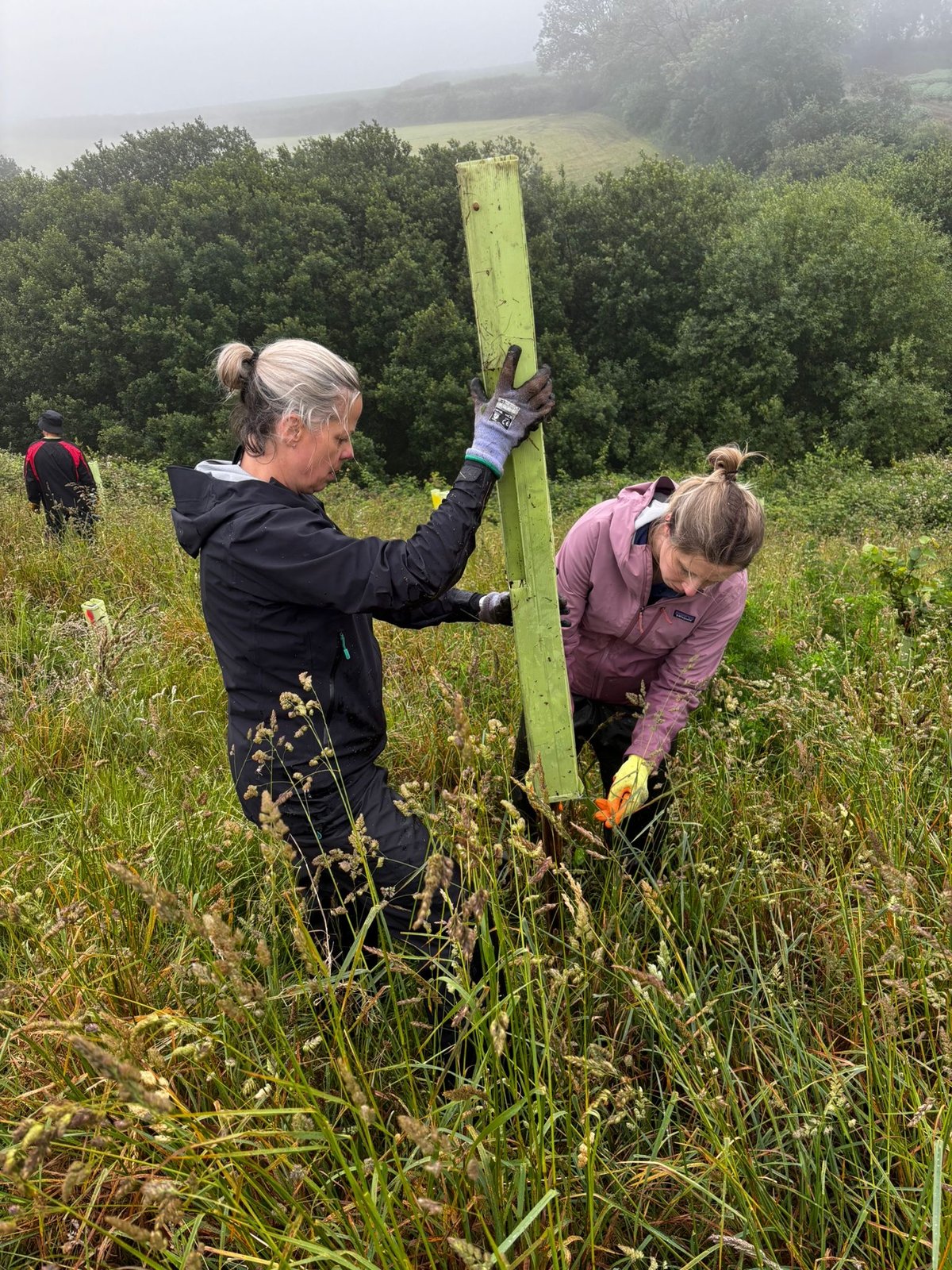
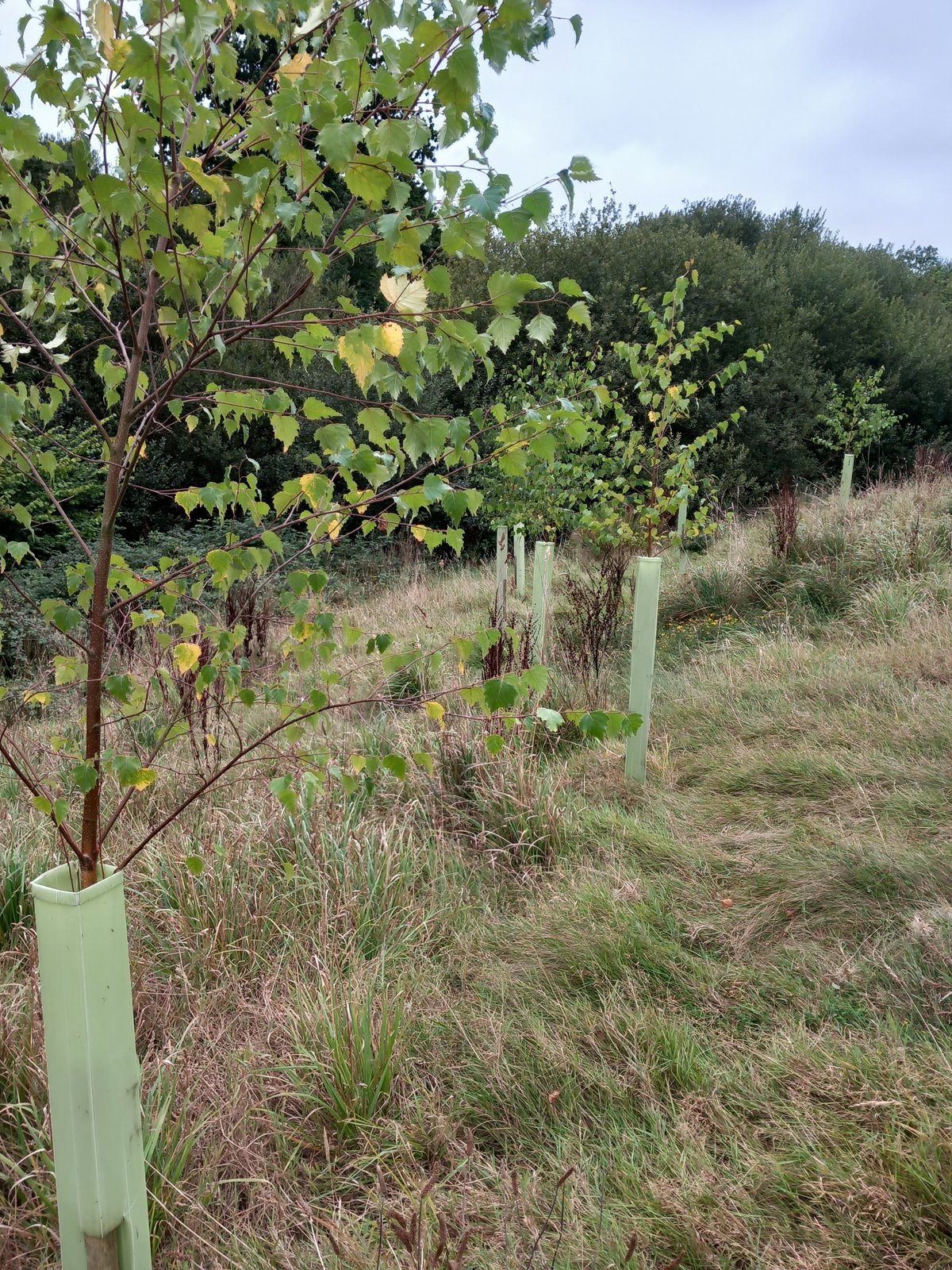
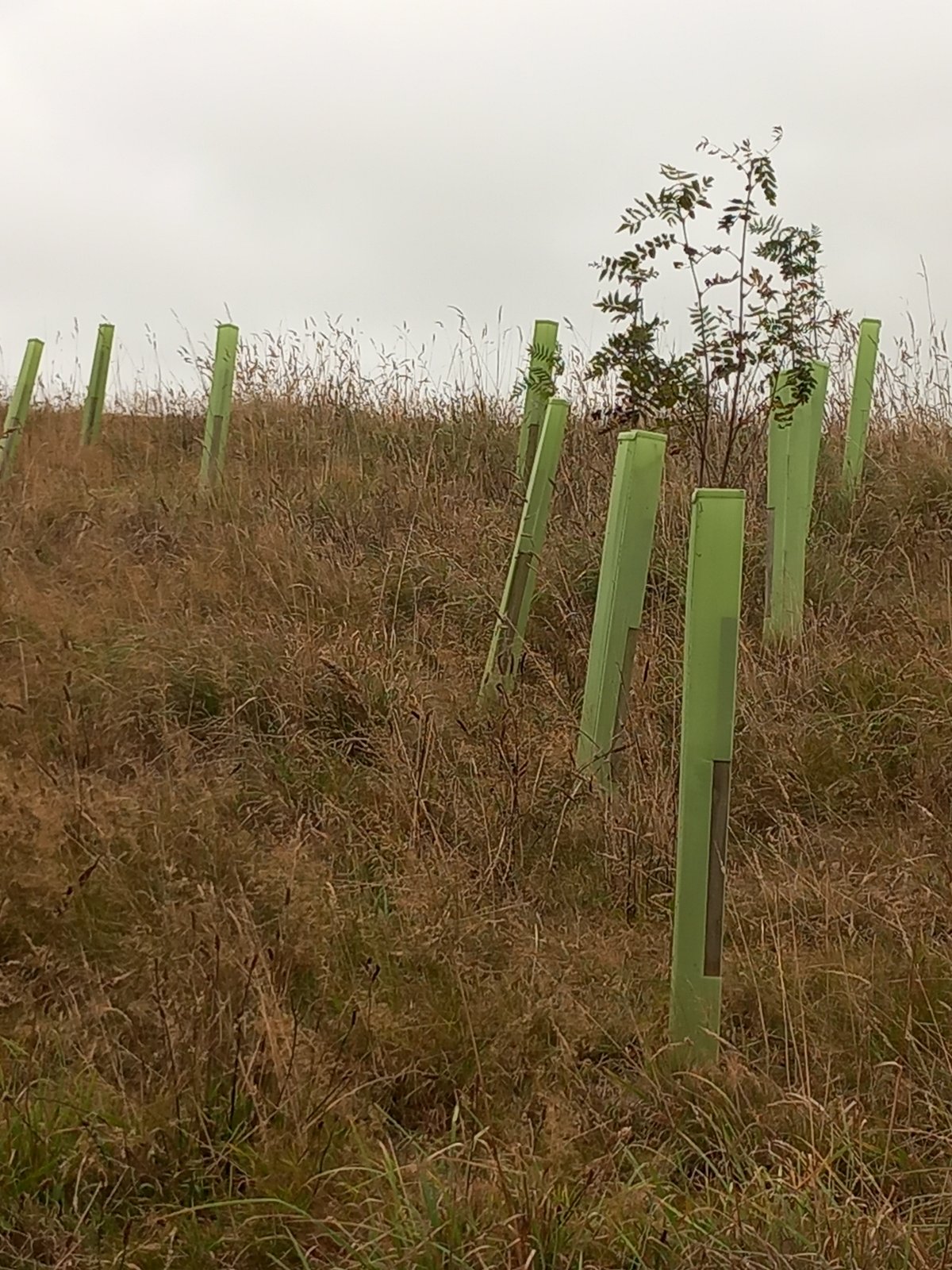
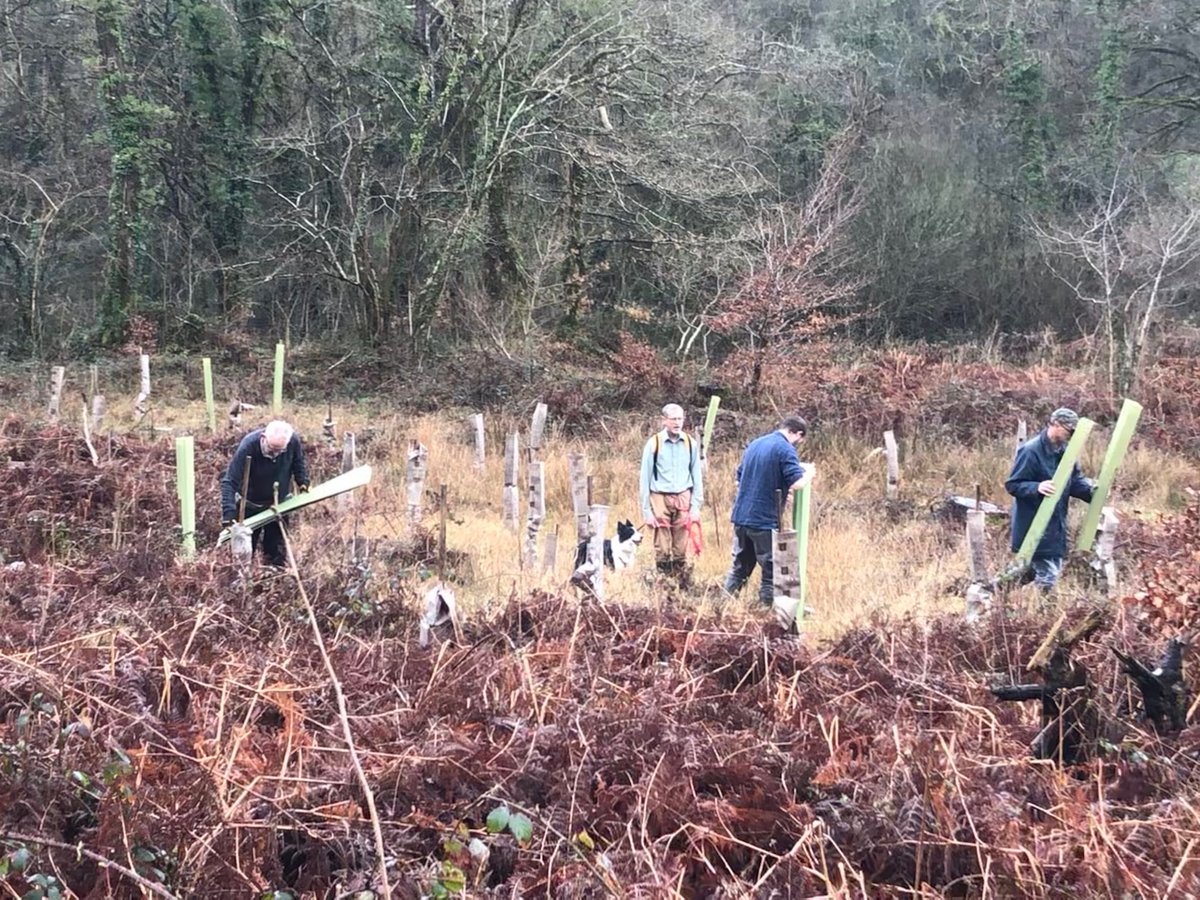
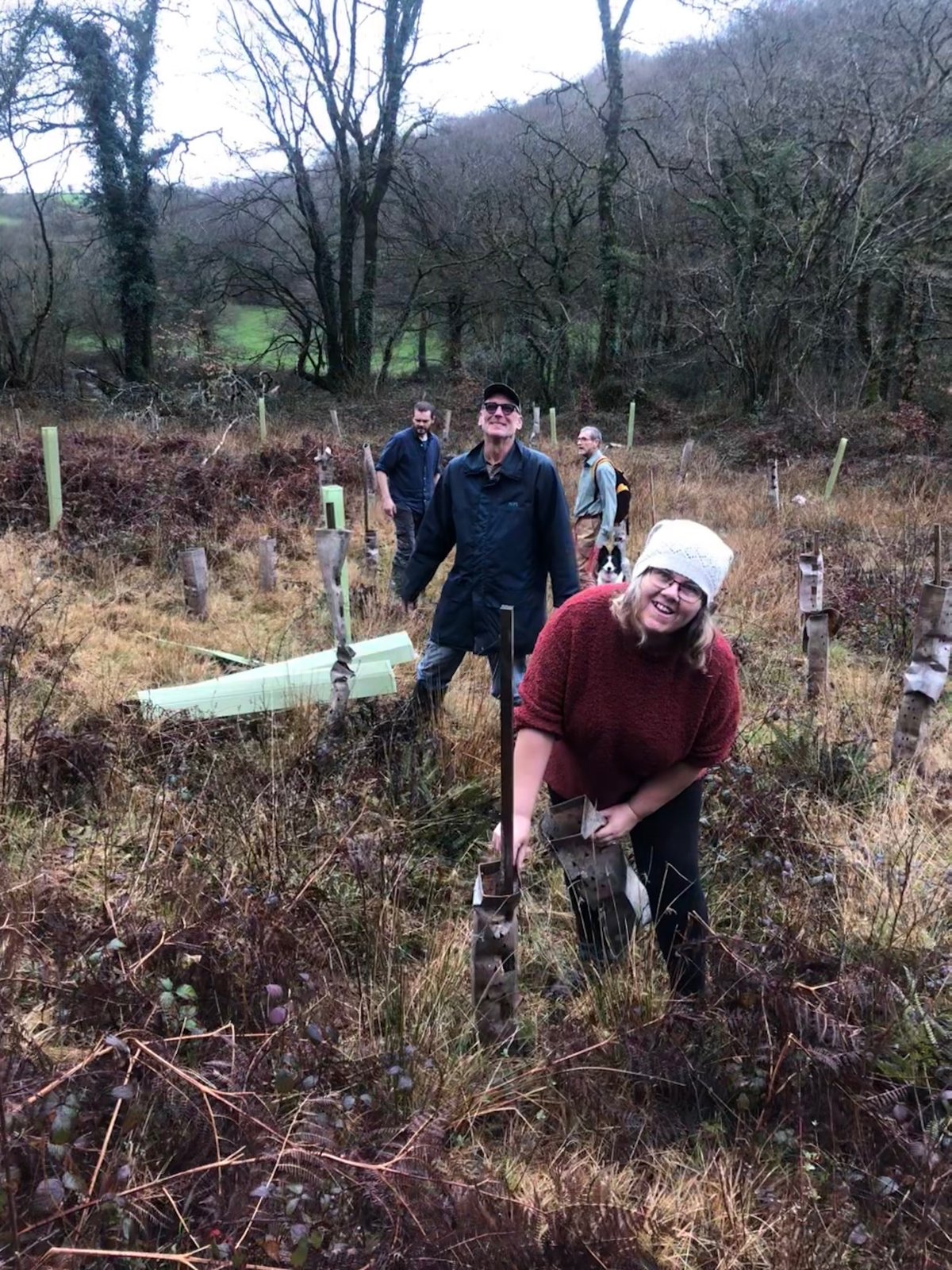
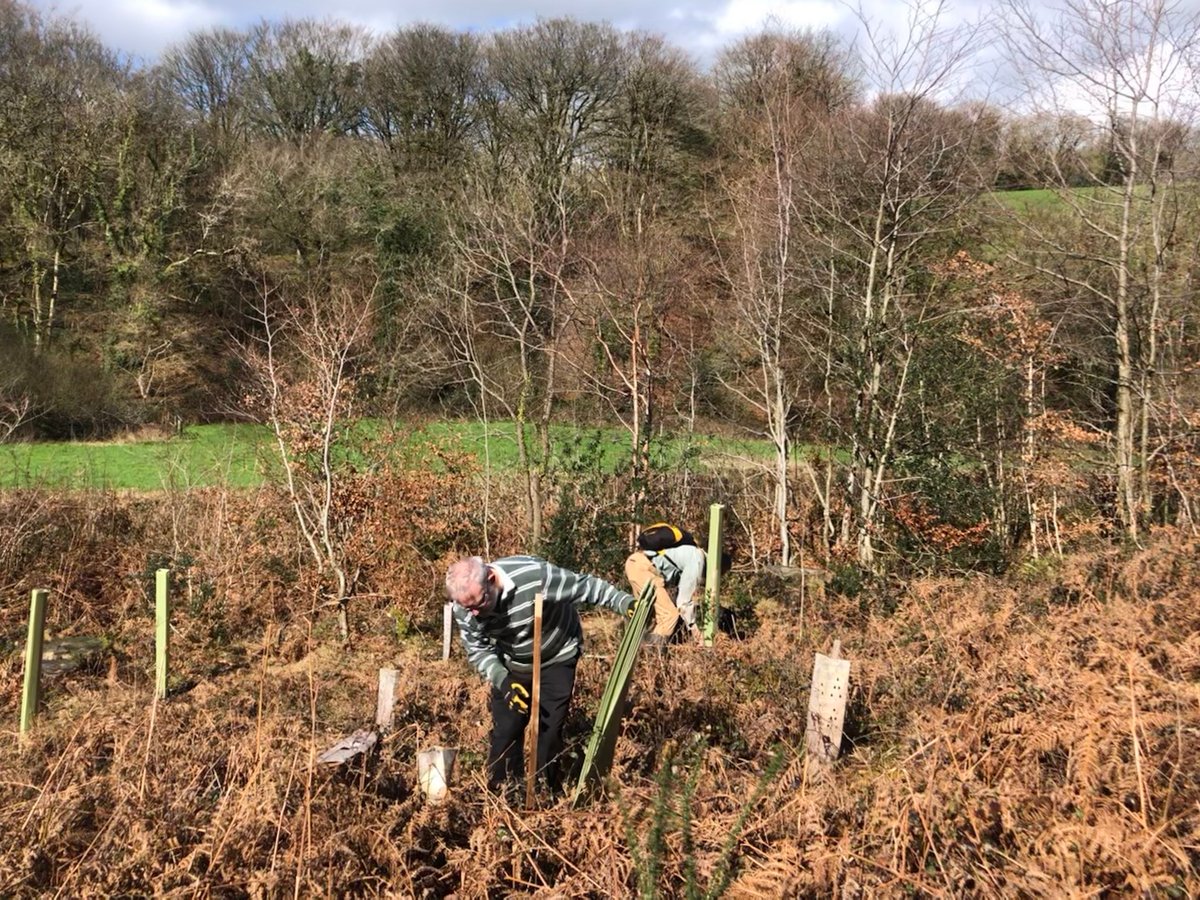
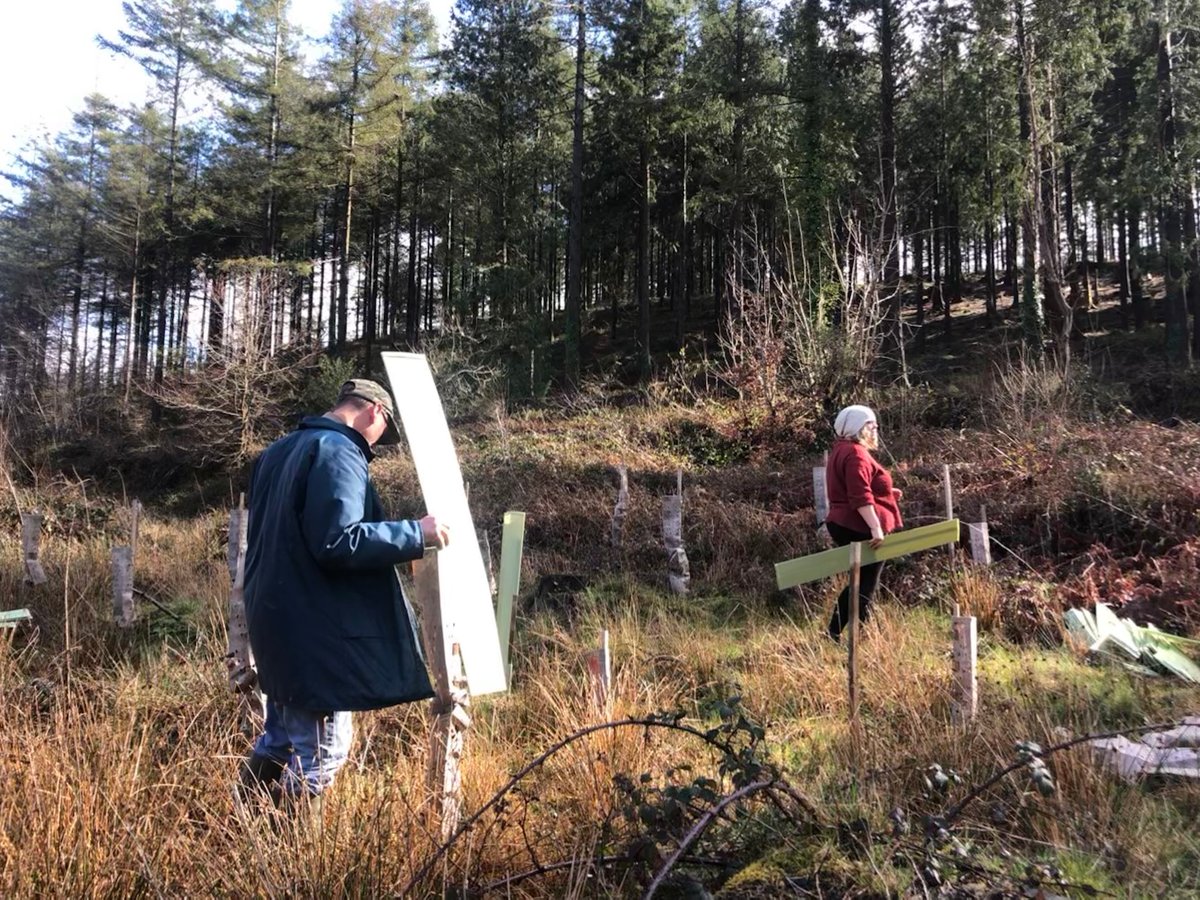
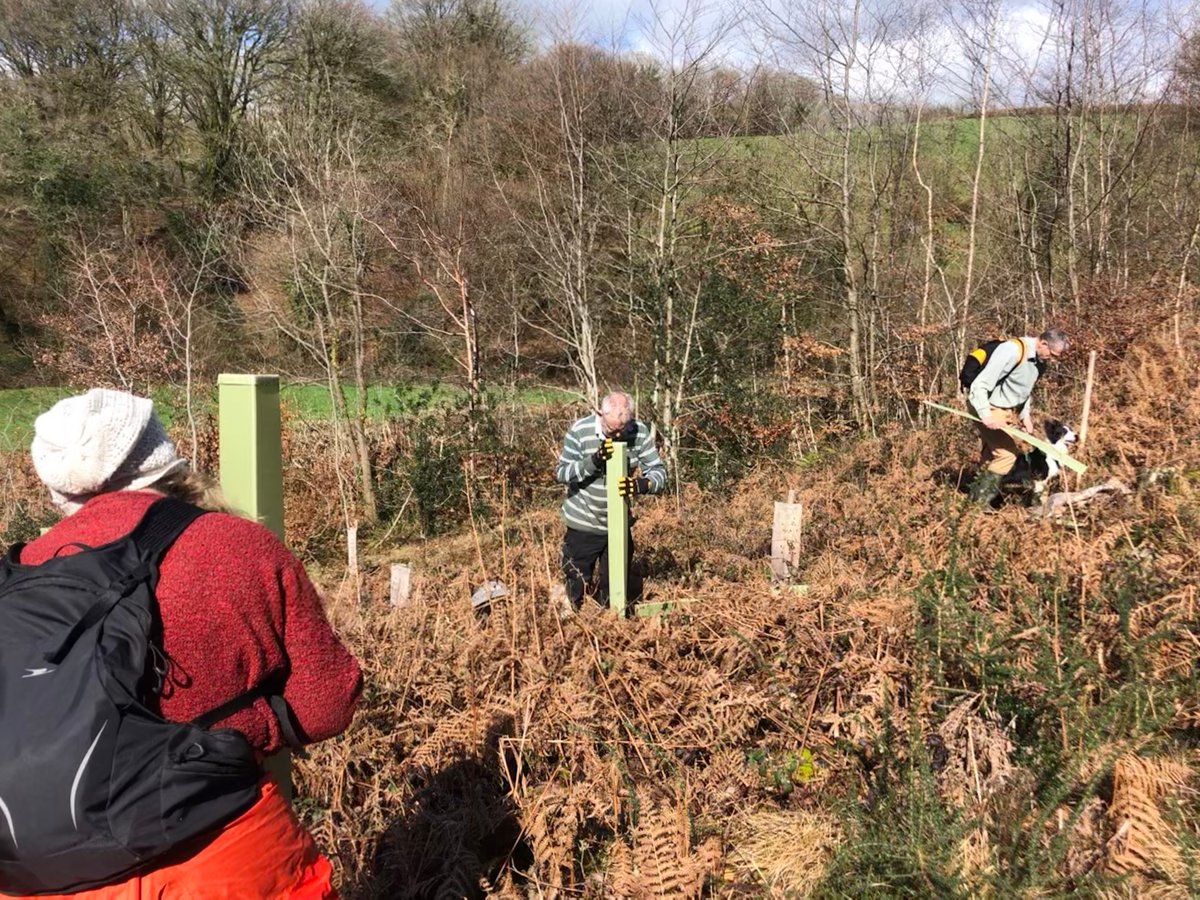
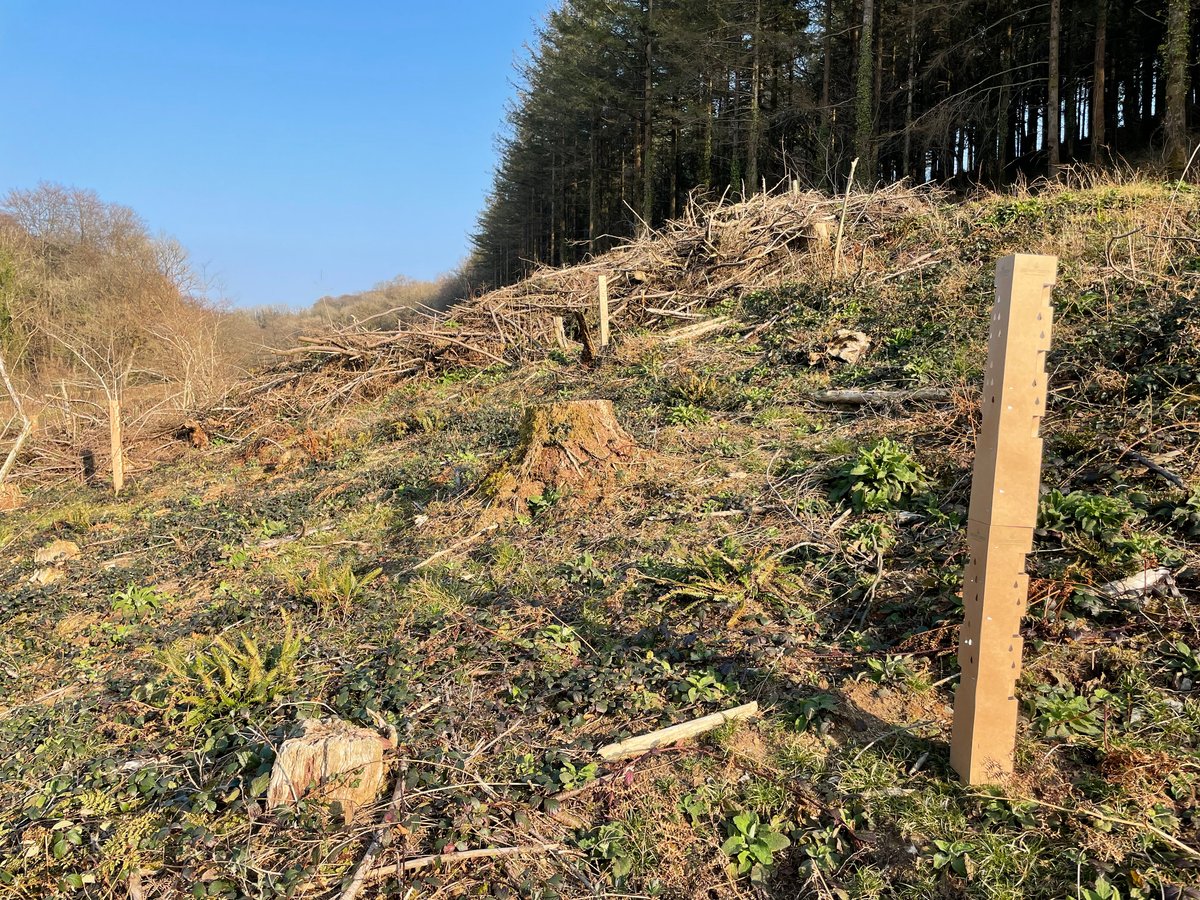
On a dry, although not particularly warm day in April 2024 our enthusiastic work party members turned out in good numbers to help carry our some maintenance on our young saplings. On previous visits we had noticed that the cardboard guards we were trialling were not faring well, thanks to the weather and over-interested deer. We made the decision to replace them when carrying out the rest of the maintenance.

Our team worked well, straightening stakes, replacing guards and cutting back grass and brambles around the trees. We had lost a few trees, but in general most seemed to be doing well.

  • Woodland Restoration

In order to return High Wood to an ancient temperate rainforest, a lot of these non-native conifers need to go. It’s a 40 year management plan, and it’s a complicated process in general, but some of this is easy.

In areas that have recently been clear felled (everything cut down) and restocked (a bunch of young conifers have been replanted), we have a lot of “Christmas trees” sized conifers which are easy to handle.

With a group of volunteers Steve, and Ian our Site Manager, got started on the first compartment. For every three of four small conifers removed, a native oak, willow, birch, rowan, or beech tree was hiding, struggling for light and clearly happy to have been rescued before it perished. These will grow on to maturity now that the competition has been removed.

Volunteers were excited to be involved and this was feedback from one of them. “Ian and Steve were very welcoming and encouraging. They made sure I knew exactly what to do and enabled me to participate within the scope of my abilities. It was really good to be able to contribute to the development of the wood.”

  • Woodland Restoration

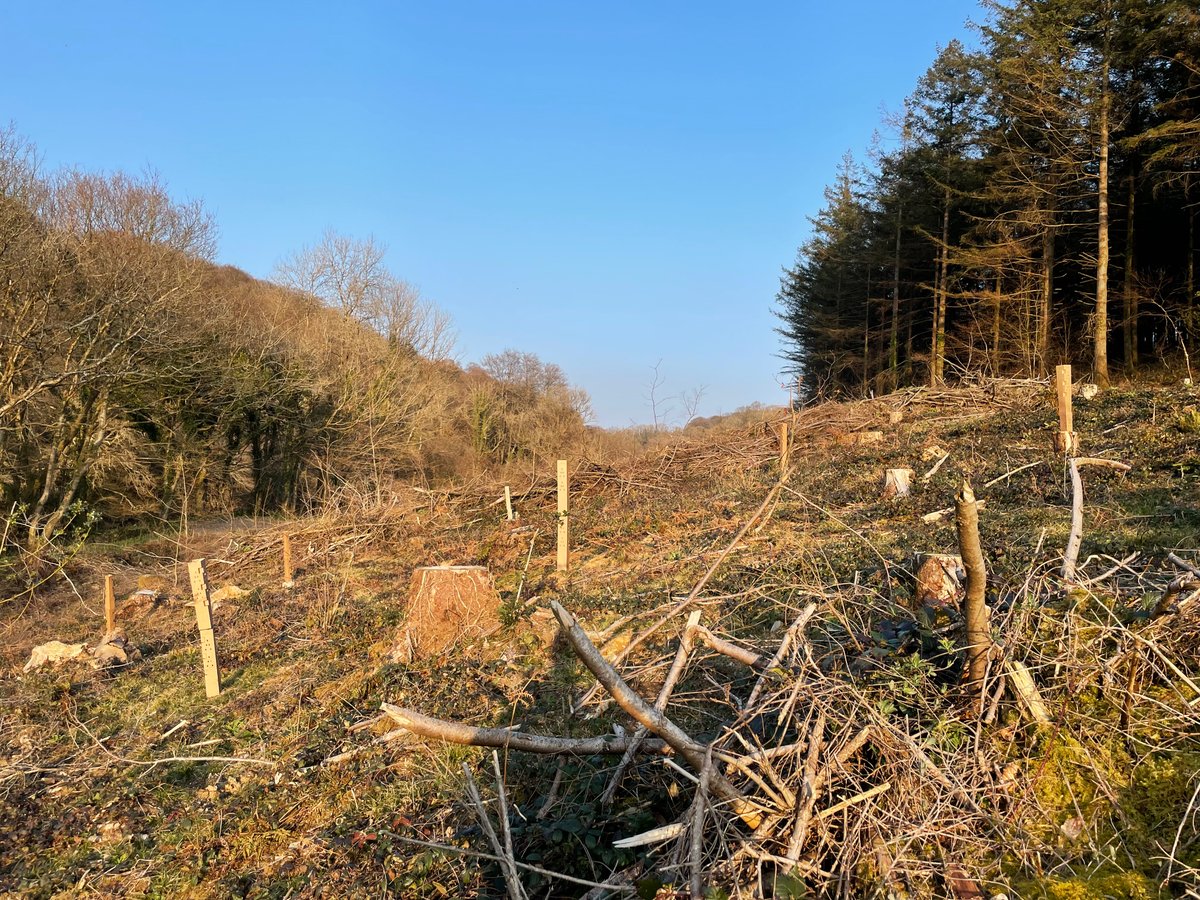
We needed to clear the smaller conifers from High Wood to help promote regeneration in this part of the wood. We spent three days clearing what we could with the help of local volunteers and 14 students from Cornwall College with their tutors.

We were pleased to discover some tiny oak saplings hidden in the dark under the conifers. By allowing light to reach the woodland floor we hope that these oaks will take the opportunity to grow to their full potential.

Over the three days we were able to clear approximately four acres of conifers. It was a big task but it’s surprising how much can get done when everyone works together.

Feedback from volunteers said that it was hard work but an enjoyable day out with plenty of. people to explain the reasons why we were doing the work.

  • Tree Planting
  • 800 trees planted

We discussed with the Forestry Commission which tree species would be most appropriate to grow at High Wood and we made every effort to source local trees with a Cornish seed provenance, which is quite rare. We found a very supportive supplier, Trebrown Nursery, in Liskeard who was even able to offer us some Cornish Elm.

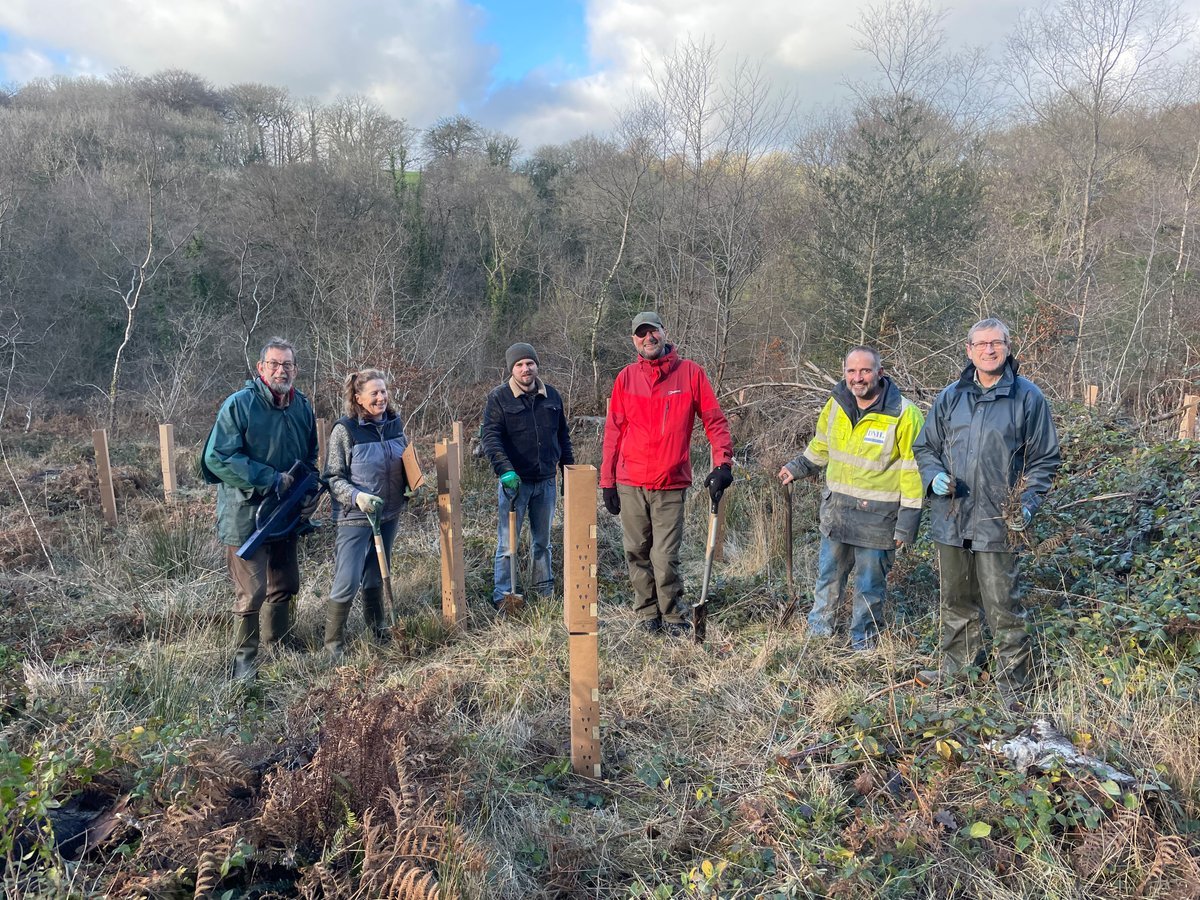
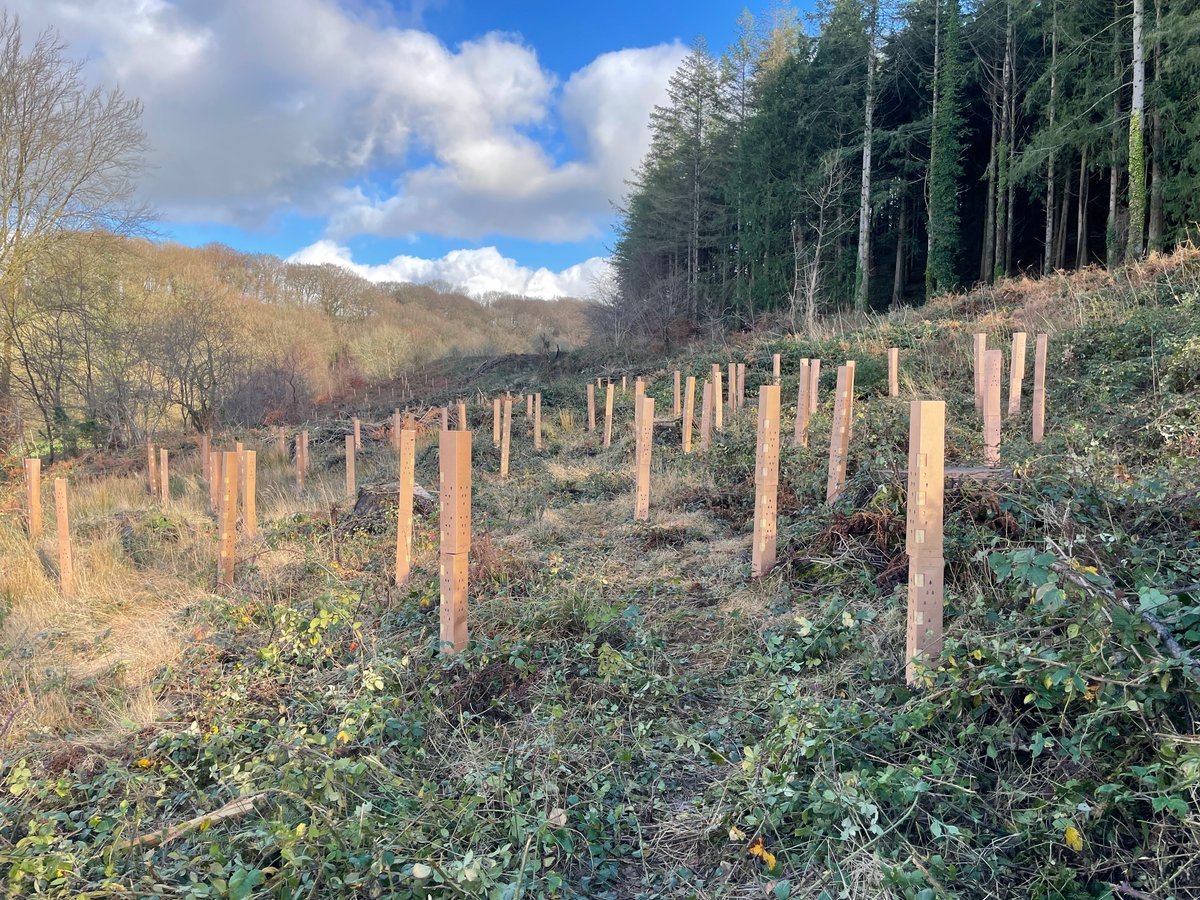
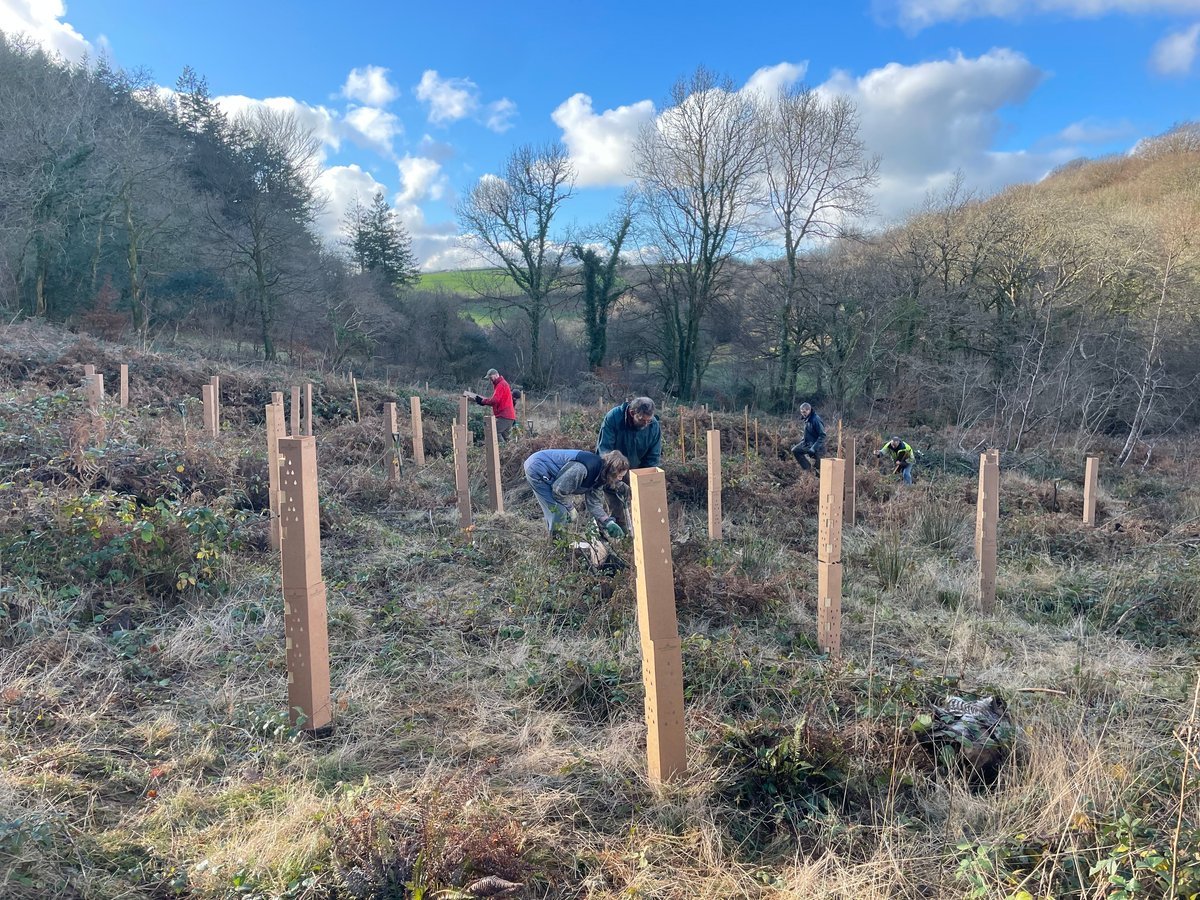
Altogether we planted a mix of 800 native trees and shrubs over three days in January 2023 with the help of local volunteers, including 5 special needs students and their tutors from Oakwood Specialist College. It was a really good opportunity to meet our neighbours and other local people who share our passion.

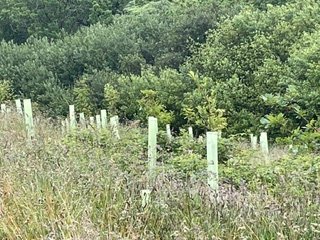
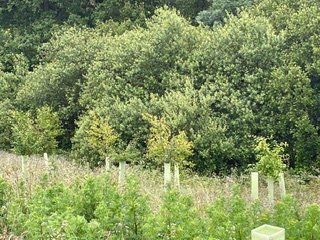
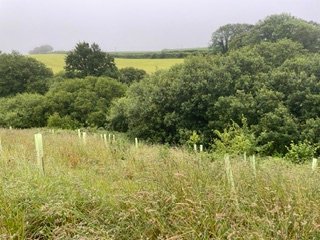
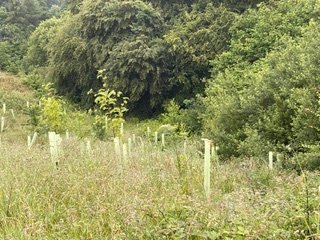
Unwilling to introduce plastic into High Wood we are trialling carboard tree guards to see how they fare. The hope is that as these trees grow they will promote further rewilding, rather than us needing to plant more.

  • Ecology Survey

Our ecologist Steve visited High Wood in April 2022, and made some observations about the different species of animals, birds and plants he was able to catalogue. Ecology reports like these are important to our work, to help us understand what native species are thriving and identify any issues with the site.

Trees on the site included the following native varieties: Rowan, Wild Cherry, Sycamore, Silver Birch, Beech, Holly, Oak, Yew, Ash, and Willows.

Growing amongst the trees, Steve found a fantastic diversity of plants: Lesser Celandine, Primrose, Wood Anemone, Bluebell, Dog Violet, Honeysuckle, Yellow Archangel, Dog’s Mercury, Red Campion, Wild Garlic, and possibly Pendulous Sedgewere. This is very exciting, as several of these are indicator species for ancient woodland, and will help us manage the site going forward.

For birds, Steve was able to confirm sightings of a huge variety: Goldcrest, Wren Chiffchaff, Blackbird, Blackcap, Robin, Blue Tit, Siskin, Song Thrush, Buzzard, Wood Pigeon, Great Tit, Coal Tit, Raven, Crow, Jackdaw, Magpie, Mistle Thrush, Song Thrush, Jay, Sparrowhawk, Bullfinch, Nuthatch, Chaffinch, Great Spotted Woodpecker.

All of these species were noted and will almost certainly be breeding on site. A single Redstart was Steve’s ‘best’ bird seen; it wasn’t singing or holding territory so it might have just been passing through. Summer migrants are still arriving throughout April and May, and will benefit from the space to rest and refuel as they continue on their journeys.

Finally, these animal species were recorded: Speckled Wood, Brimstone and Small Tortoiseshell butterflies were all on the wing despite the conditions, with a visit on a sunny day likely to reveal many more butterfly species.

Steve made some suggestions of simple ride management and an increase in woodland edge habitat which would have a fairly quick and potentially profound effect on butterfly species and numbers.

Site Location

Help Protect Earth - Take Action Now

Volunteer

Help us create and maintain new woodlands, hedgerows and wildflower meadows! We need volunteers to sow seeds, plant saplings, clear invasive plant species and pick up litter. No qualifications necessary; jobs for all ages and abilities. Come and turn climate anxiety into climate action!
Fund Our Work

With government funding for reforestation and rewilding tenuous, we increasingly rely on our amazing community to keep us growing regardless of political shifts. Help Protect Earth continue to restore ecosystems and improve biodiversity across the country.
Support the Land Fund

Help us put down roots! Your donations to our Land Fund let us seize the moment when the perfect piece of land comes up for sale. Every penny helps us secure community woodlands, healthier ecosystems, and a greener future for generations to come.