
Bethania

Llanon, Ceredigion

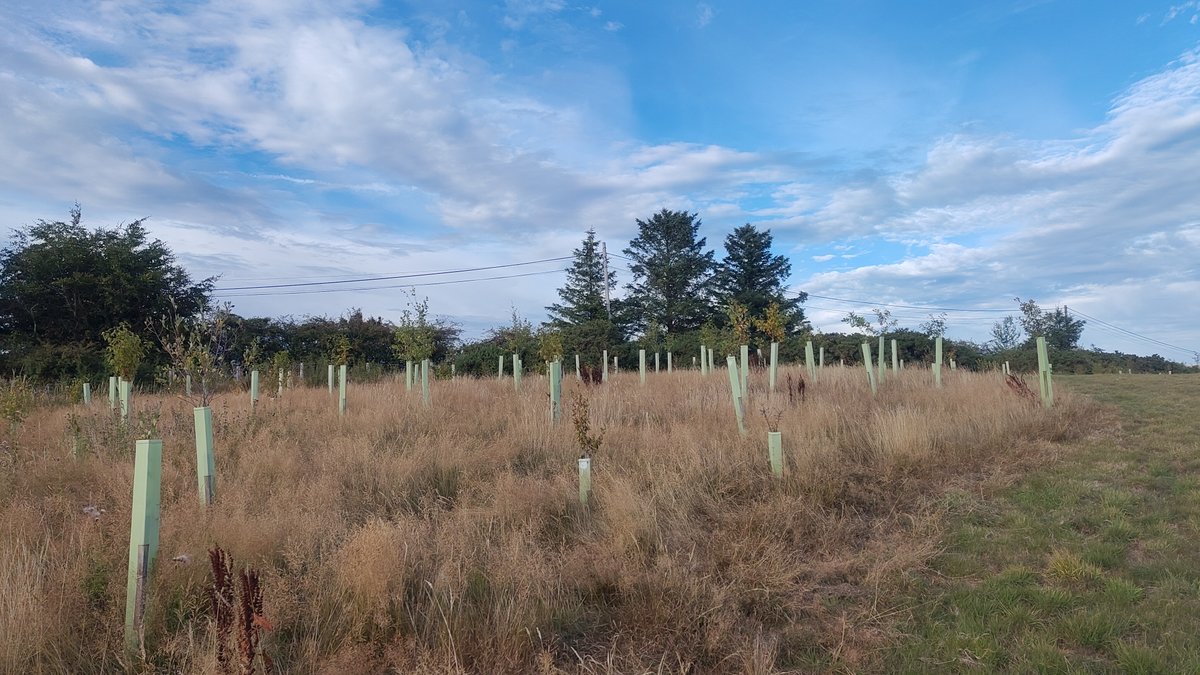
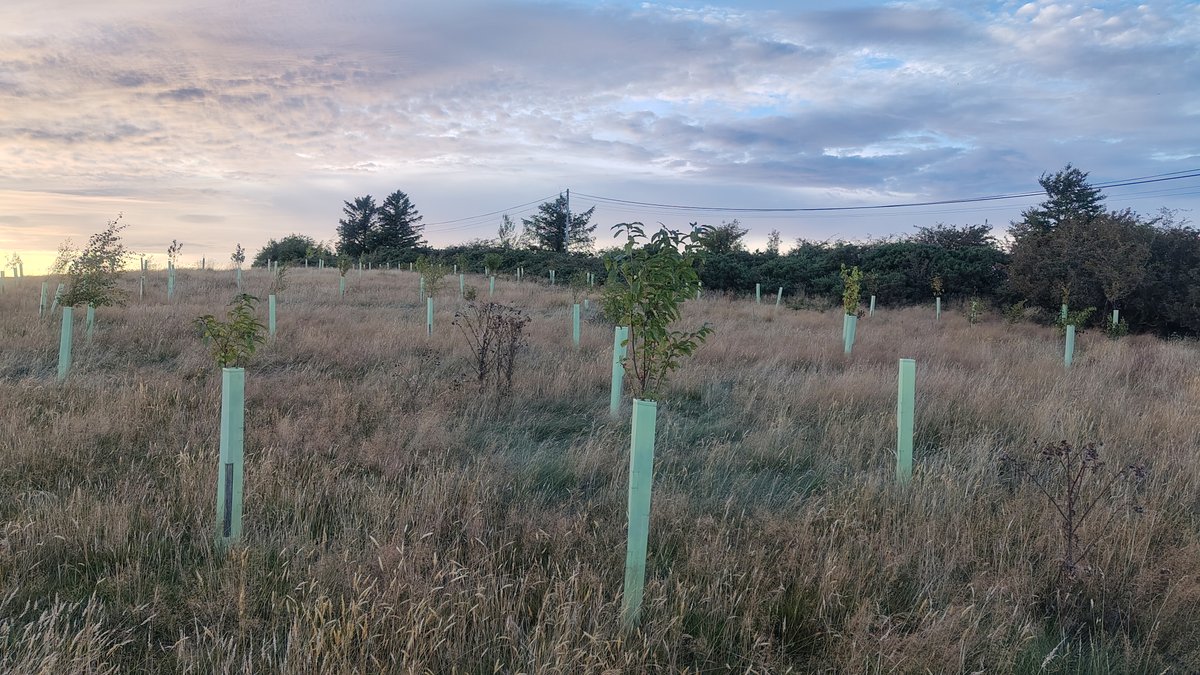
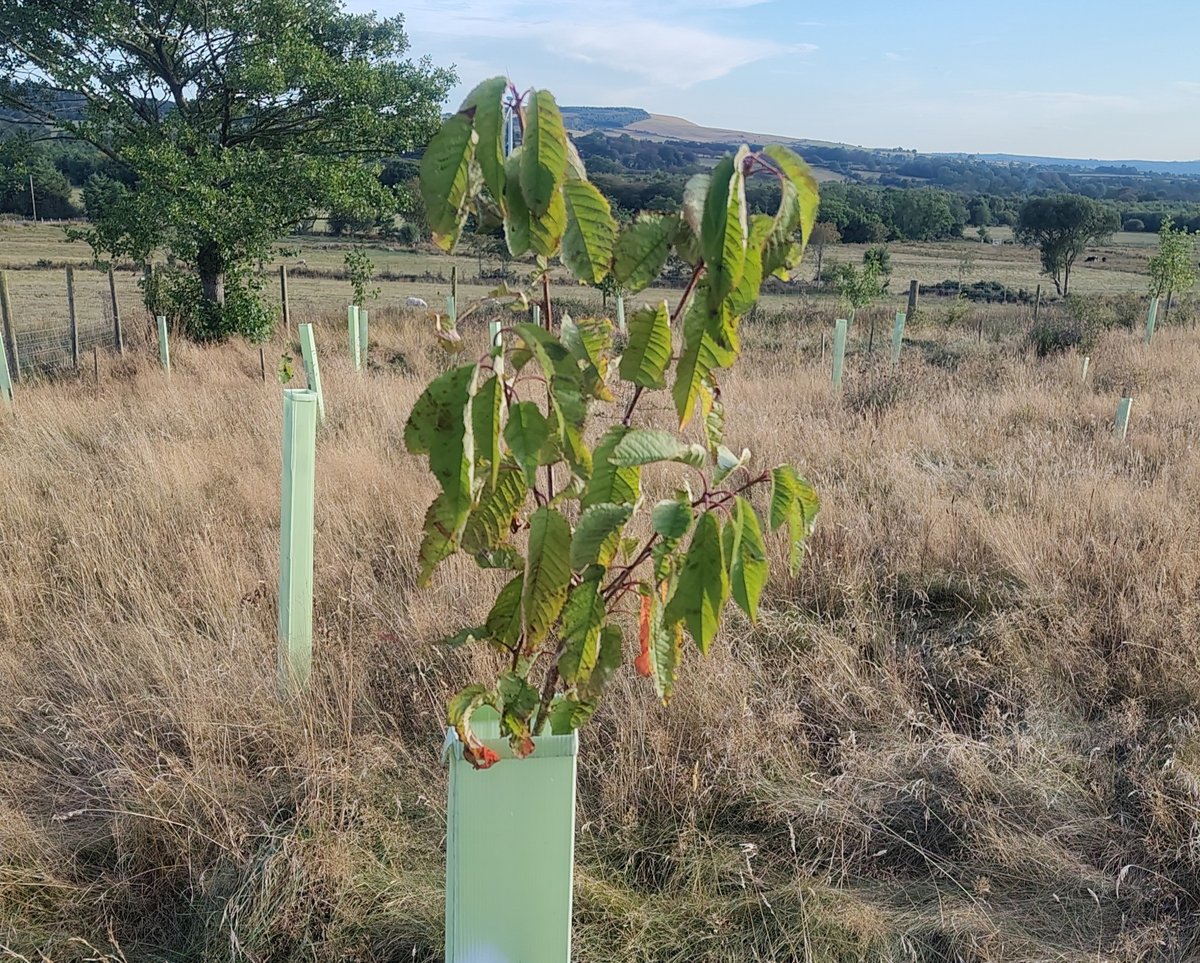
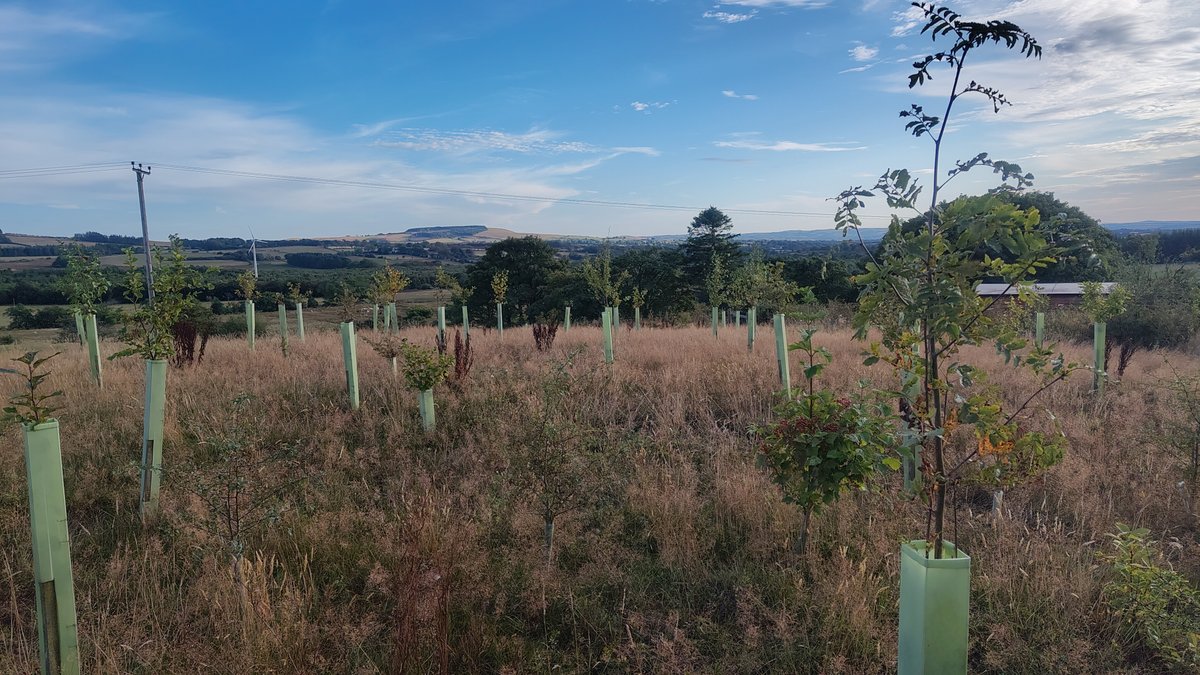
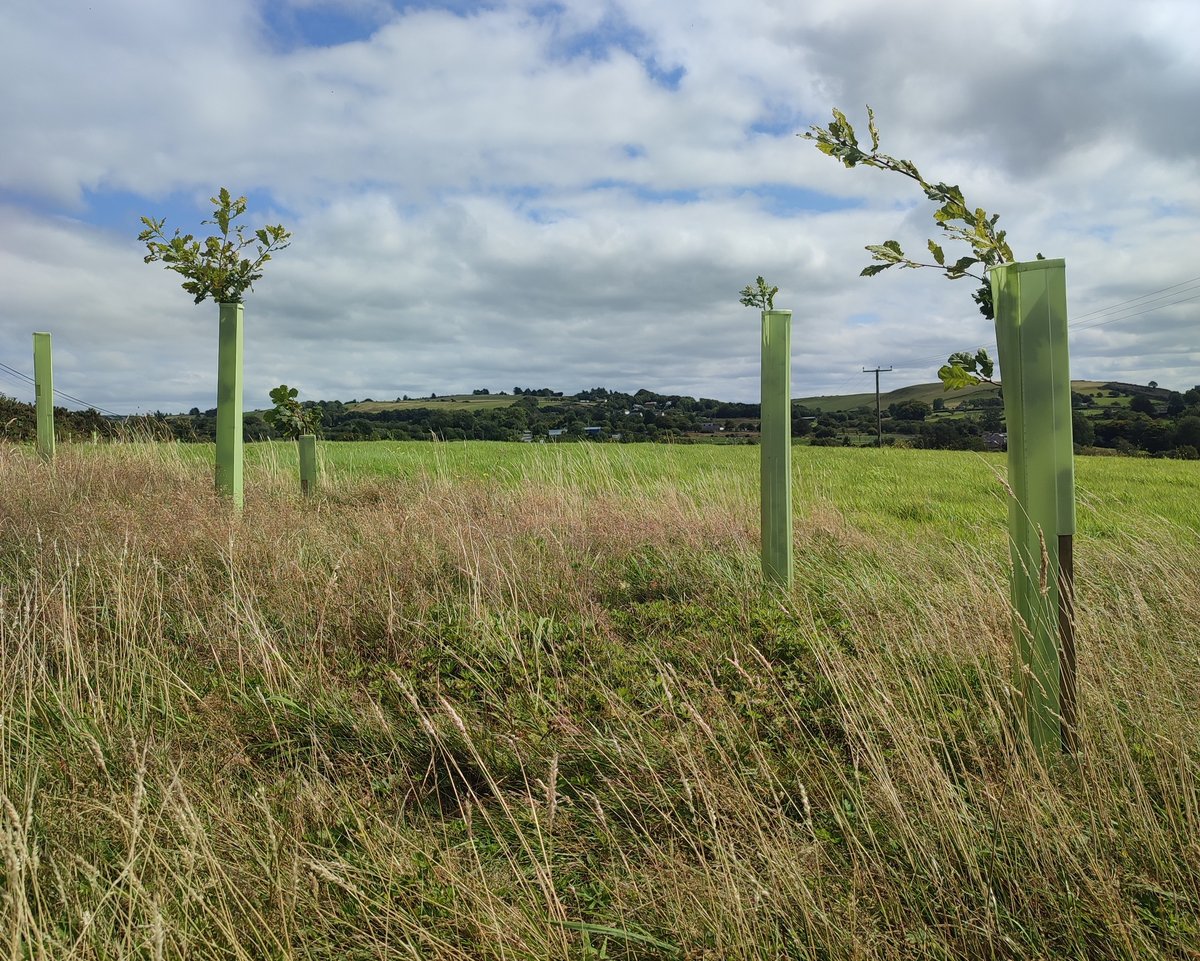
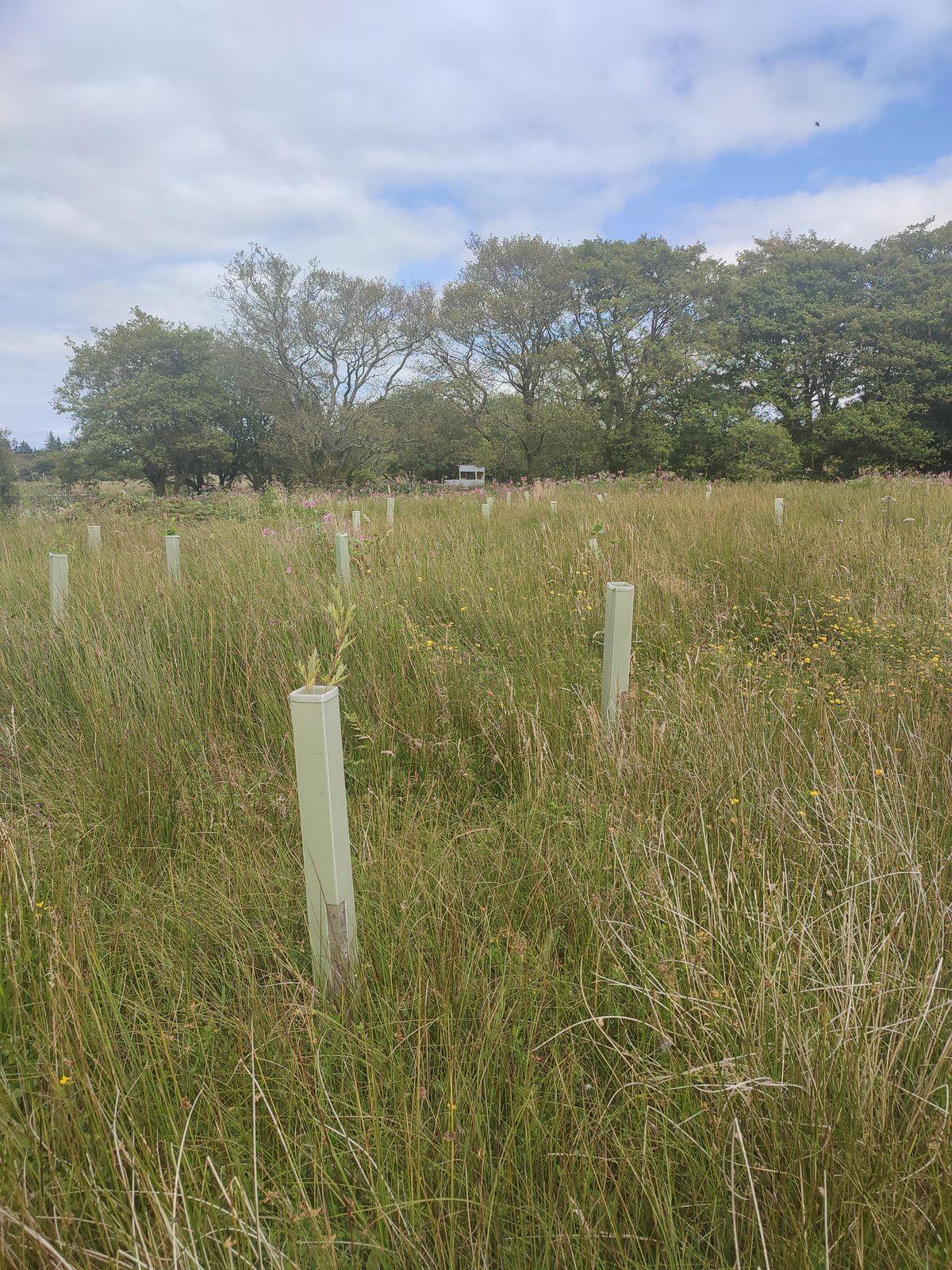
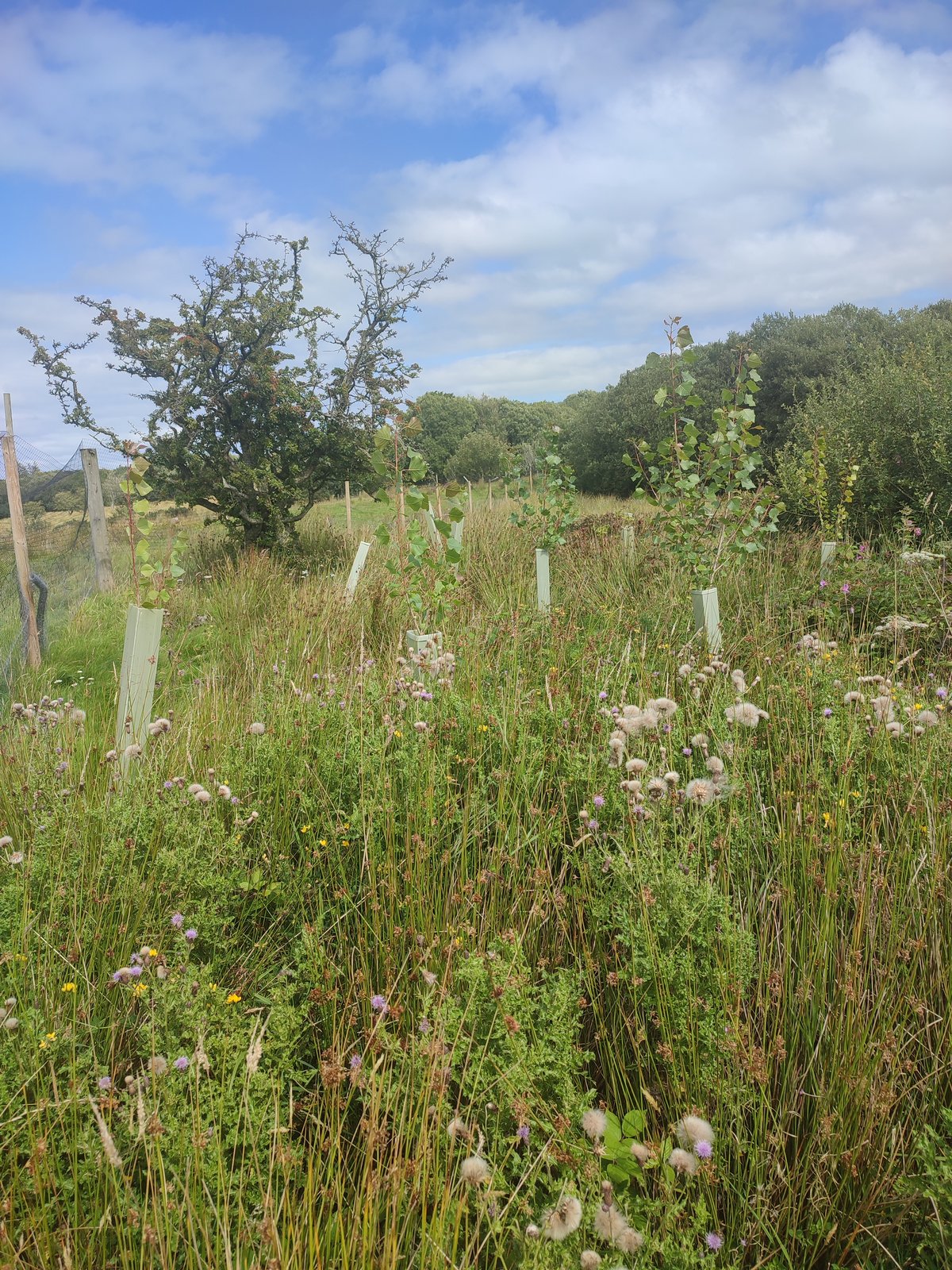
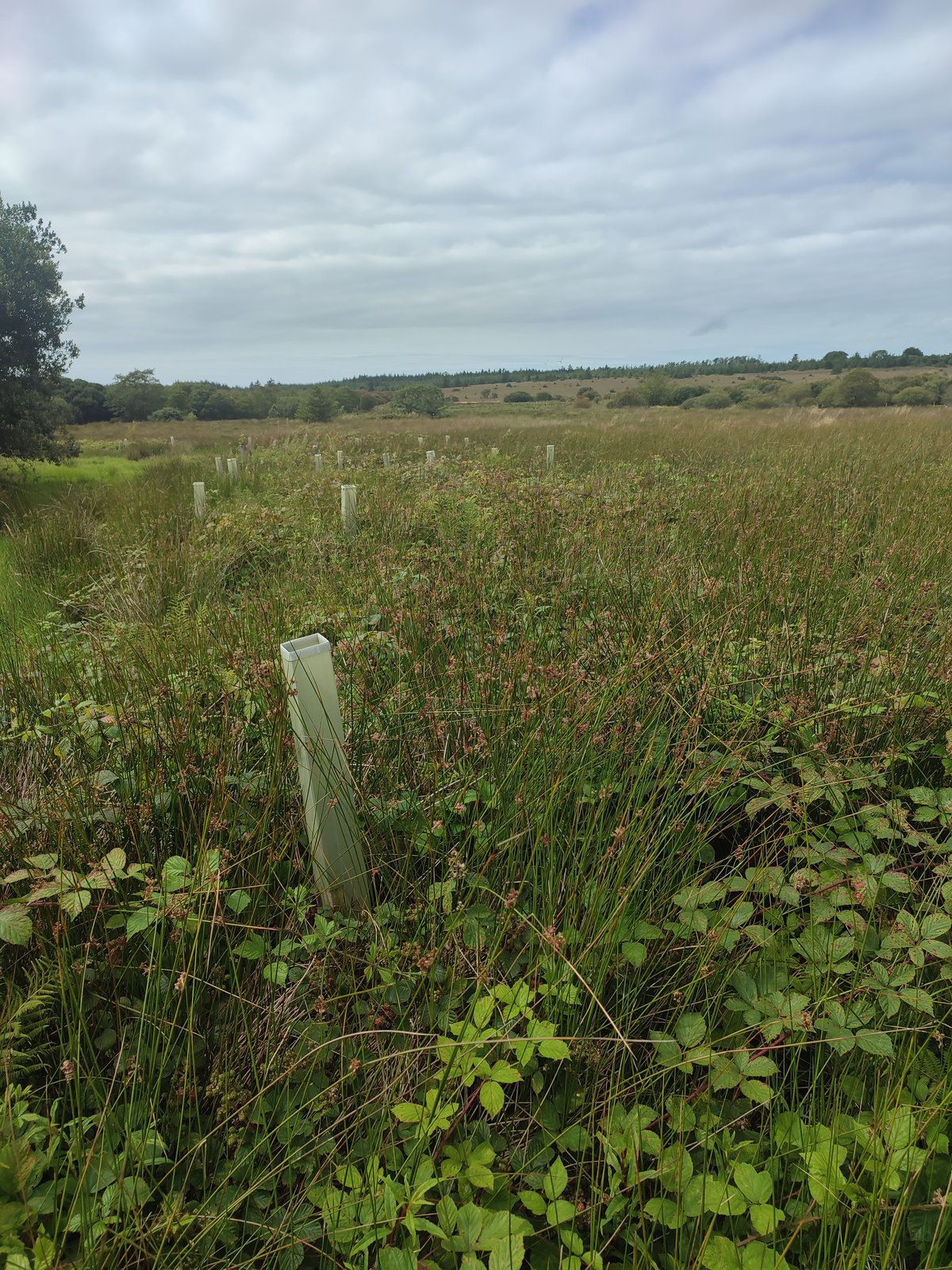
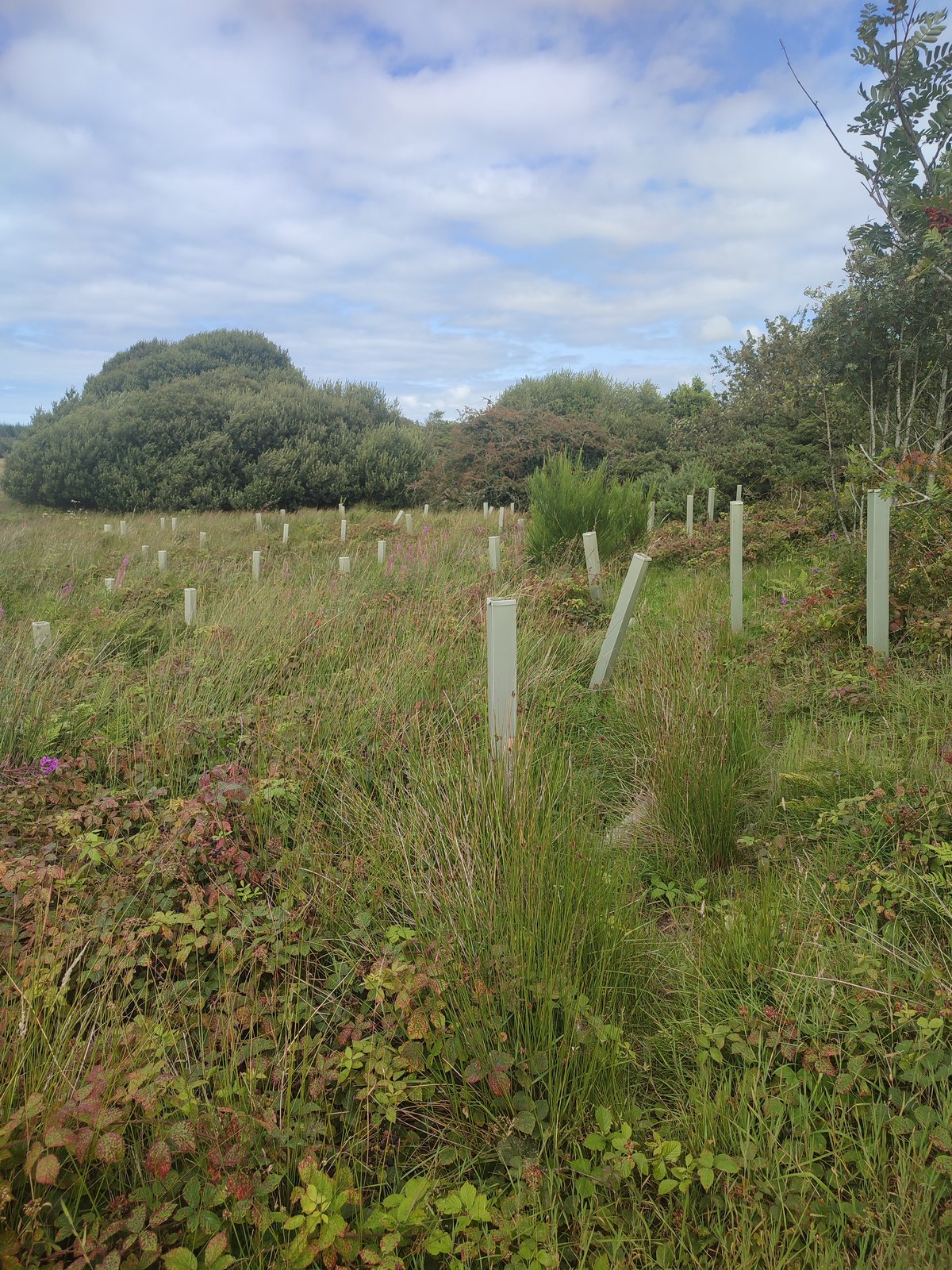
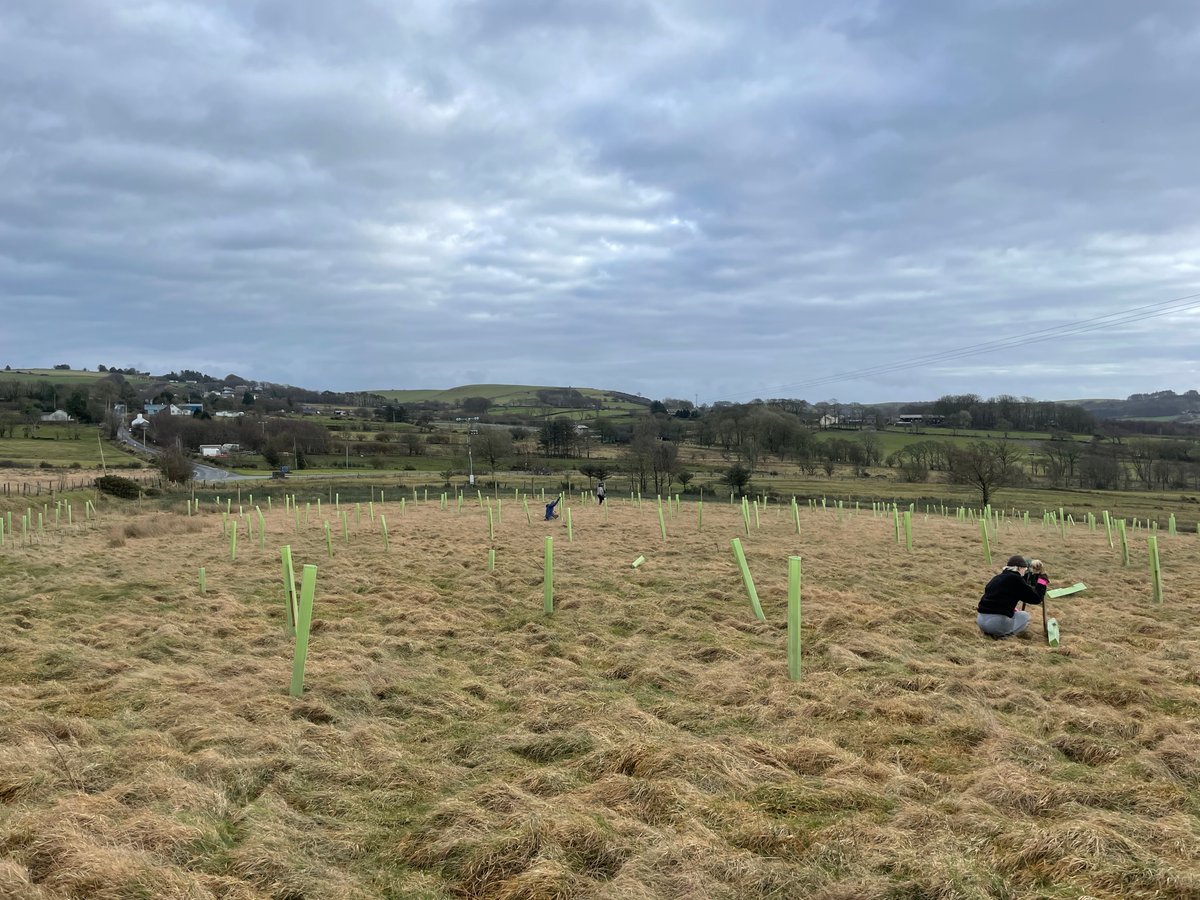
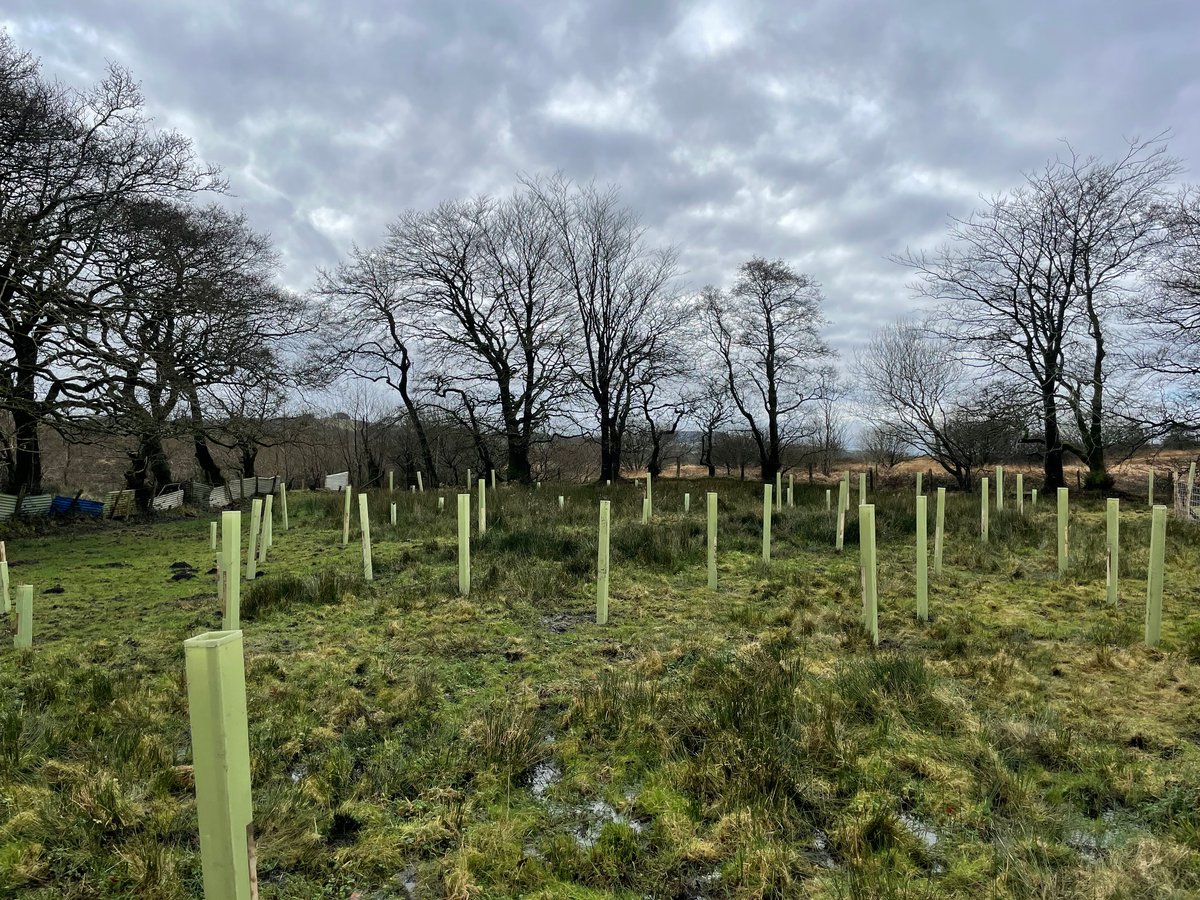
Landscape view of Bethania

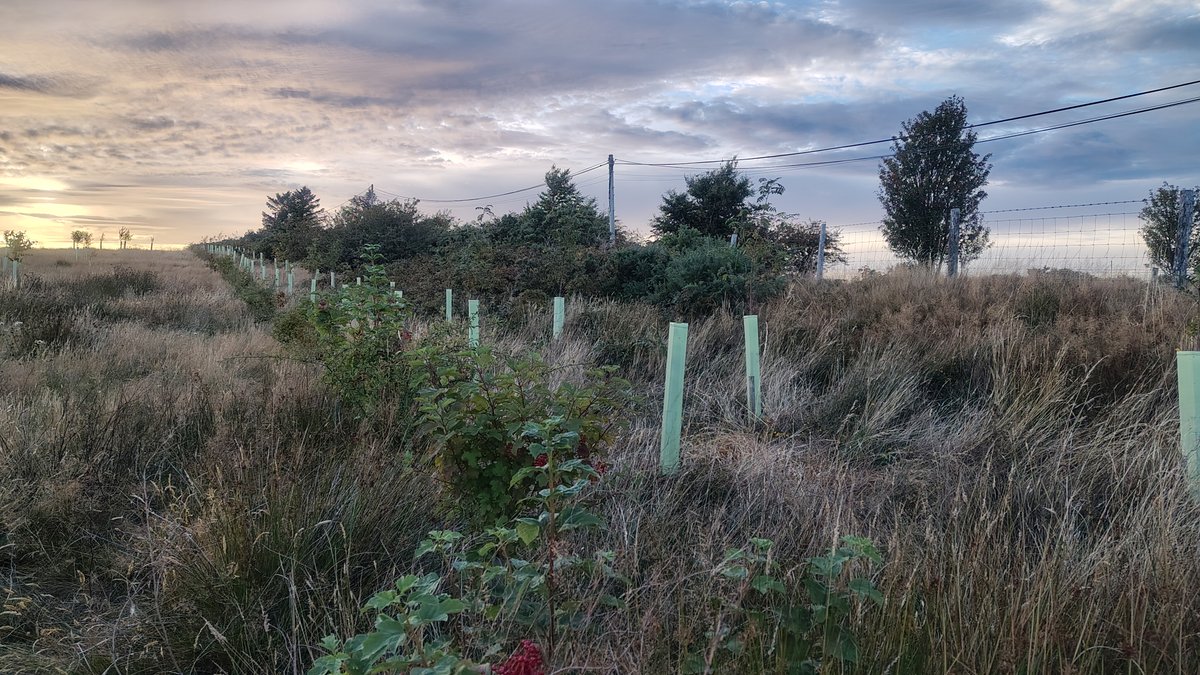
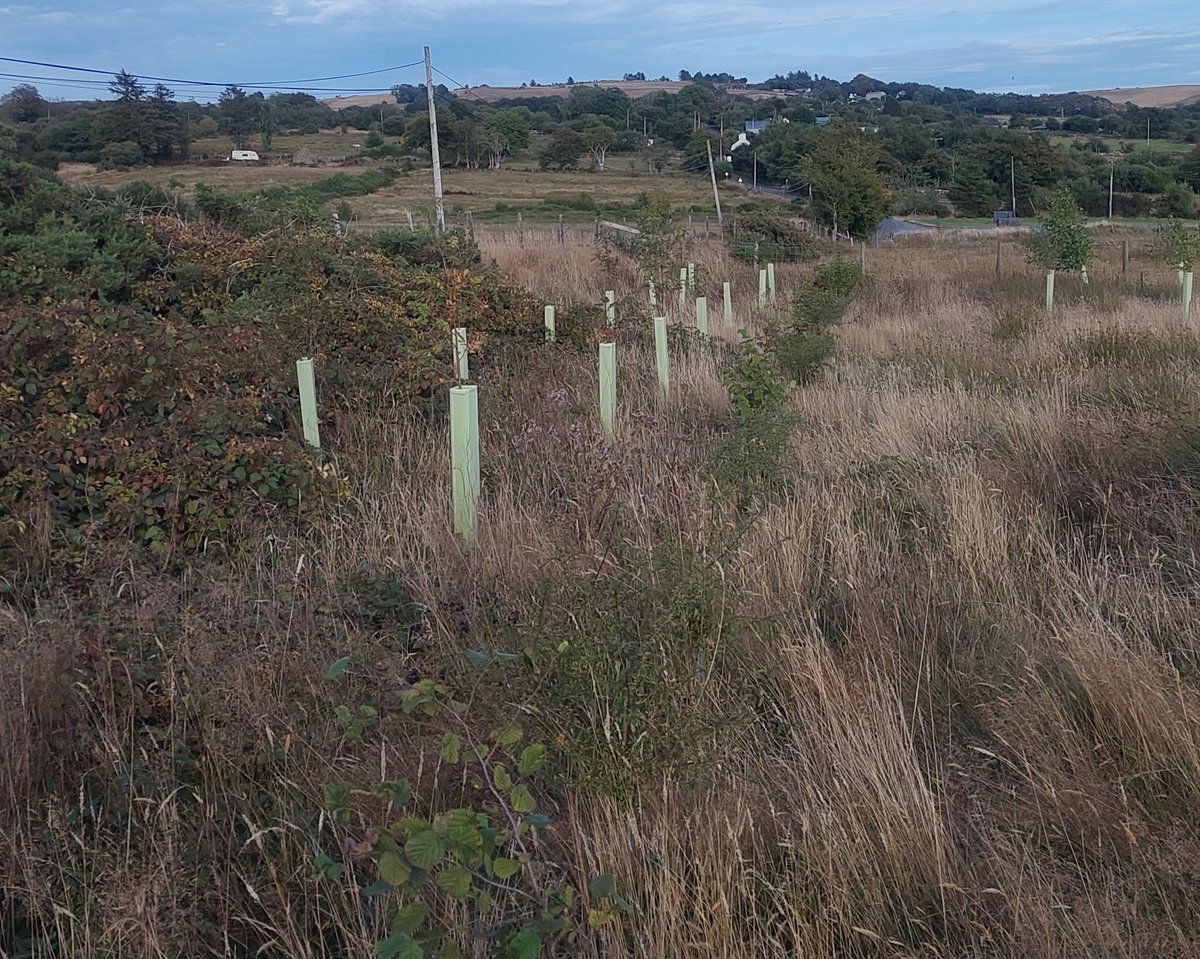
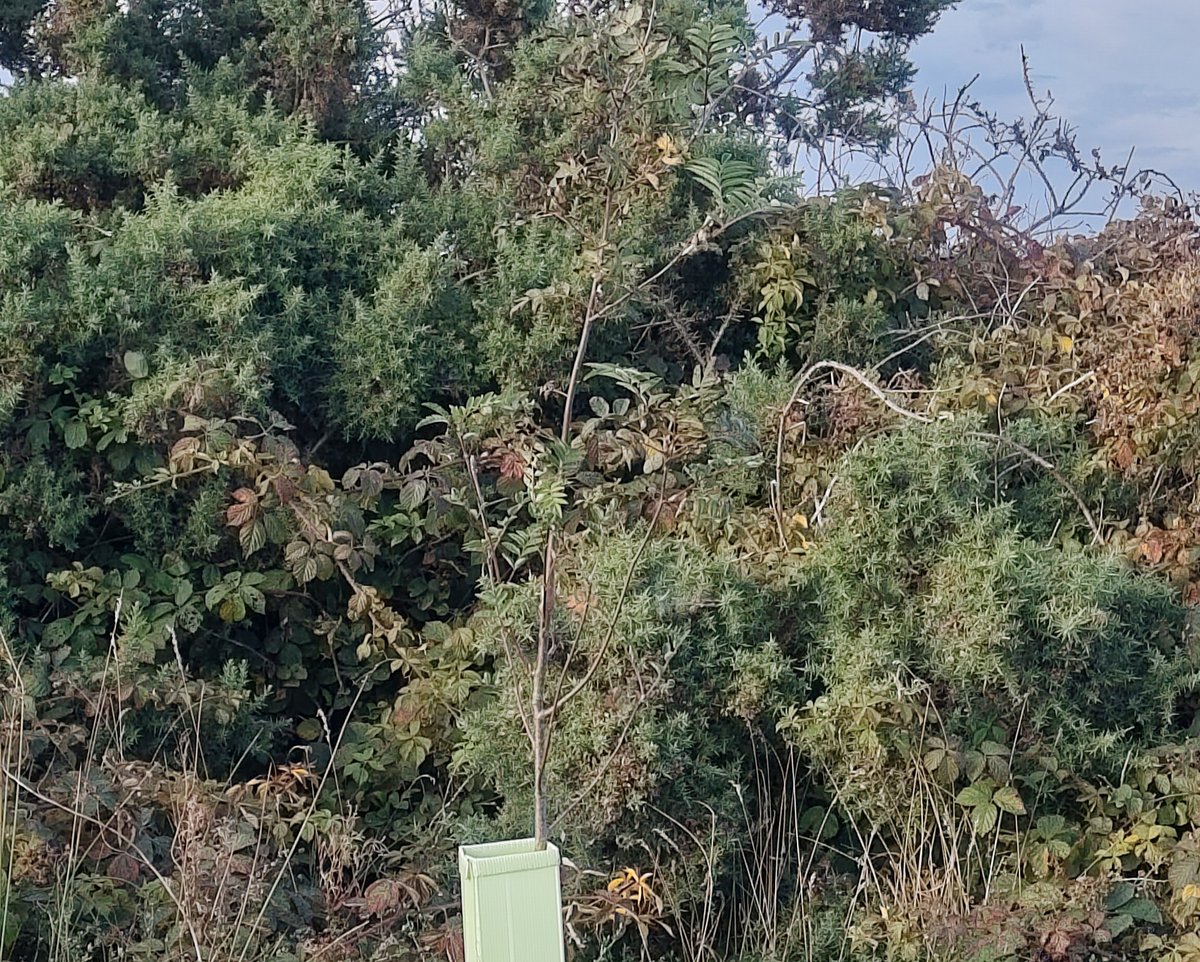
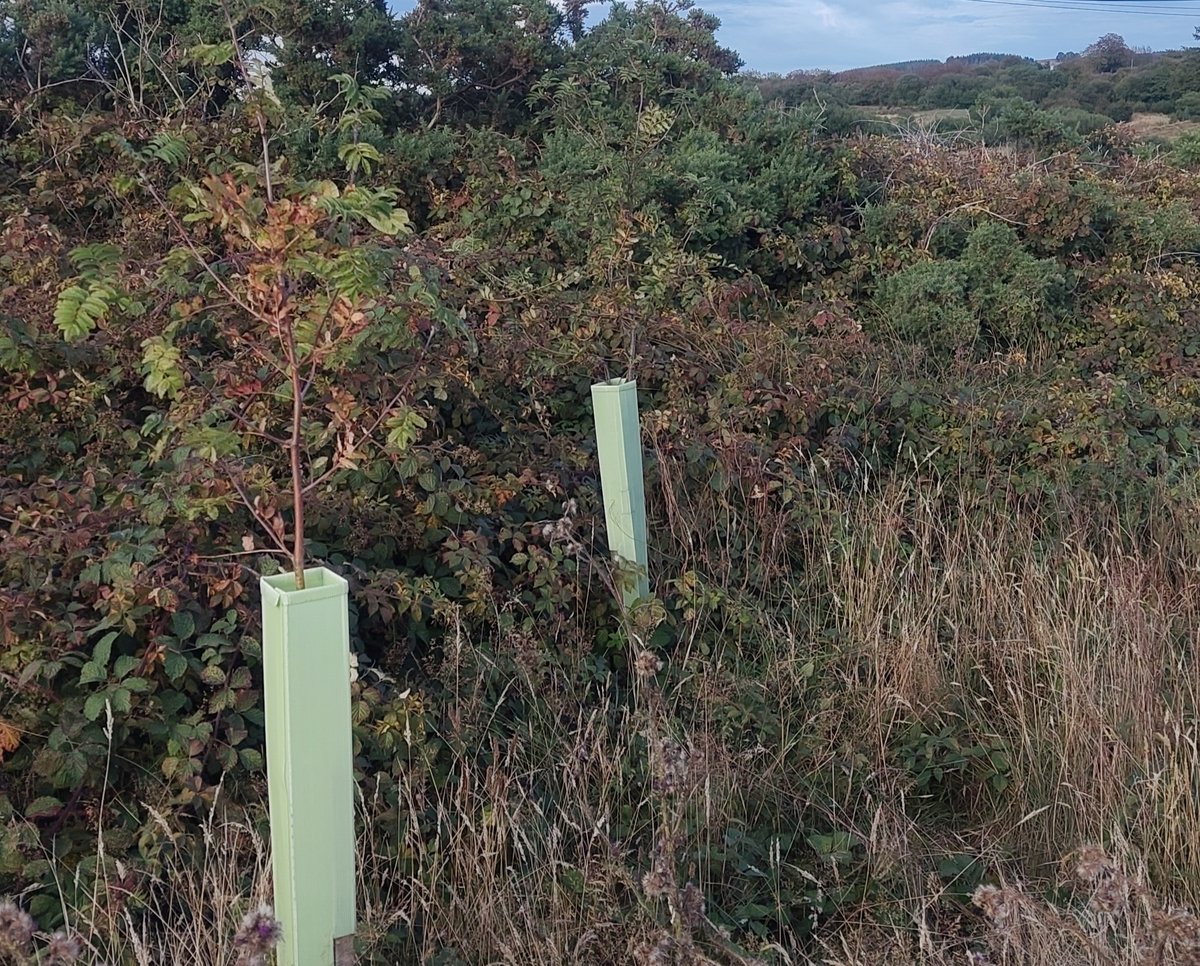
In the small village of Bethania, two neighbouring farmers wanted to create woodlands and hedgerows to provide protection against the strong coastal winds. As well as providing a windbreak that will keep their livestock warm and happy, they will provide vertical grazing and even some shade in increasingly warm Welsh summers.

Fourteen species have been selected for the woodland: nine tree species and five shrub species. In time this will give the woodland a natural structure with taller tree species forming a canopy with a secondary understorey or shrub layer beneath.

In partnership with

Help fund our work

Fund the work still needed to complete this critical work.

Updates

  • Survival Survey
  • 93% survival rate

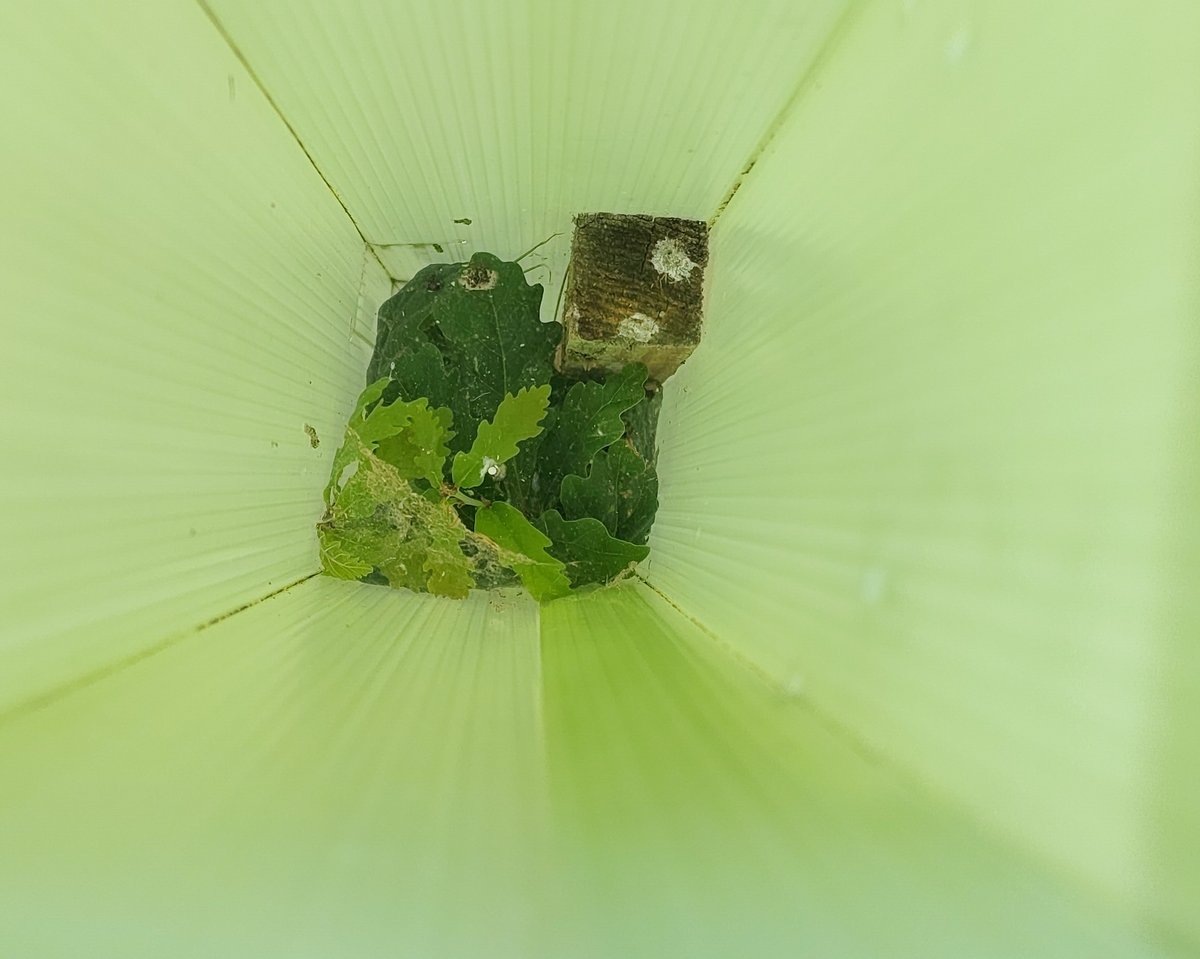
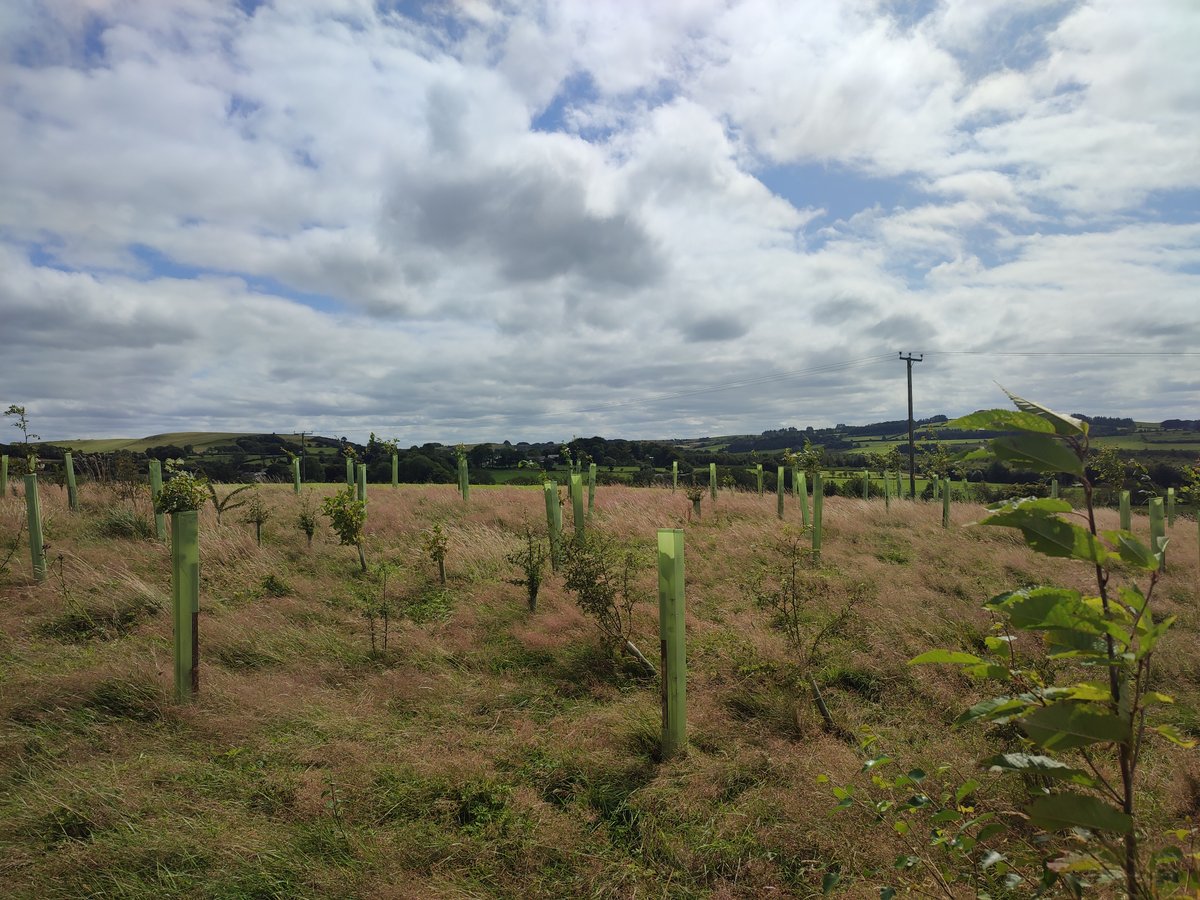
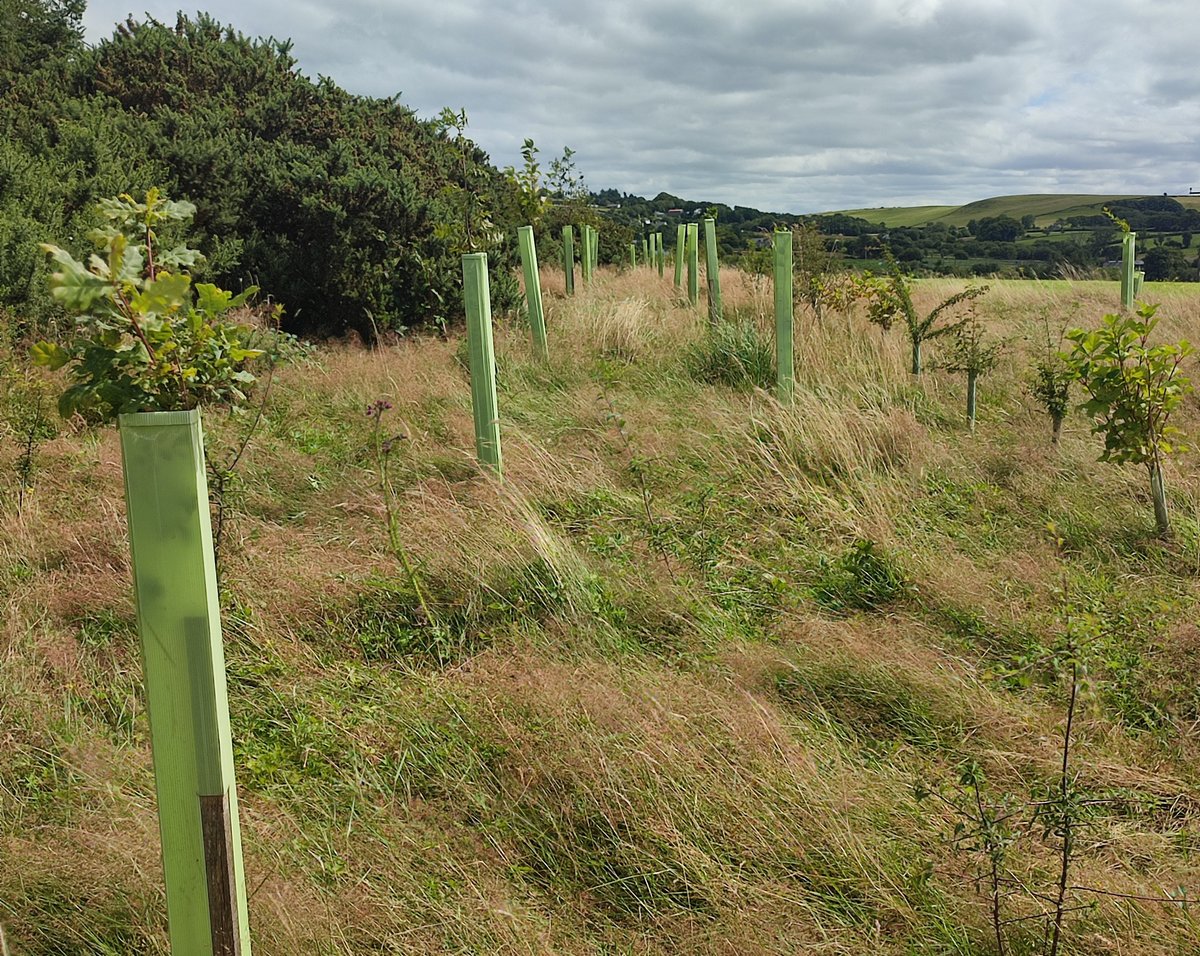
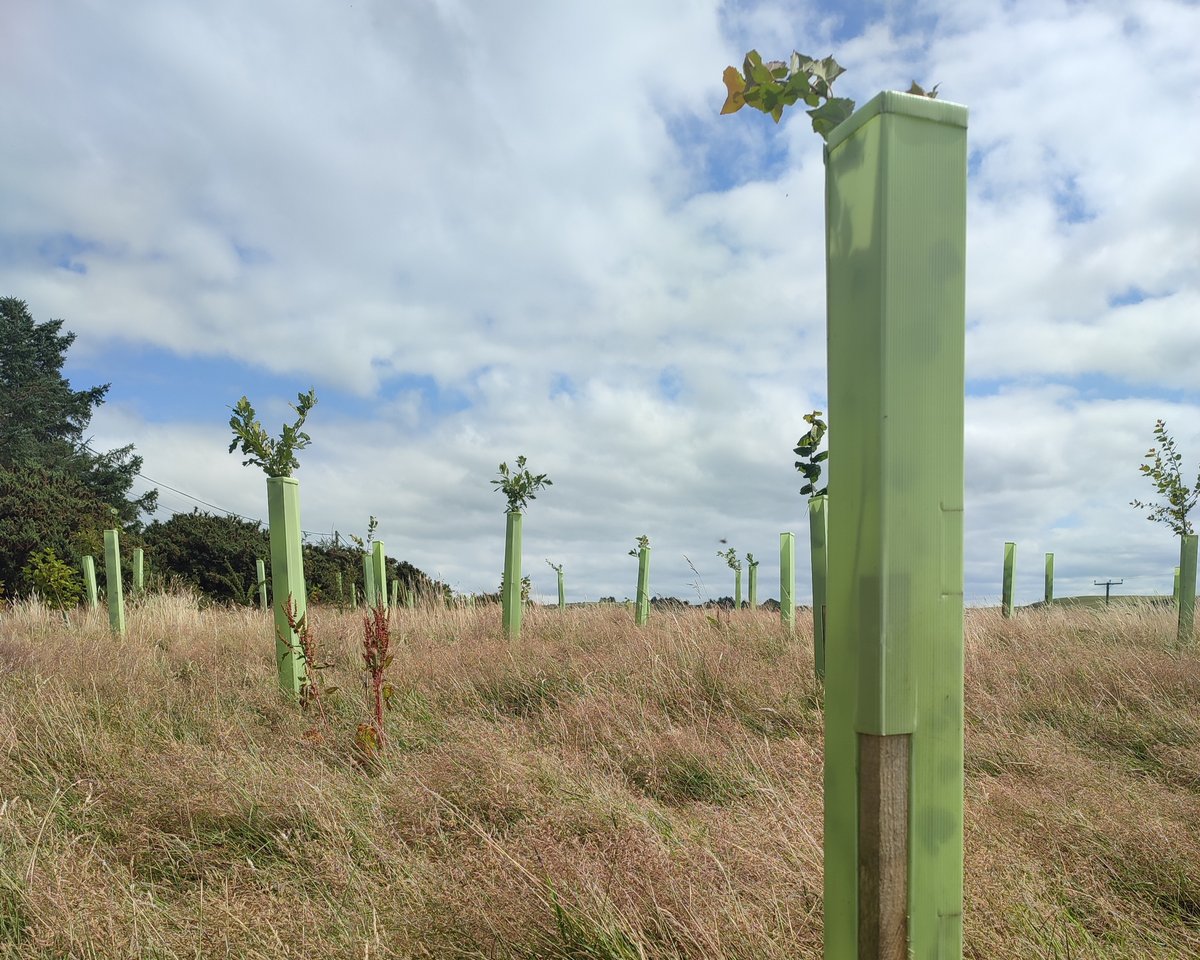
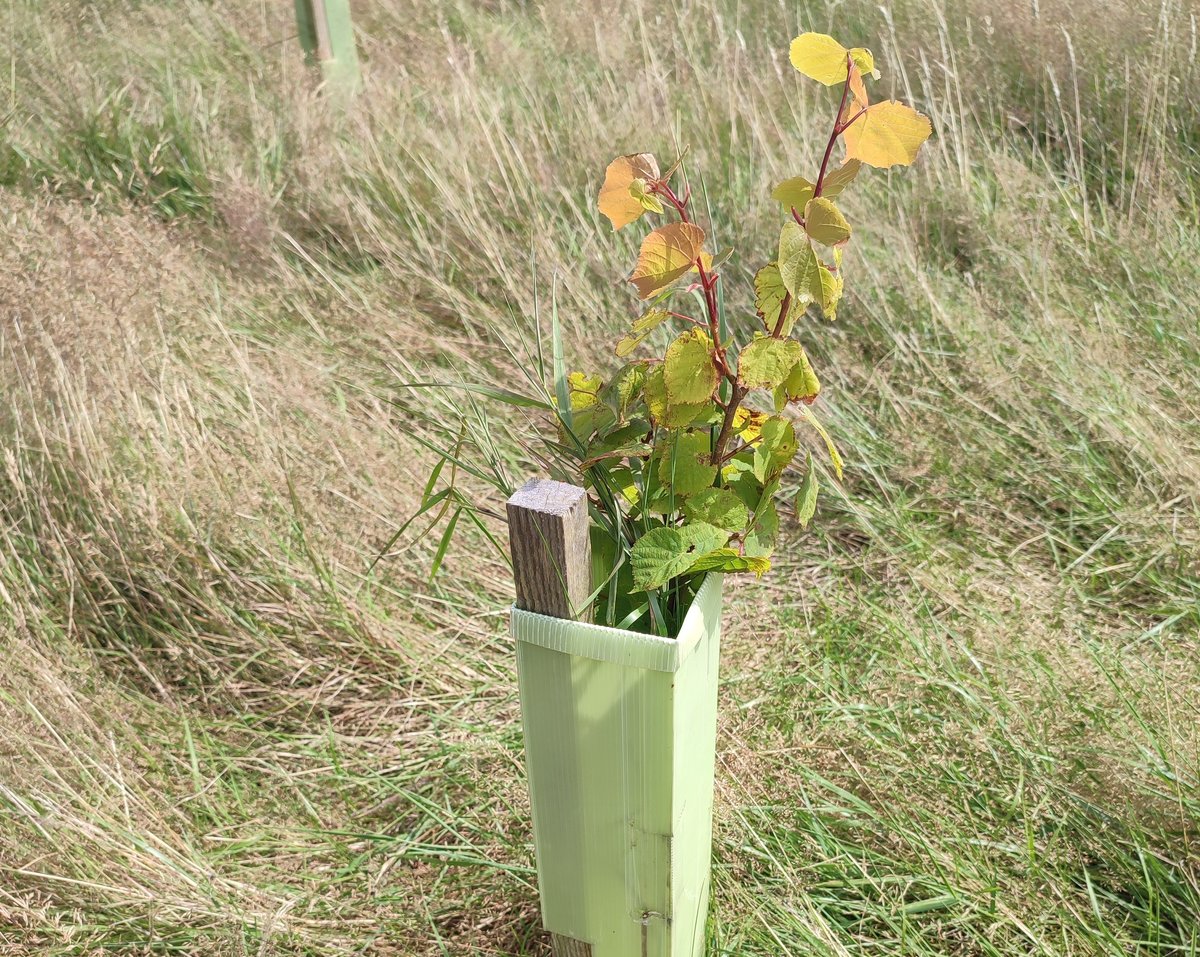
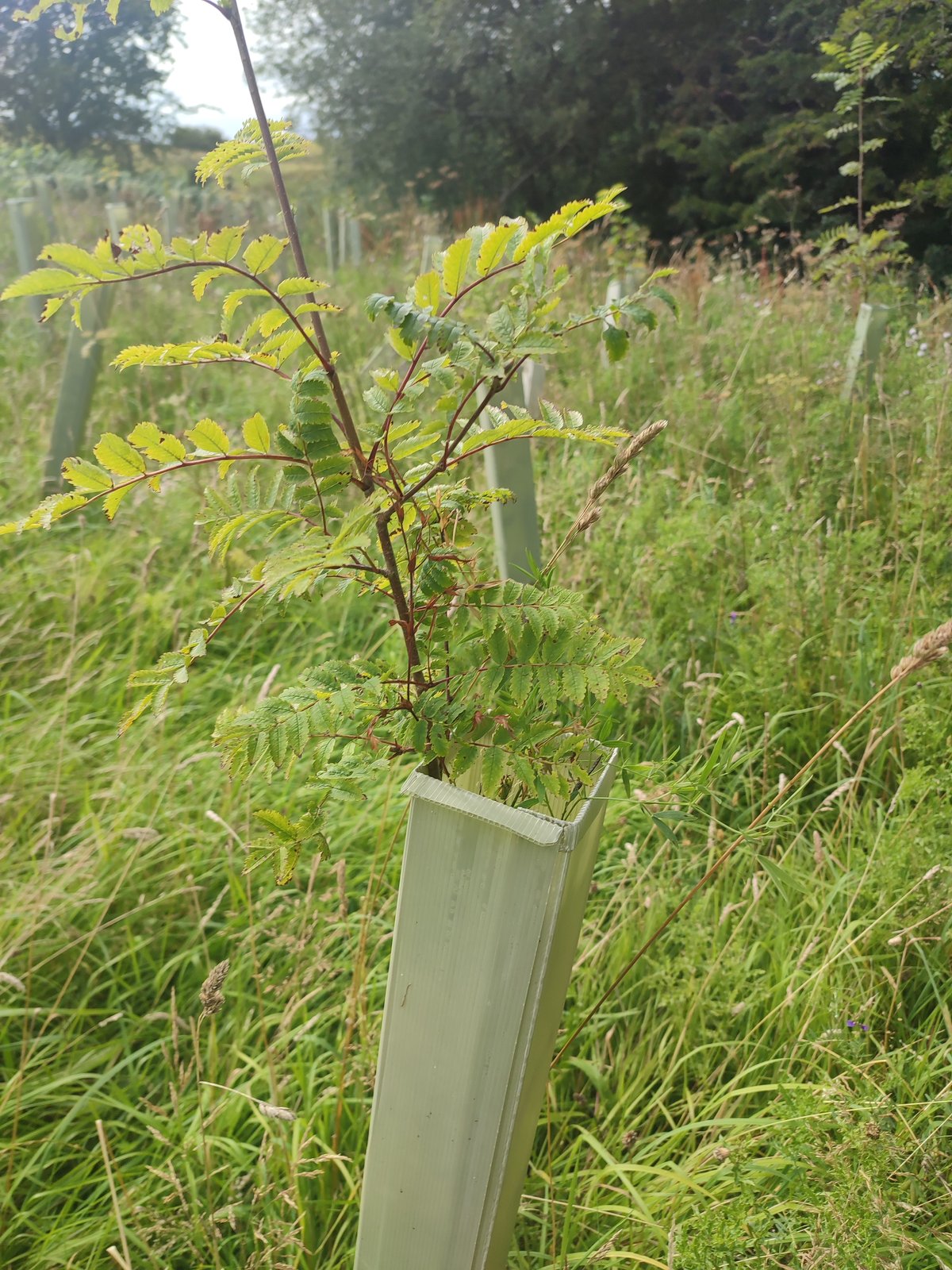
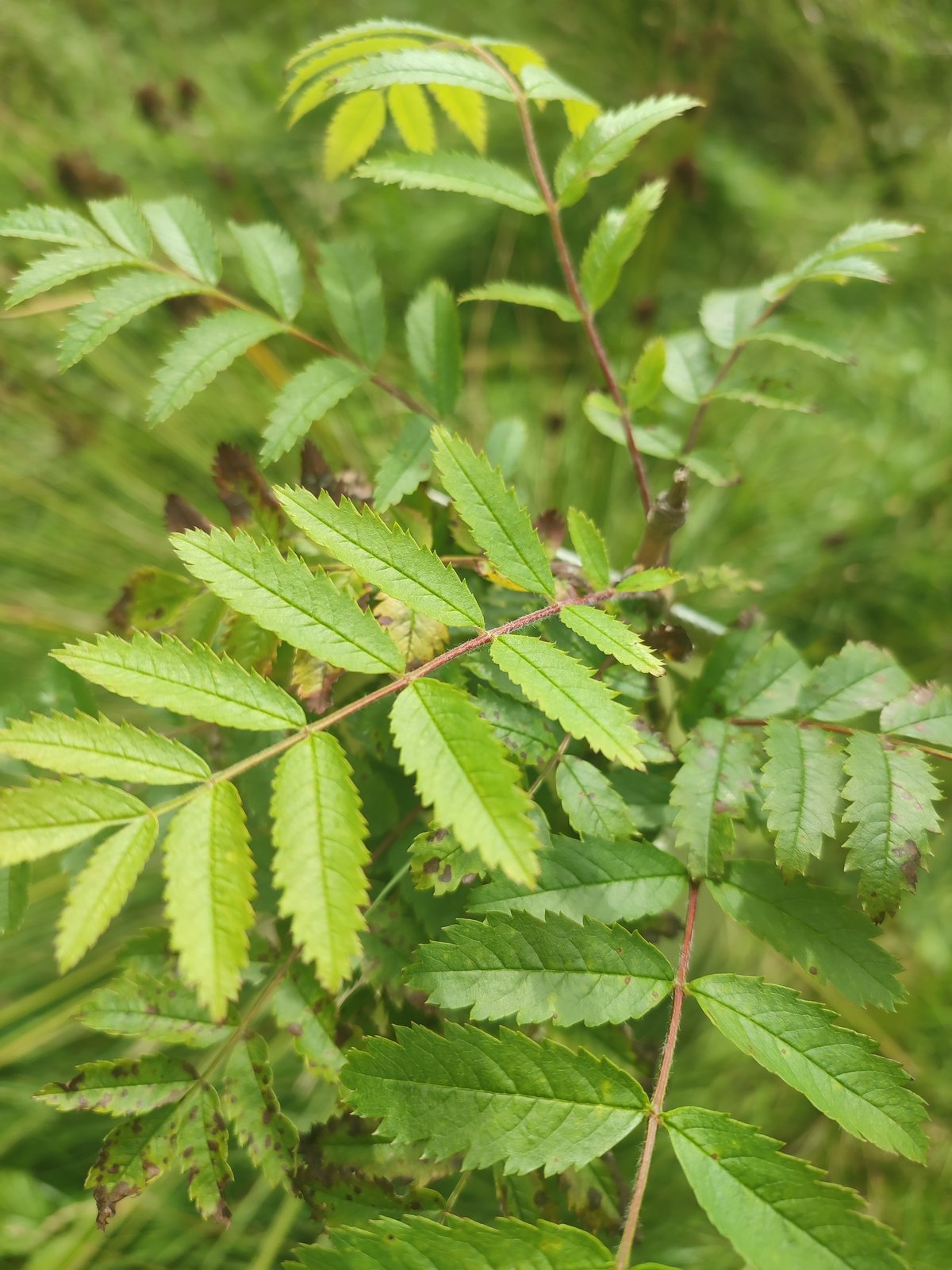
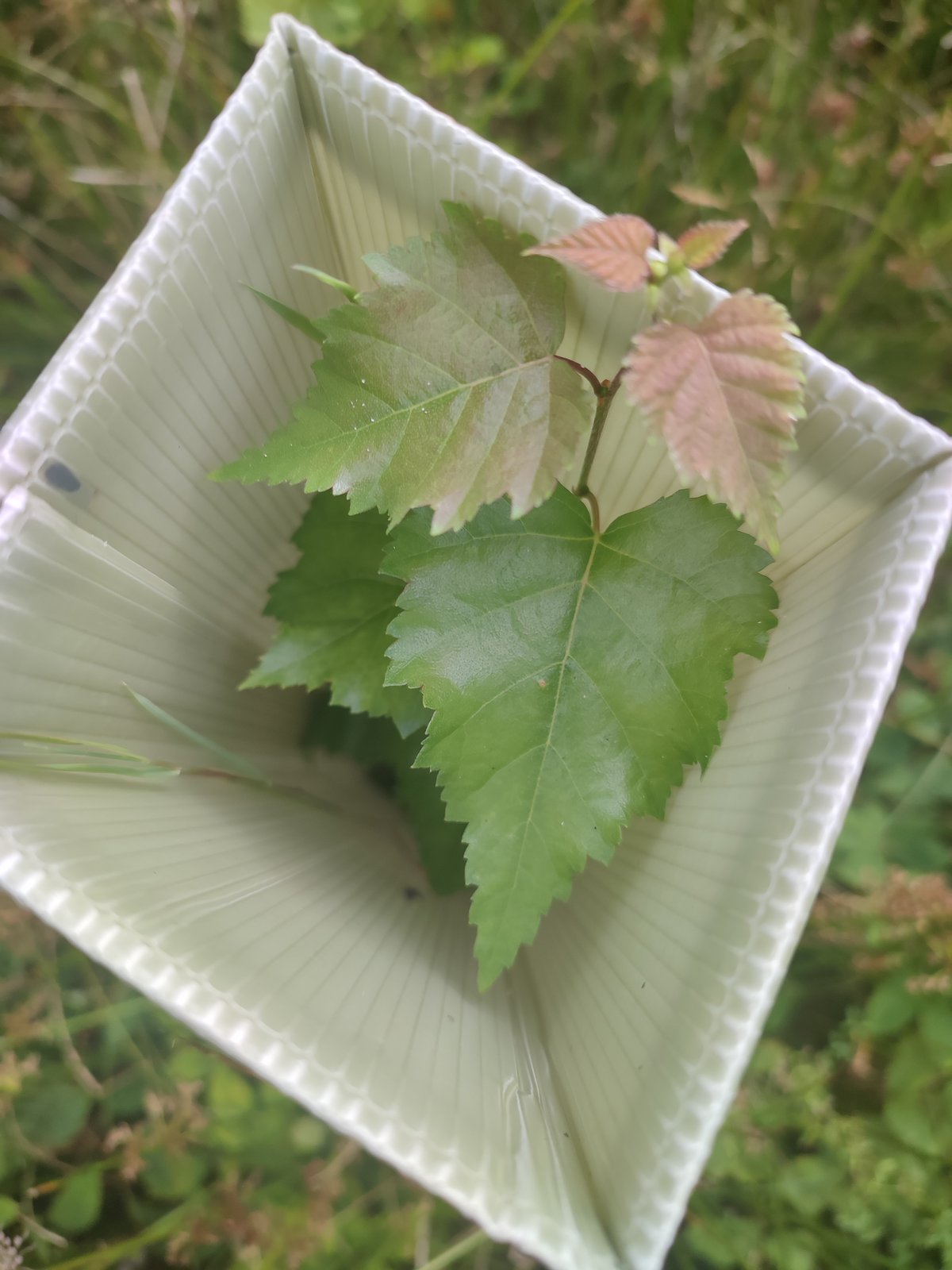
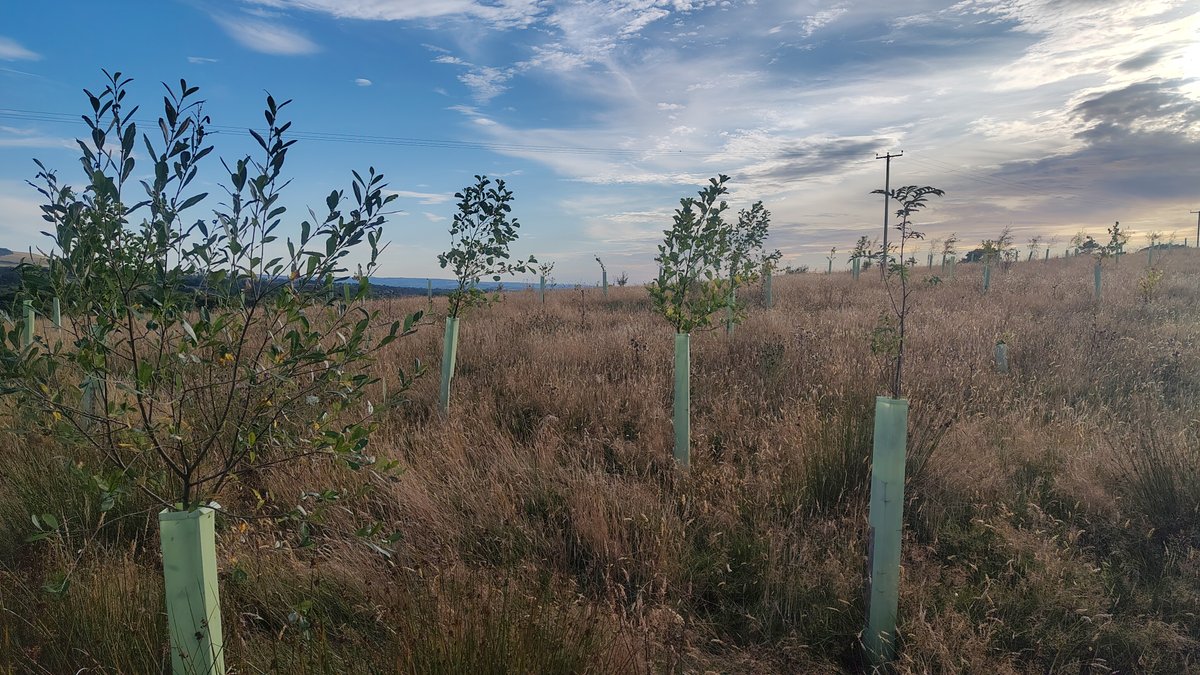
Our surveyor was delighted to see how well the trees were doing here, especially the hedgerow which had a survival rate of 96% and the shelterbelt with a survival rate of 97%. Even the woodland area was coping well in the dry conditions with a survival rate of 87%, giving us an overall success rate of 93%. Looking down the guards which appeared empty, he was pleased to see healthy trees like the oak in our photograph. In a summer of intense heat and severe drought this success is remarkable, although in general our Welsh sites seemed to have fared better than the rest of the UK.

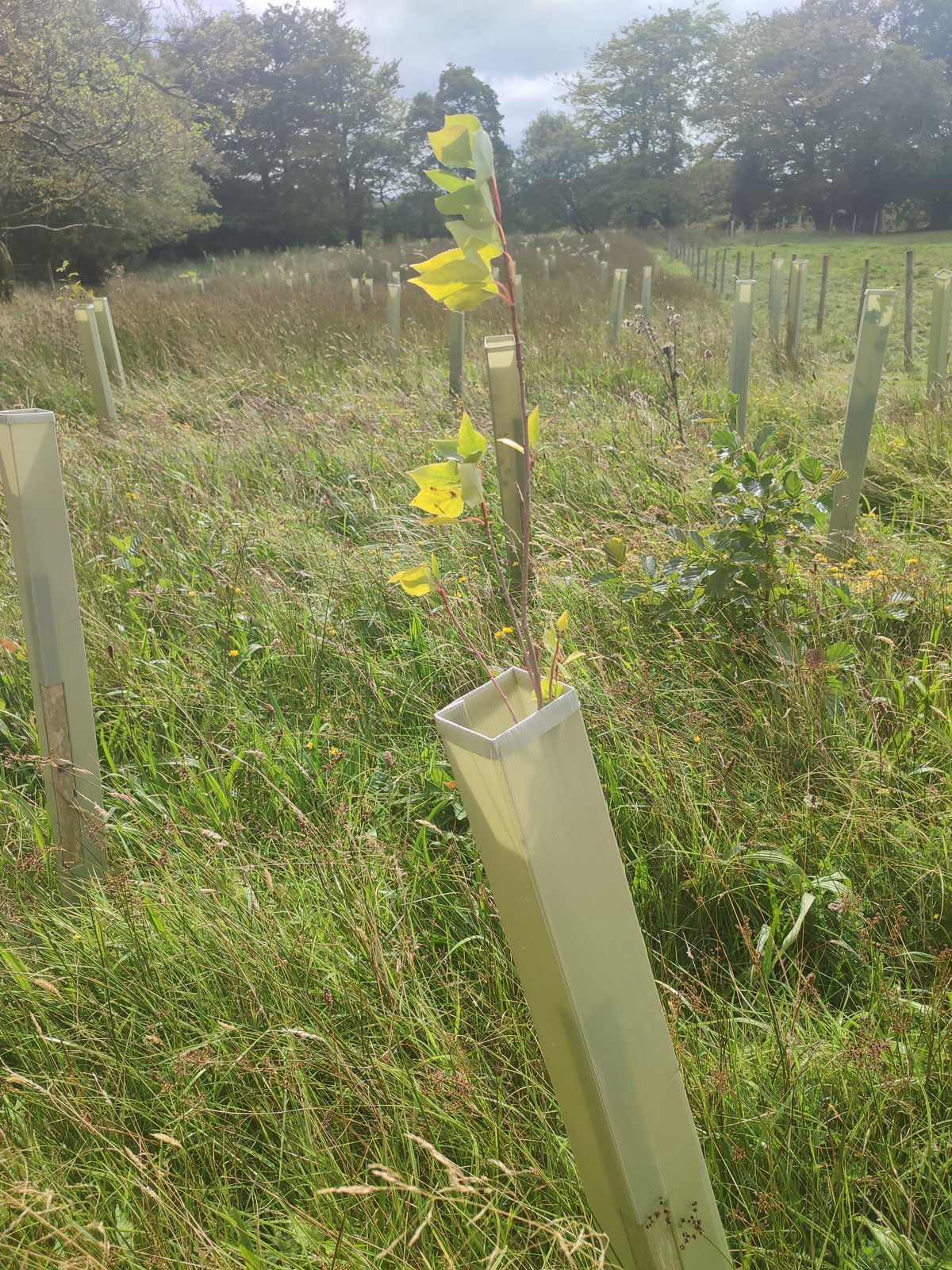
There was dense vegetation in places, particularly brambles and grass, but our saplings are growing despite this. We saw some deer damage to tree guards but the guards had clearly done their job as we found no damage to the trees themselves.

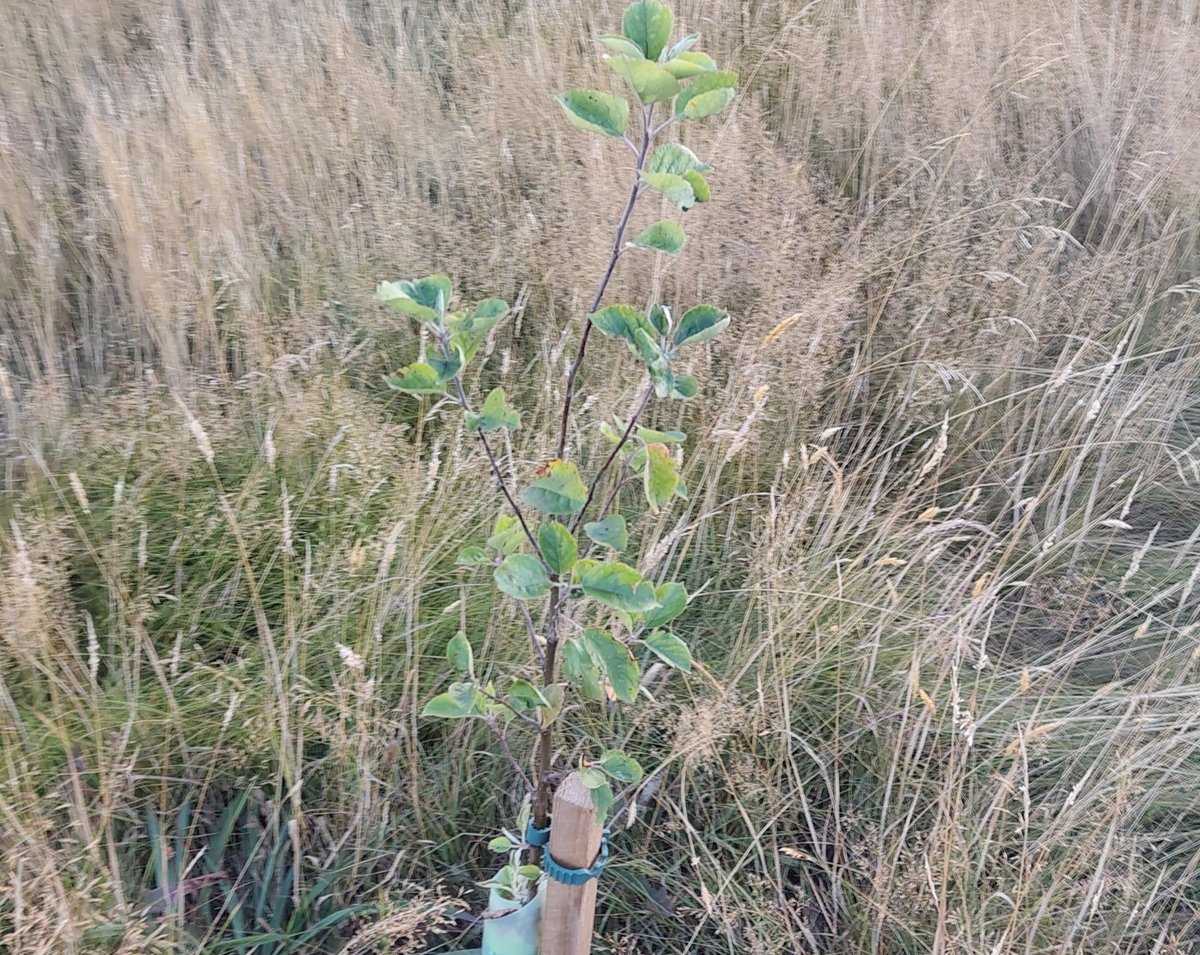
The landowner had planted a small orchard of fruit trees on the edge of the woodland, and so far all of these trees have survived despite some heat stress.
  • Survival Survey
  • 25% survival rate

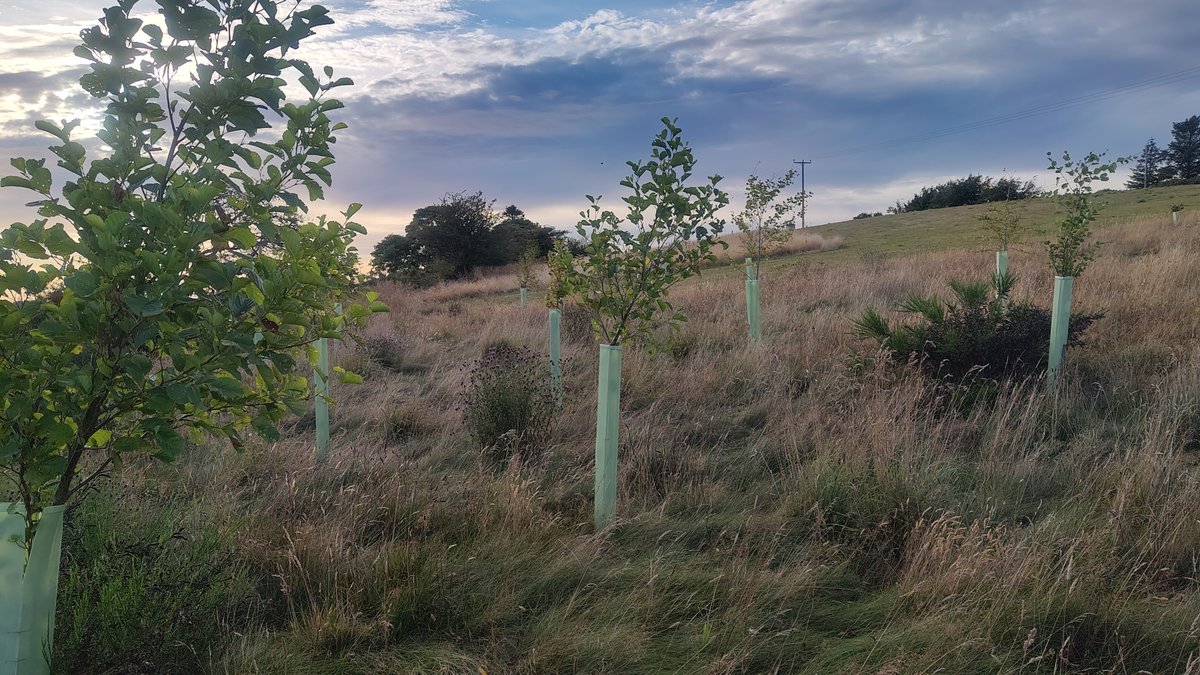
This farm has many separate planting areas and the survival rates in each area vary considerably, unlike the neighbouring farm which has experienced a much better survival rate.

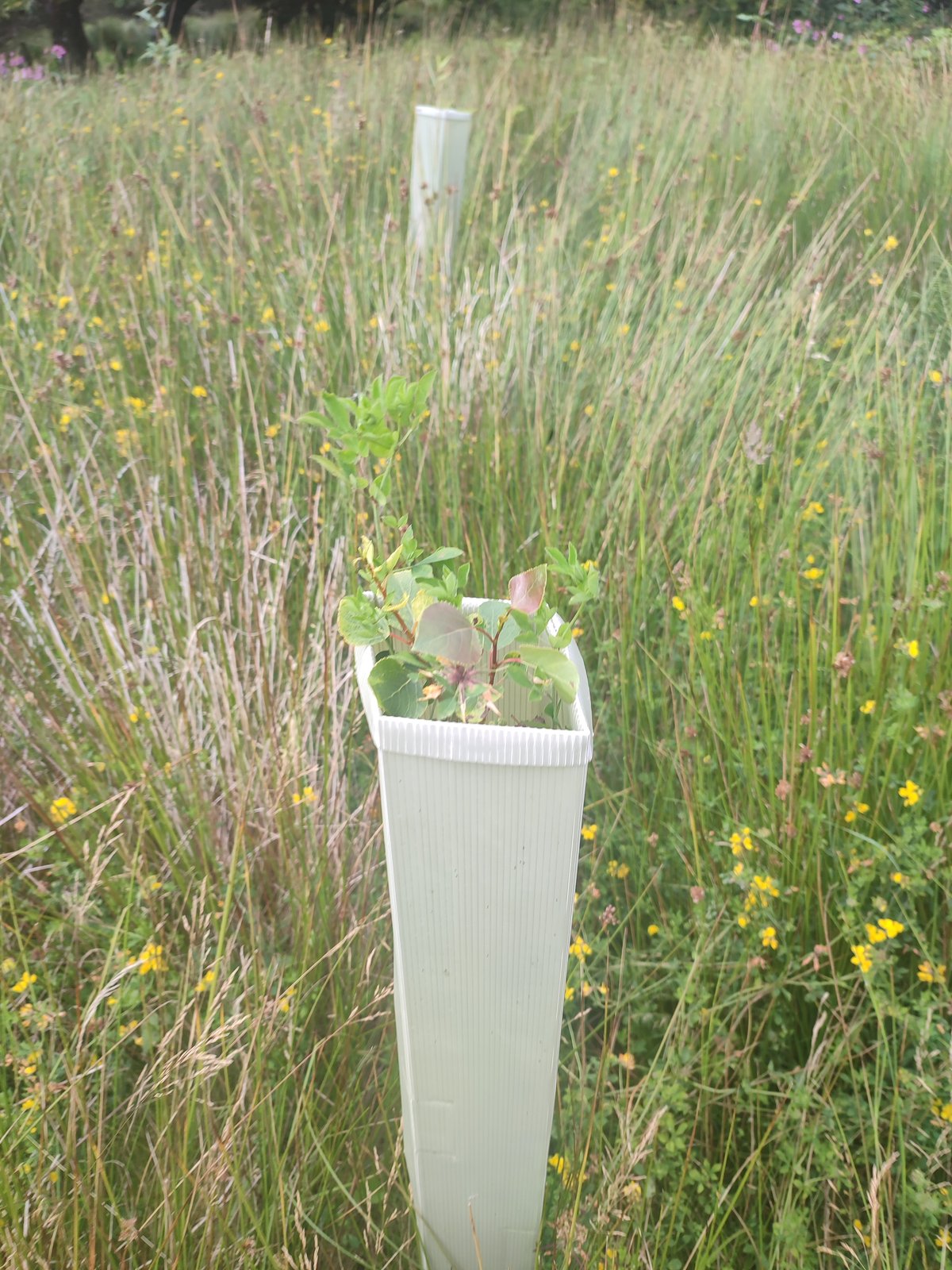
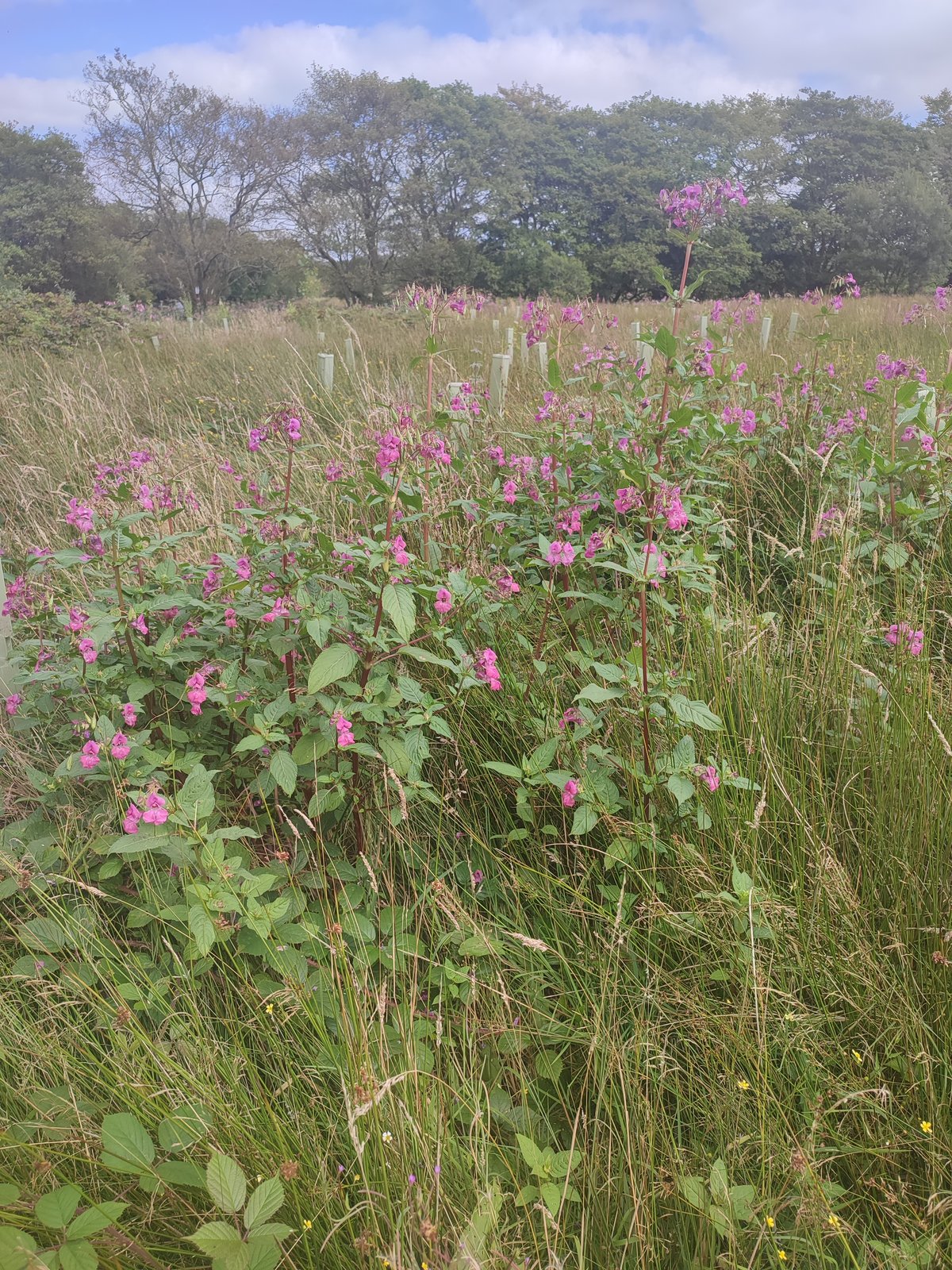
The first section surveyed was very poor, with approximately 95% dead. Most of the growth coming over the top of guards was grasses or brambles, with areas trampled by cows. Strong groups of Himalayan balsam were regularly present. However, Protect Earth was pleased to see that some areas had a 100% survival rate.

The horse enclosure had a 75% survival rate, as it had been fenced off from cattle. The pheasant enclosure had a 50% survival rate, with many tall grasses present. Other areas had around 70% losses due to cattle getting in.

Some areas had a great survival rate, whereas other areas had extensive bracken growth leading to high losses. It was also difficult to find tree guards in areas where there were many competing grasses, although there was still a high survival rate in some patches.

Some sections had up to 90% losses, with chest-high grasses and reeds and little sapling life visible from what could be seen.

  • Survival Survey
  • 85% survival rate

Our surveyor visited this farm to see how the trees are doing, and he was happy to be met with healthy trees and an approximately 85% survival rate, so different from the neighbouring farm which had fared poorly .There were no dead trees found in the hedgerow at all. A 100% survival rate is always hoped for, but rarely found.

The landowner has also planted a few additional trees on the south-west periphery, expanding the impact of our work further. These trees are performing very well, supported by regularly maintained short grass.
  • Tree Planting
  • 900 trees planted

Protect Earth was contacted by another landowner nearby and asked to help with their wilding plans. We were more than happy to assist, and so back to Ceredigion we went!
Brynwichell Farm lies on the edge of the Cors Caranod Site of Special Scientific Interest. The landowner wanted to plant trees on many areas of the farm, primarily to do something proactive to contribute to tackling the climate crisis.

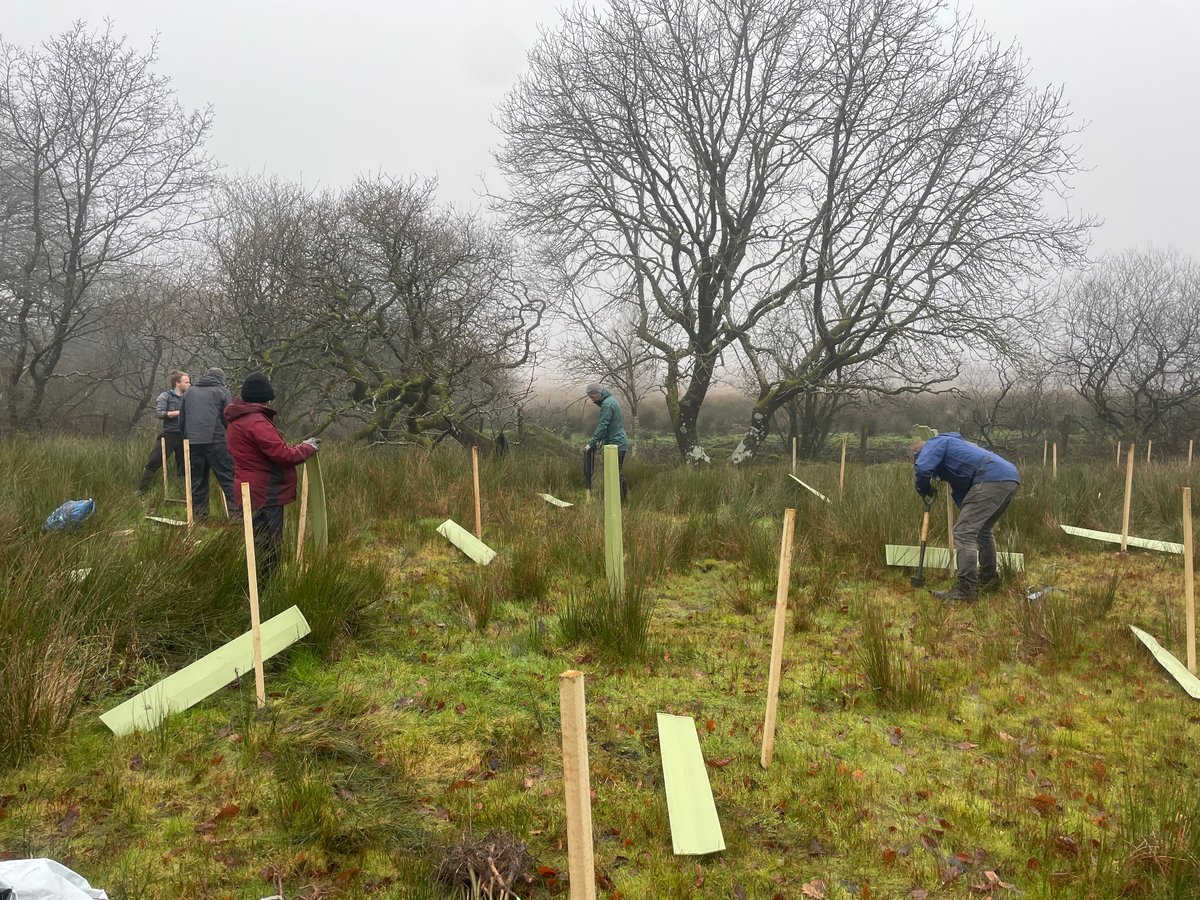
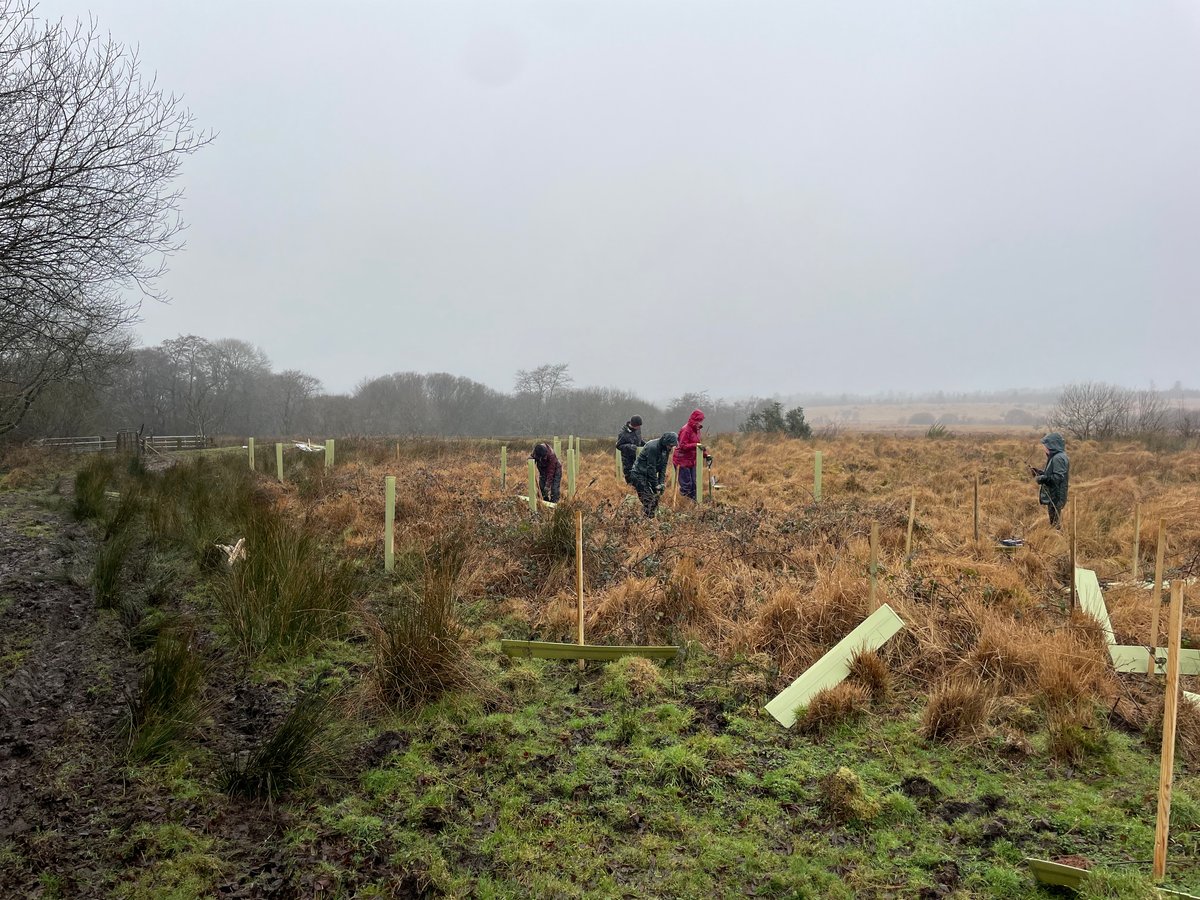
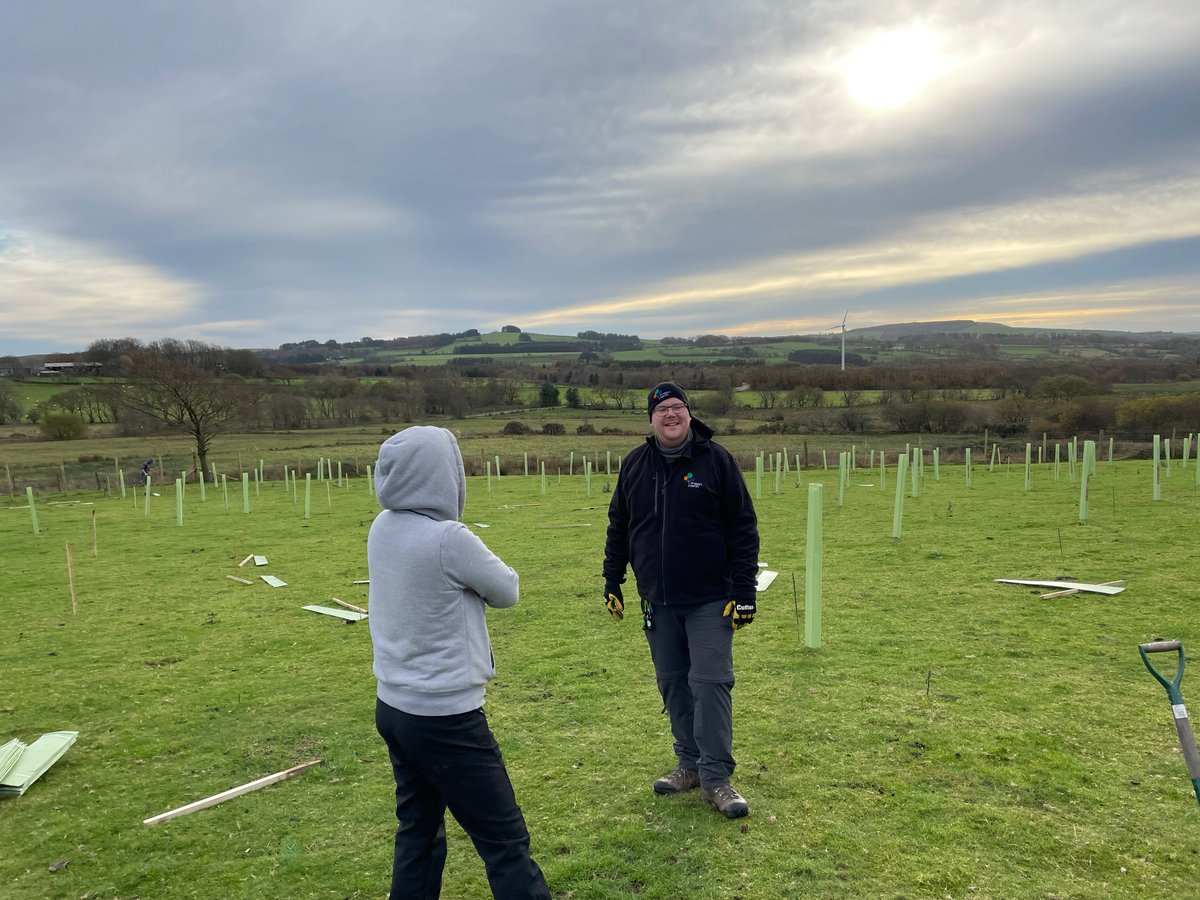
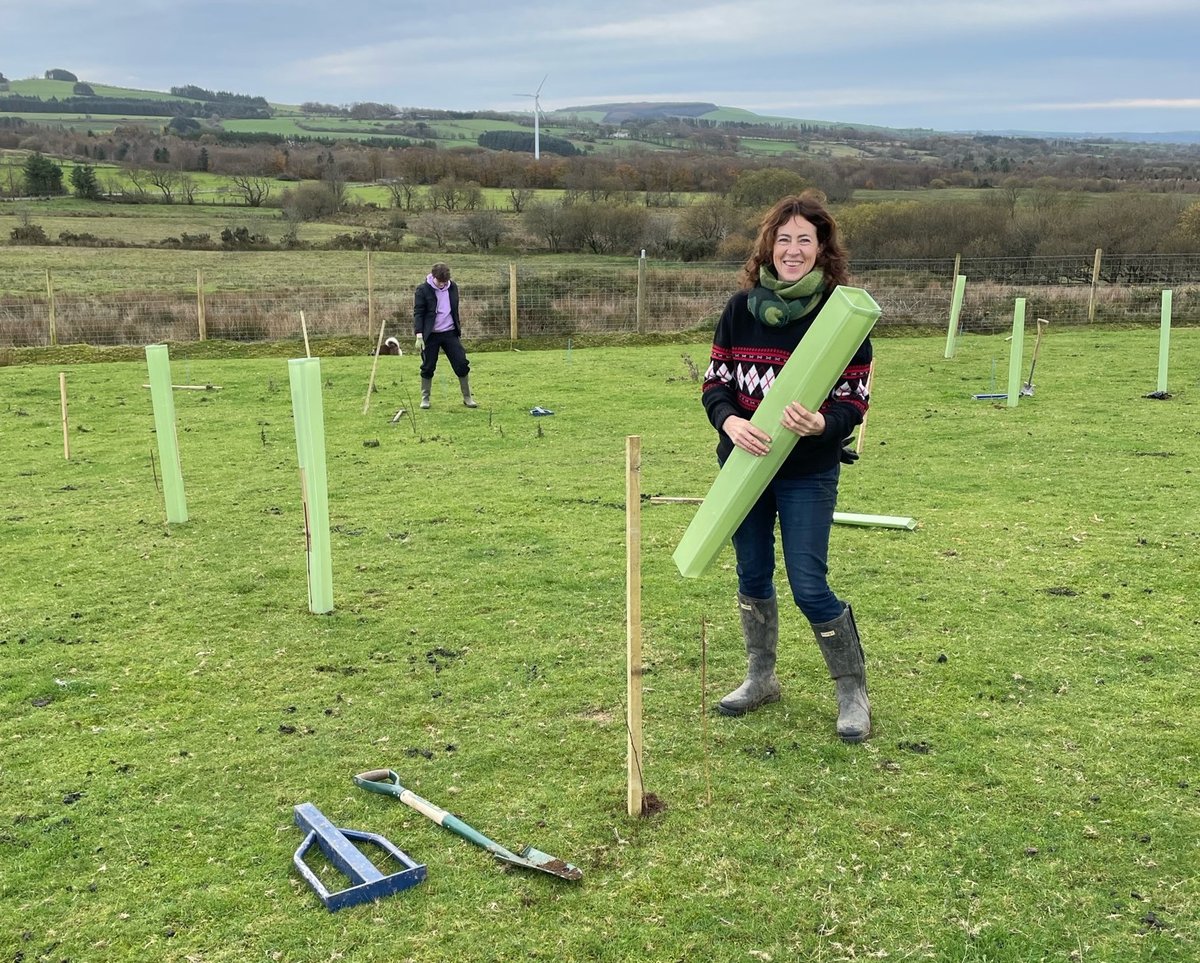
With the aid of more willing volunteers, Protect Earth helped the landowner plant native trees in scattered blocks that will extend existing areas of woodland and belts of trees. Then along the road we went to plan a further 150 trees on the neighbour’s land!

The site is already wonderfully rich in wildlife with sightings of barn owls and otters reported! This additional tree planting will help to provide habitat for the declining tree pipit, spotted flycatcher and willow tit, all of which have also been recorded on the farm.

  • Hedge Planting
  • 100 trees planted

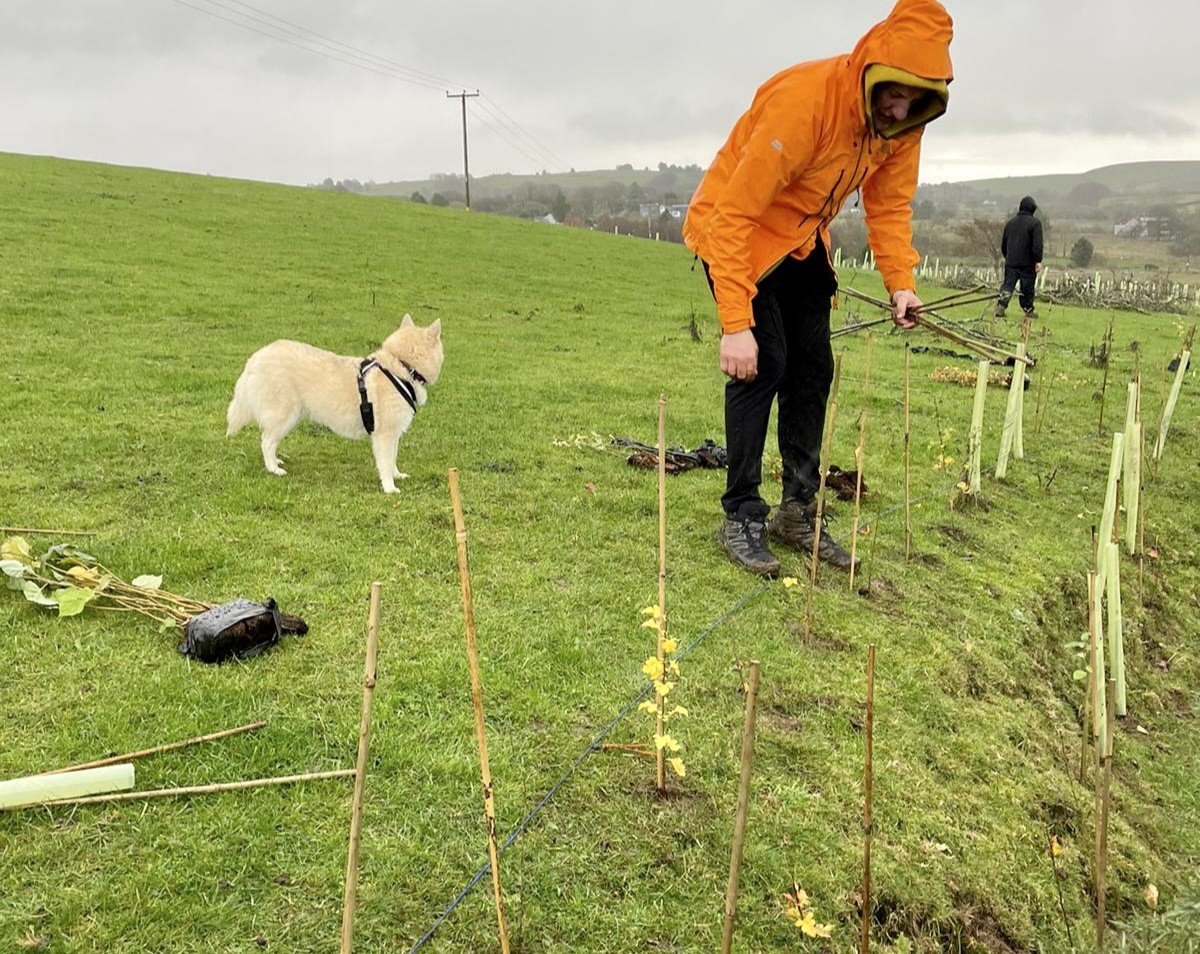
With the help of volunteers, the Protect Earth team led the planting of a 100m hedgerow using hawthorn, blackthorn, guelder rose, hazel, alder buckthorn; 600 trees and shrubs in total, supported by canes and spirals .As we were planting fairly early in the season we ordered cell grown trees which are a little more expensive but readily available. Nurseries normally lift bare root whips , our usual choice, after the first frosts to ensure that the trees are dormant. This normally occurs around the middle of November, but can be later, so delivery times can be unreliable. We had a very full planting season so this was a good way of making an early start and of being certain that the trees would be available in time.

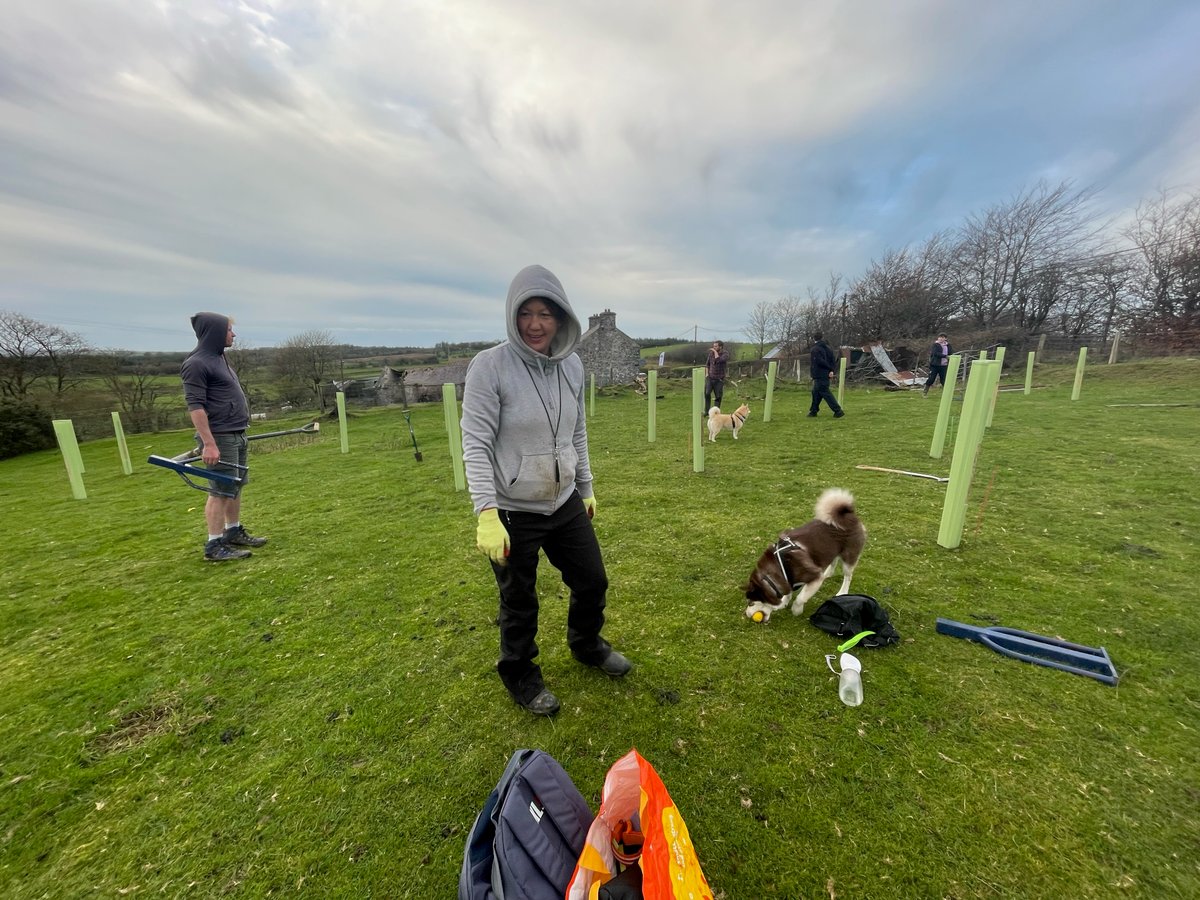
The weather was glorious for November, and the dogs were friendly, so everyone set to with a will, getting the hedgerow planted in good order before moving on to complete the woodland on the same farm.

  • Tree Planting
  • 550 trees planted

After completing the 100m hedgerow on this farm, we went on to plant 550 trees over 0.33 hectares to create woodland areas, one main block to the south of the site and a smaller block in the north near the farm buildings. Fourteen species were selected for the woodland: nine tree species and five shrub species. In time this will give the woodland a natural structure with taller tree species forming a canopy with a secondary understorey of shrub layer beneath which will produce better habitat for more wildlife.

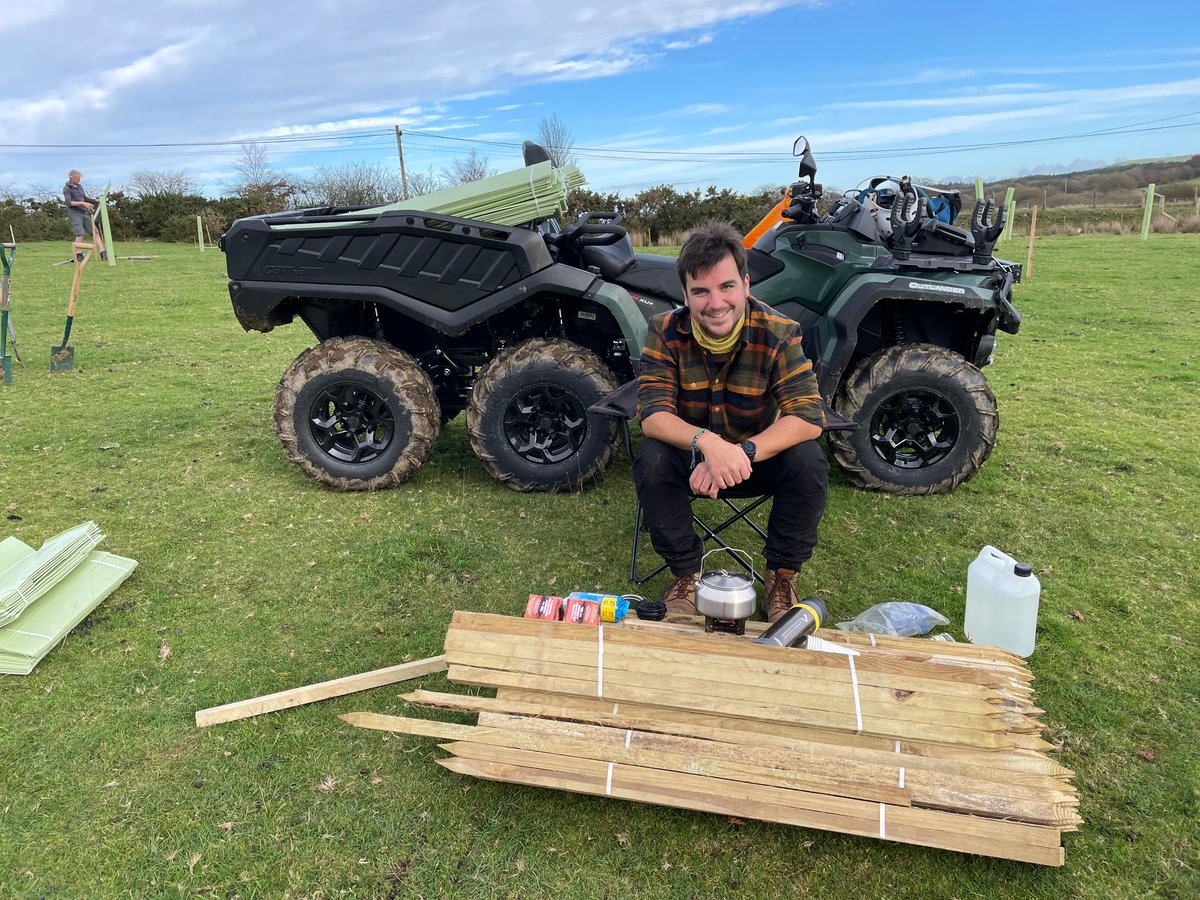
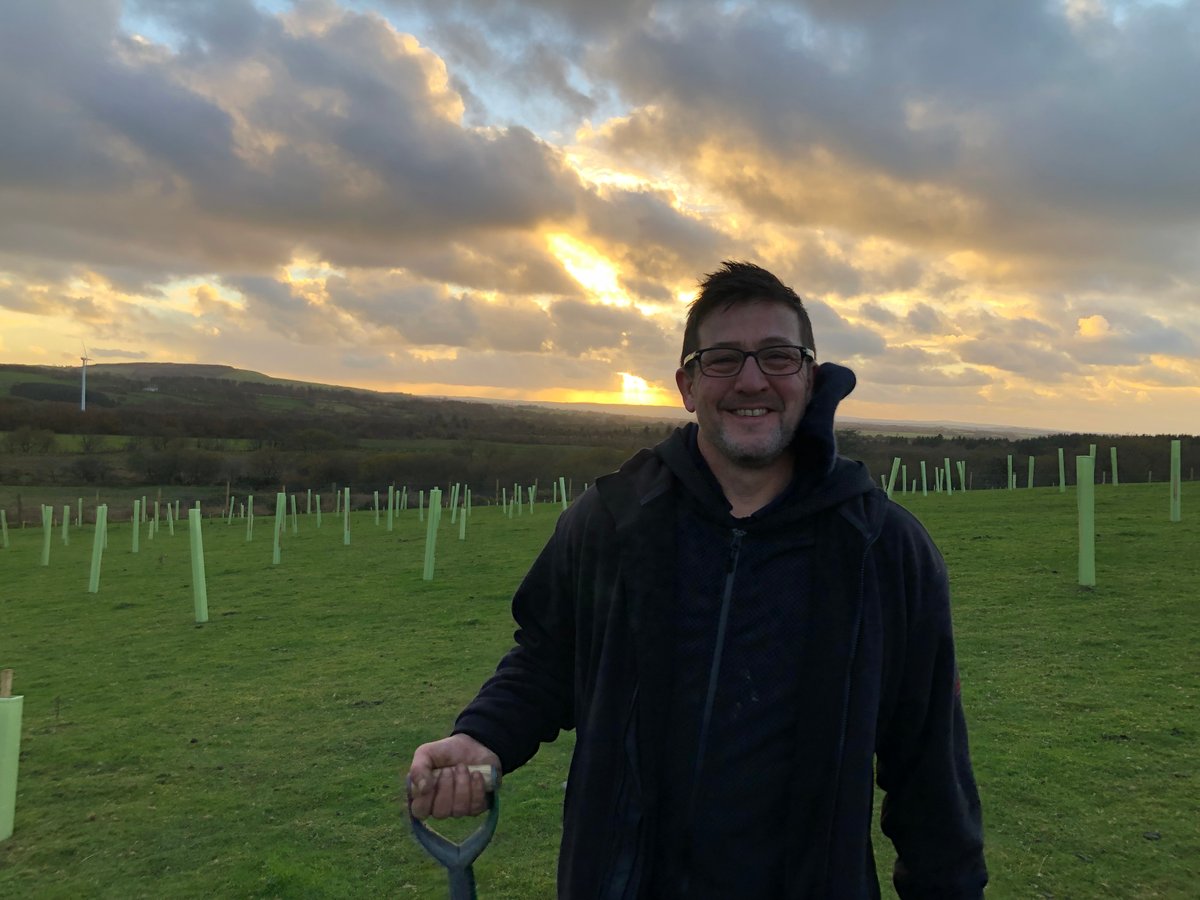
A team member was on hand to keep everyone refreshed with tea, coffee and biscuits, taking a well earned rest from planting trees himself. There were fewer volunteers on the following day but everyone worked hard. As the sun began to drop towards the horizon we were finally finished.

Site Location

Help Protect Earth - Take Action Now

Volunteer

Help us create and maintain new woodlands, hedgerows and wildflower meadows! We need volunteers to sow seeds, plant saplings, clear invasive plant species and pick up litter. No qualifications necessary; jobs for all ages and abilities. Come and turn climate anxiety into climate action!

Fund Our Work

With government funding for reforestation and rewilding tenuous, we increasingly rely on our amazing community to keep us growing regardless of political shifts. Help Protect Earth continue to restore ecosystems and improve biodiversity across the country.

Support the Land Fund

Help us put down roots! Your donations to our Land Fund let us seize the moment when the perfect piece of land comes up for sale. Every penny helps us secure community woodlands, healthier ecosystems, and a greener future for generations to come.