
Introduction to Coppicing: Benefits for Biodiversity and Woodland Restoration

Coppicing has been reintroduced at Warleigh Nature Reserve, after a long history of neglect, returning this woodland to a haven for insects, birds and rodents. Coppicing is making a comeback, but this time mainly as a conservation tool, as it has been shown to improve biodiversity. Before its recent return though, coppicing was a history of the people and the land, a symbiotic, sustainable relationship that created its own language, tools and culture.

What is Coppicing?
Coppicing is essentially cutting trees down as low to the ground as possible, which encourages regrowth of many straight stems. This is done on a regular cycle, the length of which depends on what kind of tree you are coppicing, and what it is that you plan to do with the harvested wood. This doesn’t work with every type of tree, but most of our native deciduous trees like oak, willow, lime, hornbeam, field maple, hawthorn, hazel, rowan and alder, as well as sweet chestnut, all regrow after being cut.
The stump left from cutting is known as the ‘stool’, with regrowth shooting up in multiple stems. Some will grow as much as 1.5m in a single growing season! Then when these are cut, new shoots will go up again - a never-ending supply of wood.
The Long History
The oldest surviving evidence of coppicing in the UK dates back about 6000 years. The Sweet Track in Somerset demonstrates Neolithic use of coppiced wood in its construction. Wattles have been discovered in the peat, showing an understanding of how to select sizes of pole and appropriate species to suit the job required. The size shows that the wood must have been cut from a stool, not giant trees felled from the wildwood. In all likelihood, coppicing dates back further than this, but since wood tends not to show up very often in the archaeological record, we can’t say for sure when it started.
More evidence survives from the Iron Age and Roman Britain, showing sophisticated systems of growing, processing and using wood from coppicing systems. The Anglo-Saxons have some particularly fine wooden barrels bound with hazel hoops.
From the Middle Ages onwards, woodland management was efficient and precise, with no wood going to waste, from the smallest branches to the largest poles. For this to have continued for roughly 800 years, we know that it must have been managed sustainably. Thinking generations ahead would have been par for the course - making decisions to benefit those who would come after. This would have involved intense management, protecting young trees, replacing dying stools and allowing some to get away as ‘standards’ (trees allowed to grow normally for larger timber in the future).
The Decline
From the beginning of the 20th century, coppicing declined drastically. A combination of factors contributed to this; cheap imports, the war effort and the need to grow larger timber, with industrialisation continuing apace, pulling people from rural areas into the cities. The change to petrol, gas, coal and electricity reduced the need for wood as fuel, and plastics replaced most of the products that coppicing produced. Many ancient coppiced woodlands were replaced with conifers for fast-growing timber, or ploughed over to help feed the country.
The same story as the rest of our native woodlands - one of decline and degradation. The burgeoning ecological awareness of the 1960s and 70s turned focus onto what we still had, and a determination to save it. Over the past 50 years, coppicing has made a huge return in conservation and ecological circles after acknowledgement that this symbiotic relationship between humans and woodlands benefits not just us, but the woodland ecosystems too. Interest in coppicing as a trade has increased too, with green woodworking returning to a viable trade as people seek alternatives to plastics.
Language, Tools and Culture
Over the centuries and millennia, language, tools and culture developed with coppicing. Language particularly is a fascinating way into this once existentially vital, but now mostly forgotten way of living with the land.
The plots divided up for rotation cutting are known as cants or coups, from the French couper, to cut. The paths leading to the coups are called rides. If a stool dies, you can layer or plash a stem from another stool into the soil to create another stool. They are often measured in chains, which is 19.8m long. Firewood is sold in cords, which is 2.4m x 1.2m x 1.2m.
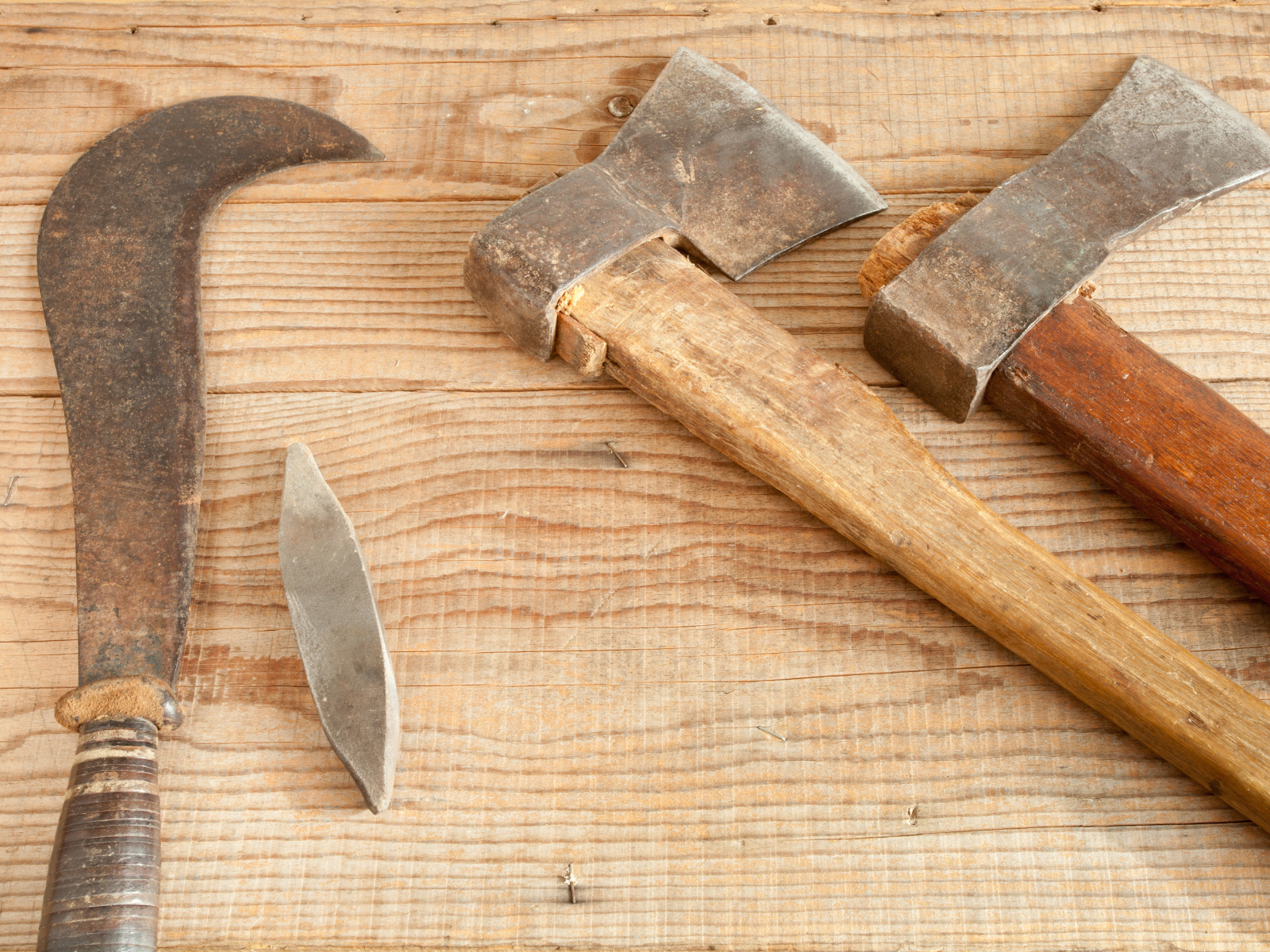
Tools include billhooks (with variations like hurdling hook, tenterden hook and suffolk hook), broad-hatchets, draw-knives, froes, adzes, beetles and progs. There are shave horses, sawbucks, shaving brakes and hop dogs.
These are words and tools of a culture that almost disappeared, but is slowly growing back to life, with different groups, individuals and organisations shooting up everywhere - much like stems from a coppiced stool.
Why Did People Coppice?
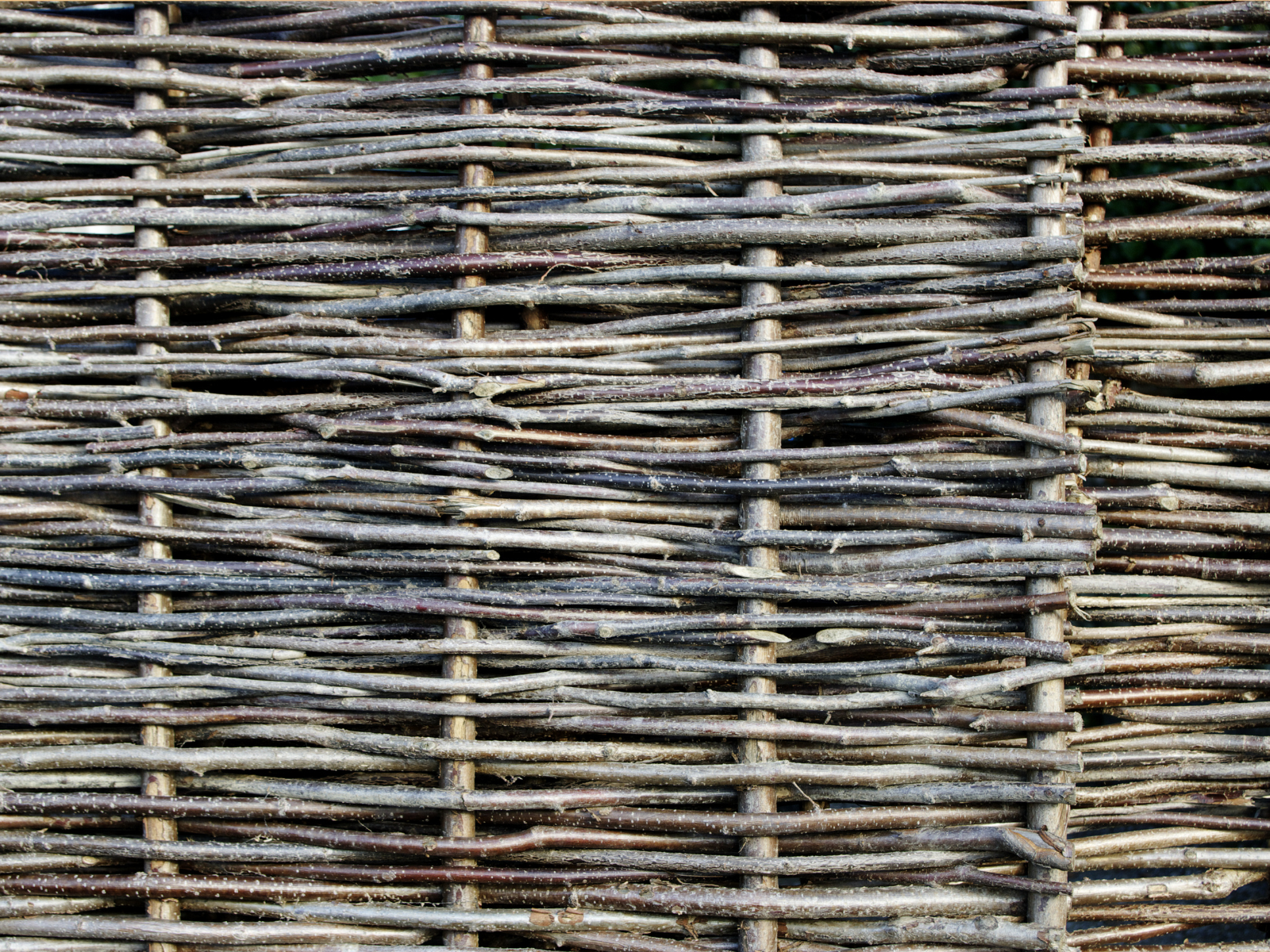
Coppicing supplied the vast majority of wood-based products for people. Large timber was needed for buildings and ships, but almost everything else was coppiced. Evening burning logs on the fire is fairly recent - people would have burned cordwood (much slimmer poles) before. Aside from firewood, coppicing also produced items for the allotment or garden; beanpoles, pea sticks, canes and hop poles. It would have made fence posts, hurdles and paling fencing, as well as items for hedgelaying and for the orchard. You can make baskets, walking sticks, and the spars that hold thatching in place. All of these crafts are coming back into use - far more ecologically friendly than buying plastic shipped in from elsewhere in the world. There is of course, the morris stave as well - the sticks they bang together. And with the recent rise in popularity of morris, they are in more demand than ever!
How to Coppice
There is fantastic guidance from the Woodland Trust on this. A part of the consideration is around what trees you have, and what you want to use the wood for. They offer this as a guide:
- Hazel: 7 year cycle for hurdle making
- Sweet chestnut: 15 year cycle for fencing materials
- Oak/hornbeam: 15-25 year cycle for firewood and building materials.
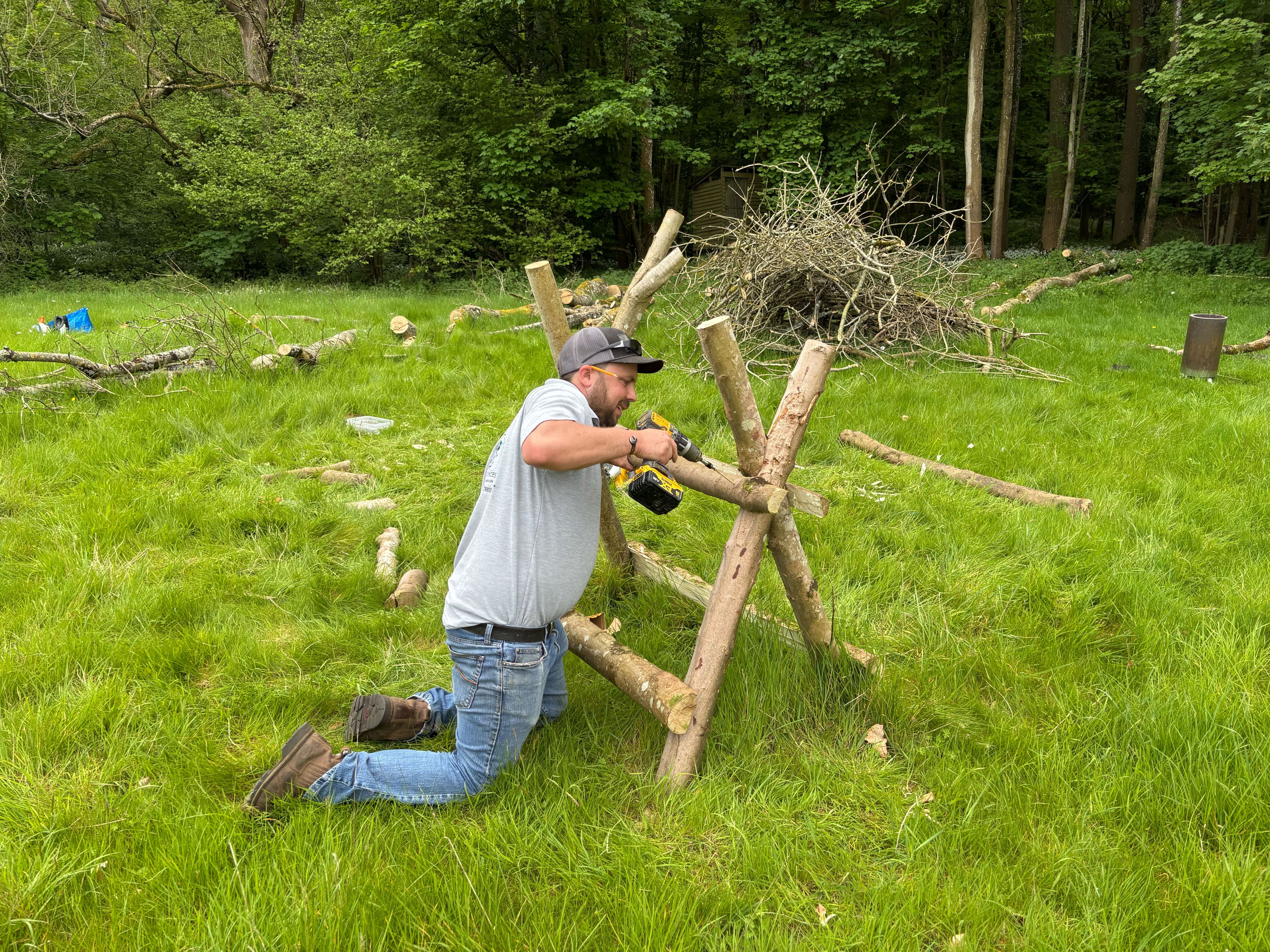
Coppicing must be done September - March, when the sap has returned to the stool. Cut as close to the ground as you can, leaving a slight slope out from the centre to the edge so that water doesn’t collect in the stool and cause rot, or freeze and crack it. After cutting, the stool and the fresh shoots need to be protected from browsers, which can be done with a dead hedge, or even with 6ft fence panels made from your coppice!
Why Do Trees Respond to Being Coppiced?
New shoots grow because new buds are growing under bark, remaining dormant, throughout the life of the tree. While the buds at the top remain active and dominant, these under-bark buds stay dormant. When the growth is removed, these dormant buds wake up, and send out new shoots, either from the side of the stool, or the roots themselves.
This is a response that has co-evolved with large grazing herbivores and beavers. Long before humans ever appeared, herds of grazing herbivores would have grazed and knocked over trees - mammoths, elephants, elk, deer, horses, aurochs, and beavers have long been felling trees to create dams and engineer watery spaces. Humans, in coppicing, are merely continuing this aeons-old relationship.
Trees that are coppiced tend to live much longer. In Epping Forest they estimate there are ‘coppards’ (a coppice that was later pollarded) well over a thousand years old. In Westonbirt Arboretum in Gloucestershire there is a lime coppice thought to be around 2000 years old! Now we are missing most of our herbivores, and human activity fills a gap that is sorely needed in the ecological functioning. Ideally we would have a lot more horses, cattle and beavers involved in this process too, but for now, humans have to do the vast amount of work needed.
Warleigh Nature Reserve
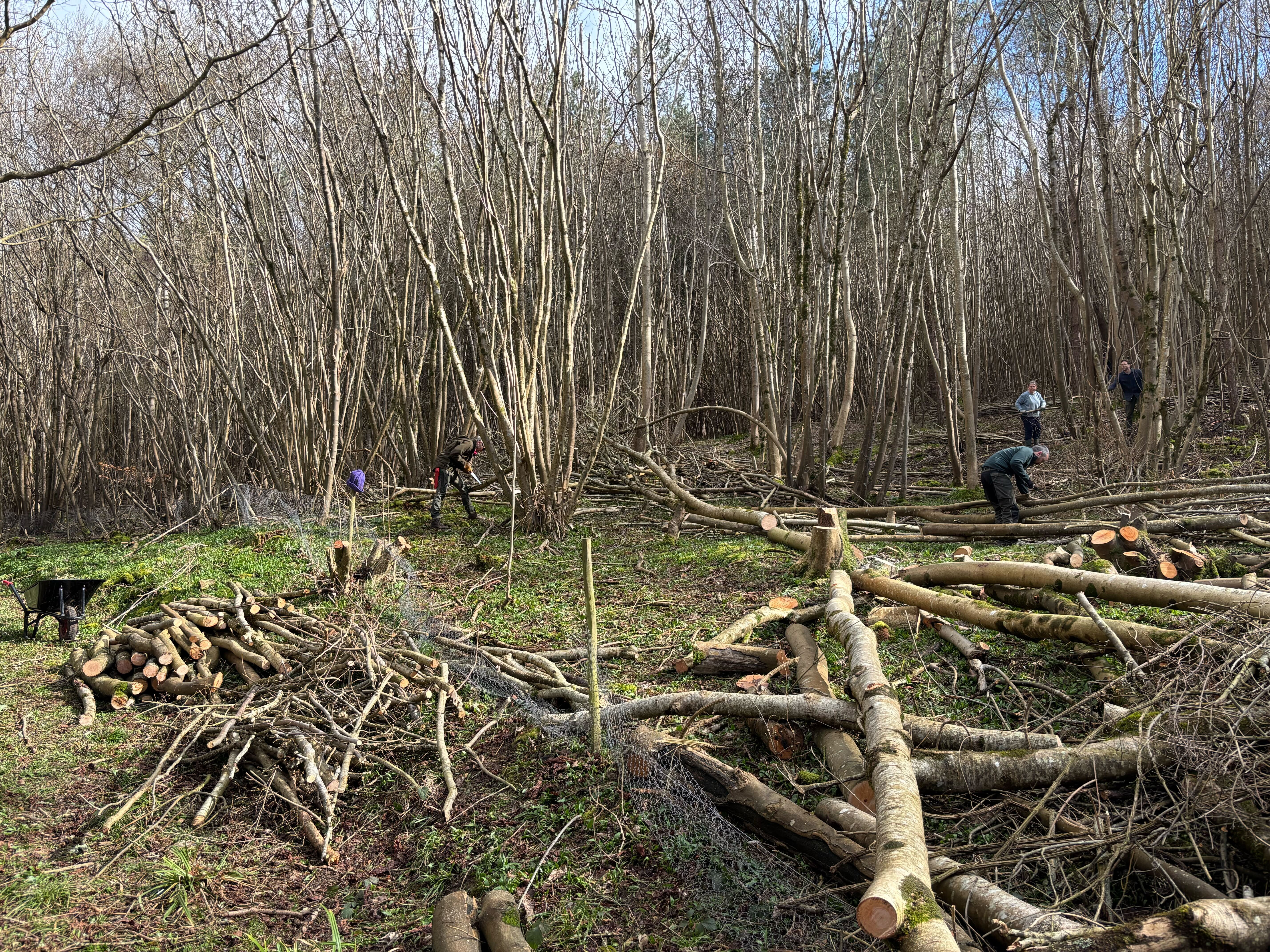
Warleigh Nature Reserve has its very own hazel coppice. Sadly neglected for many years, the team were keen to get stuck in and start reviving this extraordinary patch of woodland. They managed to get in and cut 50mx50m square (about 2.5 chains if you remember), and put a deer fence around it to protect the new shoots. This is just the start though - coups have been mapped and rotations planned to bring the whole coppice back into working order.
If you would like to learn how to coppice - you can join a course at Warleigh, and at the same time help restore this ancient coppice to its full glory. You can sign up for updates about it here, the courses will start in September.
How Does Coppicing Help Nature?
Ray Tabor says in his fabulous book, Traditional Woodland Crafts;
Hazel is the finest coppice wood. Its traditional uses have been woven so deeply into the fabric of English rural life, that it has probably had a greater effect on the development of our civilization than any other tree.
Tradition and culture are important, but how does coppicing help nature?
Boosting Biodiversity
Nature thrives in the mess and the chaos, the edges and transitions. It loves different stages of growth, light and humidity - coppicing provides it all.
The rotation ensures that at all times there will be areas of fresh growth, with lots of light reaching the woodland floor. There are many flora specialists for these types of conditions, including lesser celandine and wood anemone, which provide food for many different types of beetle, bees, wasps, moths, butterflies and other insects. These in turn provide food for different birds and bats.
There are then older stages of succession, providing more shade and cooler temperatures for the species that need them. Many species have complex needs, with differing requirements for nesting, feeding and courting - by providing as wide an array as possible of habitat conditions, species that are struggling because of their complex needs can find refuge.
Numerous studies have shown the boost of biodiversity. This study looked specifically at spiders, which were at their greatest diversity at 5-6 years after cutting. This study looked at data for numerous species across different stages of coppice, showing that butterfly diversity was at its highest in young coppice, and moth diversity in late stages. Beetles varied, but all benefitted from coppicing. It is good news for butterflies, since woodland butterfly numbers have dropped 50% since 1990.
This study stated:
To stop the process of biodiversity loss and support the goals of nature conservation, the re- establishment of coppice management is proposed.
Aside from this hopeful biodiversity boost, coppicing in plots means that animals can move around the woodland during the disturbance, still leaving the majority of the woodland intact each year.
Sequestering Carbon
While still under-researched, the high growth rates of coppicing indicate a strong rate of carbon sequestration. With the stool intact, carbon remains locked in underground, and since the life of a coppice is far longer, this can potentially last for millennia - as long as we keep coppicing.
Sustainable Materials
Indirectly, through the growth and use of local, sustainable materials, we can reduce our damage to the climate and damage to nature outsourced to other parts of the world. IKEA is currently threatening the last of Romania’s wild woodlands - if we could replace some of our products with locally-sourced coppice materials, we could help halt this. Our reliance on and consumption of plastic is drowning our oceans in a tide of plastic that could end up taking up more space than ocean life does.
Learn even more about coppicing
Once again, Wood for the Trees have created a brilliant short film all about coppicing, so you can see it in action.