Pantpurlais

Llandrindod Wells, Wales

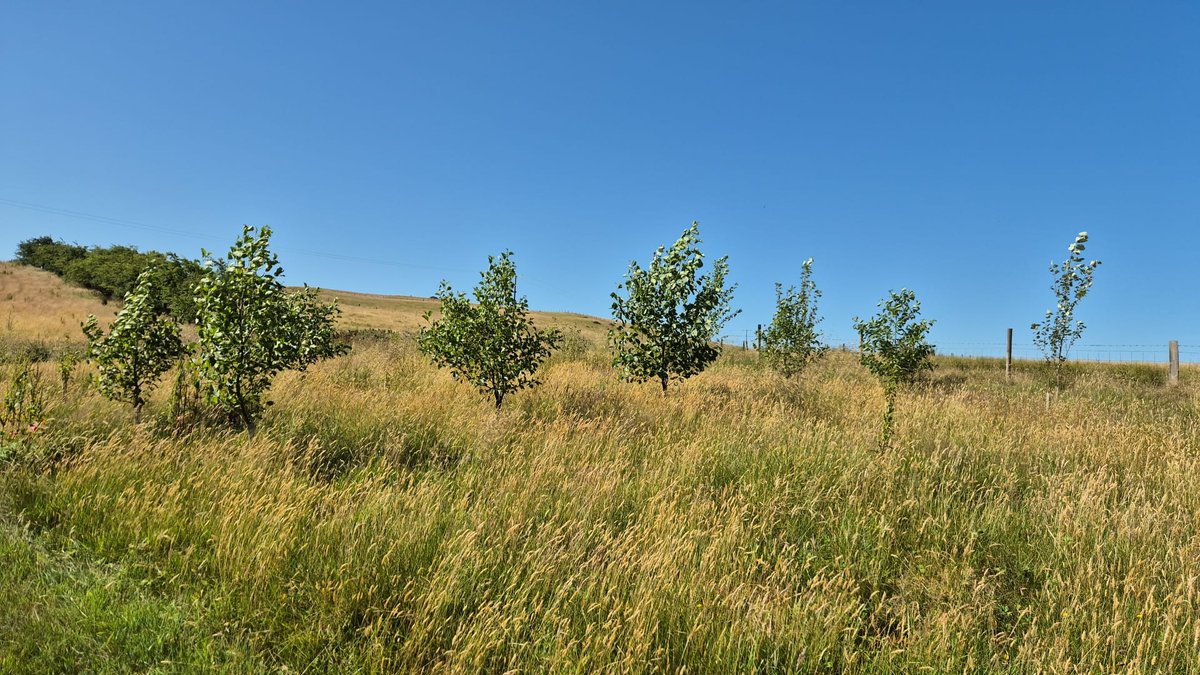
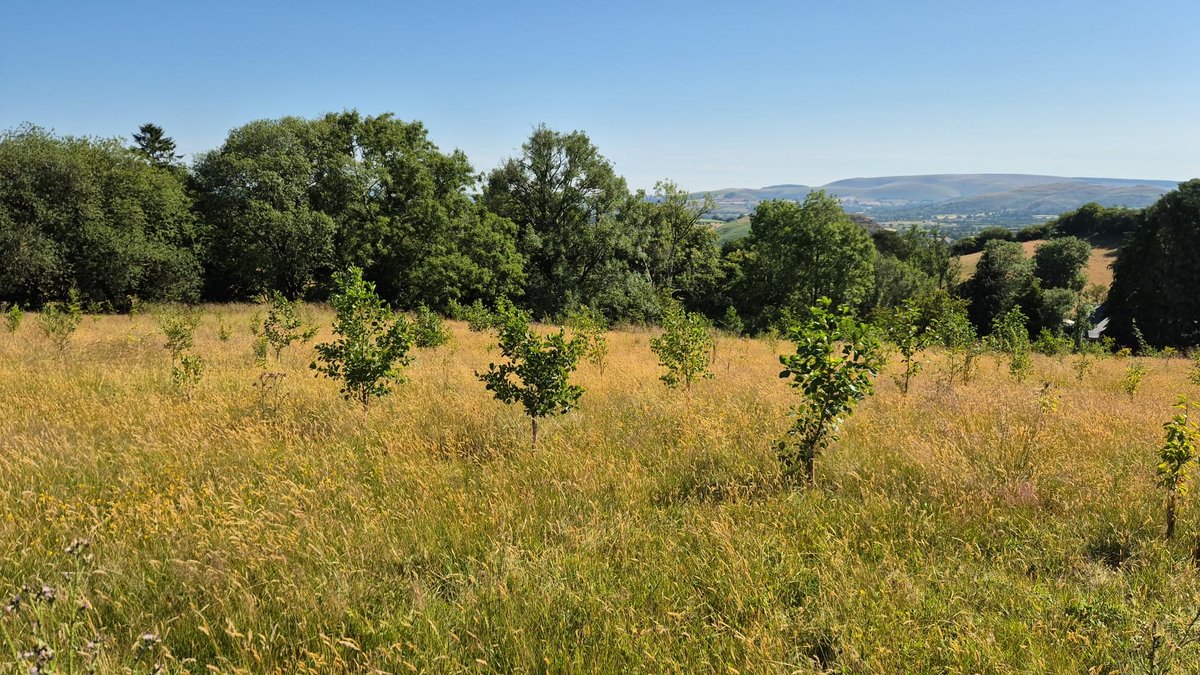
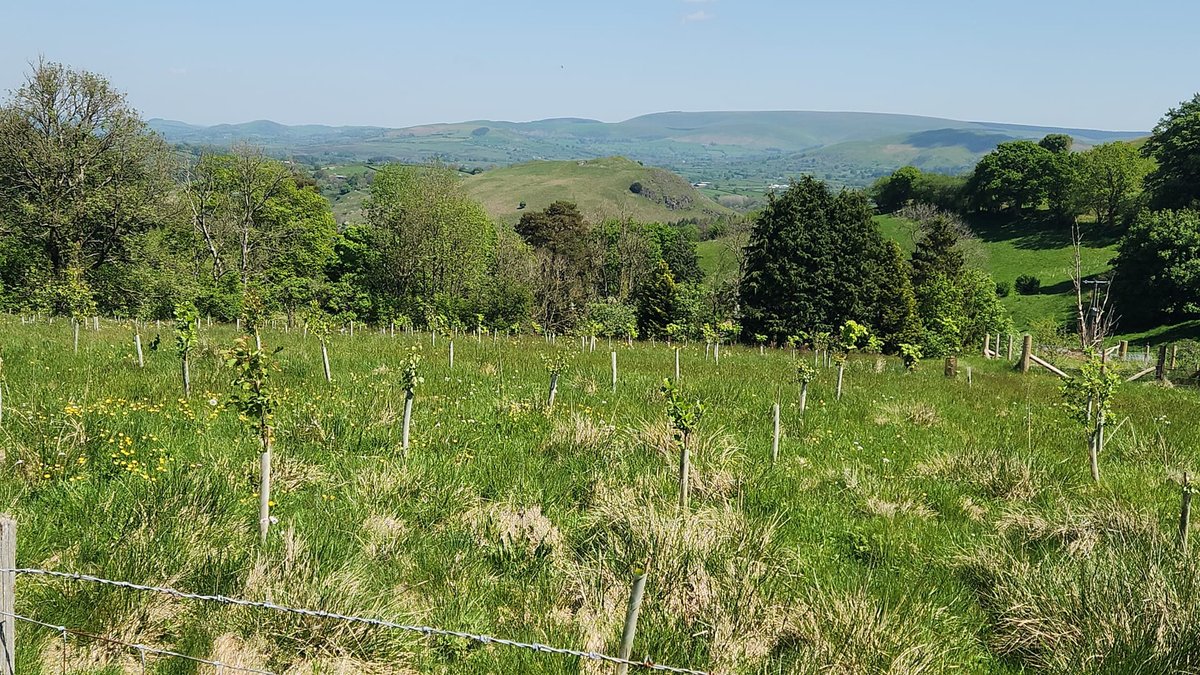
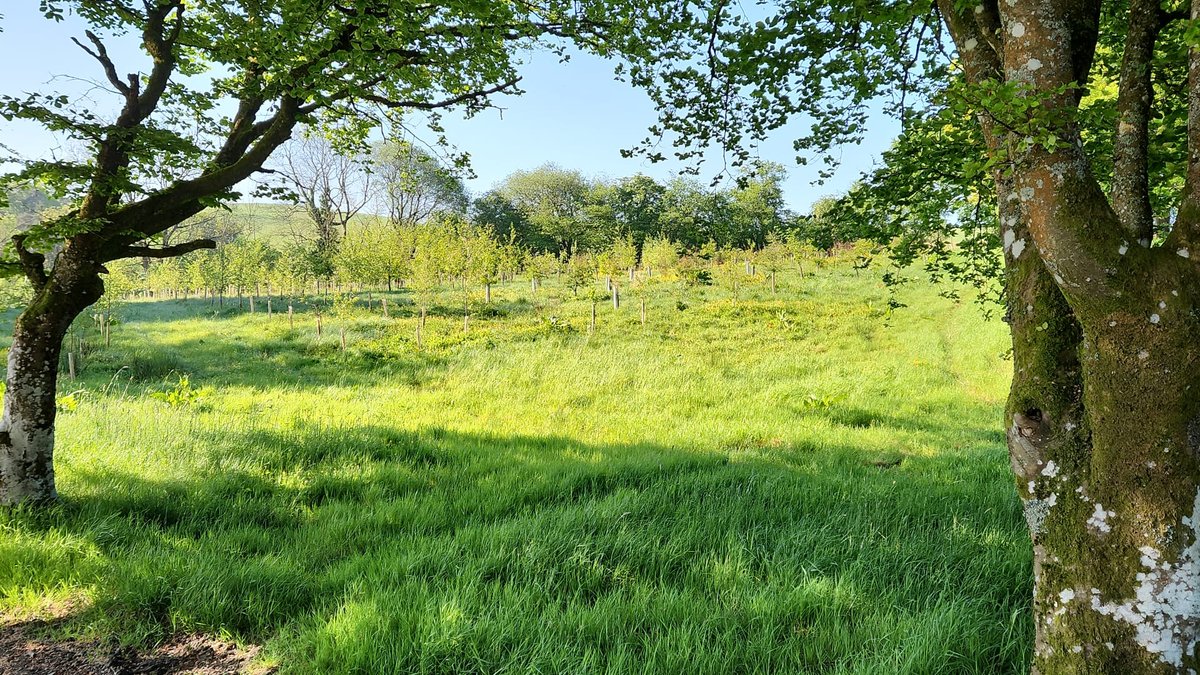
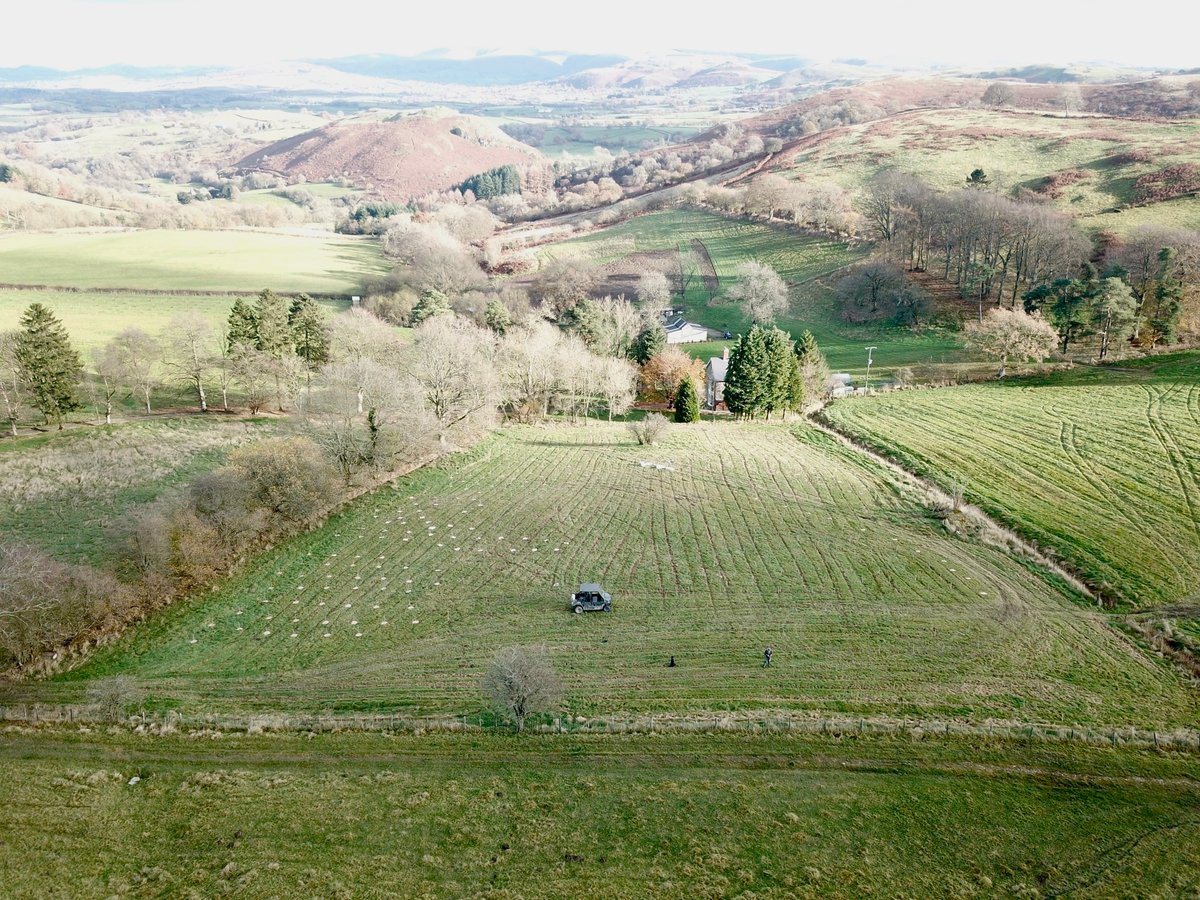
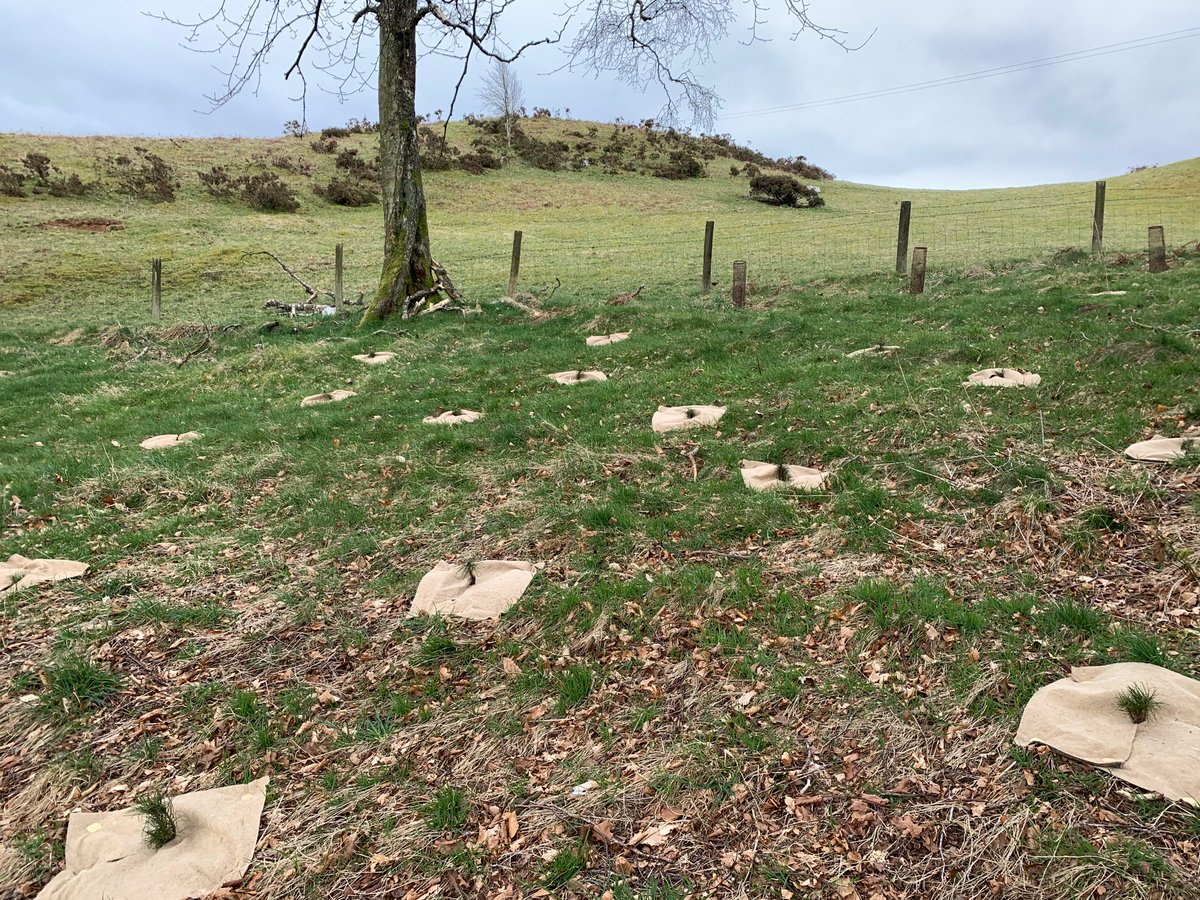
Landscape view of Pantpurlais

Working with the Forestry Commission, the Woodland Trust, and with funding from Ecologi, we aim to plant lots of different types of endangered and popular trees.

For a long time Pantpurlais has mainly been home to grazing sheep. The plan is over the next coming years, to turn the pasture land into a bio diverse woodland, with meadows, a wet woodland, and areas focused on helping pollinators like bees and butterflies. All of this ecological restoration will soak up carbon dioxide too!

The owner of the farm also plans to make a soft fruit orchard to provide enough apple and pears for cider and perry, which in our books is an excellent use of trees. Literally turning carbon dioxide into booze!

The first planting event was January 23rd-24th 2021 with 500 trees planted over 1.2 acres. The lander owners are going to keep planting through the rest of winter, and more substantial work will be done next winter to create a beautiful wet woodland, grassy meadows, and overall plant another ~2,500 trees!

Pantpurlais comprises 9 hectares (ha) of pasture with areas of mature trees mainly located along field boundaries and old hedge-lines. The area is situated within a depression on elevated ground which ranges from 325m Above Ordnance Datum (AOD) on the southerly side to 290m AOD in the northeast where a small watercourse drains the site.

The site’s biodiversity has been impoverished by past management and general degradation of the wider landscape. There is a need for baseline ecological surveys to be carried out to establish species present on site. But currently (it is assumed) the ecology of the site is similar to that of the surrounding countryside with many species typical of upland sheep-grazed Mid-Wales occurring at low densities.

The owner is aware of Red Kite having made a nesting attempt (2020). And it seems likely species such as Redstart and Pied Flycatcher may use natural sites or some of the dilapidated nestboxes erected many years ago. On a short visit in late-October Fieldfares, Redwings and Chaffinches were noted in good numbers along with Nuthatch and Goldcrest amongst the roaming parties of tits.

Evaluation of Site Features

There is much scope, through management, to increase biodiversity by creating and restoring a mosaic of national priority habitats including:

Upland Oak Woodland

A large part of the site has the potential to be restored to Upland Oak Woodland, a UK Biodiversity Action Plan (UKBAP) priority habitat. This quintessential Welsh landscape – ubiquitous of the region before overgrazing and conifer plantation – is characterised by Sessile Oak, Birch, and Rowan, with Holly and Hazel representing the dominant understorey features. The ground flora, predominately a Bluebell-Bramble-Fern community, should also feature species like Dog's Mercury, Red Campion, Yellow Archangel, Greater Stitchwort, Wood Anemone, and Early Purple Orchid. Classic upland Oak woodland birds – including Birds of Conservation Concern (BoCC) Red List species such as Pied Flycatcher, Wood Warbler, and Redstart (Amber List) – should be present. In nearby woodland, of the type described, 40 species of breeding bird have been recorded including additional Red List species: Marsh Tit, Lesser Spotted Woodpecker, Song Thrush, Spotted Flycatcher, and Mistle Thrush.

Ffridd

Ffridd is the transition zone between the lowlands and the uplands, occurring between 100m - 450m. This ‘upland fringe’ is an important Welsh cultural, historic, and ecological landscape characterised by scattered Rowan, Hawthorn, Crab Apple, Gorse, Bracken, rocks and scree. It potentially provides habitat for Tree Pipit, Yellowhammer, Linnet, Cuckoo, and Whinchat (all BoCC Red List), Redstart, and winter thrushes. Along with butterfly species such as Small Pearl-Bordered Fritillary and Dark Green Fritillary, there is a chance of Welsh Clearwing Moth (Red Data Book species / Welsh priority species) which has been found nearby at the Radnorshire Wildlife Trust’s Gilfach reserve.

Wet Woodland

The wetter lower slopes should consist of Silver Birch, Downy Birch, Aspen and Alder. Habitat characterised by the presence of Chiffchaff, Blackcap, Willow and Garden Warbler in spring. Overtime lichens, mosses and liverworts should become abundant along with plentiful rotting dead wood for fungi and invertebrate species.

Traditional Orchard

Orchards containing heritage varieties of nut and fruit trees planted at low densities are another UKBAP priority habitat. They are recognised as vital refuges for wildlife as well as being an important cultural feature of the landscape. Along with fruit trees of varying age there should be a mix of scrub, hedgerow, grassland, and decaying wood within and around the orchard. The orchard should provide habitat for mammals such as Hedgehog, Badger, bat species, woodpeckers, and a variety of scarce invertebrates.

Upland Hay Meadow

Upland hay meadows are mainly found on brown earth soils on level or moderately sloping sites between 200 and 400 metres altitude. Therefore there is scope to create a small meadow adjacent to the wetland area in the lower portions of compartments 1e, 1f, and 1d. A relatively simple management regime could promote a much improved botanical diversity. This would provide an enhanced nectar source for a variety of invertebrates and in turn benefitting the nearby orchard by increasing pollinators. Species such as Ragged Robin, Cuckooflower and common orchid species should occur in damper areas. With Knapweed, Devils Bit Scabious, and even Greater Burnet or scarcer orchids elsewhere – especially if kick-started with ‘green-hay strewing’ (see management). As well as bees and other pollinators (including moths) a meadow area would increase butterfly diversity with species such as Orange-tip and Ringlet expected and Small Pearl-bordered Fritillary hoped for.

Wetland Area

Enhancing the wetland area on site could potentially provide suitable habitat for Grey Wagtail and Daubenton’s Bat; amphibians including Great Crested Newt; odonata such as Common and Southern Hawkers, Beautiful and Banded Demoiselles. Along with a wide variety of aquatic, emergent, and wetland plant species.

In partnership with

Help fund our work

Fund the work still needed to complete this critical work.

Updates

  • Survival Survey
  • 97% survival rate

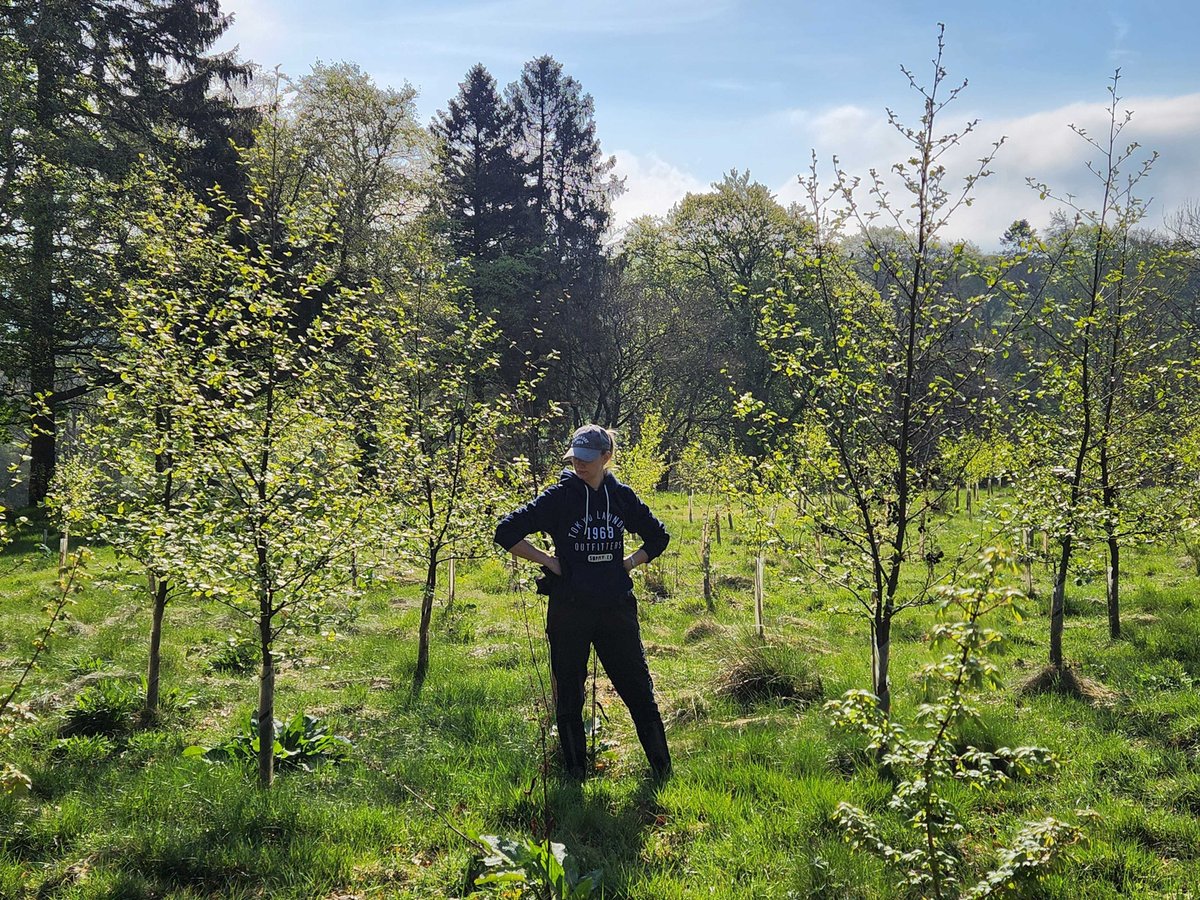
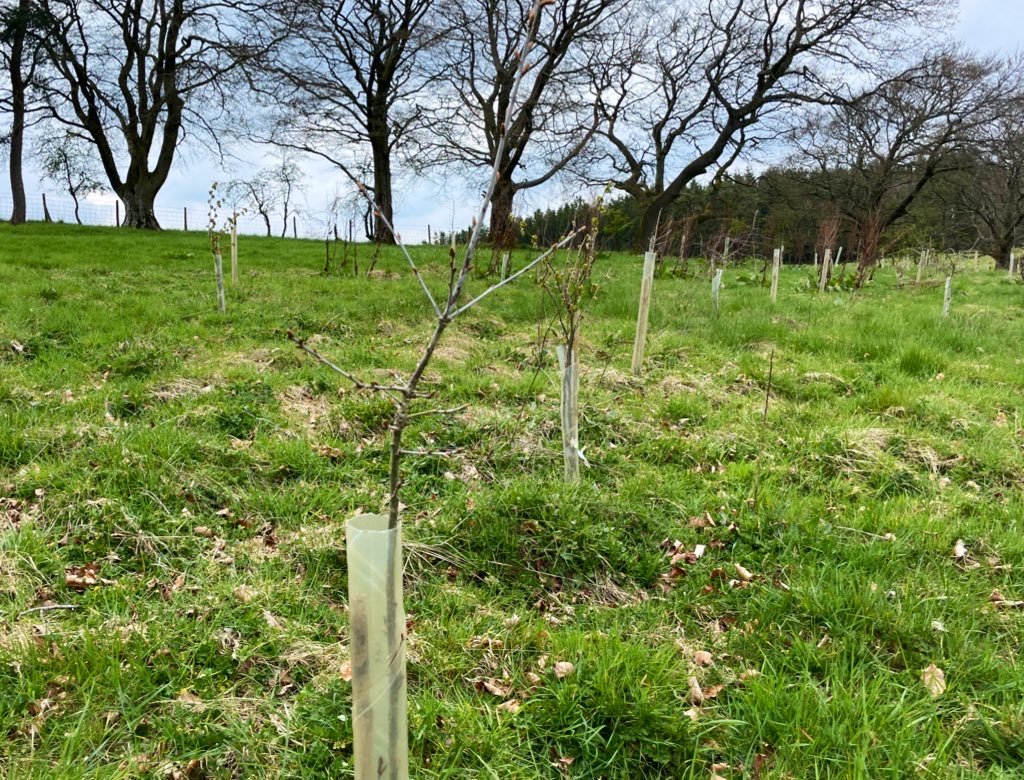
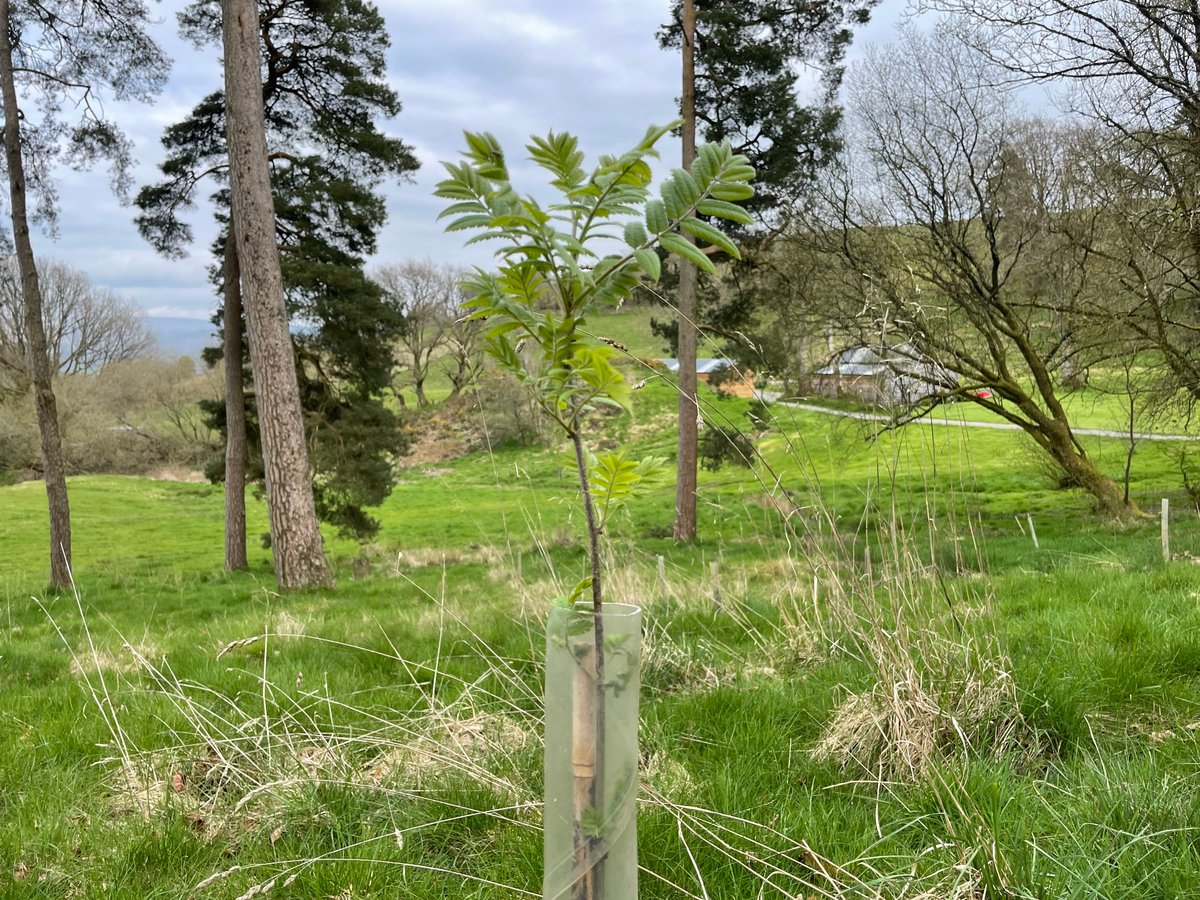
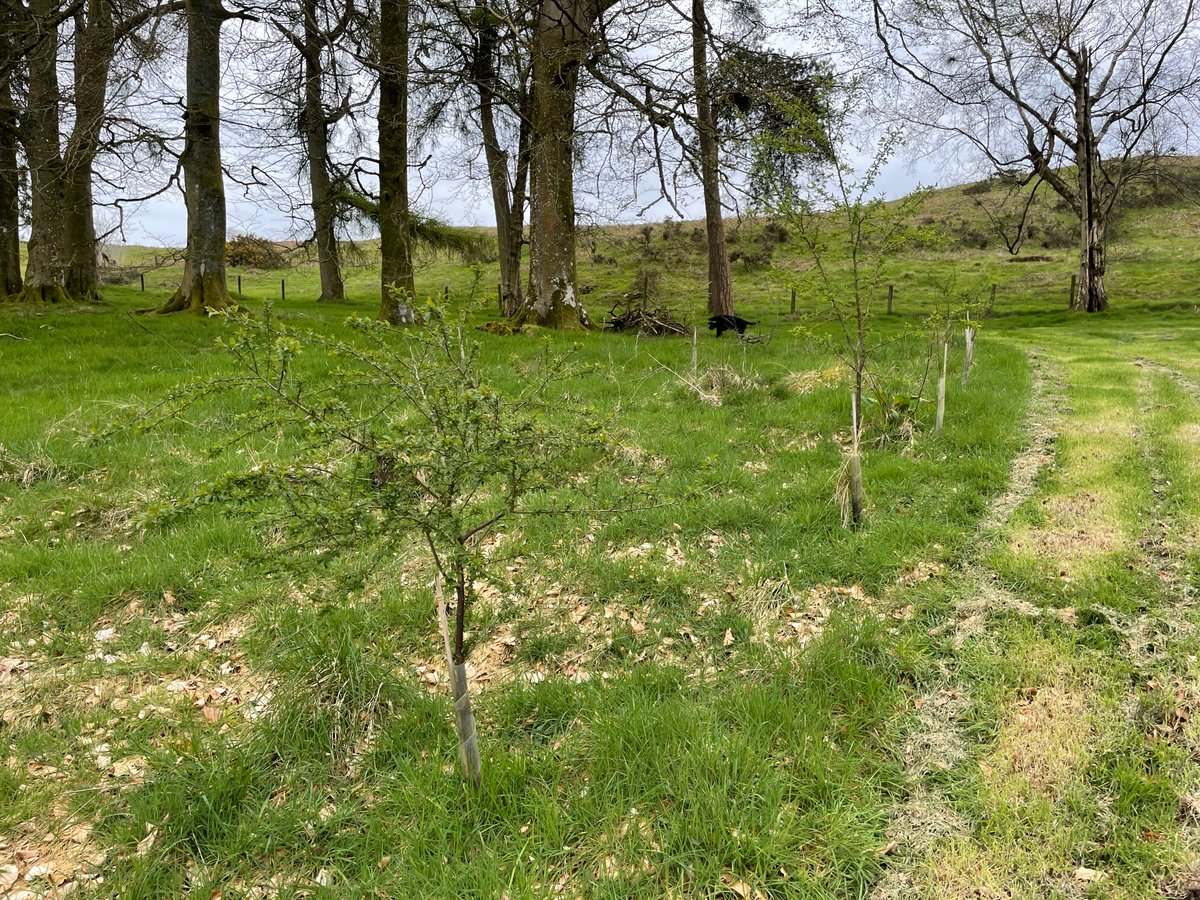
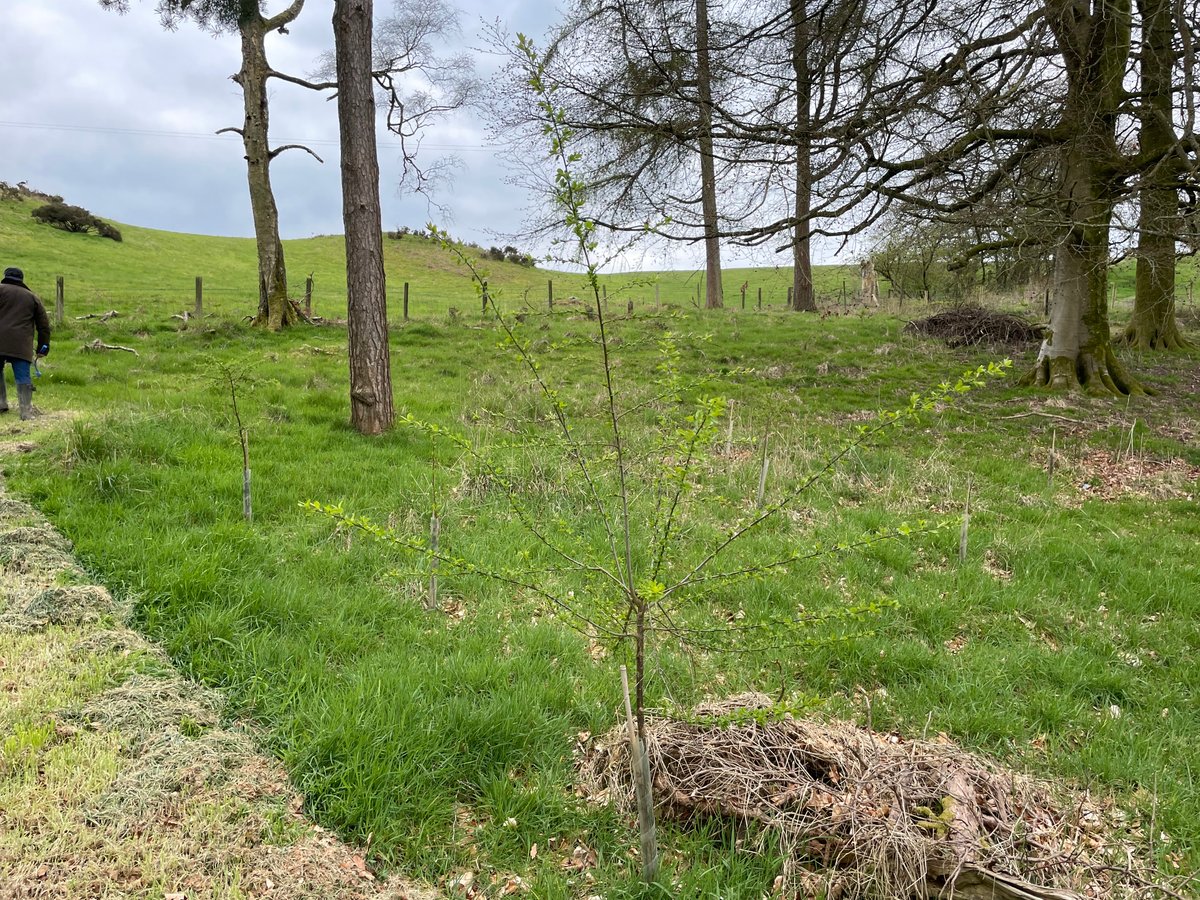
Overall this site is in excellent condition and has clearly been very well cared for by the landowner. The trees planted first are now very large and healthy, and are well established. The trees planted later are smaller, which is to be expected, but they are still doing extremely well. All other planting areas (for example, a small patch of oak planted on a slope by the house, and a couple of rows of saplings planted along a pathway) have almost no dead trees at all.

Deer are present on-site and have attacked saplings, but the problem is not severe and has not lead to concerning losses in the areas planted by us. Our team only saw one sapling killed by deer in our planting areas.

The landowner has found using wood chip as a weed suppressant at the base of saplings very successful, especially if it's been left outside for a year to grow fungal colonies prior to use.

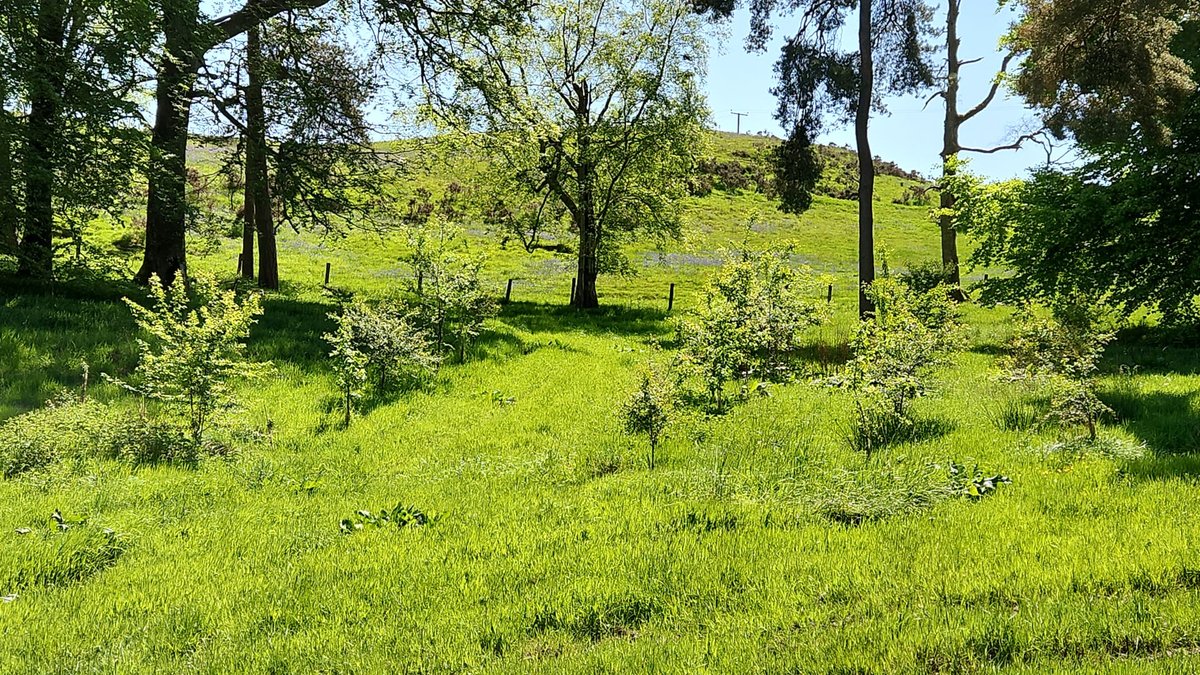
Disappointingly, the meadow has not done well. It has failed to support wildflowers even after being re-sown a second time with a rattle-heavy seed mix. The problem here is the vigorous grass growth, so we need to give this a lot more thought before making a third attempt to establish this wildflower meadow.

The landowner has reported seeing kites, buzzards, roe deer and muntjac deer on or above his property.

  • Survival Survey
  • 95% survival rate

We returned to the site outside Llandrindod Wells in Mid Wales in July 2025 to carry out a survival survey of the trees we planted in previous years. Overall, the site is doing amazingly well, with a 95% success rate.

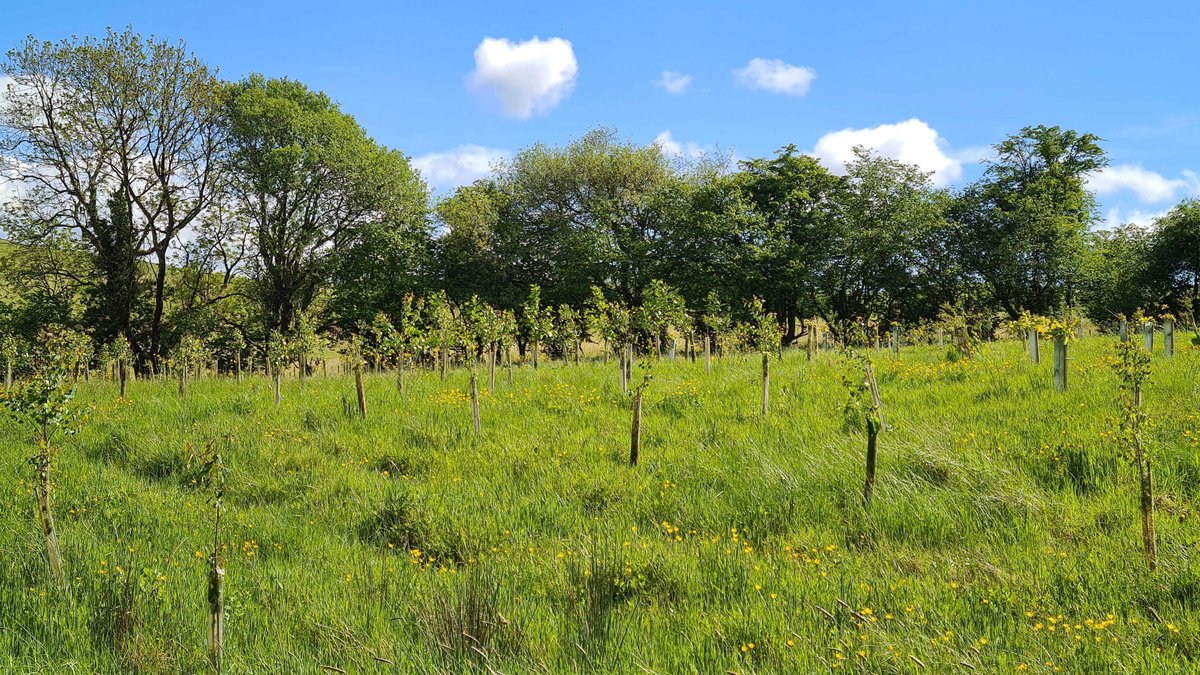
Many of the saplings have put on fantastic growth, especially the oaks. The early pollinator trees like crab apples are four years old now, and top out at 7ft tall. This is great news, as it provides an important food source for pollinator insects early in the year.

Our wildflower meadow hasn’t fared so well, and is very overgrown with grass. We plan to use yellow rattle heavy mix plugs when we maintain to try and break up the grass a bit and give the wildflowers a chance.

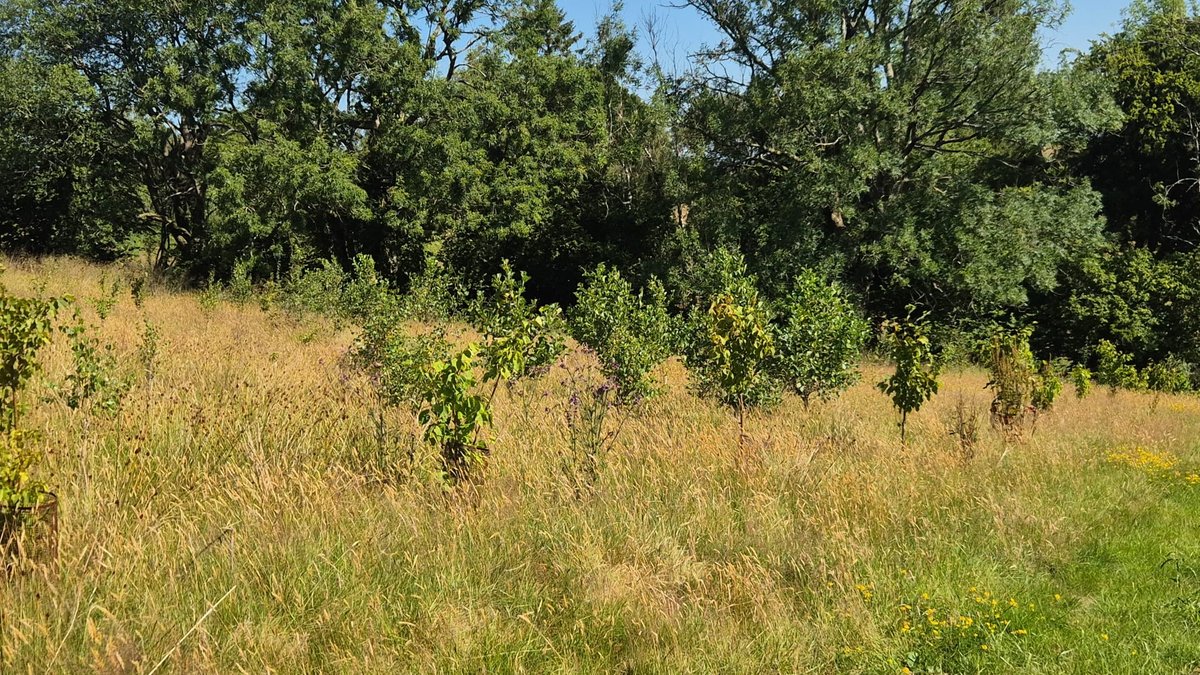
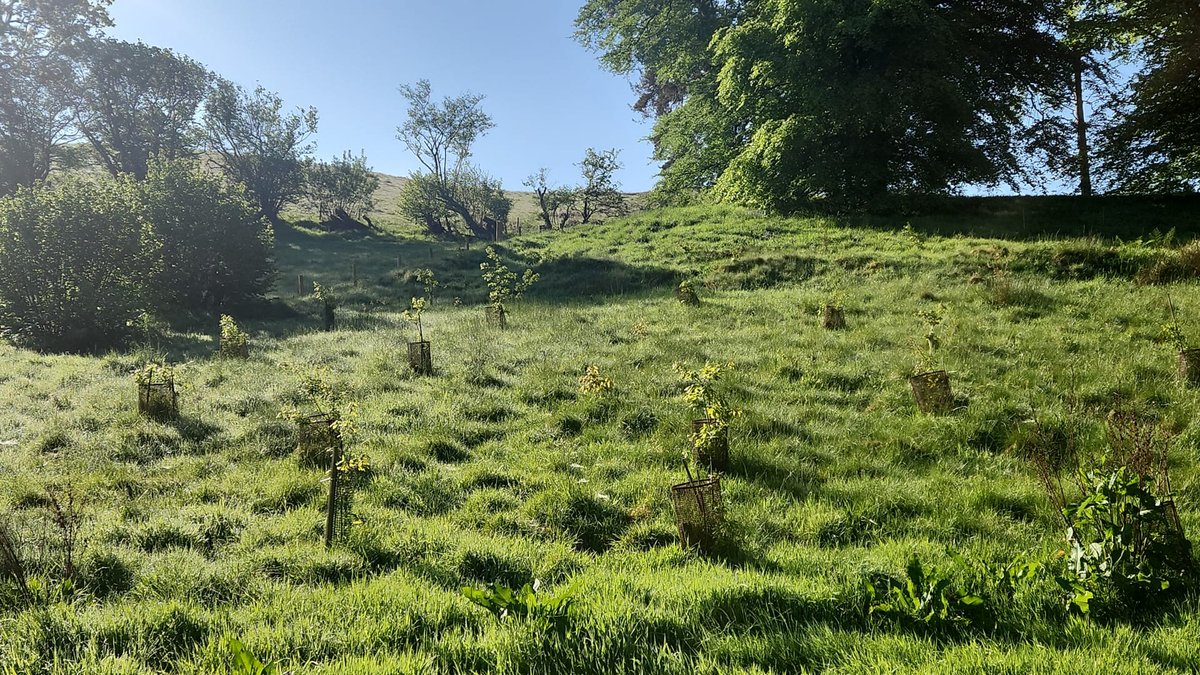
The landowner kindly provided some beautiful photographs; the contrast is striking. Even the smallest saplings are starting to look like proper trees now; the guards and stakes are starting to go, roots are down, and the trees are unmistakably at home in the Welsh landscape.

  • Survival Survey
  • 90% survival rate

We carried out our survey here later in the season than normal, but the trees were still looking well. The trees planted in 2021 have a 99% survival rate, which is shockingly good and better than we could have hoped for. One theory is that these trees (which came from Thorne Trees) were slightly older than usual.

The trees planted in 2022 have an 80% survival rate. Here we planted smaller bare root whips, including a lot of silver birch and some of these have been consumed by the grass. The small leaved limes, which spent their first night in Wales, in a bath in the local hotel, are doing well!

Overall, the site survival rate was 90% which is still very good.

It was too late in the season to check the wildflower meadow, but the landowner said it had not done particularly well this year.

  • Ecology Survey

Common Bird Census (CBC) territory mapping of the breeding birds at Pantpurlais was carried out on 15/06/23. This is the third year we have had a survey carried out here.

Twenty-six different species were recorded to be holding territory on site, which is an increase of three from last year and two more that 2021. Species included: blackbird, blue tit, chaffinch, coat tit, crow, goldcrest, goldfinch, greater spotted woodpecker, great tit, meadow pipit, mistle thrush, nuthatch, pied flycatcher, pied wagtail, raven, redstart, robin, siskin, skylark, song thrush, stock dove, stonechat, treecreeper, tree pipit, willow warbler, wood pigeon, wren

The pied flycatchers, first seen in 2021 are back, which is good news as there was no sign of them during the survey in 2022. Song thrush was a new species but there were two territories of them this year. Tree pipit was another new species here taking the total to 25 species (plus a skylark spotted just off site, just off site). Stonechats with 3 fledged young was good to see.

The area around the site was not surveyed, but house sparrow, house martin, swift and spotted flycatchers are likely to be around the buildings.

  • Survival Survey
  • 98% survival rate

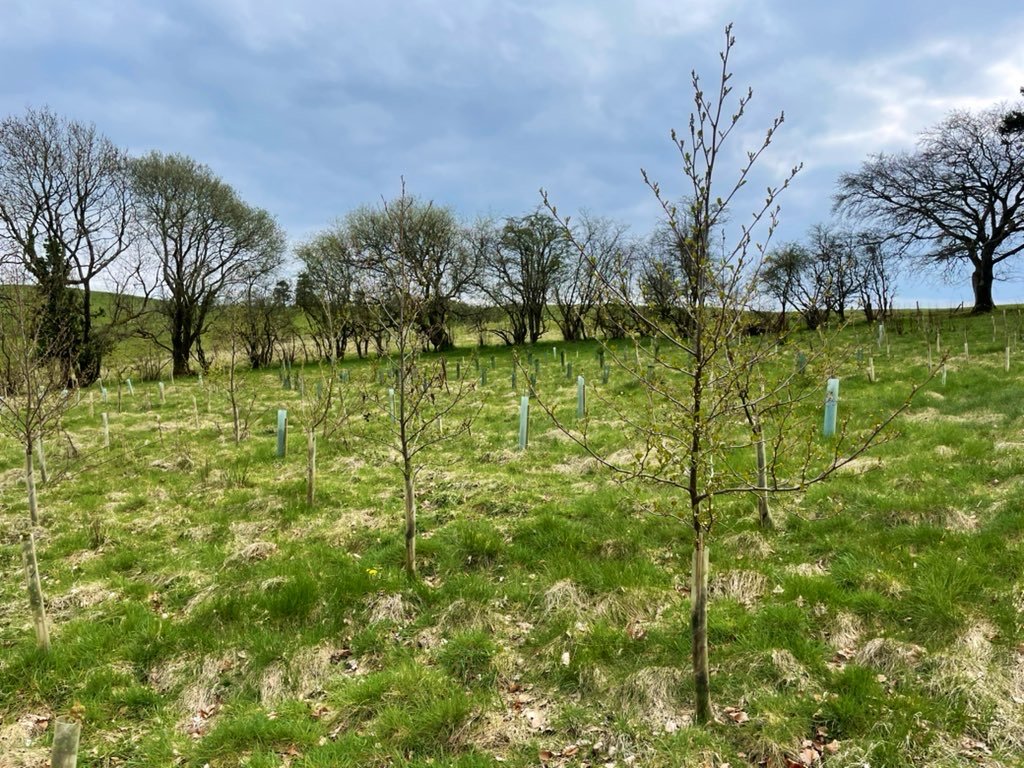
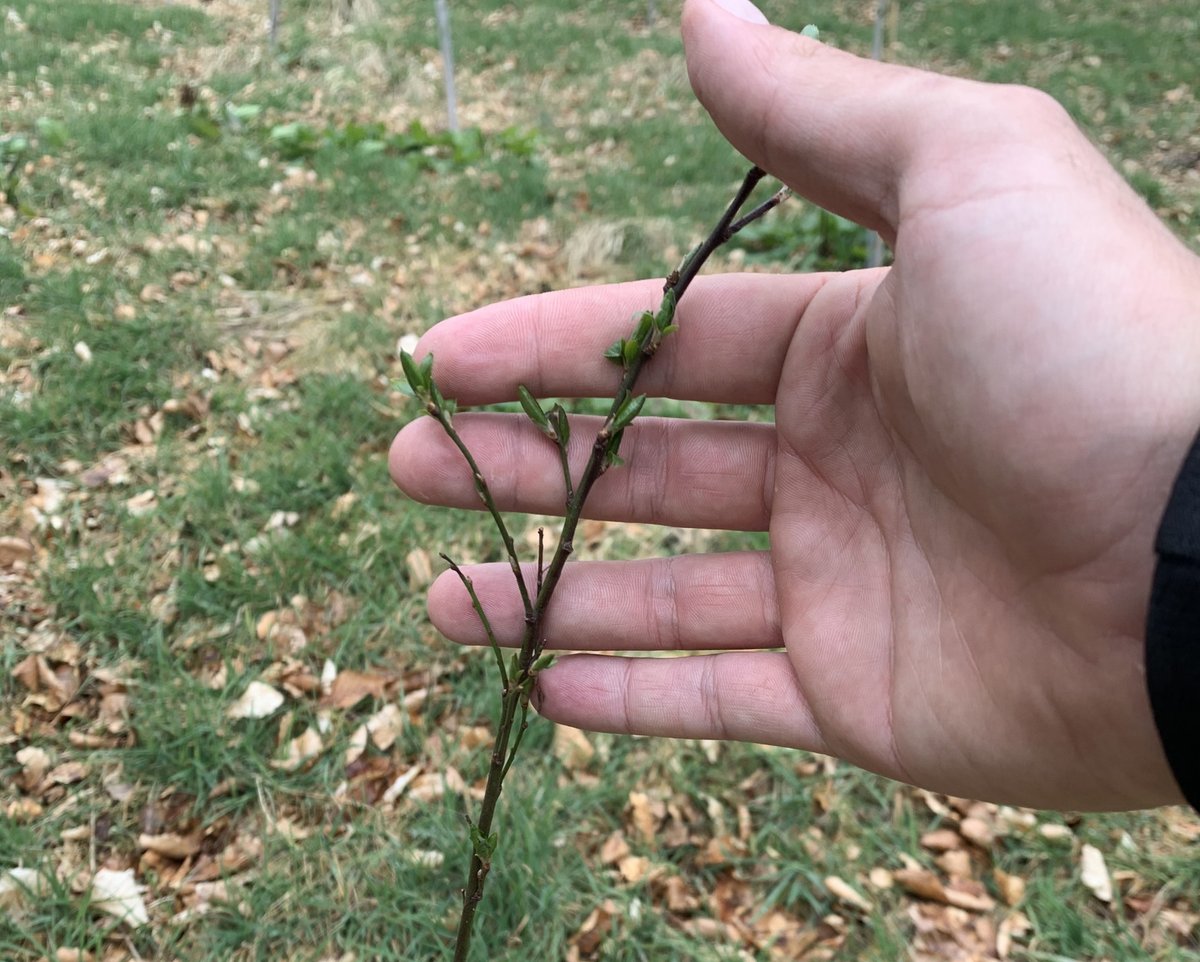
Once we had finished sowing the new wildflower meadow we couldn’t wait any longer to visit the two woodland sites we had planted on this farm. Although it was rather early in the year for a site survey we could see that the trees were mostly doing pretty well, with very few dead saplings. The spring buds are beginning to burst open, with the most established trees already outgrowing their guards, especially in the woodland we planted first. 98% survival rate is a remarkable achievement and very encouraging.

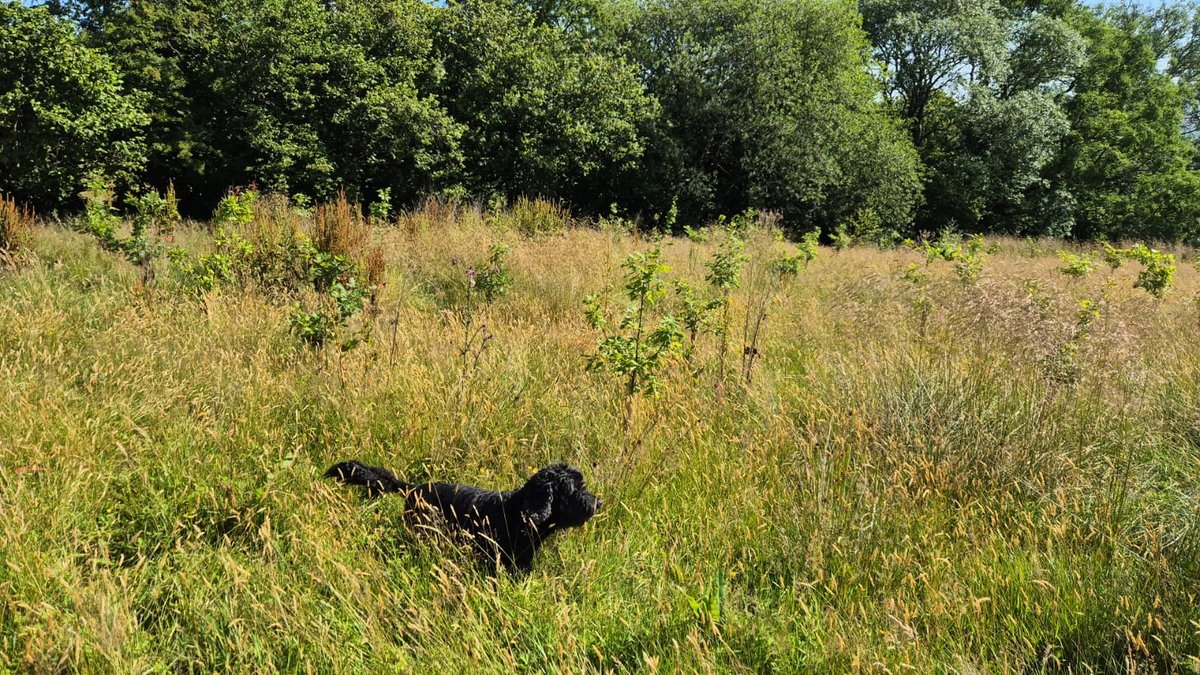
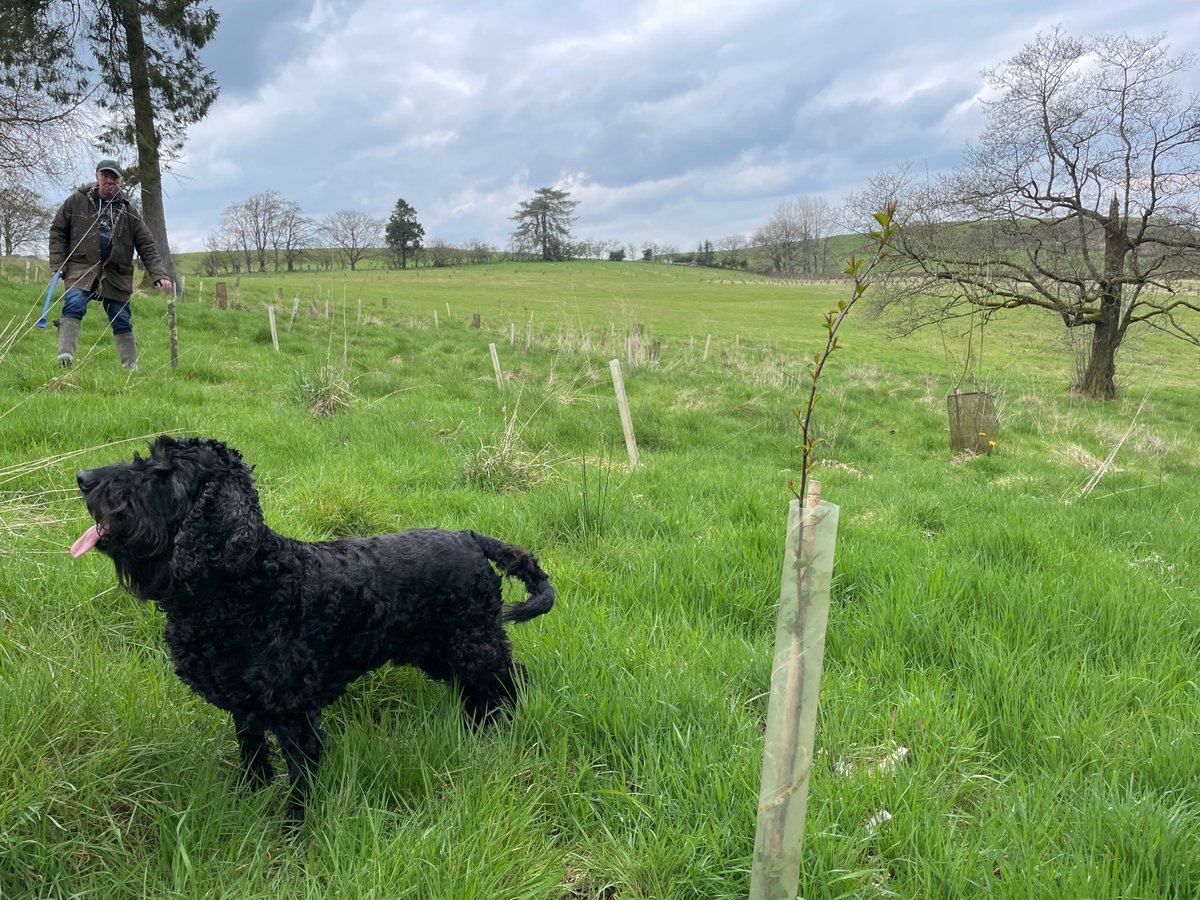
It seems our four-legged volunteer in the second photo never left…

  • Survival Survey

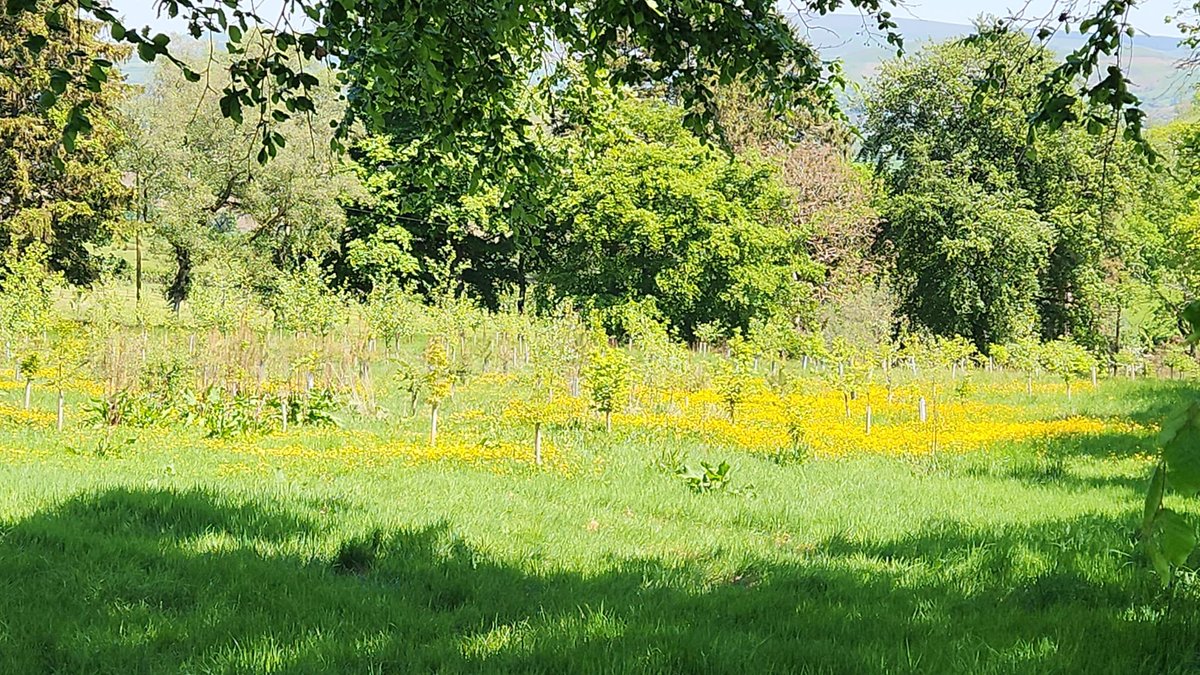
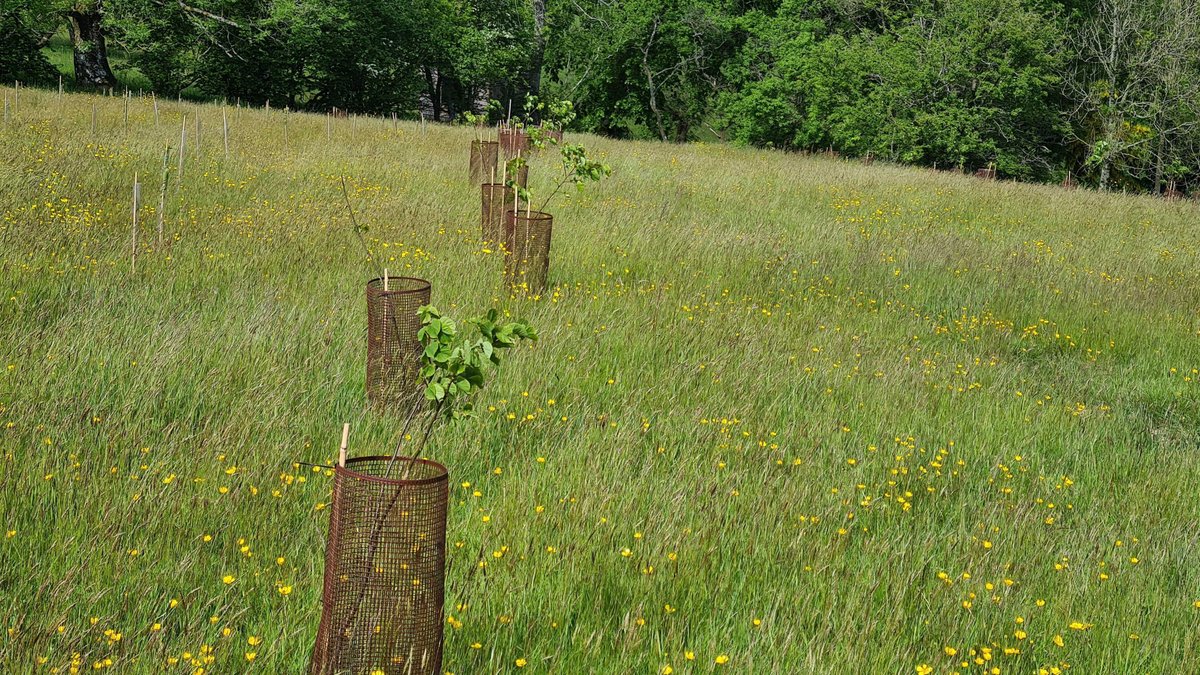
Saplings finding their feet during their first summer, surrounded by a sea of buttercups.

  • Wild Flower Meadow

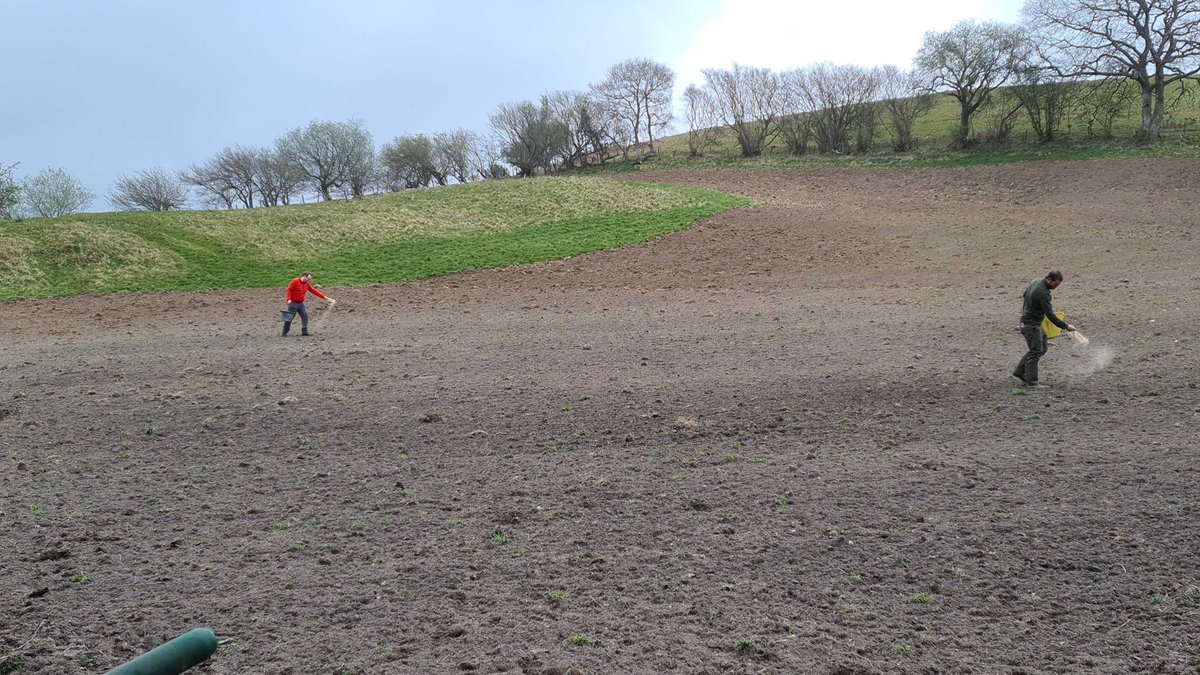
Spring or early autumn are the best time to plant a wildflower meadow, and a wind-free day is essential if you want the seed in the right place. Warm, wet conditions are ideal, so we aimed for late April just before rain was forecast to give the seed the best chance of germinating successfully.

The soil here is fertile, which isn’t ideal. The one-acre field was ploughed and power-harrowed to prepare for the seed. We prepared the wildflower seed mix by adding sand to make it easier to sow evenly and to help reduce the fertility of the soil a little. We then sowed the seed broadcast and rolled it in afterwards.

In the first year the wildflower meadow will need cutting in mid-July and the cut material removed to reduce soil fertility. Tall plants such as docks, thistles, and nettles may need cutting earlier before they have time to seed. The whole meadow will need cutting again in the autumn.

  • Tree Planting
  • 500 trees planted

Armed with more experience and a group of willing volunteers we returned once more to create a new native woodland in a different field.

We planted 717 saplings in higher density blocks of between 1100 and 1600/ha using mixed locally native species with alder, aspen and willow in the wetter areas with the remaining few dotted throughout the rest of the planting. The remaining species were planted anywhere on freely draining brown earth soils. Tree spacing was variable, but within the range of 1100-1600/ha (2.50-3.0m). We avoided planting under the existing tree canopy and within the drip line of larger crowned trees. Native shrubs were planted throughout but mostly concentrated towards the edges of planting areas to provide the best chance of consistent flowering and fruit production.

  • Tree Planting
  • 600 trees planted

It starts here!

The long-term vision for the new planting is to create areas of mixed and native woodland that complement existing natural environmental, landscape and historical features, and take into account a changing climate for future generations to enjoy.

The new woodland will contain a diverse range of native and non-native species planted in contrasting areas and patterns to create a mosaic of habitats and wooded features that will provide both native woodland habitat that will encourage wildlife and a landscape that contains a variety of trees from different continents mirroring the Victorian heritage of the site.

The native woods will be managed to become fully established within 10 years and achieve a closed canopy within 15 years. Hardy native pioneer species including birch, rowan, aspen and alder and will form the main tree canopy along with oak, small leaved lime and wild cherry planted within this mixture for diversity and to provide a long lived woodland. A wide range of native shrubs typical of mixed lowland broadleaved woodland will be planted up to 40% of the mixture as source of food for wildlife and for general diversity. The woodland may be managed in subsequent years to ensure the feature is preserved and allowed to mature providing a local amenity as well as natural habitat.

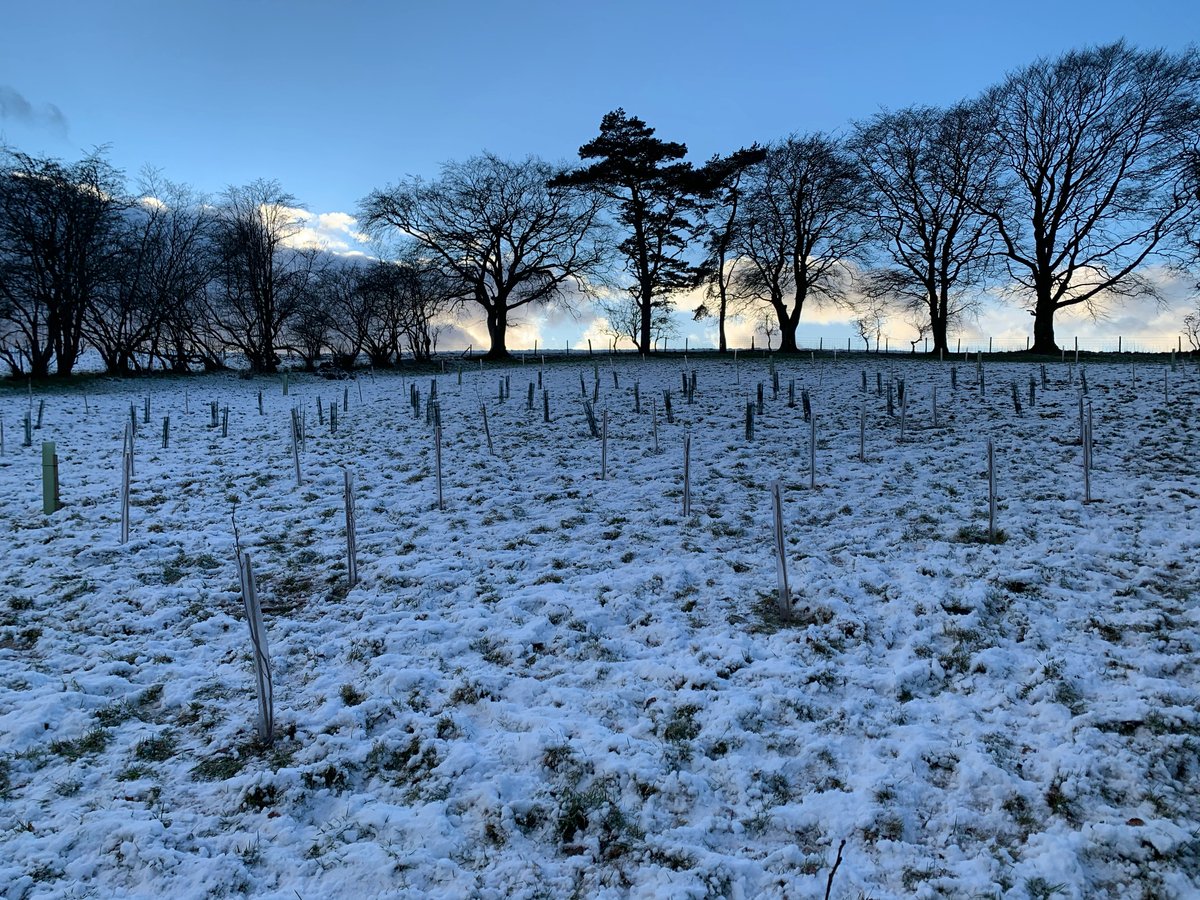
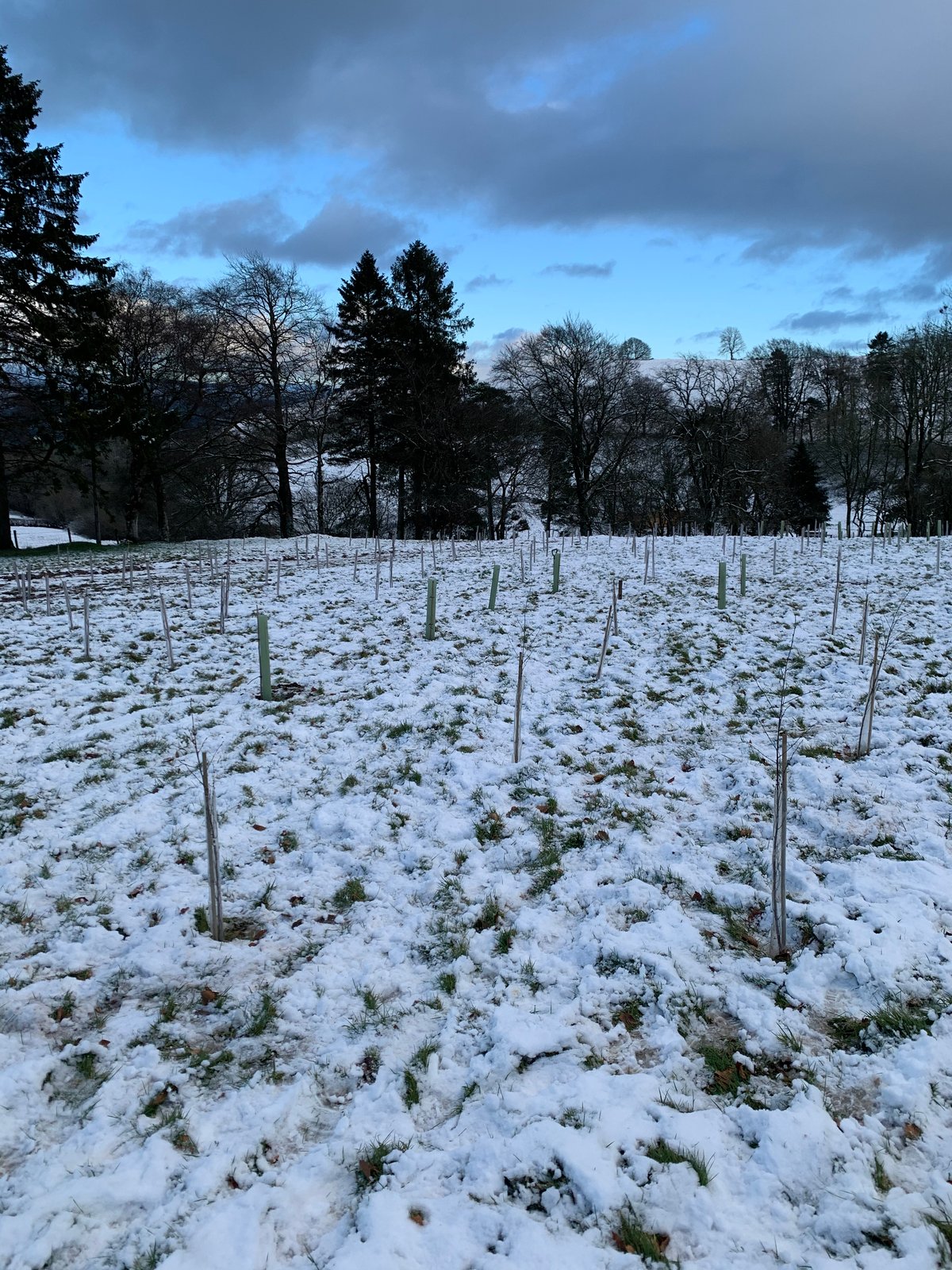
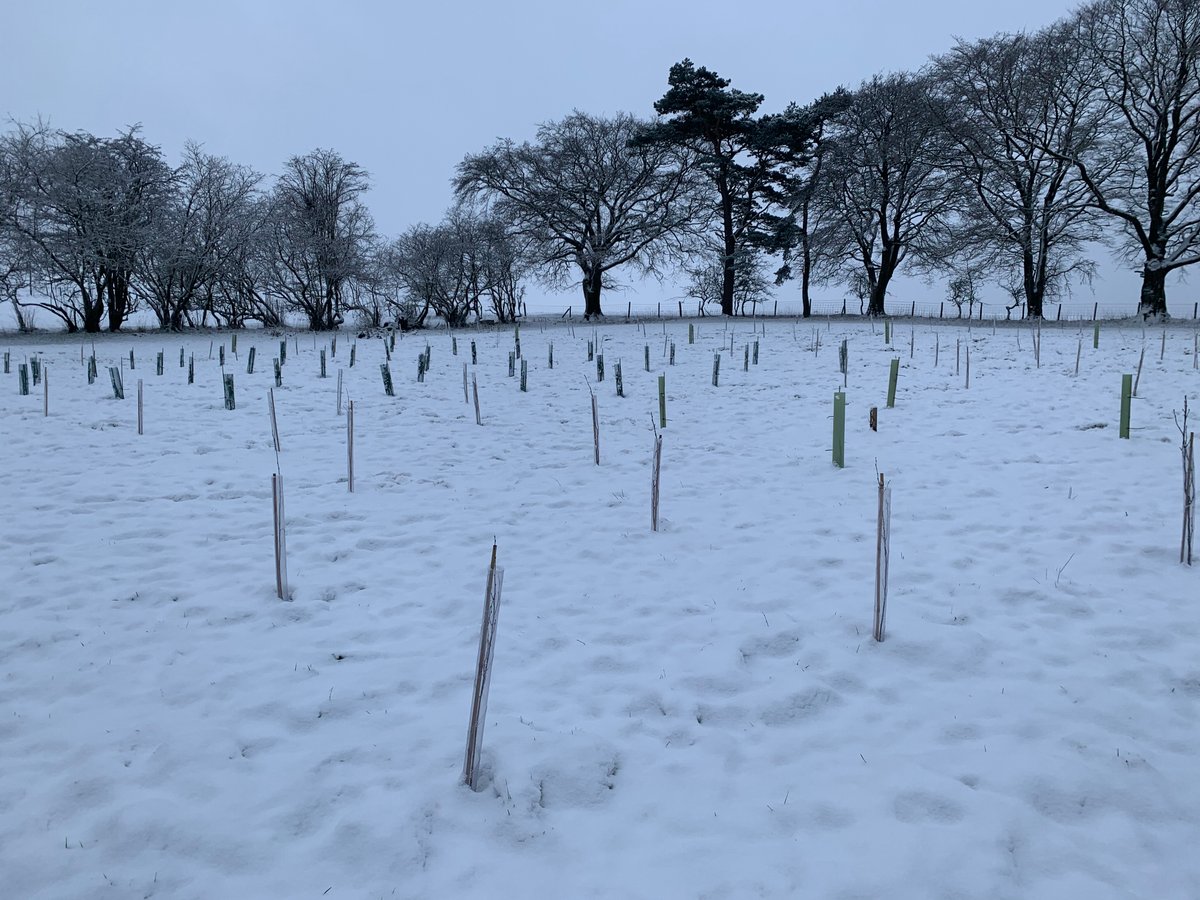
We were lucky to be able to plant the trees before the snow came, but our photos have a very winter feel!

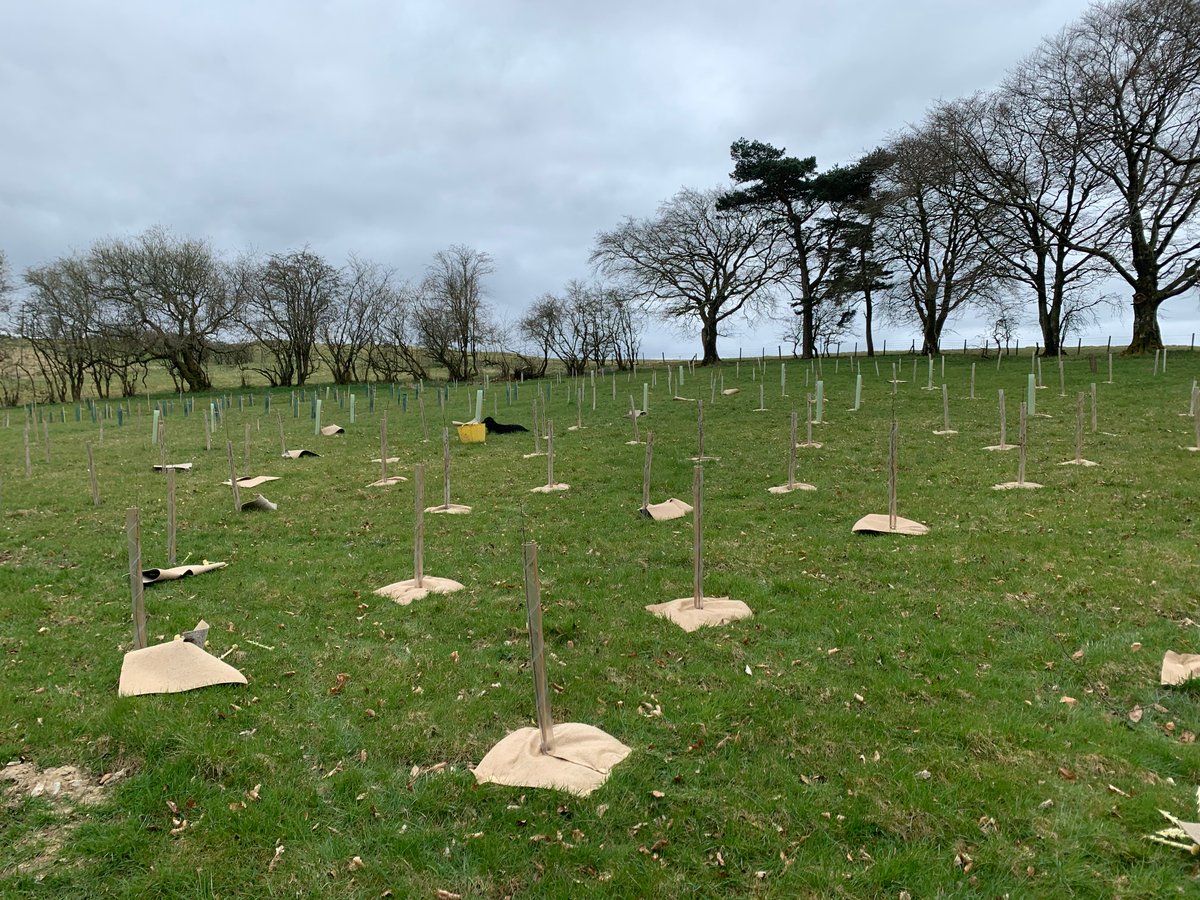
We returned in April when the weather was better to lay some biodegradable mulch mats to supress the grass around the trees. We were pleased to see that our saplings were beginning to sprout.

Site Location

Help Protect Earth - Take Action Now

Volunteer

Help us create and maintain new woodlands, hedgerows and wildflower meadows! We need volunteers to sow seeds, plant saplings, clear invasive plant species and pick up litter. No qualifications necessary; jobs for all ages and abilities. Come and turn climate anxiety into climate action!

Fund Our Work

With government funding for reforestation and rewilding tenuous, we increasingly rely on our amazing community to keep us growing regardless of political shifts. Help Protect Earth continue to restore ecosystems and improve biodiversity across the country.

Support the Land Fund

Help us put down roots! Your donations to our Land Fund let us seize the moment when the perfect piece of land comes up for sale. Every penny helps us secure community woodlands, healthier ecosystems, and a greener future for generations to come.